
2027 Digital Photography Degree vs. Certificate: Which Should You Choose?

Co-Founder and Chief Data Scientist
Students and professionals today face important decisions when choosing between earning a digital photography degree or a certificate. Both educational paths can enhance careers by developing technical skills and creative techniques, yet they differ in depth, duration, and credential recognition. A degree often offers comprehensive training, while certificates focus on specialized or practical expertise.
Digital photography degrees typically require two to four years and cover broader subjects such as art history and digital editing. Certificates may take months and emphasize specific skills like lighting or photojournalism. This article will compare these key differences to help you select the best fit for your career goals and lifestyle.
Key Points About Digital Photography Degree vs. Certificate Programs
- Degree programs offer comprehensive training over several years, increasing salary potential by up to 15% compared to certificate holders due to in-depth skill development and broader career options.
- Certificate programs typically focus on hands-on, specialized skills, allowing quicker entry into the workforce but may limit long-term growth or advancement opportunities in competitive markets.
- Degrees often incorporate art theory, business management, and advanced techniques, fostering well-rounded professionals, while certificates emphasize technical proficiency for immediate practical application.
What are the differences between digital photography degree and certificate programs?
Both digital photography degrees and certificate programs offer pathways to valuable careers in photography, but they differ in several important ways. Understanding these distinctions can help students select the educational route that best fits their professional goals and available time commitments. Below are the main differences between digital photography degrees and certificate programs.
- Depth of Learning: Degree programs provide a comprehensive study of photography including technical skills, art theory, and history, suitable for those seeking a broad understanding. Certificate programs focus on practical, hands-on skills and specific techniques, ideal for learners wanting rapid skill acquisition.
- Time Commitment: Degrees typically require multiple years of study, making them a longer-term investment. Certificates are shorter, often completed in months, appealing to individuals seeking quick entry or upskilling in the field.
- Career Advancement: Earning a degree may open doors to management roles or specialized areas due to the depth of training and academic credential. Certificates can boost employment for those aiming to enhance their portfolio or gain foundational expertise without a long-term commitment.
- Cost and Accessibility: Generally, degrees involve higher tuition and additional fees, while certificates tend to be more affordable and accessible, suitable for budget-conscious students or working professionals.
- Flexibility: Certificate programs often offer flexible scheduling and online options, catering to busy adults or those balancing other responsibilities. Degrees may have more structured requirements and on-campus attendance.
How long does it take to complete a digital photography degree vs. a certificate program?
When deciding between a digital photography degree vs. certificate, one of the most important considerations is the time required to complete each program. Understanding how long it takes to get a digital photography degree compared to a certificate can help you align your education with your career goals and personal schedule.
- Typical Duration: A digital photography degree typically takes between two to four years of full-time study, with bachelor's degrees often requiring about four years to complete. In contrast, a digital photography certificate program length is much shorter, generally designed to be completed in six to eight months if pursued full-time in consecutive terms.
- Flexibility: Degree programs allow for part-time enrollment, which can extend completion beyond four years, while certificate programs may last longer than eight months when taken part-time. Some schools offer accelerated or flexible pacing options, enabling highly motivated students to finish sooner across both pathways.
- Factors Affecting Timeline: Completion time also depends on program structure, course availability, and transfer credits. Students with prior experience or relevant coursework may reduce their study length by testing out of courses or transferring credits. Scheduling and sequence requirements in degree programs can also influence overall duration.
Choosing between these options often depends on how quickly you need to enter the workforce and your desired depth of study. For those exploring fast pathways to career advancement, exploring high paying certifications may be worthwhile.
Can you complete a digital photography degree or certificate entirely online?
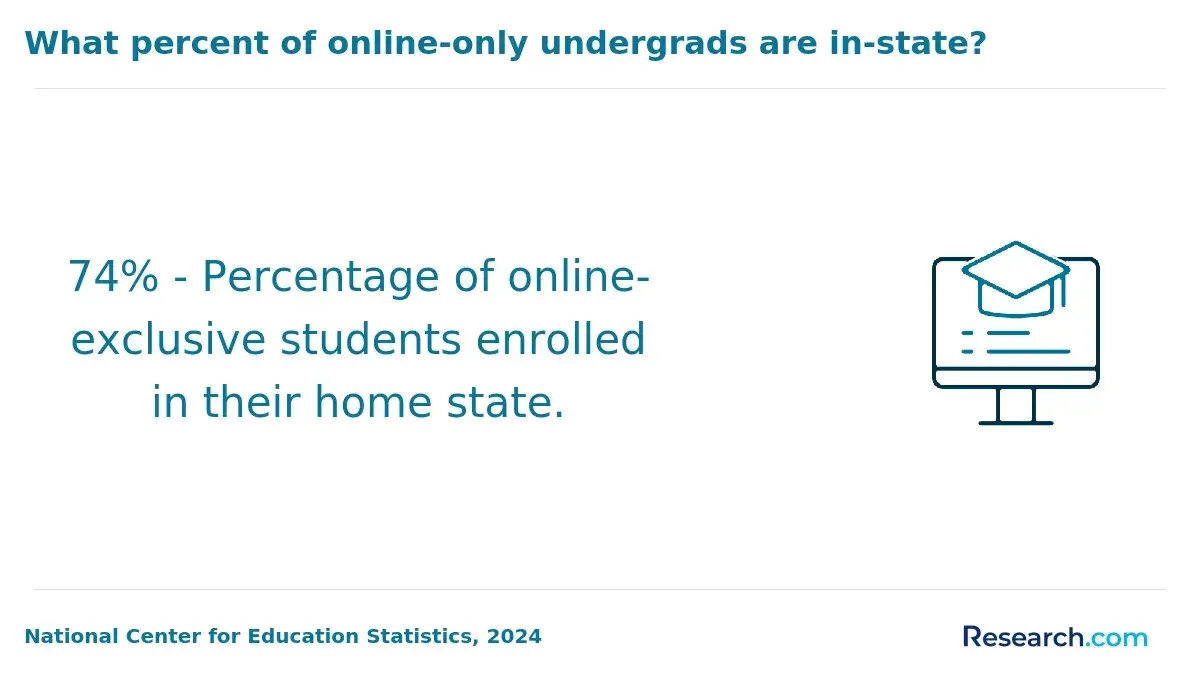
The rapid growth of online education has made it increasingly feasible for students across the U.S. to pursue degrees and certificates remotely in various fields, including digital photography. Many universities now offer fully online digital photography degree programs, such as Arizona State University's BFA, Southern New Hampshire University's BA, and Liberty University's BS in Digital Design - Photographic Design, all completed entirely online.
Additionally, online digital photography certificate options are widely accessible through programs like the New York Institute of Photography and eCornell. While many programs are fully online, some institutions may still require hybrid formats combining online coursework with occasional on-campus sessions, so it is essential to verify each school's delivery method.
Although online programs offer flexibility, students must consider the need for hands-on training using DSLR cameras and editing software, which is vital for success in degree and certificate curricula. Many programs incorporate optional internships or portfolio reviews that may be completed remotely but sometimes require in-person participation.
Licensure is generally not required for professional photographers, though checking state regulations is advisable for specific career paths. Choosing an online format aligned with personal goals means prioritizing programs that provide strong hands-on components, professional feedback, and networking opportunities. For those interested in exploring the easiest doctorate degree to get, see easiest doctorate degree to get.
What are the admission requirements for a digital photography degree vs. a certificate program?
Admission requirements play a crucial role in deciding your readiness and eligibility for pursuing either a digital photography degree or certificate program. Knowing these requirements helps you choose the path that best aligns with your educational background, career ambitions, and timeframe. Below is a side-by-side comparison of typical admission requirements for both program types to clarify your options.
Admission Requirements for Digital Photography Degree Programs
- Educational Background: Most bachelor's degree programs require a high school diploma or equivalent. Certain programs, such as the BFA at Arizona State University, also demand meeting broader university admission standards.
- Portfolio Submission: Many degree programs, especially bachelor's and master's levels, require a portfolio submission to evaluate your technical skills and creative potential.
- Transcripts: Official transcripts from previous schools are typically required to demonstrate satisfactory academic performance.
- Letters of Recommendation: Graduate-level programs often request one or more letters from teachers or professionals familiar with your work and character.
- Personal Statement or Artist Statement: A personal or artist statement outlining your goals, interests, and reasons for pursuing digital photography is commonly required.
Admission Requirements for Digital Photography Certificate Programs
- Educational Background: Certificate programs usually have fewer prerequisites and often accept applicants with a high school diploma or GED. Many community colleges and online programs offer open enrollment options.
- Portfolio Submission: Most certificate programs do not require portfolios for admission, making them accessible to beginners without prior experience.
- Prerequisite Courses: Some certificates may require completion of foundational photography or digital imaging courses or proof of equivalent experience before advancing.
- Application Form: Admission typically involves completing an application form, sometimes accompanied by an interview or orientation session.
Understanding the admission requirements for digital photography degree programs versus how to qualify for a digital photography certificate is essential for making an informed choice. Choosing the right pathway depends on how these requirements align with your current qualifications and professional goals.
For students considering the financial implications of their move into photography or arts more broadly, exploring the top paying majors can provide valuable insight into related career prospects and investment returns.
How many credits do you need to complete a digital photography degree vs. a certificate?
Knowing the credit requirements for digital photography programs helps students effectively plan their academic schedules and manage their time. Understanding these differences is crucial when choosing between a degree or certificate path. Here's a comparison of typical credit expectations for each option:
- Bachelor's degree: Usually requires around 120 credits, often completed over 3-4 years of full-time study, offering a comprehensive education in photography and related subjects.
- Associate degree: Involves between 27 and 60 credits, typically completed in 1-2 years, focusing on foundational skills and knowledge.
- Certificate program: Generally consists of 3 to 6 courses or under 18 credits, designed to be completed within 6 to 12 months with a lighter time commitment.
When I spoke with a student who opted for a digital photography certificate instead of pursuing a full degree, he shared how the shorter, more flexible structure was ideal for balancing work and family. He described the experience as "intense but manageable," with the focus on practical skills rather than broad academic requirements.
Although the program was demanding in terms of weekly commitment, he appreciated the ability to apply what he learned immediately, saying, "It felt rewarding to see progress each week without years of coursework ahead." This approach made the certificate a perfect fit for someone who wanted to quickly enhance photography skills without the extended time or financial investment that a degree demands.
What is the average tuition for a digital photography degree vs. a certificate?
Tuition costs are a crucial factor when deciding between pursuing a degree or a certificate in digital photography, as they significantly impact long-term financial commitments and the potential return on investment. Comparing average tuition ranges can help prospective students align their education choices with their budget and career priorities.
Below is a detailed comparison of average tuition for digital photography degree and certificate programs in the United States.
Average Tuition for Digital Photography Degree Programs
- Tuition Range: Four-year digital photography degree programs at public institutions typically range from about $30,000 (in-state) to $123,000 (out-of-state) for the full program, while private colleges average around $166,000 for a bachelor's degree.
- Annual Cost: The average annual tuition for photography degrees is approximately $21,950 per year, though some schools report closer to $14,688 annually.
- Program Level: Associate degrees offer lower costs, with total tuition ranging from $2,700 to over $30,000, influenced by school and residency.
- Influencing Factors: Tuition varies according to public vs. private institutions, residency status, and whether programs are online or on-campus. Online programs can sometimes allow out-of-state learners to pay in-state rates.
- Additional Expenses: Degree programs often require extra spending on equipment, software, and studio fees, which may not be included in tuition estimates.
Average Tuition for Digital Photography Certificate Programs
- Tuition Range: Certificate program tuition is substantially lower. Online certificates from reputable schools may cost less than $1,100 for the entire program.
- Shorter Duration: Certificates can typically be completed in months to a year, reducing total tuition and related expenses compared to degree programs.
- Format Options: Online certificate programs tend to be the most affordable, while in-person certificates at community colleges or technical schools usually cost several hundred to a few thousand dollars, still below degree costs.
- Cost Drivers: Tuition varies by program format, institutional reputation, and included resources like instructor access or portfolio reviews.
- Affordability: Certificates are cost-effective solutions designed for working professionals or those seeking rapid skills development, offering a budget-friendly entry into photography careers.
Understanding the digital photography certificate program tuition comparison alongside degree costs helps many potential students identify realistic options. For financially mindful learners, exploring the most affordable online schools that accept fafsa can further aid in managing education expenses.
Can you transfer certificate credits toward a digital photography degree later on?
Yes, you can often transfer certificate credits toward a digital photography degree, but this depends on several factors. Institutional policies differ widely; for example, some colleges accept all credits from their certificate programs toward related degrees, while others may limit acceptance. Accreditation plays a major role, as credits from regionally accredited schools are generally more transferable. Additionally, only courses closely aligned with the degree curriculum typically qualify for transfer, making course relevance essential to the process.
Key considerations include how many credits a school allows you to transfer-some cap this at a certain percentage-and the minimum grade required, which is often a C or better. It's crucial to verify transfer policies directly with both the certificate provider and the degree-granting institution to avoid surprises. Being proactive in confirming these details before enrolling can save time and protect your investment in education.
One student who transitioned from a digital photography certificate to a degree program shared her experience: she found the transfer process both reassuring and complex. After completing her 30-credit certificate, she was initially uncertain which credits would count, so she carefully reviewed course content with advisors from both schools.
"I was relieved to learn that most of my foundational courses transferred, especially those focused on technical skills and composition," she recalled. Still, navigating institutional requirements and paperwork demanded patience and persistence. Her journey highlights the value of thorough research and clear communication to successfully bridge certificate and degree programs.
Are certificate programs accredited the same way as digital photography degrees?
Certificate programs in digital photography are often accredited by the same regional or national agencies as degree programs, but there are notable differences. Both certificates and degrees offered by accredited colleges or universities, like Rocky Mountain College of Art + Design or Liberty University, fall under the institution's overall accreditation.
This means their curriculum, faculty, and student services meet established academic standards. However, shorter certificate programs from private studios or online platforms may lack institutional accreditation and instead provide skill-based certifications, such as Adobe Certified Professional. This distinction is important because not all certificates carry the same academic weight as degrees.
Accreditation plays a crucial role in maintaining educational quality, ensuring credits can transfer to other programs, and gaining recognition from employers. Students should verify if the certificate is institutionally accredited or simply a skill certificate, especially if they plan to continue their education.
Confirming that the school holds accreditation from recognized bodies like the Higher Learning Commission helps avoid misleading claims and protects financial aid eligibility. When choosing between digital photography certificates and degrees, always check accreditation status directly through official accrediting organizations before enrolling.
What jobs can you get with a digital photography degree vs. a certificate?
Both digital photography degrees and certificates can open doors to various career opportunities, though they often prepare graduates for different levels of responsibility and areas of focus. Understanding the types of roles each credential supports can help prospective students make an informed choice. Below is a comparison of typical career paths for those holding a digital photography degree versus a certificate.
Jobs You Can Get with a Digital Photography Degree
- Photo editor: Oversees the selection and editing of images for media outlets or advertising, ensuring quality and relevance.
- Camera operator: Handles camera equipment during film or video production, often working on sets or live events.
- Photojournalist: Captures newsworthy images in diverse environments, contributing visual content for newspapers or online media.
- Advertising art director: Leads creative teams to develop visual campaigns, combining photography with marketing strategies.
- Film/video editor: Edits raw footage into finished productions, typically for films, commercials, or digital platforms.
Jobs You Can Get with a Digital Photography Certificate
- Photographer (portrait, event, commercial): Provides photography services in specific areas, often working independently or for small studios.
- Photo technician: Focuses on the technical processing, printing, and maintenance of photographic equipment.
- Freelance or assistant photographer: Supports primary photographers on shoots or undertakes smaller projects independently.
- Fine arts photographer: Creates artistic images, usually for galleries or personal projects emphasizing creative expression.
- Digital image processor: Specializes in digital editing and enhancing images using various software tools.
What is the average starting salary for a certificate vs. digital photography degree graduates?
Salary potential often varies significantly between graduates holding a digital photography certificate and those with a digital photography degree. Understanding these differences can help prospective students decide which educational path aligns best with their career goals.
A side-by-side comparison highlights the typical starting salaries and key factors affecting earnings for each group.
- Typical Salary Range: Graduates with a certificate in photography starting salary comparison show typical earnings between $30,000 and $40,000 per year. In contrast, those with a digital photography degree average salaries range from $40,000 to $50,000 annually.
- Median Salary Benchmark: The U.S. median salary for all photographers is approximately $42,520 per year, but degree holders often secure more competitive roles with higher initial pay, especially when specializing or demonstrating strong technical skills.
- Influencing Factors: Education level greatly impacts salary-bachelor's degrees or higher open doors to positions like photo editor, art director, or photography professor with salaries often exceeding $50,000 and sometimes reaching $90,000 or more. Experience, industry specialization (fashion, advertising, media), and location (metropolitan areas with vibrant creative economies) also play critical roles.
- Career Outlook: Employment growth for photographers is steady but slower than average, at about 2%. Advanced education, specialization, and building a strong portfolio remain essential for career advancement and higher earnings.
- Educational Opportunities: Some students consider pursuing more comprehensive studies at dual degree universities to further enhance their credentials and salary prospects.
Here's What Graduates of Digital Photography Programs Say About Their Degree or Certificate
- Vicente: "Pursuing the digital photography certificate program was a game-changer for me. It offered a faster learning pace and a focused curriculum that fit perfectly with my hectic schedule. Considering the lower cost compared to a degree, it was an ideal choice to quickly build my skills and land freelance gigs. I'd recommend the certificate to anyone needing practical training without a long-term commitment."
- Zane: "Choosing the digital photography degree program was a thoughtful decision for me, as I wanted a comprehensive education and deeper understanding of photographic theory and art. The extended learning experience allowed me to grow creatively and professionally, though it was definitely more costly and time-consuming than the certificate option. For those aiming for advanced careers or roles in academia, the degree offers unmatched preparation and credibility."
- Gael: "Having completed both the digital photography certificate and degree programs, I can confidently say that understanding the differences in pace, depth, and cost is crucial. The certificate gave me quick, hands-on skills to start my photography business, while the degree refined my artistic vision and opened doors to higher-level opportunities. Balancing cost and career goals helped me maximize the value of each program at different stages of my journey."
Other Things You Should Know About Digital Photography Degrees
Digital photography certificates are generally recognized by employers, especially for entry-level positions or freelance work. However, degrees tend to carry more weight for roles requiring deeper technical knowledge or leadership responsibilities. The recognition can vary by industry and employer priorities.
Yes, most digital photography degree programs incorporate hands-on experience through studio classes, fieldwork, and portfolio development projects. This practical training helps students build skills applicable to professional environments. Certificate programs may also offer practical components but typically on a smaller scale.
A digital photography degree often leads to more diverse job prospects and higher initial salaries due to the comprehensive education it provides. In contrast, a certificate may lead to entry-level positions, which often require additional experience or further education for advancement.
References
- What is the Difference Between a Certification and a Certificate? https://emeritus.org/in/learn/certificate-or-certification-know-the-key-differences/
- Certificate of Completion in Digital Arts: Digital Photography https://www.mesacc.edu/programs/map/digital-arts-digital-photography-ccl
- Difference Between Accreditation and Certification - ANAB Blog https://blog.ansi.org/anab/difference-between-accreditation-certification/
- Do Photographers Need a College Degree? https://www.nyip.edu/photo-articles/business/do-photographers-need-a-college-degree
- Photography | UCLA Extension https://www.uclaextension.edu/design-arts/art-history-studio-arts-photography/certificate/photography
- Digital Photography https://www.stcc.edu/explore/programs/dpho.coc/
- Online Photography Degree and Certificate Programs | Sessions College https://www.sessions.edu/digital-photography-info/
- Photography Training Cost https://www.nobledesktop.com/learn/photography/cost-to-learn


