
2027 Admission Requirements for Digital Media Degree Programs

Co-Founder and Chief Data Scientist
Admission to digital media degree programs has become increasingly competitive as the field grows in popularity and industry demand. Recent data shows that national college acceptance rates have dropped to approximately 62%, underscoring the need for applicants to clearly understand what admission committees expect. Navigating this evolving landscape requires a strategic approach grounded in knowledge of key admission requirements. This article offers a comprehensive guide to help prospective students grasp the essential criteria for successful application to digital media programs, ensuring they are well-prepared to meet the standards set by institutions focused on digital creativity and innovation.
Key Benefits of Digital Media Degree Programs
- Knowing admission requirements helps applicants allocate resources efficiently, as data shows that over 60% of digital media programs in the U.S. expect portfolios that demonstrate creative and technical skills, making early preparation critical for acceptance.
- Understanding criteria increases the chance of acceptance by aligning applications with selective trends, given that the average acceptance rate for digital media programs in top U.S. colleges hovers around 30%, reflecting growing competition and demand.
- Familiarity with prerequisites such as foundational courses and technical competencies enables students to identify gaps early, which is essential since 45% of digital media degree entrants have prior coursework or certifications related to digital design or multimedia production.
What GPA Do You Need to Get Into a Digital Media Program?
GPA remains one of the most important factors in college admissions because it offers a standardized measure of academic performance and indicates a student's preparedness for the rigor of digital media curricula. However, GPA requirements for digital media programs in the United States can vary significantly depending on the institution, program level, and competitiveness of specific offerings.
Below are typical GPA expectations and key factors influencing admission to these programs.
- Minimum GPA Requirements: Most undergraduate digital media programs set a minimum cumulative GPA requirement ranging from 2.0 to 2.85. For example, Florida International University requires a 2.85 GPA for students entering the Digital and Interactive Media major, while other schools like the University of Houston allow admission with a 2.0 GPA. This range reflects the baseline academic standards applicants should meet.
- Competitive GPA Range: More selective or prestigious programs, especially at the graduate level, tend to expect higher GPAs. Georgia Tech's Master of Science in Digital Media recommends a GPA of 3.5, illustrating the higher expectations when applying to advanced digital media programs.
- Upper-Division and Program-Specific GPA: Many institutions require students to maintain a stronger GPA-typically between 2.75 and 3.0-in upper-level and major-related courses to demonstrate mastery as coursework becomes more specialized.
- Online vs. On-Campus Programs: Online digital media degrees may offer slightly more flexible admission criteria, but reputable programs usually align their GPA needed for digital media programs in the United States with on-campus counterparts to ensure academic quality is upheld.
- Strengthening GPA-Related Aspects: Applicants with GPAs near the minimum can improve their chances by submitting strong portfolios, relevant experience, and persuasive letters of recommendation. Demonstrated academic improvement over time and success in creative or technical courses can also make a positive impact on admissions decisions.
- Transfer and Graduate Applicants: Transfer students and graduates face distinct requirements that often include higher GPA expectations and evaluation of professional experience or project work, reflecting the holistic review process used by many digital media programs.
For students seeking accelerated options, it is helpful to explore one year master degree programs that may offer alternative pathways while maintaining rigorous standards.
What Prior Education Is Required for a Digital Media Program?
Prior education plays a crucial role in determining eligibility for digital media degree programs, as it shapes both access and preparedness for the coursework involved. Requirements vary significantly depending on whether applicants seek undergraduate, graduate, or professional level programs.
Below are common educational prerequisites prospective students should consider when evaluating their prior qualifications needed for digital media program admission:
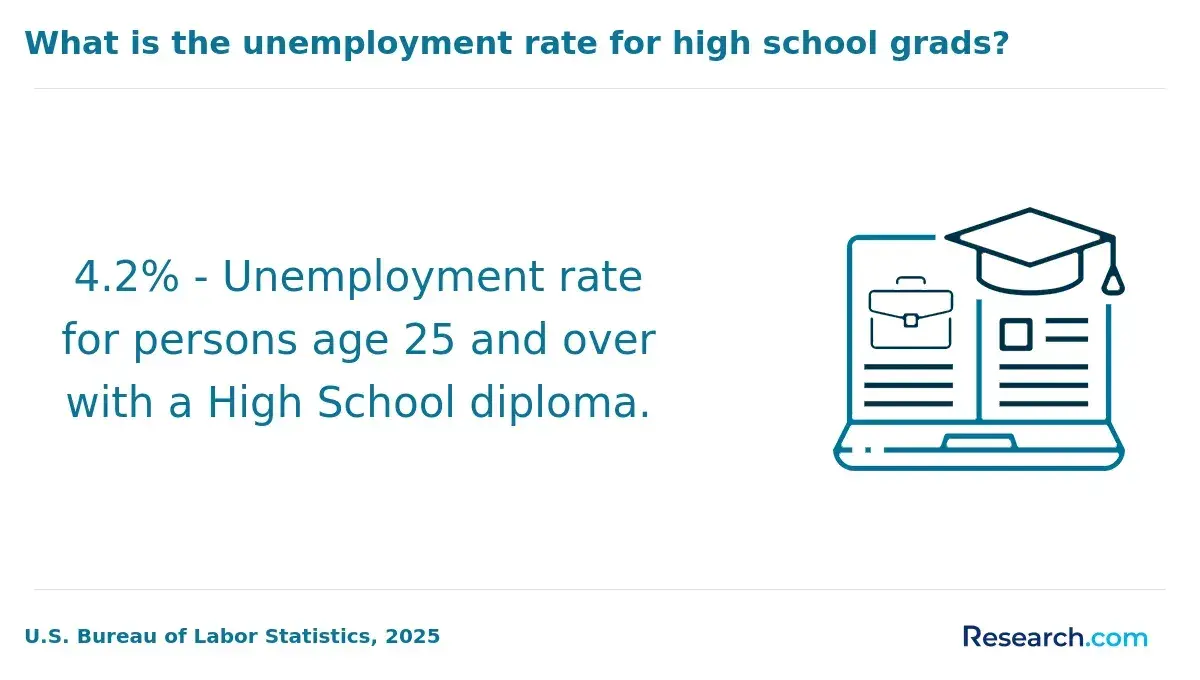
- Undergraduate Prerequisites: Most bachelor's-level digital media programs require a high school diploma or GED for admission. Some programs may also request transcripts verifying completion of college-preparatory courses, though standardized tests are often optional. Basic computer skills and creative aptitude are generally recommended to help students succeed.
- Transfer Student Requirements: Applicants transferring from other colleges usually need to submit college transcripts and may have to provide a portfolio showcasing creative work. Competitive admission processes tend to weigh both academic standing and demonstrated creative potential.
- Graduate-Level Expectations: Master's programs typically require a four-year undergraduate degree in a related field, but candidates from different disciplines can apply if they justify relevant skills or experience. Minimum GPA thresholds are commonly set around a B+ average, with some programs requiring prerequisite graduate coursework before granting full admission.
- Bridge and Foundation Pathways: For those without traditional academic backgrounds, many schools offer bridge courses or pathways to "earn your way in" by completing key digital media coursework. These options allow non-traditional applicants to prove readiness through academic performance rather than solely prior degrees.
Admission trends favor holistic review processes that emphasize portfolio quality and creative skills, creating flexibility for diverse educational backgrounds in this interdisciplinary field. Prospective students interested in exploring programs with such inclusive policies might consider open enrollment colleges as a practical starting point for their digital media education journey.
Do Digital Media Programs Require GRE, GMAT, or Other Standardized Tests?
Standardized tests such as the GRE and GMAT have traditionally played a significant role in graduate admissions, serving as key measures of academic preparedness and program competitiveness. However, evolving educational priorities and a focus on accessibility have prompted many universities to rethink the necessity of these exams.
For digital media programs in particular, the approach to standardized testing has shifted considerably. Here is a summary of current expectations for test requirements in digital media degree programs across the United States:
- Widespread Test-Optional Policies: Most U.S. digital media master's programs, whether online or on-campus, have removed GRE or GMAT requirements. For instance, among 154 online communication programs reviewed, 141 do not require the GRE at all, while only a few insist on it under specific conditions.
- Emphasis on GPA and Portfolio: Admissions now prioritize undergraduate GPA, usually a minimum between 2.75 and 3.0, along with personal statements and demonstration of professional or creative work through portfolios. Notable programs like those at Pace University and the University of Arizona emphasize these elements over standardized test scores.
- No Preference for On-Campus vs. Online: Both online and traditional campus-based digital media programs overwhelmingly waive GRE/GMAT requirements. The move toward holistic admissions criteria applies equally across delivery formats.
- Support from Top Universities: Leading institutions including MIT, Harvard, Stanford, and Caltech have adopted test-optional policies for many graduate programs in 2025, highlighting a nationwide trend toward broader access and reduced reliance on standardized exams.
- Occasional Conditional Requirements: A small number of programs still ask for GRE scores if applicants fall below GPA thresholds or lack relevant experience. Prospective students should always verify the latest admissions criteria before applying.
What Materials Do You Need to Submit for Digital Media Admission?
College and graduate admissions for digital media degree programs usually require multiple documents that showcase an applicant's academic readiness, relevant experience, and potential fit for the program. These requirements vary by institution, degree level, and whether the program is online or on-campus. Understanding what materials are typically requested can help applicants prepare a strong submission.
Below is a summary of the most common application materials for digital media admission:
- Official Transcripts: Transcripts provide a detailed record of your academic history, including courses and grades. Undergraduate programs typically require high school transcripts, while graduate programs ask for all postsecondary transcripts. Some schools have minimum GPA thresholds, often around 2.0 for bachelor's and 2.7 for master's applicants. Online and on-campus programs generally have similar transcript requirements.
- Test Scores: Although SAT or ACT scores are increasingly optional for digital media programs, they may still be necessary for merit scholarships or placement. Graduate applicants, particularly international students, usually need to submit English proficiency tests like TOEFL or IELTS. Online program applicants might especially rely on test scores to demonstrate readiness.
- Personal Statement or Admission Essay: This essay conveys your motivation, career goals, and why you are a good match for the program. Admissions teams look for clear communication and relevant experience. Some graduate programs may accept multimedia or portfolio-based personal statements, reflecting digital media's creative focus.
- Résumé or Curriculum Vitae: A résumé highlights your academic background, work history, technical skills, and creative projects. This is important for demonstrating practical experience and preparedness, which is particularly valued in graduate or professional program admissions.
- Letters of Recommendation: Most graduate and some competitive undergraduate programs require two to three recommendation letters from faculty, employers, or mentors. These letters validate your skills, work ethic, and potential for success in digital media studies.
What Are the Admission Requirements for International Students Applying to Digital Media Programs?
International students applying to digital media degree programs in the United States encounter admission requirements beyond their academic records. These additional steps, including language proficiency and document verification, ensure applicants are prepared for coursework conducted in English while meeting both institutional and U.S. visa regulations. Such measures play a crucial role in facilitating a smooth academic transition and compliance with legal standards.
Below are the key admission requirements international applicants should expect and prepare for:
- English Proficiency Proof: Applicants usually must submit scores from recognized English tests such as TOEFL, IELTS, Duolingo English Test, or PTE Academic. Expectations can vary, with on-campus programs typically requiring official test results before enrollment, while some online programs may offer conditional admission or accept lower scores. Those who have recently completed significant education in English-speaking countries might qualify for waivers.
- Credential Evaluation: International transcripts must be evaluated by agencies accredited by organizations like NACES to verify that foreign coursework aligns with U.S. academic standards. Certified translations of transcripts are essential, and applicants should allow extra time for this process. Selecting an evaluation agency approved by the prospective university is recommended.
- Financial Documentation: Proof of sufficient financial resources is mandatory to secure the Form I-20 required for an F-1 visa. This often includes bank statements, sponsor letters, or scholarship documents demonstrating the ability to cover tuition and living expenses. Early preparation and adherence to university financial guidelines are important to avoid delays.
- Visa-Related Forms: After admission, students must submit visa documentation, including the SEVIS Form I-20 and evidence of financial support. Completing these forms promptly helps prevent visa processing delays and ensures compliance with U.S. immigration policies.
- Portfolio and Recommendations: Many programs request a creative portfolio showcasing media projects or writing samples alongside letters of recommendation. These materials help illustrate an applicant's skills and dedication to advanced study in digital media.
Do You Need Professional Experience to Get Into a Digital Media Program?
Professional experience can significantly influence admission decisions for digital media programs, especially at the graduate level. Many schools value applicants who have relevant backgrounds and practical skills, as this experience often translates into better academic performance and richer classroom contributions. While some programs list work experience as "recommended" rather than "required," others consider it a core admission criterion.
Below are key ways professional experience factors into admission decisions for both online and on-campus digital media programs:
- Minimum Experience Requirements: Some graduate programs recommend or require applicants to have at least two years of relevant work experience and familiarity with essential technologies such as HTML and CSS. These prerequisites help ensure that students have a foundation to succeed in more advanced coursework.
- Experience as a Competitive Edge: In highly competitive programs with limited spots, having a professional background in media, communications, or technology can make an application stand out. Strong resumes, detailed personal statements, and recommendation letters from industry supervisors often help demonstrate an applicant's capabilities and commitment.
- Substitution for Academic Prerequisites: Certain schools allow relevant professional experience to substitute for missing prerequisite courses. This flexibility benefits applicants transitioning from other careers or those who have acquired skills through nontraditional paths, sometimes even awarding academic credit in recognition of work experience.
- Not Always Mandatory: Especially at the undergraduate level or for programs targeting career changers, professional experience may not be required. Some programs offer foundational tracks that help students build necessary skills before advancing to core digital media studies.
- Portfolio and Supplemental Materials: Many programs encourage or require submission of portfolios showcasing digital media projects. These materials provide concrete evidence of practical skills and creativity, which can be as influential as formal work experience in admission decisions.
Do Digital Media Programs Have Different Admission Requirements by Concentration?
Many universities in the United States tailor their admission standards based on a program's concentration or specialization area within digital media. While core requirements such as minimum GPA, standardized test scores, and prerequisite degrees usually remain consistent, concentrations emphasizing research-heavy or technical skills often demand additional prerequisites, specialized coursework, or relevant professional experience. These nuances affect how applicants prepare and present themselves for admission.
Admission requirements can differ notably depending on the digital media specialization chosen. Below are key ways admissions criteria vary by concentration:
- Technical or Quantitative Tracks: Concentrations focusing on digital design, coding, or media technology typically require demonstrated proficiency in computer science, mathematics, or specific software tools. Applicants with strong backgrounds in design and making, or prior experience in tech-oriented roles, are favored. Online candidates may be asked to submit digital portfolios or complete skills assessments to showcase their capabilities.
- Research-Heavy or Theory-Based Concentrations: These tracks, centered on media theory and communications research, often expect higher GPAs (around 3.0 or above), strong letters of recommendation, and evidence of academic writing or prior research. Admission committees prioritize applicants demonstrating capacity for independent research or previous publication experience.
- Creative Production and Filmmaking: Specializations in filmmaking, animation, or media production usually require submission of creative portfolios, reels, or completed projects. Hands-on experience in script writing, editing, or post-production is highly valued. On-campus applicants may face interviews about their creative process, while online students typically submit digital work samples.
- Leadership and Management Concentrations: Tracks in media management or public relations require applicants to show evidence of leadership roles, internships, or relevant work experience. Resumes detailing team management or project leadership and behavioral interviews may be part of the evaluation, especially for online formats.
- International and English Language Requirements: International applicants often face additional criteria like minimum TOEFL or IELTS scores and may need to verify degree equivalency or prior study in English-medium institutions.
Understanding how digital media concentrations admission requirements shift by specialization is crucial for prospective students targeting competitive programs. Those interested in a faster path to obtaining a graduate degree might find options like a fast track master's degree online beneficial as they explore these varied admissions landscapes.
Are Admission Requirements the Same for Online and On-Campus Digital Media Programs?
Most universities strive to align their admission standards for both online and on-campus digital media programs to maintain academic consistency and quality across different learning environments. However, variations naturally arise due to differences in student demographics, program delivery methods, and the inclusion of experiential learning components. Understanding these nuances is key for applicants weighing their options.
Below are the main similarities and differences between online and on-campus digital media program admissions:
- Core Academic Standards: Both formats generally require official transcripts and a minimum GPA, often around 2.5 or higher, to ensure all students meet foundational academic expectations. This uniform standard ensures parity in admission requirements for online and on-campus students.
- Standardized Test Policies: Increasingly, neither online nor on-campus digital media programs mandate SAT or ACT scores, reflecting a growing trend toward test-optional admissions. While some programs might use scores for scholarships or placement, this policy frequently applies equally across both formats.
- Personal Statement or Essay: Applicants to both program types usually submit a personal statement or essay to illustrate communication skills and motivation. The evaluation criteria-clarity, relevance, and alignment with program goals-are consistent regardless of delivery mode.
- Experiential or Residency Components: On-campus programs often require in-person interviews, portfolio reviews, or hands-on workshops, especially for studios or practical courses. Some online graduate programs may also include brief on-campus residencies, though undergraduate online programs typically do not.
- Technology and Self-Directed Learning Expectations: Online applicants are usually expected to demonstrate digital literacy and reliable access to technology, highlighting the demands of remote coursework. This expectation is less explicit in on-campus admissions but is essential for online success.
Students interested in exploring affordable options can find a useful resource listing the cheapest online universities offering digital media degrees. Understanding the differences between online and on-campus digital media program admissions helps prospective students meet specific admission requirements for online digital media degrees effectively.
Can You Apply for Financial Aid Before Being Accepted into a Digital Media Program?
Most financial aid applications for college, including the Free Application for Federal Student Aid (FAFSA), can be completed before students are formally accepted into a digital media program. This early application process allows students to better understand their potential funding options and estimate their out-of-pocket costs well in advance. Submitting financial aid forms early also helps applicants meet important institutional, state, and federal deadlines, which can be crucial since many aid programs operate on a first-come, first-served basis.
Being proactive in applying for aid can maximize eligibility and streamline the financial planning process for those looking to pursue a digital media degree. Therefore, if you want to apply for financial aid before digital media program acceptance, starting early with FAFSA is highly beneficial.
There are some important limitations to keep in mind, however. Certain scholarships, grants, or institutional awards may require program admission or specific enrollment criteria and will only be available once official acceptance is confirmed. Final digital media degree financial aid eligibility requirements are verified after admission and enrollment, ensuring that all criteria are met. Students are advised to list multiple schools on their FAFSA to maintain flexibility while waiting on different admission decisions.
Staying organized with financial aid timelines that align with your admission process can help you secure funding and make an informed choice. For those exploring funding to enter a trade or technical field, including digital media, it is helpful to research good paying trade school jobs to better understand potential career outcomes after completing your program.
When Should You Start Applying to Digital Media Programs?
Timing is one of the most important factors in the digital media application process because admission is competitive and deadlines are strictly enforced. Starting early not only helps increase your chances of acceptance but also boosts eligibility for institutional financial aid and scholarships, which are often awarded to early applicants. In fact, nearly 60% of colleges have reported increased early application volumes in recent years, highlighting a national trend toward earlier deadlines and decision cycles.
When planning your application timeline, it's essential to start researching programs 12 to 18 months before your intended start date. This allows you ample time to compare curriculum, faculty expertise, and portfolio requirements. For on-campus programs, priority deadlines typically fall between December and March for fall admission, with some schools requiring completed applications and portfolios as early as January to be eligible for funding. Online programs may offer more flexible start dates and rolling admissions, but submitting well in advance ensures your materials receive thorough review and access to financial aid.
Key milestones in your preparation should include requesting transcripts and recommendation letters several months ahead due to varying processing times. You should begin drafting personal statements and assembling digital portfolios early, allowing time for revisions. Additionally, submitting the Free Application for Federal Student Aid (FAFSA) and any institution-specific aid forms as soon as they open is critical since some scholarships are distributed on a first-come, first-served basis.
Early preparation not only improves acceptance and funding chances but also provides greater flexibility and reduces stress throughout the admission process.
Here's What Graduates of Digital Media Programs Have to Say About Their Degree
- Zarek: "Completing my digital media degree completely transformed the way I approach creative projects. The hands-on experience with cutting-edge tools and collaborative assignments prepared me for the fast-paced nature of the industry. Since graduating, I've been able to secure a stable position at a marketing agency where innovation and adaptation are key. This degree gave me the confidence and skills needed to not only launch my career but also to continually grow within it."
- Selene: "Reflecting on my journey through digital media, I realize how much personal growth it facilitated beyond technical skills. Learning to tell impactful stories and understanding diverse perspectives has allowed me to contribute meaningfully to community outreach programs. I am passionate about using digital platforms to uplift underserved voices, and this degree empowered me to turn that passion into actionable projects that make a difference."
- Minh: "From day one, the professional development opportunities embedded in my digital media program set me apart in a competitive job market. Faculty mentorship, industry internships, and networking events opened doors I never imagined. The challenges of balancing creativity with business acumen taught me resilience and strategic thinking. Today, I'm leading a team at a tech startup, and the foundation built by this degree continues to push my career forward."
Other Things You Should Know About Digital Media Degree Programs
Applicants usually need a high school diploma or equivalent. Some programs may also require completion of specific courses in art, technology, or computer science. A strong portfolio demonstrating creative and technical skills can significantly enhance admission chances.
In 2027, many digital media degree programs are moving away from requiring standardized tests like the SAT or ACT. Admission focuses more on prior academic performance, creative portfolios, and relevant experience with digital tools, reflecting a holistic approach to evaluating candidates.
In 2027, many digital media degree programs require applicants to submit a portfolio. This demonstrates creativity, technical skills, and familiarity with digital tools. Requirements vary by institution, so it's vital for applicants to review specific program details for portfolio guidelines.
References
- Preparing for a Career in Digital Media https://www.studyusa.com/en/a/81/preparing-for-a-career-in-digital-media
- Graduate | Digital Media & Design https://dmd.uconn.edu/apply/graduate/
- International Programmes 2025/2026 https://www2.daad.de/deutschland/studienangebote/international-programmes/en/detail/3844/
- Digital Media: Production MA https://www.ucl.ac.uk/prospective-students/graduate/taught-degrees/digital-media-production-ma
- Master of Arts in Digital Media (MA-DM) https://www.iig.ch/en-en/programs/masters/master-of-arts-in-digital-media-ma-dm-
- Frequently Asked Questions https://thecdm.ca/program/mdm/faq
- Bachelor of Science in Digital Media — Degree Requirements https://www.ist.uh.edu/digitalmedia/program/degree-requirements
- Program Requirements https://wwwcp.umes.edu/media/program-requirements/
- Digital Media Education Requirements in 2025 - Do You Need a Degree? https://www.tealhq.com/education/digital-media
- Admission requirements for the Master's degree program - Selection procedure / Media University https://www.media-university.de/en/application-form/admission-requirements/masters-degree-program/


