
2027 Accelerated vs. Traditional Environmental Science Degrees: Pros & Cons

Co-Founder and Chief Data Scientist
Choosing between accelerated and traditional environmental science degrees involves weighing the benefits of speed against depth. Accelerated programs attract working adults and career changers aiming to finish quickly, often within 2-3 years. Meanwhile, traditional degrees provide a more relaxed pace, allowing for deeper academic engagement and exploration. Notably, accelerated learning formats have grown by over 35% among U.S. adult learners in recent years.
This article will compare time commitment, learning experiences, and career outcomes for both paths. It will also highlight key considerations students should evaluate, such as program intensity, flexibility, and professional goals, to determine which environmental science degree best suits their needs.
Key Points About Accelerated vs. Traditional Environmental Science Degrees
- Accelerated environmental science degrees offer flexibility for working adults and career changers, enabling faster entry into the workforce and potential cost savings by reducing overall tuition duration.
- Traditional programs foster deeper academic engagement through extended coursework, promoting comprehensive understanding and hands-on experiences critical for complex environmental problem-solving.
- Students in traditional tracks benefit from stronger peer connections and a balanced learning pace, supporting collaboration and mastery of technical and analytical skills over time.
What Are the Differences Between Accelerated vs. Traditional Environmental Science Programs?
Accelerated and traditional environmental science degree formats differ mainly in their pacing, scheduling, and learning intensity. These structural differences shape how students engage with their coursework, faculty, and research opportunities. Below is a comparison highlighting the key elements where accelerated Environmental Science program structure vs traditional formats diverge.
Here are the primary differences between accelerated and traditional Environmental Science degrees:
- Course Intensity: Accelerated programs demand a faster course schedule, often requiring students to juggle multiple assignments, labs, and projects within compressed timeframes. This increases workload and stress but suits highly motivated, disciplined learners. Traditional programs offer a more gradual pace, allowing for deeper reflection and longer deadlines.
- Class and Faculty Interaction: Students in accelerated programs tend to experience fewer but highly focused faculty interactions, often within smaller or online cohorts. This can create intense peer connections but may limit extended mentoring. Traditional formats provide ongoing faculty engagement, office hours, and networking, supporting long-term academic growth and research involvement.
- Experiential Learning and Research: Due to time constraints, accelerated curricula may limit fieldwork, labs, and internships, sometimes substituting with virtual simulations or intensive projects. Traditional programs typically provide broader opportunities for semester-long research, extensive field studies, and internships or study abroad options.
- Flexibility and Adaptability: Accelerated students follow tightly structured schedules, leaving little room for electives or adjusting course loads for personal needs. Traditional students enjoy greater flexibility to explore special topics, switch focus areas, or accommodate life events without disrupting their academic progress.
For those considering which route fits best, exploring the best accelerated bachelor's degree programs can offer insight into the accelerated Environmental Science program structure vs traditional alternatives and help clarify the differences between accelerated and traditional Environmental Science degrees.
How Fast Can You Finish an Accelerated vs. Traditional Environmental Science Program?
Program length varies significantly between accelerated and traditional environmental science degrees. Accelerated formats condense coursework into shorter terms, allowing students to finish more quickly, while traditional paths follow a standard academic pace with separate bachelor's and master's timelines. Understanding the differences in duration can help students plan effectively.
Here is a comparison of how long to finish traditional environmental science degree programs versus accelerated options and the factors impacting completion speed:
- Transfer Credits: Students with prior college coursework or Advanced Placement (AP) credits can reduce their total time to degree. Both accelerated and traditional programs benefit, but accelerated degrees maximize these credits to shorten the timeline further.
- Full-Time vs. Part-Time Enrollment: Full-time students typically finish faster than part-time students. Part-time enrollment extends the program duration, especially in traditional degrees where pacing is less flexible.
- Course Intensity: Accelerated programs require heavier course loads and compressed schedules, which can be demanding but significantly reduce overall duration compared to traditional four-year bachelor's plus two to three-year master's routes.
- Shared Credits in Combined Degrees: Accelerated options like 4+1 programs let students count some graduate-level courses toward both degrees, cutting down on total time and cost.
- Admission Criteria: Accelerated programs often mandate higher GPAs and early commitment, influencing eligibility but enabling faster completion times for qualified students.
For students exploring these options, understanding accelerated environmental science degree completion time versus the traditional path is essential when weighing program choices. More details on the easiest degree online pathways can also inform decisions.
What Are the Admission Requirements for Accelerated vs. Traditional Environmental Science Programs?
Admission requirements for accelerated and traditional environmental science programs often share common standards such as GPA, prerequisite coursework, and sometimes test scores. However, these programs differ significantly in how they evaluate academic readiness and professional experience to suit their distinct target students. Below is a comparison highlighting key distinctions in the admission requirements for accelerated environmental science degree programs versus traditional ones.
- Academic Performance: Accelerated programs typically require a higher minimum GPA, often around 3.2 or above by the junior year, and expect students to have completed a substantial number of undergraduate credits (commonly 75-96). In contrast, traditional environmental science program application processes may accept applicants with GPAs as low as 2.75, though stronger academic records improve admission chances.
- Timing and Enrollment Status: Accelerated pathways are exclusively for current undergraduates, who usually must apply by the end of their sophomore or junior year. Traditional programs, however, admit any applicant with a completed bachelor's degree regardless of how recently it was earned or the applicant's age.
- Work Experience and Course Overlap: Accelerated programs expect students to integrate select graduate courses with undergraduate studies and often begin research early, making them ideal for high-achieving students with a clear plan. Traditional programs tend to evaluate prior coursework and may consider professional experience, but do not blend undergraduate and graduate credits.
- Additional Application Materials: Strong faculty recommendations and evidence of academic maturity are crucial for accelerated applicants. Traditional applications may require GRE scores, statements of purpose, and additional recommendation letters for applicants with lower GPAs.
Prospective students can enhance their decision by exploring factors like what are the highest paying bachelor degrees to align program choices with career goals.
How Are Accelerated Environmental Science Courses Structured Compared to Traditional Ones?
Accelerated environmental science programs condense typical degree requirements into a shorter period, allowing students to finish faster than in traditional tracks. These programs feature a quicker pace, increased workload, and often more flexible delivery methods such as online or evening classes, while traditional courses follow a standard timetable with a steadier rhythm.
Key distinctions between accelerated and traditional environmental science degrees include:
- Course Length: Accelerated paths compress what usually takes four years into about two to three years for a bachelor's, and can combine bachelor's and master's degrees within five years. Traditional programs spread study evenly over four years for undergraduates or two for graduate degrees, accommodating more gradual learning.
- Weekly Workload: Students in accelerated programs handle a heavier weekly workload and faster deadlines, demanding strong organization and motivation. Traditional students generally experience a more manageable pace with fewer overlapping commitments.
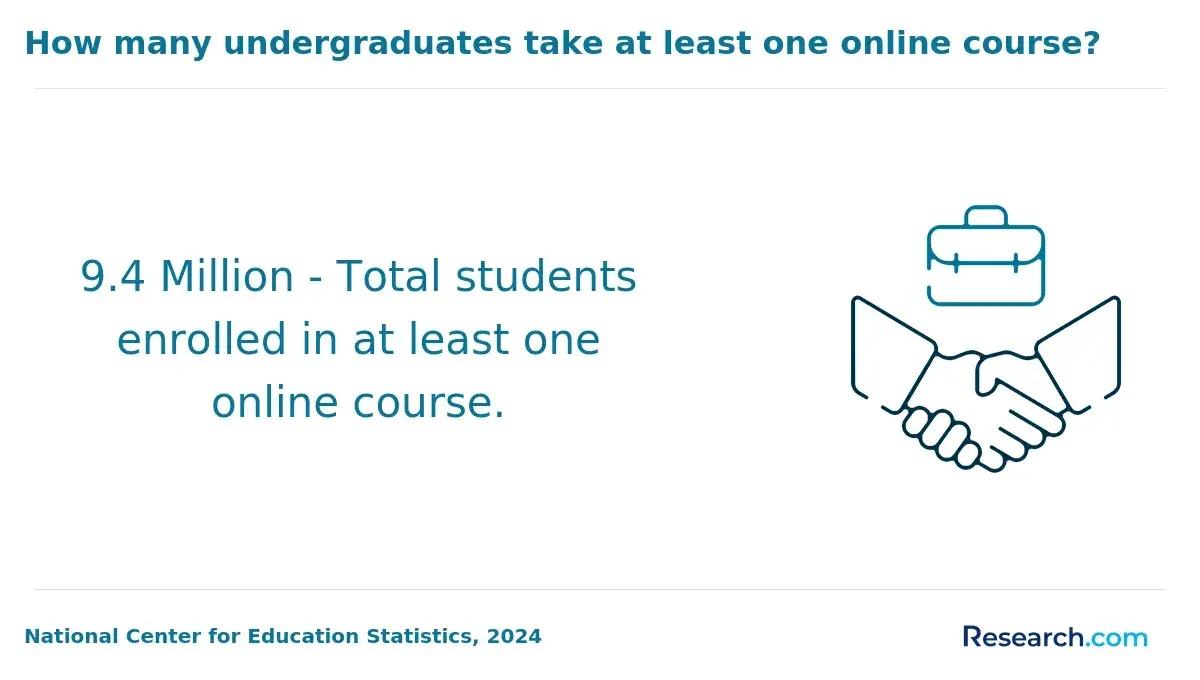
- Instruction Style: Accelerated courses often use online or hybrid formats to enhance flexibility, appealing to students balancing work or other responsibilities. In contrast, traditional programs rely more on in-person lectures and labs, fostering comprehensive, hands-on learning experiences.
- Student Fit: Accelerated studies suit highly driven individuals focused on early career entry or graduate study. Traditional tracks benefit those seeking deeper exploration or a balanced schedule compatible with outside obligations.
- Academic Quality: Both pathways uphold rigorous standards; accelerated programs may allow select graduate courses to count toward undergraduate credit, but all follow identical accreditation criteria and learning outcomes.
How Much Do Accelerated Environmental Science Programs Cost Compared to Traditional Programs?
Tuition rates per credit hour for accelerated and traditional environmental science programs are generally similar. However, the overall cost tends to be lower for accelerated options due to shorter completion times and fewer associated expenses.
Below are several key cost-related factors comparing both program formats:
- Tuition Rate per Credit: Both accelerated and traditional formats average between $371 and $398 per credit at public institutions, while private schools may charge around $540 per credit. This similarity means tuition alone does not distinguish the total cost.
- Program Duration and Total Cost: Accelerated programs often take about 3 years for a bachelor's degree and 5 years for combined degrees, compared to 4 to 6 years for traditional paths. Shorter duration reduces fees like housing, campus services, and living expenses, lowering the overall financial burden.
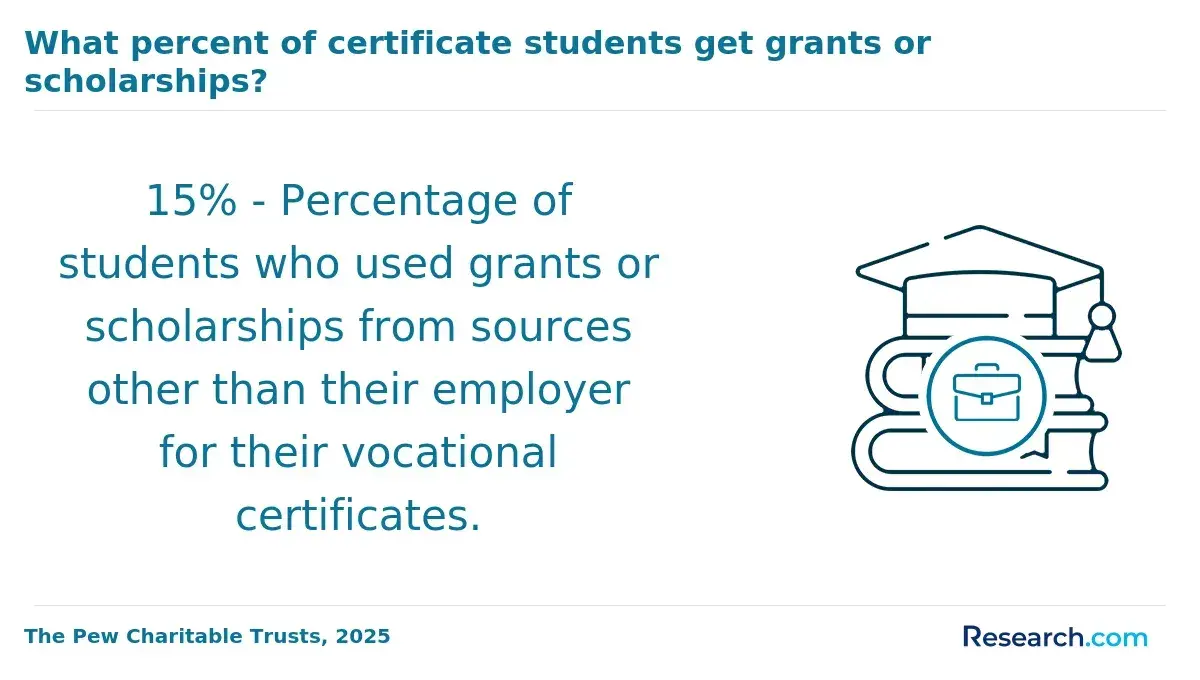
- Financial Aid Access: Federal financial aid is available for both formats, but accelerated students might hit borrowing limits sooner due to heavier course loads each term, potentially affecting how much aid they can receive.
- Opportunity Cost: Graduates from accelerated programs typically enter the workforce earlier, beginning to earn a salary sooner. This income advantage can offset educational expenses and make accelerated paths more economical in the long term.
What Financial Aid Is Available for Accelerated vs. Traditional Environmental Science Degrees?
Students pursuing either accelerated or traditional environmental science degrees often qualify for similar types of financial aid, but eligibility criteria and funding schedules can vary due to differences in program length and enrollment status. Understanding these distinctions is key to managing financial planning effectively.
Here's a breakdown of how financial aid options differ between the two formats:
- Federal Aid Eligibility: Both program types allow access to federal loans and grants like Pell Grants, but accelerated students may need to submit FAFSA applications more frequently because their condensed programs cover multiple academic years in a short time.
- Scholarship Timelines: Scholarships, including merit- and need-based awards, are available to all students; however, accelerated students might face tighter deadlines and renewal requirements due to shorter enrollment periods.
- Employer Tuition Assistance: Traditional part-time students often find it easier to coordinate tuition support through employers, though accelerated students can also receive assistance if their work schedules permit.
- Aid Disbursement and Renewal: Financial aid release and renewal cycles may differ, with accelerated students needing to stay on top of faster-paced disbursements and renewal applications to maintain funding continuity.
When I spoke with a professional who chose an accelerated environmental science degree, he reflected on the financial aid process as a balancing act. "The fast pace meant I had to reapply for aid multiple times within what felt like a blink," he said. Navigating FAFSA renewals while juggling coursework and work commitments was challenging but rewarding.
Despite initial anxieties about funding gaps, he found scholarships specifically for environmental majors helped bridge the financial demands. His experience underscores that with careful planning and awareness of aid timelines, accelerated students can successfully finance their education without compromising progress.
What Kind of Student Support Do Accelerated vs. Traditional Environmental Science Programs Offer?
Student support is vital for academic achievement and varies significantly between accelerated and traditional environmental science programs. These programs differ in how, when, and through what means they provide services to accommodate students' diverse schedules and needs. Below is a comparison of common support systems offered in both formats.
- Academic Advising: Accelerated programs usually offer more frequent, structured advising tailored to students facing intensive schedules, focusing on timely graduation. Traditional programs provide advising with flexible, often in-person options, supporting long-term academic planning.
- Tutoring: Students in accelerated tracks often use online or cohort-based tutoring to fit busy or remote lifestyles, enabling quick assistance. In contrast, traditional students have access to campus tutoring centers and peer study groups that encourage deeper, ongoing collaboration.
- Career Services: Accelerated programs integrate career guidance closely with coursework, featuring partnerships for internships and rapid workforce entry. Traditional programs emphasize extended career counseling, networking events, and alumni connections spread over several years.
- Peer Interaction: Cohort models in accelerated programs promote strong peer support within compact timelines. Traditional programs support peer engagement through campus clubs and long-term study groups, facilitating broader social and academic networks.
Do Graduates from Accelerated vs. Traditional Environmental Science Programs Get Hired More Quickly?
Employment outcomes are a major factor when deciding between accelerated and traditional environmental science programs. Both paths can lead to promising careers, but the speed of securing a job often varies depending on several elements. Below is a summary of key hiring trends and factors influencing graduates from these programs.
Here are some insights into job placement and employment results for graduates of accelerated and traditional environmental science degrees:
- Employer Perception: While some employers favor traditional degrees for their thoroughness, accelerated programs are gaining respect for producing graduates ready to enter the workforce, especially when offered by well-known institutions.
- Career Readiness: Accelerated programs tend to focus on hands-on skills and internships, equipping students with valuable experience that often leads to quicker job placement.
- Industry Demand: High demand for environmental professionals benefits all graduates, with online program alumni reporting strong salaries, confirming employer recognition across formats.
- Job Placement Speed: Graduates from programs featuring capstone projects and extensive career support, such as large alumni networks, often find jobs faster, regardless of whether their program was accelerated or traditional.
Reflecting on whether accelerated or traditional graduates get hired faster, a professional who earned a traditional environmental science degree shared her experience. She recalled the rigorous but rewarding process of searching for jobs, balancing patience with persistence. "It wasn't instant, but the depth of learning and networking during my program helped me land a position within a few months after graduating," she noted. Her story highlights how strong preparation and support can ease the transition into employment, regardless of program speed.
Are Accelerated Environmental Science Degrees Accredited the Same Way as Traditional Programs?
Accreditation ensures academic quality and legitimacy for both accelerated and traditional environmental science degrees, regardless of pacing or delivery format. This process guarantees that programs meet established educational standards, impacting financial aid eligibility, credit transferability, and employer recognition. Whether completing a degree in an accelerated timeframe or through a standard schedule, students benefit from the same institutional accreditation status. This consistency is critical for maintaining the value of the credential in the workforce. Understanding accreditation requirements for accelerated environmental science degrees helps students make informed decisions about their education pathway.
The accreditation process typically applies equally to accelerated and traditional programs, although institutions may design accelerated coursework differently to meet rigorous standards. Regional accreditation, such as that from recognized commissions, covers the institution as a whole, while programmatic accreditation bodies like EHAC and ABET accreditation for environmental science programs focus on curriculum quality and hands-on training. Students should verify both levels of accreditation before enrolling to ensure their degree is widely recognized and reputable. For those exploring faster academic routes, it is also useful to compare options such as one year online phd programs, which demonstrate how accreditation standards remain consistent across varied program formats.
How Do You Choose Between an Accelerated vs. Traditional Environmental Science Degree?
Choosing between an accelerated and a traditional environmental science degree largely depends on your career goals, need for schedule flexibility, and preferred learning pace. Both options offer distinct advantages depending on personal circumstances and learning preferences. To help decide which path suits you best, consider the following factors when comparing accelerated vs traditional Environmental Science programs for career goals and lifestyle compatibility.
Key decision factors include:
- Time commitment: Accelerated programs typically require a heavier workload and a faster pace, often completing in two to three years. This option suits students eager to enter the workforce quickly or balance other obligations, but it may not fit everyone's stamina or schedule.
- Learning style: Students who are self-motivated and comfortable with independent study often thrive in accelerated formats. Those who prefer in-person interaction, reflection, and a steadier pace may find traditional programs more beneficial due to their longer duration and comprehensive coursework.
- Career goals: If you aim to start working or pursue graduate school sooner, an accelerated degree provides a head start. Traditional environmental science degrees usually offer broader academic foundations with more research and internship opportunities, which can be crucial for specialized careers in science, policy, or academia.
Use these factors to carefully weigh your options. For students balancing work and study, exploring affordable online schools for working adults can also be a valuable step in finding programs that match your life demands and educational goals.
What Students of Accelerated vs. Traditional Environmental Science Programs Say About Their Degree
- Ryker: "Studying environmental science through a traditional degree program has been a profound journey for me. The pace is steady, which allowed me to absorb complex concepts thoroughly, although it did require a significant time commitment. The cost, around $30,000 per year, felt steep but justified given the valuable field experiences and networking opportunities I gained. Overall, it has set a solid foundation for my career in conservation. - "
- Eden: "My traditional environmental science degree program offers an incredible depth of knowledge but moves slower than I initially expected. Balancing the cost, which averages about $25,000 annually, with the benefits has been a challenge, yet the hands-on labs and fieldwork have been indispensable. This program helped me develop a critical understanding of ecosystems that I believe will greatly impact my future research contributions. - "
- Benjamin: "The accelerated environmental science program has been intense but rewarding; the fast pace pushes me to learn quickly, which can sometimes feel overwhelming. However, completing my degree sooner helps reduce overall tuition expenses, making it financially advantageous. This experience has sharpened my analytical skills and prepared me to enter the workforce promptly, which I truly appreciate. - "
Other Things You Should Know About Traditional vs. Accelerated Environmental Science Degrees
In 2027, employers increasingly recognize the rigor of accelerated environmental science degrees, valuing graduates' ability to adapt quickly and manage intensive workloads. While practical experience can vary between programs, many accelerated degrees offer comparable skills needed in the workforce.
Employers generally recognize the validity of accelerated environmental science degrees, especially if the programs are accredited and include comprehensive coursework. However, some employers may prefer traditional degrees if they believe longer study periods provide more in-depth training or experience. Demonstrating relevant skills, internships, and certifications can mitigate concerns about the program format.
Accelerated environmental science degrees in 2027 often integrate practical experiences through intense coursework, internships, and project-based learning. While the format compacts content into a shorter time, programs strive to ensure students gain hands-on exposure comparable to traditional degrees, although the duration and setting might differ.
References
- Is Environmental Science Hard? Uncovering the Difficult Aspects of Environmental Science https://sustainablebusinessmagazine.net/eco-review/is-environmental-science-hard-uncovering-the-difficult-aspects-of-environmental-science/
- Environmental Science Degree https://universitycompare.com/guides/subject/environmental-science
- Accelerated Degree Programs For Working Adults https://www.affordablecollegesonline.org/online-colleges/best-accelerated-online-programs-for-working-adults/
- Bachelor of Science in Environmental Science (BSES) https://oneill.indiana.edu/undergraduate/degrees-majors/environmental-science.html
- Accelerated Degrees vs. Traditional Degree Programs https://bestaccreditedcolleges.org/articles/accelerated-degree.html
- What are the Pros and Cons of an Accelerated Degree Program? - Best Degree Programs https://www.bestdegreeprograms.org/faq/what-are-the-pros-and-cons-of-an-accelerated-degree-program/
- Environmental Science http://www.ou.edu/coe/cees/undergrad_programs/env_science.html
- Environmental Sustainability: Science VS. Policy? Choosing the Best Track for You https://www.stjohns.edu/news-media/johnnies-blog/environmental-sustainability-science-vs-policy-choosing-best-track-you
- Should I Major in Environmental Science or Environmental Studies? https://www.pointloma.edu/resources/undergraduate-studies/should-i-major-environmental-science-or-environmental-studies
- Subject Guide – Environmental Science - FutureLearn https://progress.futurelearn.com/subject-guide-environmental-science


