
2027 Accelerated vs. Traditional Esports Business Degrees: Pros & Cons

Co-Founder and Chief Data Scientist
Choosing between an accelerated and a traditional esports business degree is mainly a question of time, workload, cost, and career timing. Accelerated programs can appeal to working adults, transfer students, and career changers who want a faster route into esports operations, marketing, event management, partnerships, or business development. Some can be completed within 18 months, but the shorter timeline usually means heavier weekly demands and less room for exploration.
Traditional programs move more gradually, often giving students more time for internships, campus esports involvement, networking, electives, and faculty mentorship. That extra time can be useful for students who are still building their academic foundation or deciding which part of the esports industry they want to enter. Recent data shows accelerated learning formats have grown by over 30% in popularity among U.S. business students, reflecting stronger demand for efficient degree pathways.
This guide compares accelerated and traditional esports business programs across structure, completion time, admissions, course delivery, cost, financial aid, student support, hiring outcomes, accreditation, and fit. Use it to decide which format matches your schedule, learning style, budget, and career goals.
Key Points About Accelerated vs. Traditional Esports Business Degrees
- Accelerated esports business degrees offer flexibility for working professionals, enabling career shifts without long breaks and supporting faster entry into evolving industry roles.
- Traditional programs provide deeper academic engagement and stronger peer networks, fostering collaborative skills essential for esports management and development.
- Accelerated formats reduce overall costs and expedite career advancement, while traditional paths allow balanced pacing, promoting thorough mastery of esports business concepts.
What Are the Differences Between Accelerated vs. Traditional Esports Business Programs?
Accelerated and traditional esports business programs can cover similar subjects—such as esports management, sponsorship strategy, digital marketing, event operations, analytics, and business law—but they organize the learning experience very differently. The biggest difference is not the degree title. It is the pace at which you are expected to learn, produce work, build relationships, and apply business concepts to the esports industry.
- Pace and intensity: Accelerated programs compress coursework into shorter terms, which can help students finish sooner but also increases weekly reading, assignments, group work, and project deadlines. Traditional programs follow a standard academic calendar, giving students more time to absorb material and revise work.
- Student-faculty interaction: Accelerated cohorts move quickly, so mentorship may be more focused and time-limited. Traditional programs usually allow longer relationships with faculty through office hours, advising, research projects, clubs, and repeated coursework with the same department.
- Practical experience: Accelerated students may have fewer chances to complete long internships, attend industry events, or lead campus esports initiatives because the calendar is tight. Traditional students often have more time to pursue internships, tournament operations, student organization leadership, and volunteer roles.
- Community engagement: Many accelerated programs are online or hybrid, which can work well for employed students but may reduce day-to-day campus involvement. Traditional programs often provide broader access to LAN tournaments, campus venues, esports clubs, alumni events, and in-person networking.
- Curricular flexibility: Accelerated programs tend to have a more prescribed course sequence with fewer electives. Traditional programs may offer more room for minors, double majors, interdisciplinary courses, or specialization in areas such as sports management, media production, entrepreneurship, or data analytics.
The best choice depends on what you need most. If speed and efficiency matter most, an accelerated pathway may fit. If you want a broader college experience, deeper networking, and more time to test career interests, a traditional pathway may be stronger.
Students comparing fast graduate pathways can review cheap one year master's programs online to understand how compressed degree formats are commonly structured.
How Fast Can You Finish an Accelerated vs. Traditional Esports Business Program?
Accelerated esports business programs are built to shorten the path to graduation by using condensed terms, heavier course loads, transfer credit, or year-round scheduling. Some accelerated formats allow completion in under three years, while traditional bachelor’s pathways generally follow about four years of full-time study.
Completion time depends less on the label “accelerated” and more on how many credits you bring in, how many courses you can take at once, and whether required internships or capstones fit your schedule.
- Transfer credits: Prior college coursework can shorten both accelerated and traditional degrees if the credits meet the school’s transfer policies. Accelerated pathways often depend heavily on transfer credit to make the shorter timeline realistic.
- Full-time vs. part-time enrollment: Full-time students usually finish faster. Part-time students may need additional terms, especially if required courses are offered only during specific sessions.
- Course intensity and term length: Accelerated programs may use 8-week sessions instead of the typical 16-week semesters. That structure speeds progress but doubles the importance of planning, because falling behind in a short course can be difficult to recover from.
- Format: Online programs may provide more scheduling flexibility, particularly for students balancing work or caregiving. However, flexibility does not mean less work; it usually means students must manage deadlines more independently.
- Internships and practical requirements: Required internships, practicums, or capstone projects can affect completion time in either format. Students should ask whether these experiences can be completed remotely, during evenings, or through a current employer.
A good timeline estimate should include more than the advertised program length. Ask admissions or advising staff how long students with your credit history and work schedule typically take to finish.
Students thinking beyond a bachelor’s or master’s program can also compare flexible advanced study options, including resources on the easiest doctorate to get, when planning long-term academic goals.
What Are the Admission Requirements for Accelerated vs. Traditional Esports Business Programs?
Accelerated and traditional esports business programs often ask for similar baseline materials, such as transcripts, GPA information, prerequisite coursework, and sometimes test scores. The difference is how closely each format evaluates readiness. Accelerated programs usually look for evidence that the applicant can handle compressed coursework without extensive academic adjustment time.
- Prior academic achievement: Accelerated programs may expect applicants to have completed more college credits or already hold an associate degree. Traditional programs are more likely to admit first-year students directly from high school or students with fewer transfer credits.
- Work and life experience: Accelerated tracks often serve adult learners, transfer students, and working professionals. Some may favor applicants aged 21 or older or those with relevant experience in business, sports, gaming, media, events, or marketing. Traditional programs usually focus more on academic preparation than work history.
- Transfer credit evaluation: Accelerated programs may be more flexible in applying transfer credits, prior learning, or professional experience where institutional policy allows. Traditional programs often follow more standard course-by-course transfer rules.
- Assessment of time management: Because the workload is compressed, accelerated programs may use essays, interviews, advising reviews, or enrollment counseling to determine whether students understand the pace. Traditional programs may not screen as heavily for schedule readiness.
- GPA requirements: A minimum GPA of 2.0 is typical for both formats, but accelerated programs may weigh recent academic performance more heavily to determine whether the student is prepared for intensive coursework.
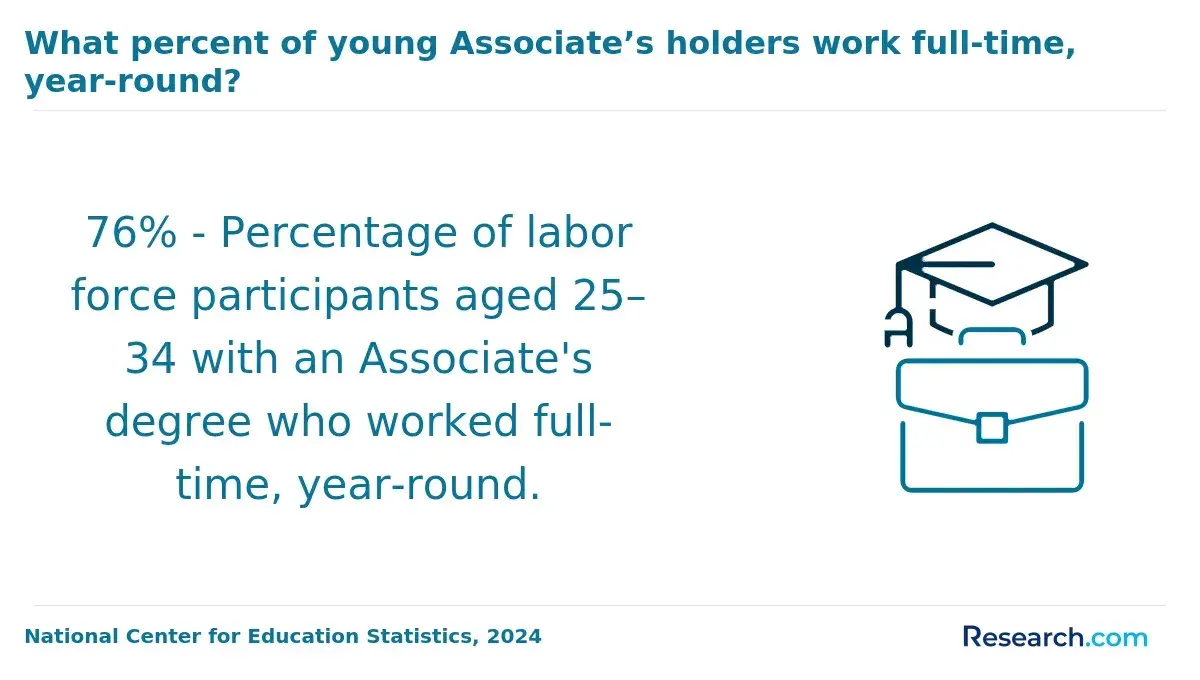
Applicants with prior credits should request an official transfer evaluation before committing. A program that appears fast may take longer if only a small portion of previous coursework applies. Students who started at a community college or online institution can compare affordable transfer pathways, including the cheapest associate degree online, when planning how credits may support admission into a bachelor’s program.
Breakdown of Private Fully Online Nonprofit Schools

How Are Accelerated Esports Business Courses Structured Compared to Traditional Ones?
Accelerated esports business courses typically cover comparable learning outcomes to traditional courses, but the calendar changes the learning experience. Students complete assignments, projects, discussions, and assessments over a shorter period, which can make the program feel more career-focused and efficient but less forgiving.
- Course length: Accelerated degrees, such as those at Full Sail University, can be completed in about two years, roughly half the time of the typical four-year traditional program. This format can be useful for students who already know their target career path and want to move quickly.
- Weekly workload: Accelerated courses often require more hours per week because readings, discussions, case analyses, and projects are condensed. Traditional courses spread similar expectations across a longer semester.
- Instruction style: Accelerated programs commonly use online or hybrid delivery, recorded materials, project-based assignments, and frequent deadlines. Traditional programs may rely more on scheduled class meetings, campus labs, faculty office hours, and in-person collaboration.
- Student fit: Accelerated formats reward self-discipline, organized calendars, and comfort with independent learning. Traditional formats may better support students who want more time for discussion, feedback, extracurriculars, and academic exploration.
- Academic quality: A shorter schedule should not mean a weaker curriculum. Reputable accelerated programs still need qualified faculty, coherent outcomes, meaningful assessments, and appropriate academic rigor.
Before enrolling, review a sample course schedule. If possible, ask how many hours students typically spend each week on coursework during the most demanding terms. That answer is often more useful than the program’s advertised completion time.
How Much Do Accelerated Esports Business Programs Cost Compared to Traditional Programs?
Accelerated programs are not automatically cheaper per credit, but they can reduce total cost by shortening the number of terms, housing periods, commuting expenses, and months spent outside full-time employment. Traditional programs may cost more overall because they last longer, though they may also provide more time to work part time, apply for scholarships, or spread payments over several years.
- Tuition rate per credit: The per-credit price may be similar across formats. For instance, Florida Southern University's MBA in esports management costs $1,035 per credit regardless of format, while Post University offers online credits at $570 each with no pace distinction.
- Program duration and total cost: Accelerated options typically condense coursework into 12-18 months for master's degrees or 2-3 years for bachelor's degrees. Miami University's one-year online esports master's charges $16,751 total tuition for in-state students, which may be lower than longer programs with more terms of fees and related expenses.
- Opportunity cost: Graduating sooner may allow accelerated students to enter or advance in the workforce earlier. However, the workload can also make it harder to maintain full-time employment while enrolled.
- Financial aid access: Federal aid and scholarships may be available in both formats if the institution and program meet eligibility rules. Students should confirm enrollment intensity, satisfactory academic progress requirements, and how aid is disbursed across shorter terms.
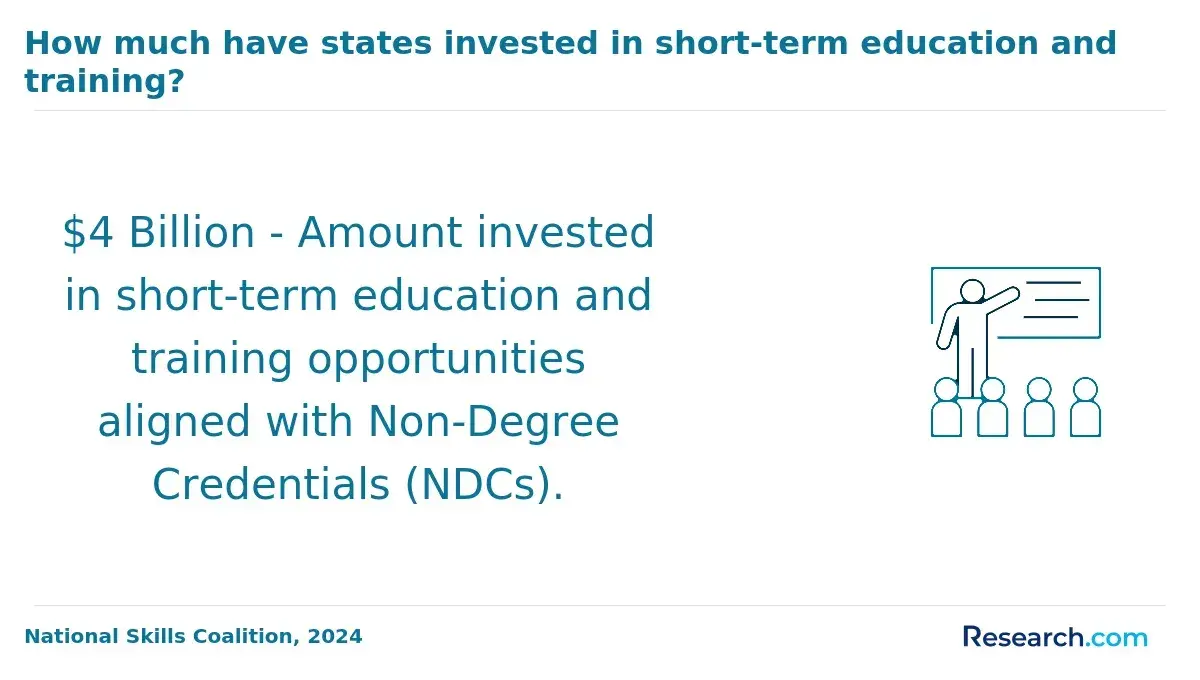
When comparing costs, calculate the full price of attendance, not just tuition. Include fees, books, equipment, software, travel, housing, lost wages, and interest on loans. Students comparing esports business tuition with broader business degree costs may also review an online business school list to understand affordability across related programs.
What Financial Aid Is Available for Accelerated vs. Traditional Esports Business Degrees?
Students in both accelerated and traditional esports business programs may be able to use financial aid, but the timing can differ. Accelerated terms may start and end more often, which can change when aid is disbursed, when enrollment is checked, and how quickly students must submit documents.
- Federal aid eligibility: Both formats may qualify for federal aid such as Pell Grants and student loans if the school and program meet federal eligibility standards. Students should verify accreditation, degree status, enrollment level, and program participation before enrolling.
- Scholarships: Esports-specific scholarships may be available for students in either format, with awards sometimes reaching thousands annually. Traditional students may have more application cycles, while accelerated students may need to meet earlier or more frequent deadlines.
- Employer tuition assistance: Working students may be able to use employer reimbursement, especially if the degree connects to business, marketing, technology, media, or management roles. Accelerated students should confirm whether their employer reimburses short terms, overlapping courses, or nontraditional calendars.
- Aid disbursement and renewal: Accelerated programs may divide aid across shorter sessions. Students must track credit load, satisfactory academic progress, withdrawal deadlines, and renewal requirements carefully to avoid unexpected balances.
One professional who completed an accelerated esports business degree described financial aid as manageable but deadline-heavy. He noted that the shorter sessions required him to monitor each term closely so funds were available on time. The benefit, in his view, was graduating sooner and moving into the workforce faster.
The main lesson is simple: do not wait until the first bill arrives. Ask the financial aid office how aid works for your exact program calendar, how many credits you must take to remain eligible, and what happens if you drop or fail a condensed course.
What Kind of Student Support Do Accelerated vs. Traditional Esports Business Programs Offer?
Student support can make the difference between finishing smoothly and falling behind, especially in an accelerated program. The services may be similar on paper, but the delivery model and response time matter. Students should ask not only whether support exists, but when it is available and how quickly they can access it.
- Academic advising: Traditional programs often provide recurring in-person advising and longer planning relationships. Accelerated programs may rely more on virtual advising, fast scheduling, and structured degree maps to keep students on pace.
- Tutoring: Traditional students may use campus tutoring centers, writing labs, and scheduled study sessions. Accelerated students often need online tutoring, evening availability, and quick feedback because assignments move rapidly.
- Career services: Traditional programs may offer more time for internships, employer visits, alumni events, and mentorship. Accelerated programs may emphasize resume reviews, virtual workshops, job-search coaching, and immediate career planning.
- Peer interaction: Traditional formats usually support in-person collaboration through clubs, esports teams, events, and group projects. Accelerated formats may use discussion boards, group calls, cohort chats, and online project teams.
- Technical support: Online and hybrid accelerated students should confirm help desk hours, platform reliability, software requirements, and support for tournament, streaming, analytics, or project-management tools used in coursework.
Before enrolling, ask whether advising, tutoring, and technical support are available outside standard business hours. This is especially important for working adults and students in short courses where a delayed answer can affect a grade.
Do Graduates from Accelerated vs. Traditional Esports Business Programs Get Hired More Quickly?
Hiring speed depends on experience, portfolio quality, location, networking, internships, and the specific role—not only the program format. Accelerated graduates may reach the job market sooner because they finish faster, while traditional graduates may benefit from more time to build internships, campus leadership, and industry contacts.
- Employer perception: Some employers may be more familiar with traditional degrees, especially for management-track roles. However, many esports employers care strongly about practical experience, business judgment, communication skills, and evidence that a candidate understands the esports ecosystem.
- Career readiness: Accelerated graduates often demonstrate adaptability, digital fluency, and time management. These traits can help in fast-moving esports organizations, agencies, event companies, and digital-first teams.
- Industry demand: Demand for esports-savvy business professionals can shorten job searches. Accelerated program graduates typically land positions 1-2 months faster, especially in digital-first roles.
A graduate of a traditional esports business degree described her job search as slower but productive. She said the longer process helped her build confidence, complete interviews carefully, and rely on connections formed during the program. Her experience shows that a longer path can still produce strong outcomes when students use the extra time strategically.
Students in either format should build a portfolio before graduation. Useful evidence can include sponsorship proposals, event plans, marketing campaigns, tournament operations work, social media analytics, partnership research, or capstone projects tied to real esports business problems.
Are Accelerated Esports Business Degrees Accredited the Same Way as Traditional Programs?
Yes, accreditation standards apply to institutions and programs regardless of whether courses are accelerated, traditional, online, hybrid, or on campus. A legitimate accelerated format should meet the same academic expectations as a traditional format, even if the calendar is shorter.
Accreditation matters because it can affect federal financial aid eligibility, credit transfer, graduate school admission, and employer recognition. A compressed schedule does not remove the need for qualified faculty, appropriate credit hours, meaningful assessments, and documented learning outcomes.
Students should verify both institutional accreditation and, when relevant, program-level business accreditation. Do not rely only on marketing language such as “career-focused,” “industry-aligned,” or “fast track.” Confirm that the institution is recognized by an agency accepted by the U.S. Department of Education and that the specific degree level matches your goals.
Accelerated programs must be especially careful not to reduce academic quality while shortening the calendar. The work may be delivered in shorter sessions, but the degree should still require appropriate reading, projects, exams, discussions, and applied business learning.
Prospective students comparing online options can use lists of top accredited online schools as a starting point, but they should still confirm the current accreditation status directly with the school and the accrediting agency.
How Do You Choose Between an Accelerated vs. Traditional Esports Business Degree?
Choose an accelerated esports business degree if you are prepared for a demanding schedule, have a clear career direction, and want to finish as quickly as possible. Choose a traditional program if you want more time for internships, electives, campus involvement, networking, and academic development.
- Time commitment: Accelerated programs shorten the path to graduation but require more weekly focus. If your work or family schedule is unpredictable, the pace may become difficult.
- Learning style: Self-directed students who can manage deadlines independently may thrive in accelerated formats. Students who prefer discussion, reflection, and repeated feedback may benefit from a traditional schedule.
- Career goals: If you already know you want roles in esports operations, marketing, partnerships, or business development, an accelerated path can be efficient. If you are still exploring, a traditional program may give you more room to test specialties.
- Experience level: Students with transfer credits, work experience, or prior business coursework may adapt well to accelerated study. First-time college students may prefer the structure and support of a traditional program.
- Budget: Accelerated programs may reduce total costs through shorter enrollment, but they can also limit your ability to work while studying. Traditional programs may cost more over time but allow more gradual payment planning.
When comparing traditional and accelerated esports business degrees, remember that traditional programs usually span four years and include around six esports-specific courses, varying widely by institution. Accelerated programs compress similar content into less time, which can be valuable but demanding.
Before deciding, ask each school for a degree plan, transfer evaluation, tuition estimate, financial aid explanation, internship policy, and career outcomes information. Students searching for lower-cost bachelor’s pathways can also compare an affordable online bachelor's degree while evaluating esports business options.
What Students of Accelerated vs. Traditional Esports Business Programs Say About Their Degree
- : "The traditional esports business degree gave me a comprehensive understanding of the industry at a pace I could manage while balancing work and study. The cost was higher than some accelerated options, but the curriculum depth and networking opportunities made the investment worthwhile. The program helped prepare me for a career in esports management. — Levi"
- : "My traditional esports business program was valuable, though the pace sometimes felt slower than I expected. The detailed coursework gave me a strong foundation, but the longer duration added to the total cost. Even so, the skills I gained are helping me move into esports marketing. — Ahmed"
- : "Choosing an accelerated esports business degree helped me enter the industry faster without skipping the core knowledge I needed. The pace was intense, and it was not always easy to absorb everything quickly, but it reduced my time in school and helped me start my career sooner. For my goals, the format made sense. — Christopher"
Other Things You Should Know About Traditional vs. Accelerated Esports Business Degrees
In 2027, employers view accelerated and traditional Esports Business degrees with similar respect, focusing mainly on skills and experience. However, some may appreciate the time management skills demonstrated by graduates of accelerated programs due to their intensive nature.
In 2027, traditional Esports Business degrees often provide more options for coursework personalization, allowing students to choose electives and explore specialized areas. Accelerated programs, focused on a faster completion, may offer less flexibility in tailoring courses to individual interests.
In 2027, traditional esports business degree programs typically offer better networking opportunities through campus events and longer program durations, allowing more time for building connections. Accelerated programs may have fewer events but offer intensive industry-focused networking sessions tailored to fast-track students into the esports sector.
References
- Esports and Sports Management Degree Career Paths https://www.baker.edu/about/get-to-know-us/blog/esports-and-sports-management-degree-career-paths/
- A Better “Esports Degree” https://medium.com/@Kennigit/a-better-esports-degree-cf26a168cf75
- The First Wave: College Esports Programs https://athleticdirectoru.com/articles/the-rise-of-collegiate-esports-programs/
- Esports Management Concentration (Online or On Campus) - Fisher College https://www.fisher.edu/academics/undergraduate-programs/bs-in-management/esports-management-concentration
- What Type of Esports Program Is Your University Building? https://edtechmagazine.com/higher/article/2023/03/what-type-esports-program-your-university-building
- Three things to know about building an esports program at a college or high school - Edge Up https://edgeup.asus.com/2025/three-things-to-know-about-building-an-esports-program-at-a-college-or-high-school/
- Sports Management Bachelors | Sports Management Worldwide https://www.sportsmanagementworldwide.com/sports-management-bachelors-degree
- Sport & Esports Management https://usm.maine.edu/academics/academic_programs/sport-management/
- Attrition and success rates of accelerated students in nursing courses: a systematic review https://pmc.ncbi.nlm.nih.gov/articles/PMC4825075/
- Accelerating Your Career: The Benefits of Accelerated Online Degree Programs for Working Adults. - William Peace University https://peace.edu/accelerating-your-career-the-benefits-of-accelerated-online-degree-programs-for-working-adults/


