
2027 Is a Business Law Online Degree Worth It?

Co-Founder and Chief Data Scientist
Choosing an online business law degree is not just a question of convenience. It is a decision about credential type, cost, career direction, employer expectations, and whether the program will give you usable legal and business skills without creating unnecessary debt.
Interest in online law-related programs has grown as students look for flexible ways to study contracts, compliance, corporate governance, employment law, taxation, and regulatory risk. Recent data shows that enrollment in online law-related programs has grown by over 20% in the past five years, reflecting stronger demand for programs that can fit around work, family responsibilities, and location constraints.
This guide explains when an online business law degree can be worthwhile, who benefits most, what technology and time commitment to expect, how internships work, what tuition and salary figures suggest, and which industries commonly hire graduates. It also highlights an important distinction: some programs are designed for legal or compliance careers, while others, such as JD programs, may have separate accreditation and licensure considerations that students should verify before enrolling.
Key Benefits of Online Business Law Degree
- Online business law programs offer flexible schedules, enabling working professionals to balance studies with careers, which increases degree accessibility without compromising on curriculum quality.
- Business law graduates typically see career growth in compliance, contract management, and consulting, with demand expected to rise 4% over the next decade, reflecting industry relevance.
- Many programs emphasize practical skills, such as negotiation and regulatory understanding, providing long-term benefits by preparing students for diverse legal and business roles.
Who Should Choose an Online Business Law Degree Program?
An online business law degree program is best for students who need legal knowledge for business-focused roles and want a study format that does not require regular campus attendance. It can be a strong fit for people pursuing compliance, contract administration, risk management, corporate operations, human resources, consulting, or legal support roles.
It is not automatically the right choice for every legal career. Students who want to become licensed attorneys should confirm whether a specific JD program meets bar eligibility requirements in the jurisdiction where they plan to practice. Students seeking non-attorney business law roles should focus on curriculum, accreditation, employer recognition, internship access, and career services.
- Working professionals: Employees in business, compliance, finance, management, HR, procurement, or operations can build legal fluency without leaving their jobs. Coursework in contracts, regulation, corporate responsibility, and dispute resolution can make daily decision-making more precise.
- Career changers: People moving into compliance, legal operations, contract management, legal analysis, risk, or human resources can use the degree to show structured training in business law concepts rather than relying only on work experience.
- Recent graduates: New graduates in business, political science, economics, accounting, communications, or related fields can add a legal-business credential that may help them compete for entry-level roles requiring regulatory awareness and strong writing skills.
- International students and remote learners: Students who cannot relocate or attend campus because of geography, work, family, or visa limitations may be able to access law-related coursework from established institutions online. They should still check whether the credential is recognized for their intended country, employer, or professional path.
- Entrepreneurs and managers: Business owners and supervisors who frequently deal with contracts, vendors, employees, privacy issues, or regulatory obligations may benefit from practical legal literacy, even if they do not plan to work in a legal department.
What Are the Pros and Cons of an Online Business Law Degree?
An online business law degree can be valuable when the program matches your career goal, budget, schedule, and preferred learning style. The biggest advantages are flexibility and access. The biggest risks are weak networking, uneven program quality, and assuming that every online law-related credential leads to the same outcomes.
Pros of an Online Business Law Degree
- Flexible scheduling: Many online programs use asynchronous courses, which can help students study before work, after work, or on weekends. This is especially useful for professionals who cannot attend daytime classes.
- Lower indirect costs: Online students may avoid relocation, commuting, parking, and some campus-based expenses. Tuition varies by institution, but the format can reduce the total cost of attendance for students who remain employed while studying.
- Career-relevant legal knowledge: Business law coursework can strengthen skills in contract review, compliance, regulatory interpretation, risk assessment, negotiation, and legal writing. These skills are useful in corporate, financial, healthcare, real estate, entertainment, and consulting environments.
- Broader access to programs: Students are not limited to nearby campuses. This matters for learners in rural areas, military families, caregivers, and professionals whose jobs require travel or irregular schedules.
- Evidence of self-management: Completing an online degree can signal discipline, organization, and comfort with digital collaboration, all of which are relevant in remote or hybrid workplaces.
Cons of an Online Business Law Degree
- Less spontaneous networking: Online students may have fewer informal conversations with professors, alumni, and classmates. Because legal and compliance careers often depend on trust and referrals, students need to be intentional about office hours, virtual events, alumni outreach, and internships.
- High need for self-discipline: Online study is flexible, but it is not easier. Students must manage reading, case analysis, writing assignments, group work, and deadlines without the structure of frequent in-person meetings.
- Technology dependence: Poor internet access, outdated hardware, or limited familiarity with learning platforms can create avoidable barriers, especially in courses with live discussions, exams, or legal research databases.
- Variable employer perception: Many employers are increasingly comfortable with online credentials, especially from accredited and recognizable institutions. However, some legal employers may still prefer traditional formats for roles involving litigation, client-facing legal work, or attorney-track hiring.
- Licensure uncertainty for some paths: Students considering a JD should not assume that “online” and “law degree” mean bar eligibility. Requirements can depend on the program, accreditation status, state rules, and the student’s intended jurisdiction.
Students comparing flexible graduate options may also want to review a one year masters program if their goal is faster career advancement rather than a law-specific credential.

How Do AI-Enhanced Virtual Classrooms Work in Online Business Law Programs?
AI-enhanced virtual classrooms use digital tools to make online legal education more interactive, personalized, and practice-oriented. In business law programs, these tools can support negotiation practice, legal research, drafting exercises, feedback, and class discussion. They should supplement—not replace—faculty instruction, legal reasoning, and ethical judgment.
- Interactive legal simulations: Students may participate in virtual negotiation or dispute-resolution exercises where AI bots respond to arguments, revise positions, and create realistic pressure. This gives students a low-risk way to practice strategy, clarity, and professionalism.
- Real-time feedback and assessment: AI tools can analyze drafts, quizzes, or simulation performance and provide immediate comments on structure, issue spotting, organization, and argument development. Faculty review remains important for nuanced legal judgment.
- Personalized study support: Platforms can identify patterns in a student’s performance and suggest resources or practice exercises for difficult topics such as contract interpretation, regulatory compliance, or legal citation.
- AI-supported discussion: Some systems summarize discussion threads, highlight recurring arguments, or flag unanswered questions. This can help online students follow complex debates without losing the analytical depth expected in law-related courses.
- Responsible use of generative AI: Business law students need to learn when AI can help with research organization, drafting support, and document review, and when it creates risks involving confidentiality, accuracy, bias, unauthorized practice, or citation reliability.
Institutions like Suffolk Law and Case Western Reserve include hands-on AI training that prepares students to use generative AI tools for legal education online responsibly and effectively. Students considering flexible, technology-driven programs may also compare options described among easy degrees, while remembering that law-related coursework can still be reading- and writing-intensive.
What Technology Do You Need for an Online Business Law Degree?
A reliable technology setup is essential for online business law students because coursework often includes recorded lectures, live discussions, legal research databases, online exams, collaborative documents, and video presentations. Before enrolling, review the school’s technical requirements and test your equipment under real study conditions.
- Reliable computer or laptop: A device with at least 8GB of RAM and a current operating system is recommended for video streaming, legal databases, document editing, exam platforms, and multitasking. Northern Kentucky University's online Master of Legal Studies program expects students to use their own computers for coursework and exams, which shows why a dependable machine matters.
- High-speed internet connection: A stable broadband connection with a minimum download speed of 25 Mbps is vital for live classes, lecture streaming, research access, file uploads, and timed assessments. Students with unreliable home internet should identify a backup location before classes begin.
- Webcam and microphone: Many programs require live participation, presentations, advising meetings, proctored exams, or group projects. Clear audio and video help students participate professionally.
- Headphones or earbuds: Good audio reduces distractions during lectures, simulations, and group meetings, especially for students studying in shared or noisy spaces.
- Cloud storage and productivity software: Google Drive, Microsoft OneDrive, Microsoft Office, and Google Workspace can support legal writing, document sharing, version control, and group work. Students should organize files carefully because legal coursework often involves multiple drafts and cited sources.
- Legal research databases: Access to Westlaw or LexisNexis is critical for researching case law, statutes, regulations, secondary sources, and legal commentary. Students should take database tutorials seriously because research efficiency affects both grades and workplace readiness.
- Security basics: Use strong passwords, multifactor authentication when available, secure Wi-Fi, and regular software updates. Business law students may work with sensitive hypothetical or internship-related documents, so digital habits matter.
Students comparing long-term educational investments can also review the highest paid masters degrees to understand how different graduate credentials may affect career planning.
How Long Does It Take to Finish an Online Business Law in 2027?
The time required to finish an online business law program depends on the credential, course load, transfer credits, academic calendar, and whether the student studies full time or part time. Short programs can build targeted skills quickly, while JD and LLM options require a longer commitment and more careful planning.
- Certificate programs: These can often be completed within three semesters or just a few months. They are useful for students who want focused training in compliance, contracts, employment law, corporate law, or another narrow area without committing to a full degree.
- Individual courses: Some online business law classes can be completed in less than a month. This option fits professionals who need a specific skill, such as contract basics or regulatory awareness, rather than a complete credential.
- Master of Laws (LLM) in International Business Law: Full-time students generally complete this advanced degree in 12 to 15 months. Part-time or working professionals may extend the timeline by using flexible and self-paced modules.
- Juris Doctor (JD) online programs: These typically require 2.5 to 4 years and may include accelerated tracks. Students considering this route should check accreditation, residency requirements, experiential learning requirements, and bar eligibility rules before enrolling.
When comparing timelines, do not choose the shortest program automatically. A faster format can reduce time away from career goals, but it may also require heavier weekly reading, writing, and exam preparation. Working adults should ask admissions staff for a realistic weekly workload estimate before committing.
Can You Work Full-Time While Completing an Online Business Law Degree?
Yes, many students can work full-time while completing an online business law degree, but the feasibility depends on program pace, course format, workload, employer flexibility, and personal obligations. Online learning makes the combination possible; it does not make it effortless.
Before enrolling, evaluate the following factors honestly:
- Program pacing: Accelerated programs may finish in about 15 months, while part-time formats often stretch over several years. A longer timeline may be better for students with demanding jobs, caregiving duties, or unpredictable schedules.
- Asynchronous vs. synchronous courses: Asynchronous courses allow students to complete lectures and assignments on a flexible schedule. Synchronous courses require live attendance, which can conflict with work hours, travel, or shift work.
- Weekly workload: Expect to dedicate approximately 20-25 hours weekly for study and assignments. Legal reading and writing can take longer than expected, especially for students new to case analysis or legal citation.
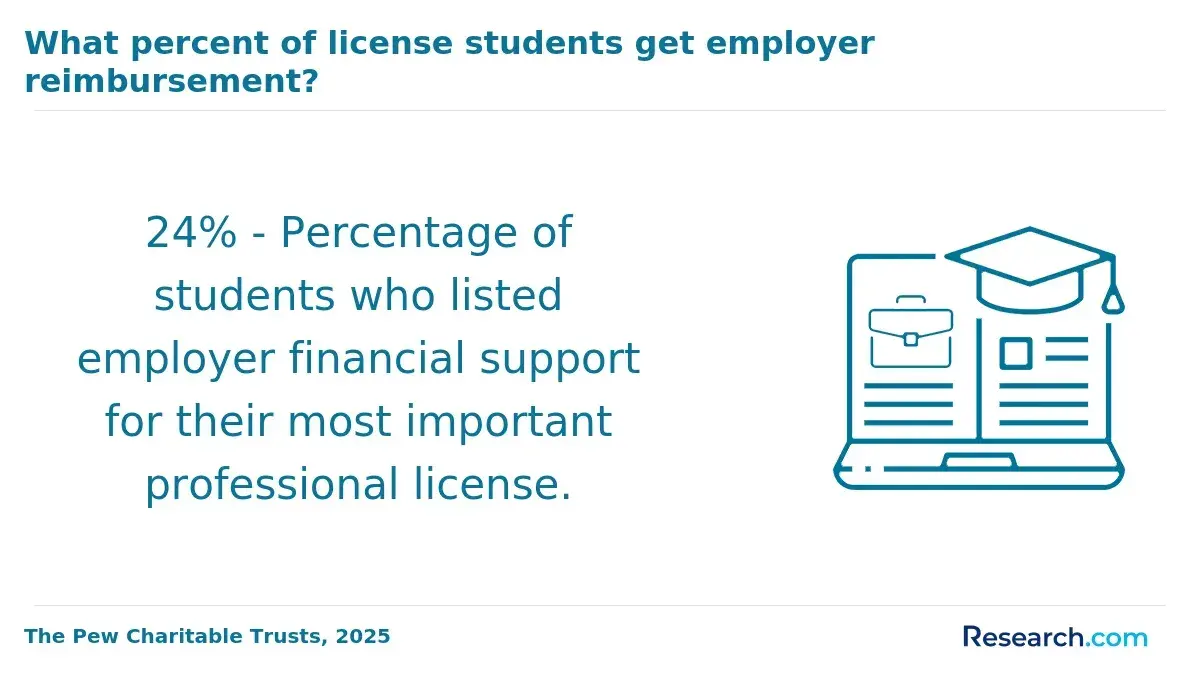
- Employer support: Flexible hours, predictable scheduling, tuition assistance, remote-work options, or exam-week accommodations can make a major difference. Students should ask about employer support early rather than waiting until deadlines become difficult.
- Personal time management: A realistic study calendar, protected reading blocks, a quiet workspace, and planned breaks can help prevent burnout. Students should also build in extra time before exams and major writing assignments.
A graduate who worked full-time described the experience as requiring "strict scheduling and a lot of perseverance." She spent late nights reviewing course materials after work and had to stay motivated through periods of doubt. Her approach was to set small goals and complete one task at a time. That experience reflects the reality of online business law study: it is manageable for disciplined students, but it requires planning and support.
How Do Online Business Law Degree Programs Help with Internships?
Internships help business law students turn coursework into practical experience. They may involve contract review, compliance research, policy drafting, client communication, regulatory tracking, legal operations, or administrative support in a legal or business setting. Online programs can support internships, but students should verify how formal that support is before enrolling.
- Career services support: Strong programs offer resume reviews, interview preparation, job-search coaching, internship databases, and guidance on how to describe law-related skills to employers.
- Virtual placement coordination: Some institutions partner with legal organizations, corporate departments, nonprofits, government offices, or compliance teams to help students find remote or hybrid internships.
- Structured mentorship: Regular check-ins with faculty, program coordinators, or legal professionals can help students connect internship tasks to course concepts and professional goals.
- Networking opportunities: Virtual panels, alumni events, employer sessions, and online meetups can help students build relationships that may lead to internships or future job opportunities.
- Internship tracking tools: Digital platforms may be used to document hours, supervisor feedback, learning objectives, and student reflections, helping the school monitor progress and ensure the experience is meaningful.
- Local flexibility: Online students may be able to complete internships near where they live, which can be valuable for learners who cannot relocate for a semester.
Prospective students should ask direct questions: Are internships required or optional? Does the school place students or only provide listings? Can internships be remote? Are there faculty supervisors? Will the experience appear on the transcript? Clear answers can reveal whether a program has a real professional network or only general career advice.
What Is the Average Tuition Cost of an Online Business Law Program?
The cost of an online business law program varies by credential level, institution type, residency status, credit requirements, and fees. Students should compare total program cost rather than tuition alone because technology fees, materials, exam costs, and required subscriptions can affect affordability.
- Average tuition and fees: The typical yearly tuition for an online bachelor's in legal studies or business law is approximately $6,315, with financial aid bringing the average net price down to about $3,206 per year as reported in 2020.
- Public vs. private institutions: Public universities generally provide lower tuition for in-state students; for instance, Northeastern State University charges $221 per credit for residents versus $525 for non-residents. Private universities like Dominican University often have a flat rate, such as $490 per credit, regardless of residency.
- Graduate and law program costs: Costs for master's or specialized law degrees vary significantly. For example, Golden Gate University's online Master of Law Studies costs $7,920 for two trimesters, while Texas A&M offers a 24-credit LLM for around $35,000 total.
- Additional fees: Students should account for technology fees, administrative charges, and occasional course material expenses, which can add several hundred dollars to annual costs.
- Online cost savings: Online programs can reduce housing, commuting, relocation, and some campus-related expenses. These savings are most meaningful when students can keep working while enrolled.
Students comparing business-related programs on price may also want to research a cheap online business degree if their goal is broader business training with some legal coursework rather than a specialized law-focused credential.
A student currently enrolled in an online business law degree said budgeting was an ongoing challenge: "I had to carefully calculate tuition alongside hidden fees-they really add up." He also valued studying from home because it helped reduce living expenses. "It wasn't just about the numbers; the flexibility made managing my finances realistic," he reflected. His experience highlights why students should compare tuition, fees, financial aid, work income, and indirect savings before deciding.
What Is the Average Salary for Someone with an Online Business Law Degree in 2027?
Salary outcomes for graduates of online business law programs vary widely because the credential can lead to different roles. A JD, LLM, master's degree, bachelor's degree, or certificate can have very different labor-market value. Experience, employer type, geography, specialization, licensure, and prior professional background all influence pay.
- Average entry-level salary: Business law graduates just starting their careers earn about $83,946 on average. This figure is a useful baseline, but individual outcomes may be higher or lower depending on role and employer.
- Salary by industry and specialization: Corporate attorneys with business law expertise typically earn between $75,000 and $204,000 annually. Specializations significantly affect pay: securities attorneys have a median salary of $193,300, tax attorneys earn around $146,200, and environmental attorneys average $148,200.
- Compensation in larger firms: First-year associates at mid-sized firms (50-200 attorneys) command salaries from $155,000 to $200,000, while BigLaw entry-level salaries range from $215,000 to $225,000. These figures usually apply to attorney roles and should not be assumed for all business law graduates.
- Regional salary variations: Geographic location has a major effect on pay. Major markets offer 15-35% premiums compared to secondary or emerging markets. For example, first-year associates in secondary markets such as Atlanta, Denver, and Phoenix earn between $155,000 and $185,000, compared with emerging market ranges of $145,000 to $165,000.
- Long-term outlook and market trends: The national median salary for all lawyers is $151,160. However, entry-level salaries outside BigLaw generally start closer to $80,000-$100,000, making credential type, school reputation, licensing status, and career path important factors in return on investment.
When evaluating salary potential, compare expected earnings with total program cost and the opportunity cost of study time. Students looking for lower-cost routes into online education can also review affordable online bachelor degree programs while comparing credential fit and career goals.
Which Industries Hire Graduates From Online Business Law Programs?
Graduates of online business law programs can work in industries where organizations need professionals who understand contracts, compliance, governance, risk, transactions, and regulatory obligations. The best-fit industry depends on the student’s credential level and whether the role requires attorney licensure.
- Corporate sector: Corporate legal departments, compliance teams, operations units, and business affairs groups may hire graduates for roles such as compliance manager, contract administrator, business legal advisor, or operations manager. Large companies, including Fortune 100 firms, increasingly offer remote or hybrid positions that may suit online degree holders.
- Financial services: Banks, investment firms, insurance companies, fintech organizations, and advisory firms need professionals who can support regulatory compliance, contract negotiation, internal controls, and risk management.
- Healthcare: Healthcare organizations employ business law professionals in compliance, healthcare law support, physician contract negotiation, privacy, vendor agreements, and policy roles.
- Real estate: Real estate firms, property management companies, developers, and title-related businesses may value graduates who understand property law matters, contract drafting, transactions, and legal risk.
- Entertainment: Business and legal affairs departments in entertainment need professionals who can assist with intellectual property rights, licensing, talent agreements, production contracts, and rights management.
- Government and nonprofit organizations: Public agencies and nonprofits may need support with procurement, grants, contracts, ethics rules, employment policies, and regulatory reporting.
According to the U.S. Bureau of Labor Statistics, legal and law-related jobs are projected to grow by 9% from 2021 to 2031, indicating steady demand for law-related skills. Students who want to broaden their qualifications can explore schools that offer dual degree programs, particularly if they want to combine legal knowledge with business, public policy, finance, or another field.
What Graduates of Online Business Law Programs Say About Their Degree
- Benny: "Pursuing an online business law degree gave me the flexibility to learn at my own pace while balancing work and family. The comprehensive curriculum deepened my understanding of business regulations, which has been valuable in my role as a corporate consultant. Considering the average cost of attendance was reasonable compared to traditional programs, it was a smart investment."
- Greyson: "Choosing an online business law degree was a reflective journey that combined convenience with rigorous learning. It allowed me to enter a new career path without sacrificing my current job, and the practical skills I gained changed how I approach contracts and compliance. The cost-effectiveness of the program was a significant factor, making the degree attainable without excessive debt."
- Cooper: "The professional edge I gained from completing an online business law degree has been remarkable. The structure of the program fit into my busy schedule, and the legal knowledge I acquired opened doors to leadership opportunities within my company. Given the comparatively modest tuition fees, the degree offered excellent value for advancing my career."
Other Things You Should Know About Business Law Degrees
In 2027, employers generally respect business law degrees as they signal proficiency in understanding legal frameworks vital for business operations. The degree is valued in sectors like corporate governance, compliance, and legal consulting, where such expertise is increasingly critical.
In 2027, an online business law degree equips graduates with critical thinking, legal analysis, negotiation, and communication skills. Students gain specialized knowledge in areas like corporate governance and regulatory compliance, enhancing their ability to manage legal challenges in businesses effectively.
Online business law degrees are increasingly viewed as equivalent to traditional degrees, particularly when the program is accredited by recognized agencies. The quality and rigor of the curriculum, faculty credentials, and institutional reputation matter more to employers and graduate programs than the delivery format. In some cases, the flexibility of online programs is seen as a positive trait showing time-management skills.
References
- Online Law School: The Best Online Law School Programs for 2025 https://www.princetonreview.com/law-school-rankings/best-online-jd-programs-at-law-school
- Online Law School in California | Purdue Global Law School https://www.purduegloballawschool.edu/academic-programs/california
- Pros and Cons of Getting a Legal Degree Online https://onlinemasteroflegalstudies.com/mls-degrees/pros-and-cons-of-online-legal-degrees/
- The Ultimate Guide to Law Virtual Internships: Your Path to Career Success https://absoluteinternship.com/blog/the-ultimate-guide-to-law-virtual-internships-your-path-to-career-success/
- Online Master of Business, Law, and Technology - Masters in Law https://www.collegesoflaw.edu/business-law-technology-programs/master/
- Artificial intelligence (AI) and its implications on law & business – a brief analysis https://www.srd-rechtsanwaelte.de/en/blog/ai-implications-law-business
- 5 Ways to Successfully Work While Studying Online in 2025 | Distancelearningportal https://www.distancelearningportal.com/articles/249/how-to-work-while-studying-online.html
- Firsthand Advice for Taking Online Classes While Working Full Time https://www.umassglobal.edu/blog-news/advice-for-taking-online-classes-while-working-full-time
- Everything Law Students Need to Know About Getting Summer Jobs https://www.nesl.edu/blog/detail/everything-law-students-need-to-know-about-getting-summer-jobs
- 5 ways to gain legal experience while studying https://www.law.ac.uk/resources/blog/top-ways-to-gain-legal-experience-while-studying/


