2027 Online Family Nurse Practitioner Degree Programs Costs: Tuition & Fees

Co-Founder and Chief Data Scientist
Pursuing an online Family Nurse Practitioner degree represents a significant financial commitment, with tuition and fees varying widely among programs. Understanding these costs is crucial for effective financial planning, as expenses extend beyond tuition to include books, technology, and clinical requirements. Such factors directly impact a student's budget and borrowing needs.
In this article, we will explore typical tuition ranges for online Family Nurse Practitioner programs, break down associated fees, compare affordability across institutions, and highlight financial aid options to help prospective students make informed decisions.
Key Points About Online Family Nurse Practitioner Degree Costs
- The average tuition for online Family Nurse Practitioner programs in 2024 ranges between $15,000 and $60,000, depending on the institution's prestige and program length.
- Costs vary due to factors like residency status, credit requirements, technology fees, and clinical placement expenses.
- Investing in these programs often leads to higher salaries and job security, justifying the upfront financial commitment for many students.
What Is the Average Cost of an Online Family Nurse Practitioner Degree?
The cost of earning an online Family Nurse Practitioner (FNP) degree in the United States generally ranges between $15,000 and $60,000 for total tuition. This wide span reflects differences in program structures, delivery methods, and institutional pricing. Most programs are designed for full-time study and last two to three years.
Tuition fees vary depending on whether the institution is public or private and the student's residency status. Public universities often offer more affordable rates, such as Southeastern Louisiana University, which charges around $12,012 for in-state students and $42,119 for out-of-state learners.
On the other hand, private or highly ranked schools like Simmons University can reach prices near $59,925 for their online MSN-FNP program. Additionally, costs vary by degree type, with post-master's certificates and MSN programs differing in tuition, and credit hour prices typically ranging from about $395 to $1,275.
Compared to other advanced nursing degrees, FNP programs generally have similar tuition expenses. However, more budget-friendly choices exist, especially within public universities or less selective schools. It's important to note that tuition usually excludes additional fees for technology, clinical placements, and supplies, which may affect the total cost of the program.
What Is Typically Included in the Tuition for an Online Family Nurse Practitioner Degree?
Tuition for online Family Nurse Practitioner (FNP) programs generally accounts for various academic and technology-related elements essential to the learning experience. Costs are often calculated based on credit hours required, with rates differing significantly between schools and program types.
Typically, tuition covers core services necessary for course completion and student support. These often include:
- Access to online learning platforms and technology infrastructure: Fees for virtual classrooms, learning management systems, and tech support are commonly bundled in tuition.
- Academic support services: Students benefit from resources like academic advising, tutoring, library access, and career guidance included in tuition.
- Program assessments and instructional materials: Many programs incorporate the cost of exams, simulations, and select digital educational tools as part of tuition.
However, tuition usually does not cover all costs. Prospective students should anticipate additional expenses such as required textbooks and supplementary materials, which must be purchased separately. Travel and lodging for mandatory on-campus sessions or clinical placements can add to the total expense. Term-based student fees that address administrative charges are often billed apart from tuition-for example, some schools charge around $180 per term.
Furthermore, students are responsible for personal requirements like background checks, immunizations, and liability insurance needed for clinical practice. Given that coverage varies by institution, it's crucial to review detailed tuition breakdowns and confirm what specific fees are included before enrolling.
What Factors Influence the Cost of Pursuing an Online Family Nurse Practitioner Degree?
The total investment needed for an online Family Nurse Practitioner (FNP) degree varies widely due to several interconnected factors. Understanding these influences helps prospective students budget effectively and avoid surprises in program expenses.
- Credit Hour Requirements and Program Length: The total cost largely depends on the number of credit hours required to graduate, typically ranging from 45 to 53, but sometimes up to 79 credits if prerequisites or specializations apply. Tuition per credit varies between $500 and $1,275, making program length a direct driver of expense.
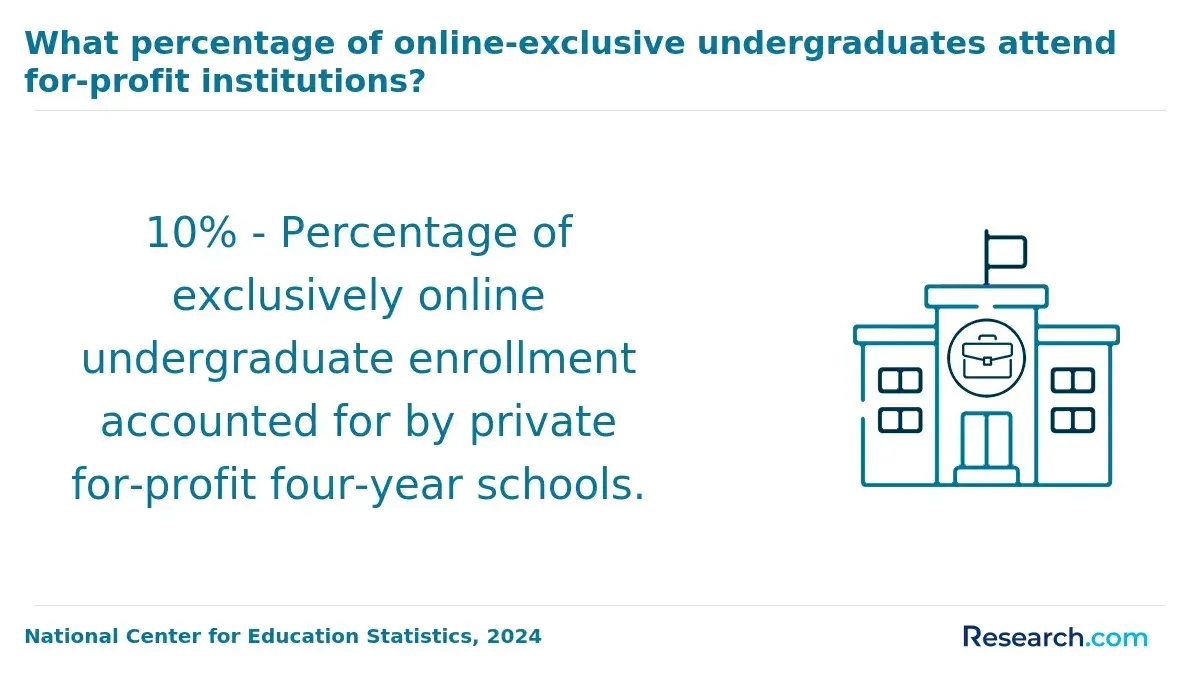
- School Type and Residency Status: Public universities charge significantly lower tuition for in-state students compared to out-of-state or private schools. For example, in-state tuition can be as low as $12,012 total, while out-of-state may exceed $42,000. Private and for-profit institutions usually have premium rates, with national averages around $17,000 per year.
- Tuition Rate Variability: Different institutions and program formats affect the price per credit. Full-time students may complete programs faster but face higher short-term costs, while part-time options extend expenses over more years. These factors affect financial planning for prospective enrollees.
- Hidden Fees in Online FNP Programs: Beyond posted tuition, students face additional costs such as technology fees, clinical program charges, supplies, and student fees, sometimes adding $4,300 or more to the total. Books, travel for required campus immersions, and certification exam preparation also contribute to final costs.
- Additional Financial Considerations: Other elements include enrollment services, administrative fees, and indirect expenses that vary by school. Prospective students should examine total program costs carefully and consider resources like the most employable college majors when evaluating return on investment.
Are Online Family Nurse Practitioner Programs Cheaper Than Traditional Programs?
When considering an online Family Nurse Practitioner program cost comparison, it's clear that online options often provide a more affordable pathway. For the 2025 academic year, the average annual tuition for online FNP programs is about $17,000, with the cheapest online FNP programs in the U.S. costing between $4,974 and $9,000 per year at some accredited institutions.
In contrast, traditional on-campus programs tend to be more expensive. Public universities usually charge between $21,000 and $25,000 in tuition for the full program, while private schools can exceed $35,000 to $39,000. These cost differences stem largely from the higher overhead expenses on-campus, including facility upkeep, staffing, and additional fees for transportation and housing.
That said, online students might face technology fees and are often responsible for securing clinical placements locally, which can affect total costs. Despite these variations, the educational content and clinical requirements remain consistent across formats. Those interested in exploring more options might benefit from reviewing online certification programs that pay well to consider related pathways.
Are There In-state and Out-of-state Tuition for Online Family Nurse Practitioner Programs?
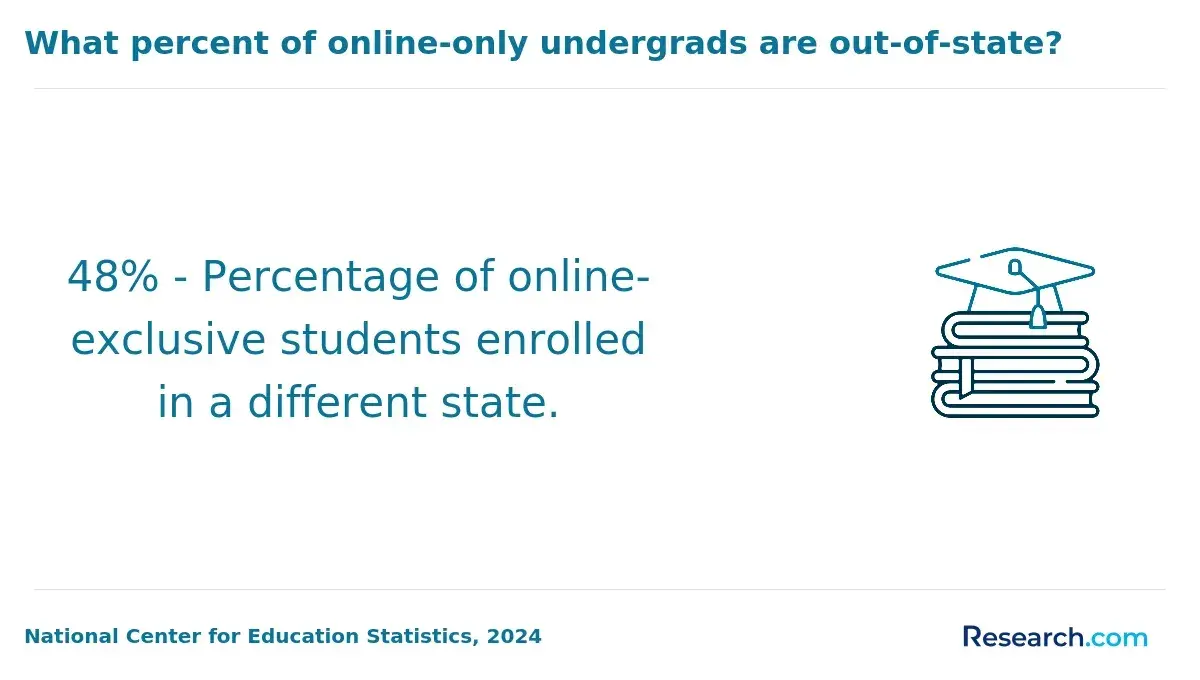
Tuition costs for online Family Nurse Practitioner (FNP) programs can differ widely depending on where a student lives. This variation primarily comes from how public universities set their fees based on residency. Understanding these differences is important for prospective students budgeting their education.
Many public institutions charge lower rates for in-state residents compared to out-of-state students. For example, Southeastern Louisiana University's online FNP program charges about $12,000 for in-state students but over $42,000 for out-of-state attendees. Similarly, Stony Brook University's tuition is almost twice as high for non-residents. In contrast, private universities generally apply a single tuition rate regardless of residency since they do not rely on state funding.
Some public schools, however, have moved to flat tuition rates for online students to encourage enrollment from various regions. Additionally, regional tuition agreements between neighboring states can offer reduced fees for out-of-state learners. Because online FNP tuition policies vary considerably across institutions, it is advisable to review each program's specific residency and pricing guidelines before applying.
Which Schools Offer the Most Affordable Family Nurse Practitioner Degree Programs?
For students seeking to advance their nursing careers without excessive financial burden, selecting one of the most affordable online Family Nurse Practitioner degree programs is essential. These programs allow for flexible study with lower tuition rates compared to traditional on-campus options.
Below are several reputable universities known for offering budget-friendly online FNP degrees, accommodating both in-state and out-of-state learners. These options are particularly attractive for those prioritizing cost-efficiency and flexible, asynchronous learning formats.
- Nicholls State University offers one of the cheapest family nurse practitioner programs in Louisiana, featuring an annual tuition of approximately $4,974 for its online master's program. This makes it a top choice for students focused on affordability within the state.
- Delaware State University provides a competitively priced FNP degree with annual tuition near $5,500. The program is fully online and supports students with a flexible curriculum designed for working professionals.
- Middle Georgia State University charges about $5,611 yearly for their online FNP degree program, combining affordability with quality instruction and accessible clinical placement options.
Other notable programs include Southeastern Louisiana University, which offers a low in-state tuition of around $12,012 for its online MSN-FNP option, and the University of West Florida's 45-credit curriculum priced at $17,307 for in-state students and $46,990 for out-of-state. Additionally, Columbus State University uses a flat-rate tuition fee, beneficial especially for non-residents. For further details on the cheapest master's degree online and comprehensive comparisons, prospective students can consult resources such as the cheapest master degree online.
Which Schools Offer the Most Expensive Family Nurse Practitioner Degree Programs?
The cost of pursuing an online Family Nurse Practitioner degree can vary significantly among institutions, with some universities commanding notably higher tuition. Factors influencing these costs include faculty expertise, school reputation, and enhanced learning resources. For prospective students evaluating their options, understanding which programs rank among the most expensive online family nurse practitioner programs is essential.
Among the highest tuition FNP programs in the United States, several stand out for their rigorous curricula and additional features that contribute to their elevated costs. The following examples highlight some of the priciest online FNP degree programs available today.
- Stony Brook University: Known for its rigorous curriculum and strong faculty expertise, this program requires 48 credit hours and charges an estimated total tuition of $58,896 for out-of-state students.
- Bradley University: Offering a comprehensive program with advanced clinical placements and specialized faculty access, Bradley's tuition ranges from $56,750 for 50-59 credit hours.
- Mercer University: Mercer's online MSN-FNP program costs about $55,632 for 48 course hours and is noted for its individualized student support and high faculty-to-student ratio.
Additional institutions like The University of West Florida, where out-of-state tuition is approximately $46,990.80 for 45 credit hours, also reflect similar investment in online learning technologies and support for working professionals. Students interested in comparing programs and costs may find valuable data among the top accredited online colleges.
How Long Does It Take to See a Return on an Online Family Nurse Practitioner Degree?
Online Family Nurse Practitioner (FNP) programs can offer significant financial benefits, but the time needed to recoup educational expenses varies. Understanding key factors affecting return on investment (ROI) helps prospective students plan their careers strategically.
Most graduates see an ROI within about 2 to 5 years after starting work as FNPs. Salaries typically range from $79,470 to $118,040 annually, influenced by region and specialty. Employment opportunities are expanding rapidly, with nurse practitioner jobs growing approximately 40% by 2031, which supports quicker financial gains post-graduation.
The length of the payback period depends largely on tuition costs and debt levels. Some online programs charge tuition as low as $4,974 per year, while others average around $17,000 annually. Graduates who limit borrowing and choose high-demand locations or specialties usually recover their investment faster. Additional considerations include study pace, personal expenses, and pursuing further education, all of which may affect how soon financial returns are realized.
Are Online Family Nurse Practitioner Students Eligible for Financial Aid?
Online Family Nurse Practitioner students are eligible for various forms of financial aid that can help offset the cost of their education. To qualify for federal student aid, including grants and loans, students must complete the Free Application for Federal Student Aid (FAFSA) and enroll in a minimum of six credits per term. This access to federal aid often includes deferment options, allowing loan repayment to begin after program completion, which is beneficial for those balancing existing debt.
In addition to federal funding, there are numerous scholarships and grants for FNP students offered by both educational institutions and external organizations. These financial aid options can significantly reduce educational expenses. Students are also encouraged to explore employer tuition reimbursement programs, which are common in healthcare settings and provide substantial support for working nurses pursuing advanced degrees.
- Federal Student Aid: Includes loans and grants available to students completing the FAFSA and taking at least six credits per term; loan repayment can often be deferred until after completing the program.
- Scholarships and Grants for FNP Students: Various universities and external foundations, such as the Nurse Practitioner Healthcare Foundation, offer merit-based and discipline-specific scholarships; for example, Samuel Merritt University awards a $10,000 scholarship to full-time MSN-FNP students distributed across program terms.
- Employer Tuition Reimbursement: Many hospitals and healthcare systems provide partial or full tuition coverage for employees pursuing advanced nursing credentials, generally requiring a work commitment after graduation; nurses should consult their HR department or nurse manager to understand eligibility.
Combining these sources can greatly reduce out-of-pocket costs, though financial aid packages vary by institution and personal circumstances. Prospective students should contact their program's financial aid office for detailed information. For those considering alternative career paths, reviewing trade school careers that pay well can offer additional options outside of nursing.
Are Online Family Nurse Practitioner Program Costs Expected to Increase in the Coming Years?
Costs for online Family Nurse Practitioner (FNP) programs vary significantly depending on the institution, program length, and residency status. As demand for these programs increases, tuition fees have shown a gradual rise, reflecting both the growing popularity and investment in online healthcare education.
Currently, tuition rates for online FNP degrees can range widely, with public universities typically offering lower costs compared to private institutions. In-state students often benefit from reduced fees, while out-of-state learners may face higher expenses. Additionally, some programs charge per credit hour, which influences the total cost depending on the program's curriculum and duration.
Looking ahead, tuition for online FNP programs is expected to continue increasing modestly due to inflation and the expansion of technology-based education resources. However, many schools are also offering financial aid, scholarships, and flexible payment plans to help offset these costs and make advanced nursing education more accessible for working professionals.
What Students Say About The Cost of Pursuing Online Family Nurse Practitioner Programs
- Robert: "Pursuing my Family Nurse Practitioner degree online was a game-changer for my career. The average cost, which was surprisingly affordable compared to traditional programs, made it easier for me to commit fully without overwhelming debt. I truly feel the return on investment already, as my new role offers much better salary and growth opportunities. "
- Case: "Reflecting on the cost of the online Family Nurse Practitioner program I enrolled in, it was a significant but worthwhile expense. Balancing the tuition fees with my personal budget required careful planning, but the flexibility and quality education allowed me to advance professionally while managing my family. The degree has opened doors I didn't anticipate. "
- Sebastian: "The financial investment for my online Family Nurse Practitioner degree was a calculated decision with a professional mindset. Although the tuition was a few thousand dollars, when compared to the income boost and job security I've gained, it's clear that the cost was justifiable. This program was a critical step in elevating my practice and clinical expertise. "
Other Things You Should Know About Family Nurse Practitioner Degree Program Costs
Clinical placement costs can significantly affect the total expenses of online Family Nurse Practitioner programs in 2027. Students may need to budget for travel, accommodation, and supervision fees, which vary based on location and program requirements, adding to overall costs beyond tuition.
In 2027, tuition for online Family Nurse Practitioner programs varies widely based on the institution. Public universities may charge between $500 and $1,000 per credit hour, while private institutions can range from $1,000 to $2,000 per credit hour. Additional fees may apply, impacting overall costs.
References
- Master of Science in Nursing - Family Nurse Practitioner https://online.stu.edu/degrees/healthcare/msn/fnp/
- Billing and Coding for Nurse Practitioners — Real World NP https://www.realworldnp.com/blog/billing-and-coding-nurse-practitioner
- Scholarship Guide for Nurse Practitioner Schools - Rewards & Eligiblity https://www.npschools.com/blog/scholarships-for-np-students
- Top 10 Affordable Online Nurse Practitioner Programs | 2025 https://nurse.org/education/affordable-online-nurse-practitioner-programs/
- Tuition & Financial Aid https://online.simmons.edu/masters/fnp/tuition-and-financial-aid/
- Most Affordable Online PMHNP Programs for 2025–2026 - Nurse Practitioner Degrees https://npdegrees.org/degrees/online-np-masters-degrees/most-affordable-pmhnp-programs/
- Home https://www.husson.edu/online/online-degrees/family-nurse-practitioner
- How much does the online FNP degree cost? | Family Nurse Practitioner (FNP) Online Degree Program https://family-nurse-practitioner.online.uconn.edu/program-fees/
- Medical Biller & Coder Program https://www.cambridgehealth.edu/medical-billing-and-coding/medical-biller-coder-program/
- Seton Hall debuts new online M.S.N. Family Nurse Practitioner program | ROI-NJ https://www.roi-nj.com/2023/10/16/education/seton-hall-debuts-new-online-m-s-n-family-nurse-practitioner-program/