
2027 Best Nonprofit Management Degrees for Working Adults

Co-Founder and Chief Data Scientist
Many working adults seeking to advance in nonprofit leadership face the challenge of balancing career demands with educational opportunities. According to the National Center for Education Statistics, over 45% of adult learners enroll in flexible degree programs to maintain employment while studying. This balance is critical, as nonprofit organizations increasingly require advanced management skills to navigate funding complexities and regulatory changes. Finding accredited nonprofit management degrees designed for working professionals can be difficult, especially those offering online or part-time options. This article explores top nonprofit management degree programs that offer flexibility, accreditation, and relevant curriculum to support career growth without sacrificing work commitments.
Key Things to Know About Nonprofit Management Degrees for Working Adults
- Flexible scheduling and online or hybrid formats are common, enabling working adults to balance studies with employment and personal commitments effectively.
- Programs often focus on practical skills relevant to employers, boosting career advancement opportunities in nonprofit leadership and administration.
- Many schools offer accelerated pacing and dedicated support services, such as career counseling and tutoring, tailored to working professionals' needs.
What Are the Best Nonprofit Management Degrees for Working Adults?
The best nonprofit management degrees for working adults vary based on individual priorities such as schedule flexibility, career alignment, and return on investment. A notable trend among adult learners is part-time enrollment combined with online education, which supports progress at a manageable pace while maintaining full-time employment. Programs that offer asynchronous coursework are particularly advantageous for those balancing work and study commitments.
Options well suited for employed students include:
- Online Master's in Nonprofit Management: Designed with flexible pacing and a focus on leadership and financial skills crucial to nonprofit organizations, this degree offers practical career application and often features asynchronous courses to fit busy schedules.
- Certificate in Nonprofit Leadership: These concise programs enhance specific skills without requiring a full degree, making them ideal for professionals seeking affordable nonprofit management programs for professionals aiming to quickly boost expertise.
- Master's in Public Administration with Nonprofit Specialization: This degree blends public sector knowledge with nonprofit management, perfect for individuals pursuing broader administrative roles in policy or government-affiliated nonprofits.
- Bachelor's Completion Programs in Nonprofit Management: Tailored for working adults returning to finish undergraduate degrees, these programs provide practical nonprofit coursework with flexible scheduling.
- Hybrid MBA with Nonprofit Emphasis: Offering business fundamentals alongside nonprofit insights, these programs are often delivered during evenings or weekends to accommodate working professionals.
For those exploring related fields or shorter credentials, online msw programs offer additional pathways to advance in social service sectors closely linked to nonprofit work.
What Are the Admission Requirements for Working Adults in Nonprofit Management Degree Programs?
Admission requirements for working adults pursuing nonprofit management degrees often differ significantly from those designed for traditional full-time students. This distinction arises because nearly 40% of graduate students enroll part-time, highlighting the growing demand for flexible education paths that accommodate career responsibilities. Programs devised for adult learners typically emphasize real-world experience alongside academic preparation to better serve these students.
Key considerations for admissions tailored to working adults include:
- Prior Work Experience: Many nonprofit management degree admissions criteria for professionals favor applicants with several years of relevant nonprofit or managerial experience, recognizing the value of practical skills in leadership roles.
- GPA Expectations: While academic records remain important, some programs offer GPA waivers or reduce the emphasis on previous grades for candidates who demonstrate considerable professional achievements.
- Standardized Test Waivers: GRE or GMAT requirements are often waived for experienced adult learners, especially those holding prior graduate degrees or substantial work history in nonprofit sectors.
- Professional Recommendations: Letters from supervisors or colleagues that highlight leadership capabilities and management skills are commonly requested to validate applicants' preparedness for advanced study.
- Flexible Program Formats: To support working adults, many programs provide evening, weekend, or fully online courses, enabling attendance without disrupting full-time employment. For example, some students explore options such as a fast track social work degree online to advance their qualifications efficiently.
What Coursework Is Required in Nonprofit Management Degree Programs for Working Adults?
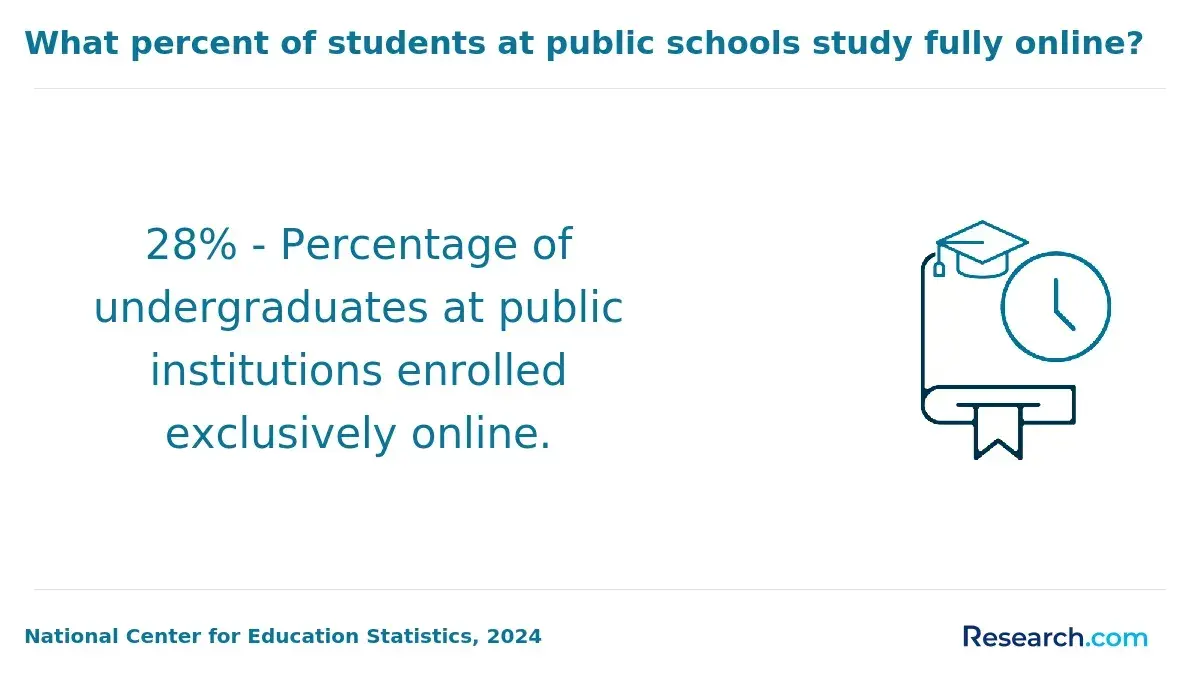
Coursework in nonprofit management degree programs for working adults is designed to balance career relevance, practical skills, and flexible learning formats. More than 60% of students in these programs are employed full time, so courses often emphasize real-world applications that working professionals can immediately apply. These flexible nonprofit degree program coursework options help students manage both their jobs and studies effectively.
Core coursework typically covers several key areas:
- Fundraising and Development: This course focuses on strategies for donor engagement and revenue generation, essential for sustaining nonprofit operations and advancing fundraising careers.
- Financial Management: Students gain skills in budgeting, financial reporting, and compliance, enabling responsible oversight of organizational resources.
- Organizational Leadership: Designed to prepare professionals for leadership roles, this course emphasizes team management and advancing mission-driven goals.
- Nonprofit Law and Ethics: Covers legal responsibilities and ethical standards, ensuring graduates understand governance and accountability challenges.
- Program Evaluation: Teaches methods for measuring outcomes and impact, which are vital for improving services and demonstrating value to stakeholders.
These courses support working adults by offering flexible schedules, often including asynchronous options. For those comparing degree paths, programs like the online masters in marriage and family therapy also emphasize flexible learning models. Overall, core nonprofit management courses for working adults focus on building skills that directly enhance career advancement while accommodating full-time employment.
How Long Does It Take to Complete a Nonprofit Management Degree While Working?
The time it takes for working adults to finish a nonprofit management degree can differ widely due to personal situations and program flexibility. On average, many part-time students complete their degrees within three to four years, balancing studies alongside their careers.
Several key factors influence this timeline:
- Program Format: Options such as online or hybrid courses allow students to study more flexibly, adapting their pace to fit work and life demands, which can either speed up or extend degree completion.
- Course Load: Choosing part-time enrollment enables better management of work and study commitments but often lengthens the time needed compared to full-time study.
- Prior Credits: Transfer credits from previous academic work or professional training may shorten the path to graduation by reducing required coursework.
- Work Schedule: Irregular or demanding job hours can slow academic progress as students juggle multiple responsibilities.
- Accelerated Options: Some programs offer intensive courses or continuous enrollment opportunities that help students finish sooner by compressing study time.
When asked about his journey completing an online nonprofit management degree while continuing full-time work, a professional described it as a challenging but rewarding balancing act. He said, "There were moments when deadlines and work stress collided, making it tough to focus. I learned to prioritize ruthlessly and use weekends mostly for studying."
He also highlighted how the program's flexible scheduling was crucial: "Being able to access lectures anytime meant I didn't miss out even on the busiest days." This experience taught him resilience and time management skills vital to both his studies and career growth.
How Much Does a Nonprofit Management Degree Cost for Working Adults?
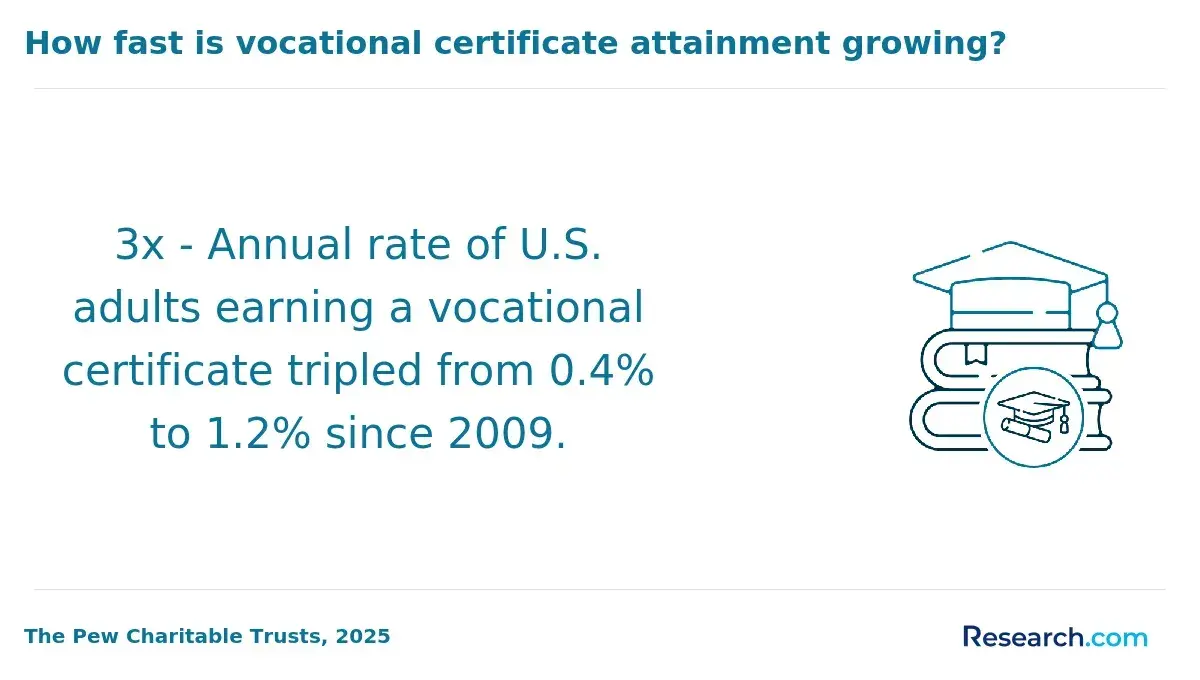
Balancing work, family, and education makes cost a major factor for adults pursuing a nonprofit management degree. Notably, part-time enrollment among adult learners in these programs has risen by over 15% in recent years, highlighting the need for affordable, flexible options.
Several key factors affect the overall expense of earning a nonprofit management degree for working professionals:
- Tuition per Credit: Many programs price tuition based on credit hours, so total cost depends on both the number of required credits and the rate charged per credit, which can vary widely between schools.
- Program Format and Length: Online and hybrid options often offer shorter, more adaptable schedules that may reduce costs by cutting down on time or associated campus fees compared to traditional in-person programs.
- Additional Fees and Materials: Costs like technology fees, course materials, textbooks, and software licenses add to the expenses, sometimes totaling several hundred dollars annually.
- Financial Aid and Employer Support: Scholarships, grants, and employer tuition reimbursement programs can substantially decrease out-of-pocket spending, improving affordability for working adults.
- Enrollment Status: Choosing part-time over full-time enrollment can help spread tuition payments over a longer period, making education more manageable without sacrificing income from steady employment.
What Financial Aid Options Are Available for Working Adults in Nonprofit Management Degree Programs?
Balancing work, studies, and personal life can create financial challenges for adults enrolled in nonprofit management degree programs. Access to financial aid can relieve some of this pressure, helping students maintain stability while advancing their education.
Several financial assistance options are available to support working adults in their academic journey:
- Federal Aid: Through the FAFSA process, students may qualify for grants like the Pell Grant or low-interest federal loans. These funds are generally awarded based on financial need and often do not require repayment, making them a valuable resource.
- Employer Tuition Support: Many companies offer tuition reimbursement or assistance programs to employees pursuing further education. Eligibility usually depends on work hours and academic performance, allowing professionals to continue earning while studying.
- Adult Learner Scholarships: There are scholarships specifically designed for adult students returning to school, awarded for reasons such as financial need, academic merits, or demographic qualifications.
- Grants: Various state and private grants provide funding without repayment obligations, typically based on academic achievements and financial background.
- Payment Plans and Tax Credits: Flexible tuition payment options enable spreading costs over several months, while tax benefits like the Lifetime Learning Credit may lessen the financial impact of education expenses.
When I spoke with a professional who completed a nonprofit management degree while working full time, she described the struggle of juggling unpredictable work hours with course deadlines. "It wasn't easy," she recalled. "Sometimes I felt like I was constantly catching up, but having access to employer tuition assistance made a huge difference financially."
She also highlighted how breaking tuition into manageable payments prevented overwhelming her budget. "Knowing that I could focus on the coursework without worrying about massive upfront costs helped me stay motivated. It was challenging but incredibly rewarding." Her experience reflects how strategic financial aid choices can empower working adults to succeed in nonprofit management programs despite competing demands.
What Support Services Help Working Adults Succeed in a Nonprofit Management Program?
Balancing coursework with full-time employment and personal life presents significant challenges for working adults pursuing a nonprofit management degree. Institutional support services play a vital role in helping these students manage their responsibilities and achieve academic success.
- Academic Advising: Personalized guidance assists students in selecting courses that fit their schedules and align with degree requirements, promoting steady progress toward graduation despite other commitments.
- Flexible Scheduling: Offering evening, weekend, and online classes allows students to fit learning into busy work and family lives without sacrificing academic rigor.
- Online Learning Support: Providing technical assistance and resources ensures students can navigate virtual classrooms effectively, maintain engagement, and complete assignments on time.
- Career Services: Tailored support connects academic experience to career goals by helping with resume development, job searches, and networking opportunities within the nonprofit sector.
- Mental Health Resources: Counseling and stress management services help students maintain emotional well-being, which is essential for balancing multiple demands and sustaining motivation throughout their studies.
Are Nonprofit Management Degrees for Working Adults Accredited?
Accreditation signifies that a nonprofit management program has undergone review by an independent agency and meets established educational standards. For working adults, this assurance is vital because it confirms that the curriculum and instruction align with professional criteria, enhancing degree quality. Employers tend to value degrees from accredited programs more highly, which can boost job prospects and career growth.
Additionally, accreditation often determines eligibility for federal financial aid, an important factor for adults balancing work and education. Notably, nearly 40% of all graduate students today are adult learners, highlighting the rising demand for flexible, accredited programs that accommodate busy schedules.
Accredited nonprofit management degrees maintain their value over time by supporting transfer of credits between institutions, making it easier for students to continue their education if their circumstances change.
Accreditation can also be a prerequisite for certain licenses or certifications related to nonprofit leadership positions, extending the degree's professional relevance. Choosing an accredited program safeguards the legitimacy of the credential, which is critical for ongoing career advancement. This ensures the degree holds credibility throughout a working adult's professional journey.
Does a Nonprofit Management Degree Increase Salary for Working Adults?
Salary growth is a key motivator for working professionals pursuing a nonprofit management degree, as it reflects an investment in leadership and sector-specific expertise. Individuals with this degree frequently earn between $50,000 and $90,000 annually, depending on their position and experience.
- Industry demand: The need for skilled nonprofit managers varies by region and sector focus. Higher demand for effective leadership often results in more competitive salaries for those with a nonprofit management degree salary increase.
- Role advancement: Many nonprofit organizations prioritize advanced degrees when promoting employees to senior or executive roles. Earning a nonprofit management degree can open doors to leadership positions that offer substantial pay raises.
- Employer policies: Organizations that value education may offer salary adjustments or bonuses to employees who earn relevant degrees. Employer support for continuing education can significantly impact salary growth with nonprofit management degree credentials.
- Experience and specialization: Years of professional experience combined with expertise in fundraising, grant writing, or program management typically strengthen negotiation power for higher salaries.
Those who combine a nonprofit management degree with experience in specialized areas often achieve better compensation. Exploring options among the highest paying bachelor degrees can provide additional insight for professionals targeting financial advancement within nonprofit fields.
What Jobs Can Working adults Get With a Nonprofit Management Degree?
A nonprofit management degree enables working adults to qualify for higher-level, specialized, or leadership roles beyond entry-level positions. This degree builds strategic skills that align with complex responsibilities in the nonprofit sector, helping professionals advance their careers effectively.
Here are some common career advancement opportunities for those with experience and a nonprofit management degree:
- Development Director: This leadership role involves overseeing fundraising strategies and managing donor relations. It requires strategic planning and communication skills cultivated through nonprofit management studies, advancing professionals from general fundraising positions to key organizational roles.
- Program Manager: Responsible for designing, implementing, and evaluating nonprofit projects, this position elevates individuals into roles that require both operational expertise and a comprehensive understanding of nonprofit goals, reflecting significant career growth.
- Executive Director: Leading overall organizational strategy and governance, this top-tier role relies on leadership, fiscal management, and governance skills developed through advanced nonprofit management coursework, representing a major step in career progression.
- Grant Writer: Specialists in funding proposal development, grant writers benefit from advanced persuasive communication and funding landscape knowledge acquired through their degree, allowing them to secure critical resources more effectively.
- Consultant for Nonprofit Organizations: Advising nonprofits on best practices, strategic improvements, and operational efficiency, consultants utilize both theoretical and applied knowledge gained from a nonprofit management degree to guide organizations toward success.
Working adults seeking flexible and accredited options to achieve such career goals may explore one year masters programs online that accommodate full-time employment and support rapid workforce advancement in nonprofit management careers for working adults.
What Graduates Say About Their Nonprofit Management Degrees for Working Adults
- Jayce: "Choosing to pursue my nonprofit management degree online while working full-time was a game-changer for me. The flexibility made it manageable, and the average cost of around $20,000 felt like a wise investment for advancing my career. Since graduating, I've been able to take on leadership roles that directly impact my community, and I feel empowered every day. "
- Kaizen: "Balancing work and part-time studies in nonprofit management wasn't easy, but it was absolutely worth it. Reflecting on the tuition costs, which hovered near $18,000 on average, I viewed it as an investment in my future rather than an expense. The program deepened my strategic understanding, which has enhanced my effectiveness in managing projects and teams professionally. "
- Dominic: "I approached my nonprofit management degree with a pragmatic mindset, choosing a part-time path to continue earning while studying. Given that the approximate tuition was $19,000, it felt reasonable considering the career growth I achieved. Completing the program has solidified my credibility and opened doors to advanced positions in the sector. "
Other Things You Should Know About Nonprofit Management Degrees
In 2027, online programs like those from Northeastern University and the University of Southern California provide excellent flexibility for working adults. These programs offer asynchronous coursework and part-time options, accommodating those balancing career commitments while pursuing education.
Programs typically focus on developing leadership, strategic planning, fundraising, and financial management skills relevant to nonprofit organizations. Working adults also learn about ethical practices, program evaluation, and community engagement, helping them apply practical expertise directly in their current roles or future nonprofit careers. Soft skills like communication and problem-solving are often integrated throughout the curriculum.
In 2027, nonprofit management programs for working adults provide networking opportunities through online forums, webinars, and professional organizations partnerships. These resources enable students to connect with peers and industry leaders, fostering professional relationships and expanding career prospects in the nonprofit sector.
References
- What You Can Do With a Nonprofit Management Degree https://www.thoughtco.com/earn-a-nonprofit-management-degree-466405
- Top Masterâs in Nonprofit Management Online 2019 https://www.gograd.org/online-masters-programs/best-non-profit-management-degrees/
- Understanding Student Success Nonprofit Work https://www.insidehighered.com/news/student-success/college-experience/2025/03/19/understanding-student-success-nonprofit-work
- Nonprofit Management Certificate Online https://www.snhu.edu/online-degrees/certificates/graduate-leadership-of-nonprofit-organizations
- How to Unlock Service-Learning's Power for Your Nonprofit https://tobijohnson.com/service-learning/
- Best Nonprofit Courses & Certificates [2025] | Coursera Learn Online https://www.coursera.org/courses
- Homepage - Nonprofit Finance Fund https://nff.org/
- Associate Degree in Nonprofit Management https://www.ccu.edu/ccu/nonprofit-management/associate/
- Comparing Student Services at For-Profit and Not-for-Profit Institutions - The EvoLLLution https://evolllution.com/opinions/comparing-student-services-at-for-profit-and-not-for-profit-institutions
- Administrative & Nonprofit Leadership, M.A. https://www.whitworth.edu/cms/academics/graduate-studies-in-education/administration-and-leadership/administrative-leadership-ma/


