
2027 Return on Investment (ROI) of a Nonprofit Management Degree Program

Co-Founder and Chief Data Scientist
Many prospective students hesitate to pursue a nonprofit management degree due to uncertainty about career advancement and salary potential after graduation. This concern is valid, as the Bureau of Labor Statistics projects only a 3% growth in nonprofit sector employment through 2031, which is slower than average. However, specialized education in nonprofit management consistently leads to roles with higher responsibility and competitive pay.
This article examines the return on investment for nonprofit management degree programs, offering insights into costs, employment trends, and long-term financial benefits to help readers make informed decisions about their education and career paths.
Key Things to Know About Nonprofit Management Degree ROI
- Graduates with a nonprofit management degree report a median starting salary of approximately $50,000, with potential growth aligning with increased leadership responsibilities.
- Career advancement is enhanced by skill versatility, allowing roles in fundraising, program development, and organizational leadership across diverse sectors.
- Job stability remains strong due to consistent demand in the nonprofit sector, supported by growing philanthropic investments and community service initiatives.
How Is ROI Calculated for a Nonprofit Management Degree Program?
Return on investment (ROI) in higher education measures the financial benefits a student gains from earning a degree compared to the costs and time invested. For a nonprofit management degree, ROI helps students assess whether the credential offers sufficient economic and career returns relative to other paths.
Several key factors play a role in calculating ROI for this program. These include:
- Tuition and fees: This comprises all direct expenses such as tuition, fees, and materials. Lower overall costs improve ROI but need balancing with program quality and outcomes.
- Opportunity cost: The potential income lost while studying-whether through reduced work hours or temporarily leaving a job-affects the total investment and thus impacts the final ROI.
- Time to completion: The duration of the degree influences direct and opportunity costs. Shorter programs typically reduce these expenses and allow faster entry into career advancement and salary growth.
- Post-graduation salary outcomes: Comparing earnings before and after completing the degree helps quantify its added value. This cost versus earnings analysis of nonprofit management programs reveals the degree's impact on economic status.
- Long-term career advancement: The potential to secure higher-level or leadership roles with this degree can enhance lifetime earnings, contributing to strong ROI over time.
Prospective students can compare these factors when considering their options, including alternative fields such as ai degree programs that may offer different cost structures and career trajectories.
How Much Does a Nonprofit Management Degree Program Cost?
Evaluating the full cost of a nonprofit management degree is vital to understanding its return on investment, especially as graduate tuition rates in the U.S. have risen nearly 3% each year over the last decade. Accurately gauging these expenses helps students make informed decisions about the financial and career benefits of pursuing such a program.
Several key factors influence the overall cost and therefore impact the ROI of a nonprofit management degree:
- Tuition and fees: The largest portion of cost, which can vary significantly based on whether the program is at a public or private institution and whether enrollment is part-time or full-time.
- Books and materials: Expenses for textbooks, software, and other essential learning tools that accumulate as the program progresses.
- Living or relocation expenses: Additional costs for housing, transportation, and everyday needs when moving or living away from one's usual residence.
- Opportunity cost: Income lost or reduced work hours while attending school, which can greatly affect the true financial commitment.
- Hidden or indirect costs: Application fees, technology charges, and costs tied to internships or networking that might not be obvious but are important for career growth.
When I spoke with a graduate of a nonprofit management program, he shared that the challenge wasn't just the tuition but balancing work and study. "I had to cut back my hours at my job, which meant less income," he explained. The unexpected fees for software and networking events also added to his expenses, requiring careful budgeting. Despite the financial pressures, he noted that the skills and connections gained made the investment worthwhile, though understanding the full cost upfront would have helped him prepare better.
What Financial Aid Is Available for Nonprofit Management Degree Programs?
Financial aid can substantially reduce initial expenses for nonprofit management degree students, making the overall investment more manageable and boosting long-term financial returns. Research shows that about 85% of graduate students in the U.S. use some form of financial assistance to help finance their education. The following are common types of aid that can enhance return on investment by lowering debt and out-of-pocket costs.
- Scholarships: These awards, often based on merit or financial need, do not require repayment and can significantly decrease the total cost of the degree, allowing graduates to incur less debt and improve their financial outcomes.
- Grants: Provided mainly to students demonstrating financial need, grants deliver direct support that offsets tuition expenses without increasing liabilities, helping keep post-graduation finances stable.
- Fellowships: Typically linked to research or work commitments, fellowships offer stipends for living costs or tuition and may also provide valuable professional development that extends benefits beyond immediate financial relief.
- Employer Tuition Assistance: For working professionals, employer-sponsored tuition reimbursement programs can cover portions of the degree cost, reducing personal expenditure and accelerating the time needed to recoup educational investments.
- Federal Loans: While increasing overall debt, federal loans often come with lower interest rates and more flexible repayment options, enabling students to manage repayment more effectively and protect their long-term ROI.
How Long Does It Take to Complete a Nonprofit Management Degree?
Time to complete a nonprofit management degree plays a critical role in its return on investment (ROI) because it affects opportunity costs, the timing of entering the workforce, and the total educational expenses incurred. The faster a student finishes, the sooner they can begin earning, potentially reducing overall costs and increasing financial benefits. Several factors influence how long this process takes.
Key elements shaping time to completion include:
- Enrollment status: Full-time students usually finish more quickly but might miss out on work experience, while part-time enrollment lets students maintain income streams at the cost of a longer program duration.
- Program format: Online and accelerated degrees offer flexibility and speed, enabling faster graduation and earlier career advancement.
- Transfer credits: Leveraging existing college credits or prior coursework can significantly trim down required classes and shorten study time.
- Internship or thesis requirements: These essential experiences can extend program length but often enrich skills and improve job prospects, potentially boosting long-term ROI.
- Scheduling flexibility: Classes scheduled around work commitments can stretch completion times but help sustain income throughout the study period.
One graduate I spoke with shared her reflections on completing a nonprofit management degree. She recalled balancing a busy job while taking evening and weekend classes, which delayed her finish but allowed her to avoid student debt. Though it took her nearly three years, she felt the extended timeline gave her the chance to apply concepts immediately at work, making the learning process feel more practical and rewarding. She mentioned, "It wasn't easy juggling everything, but being able to work while studying helped me stay financially stable and confident that I was investing in my future wisely." Her experience highlights how time to completion intertwines with personal circumstances and financial strategy when pursuing this degree.
Is ROI Higher for Online or On-Campus Nonprofit Management Programs?
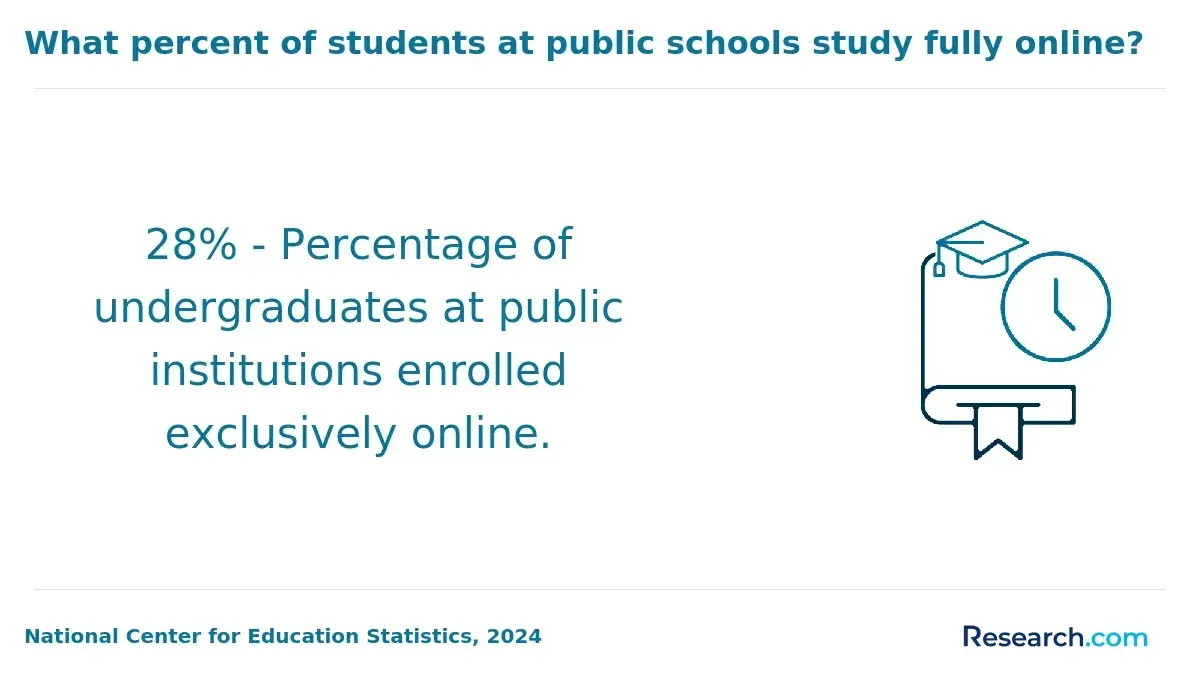
Delivery format significantly influences ROI for nonprofit management degrees through differences in cost, flexibility, and career outcomes. In fact, a 2023 National Center for Education Statistics report noted that over 50% of graduate students enrolled exclusively in online courses, reflecting growing acceptance of online degrees. As students evaluate nonprofit management degree program value online vs campus, several critical factors come into play.
Consider these key comparison points:
- Tuition and fees: Online programs generally have lower tuition and fees, reducing upfront educational expenses and increasing accessibility for many students.
- Opportunity cost: Flexible online schedules enable students to maintain employment during their studies, minimizing income loss compared to more rigid on-campus programs.
- Time to completion: Both formats often offer similar durations to graduate, but the intensity and pacing may vary by program, influencing when you can enter or re-enter the workforce.
- Networking and career services: On-campus programs typically provide stronger in-person networking opportunities and direct access to career resources that can enhance job placement.
- Employer perception and long-term earnings: While some employers historically favored on-campus credentials, this bias is diminishing as online programs demonstrate rigor; however, perceived value can still affect long-term earning potential.
Prospective students assessing ROI comparison online versus on-campus nonprofit management degrees may also find it useful to explore curated options within online counseling programs, which often share similar cost and flexibility benefits.
What Is the Average Salary After Earning a Nonprofit Management Degree?
Post-graduation salary is a key driver of the return on investment (ROI) for a nonprofit management degree because it determines how quickly graduates can recoup their education costs and any lost income during their studies. Typical earnings after a nonprofit management degree usually range from $40,000 to $85,000 annually, with mid-career professionals in management roles often surpassing this range as they gain more responsibility and expertise.
Several factors influence average salary outcomes for nonprofit management graduates and affect the overall ROI of the degree:
- Industry segment: Salaries differ by fields like healthcare, education, or environmental nonprofits, reflecting variation in funding and organization size that impacts earning potential.
- Geographic location: Urban centers and high-cost living areas tend to offer higher salaries, which can improve ROI but might also raise living expenses.
- Prior experience: Candidates with previous nonprofit or leadership experience usually command better salaries and a faster ROI due to their valuable skills.
- Specialization: Graduates focusing on fundraising, grant writing, or program evaluation often have access to higher-paying roles within the sector.
- Career level: Entry-level salaries are typically lower, but ROI improves substantially as professionals advance to managerial or executive positions.
Prospective students evaluating this degree for its financial benefits might also compare options like a library science degree online to determine which program aligns best with their career and salary goals.
Does a Nonprofit Management Degree Lead to Promotions?
Promotions contribute significantly to a degree's return on investment (ROI) by often leading to salary increases, expanded job responsibilities, and greater career mobility. These factors collectively enhance the long-term financial and professional benefits of earning a degree. A growing workforce trend highlights the increasing importance of credential-based advancement, where employers prioritize formal education as a key criterion for leadership roles.
Below are key ways a nonprofit management degree may influence promotion opportunities and improve ROI:
- Credential requirements: Many organizations require specific degrees for advancement to managerial or leadership positions. A nonprofit management degree meets these formal requirements, making candidates eligible for promotions that might otherwise be inaccessible.
- Leadership preparation: The degree provides essential skills in team oversight, project management, and strategic planning. These capabilities equip graduates to assume greater responsibilities, which are often rewarded with promotions.
- Employer tuition support: Graduates may qualify for tuition reimbursement or other financial assistance from employers, reducing the net cost of education. This incentive encourages career advancement through continued learning.
- Internal promotion policies: Some organizations prioritize employees with advanced degrees when considering internal promotions. Having a nonprofit management degree aligns candidates with these policies, boosting their chances for upward mobility.
- Experience and education synergy: Combining work experience with a formal credential enhances an individual's overall value to an employer. This synergy can be decisive in earning promotions and achieving better career outcomes.
For those evaluating career prospects, a nonprofit management degree can be a strategic investment for nonprofit management degree career advancement. These promotions with a nonprofit management degree often lead to stronger financial returns and increased job satisfaction. For more insights on career and earnings potential, consider exploring high paying degrees to understand how academic credentials impact earning power.
Which Industries Offer the Best ROI for Nonprofit Management Graduates?
Return on investment (ROI) for nonprofit management graduates varies significantly by industry due to differences in salary levels, career advancement opportunities, and demand for specialized skills. These factors shape how graduates leverage their education for financial growth and professional success.
Industries offering strong ROI for nonprofit management careers typically involve solid compensation growth and promotion potential. Below are sectors commonly associated with the highest ROI nonprofit management careers:
- Healthcare nonprofits: This sector benefits from steady demand for healthcare services, offering competitive salaries and stable employment that support long-term financial gains.
- Education and research institutions: Jobs here allow application of strategic management skills with reliable career progression, especially within expanding public and private educational organizations.
- Environmental and conservation groups: Increased funding and public support in this area create promising salary growth and advancement opportunities for skilled managers.
- Arts and culture organizations: While initial salaries may be lower, these roles provide unique chances for advancement and specialization, particularly in major metropolitan markets.
- International development and humanitarian aid: This field demands specialized expertise and offers impactful work with potential for global networking and sustained career growth, enhancing overall ROI despite varied entry salaries.
The best nonprofit sectors for ROI also depend on how well a graduate's skills match industry needs, such as grant writing or program evaluation versus operational expertise. Job stability and funding cycles further influence earning potential and career longevity. For those evaluating educational paths, researching options like cheapest online colleges that accept fafsa can help balance cost with expected ROI in nonprofit management fields.
Does Accreditation Affect ROI for a Nonprofit Management Degree?
Accreditation for nonprofit management degree programs signifies that an independent organization has evaluated and confirmed the program meets established educational and industry standards. This validation is crucial because it increases the credibility of the degree, which employers often prioritize, particularly for leadership roles in the nonprofit sector. As a result, graduates from accredited programs generally experience better job prospects and enhanced earning potential. A notable trend is the rising demand among employers for candidates with accredited qualifications, reflecting heightened expectations for quality education in the workforce.
Beyond initial employment benefits, accreditation plays a vital role in the long-term ROI of a nonprofit management degree. It can improve access to financial aid, reducing the overall cost burden and making advanced education more attainable. Accredited programs typically allow smoother credit transfers, supporting continued education or career shifts without loss of progress. Additionally, meeting accreditation standards often aligns with eligibility requirements for professional certifications or licensure, which bolsters career advancement and salary growth opportunities over time.
Is a Nonprofit Management Degree Worth It?
The return on investment for a nonprofit management degree depends largely on tuition costs, program duration, and career benefits after graduation. Typically, these programs last one to two years of full-time study, with expenses varying widely depending on the school and delivery format. Graduates often find roles in leadership or specialist positions within nonprofit sectors, social enterprises, or government agencies. Recent data indicates median salaries for those with a nonprofit management degree generally fall between $50,000 and $70,000 annually, though this varies by geography and experience level.
Whether earning this degree is worthwhile hinges on several factors. Growing demand for skilled nonprofit leaders and flexible program options-including part-time and online formats-can enhance its value, especially for working professionals. Access to financial aid or scholarships further improves the degree's financial feasibility. However, if prospective students lack clear career goals or face high tuition without support, the investment may yield less favorable returns despite the sector's expanding opportunities.
What Graduates Say About The ROI of Their Nonprofit Management Degree
- Naomi: "Choosing to pursue a nonprofit management degree as a traditional student was a turning point for me. Although the average cost hovered around $30,000, the investment was unquestionably worth it given the salary boost and leadership opportunities I've gained. Now, as a program director, I see how my education directly impacts organizational success and community growth."
- Dylan: "Opting for an online nonprofit management degree allowed me to balance work and study, despite the program's $20,000 average cost. Initially, I questioned the return on investment, but the flexibility and practical skills translated into a significant career advancement within two years. The degree truly paid off by opening doors I didn't expect. "
- Shaun: "As a part-time student, I carefully assessed the nonprofit management program's cost, which was approximately $25,000, and its potential ROI. The steady progress and ability to apply classroom knowledge to my nonprofit role enhanced my effectiveness and credibility in fundraising efforts. Reflecting back, this degree was a strategic career move with clear, measurable benefits. "
Other Things You Should Know About Nonprofit Management Degrees
Yes, non-monetary benefits like enhanced professional networks, personal fulfillment, and development of skills crucial for leadership in the nonprofit sector significantly boost the overall ROI of a nonprofit management degree in 2027, beyond just financial gains.
Networking opportunities within nonprofit management programs connect students with industry professionals, mentors, and alumni. These relationships can lead to internships, job placements, and collaborative projects that improve long-term career prospects. Strong networks often give graduates a competitive advantage in the nonprofit sector, positively affecting their ROI.
Prior experience in nonprofit roles can significantly improve the ROI of a management degree by enabling faster career progression and better application of academic knowledge. Students with relevant backgrounds often leverage their degree for leadership promotions or salary increases more quickly. This synergy between experience and education can amplify financial and professional returns.
References
- Accreditation and financial ROI | Woolf News & Updates https://woolf.university/news/accreditation-and-financial-roi
- ROI Graduate - FREOPP https://freopp.org/roi-in-higher-education/roi-graduate/
- Calculating Nonprofit ROI https://www.cfoselections.com/perspective/calculating-nonprofit-roi
- Nonprofit Management (MS) - Online Master's in Nonprofit Management | Lancaster Bible College https://www.lbc.edu/academics/masters-programs/nonprofit-management-online-ms/
- The 17 Most Affordable Master’s in Nonprofit Management Online https://www.geteducated.com/online-college-ratings-and-rankings/masters-in-nonprofit-management-online/
- Associate Degree in Nonprofit Management https://www.ccu.edu/ccu/nonprofit-management/associate/
- Master of Nonprofit Management https://pppm.uoregon.edu/grad/master-of-nonprofit-management
- Master of Nonprofit and Civic Leadership https://www.drury.edu/graduate/master-of-nonprofit-and-civic-leadership/
- Which types of institutions offer low-income students the greatest ROI? https://www.highereddive.com/news/which-types-of-institutions-offer-low-income-students-the-greatest-roi/617631/
- Masters In Nonprofit Management Worth It https://likuyani.cdf.go.ke/uploaded-files/4P8039/HomePages/MastersInNonprofitManagementWorthIt.pdf


