
2027 Is Nonprofit Management a Hard Major? What Students Should Know

Co-Founder and Chief Data Scientist
The nonprofit management major often faces misconceptions about its academic difficulty, with many assuming it is less challenging than traditional business disciplines. However, the field demands a strong grasp of finance, leadership, and ethics.
According to the National Center for Education Statistics, over 12% of U.S. social sciences graduates focus on nonprofit or public administration, reflecting growing interest in this impactful sector.
This article explores the rigor of nonprofit management courses, typical workload expectations, and the key skills students must develop. It also discusses how individual backgrounds, such as prior experience and personal motivation, can influence whether students find this major manageable or demanding.
Key Benefits of Nonprofit Management as a Major
- Nonprofit management develops essential skills in leadership, fundraising, and organizational strategy, supporting career changers seeking practical expertise.
- It offers flexible learning paths for full-time workers, balancing coursework with professional and personal commitments.
- Traditional undergraduates gain specialized knowledge that fosters confidence in navigating complex social sector challenges and academic rigor.
Where Does Nonprofit Management Rank Among the Hardest College Majors?
National difficulty rankings typically place nonprofit management below the most demanding college majors, evaluating factors like weekly study hours, GPA, and the technical or analytical skills needed.
For example, chemistry majors average about 18.5 study hours per week with lower GPAs, reflecting their high workload and rigor, whereas nonprofit management and related fields like business administration have lighter demands, often around 13.5 weekly study hours with higher GPA averages.
Unlike STEM or nursing programs, nonprofit management usually involves fewer lab or practicum hours, focusing instead on foundational knowledge in finance, leadership, and ethics. This results in a moderate workload intensity that generally does not match the intensity required by majors heavy in technical or quantitative skills.
The difficulty of nonprofit management can differ based on the institution and individual student profiles. At selective colleges, increased academic expectations and more challenging practicum components may elevate the perceived workload.
Students with strong communication and organizational abilities might find the curriculum manageable, whereas those less comfortable with group work or field experiences could face greater challenges. Compared to the hardest majors such as chemistry or architecture, nonprofit management is considered less difficult, roughly equal to business or social work in rigor.
Ultimately, the level of challenge depends on personal strengths and academic background, making nonprofit management a moderately demanding major rather than a top-tier difficult one.
What Factors Make Nonprofit Management a Hard Major?
The academic and skill-related demands of nonprofit management create substantial challenges for many students. These challenges stem from a combination of rigorous coursework, significant workload demands, and the need to develop both analytical and interpersonal competencies.
- Academic Rigor: Students face a comprehensive curriculum requiring 36 to 54 credits, including core courses in nonprofit finance, performance management, and program evaluation. Maintaining a minimum GPA of 3.0 and avoiding grades below C is essential.
- Workload Demands: Time commitment is significant due to demanding assignments and continuous assessments. The program's standards require consistent effort, with two C grades or any D or lower risking removal from the program, emphasizing the intensity of the workload.
- Technical and Analytical Complexity: Students must master financial statement analysis, program outcome assessment, and strategic planning. The major includes courses in data analysis and applied research, which sharpen the ability to interpret and present complex data effectively.
- Field-Specific Practical Requirements: Internships or capstone projects are often mandatory, allowing students to apply theoretical knowledge to real-world nonprofit challenges. These experiences involve collaboration with nonprofit boards and managing administrative projects, adding practical workload and responsibility.
For students seeking flexible study options that meet such demands, exploring fast track degree programs online may be worthwhile to manage these challenges effectively.
Who Is a Good Fit for a Nonprofit Management Major?
Understanding the types of students who succeed in nonprofit management is essential for those considering this major. Identifying key traits helps applicants match their strengths with the program's varied demands and learning style.
- Strong Communicators: Students with excellent communication skills thrive in nonprofit management since the coursework involves collaboration and community engagement. Their ability to connect with diverse groups helps in leadership and fundraising efforts.
- Organized Multitaskers: Those who balance multiple responsibilities effectively excel because the major requires managing financial, strategic, and operational tasks simultaneously. Being organized reduces stress and enhances performance.
- Analytical Thinkers: The skills needed for nonprofit management majors include assessing complex problems and creating strategic solutions. Analytical students can navigate both data-driven and interpersonal challenges with ease.
- Empathetic Leaders: Empathy supports understanding of community needs, which is fundamental in nonprofit work. Students with this trait tend to be adaptable and open to feedback, vital for continual growth in the field.
- Experienced Volunteers: Many successful students bring a background in volunteer work or community service. This practical experience prepares them for the hands-on learning style and real-world challenges typical in nonprofit management.
For those interested in further academic pathways after undergraduate studies, exploring the easiest doctoral degree options can complement nonprofit management expertise.
How Can You Make a Nonprofit Management Major Easier?
Students often find nonprofit management challenging due to the diverse skill set and workload required, but using effective strategies can significantly lessen the pressure. With targeted approaches, the major becomes more manageable and less overwhelming.
- Divide Large Projects: Breaking complex assignments into smaller, focused tasks reduces stress and improves quality, especially for work like grant proposals or strategic plans.
- Leverage Campus Support: Utilizing free tutoring, writing centers, and workshops enhances understanding and boosts academic success.
- Build Core Abilities Eearly: Gaining proficiency in communication, financial concepts, and data handling before advanced courses eases the learning curve.
- Create Study Groups: Collaborative learning encourages deeper comprehension and resource sharing, which improves exam preparedness.
- Maintain Organization: Using planners or digital tools to track deadlines prevents last-minute cramming and enhances overall performance.
When I asked a nonprofit management graduate about how to ease the major, she described initially feeling overwhelmed by juggling diverse topics and deadlines. Over time, she discovered that setting short-term goals for each week turned big projects into manageable steps, which reduced her anxiety.
She also found that regularly attending tutoring sessions helped clarify complex concepts she struggled with, and forming a consistent study group gave her accountability and fresh perspectives. She reflected, "It wasn't just about working harder but working smarter—I learned to prioritize and use available resources, which made the difference." Her experience highlights how applying focused strategies can transform the nonprofit management journey from daunting to achievable.
Are Admissions to Nonprofit Management Programs Competitive?
Admissions to nonprofit management programs can be moderately to highly competitive, depending on the institution and program format. Increased applicant interest, fueled by the growing nonprofit sector and job opportunities, contributes to competition for limited slots. Some programs admit students on a rolling or space-available basis, while others require rigorous application reviews, including priority deadlines and relevant professional achievements.
Selectivity varies widely based on factors like GPA expectations, prerequisite coursework, and professional experience. Graduate programs often prioritize candidates with strong organizational backgrounds, while undergraduate admissions may focus more on academic records and test scores.
The rising demand for skilled nonprofit leaders, alongside a wave of retirements in the field, is driving programs to maintain higher standards to ensure quality outcomes for students and employers.
A professional and nonprofit management major I spoke with described his application process as challenging but rewarding. He noted, "The competition was real-I had to highlight my nonprofit work experience and ensure my essays reflected my commitment."
He found balancing application deadlines and gathering recommendation letters stressful at times but said, "Getting accepted felt like a validation of all the hard work and sacrifices." His experience underscored how much these programs value practical leadership and dedication beyond just grades.
Is an Online Nonprofit Management Major Harder Than an On-Campus Program?
Online nonprofit management programs are not inherently harder or easier than their on-campus counterparts, but the challenges they present differ in key ways. Students face distinct experiences depending on the format, influencing how they engage with coursework and resources.
Here are the main differences between online and on-campus nonprofit management degrees:
- Academic Expectations: Core coursework and learning objectives are generally similar regardless of format, requiring strong organizational skills and critical thinking.
- Workload and Pacing: Online students may find they need greater self-discipline to manage schedules independently, while on-campus students benefit from structured class times and immediate access to instructors.
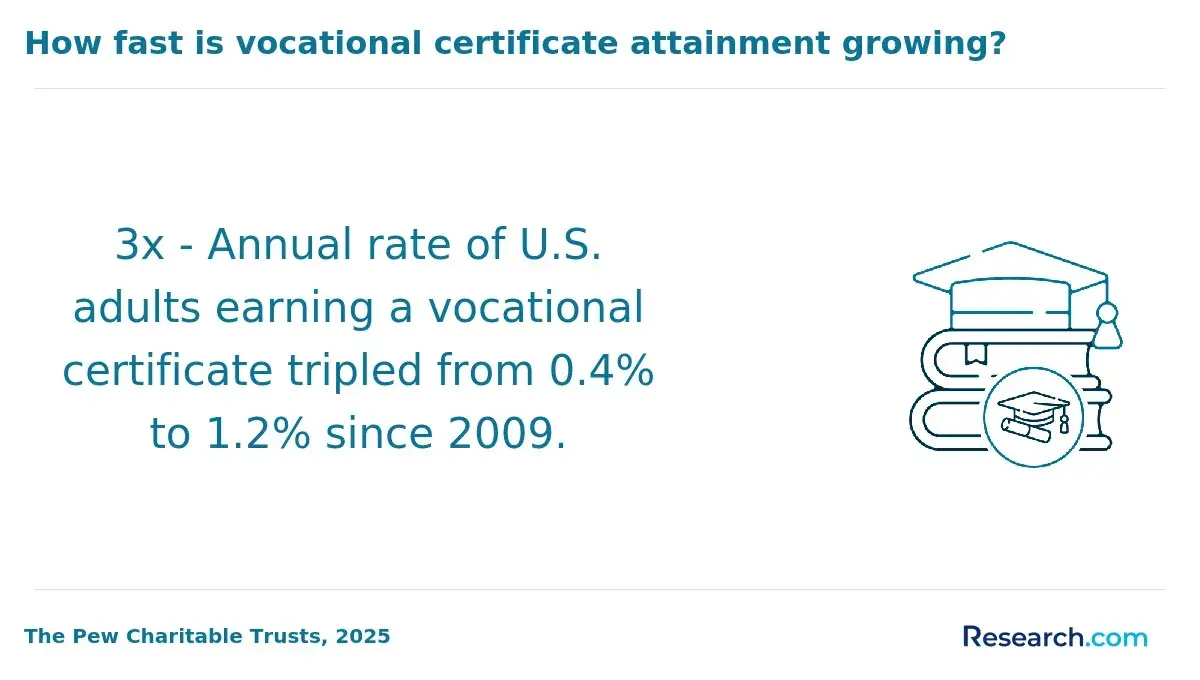
- Interaction and Support: On-campus programs offer face-to-face mentorship and spontaneous peer discussions, whereas online students depend heavily on digital communication and often must proactively seek academic help. Nearly 60% of online learners report challenges in accessing support, making it important to be resourceful.
- Learning Environment: Online students require reliable technology and distraction-free spaces, while on-campus learners contend with commuting and fixed schedules.
- Unique Challenges: For working students considering if online nonprofit management is harder, balancing flexibility with self-motivation is key. The ability to adapt to either format depends on individual learning preferences and circumstances.
For those weighing their options, understanding these factors is vital to finding the best fit. Exploring additional resources on lucrative college majors can also provide insight into long-term goals connected to nonprofit management studies.
Are Accelerated Nonprofit Management Programs Harder Than Traditional Formats?
Accelerated nonprofit management programs are generally harder than traditional formats due to their condensed timelines and more intense workloads. The faster pace demands students manage a heavier online nonprofit management program workload, often requiring rapid adaptation to frequent assignments and deadline pressure.
This comparison highlights key differences between accelerated and traditional nonprofit management programs:
- Course Pacing and Content Density: Accelerated programs cover the same volume of material in a shorter time, leading to faster transitions between topics and increased content intensity.
- Workload Management: Students in accelerated formats juggle multiple courses with demanding weekly schedules, which suits motivated and organized individuals but may be overwhelming for those preferring steadier pacing.
- Academic Expectations and Skill Ddemands: Both formats maintain high standards, but accelerated students must quickly absorb and apply complex concepts, which can challenge long-term retention.
- Learning Retention and Stress Levels: Rapid progression in accelerated programs can increase stress and reduce time for reflection, while traditional programs allow deeper engagement and reinforcement of learning.
- Flexibility and Daily Structure: Accelerated online programs offer modular, asynchronous coursework that fits around work or family but require strong self-discipline given limited room for delays, unlike the more forgiving schedules of traditional formats.
Prospective students seeking an accelerated nonprofit management degree difficulty that matches their learning style should consider these factors carefully. To explore educational options, reviewing non profit accredited colleges can provide valuable guidance on programs that balance rigor and flexibility effectively.
Can You Manage a Part-Time Job While Majoring in Nonprofit Management?
Students majoring in nonprofit management can often hold a part-time job, but their success depends on several key factors. The academic workload involves substantial reading, group projects, and case analyses rather than lab hours or technical assignments.
Weekly study time generally ranges from 10 to 15 hours, with schedules frequently designed for late afternoons or evenings to accommodate work. Personal study habits and the intensity of chosen courses heavily influence a student's ability to juggle both demands.
Balancing part-time work alongside a nonprofit management major usually requires careful time management and selecting a credit load that remains manageable. Jobs with flexible hours are common choices to fit around class commitments and project deadlines.
Students often rely on campus or online academic resources to stay organized and on track. Because the discipline emphasizes reading, teamwork, and case-based learning rather than hands-on labs, many students find it possible to harmonize their work and studies, although individual experiences vary widely.
What Jobs Do Nonprofit Management Majors Get, and Are They as Hard as the Degree Itself?
Career paths for nonprofit management graduates vary widely in difficulty, responsibility, and required skills. While some jobs match the rigor of the degree, others may feel less demanding or challenging in different ways.
Students often wonder what jobs you can get with a nonprofit management degree and whether these roles are as hard as the academic program itself.
- Fundraising Manager: Oversees fundraising strategies, donor relationships, and grant proposals. This role is demanding in a similar way to the major, requiring constant outreach, event planning, and financial tracking. Success often depends on meeting strict fundraising targets.
- Program Manager: Plans, implements, and evaluates nonprofit programs, managing staff and budgets. The job is as demanding as the major, especially when juggling multiple projects and ensuring programs align with organizational goals.
- Grant Writer: Researches funding opportunities and writes grant proposals. While the work is detail-oriented and deadline-driven, it may feel less demanding than the major if the focus is on writing rather than broader management.
- Outreach Coordinator: Develops strategies to engage communities and stakeholders. This role is demanding in a different way, emphasizing communication and relationship-building over financial or administrative tasks.
- Accountant: Manages financial records, budgets, and compliance. The job is demanding in a technical sense, requiring precision and attention to detail, but may feel less intense than the major's broader leadership focus.
For some graduates, the transition to the workforce can include exploring certificate programs that pay well to supplement their skills. Overall, the difficulty of working in nonprofit management often depends on the position and specific demands of the role, with some jobs really reflecting the intense balance of skills learned during the program.
Do Nonprofit Management Graduates Earn Higher Salaries Because the Major Is Harder?
There is no direct link between the difficulty of a nonprofit management major and higher salary outcomes. Graduates tend to earn competitive wages mainly because of market demand and the complexity of their job roles rather than the academic challenge alone.
Specialized skills in fundraising, financial oversight, and stakeholder engagement play a crucial role in driving pay levels. Therefore, salary increases reflect the value of these competencies in the workforce, not necessarily the rigor or difficulty of the major itself.
Nonprofit management salaries differ widely depending on job function, experience, and location. For instance, development directors average around $85,479 annually, while major gifts officers can earn between $130,000 and $180,000.
Organizations' size and budget also impact pay, with nonprofit educational institutions and social assistance organizations offering salaries 50% to 56% higher than similar for-profit sectors. Geographic factors and professional experience further influence earning potential, showcasing how workplace demands and expertise shape compensation more than the academic difficulty of the major.
What Graduates Say About Nonprofit Management as Their Major
- Andrea: "Choosing nonprofit management as my major was definitely challenging, but incredibly rewarding. The coursework pushed me to develop strong organizational and leadership skills while understanding the complexities of the nonprofit sector. Although the average cost of attendance was a concern, I believe the investment was worthwhile for the career opportunities and personal growth I gained."
- Joyce: "Pursuing nonprofit management made me reflect deeply on social impact and effective resource management, which is not always easy to grasp. It required dedication, but the knowledge I gained has been invaluable in my current role helping communities. Considering the average expenses involved, I appreciated how practical and applicable the education was to my professional life. "
- Allen: "Nonprofit management is a demanding major that combines theory with real-world problem-solving, which I found both stimulating and intense. The financial commitment was significant, yet manageable, and it paved the way for meaningful career advancement in the nonprofit field. Overall, the major helped me build a professional mindset tailored to making a difference. "
Other Things You Should Know About Nonprofit Management Degrees
In 2027, nonprofit management programs equip students with practical skills through courses in strategic planning, fundraising, and ethics. An immersive curriculum, often including projects and service opportunities, ensures they are ready to tackle real-world challenges in the nonprofit sector. --- Question Are internships essential for nonprofit management students? Answer Yes, internships are crucial for nonprofit management students in 2027. They offer hands-on experience and networking opportunities, bridging academic knowledge with real-world application. Internships help students gain insights into the sector's dynamics, enhancing their employability upon graduation. --- Question Does nonprofit management involve learning about financial aspects? Answer Absolutely, financial management is a vital component of nonprofit management education in 2027. Students learn budgeting, financial reporting, and resource allocation, all essential for sustainable organizational operations in the nonprofit sector. --- Question Is nonprofit management focused more on leadership or administrative skills? Answer In 2027, nonprofit management blends both leadership and administrative skills. Students are taught to inspire teams while efficiently managing resources and operational processes, preparing them for diverse roles in nonprofit organizations.
Yes, internships are an important component of most nonprofit management programs. They provide hands-on experience in nonprofit organizations and help students develop practical skills like event planning, grant writing, and community outreach. Many programs either require or strongly encourage internships to enhance employability after graduation.
Yes, a major in nonprofit management typically includes courses on financial management skills, such as budgeting, financial reporting, and fundraising strategies. These courses are essential for managing the financial aspects of nonprofit organizations effectively.
Nonprofit management majors typically cover essential financial skills, including budgeting and financial reporting. In 2027, students are encouraged to have a good grasp of financial principles to manage an organization's funding effectively. Strong analytical skills are important to meet program expectations.
References
- Online Nonprofit Management, BA & BS https://www.ucf.edu/online/degree/nonprofit-management-ba-bs/
- Nonprofit Management Track | MPSA https://bush.tamu.edu/psaa/degrees/mpsa/tracks/npm/
- Master's in Nonprofit Management (MA) https://advanced.jhu.edu/academics/graduate/ma-nonprofit-management/
- MBA in Nonprofit Management and Public Administration https://www.cuw.edu/academics/programs/nonprofit-management-public-admin-mba/index.html
- Is it Worth it to Get a Master's in Nonprofit Leadership? https://www.pacificu.edu/blog/it-worth-it-get-masters-nonprofit-leadership
- Is Working for a Nonprofit Worth It? (Hint: It is with an MPA Degree) https://mpastories.publicpolicy.cornell.edu/blog/is-working-for-a-non-profit-worth-it
- Why Study Nonprofit Management - Goodwin College of Professional Studies https://drexel.edu/goodwin/academics/graduate-programs/ms-nonprofit-management/why-study-nonprofit-management/


