
2027 Military-Friendly Online Teaching Master's Degree Programs: Benefits, Accreditation & Career Outcomes

Co-Founder and Chief Data Scientist
Active-duty service members and veterans often struggle to balance military commitments with pursuing advanced education. Enrolling in an online teaching master's degree program offers flexibility but raises concerns about program quality and support tailored to military lifestyles. According to recent data, 45% of military-affiliated students pause or drop out due to incompatible program structures or lack of military-specific resources. This article explores what defines a military-friendly online teaching master's degree program, how to verify accreditation, leverage financial benefits, and navigate career outcomes. It aims to guide readers in selecting programs that accommodate their unique demands and professional goals.
Key Things to Know About Military-Friendly Online Teaching Master's Degree Programs
- Military-friendly online Teaching master's programs offer flexible schedules and credit for military training, accommodating deployments and relocations common among service members.
- Accreditation by bodies like CAEP ensures program quality and eligibility for federal financial aid, including the GI Bill and DoD Tuition Assistance.
- Graduates benefit from targeted career services, streamlined licensing pathways, and strong alumni networks connecting veterans with education sector employers.
What Makes an Online Teaching Master's Degree Program Truly Military-Friendly?
A truly military-friendly online teaching master's degree program offers distinct accommodations that go beyond marketing tactics to genuinely support active-duty service members, veterans, and military-affiliated students. Key features include asynchronous coursework that fits unpredictable schedules and deployment deferral policies that allow pauses in study without penalty. Dedicated military advisors who understand credit transfers, certification paths, and career transitions ensure students receive personalized guidance aligned with both military and civilian requirements.
Compliance with the Department of Defense Memorandum of Understanding (DoD MOU) serves as a baseline standard for schools accepting military tuition assistance. This agreement enforces fair refund policies if students are called to active duty and prohibits aggressive recruiting practices, providing essential protections tailored to military realities.
No residency requirements and rolling admissions make these programs well suited for military students facing frequent permanent changes of station (PCS) or deployments. Moreover, per-credit pricing enables manageable financial planning as students pay only for courses they take, allowing flexibility during interruptions in service. Accredited online teaching degrees for military students ensure recognized credentials vital for career advancement.
Students looking for affordable options can also explore specialized degrees like the cheapest online MBA, which employ similarly flexible structures.
- Department of Defense MOU Compliance: Ensures strict refund policies and recruitment guidelines that protect military students from financial risks related to deployment or reassignment.
- Flexible Coursework Delivery: Asynchronous classes accommodate uncertain military schedules, enabling study anytime without attendance conflicts.
- No Residency Requirements: Allows full online completion regardless of relocations or PCS orders, critical for military-affiliated learners.
- Rolling Admissions & Per-Credit Pricing: Enables course start dates throughout the year and payment per credit, easing disruptions due to military duties.
- Dedicated Military Student Support: Military advisors assist with credit transfers, certification navigation, and career planning tailored to military and veteran backgrounds.
What Type of Accreditation Should an Online Teaching Master's Program Hold?
Accreditation plays a critical role in determining the quality and recognition of an online teaching master's program, particularly for active-duty service members, veterans, and military-affiliated students. Institutional accreditation is granted to the entire university by an agency recognized by the U.S. Department of Education (ED) or the Council for Higher Education Accreditation (CHEA). This type of accreditation ensures that the university meets broad academic, administrative, and financial standards, which is essential for eligibility for military education benefits from the Department of Defense (DoD) and Veterans Affairs (VA).
Programmatic or specialized accreditation, in contrast, applies to specific departments or teaching master's degree programs. It evaluates the rigor and quality of the curriculum, faculty qualifications, and professional preparation. For teaching degrees, the Council for the Accreditation of Educator Preparation (CAEP) is a nationally recognized accreditor that signifies adherence to high standards within the education profession. Military-affiliated students should prioritize programs that hold both institutional and programmatic accreditation to ensure the best outcomes for licensure and career advancement.
To protect your investment and academic future, verify the current accreditation status by consulting the ED's Database of Accredited Postsecondary Institutions and Programs (DAPIP) at ope.ed.gov or the CHEA database at chea.org. This verification helps avoid unaccredited programs that might not meet federal and military requirements or support credit transfer.
Prospective students should also assess how programs accommodate military experience and transfer credits while maintaining strong accreditation standards. For those considering accelerated paths, exploring options like a fast track psychology degree can offer insights into how structured, high-quality programs align with military lifestyles.
- Institutional Accreditation: Confirms the entire university meets established quality benchmarks, critical for federal financial aid and military education benefits eligibility.
- Programmatic Accreditation: Ensures the teaching-specific program is rigorously evaluated by recognized bodies like CAEP, supporting licensure and professional readiness.
- Military Requirements: The DoD and VA mandate enrollment in institutions accredited by agencies recognized by ED or CHEA to qualify for education benefits.
- Verification Importance: Checking official databases protects students from unaccredited programs and guarantees the legitimacy of credits and degrees.
- Career Impact: Accredited programs enhance eligibility for teacher certification and offer stronger alumni networks, essential for post-service professional goals.
How Does the Post-9/11 GI Bill Cover Tuition for an Online Teaching Master's Program?
The Post-9/11 GI Bill offers educational benefits to veterans and active-duty service members who served at least 90 days of active duty after September 10, 2001. The percentage of benefits depends on the length of service, with those serving 36 months or more eligible for full benefits. Thanks to the Forever GI Bill, benefits remain valid indefinitely for veterans whose service ended on or after January 1, 2013.
Support from the GI Bill for online Teaching master's programs includes three main parts. Tuition and fees are paid directly to the institution, generally covering full in-state tuition or a capped amount at private schools. The housing allowance is provided at a reduced rate for online students, calculated based on the Basic Allowance for Housing (BAH) for an E-5 with dependents, though this may vary. Additionally, students receive up to $1,000 annually for books and supplies, helping offset material costs.
The Yellow Ribbon Program assists when tuition exceeds GI Bill limits, which can occur in private or out-of-state online graduate programs. Participating schools voluntarily share tuition costs beyond the GI Bill caps, with the VA matching contributions. Students can confirm which schools enroll in this program by using the VA's GI Bill Comparison Tool, a valuable resource to maximize benefit use.
In 2023, over 350,000 veterans engaged in online education programs, underscoring the increasing accessibility of remote learning tailored to military-connected students.
- Eligibility Requirements: Veterans with a minimum of 90 days' active duty post-9/11 qualify, with benefits increasing based on time served.
- Benefit Components: Tuition payments, reduced housing allowance for online learners, and an annual books stipend support online Teaching graduate study.
- Yellow Ribbon Program: Helps cover costs exceeding GI Bill caps at participating schools, vital for expensive graduate tuition.
- Forever GI Bill: Removes expiration on benefits for veterans discharged after January 2013, offering flexible timelines.
- Verification Tools: The VA's GI Bill Comparison Tool enables students to check school participation and estimate benefits accurately.
A military professional who pursued an online Teaching master's degree shared his experience navigating GI Bill benefits. He described the initial uncertainty around how his benefits would apply to his chosen program, especially regarding housing allowances and the Yellow Ribbon Program's availability. "It was reassuring to confirm eligibility and financial support through official VA tools," he said, emphasizing how the benefits allowed him to focus on coursework despite balancing service commitments. He reflected on the peace of mind that the Forever GI Bill provides, as knowing his benefits wouldn't expire removed pressure during his studies, making his transition into education smoother and more manageable.
Can Active-Duty Service Members Use Military Tuition Assistance for a Teaching Master's Degree?
Active-duty service members may use Military Tuition Assistance (TA) to fund a teaching master's degree, with coverage of up to 100 percent for courses that cost $250 or less per semester credit hour (or $166 per quarter hour). This benefit is subject to annual and total degree limits, which vary among military branches.
The U.S. Army caps TA at 39 semester hours for graduate-level credit or until a master's degree is completed-whichever comes first. Since TA policies are updated annually, service members should confirm specific limits and procedures through their branch's Education Center before registering. This is especially important for those interested in an online teaching master's program that fits military schedules.
When tuition exceeds TA funding, eligible service members who also qualify for the Montgomery GI Bill-Active Duty (MGIB-AD) or Post-9/11 GI Bill can access the VA-administered Tuition Assistance Top-Up (TATU) program. This supplement helps cover remaining tuition balances above the TA cap, enhancing financial support for graduate education.
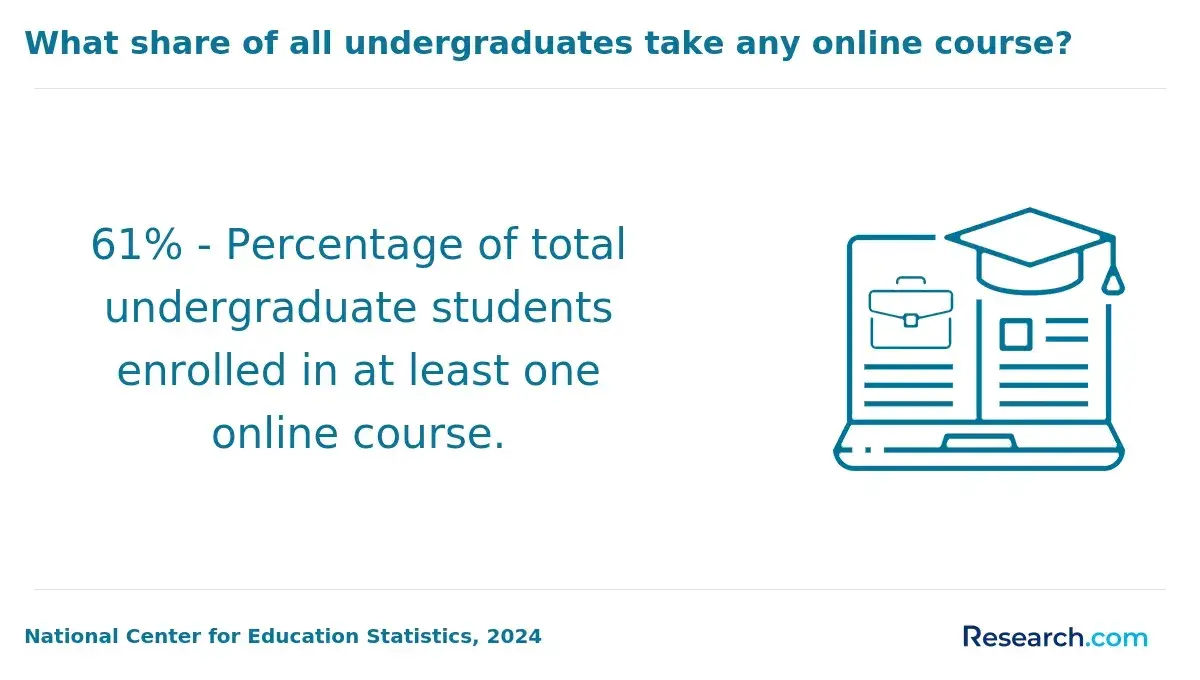
Beginning the TA approval process early through the Education Center ensures alignment with both academic and military requirements. Current education trends show more than half of graduate students enroll in online courses, making an online degree in business an increasingly viable option, similarly applicable to many teaching master's candidates.
- Coverage Limits: TA pays tuition costs up to $250 per semester credit hour, with branch-specific caps that must be verified annually.
- Army Cap: Limits 39 semester hours or master's completion for graduate-level support.
- Verification Needed: Confirm your branch's current TA policies at the Education Center before course enrollment.
- Top-Up Option: MGIB-AD or Post-9/11 GI Bill qualifiers can use TATU to cover tuition above TA thresholds.
- Early Process: Starting TA approval early supports smoother funding and academic planning.
How Can Military Experience and Training Count as Credit Toward a Teaching Master's Degree?
The American Council on Education (ACE) Military Guide serves as the foundational resource for colleges to evaluate military training and occupational experiences for academic credit. Continuously updated, this guide provides detailed credit recommendations for formal course work and job-related training across all branches of the U.S. military. Faculty evaluators rely on the ACE guide to translate military learning into college-level credits that institutions might recognize.
The Joint Services Transcript (JST), utilized by the Army, Marine Corps, Navy, and Coast Guard, officially records these ACE-evaluated courses and military occupations. When military-affiliated students apply for credit transfer at civilian graduate programs, the JST acts as their formal documentation of prior learning achievements and training completed during service.
It is important to understand that ACE credit evaluations are advisory rather than binding. Each teaching master's program or institution exercises discretion in deciding the type and amount of credit awarded and which degree requirements those credits satisfy. Prospective students are strongly encouraged to consult with graduate admissions advisors to explore how teaching-relevant credits may shorten their degree path before committing to a program.
One professional, now established in education after earning an online teaching master's degree, shared that navigating credit transfers was initially daunting. She recalled feeling overwhelmed submitting the JST and uncertainty about how much military experience would count. However, by actively engaging with admissions counselors and providing detailed context about her service-related skills, she was able to secure significant credit transfer. This proactive approach helped accelerate her studies and gave her confidence in balancing military obligations with academic goals.
What Are the Typical Admission Requirements for a Military-Friendly Online Teaching Master's Program?
Applicants to military-friendly online teaching master's programs typically need a bachelor's degree from an accredited university, supported by official transcripts. A personal essay or statement of purpose is often required to outline career intentions and dedication to teaching. Professional references are usually requested to confirm qualifications. While some programs still ask for GRE or GMAT scores, many have waived these standardized tests for military applicants, recognizing their unique experience.
Admissions committees frequently consider military service records, leadership experience, performance evaluations, and Joint Services Transcripts (JST) as significant credentials. These documents can supplement or even replace traditional academic metrics, reflecting the practical skills and readiness of military candidates.
The minimum GPA expectation typically centers around a 3.0, but many institutions allow provisional admission or provide GPA waivers for veterans with substantial military or professional experience. This approach offers flexibility for candidates whose real-world accomplishments might outweigh their undergraduate grades.
Prospective students should proactively contact each program's admissions office to explore military-specific enrollment pathways. Questions about conditional admission policies and the potential to use military documentation in place of standard application materials can clarify the process and ease entry hurdles.
Military-affiliated students now represent nearly 5% of all graduate enrollments in online education, highlighting increased institutional commitment to supporting veterans and active-duty personnel.
- Bachelor's Degree:** Official transcripts proving an accredited undergraduate degree remain a foundational admission requirement across programs.
- Military Experience Recognition:** Service members' leadership and operational roles, alongside JST transcripts, serve as valuable admissions criteria beyond conventional academic records.
- Standardized Test Waivers:** GRE and GMAT scores are often optional or waived, reducing barriers for candidates with distinguished military backgrounds.
- GPA Flexibility:** While a 3.0 GPA is common, military-friendly programs frequently offer provisional admissions or waivers for applicants with strong professional experience.
- Admissions Engagement:** Direct contact with admissions offices is essential to understand military-specific policies and to identify conditional or alternative pathways for enrollment.
How Is the Curriculum Structured in a Military-Friendly Online Teaching Master's Program?
Master's programs in teaching designed for military-affiliated students typically require 30 to 36 credit hours, blending core courses with electives to cover essential educational theories alongside specialized topics. Students often engage in a capstone project, thesis, or professional practicum to apply their learning in practical settings, reinforcing their readiness for real-world challenges. Many programs emphasize flexibility through eight-week accelerated modules and asynchronous course delivery, allowing service members to manage studies alongside complex schedules. Optional live sessions are often offered across multiple time zones to facilitate engagement without interfering with deployments or shifts.
Several programs provide teaching-specific concentrations that align well with military and defense-related career paths, such as educational leadership, special education, or instructional technology. This customization adds tangible value for service members planning post-service careers in education or related sectors. It is wise to review sample syllabi and detailed course descriptions, which are frequently available online, to evaluate rigor and curriculum relevance. Prospective students should also inquire about any endorsements or curriculum reviews by professional bodies like the Council for the Accreditation of Educator Preparation (CAEP).
Data from the National Center for Education Statistics underscores the growing popularity of flexible online graduate programs, with a 25% increase in enrollment between 2018 and 2023, affirming the demand among diverse student populations, including military learners.
- Credit Structure: Most programs require 30-36 credit hours combining core courses with electives to cover theory and specialized topics.
- Flexible Delivery: Asynchronous lectures and eight-week modules accommodate variable military schedules and time zones.
- Capstone Requirements: Many programs include a practicum, thesis, or capstone to apply knowledge practically.
- Specializations: Teaching-specific tracks tailored to military roles enhance career alignment and applicability.
- Curriculum Transparency: Reviewing course samples and accreditation endorsements helps assess program quality.
How Flexible Are the Enrollment and Scheduling Options for Military Students in a Teaching Master's Program?
Military students pursuing an online teaching master's program often face unpredictable schedules due to deployments, mission demands, and time-zone differences. Asynchronous coursework and self-paced modules provide essential flexibility, enabling these students to complete their studies without attending live, synchronous classes. Such options accommodate service members' varied commitments while supporting uninterrupted academic progress.
Programs that are truly military-friendly implement policies like deployment deferral, allowing students to pause enrollment during active duty without academic penalty and resume studies within a designated timeframe. Similarly, military withdrawal policies minimize the impact on transcripts by permitting withdrawals aligned with service obligations. Prorated tuition refunds based on DoD Memorandum of Understanding (MOU) guidelines further protect students financially if they must leave mid-term.
Per-credit-hour tuition pricing is another important consideration for active-duty and military-affiliated students who often take fewer courses due to operational constraints. This pricing structure is generally more affordable and flexible than flat semester rates, making part-time enrollment practical and cost-effective.
It is recommended that prospective students carefully review each program's official military student policy documentation. Confirming that deployment deferral and re-enrollment rights are specifically outlined in the school catalog is crucial. Additionally, asking advisors about credit validity when enrollment is paused for six months or longer helps safeguard educational progress. Enrollment in fully online graduate programs has increased by more than 20% among military students over the last five years, reflecting growing demand for flexible education opportunities tailored for service members pursuing an online teaching master's program scheduling for active-duty service members.
For those also interested in psychology, exploring options for psychology degrees online can offer similarly flexible pathways.
- Asynchronous Learning: Enables military students to access coursework anytime, accommodating irregular schedules caused by deployments or mission demands.
- Deployment Deferral: Allows students to pause their studies during active duty without academic penalties, ensuring they can return smoothly after their service obligations.
- Military Withdrawal Policies: Minimize transcript consequences by offering withdrawal options aligned with military service commitments.
- Tuition Flexibility: Per-credit-hour pricing benefits part-time military students who may only enroll in a few courses at a time due to operational demands.
- Policy Verification: Students should confirm deployment and re-enrollment policies are officially documented and understand credit expiration rules to protect their educational progress.
What Financial Aid Options Beyond GI Bill Are Available for a Teaching Master's Degree?
Military-affiliated students pursuing an online teaching master's degree can access multiple federal financial aid options beyond their GI Bill benefits. The Free Application for Federal Student Aid (FAFSA) enables eligibility for Direct Unsubsidized Stafford Loans and the Graduate PLUS Loan, providing critical supplemental funding throughout graduate studies. These loans help ease tuition burdens even when GI Bill benefits are in use, making them essential resources for active-duty service members and veterans.
Many institutions also offer scholarships specifically designed for military and veteran students. These awards include institutional scholarships, veteran-focused fellowships, and grants from service organizations like the American Legion, Veterans of Foreign Wars (VFW), and branch-specific education foundations. Such funding bridges the gap left by federal or military aid and is particularly valuable in military-friendly financial aid options for teaching master's degrees.
The Tuition Assistance Top-Up (TATU) program reimburses the difference between the military Tuition Assistance benefit and actual tuition costs, significantly reducing out-of-pocket expenses for active-duty personnel. Additionally, the Yellow Ribbon program supplements tuition at private or out-of-state institutions, allowing students to combine benefits where permitted. A growing 15% increase in enrollment in military-friendly online graduate programs since 2020 highlights the expanding availability of these alternative financial assistance programs for online teaching master's degrees.
Working closely with a school's military student services or financial aid office is vital. These offices often identify program-specific aid opportunities tailored to individual military backgrounds and teaching master's program requirements. For students interested in expanding their options, it's also useful to compare with the cheapest cybersecurity degree programs, which demonstrate comparable military-friendly financial support structures.
- Federal Loans Access: Military students can apply for Direct Unsubsidized Stafford Loans and Graduate PLUS Loans through FAFSA, supplementing GI Bill benefits during their teaching master's degree.
- Institutional and Veteran Scholarships: Many schools and veteran organizations provide scholarships and fellowships designated for military-affiliated graduate students pursuing education degrees.
- Tuition Assistance Top-Up: TATU covers gaps between military Tuition Assistance and actual tuition costs, reducing additional expenses for active-duty service members.
- Yellow Ribbon Program: This program helps cover private or out-of-state tuition costs and can often be combined with other military education benefits.
- Program-Specific Aid: Military student services within schools can identify extra financial aid resources tailored to individual teaching master's programs and military backgrounds.
What Student Support Services Should a Military-Friendly Teaching Master's Program Provide?
Military-friendly online Teaching master's programs stand out by providing dedicated veteran and military student support offices staffed with advisors knowledgeable about GI Bill benefits, VA certification, and priority registration for active-duty learners. These programs include VA Certifying Officials to streamline financial aid and enrollment processes. For distance learners, essential resources must be accessible 24/7, such as technical support, digital libraries, writing centers, and career services, ensuring academic assistance is uninterrupted regardless of location. Robust peer support networks, including virtual veteran student organizations and alumni mentorship programs, foster community engagement. Faculty with military backgrounds or military cultural competency contribute to an inclusive and understanding academic environment. Prospective students should inquire about the average response time for academic advising, whether there is a designated military student liaison, and how the program accommodates challenges like deployment or training conflicts. Online enrollment among veterans has risen by 15% from 2018 to 2022, reflecting increasing demand for programs tailored to military lifestyles.
- Dedicated Military Services: Offices staffed by trained advisors familiar with military education benefits guide students through VA processes and deliver targeted support.
- Remote Academic Resources: Continuous access to tech support, online libraries, writing help, and career counseling eases learning disruptions for deployed or remote students.
- Peer and Faculty Support: Virtual veteran communities, mentorship programs, and culturally competent faculty nurture engagement and respect military experiences.
- Responsive Advising: Clear points of contact and prompt academic guidance address the unique challenges military students face.
- Flexible Accommodations: Policies accommodating deployments and service-related obligations help students maintain academic progress.
How Do Online Teaching Master's Programs Accommodate Deployments or Permanent Changes of Station?
Military students enrolled in online teaching master's programs can utilize deployment deferrals to temporarily pause their studies during active duty without losing academic standing or financial aid. This option preserves their progress and allows a seamless return. Alternatively, a military withdrawal is a formal exit from the program, often including tuition refund protections in line with Department of Defense Memorandum of Understanding (DoD MOU) policies. These require schools to refund unearned tuition on a prorated basis through at least 60% of the enrollment period, ensuring financial security for those needing to leave unexpectedly.
Top military-friendly programs offer flexible solutions such as asynchronous coursework, enabling students to complete assignments around deployment schedules. They also grant incomplete grades with extended deadlines and guarantee re-enrollment without requiring a new application, supporting uninterrupted academic progress despite military obligations.
Before enrolling, students should obtain a written version of the school's military activation and withdrawal policies, confirm that credits remain valid after enrollment gaps, and verify VA Certifying Officials' familiarity with re-certification after breaks. Recent data from the National Center for Education Statistics reveals a 12% rise in military-affiliated students enrolling in fully online graduate programs over five years, reflecting increasing demand for adaptable education.
- Deployment Deferral: Allows temporary pause preserving academic status and financial aid, facilitating smooth return without penalty.
- Military Withdrawal: Formal exit with federally mandated tuition refunds through 60% of enrollment, providing financial protection.
- Flexible Coursework: Asynchronous classes and extended deadlines help balance military duties and academic requirements.
- Re-Enrollment Guarantees: Waive new applications, ensuring seamless continuation after deployment interruptions.
- Pre-Enrollment Verification: Confirm written policies, credit retention, and VA certification processes to avoid enrollment issues.
What Graduates Say About Their Military-Friendly Online Teaching Master's Degree Program
- Tobias: "I chose this military-friendly online teaching master's degree program because of its flexible schedule that fit perfectly with my active-duty commitments. The student support services were outstanding-they provided timely academic advising and career counseling, which made the experience seamless despite the distance learning format. Earning this degree has truly transformed my teaching career, allowing me to transition successfully into educational leadership roles."
- Rex: "Reflecting on my time in the program, I appreciate how it was tailored to meet the unique needs of military personnel like me. The accessible support network, from dedicated mentors to responsive tech help, helped me stay focused and motivated throughout. Pursuing this online teaching master's not only advanced my qualifications but also deepened my understanding of pedagogy, making me a more effective and confident educator."
- Arthur: "The reason I enrolled in the military-friendly online teaching master's degree program was its strong reputation for accommodating working professionals from the armed forces. The one-on-one support and practical resources stood out, especially their career services that prepared me for real-world teaching challenges. This degree has been instrumental in elevating my career, opening doors to specialized roles in curriculum development and instructional design."
Other Things You Should Know About Teaching Degrees
Veterans can access the Post-9/11 GI Bill, which covers tuition and fees, plus provides a monthly housing allowance for online programs. Additionally, the Yellow Ribbon Program may help cover costs that exceed the GI Bill's maximum benefits for military-friendly online teaching master's degrees.
Employers and graduate schools usually respect an online teaching master's degree earned by military students, especially when the program is accredited and designed to accommodate military needs. Military students are often viewed as disciplined and committed learners. Accredited programs with strong faculty and robust student support further enhance the degree's credibility in the education sector.
Military students should prioritize programs with strong institutional and programmatic accreditation and clear policies that accept transfer credits from military training. Look for schools that offer flexible schedules, dedicated military student advisors, and support for licensure preparation. Financial benefits such as acceptance of GI Bill® funds and military tuition assistance are also important factors to consider.
References
- Why Asynchronous Online Coursework Works for Military Spouses https://www.higheredmilitary.com/news/articleDisplay.cfm
- Why Online Learning Is Perfect for the Military Student | Touro https://www.tuw.edu/military-news/online-learning-perfect-military-student/
- Scheduling Courses for Flexibility and Student Success https://www.facultyfocus.com/articles/trends-in-higher-education-scheduling-courses-for-flexibility-and-student-success/
- How to Utilize the GI Bill - Graduate Programs for Educators https://www.graduateprogram.org/blog/how-to-utilize-the-gi-bill/
- 2025 Best Military-Friendly Online Colleges https://www.onlineu.com/online-schools/military-friendly
- Flexible Learning Options: Online Colleges Designed for the Military Community https://graceelizabeths.com/2025/11/flexible-learning-options-online-colleges-designed-for-the-military-community/
- Supporting Military-Connected Learners in Higher Education - Center for Higher Education Policy and Practice https://www.chepp.org/news/from-chepp/supporting-military-connected-learners-in-higher-education/
- Flexible Education Paths Designed With Military Students in Mind - Influence Leadership | Chris Fuller https://influenceleadership.com/2025/11/14/flexible-education-paths-designed-with-military-students-in-mind/
- Graduate Credits for Your Military Training and Experience https://www.iup.edu/admissions/graduate/military-credits/index.html
- How to Use Your VA Benefits to Pay for College https://www.umgc.edu/blog/use-va-benefits-to-pay-college


