2027 Most In-Demand Public Policy Master's Specializations

Co-Founder and Chief Data Scientist
Shifts in regulatory landscapes, technological integration, and evolving workforce standards are reshaping how graduate students assess public policy master's specializations. Rather than relying solely on popularity or salary metrics, students must consider specialization alignment with durable career trajectories, employer expectations, and transferable competencies.
Demand fluctuates significantly across regions, sectors, and role types, influenced by factors such as certification alignment, experiential learning opportunities, and network access. For example, rising emphasis on data analytics skills within policy analysis highlights the need to evaluate curriculum depth and faculty expertise critically.
This article explores the most in-demand public policy master's specializations through a multifaceted lens focused on sustained professional relevance and adaptability.
Key Things to Know About the Most In-Demand Public Policy Master's Specializations
- Data analytics specialization commands increasing demand as 67% of employers prioritize candidates with quantitative skills, underscoring a shift toward evidence-based decision-making but requiring significant technical training investments.
- Environmental policy expertise reflects growing employer focus on sustainability, yet its niche nature means fewer roles, making adaptability to adjacent policy areas critical for job security.
- Health policy programs often offer quicker entry paths amid pandemic-driven labor shortages, but accelerated curricula may limit depth, affecting long-term leadership opportunities compared to broader specializations.
What Makes a Public Policy Master's Specialization "In Demand"?
An in-demand public policy master's specialization is typically characterized by a convergence of clear labor-market need, development of specialized skills, and alignment with emerging or enduring professional roles within public policy fields. Demand fluctuates based on factors such as geographic region, employer category, specific industry sectors, the pace of technology integration, and evolving regulatory environments. Importantly, the most sustainable specializations prepare students for roles with ongoing, structural necessity rather than short-term hiring spikes fueled by political or economic cycles.
For instance, labor forecasts from the U.S. Bureau of Labor Statistics indicate approximately 8% growth for policy analyst positions through 2032, reflecting stable demand in areas linked to health policy, environmental regulation, and data-driven decision-making, which are key themes in top public policy graduate concentrations for career growth.
Relying solely on demand metrics like job posting volume, program enrollment popularity, or headline salary figures can mislead prospective students about career fit and long-term benefits. Marketing narratives often overstate the impact of transient trends without emphasizing the importance of curriculum depth, experiential learning opportunities, or credential alignment with industry standards.
Evaluating faculty expertise, access to internships or agency partnerships, and alumni employment trajectories reveals how well a specialization equips graduates to meet employer expectations and bridge skills gaps. This evaluative approach, rather than a simplistic focus on popular specializations, better reflects meaningful differences in graduate outcomes and adaptability in a changing workforce landscape.
This nuanced understanding especially benefits working professionals, career changers, and learners prioritizing advanced specialization to match evolving employer demands. Those who thoughtfully compare specializations—considering certification requirements, quantitative skill training, and relevance to sectors experiencing systemic shifts—are positioned to leverage their graduate study toward durable roles with growth potential.
For students balancing practical constraints, exploring PhD online programs offers an additional pathway to deepen expertise while maintaining career momentum, underscoring the importance of strategic program selection over instant appeal.
The 10 Most In-Demand Public Policy Master's Specializations
Selecting a master's specialization within public policy demands a practical view of how each focus area intersects with evolving employer needs and sector-specific challenges. Labor market relevance increasingly depends on adaptable skills that integrate regulatory insight, stakeholder engagement, and data fluency.
The following analysis highlights ten specializations where these dynamics strongly influence demand and career viability.
Environmental policy stands out due to regulatory tightening and widespread commitments to sustainability. Professionals must navigate complex legislation, environmental impact assessment, and corporate compliance. The growth in green infrastructure and climate adaptation strategies points to sustained need for expertise that blends science with policy design.
Health policy continues to respond to ongoing healthcare system reforms and public health emergencies. Demand favors specialists skilled in insurance frameworks, health equity, and crisis management, reflecting how systemic changes and pandemics stress test policy responses.
Data analytics and policy evaluation anchors emerging roles where evidence-based decision-making is core. Employers prioritize advanced quantitative methods, program evaluation, and real-time data interpretation to improve policy outcomes across sectors.
Urban planning and development policy addresses demographic shifts and infrastructure resilience. The specialization requires fluency in zoning laws, affordable housing economics, and cross-agency coordination-skills essential for cities managing rapid growth and social equity challenges.
Economic policy and fiscal analysis involves applying analytical rigor to taxation, labor markets, and budget allocation. Demand is strong in government and think tanks focusing on economic recovery, with an emphasis on equity and mitigating disparities intensified by global economic pressures.
Social policy experts are increasingly valued for shaping inclusive welfare programs and labor protections amid shifting demographic and political landscapes. The ability to navigate complex regulatory environments and incorporate equity frameworks is critical.
International development and global policy responds to interconnected global challenges such as migration, trade disputes, and security. Funding growth for development economics and aid evaluation reflects the increasing complexity and scale of transnational policy work.
Technology policy merges regulatory expertise with fast-evolving fields like AI ethics, cybersecurity, and data privacy. The rising demand corresponds with digital transformation pressures in government and private sectors, requiring constant upskilling to keep pace with innovation.
Education policy specialists focus on reforming systems amid demographic changes and the proliferation of data-driven assessment tools. Employers seek policy professionals adept at closing achievement gaps and implementing accountability frameworks.
Energy policy addresses the transition to renewable resources and market restructuring. Analysts here must grasp sustainable energy regulations and the economics driving national security agendas in a sector undergoing rapid technological and political change.
A prospective student recalled weighing multiple specializations, initially drawn to the popularity of data analytics but concerned about the steep technical demands and whether rapid tech changes might soon obsolete parts of the curriculum. After scrutinizing alumni outcomes and practicum offerings, they felt more confident choosing environmental policy, where government commitments and practical regulatory work aligned with their interest in tangible impact. Their decision reflected a tension between market buzz and personal fit, moderated by a careful look at employer expectations and the evolving policy landscape.
Which Public Policy Master's Specializations Lead to the Highest-Paying Careers?
Part-time public policy master's programs strike a complex balance between accommodating working professionals' schedules and maintaining academic rigor. The structural design-varying significantly by institution-directly shapes how students manage their workload, engage with material and peers, and integrate learning with professional demands.
- Modular Coursework Delivery: Many programs segment the curriculum into shorter modules or concentrated courses, allowing students to focus intensively on fewer subjects at a time. This can improve mastery of specific topics but may compress deadlines, increasing short-term workload spikes that require disciplined time management.
- Asynchronous versus Synchronous Learning: Asynchronous classes offer flexibility by enabling access to lectures and assignments on demand, benefiting those balancing complex schedules. However, limited real-time interaction may reduce depth of discussion and peer collaboration, potentially impacting critical thinking development and professional networking.
- Extended Program Duration: Part-time formats typically double the length of full-time programs, spreading out credits over 2 to 4 years. This pacing reduces immediate pressure but risks fragmentation of knowledge retention and prolonged exposure to opportunity costs, requiring learners to remain motivated over a longer horizon.
- Blended Instruction Models: Some courses combine online learning with occasional in-person workshops or residencies, fostering deeper engagement and applied skills practice. While this hybrid approach demands occasional travel and time off work, it enhances mentorship access and experiential learning, crucial for translating theory into practice.
- Project-Based and Collaborative Assignments: Incorporating team projects and case studies simulates real-world policy work, encouraging practical problem-solving and diverse perspectives. These formats necessitate coordination across different time zones and schedules, which can challenge part-time students but also develop essential collaboration skills highly valued by employers.
According to the National Center for Education Statistics 2024 report, over 60% of part-time graduate students value flexible scheduling but cite sustained workload management as their greatest challenge-highlighting the necessity for program structures that support both adaptability and consistent engagement.
Which Public Policy Master's Specializations Offer the Best Job Growth?
Evaluating job growth in public policy master's specializations demands a focus beyond immediate popularity or salary potential, emphasizing employment projections, employer demand, and industry transformation. Specializations connected to evolving regulatory environments, such as health policy aligned with sustained healthcare reform efforts, demonstrate more stable growth due to structural needs.
Similarly, competencies in technology and data analytics are increasingly vital as government services digitalize, expanding roles that require technical expertise and policy fluency. Considering skill transferability across sectors and emerging labor shortages enhances long-term career resilience for those pursuing top public policy concentrations for career advancement in the United States.
Relying solely on job growth forecasts to select a specialization can obscure important practical limitations. Variations in regional demand, cyclical hiring trends, and saturation in certain policy areas often affect employment opportunities more than headline statistics suggest. Credentialing standards, internship prerequisites, and the ability of a specialization to support both entry-level access and advancement capabilities critically impact real-world outcomes.
For instance, the U.S. Bureau of Labor Statistics projects a 12% employment increase for health policy analysts from 2022 to 2032, reflecting strong but specialized demand that requires strategic credentialing.
Prospective students balancing life commitments should carefully evaluate such nuances while considering how a specialization aligns with their professional goals and circumstances, including opportunities to combine fields like psychology masters online.
Which Public Policy Master's Specializations Are Best for Career Changers?
Specializations in public policy that emphasize quantitative analysis, program evaluation, and data-driven decision-making tend to be more accessible for career changers, largely because they leverage transferable skills such as research, critical thinking, and strategic problem-solving. Programs that offer foundational or bridging coursework help applicants without direct policy backgrounds to catch up on core concepts, while applied learning components like capstones or internships provide tangible experience aligned with entry-level or mid-career transition roles.
According to a 2024 survey by the National Association of Schools of Public Affairs and Administration, 62% of employers now favor candidates who combine quantitative and practical policy expertise, reflecting a labor market that increasingly values analytical rigor alongside hands-on skills. This combination often creates clearer pathways for professionals moving from other fields into public policy roles focused on data analysis or program management.
However, selecting a specialization purely because it appears in demand can introduce significant challenges. Those without sector-specific knowledge or relevant technical backgrounds may face steep learning curves and need additional certifications, which extend program duration and financial cost. Credentialing requirements or networking deficits compared to candidates with domain-specific experience may limit immediate employability, particularly in specialized tracks like health policy or environmental policy.
Career changers must therefore balance enthusiasm for high-growth areas against realistic prerequisites and the risk of competing against more experienced peers, ensuring their specialization choice supports a credible and practical career transition.
A graduate who transitioned from corporate marketing to public policy initially questioned whether specializing in quantitative policy analysis would align with their skill set, given minimal formal training in statistics. They evaluated programs that offered bridging courses and emphasized experiential learning, ultimately prioritizing a capstone project with a local government agency to develop practical skills and employer connections.
Although initially hesitant about competing with peers from quantitative backgrounds, regular mentorship and targeted internships helped them build confidence and a portfolio valued by hiring managers, illustrating the importance of strategic specialization choice paired with applied opportunities.
Which Public Policy Master's Specializations Are Best for Working Professionals?
Working professionals considering public policy master's concentrations must weigh employer demand, schedule flexibility, and how directly the specialization builds applied skills relevant to their current or target roles. Data from a 2024 LinkedIn Workforce Report indicates that graduates specializing in data analytics within public policy experience a 22% higher job placement rate within six months, highlighting the premium placed on skill transferability. Thus, aligning specialization choices to specialties with clear career pathways and roles one can realistically pursue without pausing employment is critical.
For experienced individuals, selecting a program that marries coursework with practical application and advancement potential ensures a sustainable balance between work, study, and long-term professional goals.
Specializations with structured online or hybrid formats tend to suit working professionals best, particularly those offering asynchronous content, project-based assignments linked to ongoing job duties, or flexible practicum options. Areas like policy analytics and program evaluation often provide these models, helping students develop marketable expertise without jeopardizing career progress. Health policy programs that integrate regulatory frameworks and strategic policy development also grant value by allowing learners to build sector-specific knowledge while working.
This approach aligns with the best public policy specializations for experienced professionals, especially when programs include certifications or credentials that bolster employability without requiring full-time commitment.
Conversely, specializations demanding intensive field placements, clinical hours, or research-heavy commitments might offer strong labor market returns but impose scheduling hardships for employed students. Fields such as governance or international development often emphasize broader theoretical frameworks, which, while academically reputable, may not translate quickly into workplace impact for those balancing employment, family, or other obligations.
Working professionals must therefore assess whether the rigor and experiential learning demands of certain specializations fit within their capacity alongside current responsibilities or if more modular tracks better serve their needs.
For those also exploring broader career decisions, including marketing adjunct skills, exploring the best colleges for social media marketing can further complement skill portfolios in evolving policy environments.
How Do Online and Flexible Public Policy Master's Specializations Compare?
Online and flexible public policy master's specializations differ notably in how they structure learning, engagement, and practical application. Fully online programs often rely on asynchronous coursework, granting students considerable control over when they complete lectures and assignments, but this can limit real-time interaction with peers and faculty. Hybrid models mix in-person components that enhance networking and access to experiential opportunities like internships or capstones while preserving some scheduling flexibility.
These delivery variations influence cohort dynamics, the sequencing of courses, and the availability of applied projects, all of which affect alignment with high-demand careers that emphasize hands-on skills and policy analysis experience.
Flexibility itself does not ensure a specialization's strength or employer appeal. Depth of curriculum, accreditation standards, and the inclusion of experiential learning weigh heavily in program quality. Employers in public policy prioritize demonstrated analytical capabilities and practical exposure over mere format convenience.
As a result, programs that integrate synchronous elements, mentorship, and career services tend to yield better outcomes, as underscored by a 2024 National Graduate Education Report showing a 12% increase in completion rates for online programs with these features. Technology platforms must also reliably support engagement and collaboration to avoid undermining skill development crucial to competitive policy roles.
For working professionals and career changers, flexible public policy master's pathways enable continued employment but require assessing workload management and networking accessibility. Part-time options extend study duration and may delay career progression, while accelerated formats demand intense focus that can limit deeper experiential learning.
Balancing these factors is essential to ensure the credential's long-term value and relevance, particularly as employers increasingly value real-world policy experience alongside academic credentials when making hiring decisions.
When comparing program formats, prospective students sometimes also research the easiest graduate degrees to understand differences in workload, pacing, and admissions expectations. However, in public policy, long-term career outcomes are typically influenced less by perceived program difficulty and more by the quality of analytical training, experiential learning opportunities, and alignment with workforce needs.
What Skills Do Students Learn in In-Demand Public Policy Master's Specializations?
In-demand master's specializations in Public Policy are designed as skill-building pathways responding to labor-market demands, curricular innovations, and employer expectations. These programs extend beyond traditional concentration labels by fostering competencies that address both complex policy environments and operational challenges in diverse sectors.
- Advanced Analytical and Quantitative Methods: Students gain expertise in interpreting multifaceted datasets, employing econometrics, and using statistical software to conduct rigorous policy evaluations. Coursework and applied projects emphasize translating quantitative findings into actionable recommendations, a critical skill as employers expect evidence-based decision-making capabilities.
- Technical Proficiencies in Data Visualization and GIS: Proficiency with data visualization tools and geographic information systems (GIS) enables graduates to present complex information intuitively to varied audiences. These skills support roles requiring synthesis of spatial and statistical data, enhancing adaptability across sectors such as urban planning, health policy, and environmental management.
- Leadership and Strategic Communication: Programs develop the ability to frame policy analyses clearly for non-specialists and build consensus among stakeholders. Simulations and practicum experiences engage students in collaborative problem-solving, preparing them for the interpersonal dynamics prevalent in government agencies, nonprofits, and think tanks.
- Field-Specific Expertise and Ethical Reasoning: Specializations cultivate domain knowledge-ranging from sustainable urban development to healthcare systems-while embedding ethical frameworks that guide responsible policy design. This multidimensional training responds to increasing demand for graduates who can navigate evolving regulations and social considerations effectively.
- Stakeholder Engagement and Adaptive Problem-Solving: Hands-on projects and capstone experiences often involve interacting with real-world policy actors, sharpening students' strategic thinking and flexibility amid shifting political and technological landscapes. These capabilities underpin long-term career resilience in complex policy environments.
According to a 2024 survey by the National Association of Public Policy Analysts, 68% of employers prioritize candidates who combine technical expertise with interpersonal skills, underscoring the importance of multidisciplinary skill sets in today's competitive job market.
What Are the Admissions Requirements for Popular Public Policy Master's Specializations?
Admissions requirements for popular public policy master's specializations serve not only as eligibility filters but also reflect how tightly programs align with specific career tracks and skills demands. These criteria often fluctuate between specializations, signaling distinct expectations around prior knowledge, work experience, and technical or analytical preparedness.
Understanding these nuances helps applicants target programs that match their professional goals and background.
- Prerequisite Academic Background: Many specializations expect a bachelor's degree in social sciences, economics, political science, or related fields, though some accept candidates from other disciplines provided prerequisite coursework is completed. For example, environmental policy may require natural sciences foundations, while data analytics tracks often ask for demonstrated quantitative skills, shaping how prepared students are for the curriculum's rigor.
- Relevant Work Experience: Especially in applied areas like health policy and urban planning, programs often prioritize candidates with one to three years of professional experience. This requirement reflects industry demand for practical expertise that supplements academic study, enhancing both classroom contributions and career readiness.
- Standardized Test Policies: A notable trend is the decline of mandatory GRE requirements, with recent 2024 graduate enrollment data showing a 15% nationwide drop. Yet, some selective programs maintain the GRE as a quantitative benchmark to assess analytical aptitude when considering highly competitive applicants.
- Statement of Purpose and Supporting Materials: A well-crafted statement outlining clear career objectives and fit with the specialization is critical. Additionally, many programs require letters of recommendation and may ask for writing samples or policy analyses, emphasizing applicants' communication skills and research capability.
- Technical and Licensure Considerations: Specializations focused on data analytics often request proficiency in software like R or Python, while social policy track candidates might face background check requirements linked to clinical placements. These conditions underscore the practical and regulatory dimensions influencing admissions.
These admissions factors reflect how programs calibrate entry standards according to specialization demands and evolving workforce needs, aligning graduate preparation with strategic long-term outcomes.
For practitioners evaluating alternative pathways, it's also worth comparing public policy options that integrate complementary fields—such as the mechanical engineering online degree—to assess tradeoffs between technical specialization and policy expertise within interdisciplinary frameworks.
How Should Students Compare Cost, Financial Aid, and ROI by Public Policy Specialization?
Cost and return on investment (ROI) in public policy master's degrees cannot be generalized across all specializations. Effective comparison requires recognizing that tuition, fees, and financial aid are closely tied to the structure of a given specialization, its labor-market linkage, and the student's career phase. Different tracks often involve varying time commitments, credentialing expenses, and experiential components that influence total cost and financial outcomes.
- Tuition and Fee Structures: Programs with extensive applied learning segments such as internships or practicum requirements often have additional costs for travel, materials, or supervision that traditional classroom-based specializations might not. These hidden expenses impact overall affordability and contribute to differing debt burdens among specializations.
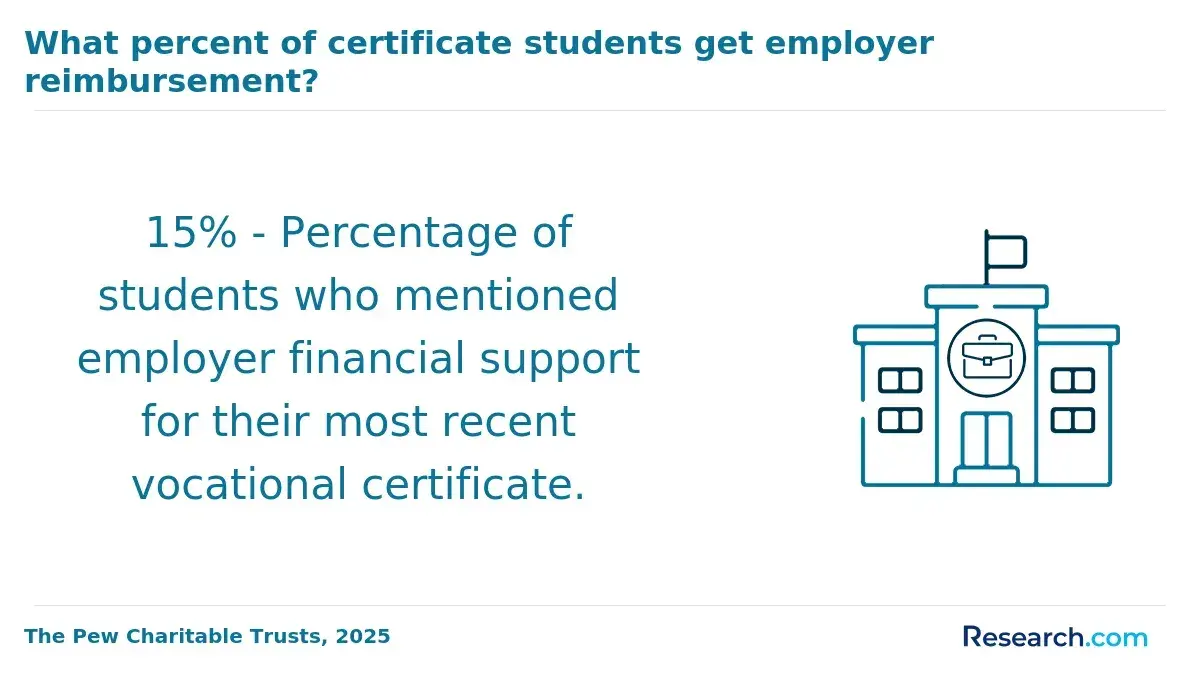
- Financial Aid and Employer Support Eligibility: Aid availability can vary depending on specialization alignment with institutional priorities or workforce needs. Some employers offer tuition reimbursement up to specific limits, which may cover entire programs in popular specializations but fall short for those with longer completion times or unconventional pathways.
- Certification and Licensing Preparation: Specializations oriented toward credentials or licensure in fields like health policy or regulatory affairs often require extra fees for exam prep or renewal that are not part of tuition. Factoring these ongoing costs is essential for accurate financial planning and career mobility.
- Opportunity Costs and Time-to-Value: The duration required to complete specializations differs, impacting loss of income or delayed career progression. Programs with complex sequencing or prerequisite courses may increase time-to-degree, which reduces net ROI despite similar sticker prices.
- Labor Market Realities Versus Salary Signals: While short-term salary data guide many decisions, they can overvalue emerging or niche specializations without established wage trajectories. Thorough cost comparison includes evaluating long-term employer demand and growth prospects, not just immediate compensation.
Students exploring cost comparison for public policy master's specializations should integrate these nuanced financial and career factors with broader analyses of financial aid options and ROI for public policy degrees. Approaching this decision without oversimplification is critical to balancing educational investment against practical workforce outcomes.
For a broader example of cost considerations in related fields, consulting resources on online bachelors in animal science can offer perspective on domain-specific tuition and fees.
What Do Graduates Say About Their Public Policy Master's Specializations?
- Westin: "Completing a master's specialization in public policy analysis really sharpened my ability to dissect complex data for real-world applications. However, I quickly realized that employers in government tend to prioritize hands-on internships or demonstrated project experience over just academic credentials. Navigating that landscape meant leveraging every consulting project and networking opportunity I could to build a portfolio that showcased practical impact."
- Peter: "After finishing my specialized public policy degree, I was eager to jump into the workforce, but I found salary growth somewhat limited unless you pursue licensure or move into management roles. The flexibility the program offered allowed me to consult remotely across sectors while earning, but it also meant competing against professionals with diverse backgrounds and additional certifications. That pushed me to constantly upskill and adapt to shifting hiring expectations."
- Andrew: "Looking back on my public policy specialization, what stood out most was the need to prepare for career pivots; many roles required different skill sets or sector knowledge than I initially anticipated. While the degree opened doors, it was the internships and contracts I secured during the program that made the real difference. The practical exposure often outweighed academic achievement when agencies evaluated candidates."
Other Things You Should Know About Public Policy Degrees
When selecting a public policy master's specialization in 2027, consider emerging policy issues, their impact on global challenges, faculty expertise, and job market demand. Economic policy, environmental policy, and digital governance are some of the key areas expected to remain in demand.
Deeper specialization tends to yield strong niche expertise but may limit adaptability if career goals shift or industries evolve. Conversely, broader specializations offer more versatility across policy areas but might not provide the technical mastery employers seek for specialized roles. Students should weigh the value of becoming a recognized expert in a narrower field against maintaining flexibility to pivot across sectors. When unsure, leaning toward specializations with transferable skills can avoid future career bottlenecks.
Certain public policy specializations require more quantitative, technical work such as econometrics or data analysis, increasing program workload and intensiveness. These may enhance employment chances in data-driven roles but demand stronger quantitative aptitude and time investment. Others focus more on qualitative analysis, policy writing, or stakeholder engagement, offering a different skill set with potentially lighter math demands but requiring strong communication skills. Understanding these differences helps students choose programs aligned with their stamina, learning style, and career aspirations.
While a broad institutional reputation can indicate overall program quality, specialization relevance to specific employer networks often matters more for career entry. Employers frequently recruit from programs known for training experts in their field, so a specialization embedded within an active professional community provides better access to internships, mentorships, and job leads. Prioritize specializations and programs with demonstrated industry partnerships and alumni connections in your target sector to maximize practical career benefits.
References
- Online MPA Programs with a Specialization in Public Policy https://www.onlinempaprograms.com/specializations/public-policy
- Master's in Public Policy MPP - The Red Pen https://theredpen.in/masters-in-public-policy-mpp/
- Career in Public Policy in India: Jobs & Career Opportunities https://jgu.edu.in/blog/2023/12/30/career-in-public-policy/
- Public colleges offer highest chance of positive ROI to students, report finds https://www.highereddive.com/news/public-colleges-offer-highest-chance-of-positive-roi-to-students-report-fi/618531/
- How Does Increasing Financial Aid Promote Student Economic Success? https://www.ihep.org/press/how-does-increasing-financial-aid-promote-student-economic-success/
- Master in Public Policy https://www.sciencespo.fr/ecole-affaires-publiques/en/academics/masters/master-public-policy/
- What are the best graduate degrees for policy work? - Emerging Technology Policy Careers https://emergingtechpolicy.org/pathways/graduate-school/2-comparing-options/
- Financial aid for students without financial need: What does it mean for public policy? | Brookings https://www.brookings.edu/articles/financial-aid-for-students-without-financial-need-what-does-it-mean-for-public-policy/