2027 Public Policy Master's Programs With Bridge or Foundation Courses

Co-Founder and Chief Data Scientist
Bridging the gap between unrelated undergraduate degrees and a specialized master's in public policy often presents hurdles in admission and curriculum design. Programs offering bridge or foundation courses aim to streamline this transition, yet their structures vary widely in prerequisite requirements and credit loads.
More than 40% of graduate students in social science fields now enroll part-time or while working, according to the National Center for Education Statistics, highlighting demand for flexible, integrated pathways. Understanding admission types, associated costs, financial aid options, and eventual career outcomes is essential for prospective students balancing urgency, accessibility, and professional advancement within public policy master's degrees.
Key Things to Know About Public Policy Master's Programs With Bridge or Foundation Courses
- Bridge courses extend program duration and increase tuition, so candidates must balance upfront time and cost against accelerated career entry without separate post-baccalaureate steps.
- Conditional admission based on foundation coursework may delay full credential recognition, affecting employer perceptions and limiting eligibility for competitive Public Policy roles early in career transitions.
- With adult learners comprising 45% of graduate enrollments, integrated foundation courses accommodate working students' schedules, enhancing access but requiring disciplined time management for successful completion.
What Are Public Policy Master's Programs With Bridge or Foundation Courses, and Who Are They Designed For?
Public policy master's programs with bridge or foundation courses break from traditional graduate admissions by integrating prerequisite training directly into the curriculum, rather than requiring prospective students to have completed foundational coursework beforehand. This distinction addresses a significant challenge for individuals seeking to enter public policy who come from non-aligned undergraduate majors or are career changers without relevant academic preparation.
For instance, a business professional aiming to transition into policy research often cannot afford the time or cost of pursuing a separate post-baccalaureate credential; these integrated programs eliminate that barrier by embedding essential foundation material within the master's timeline. However, this convenience typically comes with a tradeoff-extending the program length by one or two semesters to accommodate the extra coursework.
- Purpose: To provide a direct, streamlined route into public policy graduate study for applicants without prior exposure to core public policy concepts, quantitative methods, or institutional frameworks.
- Target Students: Career changers moving from fields like business, social sciences, or humanities; recent graduates whose majors are adjacent but not aligned with standard prerequisites; and working professionals seeking flexible, integrated study options.
- Problem Solved: Removes barriers caused by rigid prerequisite requirements and the need to fund and complete multiple separate programs, allowing a more inclusive admissions process and faster entry into the field.
- Program Structure: Foundation or bridge courses are often taken during the first semester or year, either sequentially before core master's courses or concurrently with a reduced core load. This can extend total program length modestly but ensures mastery of essential knowledge.
- Duration Impact: Programs may lengthen by a semester or two compared to traditional pathways, depending on the number and intensity of foundation courses included.
- Institutional Offering: Increasingly adopted by accredited public universities and online schools aiming to widen access, these programs offer flexibility that suits diverse learner profiles.
- Benefit to Students: Ideal for those needing comprehensive preparatory ground without detours, enabling smoother academic progression and alignment with employer expectations in public policy roles.
This structural innovation is increasingly relevant in a labor market that values both policy expertise and practical adaptability. As more employers seek candidates who demonstrate not only analytic rigor but also contextual understanding of institutional frameworks, the bridge approach equips non-traditional entrants more effectively than piecemeal credential stacking.
For career changers and recent graduates, evaluating programs that incorporate bridge courses alongside core master's content can substantially influence both immediate employability and long-term professional development. Given these considerations, the growing availability of such programs, including many online options, aligns closely with the needs of students who must balance ongoing career commitments while acquiring a credible public policy credential.
For those navigating this complex decision-making process, a reliable data point involves comparing total cost and financial aid eligibility, as integrated foundation courses might alter both metrics relative to traditional programs. Prospective students seeking pathways that avoid extended post-baccalaureate certificate sequences should consider this model carefully, especially when paired with evidence on labor market outcomes for graduates who entered via bridge curricula.
An actionable comparison of programs-factoring in admission flexibility, prerequisite credit loads, and credential recognition-empowers non-traditional applicants to identify efficient pathways that minimize disruption while maximizing alignment with employer expectations in the policy domain. Detailed examinations of relevant programs and how they fit into broader trends on quick degrees that pay well can support these crucial choices.
Which Accredited U.S. Universities Offer Public Policy Master's Programs With Built-In Bridge or Foundation Courses?
Choosing a public policy master's program with built-in bridge or foundation courses fundamentally shapes how effectively career changers or nontraditional applicants transition into policy roles. Programs that embed foundational coursework within the graduate degree can prevent costly detours or extended time to credential completion, which often hinder working professionals balancing existing careers and educational advancement.
- Public Research Universities: Large institutions such as the University of California, Irvine, often incorporate structured bridge semesters or distribute foundation courses across the first year. These programs serve diverse, geographically broad cohorts and typically offer financial aid options tied to full graduate admission status, though admission competitiveness and costs vary significantly.
- Private Nonprofit Universities: American University exemplifies practice-focused master's degrees embedding bridge content directly into the curriculum rather than as separate prerequisites. These smaller, more personalized programs cater mainly to mid-career professionals or recent graduates with adjacent academic backgrounds, but carry higher tuition with a strong emphasis on scholarships. NASPAA accreditation often validates the professional standard of these programs.
- Online-Focused Institutions: Schools like the University of Southern California provide explicitly integrated foundational courses in their online Master of Public Administration pathways. These offerings maximize scheduling flexibility for working adults but require careful verification of current curriculum structures as online program content evolves frequently with enrollment demands.
Geographically, the West and East Coasts dominate options for programs with built-in bridge elements, reflecting regional investment in policy education and workforce development. Conversely, smaller teaching-focused colleges occasionally experiment with foundation routes but generally lack the scalability and comprehensive resources characteristic of larger research universities or established nonprofits.
Prospective students should depend on institution websites, regional accreditation listings, and trusted federal databases such as the integrated Postsecondary Education Data System (IPEDS) to confirm the presence and format of bridge courses. Third-party aggregators often lack up-to-date or precise program information, risking misinformed application decisions.
Direct contact with admissions offices is crucial, as conditional admission policies, prerequisite course loads, and financial aid eligibility related to these bridge pathways can fluctuate between academic catalogs, influencing both cost and time to degree.
What Specific Bridge or Foundation Courses Are Commonly Required Before Full Admission to a Public Policy Master's Program?
Bridge or foundation courses before full admission to a public policy master's program often represent a critical practical hurdle, especially for applicants without an undergraduate degree directly aligned to this field. Employers increasingly expect graduate candidates to demonstrate competency in both quantitative analysis and foundational policy concepts, so these leveling courses ensure students meet minimum workforce readiness standards.
For example, a professional transitioning from a humanities background may face a heavier prerequisite load, delaying degree completion and increasing financial costs compared to peers with adjacent social science majors. Key factors affecting the scope and nature of required foundation coursework include the institution's accreditation mandates, the rigor of its graduate curriculum, and how closely an applicant's prior academic record aligns with public policy core competencies.
Admissions teams typically assess undergraduate transcripts thoroughly and may use placement exams or standardized checklists to identify specific gaps. Prospective students are advised to query admissions offices about how foundation course needs are determined and whether these courses count toward degree credits or extend time-to-degree.
- Discipline-Specific Leveling: Core prerequisites often include introductory economics, statistics, research design, and policy analysis, forming the essential framework for understanding complex policy issues.
- Graduate Readiness: Some programs require additional courses focused on academic writing, quantitative reasoning, or ethics to prepare students for the intellectual demands and professional standards expected at the graduate level.
- Variation by Institution: The number and content of bridge courses differ widely; some programs might demand only a handful, whereas others impose extensive foundational coursework, impacting both financial investment and enrollment duration.
- Applicant's Academic Background: Those lacking social science credentials often encounter more extensive course requirements, reflecting the need to bridge substantial knowledge gaps prior to graduate study.
- Admission Assessment: Determinations are usually made via transcript audits, placement tests, or standardized admission criteria tied to the bachelor's degree field, sometimes resulting in provisional admission status contingent on completing prerequisites.
- Advisory Practices: Candidates should seek clarity on course delivery formats, credit policies, and flexibility to manage workload alongside professional responsibilities effectively.
Given these variables, the total cost and time-to-degree can vary markedly for students navigating public policy bridge courses for master's admission. Scholars should carefully examine programs' foundation coursework structures to balance academic preparation with career progression demands and financial considerations.
For those weighing alternative pathways, comparing bridge course intensities alongside overall tuition and support options, akin to reviewing criminal justice degree cost considerations, informs smarter enrollment decisions.
How Do Bridge or Foundation Courses in Public Policy Master's Programs Differ From a Traditional Post-Baccalaureate or Second Bachelor's Degree?
The fundamental distinction between master's programs with integrated bridge or foundation courses and traditional post-baccalaureate or second bachelor's pathways lies in how prerequisites are managed and how this impacts time, cost, and professional recognition. For individuals transitioning into public policy from unrelated fields or with incomplete prerequisites, integrated bridge courses offer a streamlined route by embedding foundational study directly into the graduate curriculum.
This reduces total credential time and often preserves eligibility for full graduate financial aid, which is rarely the case for separate post-baccalaureate or second undergraduate credentials.
- Program Structure: Master's with bridge courses combines foundational and graduate content concurrently, allowing conditional admission and progressive matriculation, unlike post-baccalaureate or second bachelor's routes that require completing prerequisites prior to full graduate acceptance.
- Total Time to Credential: Integrated pathways typically condense completion into two to three years, whereas post-baccalaureate certificates add an upfront segment before the master's, and second bachelor's degrees usually extend overall time substantially.
- Cost and Financial Aid: Financial support often favors fully graduate-level programs, making bridge-integrated degrees more cost-effective over time. In contrast, second bachelor's credentials often have limited aid and higher cumulative tuition.
- Credential Recognition: Employers and licensing bodies generally value a single, comprehensive master's degree more than segmented certificates or multiple degrees, influencing employability and professional standing.
- Flexibility: Bridge programs frequently offer part-time or online tracks suited for working adults, whereas separate prerequisites demand discrete enrollment blocks that may interrupt employment.
- Competitive Admissions: Some highly selective public policy programs prefer applicants who have completed post-baccalaureate certificates, viewing them as stronger preparation than conditional bridge coursework.
- Strategic Planning: Prospective students must calculate total credit hours, timeline, costs, and aid at each phase to align the path with career goals and financial realities.
One graduate recalled hesitating between pathways during rolling admissions, noting that applying to a bridge-integrated program provided conditional entry that allowed immediate foundational coursework without delaying career reentry. However, uncertainty about completing prerequisites promptly created anxiety until final matriculation was confirmed.
The alternative route-completing a post-baccalaureate certificate first-would have guaranteed full admission but added months of delay and out-of-pocket expenses. His experience underscores the importance of weighing timing flexibility against upfront credential strength when choosing between integrated and sequential pathways.
What Are the Admission Requirements for Public Policy Master's Programs That Include a Bridge or Foundation Component?
Programs offering master's degrees in public policy with bridge or foundation components intentionally relax admission criteria to accommodate applicants lacking formal prerequisites. This flexible approach primarily targets career changers, recent grads from related fields, and working professionals needing a seamless route without pausing their careers.
However, this latitude introduces a more diverse cohort and demands accelerated academic effort during the bridge phase to compensate for prior knowledge gaps.
- Undergraduate GPA Thresholds: Typically, there is a baseline GPA expectation around 3.0, but bridge programs often interpret this requirement more leniently, emphasizing applicant potential alongside academic history.
- Required Documents: Standard submissions include transcripts, recommendation letters, resumes, and statements of purpose; programs may weigh professional experience heavily to offset weaker academic backgrounds.
- Standardized Test Policies: GRE requirements are frequently waived or substituted with alternative evaluations, reflecting a trend toward holistic admissions.
- Professional Experience: Demonstrable work in policy-related or analytical roles can substantively strengthen applications and sometimes substitute prerequisite coursework.
- Comparison to Standard Programs: Unlike traditional public policy programs that mandate finished prerequisites before admission, bridge-inclusive pathways integrate foundational study upfront, enabling entry but imposing intensive coursework early on.
- Conditional Admission: Students may begin bridge courses under provisional status, requiring successful performance to advance fully; this model can restrict financial aid options and complicate credit portability.
- Direct Admission to Combined Pathway: Some programs admit candidates directly into both bridge and core phases simultaneously, offering clearer academic standing and typically more favorable funding and transfer conditions.
This structure addresses the realities faced by non-traditional applicants but necessitates strong academic discipline and relevant preparation to navigate the demanding bridge curriculum and ensure progression into the master's core. Understanding these tradeoffs is vital to aligning expectations and optimizing outcomes in public policy graduate education.
What Is the Minimum GPA Requirement for Public Policy Master's Programs With Bridge or Foundation Courses, and How Does Prior Academic Background Affect Eligibility?
Admissions to public policy master's programs with bridge or foundation courses often reflect a deliberate balance between accessibility and academic readiness. These programs typically require a minimum undergraduate GPA ranging from 2.7 to 3.0, a threshold modestly lower than that for traditional public policy master's programs.
This reduced GPA requirement acknowledges the bridge phase's role in elevating foundational knowledge and accommodates applicants whose prior academic performance does not fully align with conventional graduate standards. Applicants with undergraduate degrees outside public policy or related social sciences face a complex tradeoff: while they may benefit from more flexible GPA standards, they are also likely to encounter additional bridge coursework to compensate for gaps in prerequisite knowledge.
For example, a candidate transitioning from an engineering background might be conditionally admitted with a 2.8 GPA but required to complete substantial foundational coursework during their graduate studies. Conversely, candidates who majored in economics or political science usually see fewer admission barriers, often qualifying with closer to a 3.0 GPA due to their aligned training.
- Minimum GPA: Most bridge-inclusive programs call for at least a 2.7 undergraduate GPA, reflecting a purposeful concession to accommodate academic diversity while maintaining graduate-level rigor.
- Prior Academic Background: Alignment with public policy or adjacent fields reduces prerequisite demands; non-aligned degrees typically trigger more extensive foundation courses or conditional admission plans.
- GPA vs. Holistic Review: Many programs weigh related professional experience, motivation, and recommendation letters alongside GPA, allowing applicants with lower GPAs to demonstrate readiness through other credentials.
- Conditional Admission Options: Those near or below minimum GPA requirements often gain provisional admission, contingent on success in designated bridge coursework or evaluations.
- Post-Baccalaureate Coursework: Completing relevant courses prior to applying can meaningfully bolster candidacy, especially for career changers lacking direct public policy academic preparation.
For career changers and professionals balancing work with graduate studies, programs that integrate bridge courses within the public policy master's degree provide a strategic pathway without necessitating a separate post-baccalaureate program. Such integrated models are crucial for applicants who cannot pause their careers and yet require foundational knowledge.
When evaluating options, candidates should consider the tradeoffs between program selectivity, required coursework load, and overall time-to-degree completion. A practical resource to explore related flexible graduate credentials includes accredited MFT programs online, which often share structural similarities in balancing foundational preparation with advanced credentials and flexible delivery models.
How Many Additional Credit Hours Do Bridge or Foundation Courses Add to a Public Policy Master's Program, and How Does This Affect Total Cost and Time-to-Degree?
Bridge or foundation courses typically add between 9 and 18 credit hours to the total requirements of public policy master's programs, varying based on students' incoming knowledge, accreditation criteria, and whether these courses are integrated within the curriculum or completed separately. Programs admitting students lacking a relevant undergraduate background often require closer to 15-18 credits, while those accepting applicants from related fields may require as few as 6 to 9 bridge credits.
Each additional credit hour increases the total cost according to the program's tuition per credit. For example, with a $700 per-credit rate, 9 bridge credits add $6,300, whereas 18 credits nearly double that increment. Beyond direct tuition, extra credits extend time-to-degree, especially for part-time learners balancing employment, resulting in indirect costs such as lost income, living expenses, and delayed full-time workforce entry. These factors compound financial burdens beyond sticker price.
Prospective students should assess total program cost by combining bridge and core credits rather than comparing per-credit tuition rates in isolation. Confirming whether bridge credits count toward the degree or require separate enrollment is crucial for financial aid eligibility and scheduling decisions. Understanding these tradeoffs helps applicants evaluate realistic timelines and financial commitments.
- Primary Delivery Formats: Online, hybrid, and on-campus options accommodate diverse learner needs.
- Admission Requirements: Conditional admission is common for applicants needing bridge courses; full admission typically follows successful completion.
- Program Structure: Integrated foundation coursework may allow simultaneous progress in core courses versus sequential prerequisite models.
- Financial Implications: Awareness of indirect costs beyond tuition is critical for realistic financial planning.
- Career Outcomes: Programs with embedded bridge coursework aim to ensure readiness for diverse public policy roles, impacting employability and advancement.
A recent graduate recalled navigating a rolling admissions cycle where initial acceptance hinged on completing foundation courses. Uncertain how many credits they would need and whether these would count toward their degree, they hesitated before enrolling. This delay compressed their study timeline and increased costs unexpectedly.
Only after direct communication with advisors did they clarify that 15 bridge credits were required, extending their program by nearly two terms and affecting their planned transition from part-time work to full-time policy roles. This experience underscores the importance of early, clear information on bridge requirements to avoid costly surprises in cost and scheduling.
What Types of Students Are Best Suited for Public Policy Master's Programs With Bridge or Foundation Courses?
Public policy master's programs with bridge or foundation courses target students who must build essential prerequisites while pursuing graduate credentials in policy fields. This path is particularly valuable for candidates with strong undergraduate performance in related but non-direct majors-such as economics, political science, sociology, or environmental studies-who need foundational leveling without redundant coursework.
For example, a recent economics graduate aiming to switch into public policy analysis might leverage bridge courses to address core policy theory gaps while maintaining continuous enrollment, which many employers view as a sign of purposeful progression rather than academic delay.
- Academic Background: Candidates typically have a robust GPA in adjacent disciplines, positioning them to handle graduate study yet requiring structured knowledge bridging to public policy fundamentals.
- Graduate-Level Aptitude: Success in these programs demands demonstrated analytical skills, research capability, and academic rigor for managing integrated preparatory and graduate content concurrently.
- Professional Motivation: Clear, targeted career objectives in public policy sharpen focus during the extended curriculum timeframe, offsetting the increased time and financial investment of bridge components.
- Financial and Scheduling Flexibility: Added tuition and program length necessitate that students have sufficient resources and work-life balance to absorb these demands without jeopardizing stability.
- Less Advantageous Fit: Students with prior substantive public policy coursework or degrees might face inefficient overlap, while those targeting elite, highly selective programs lacking bridge options may find other entry routes more effective.
Because bridge-integrated programs extend the learning timeline and increase costs, an honest self-assessment of academic preparedness, career timeline, financial runway, and long-term goals is critical before committing. Many working professionals without the option to pause their careers prefer such flexible single-degree pathways, contrasting with separate post-baccalaureate programs that add time off employment.
Navigating these choices is particularly crucial for non-traditional applicants identifying suitable public policy master's programs for non-traditional students. This integrative approach also parallels a broader trend in higher education, accommodating career changers through best public policy bridge courses for career changers, reflecting evolving workforce expectations.
For those balancing continuing work commitments, programs incorporating bridge courses offer a practical solution to credential attainment without full career interruption, aligning with data signaling rising demand for work from home degrees that pay good money, especially in policy-related sectors increasingly open to remote professional roles.
Are Bridge or Foundation Courses in Public Policy Master's Programs Offered Fully Online, On-Campus, or in a Hybrid Format?
Bridge or foundation courses in public policy master's programs present significant variability in delivery mode, with real implications for accessibility, cost, and preparation quality. For professionals balancing work or distant living situations, the choice between fully online public policy bridge courses, hybrid public policy foundation programs, or traditional on-campus formats can decisively affect enrollment feasibility and career trajectory.
Misalignment between bridge and core program formats risks imposing unexpected residency commitments or logistical challenges. This demands precise upfront clarity from candidates about the format across all program stages to avoid disruptions.
- Fully Online Asynchronous: These courses maximize scheduling flexibility and geographic reach by allowing self-paced study but may require heightened discipline and can limit interactive learning elements tied to networking or mentorship that are critical in public policy skill-building.
- Live-Online Synchronous: Scheduled sessions enable real-time interaction and peer collaboration closer to on-campus dynamics; yet, this can constrain students with unpredictable job demands who cannot commit to fixed times consistently.
- Hybrid Format: Combining remote study with occasional on-campus requirements enhances experiential learning opportunities, though it may introduce travel costs or residency demands that offset savings from the online portions.
- On-Campus Required: Direct access to hands-on labs or practicum settings may enrich practical skills essential for policy work; however, this format raises barriers for nonlocal or working students while increasing overall program costs.
The delivery format substantially influences the depth of foundational instruction, where fully online bridge courses sometimes struggle to replicate immersive, applied learning critical to public policy training. Prospects should question whether online formats adequately prepare them for the master's core rigor, especially if practicum experiences are integral.
Additionally, confirming format consistency between the bridge and core phases helps prevent unexpected scheduling or location shifts. Ultimately, those exploring admission routes without an undergraduate public policy background must weigh these format tradeoffs alongside broader considerations like prerequisite credits, conditional admission policies, and total cost of attendance.
For working professionals requiring integrated pathways, hybrid public policy foundation programs often balance flexibility and experiential depth better than purely online options. Career changers and recent graduates alike benefit from a granular understanding of format implications to navigate the public policy graduate admissions landscape pragmatically.
For related insights on program costs and flexibility within analogous fields, prospective students might compare considerations evident in an online animal science bachelor degree pathway.
What Is the Average Cost of the Bridge or Foundation Component in Public Policy Master's Programs, and How Does It Affect Total Program Investment?
Bridge or foundation curricula in public policy master's programs represent a financially significant and strategically complex decision point for candidates lacking direct undergraduate preparation. Institutions employ varied pricing models-some charge bridge credits at the same per-credit tuition as the graduate core, others offer discounted rates or flat fees-directly influencing total program expense.
For example, a mid-career professional balancing work commitments may find integrated bridge-master's pathways more convenient but substantially costlier than completing prerequisites separately at a community college or post-baccalaureate certificate, which can range notably in pricing and recognition.
- Pricing Models: Accredited programs price bridge components through per-credit charges equal to, lower than, or as fixed fees apart from core public policy tuition, affecting financial aid and overall budget timing.
- Cost Range: Bridge courses typically cost between $3,000 and $12,000 depending on credit requirements and institution type, influencing cumulative debt levels when combined with $25,000 to $60,000 tuition typical for core public policy master's credits.
- Total Investment: Programs with bridge phases often represent a 10% to 40% premium over standard degrees, reflecting added coursework and institutional convenience but challenging affordability and return on investment considerations for working professionals.
- Hidden Fees: Beyond tuition, mandatory technology access, proctoring, course materials, and clinical or practicum fees can raise bridge phase costs substantially, frequently underdisclosed upfront and impacting net program affordability.
- Cost Transparency: Prospective students should secure comprehensive cost-of-attendance statements covering all phases prior to enrollment, as partial estimates risk underestimating real financial obligations and skewing pathway comparisons.
- Comparative Value: Evaluating an integrated bridge-master's against alternative routes such as a post-baccalaureate certificate plus traditional master's or a second bachelor's plus master's is crucial, weighing time, credit transfer policies, employer credential recognition, and personal circumstances to optimize long-term career and financial outcomes.
What Graduates Say About Public Policy Master's Programs With Bridge or Foundation Courses
- Westin: "I had to balance a full-time job while completing the bridge courses, which meant limited time for networking or internships. Choosing this program was a strategic decision to pivot from finance to public policy without taking a career break. While I landed a mid-level analyst role mostly due to my portfolio and practical project experience, I noticed that advancing further without specialized licensure or certifications remains a challenge in my agency."
- Peter: "Budget constraints made me wary of long, expensive master's programs, so the foundation courses offering a faster workforce entry convinced me to enroll. The flexibility allowed me to complete the coursework remotely while still applying new skills directly to my nonprofit internship. That hands-on experience became the key factor employers valued more than the degree itself when I sought permanent roles focused on urban development."
- Andrew: "After switching careers from education to public policy, I chose a master's program with bridge courses because I lacked the prerequisite background. The initial workload was intense, and I found competing for policy analyst roles difficult since many employers preferred candidates with prior experience or certifications. However, the internship I completed during the program provided a realistic understanding of workplace expectations and helped me secure a role focused on data-driven policy research."
Other Things You Should Know About Public Policy Degrees
Students in the bridge or foundation phase typically face stricter academic performance thresholds than standard graduate courses because these classes are designed to verify foundational knowledge essential for success in advanced public policy topics. Many programs require a minimum grade-often a B or better-in all bridge courses before allowing progression, effectively making this phase a high-stakes evaluation period.
Failure to meet these standards can delay graduation or necessitate repeating courses, which impacts time and financial investment. Prospective students should prioritize programs with transparent, attainable grading policies and consider how rigorous these performance requirements align with their current skills and workload capacity.
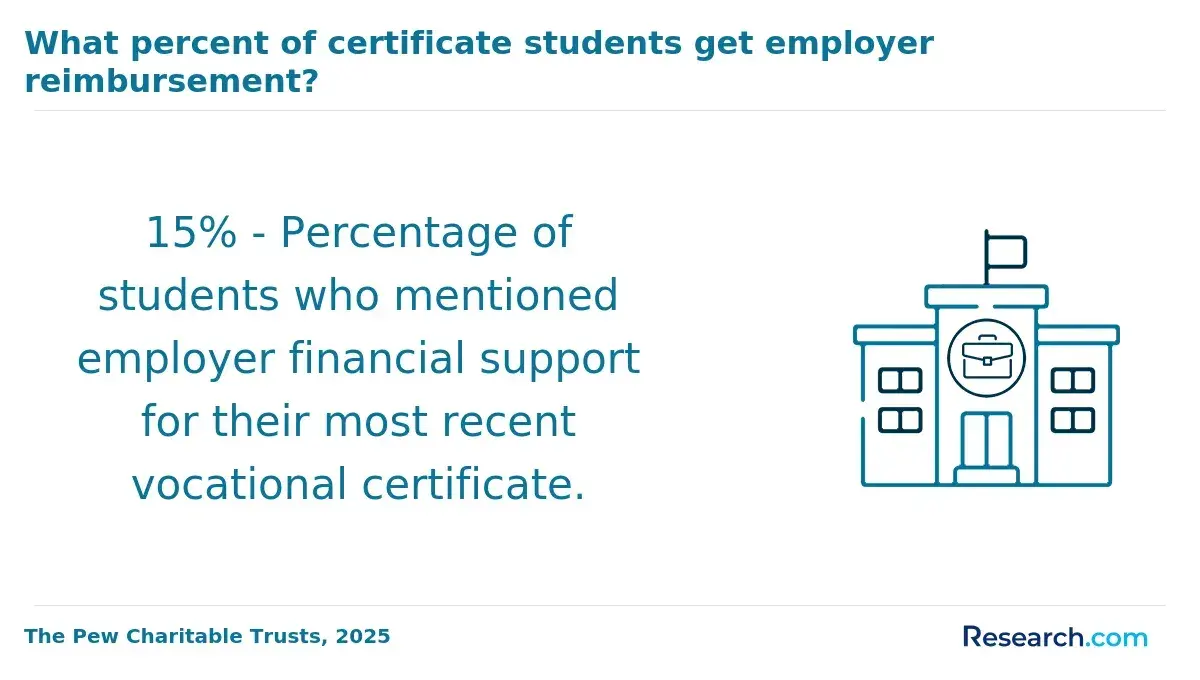
Financial aid eligibility during the bridge or foundation phase varies widely; in some programs, these courses are treated as part of the graduate curriculum, fully qualifying for scholarships and employer tuition reimbursement, while others classify them as prerequisite work, limiting aid options. This ambiguity can increase out-of-pocket costs unexpectedly, making upfront cost analysis crucial.
When considering programs, students should verify whether bridge courses count toward satisfactory academic progress for federal aid and whether employers will cover these foundational classes. Prioritizing programs with integrated funding options for bridge courses reduces financial strain and discourages upfront burden that can delay career entry.
Evaluation should focus on program integration, flexibility, and outcomes rather than solely on inclusion of bridge courses. Candidates must assess whether the bridge phase is a seamless part of the degree or a conditional hurdle that could elongate completion time. Considerations include the total credit load, alignment of bridge courses with personal knowledge gaps, and how well the program supports working professionals with flexible schedules.
Additionally, prioritizing programs with robust career services and demonstrable alumni success strengthens long-term employability. Choosing a program requires balancing foundational needs, financial and time commitments, and evidence of effective workforce preparation.
References
- Master of Public Policy (MPP) https://onlinelaw.pacific.edu/mpp-program/
- Measuring Institutional Costs at California's Public Universities - Public Policy Institute of California https://www.ppic.org/publication/measuring-institutional-costs-at-californias-public-universities/
- Master of Public Policy https://arts-sciences.catholic.edu/academics/interdisciplinary/master-of-public-policy/index.html