
2027 Different Types of Public Policy Degrees and Their Salaries

Co-Founder and Chief Data Scientist
The demand for skilled professionals in public policy continues to rise as governments and organizations seek effective solutions to complex societal challenges. Recent data from the U.S. Bureau of Labor Statistics projects steady growth in occupations related to policy analysis and public administration, reflecting heightened workforce needs and competitive salary potential.
Selecting the right educational path in public policy plays a critical role in positioning graduates for success in this evolving field. This article offers a detailed overview of the various public policy degrees and the expected earnings associated with each, providing clarity for prospective students making informed decisions about their academic and career futures.
Key Points About Different Types of Public Policy Degrees and Their Salaries
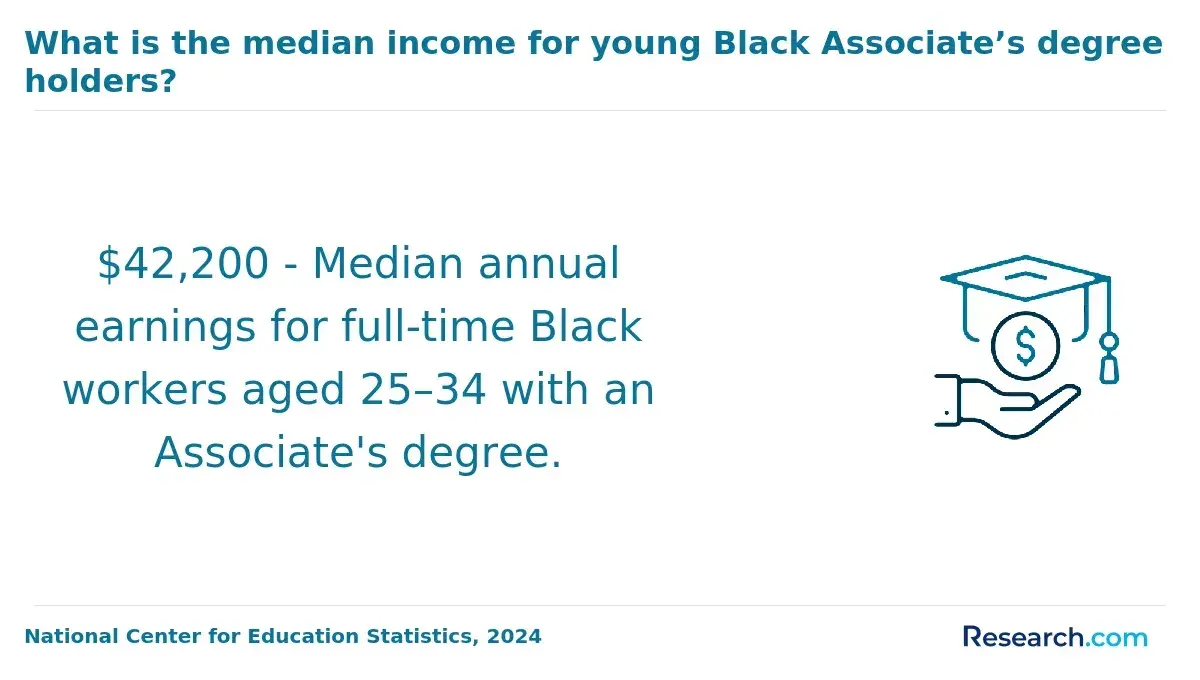
- Associate degrees in public policy often lead to entry-level roles such as policy assistants or research aides, with average starting salaries around $40,000 annually, reflecting limited specialization but valuable foundational skills.
- Bachelor's degrees in public policy significantly enhance career opportunities, enabling graduates to qualify for analyst positions and roles in government or nonprofit sectors, with median salaries typically ranging from $55,000 to $65,000, along with better long-term growth potential.
- Master's degrees, including MPP or MPA programs, open doors to senior policy advisory and management roles, where average salaries often exceed $80,000 per year, supported by increased expertise and leadership responsibilities in both public and private sectors.
What Are the Different Types of Public Policy Degrees Available?
Understanding the different types and levels of public policy degrees is crucial for students before selecting a program, as each type emphasizes unique skills and caters to varying career goals and educational backgrounds. Being informed helps align your studies with your professional aspirations and provides clarity on the analytical or managerial strengths you will develop.
Below is a summary of the main types of public policy degrees and what distinguishes each:
- Bachelor of Arts or Science in Public Policy: This undergraduate degree introduces foundational topics such as policy analysis, economics, political science, and ethics. Coursework typically covers government basics, statistical methods, and the societal impact of policy decisions.
- Master of Public Policy (MPP): Focused on the design, analysis, and evaluation of policy, the MPP curriculum emphasizes quantitative and qualitative research methods, economics, statistics, and political philosophy to prepare students for tackling complex policy problems.
- Master of Public Administration (MPA): This degree highlights management and operations within public sector organizations. Students study public management, budgeting, human resources, and organizational leadership to equip themselves for leadership roles in government or nonprofits.
- Master of Development Practice (MDP): Taking an interdisciplinary approach, the MDP addresses global and local development challenges through social sciences, natural sciences, health sciences, and management coursework, promoting cross-boundary problem solving.
- Doctor of Philosophy (PhD) in Public Policy or Public Affairs: A research-intensive program, the PhD builds expertise in policy analysis and theory. Students engage extensively with research methods, advanced statistics, and scholarly policy frameworks.
The average salary for holders of a master's degree in public policy, such as an MPP, is around $80,000, while professionals with an MPA often earn about $77,000.
Those considering education paths can also explore options like a fast online associates degree to start building relevant skills toward a public policy career.
What Specializations Are Available in Public Policy Degrees?
Choosing a specialization is a key factor when pursuing a public policy degree because it enables students to tailor their education to specific sectors or policy issues. This focused approach helps align academic training with career goals, maximizing both job satisfaction and professional success.
Common public policy degree specializations include:
- Health Policy: Focuses on healthcare delivery, insurance, and public health systems. Students develop skills in policy evaluation, epidemiology, and economics, preparing them for roles such as healthcare analyst, policy advisor, or government health official.
- Environmental Policy: Addresses climate change, sustainability, and resource management. Key areas of study include regulatory frameworks and environmental science, leading to careers as environmental consultants, policy analysts, or NGO workers.
- Education Policy: Concentrates on K-12 and higher education reform, funding, and equity. Graduates gain expertise in quantitative analysis and program evaluation, working in school districts, nonprofits, or government agencies.
- Economic Policy: Explores fiscal, monetary, and regulatory policies impacting economic growth. Students build strong analytical and statistical skills, readying for positions as economic analysts, policy consultants, or researchers in think tanks or government. Those interested in this specialization might also consider looking into online easiest phd degree programs to advance further.
- International Relations and National Security Policy: Covers diplomacy, global security, and international development. Coursework includes conflict resolution and global governance, with common careers in government, international organizations, or security analysis.
- Social Policy and Inequality: Focuses on poverty, welfare, housing, and social justice policies. Emphasizing program evaluation and advocacy, graduates often become social policy analysts, nonprofit managers, or local government officials.
How Long Does It Take to Complete Each Type of Public Policy Degree?
Understanding the duration of public policy degree programs is crucial for students as it helps them plan their education and career timelines effectively. Knowing how long each type of degree takes can influence decisions about enrollment, financial commitments, and work-life balance.
Here is an overview of the main public policy degree types and their typical completion times:
- Associate Degree in Public Policy: Typically takes about two years of full-time study to complete. Students attending part-time may extend this timeline, while prior credits from high school or other colleges can shorten it. Some community colleges offer accelerated or online options to accommodate different schedules.
- Bachelor's Degree in Public Policy: Usually requires four years to finish when attending full-time. Transfer credits from an associate degree or AP courses might reduce this period. Many universities provide online coursework or evening classes for students balancing work commitments.
- Master's in Public Policy: Commonly takes two years of full-time study, but some programs offer accelerated one-year tracks. Part-time options are available, which can extend the duration to three or more years. Online master's programs are increasingly popular, offering more flexible pacing.
- Doctorate in Public Policy (PhD): Completion time varies widely, often ranging from four to seven years. Factors include the student's research progress, program structure, and whether they study full or part-time. Some institutions provide hybrid and online elements for coursework, but the dissertation phase typically requires in-person research and advising.
Are There Accelerated Public Policy Degree Programs?
Yes, accelerated public policy degree programs do exist and are offered by several U.S. universities to help students complete their education in a reduced timeframe compared to traditional programs. These options commonly shorten completion time by condensing coursework and enabling year-round study that often includes summer sessions.
Students might take multiple courses each term or engage in fast-track or "+1" programs, where they begin graduate-level work during their undergraduate years to earn both bachelor's and master's degrees in as little as five years. Some programs also allow transfer credits or dual-use courses, where graduate credits count toward undergraduate requirements, further accelerating progress.
For instance, students pursuing accelerated options at institutions like Northwestern University and NYU experience a one-year master's completion path with focused curricula combining policy and administration elements both on-campus and online.
Despite these advantages, accelerated programs come with key considerations such as a notably intense workload that demands strong time-management skills and full-time commitment.
Admission into these programs often depends on meeting eligibility requirements, including minimum GPA thresholds, relevant coursework, and sometimes prior professional experience or internships. Given the pace and rigor, prospective students must weigh these challenges carefully alongside their career goals and personal circumstances.
While exact salary data for accelerated program graduates is limited, public policy professionals with master's degrees generally report median earnings from $60,000 to over $100,000 annually, reflecting diverse employment sectors like government, nonprofit, and private organizations.
When I spoke with a graduate of an accelerated public policy degree program, he shared how the intensity of the curriculum initially felt overwhelming but ultimately rewarding. He described juggling a full course load that included both on-campus classes and online assignments while maintaining an internship, emphasizing that time management became his greatest tool.
"There were weeks when I barely had time to breathe," he admitted, "but knowing this path was designed to get me into the field faster kept me motivated." He also noted the emotional challenge of keeping pace with peers while ensuring he absorbed complex policy analysis and administrative skills.
Reflecting on his experience, he said, "The accelerated format forced me to focus intensely, but it prepared me for the fast-moving world of public policy work. Looking back, the sacrifices were worth it for how quickly I could start my career."
This personal insight highlights how accelerated public policy degrees can offer a viable path for students ready to embrace an expedited yet demanding academic journey.
Are Online Public Policy Degrees as Credible as Traditional Ones?
Online public policy degree programs and traditional on-campus programs both strive to maintain rigorous academic standards, with accreditation serving as the primary benchmark. This ensures that curricula, faculty qualifications, and student assessments meet recognized industry and educational criteria.
Many reputable universities now offer online public policy degrees that uphold the same accreditation and faculty oversight as their on-campus equivalents. However, some concerns remain regarding academic authenticity in online formats, especially when programs rely heavily on auto-graded assignments and lack thorough exam proctoring.
Despite these challenges, multiple meta-analyses from the U.S. Department of Education have demonstrated that student outcomes in online learning are generally comparable to, or slightly better than, those in traditional face-to-face settings.
Employer acceptance of online degrees has improved significantly in recent years, driven by the normalization of remote learning and the expansion of online offerings by respected universities.
Today, most employers place greater importance on whether a degree originates from a recognized, regionally accredited institution rather than the mode of delivery. Surveys indicate that employers tend to respect online degrees more when they come from nonprofit, accredited schools with strong reputations.
Ultimately, the credibility of a public policy degree often depends more on the reputation and accreditation of the institution than whether the degree was earned online or in person. Prospective students should prioritize enrolling in well-established, accredited universities to enhance their career and salary prospects, regardless of the learning format.
How Much Does Each Type of Public Policy Degree Typically Cost?
Understanding the differences in tuition costs across various public policy degree levels is essential for effective budgeting and long-term financial planning. Since tuition varies significantly by degree type, institution, and delivery format, prospective students need clear insights to make informed decisions.
Below is an overview of typical tuition ranges for each type of public policy degree:
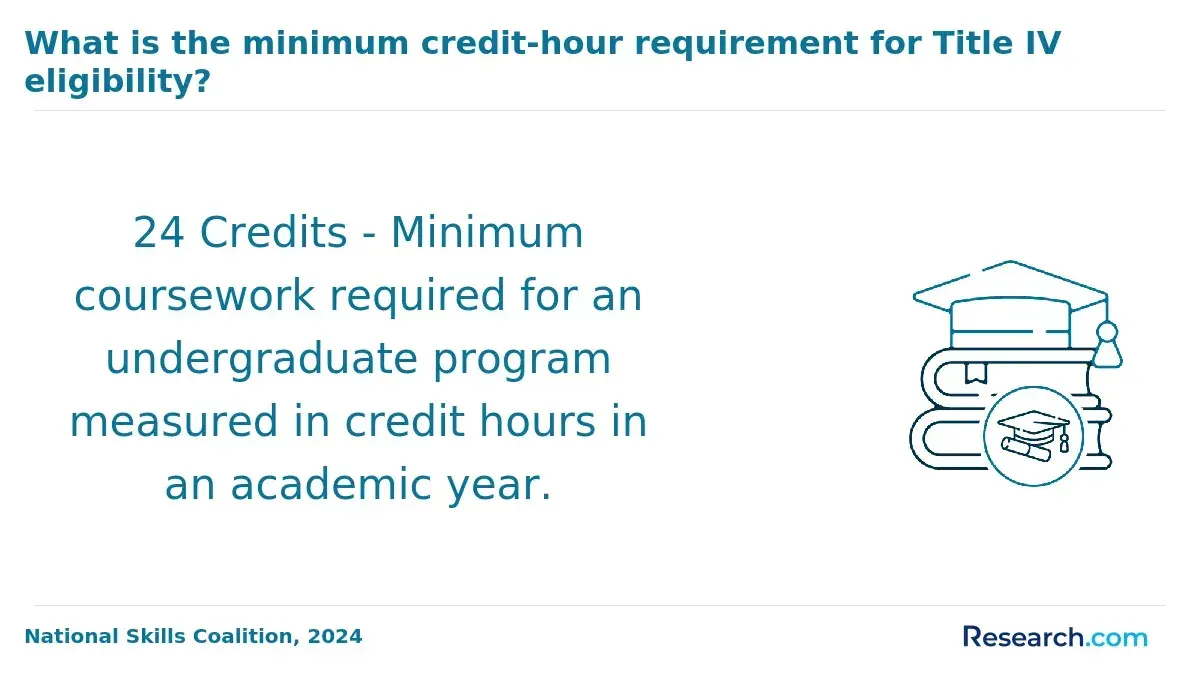
- Associate Degree in Public Policy: These programs are uncommon but generally offered at community colleges with tuition ranging from $3,000 to $8,000 per year for in-district students, and up to $15,000 annually for out-of-state attendees. Costs tend to be lower than four-year degrees, and students often qualify for federal financial aid or state grants.
- Bachelor's Degree in Public Policy: Tuition at public universities usually falls between $8,000 and $21,000 per year for in-state students, while out-of-state students might pay $22,000 to $45,000 annually. Private colleges may charge over $50,000 per year. Financial assistance includes federal grants, scholarships, and work-study programs.
- Master's in Public Policy (MPP or MPA): Public institutions average about $12,394 annually, with total two-year costs ranging between $25,000 and $55,000. Private universities frequently charge $28,000 to $68,000 per year, and some elite programs can exceed $70,000 for the entire degree. Online options may reduce costs and increase flexibility. Merit-based scholarships and assistantships are common aids, alongside federal loans.
- Doctoral Degrees in Public Policy: Public universities typically charge between $15,000 and $35,000 per year, with private institutions charging up to $50,000 or more annually. Many doctoral candidates benefit from tuition waivers, stipends, or fellowships in exchange for research or teaching, making these programs more affordable out of pocket.
- Graduate Certificates in Public Policy: These certificate programs usually cost $8,000 to $15,000 total, depending on credit requirements. Financial aid is more limited, but options like payment plans and private loans may be available.
In speaking with a graduate of a public policy degree program, she reflected on managing the cost of her master's education. She mentioned that balancing scholarships with a graduate assistantship was crucial in alleviating financial strain.
"It wasn't just about the tuition numbers, but how I could supplement income while gaining relevant experience," she said. This hands-on involvement also enhanced her career prospects, allowing her to secure a rewarding position shortly after graduating.
Her journey underscored that, beyond tuition sticker prices, strategic financial planning and leveraging available resources can make pursuing a public policy degree both feasible and worthwhile.
What Jobs Can You Get with Each Type of Public Policy Degree?
The level of a public policy degree plays a crucial role in shaping career opportunities by determining the types of roles graduates are qualified to pursue and the scope of their responsibilities.
As students progress from associate degrees to doctoral programs, they develop increasingly advanced skills that open doors to higher-level and specialized positions.
Below is an overview of common jobs associated with each public policy degree level.
- Associate Degree in Public Policy: Graduates typically enter entry-level roles such as administrative assistant, community outreach coordinator, or research support staff. These positions are often found in local government, nonprofits, or advocacy organizations, where individuals support policy programs, coordinate public events, and assist with basic research tasks under supervision.
- Bachelor's Degree in Public Policy: This degree prepares students for mid-level positions including legislative aide, advocacy manager, community liaison, and policy researcher. Graduates often work within government agencies, private businesses, and nonprofits, contributing to policy analysis, supporting legislative processes, and engaging various stakeholders. Median salaries range from $52,000 to $70,000 annually, depending on role and location.
- Master's in Public Policy (MPP): With a master's degree, graduates qualify for advanced roles like policy analyst, public affairs manager, city manager, urban planner, and nonprofit director. These professionals lead research, manage programs, develop strategies, and influence legislation. Salaries typically range between $68,000 and $120,000, with some positions like city managers earning up to $160,000 depending on sector and experience. Students interested in these roles may also explore phd programs that do not require a dissertation for further advancement.
- Doctorate (PhD) in Public Policy: Doctoral graduates mostly pursue careers in academia as university professors or research directors, as well as high-level policy analysis positions within think tanks, international organizations, or government advisory boards. These careers focus on original research, teaching, and influencing national or global policy directions. Salaries for these roles often exceed $120,000, particularly in large research institutions and policy consulting firms.
How Do Salaries Differ by Public Policy Degree Type?
Degree level often influences earning potential significantly for public policy graduates, with higher degrees generally leading to increased salaries and broader career opportunities. Below is an overview of typical salary ranges associated with various public policy degrees:
- Associate Degree in Public Policy: Entry-level roles commonly include administrative support or assistant positions within government and nonprofit sectors. Average starting salaries range from $35,000 to $45,000 annually, but advancement opportunities tend to be limited without further education. Location and the employing sector, such as local versus federal government, also influence pay levels.
- Bachelor's Degree in Public Policy: Jobs like policy analyst, research assistant, and legislative aide usually require a bachelor's degree, with starting salaries from $45,000 to $55,000 per year. Median pay for related roles such as community relations coordinator may range between $46,290 and $59,146. Geographic factors and employer type, particularly metropolitan or federal agencies, can further increase earning potential.
- Master's Degree in Public Policy (MPP/MPA): Holding an MPP or MPA often leads to advanced positions including budget analyst or public affairs director. Graduates typically earn around $19,000 more than those with just a bachelor's degree, with salaries spanning from $57,000 up to $123,000 depending on the sector and role. Top university graduates see median salaries between $65,000 and $80,000, with private sector roles generally offering higher pay.
- Doctorate in Public Policy: Doctoral degree holders frequently work in academia, research, or senior governmental positions. Median salaries for roles like director of government affairs or postsecondary teachers fall between $89,000 and $102,000 annually. High-level leadership or research roles in federal government can surpass $110,000, especially with extensive experience and expertise.
Is There High Demand for Public Policy Degree Holders in the Job Market?
The demand for public policy degree holders in the job market remains steady but varies depending on several factors. Emerging technologies and the increasing reliance on data-driven decision-making have created new opportunities, particularly for those skilled in data analysis, forecasting, and policy evaluation.
Roles such as policy analyst, economic analyst, and market research analyst are growing, with national average salaries of approximately $78,326 and $84,321 for policy analysts and policy managers, respectively. These positions are not limited to government agencies but are increasingly found in healthcare, business, and nonprofit sectors.
However, recent federal workforce changes, including hiring freezes and executive branch reductions, have introduced some uncertainty for graduates targeting federal roles. Consequently, state, local, and non-governmental organizations now represent strong employment avenues for public policy professionals.
For students exploring career options, understanding these shifts is vital, as the availability of certain roles depends on evolving government priorities and private sector demands.
Regional differences also play a significant role in employment opportunities for public policy degree holders. Urban centers and states with expanding populations typically offer more openings due to higher demand for public services and governance.
Graduates may find more robust hiring patterns in these areas compared to regions with stagnating or declining populations. Overall employment growth for political scientists is projected at 3% from 2023 to 2033, with social scientist roles increasing by 6%, reflecting a moderate expansion.
For those considering career paths, it is worth noting that public policy skills can intersect with other fields, including some of the trade schools jobs that pay well. The cross-disciplinary relevance supports a positive outlook for individuals entering the workforce equipped with public policy expertise.
What Factors Should You Consider When Picking a Type of Public Policy Degree?
Choosing the right degree level in public policy is a critical decision that shapes both your educational experience and your career trajectory. Aligning your degree choice with your professional goals and personal situation ensures you maximize immediate opportunities and long-term success.
To help guide this decision, consider the following key factors:
- Career Goals: Different degree levels prepare you for varying roles in the field. A bachelor's degree suits entry-level or policy analysis positions, while master's degrees like the MPP or MPA are often required for mid-level or specialized jobs. A PhD typically leads to advanced research or academic careers, often with significantly higher salary potential.
- Time Commitment: Degree duration varies widely-from about four years for a bachelor's to one or two years for a master's, and three to six years or more for a PhD. Assess your readiness to invest this time, especially if you must balance studies with work or family.
- Specialization and Curriculum: Some programs offer broad training, while others let you specialize in areas such as environmental, health, or international policy. Your choice will influence your coursework and employment options, so consider whether you want a wide skill set or niche expertise.
- Cost and Financial Aid: Tuition costs fluctuate greatly, with graduate programs typically ranging from $10,000 to $50,000 annually, excluding living expenses. Explore scholarships, assistantships, or part-time study to manage financial burden.
- Professional Experience and Entry Requirements: Graduate programs often look for work or internship experience in policy or related fields, though academic performance and leadership are also valued. Determine if additional experience would strengthen your application.
- Mode of Delivery and Location: Most advanced degrees are offered in person, which might require relocation, but some offer part-time or online formats to accommodate working students.
What Public Policy Graduates Say About Their Degree and Salary
- Tim: "Completing my master's in public policy opened doors I hadn't even imagined. The program's rigorous curriculum combined with real-world policy simulations gave me a unique edge in job interviews. Starting my career at a nonprofit focused on urban development, I quickly realized how vital data-driven policy making is to real community impact. The degree not only sharpened my analytical skills but also deepened my passion for equitable growth, allowing me to contribute meaningfully to underserved neighborhoods. It was truly transformative both professionally and personally."
- Sam: "Reflecting on my experience earning a public policy bachelor's degree, I appreciate how it prepared me to address complex social issues with a thoughtful, evidence-based approach. The interdisciplinary coursework built a strong foundation in economics, ethics, and law, which proved invaluable when I transitioned into government service. I found great fulfillment advancing policies that support education access and social equity, knowing my work benefits future generations. This degree gave me the confidence and tools to be an effective advocate and problem solver. "
- Joel: "My public policy doctorate challenged me to think critically about systemic change on a global scale. The research opportunities and close mentorship I received empowered me to publish influential papers and present at international conferences. Professionally, this credential has positioned me for leadership roles and solidified my credibility in academia and consulting. Beyond career gains, the program deepened my commitment to public service and inspired me to mentor young scholars from underrepresented backgrounds. This journey has been demanding but incredibly rewarding. "
Other Things You Should Know About Public Policy Degree Programs & Salaries
In 2027, you can pursue various public policy degrees such as Master's in Public Policy (MPP), Master's in Public Administration (MPA), and Doctorate in Public Policy. Salaries vary: MPP graduates average around $70,000 annually, MPA graduates about $65,000, and Ph.D. holders can earn over $90,000, depending on experience and location.
In 2027, public policy degrees include bachelor's, master's, and PhD levels. Bachelor’s degree holders typically earn $50,000-$60,000 annually. With a master's, salaries increase to $70,000-$90,000. PhD graduates can earn $100,000 and above, depending on experience and position. Salaries vary based on location and sector.
Yes, salaries differ by sector. Public policy professionals working in the private sector or consulting firms generally earn more than those in government or nonprofit roles, with private sector salaries often surpassing $100,000 depending on experience and responsibilities.
References
- How Credible Are Online Degrees? And are they worth it? https://potomac.edu/are-online-degrees-taken-seriously-by-employers/
- Career Opportunities With a Master’s in Public Policy - Top Salaries & Positions https://publicpolicy.pepperdine.edu/blog/posts/career-opportunities-with-a-masters-in-public-policy.htm
- What You Can Do With a Master’s in Public Policy? | SMU M.P.P. https://publicadministrationdegrees.smu.edu/articles/what-can-you-do-with-an-mpp/
- Program Requirements - Public Policy https://publicpolicy.unc.edu/program-requirements/
- Public Policy Accelerated Master’s Platform | College of Liberal Arts https://liberalarts.oregonstate.edu/spp/mpp/public-policy-accelerated-masters-platform
- MPP/MPM Specializations | UMD School of Public Policy https://spp.umd.edu/your-education/masters/mppmpm-specializations
- Online vs Traditional Degrees: Similarities and Differences https://www.aiu.edu/blog/online-vs-traditional-degrees/
- Field of degree: Public policy and social services https://www.bls.gov/ooh/field-of-degree/public-policy-and-social-services/public-policy-and-social-services-field-of-degree.htm
- 12 things to know about studying public policy https://paulcairney.wordpress.com/2015/10/29/12-things-to-know-about-studying-public-policy/
- Master of Public Policy https://www.lse.ac.uk/study-at-lse/graduate/master-of-public-policy


