
2027 Is Environmental Science a Hard Major? What Students Should Know

Co-Founder and Chief Data Scientist
Choosing environmental science means choosing a major that is broad, science-heavy, and tied closely to real-world problems. It is not usually considered as technically intense as engineering, physics, or chemistry, but it can still be demanding because students move across biology, chemistry, geology, statistics, policy, field methods, and data analysis rather than staying in one narrow discipline.
Interest in the field has continued to rise. In the U.S., enrollment in environmental science programs has grown by 15% over the past decade, reflecting stronger student interest in climate, conservation, sustainability, and environmental health careers. That growth also makes it important for prospective students to understand what the major actually requires before enrolling.
This guide explains how hard environmental science is compared with other majors, what makes the coursework challenging, who tends to do well, and how to manage the workload. It also covers admissions competitiveness, online and accelerated formats, part-time work, career paths, and salary expectations so you can decide whether this major fits your strengths and goals.
Key Benefits of Environmental Science as a Major
- Environmental science offers practical skills in data analysis and problem-solving, aiding career changers and workers returning to school in adapting efficiently to coursework demands.
- The major supports traditional undergraduates by providing diverse research opportunities, fostering academic growth through interdisciplinary learning and fieldwork experiences.
- Students gain confidence managing complex scientific concepts, with studies showing over 70% feel prepared for professional challenges post-graduation.
Where Does Environmental Science Rank Among the Hardest College Majors?
Environmental science usually sits in the middle range of college major difficulty. It is generally more science- and data-focused than many social science or humanities programs, but it is often less mathematically and technically intense than chemical engineering, physics, biomedical engineering, or advanced chemistry tracks.
The reason is the major’s structure. Environmental science combines foundational science with applied work. Students may take biology, chemistry, earth science, statistics, environmental policy, lab courses, field methods, and geographic information systems. That breadth can be challenging, but many programs place less emphasis on advanced theoretical math than engineering or physics degrees.
Its difficulty also depends heavily on the school. At top-tier universities like UC Berkeley or Dartmouth, expectations may be much higher because courses are more rigorous, research opportunities are more competitive, and faculty may expect stronger quantitative preparation. At other institutions, the workload may be more manageable, especially if the program is designed around applied environmental studies rather than intensive scientific research.
Compared with biology, environmental science can feel broader and more interdisciplinary. Compared with psychology, it is usually more lab- and data-intensive. Compared with chemistry or engineering, it is typically less technically concentrated. Students who enjoy sustainability topics, outdoor learning, mapping, systems thinking, and applied problem-solving often find the major manageable. Students who dislike lab work, fieldwork, statistics, or switching between disciplines may find it harder than expected.
What Factors Make Environmental Science a Hard Major?
Environmental science becomes difficult because it asks students to build competence across several disciplines at once. A student may need to understand ecosystem dynamics in one course, chemical contamination in another, GIS mapping in a lab, and environmental regulation in a policy class. The challenge is not one single subject; it is the range of skills required.
- Interdisciplinary academic rigor: Environmental science programs often require biology, chemistry, physics, mathematics, statistics, geology, and environmental systems coursework. For example, Northwestern University's major requires at least 12 program-specific course units plus foundational science and math units, showing that the degree is built on a serious science foundation.
- Heavy credit and course sequencing: Some programs require a substantial number of credits and upper-division courses. The University of Oregon's requirement of at least 112 credits, including 60 upper-division credits, illustrates how the major can create a sustained workload across multiple years.
- Lab and field requirements: Unlike majors that rely mostly on lectures and exams, environmental science often includes labs, sampling, mapping, site visits, field reports, and research projects. These activities can take place outside normal class time and may require careful scheduling.
- Quantitative and technical tools: Students may use statistics, geographic information systems, remote sensing tools, spreadsheets, and large environmental datasets. Programs like the University of West Florida enforce a high academic standard, requiring a minimum program GPA of 3.5 in core courses.
- Independent research expectations: Many programs include internships, capstones, research projects, or community-based environmental work. These experiences can be valuable for careers, but they add deadlines, coordination, and professional expectations beyond regular exams.
The most common mistake is assuming the major is easy because it includes outdoor work or sustainability topics. Fieldwork is still academic work: students collect data, document methods, interpret results, and connect observations to scientific concepts. Students who prepare early in math, chemistry, biology, and writing usually adjust more smoothly.
Students who need more scheduling flexibility while completing demanding coursework may want to compare campus-based programs with fast online bachelor degree programs for working adults, especially if they are balancing school with employment or family responsibilities.

Who Is a Good Fit for a Environmental Science Major?
A strong environmental science student does not need to be perfect in every science subject before college. However, the best fit is usually someone who is willing to combine scientific reasoning, field observation, data analysis, writing, and practical problem-solving. The major rewards students who can connect classroom concepts to real environmental conditions.
Students who tend to do well often have the following traits:
- Curious investigators: They want to know how ecosystems work, how human activity affects land and water, and how environmental problems can be measured and addressed. Curiosity helps sustain motivation when coursework becomes technical.
- Analytical thinkers: They are comfortable asking what the evidence shows, comparing data sources, and using scientific methods to evaluate claims. This matters in a field where policy, science, economics, and public opinion often overlap.
- Hands-on learners: They do not mind labs, field sampling, site observations, mapping exercises, or outdoor conditions. Students who learn well by doing often find environmental science more engaging than purely lecture-based majors.
- Clear communicators: Environmental professionals must explain findings to scientists, clients, agencies, community groups, or policymakers. Students who can write concise reports and present evidence clearly have an advantage.
- Adaptable students: The major changes pace often. One week may involve lab work, another may involve policy analysis, and another may involve a group field project. Students who can shift between tasks without losing focus are better prepared.
This major may be a weaker fit for students who want to avoid chemistry, statistics, outdoor work, technical writing, or group-based projects. It may also frustrate students who prefer a single clearly defined discipline, because environmental science frequently asks students to look at problems from several angles.
If the science workload feels too broad, prospective students can compare related paths such as environmental studies, sustainability, geography, public policy, biology, or conservation. Students considering less intensive starting points may also review what is the easiest associate degree to get while deciding how much science coursework they want in their academic plan.
How Can You Make a Environmental Science Major Easier?
You cannot remove the science, lab, and field requirements from an environmental science major, but you can make the degree far more manageable by planning early. The students who struggle most are often not less capable; they are the ones who underestimate how much coordination the major requires.
- Build the science base before upper-division courses: Take biology, chemistry, math, and statistics seriously from the beginning. Advanced environmental courses become easier when foundational concepts are already familiar.
- Use a semester map: List exams, lab reports, field days, project milestones, and registration deadlines in one calendar. Environmental science workloads often become difficult because several types of assignments overlap.
- Break large projects into field, data, and writing stages: Many assignments require collecting information, cleaning or analyzing it, and then writing a report. Treating those as separate tasks prevents last-minute work.
- Learn the tools early: If your program uses GIS, statistics software, spreadsheets, lab instruments, or mapping tools, do not wait until a major project to learn them. Early practice reduces stress later.
- Choose study groups carefully: Good study groups explain concepts, compare notes, and prepare for labs. Poor study groups waste time. Work with classmates who are reliable and prepared.
- Use faculty and advising support: Ask about course sequencing, internship timing, research options, and prerequisites. A well-timed advising conversation can prevent delayed graduation or an overloaded term.
- Protect time around fieldwork: Field labs can be tiring and weather-dependent. Avoid scheduling major work shifts or difficult deadlines immediately after long field days when possible.
When I spoke with a graduate who majored in environmental science, she said the hardest part at first was not one course but “juggling the diverse subject areas all at once.” The workload became easier after she started dividing each semester into smaller goals, which “made the semester feel less like a marathon and more like achievable sprints.”
She also said that joining a focused study group changed how she learned. “Talking through concepts with others helped me see perspectives I would have missed alone,” she explained. Faculty mentorship helped her connect classroom theory to field and research applications, which improved both her confidence and interest in the major.
Her main lesson was that no single strategy solved everything. Time management, peer support, technical practice, and faculty guidance worked together to make the degree demanding but manageable.
Are Admissions to Environmental Science Programs Competitive?
Admissions competitiveness depends far more on the institution than on the major alone. At highly selective universities, environmental science can be very competitive because overall admission is competitive and program capacity may be limited. Elite institutions may accept as few as 4-6% of applicants. At many public or less selective private schools, acceptance rates can be much higher, sometimes above 50%.
Applicants should look beyond the major name and review each school’s admission profile, required high school coursework, transfer rules, and internal major declaration policies. Some colleges admit students directly into a college of science or environmental program, while others allow students to declare the major after completing prerequisites.
Common factors that can affect competitiveness include GPA expectations, preparation in biology, chemistry, and math, standardized test expectations where applicable, essays, demonstrated interest in environmental issues, and prior research, volunteer, or fieldwork experience. Climate change and sustainability concerns have increased student interest in the field, which can raise competition at institutions with strong reputations or limited seats.
A professional who majored in environmental science described the application process as “daunting but motivating.” He remembered feeling pressure to show both academic strength and practical interest through coursework, exams, and internships. In his view, admission was not just about grades; it was also about showing sustained commitment to the field.
For applicants, the practical takeaway is simple: apply to a balanced list of schools. Include reach programs, realistic options, and safer choices where the environmental science curriculum still includes the science, fieldwork, and career preparation you need.
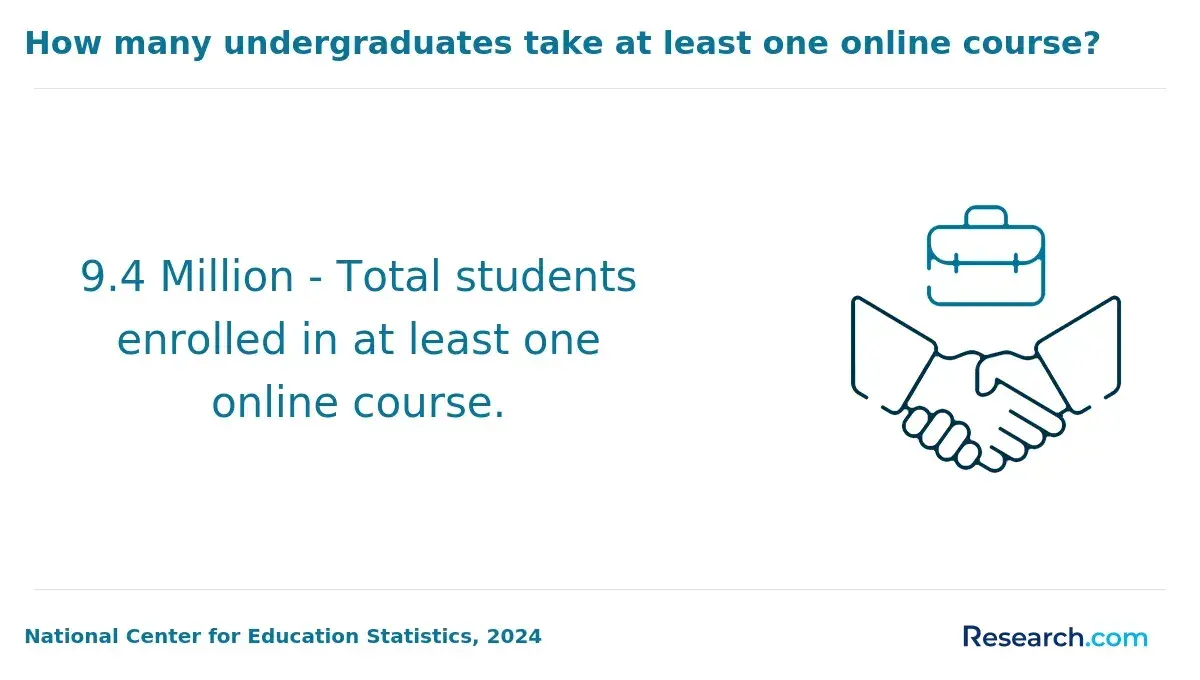
Is an Online Environmental Science Major Harder Than an On-Campus Program?
An online environmental science major is not automatically harder than an on-campus program, but it is harder in different ways. The academic content may be similar, yet the learning format changes how students complete labs, fieldwork, group projects, and faculty interaction.
- Academic expectations: Both formats should cover core environmental science concepts. The key difference is how students complete hands-on requirements such as labs, sampling, mapping, and research activities.
- Lab and field access: On-campus students usually have easier access to laboratories, equipment, faculty, and field trips. Online students may need virtual simulations, local field assignments, mailed lab kits, or occasional in-person sessions depending on the program.
- Schedule control: Online programs can be helpful for working adults and students with family responsibilities. However, flexibility requires self-discipline because there are fewer built-in reminders from class meetings.
- Interaction and feedback: On-campus students often get immediate help before or after class. Online students must be more proactive with email, discussion boards, office hours, and tutoring resources.
- Learning environment: Students who need structure, face-to-face discussion, or frequent peer contact may find on-campus study easier. Students who are independent, organized, and comfortable with technology may prefer online learning.
Before choosing an online program, ask how lab requirements are handled, whether fieldwork can be completed locally, what software is required, how group projects work, and whether the program is properly accredited. Also consider whether the format supports your career goals. Students interested in broader earnings comparisons may want to review good majors in college that pay well when comparing environmental science with related fields.
Are Accelerated Environmental Science Programs Harder Than Traditional Formats?
Accelerated environmental science programs are usually harder than traditional formats because they compress the same or similar academic requirements into a shorter timeline. The content is not necessarily more advanced, but the pace leaves less room for review, recovery, schedule changes, and gradual skill-building.
- Faster course pacing: Accelerated programs may cover core environmental science topics in shorter terms, which means readings, labs, projects, and exams arrive quickly.
- Higher weekly workload: Students often spend more hours per week on coursework because there is less time to spread out assignments. This can be especially difficult in classes that include lab reports, GIS work, or field components.
- Less flexibility: Traditional programs usually provide more room to adjust course loads, retake classes, or change schedules. Accelerated formats often require students to meet strict progression milestones.
- Greater stress risk: Condensed schedules can increase burnout, especially for students who are also working, commuting, caregiving, or completing internships.
- Better fit for highly organized students: Students with strong time management, prior science preparation, and clear career goals may do well in accelerated formats. Students who need more time to absorb technical material may be better served by a traditional schedule.
The main trade-off is speed versus breathing room. Accelerated programs can help motivated students finish faster, but the schedule can make difficult courses feel even more demanding. Before enrolling, review the weekly time expectations, lab format, withdrawal policies, transfer credit rules, and whether the program allows any pauses if life circumstances change.
Students comparing flexible options may also want to research accredited online schools no fee enrollment while evaluating cost, pacing, and program structure.
Can You Manage a Part-Time Job While Majoring in Environmental Science?
Yes, many environmental science majors can manage a part-time job, but the feasibility depends on course load, lab schedules, fieldwork, commute time, and the flexibility of the job. The major is easier to balance with work when employment hours can shift around field days, exams, and project deadlines.
Campus jobs, tutoring roles, research assistant positions, remote work, and weekend shifts may fit better than jobs with rigid weekday hours. Field labs and science courses can be difficult to reschedule, so students should avoid employment that regularly conflicts with required lab or site work.
A realistic strategy is to choose a credit load that matches your work obligations rather than assuming every semester will feel the same. Some terms may include more reading and writing; others may include lab-heavy or field-heavy courses. During intense semesters, reducing work hours may protect grades and prevent burnout.
Students who work should use academic resources early, including tutoring centers, faculty office hours, writing support, library research help, and advising. Waiting until grades fall can make recovery harder. A part-time job is manageable for many students, but it works best when the student treats school, work, commuting, and study time as one combined schedule rather than separate responsibilities.
What Jobs Do Environmental Science Majors Get, and Are They as Hard as the Degree Itself?
Environmental science graduates move into a wide range of roles. Some jobs feel as technically demanding as the degree, especially those involving sampling, data analysis, compliance, or research. Others are challenging in different ways, such as communication, public education, policy interpretation, field conditions, or client deadlines.
- Environmental Scientist: Environmental scientists collect, interpret, and report data related to pollution, conservation, land use, water quality, or resource management. The role can closely match the degree’s technical demands because it uses research methods, data analysis, and scientific reasoning.
- Environmental Consultant: Consultants help organizations understand environmental regulations, reduce risk, prepare reports, and address sustainability or compliance issues. The work can be demanding because it combines science, writing, client communication, deadlines, and project management.
- Wildlife Biologist: Wildlife biologists study animal populations, habitats, and conservation issues. The work may include significant field time, variable weather, travel, and detailed observation. For some graduates, the physical conditions are harder than the academic work.
- Environmental Policy Analyst: Policy analysts evaluate laws, regulations, environmental programs, and public proposals. This path may be less lab-intensive than the degree, but it requires strong writing, critical thinking, research, and the ability to translate science into policy recommendations.
- Environmental Educator: Environmental educators teach students, communities, or the public about ecological systems, sustainability, conservation, and environmental responsibility. The technical level may be lower than in research roles, but the communication challenge can be significant.
The average GPA for environmental science majors in the US is around 3.1, indicating a moderate-to-high academic difficulty level. However, job difficulty after graduation depends more on the role than on the major’s reputation. A consulting position with tight deadlines may feel more stressful than coursework, while an education role may be less technical but more communication-heavy.
Students comparing career routes can also explore alternatives such as top skilled trades jobs, especially if they want practical, hands-on work but are unsure about completing a science-heavy bachelor’s degree.
Do Environmental Science Graduates Earn Higher Salaries Because the Major Is Harder?
No. Environmental science graduates do not automatically earn higher salaries because the major is difficult. Pay is shaped more by job title, employer type, location, experience, technical specialization, and advanced credentials than by how hard the degree felt in college.
The major can build valuable skills in science, data analysis, regulation, field methods, and environmental problem-solving. Those skills may support higher-paying roles, but only when they match market demand. For example, graduates who move into specialized technical, government, consulting, engineering-adjacent, or economics-related roles may earn more than graduates in lower-funded education or entry-level nonprofit roles.
Several factors affect earning potential. Those employed by the federal government have a median salary around $103,500, while state government roles average closer to $67,700. States like California and Washington often offer salaries exceeding $95,000. Job titles such as environmental economist or engineer can command salaries up to $106,115 annually.
The practical lesson is to focus on employable skills, not just degree completion. GIS, statistics, data visualization, technical writing, regulatory knowledge, internship experience, and strong references can matter more than simply choosing a difficult major. Advanced degrees and specialized expertise may also improve earning potential, depending on the career path.
What Graduates Say About Environmental Science as Their Major
Graduate experiences vary, but many describe environmental science as challenging because it combines classroom science, lab work, field experience, and applied problem-solving. The following reflections show how students weighed the workload, cost, and career value of the major.
- Ryker: "Pursuing environmental science was definitely challenging, especially with the rigorous coursework and lab work, but it was incredibly rewarding. The knowledge I gained has opened doors to meaningful work in conservation policy, making every late night worthwhile. Considering the average attendance cost of around $25,000 a year, it felt like a worthy investment in a purposeful career."
- Eden: "Environmental science was tougher than I initially expected, particularly balancing fieldwork with theoretical studies, but it taught me to think critically about real-world problems. It has deeply influenced my personal commitment to sustainability, even if the financial cost, which hovered near $30,000 annually for me, was a bit daunting. Reflecting on it now, the education and experience were invaluable."
- Benjamin: "The major's demanding nature pushed me beyond what I thought possible, blending complex scientific concepts with hands-on environmental analysis. Professionally, it has positioned me strongly in environmental consulting, justifying the hefty price tag of around $28,000 yearly for attendance. The challenge was significant, but the career payoff has made it worthwhile."
Other Things You Should Know About Environmental Science Degrees
In 2027, environmental science majors should focus on mastering data analysis, critical thinking, and field research techniques. Proficiency in geographic information systems (GIS) and sustainability practices is essential, alongside solid communication skills to convey scientific findings effectively.
In 2027, core courses for an Environmental Science major typically include Ecology, Environmental Chemistry, Geographic Information Systems (GIS), and Environmental Policy. These courses provide essential knowledge needed to understand and address environmental issues, forming the backbone of the curriculum.
References
- Frequently Asked Questions - Environmental Science Degree Program https://utw10976.utweb.utexas.edu/2022/10/frequently-asked-questions/
- What Can I Do with an Environmental Science Degree? https://www.snhu.edu/about-us/newsroom/stem/what-can-i-do-with-an-environmental-science-degree
- Is Environmental Science Hard? https://unity.edu/distance-education-blogs/is-environmental-science-hard/
- How to Become an Environmental Scientist: 5 Tips https://www.northcentralcollege.edu/news/2022/08/26/how-become-environmental-scientist-5-tips
- Frequently Asked Questions https://www.colorado.edu/envs/graduate-studies/graduate-admissions/frequently-asked-questions
- Is Environmental Science Hard? Uncovering the Difficult Aspects of Environmental Science https://sustainablebusinessmagazine.net/eco-review/is-environmental-science-hard-uncovering-the-difficult-aspects-of-environmental-science/
- QS World University Rankings by Subject: Environmental Sciences 2025 https://www.qschina.cn/en/university-rankings/university-subject-rankings/2025/environmental-sciences
- 10 Easiest and Hardest Science Majors – 2025 https://www.collegetransitions.com/blog/easiest-and-hardest-science-majors/
- Hardest College Majors & Degrees (2025) https://collegerover.com/campus-library/news/122/hardest-college-majors
- Online Environmental Science Undergraduate Tutors Spires™ | Mastering Environmental Science: Study Strategies And Tips https://spires.co/online-environmental-science-tutors/undergraduate/mastering-environmental-science-study-strategies-and-tips


