
2027 How to Compare Public Policy Degree Programs Effectively

Co-Founder and Chief Data Scientist
Choosing the right public policy degree program can be daunting for prospective students facing varied curricula, faculty expertise, and career support services. Many applicants struggle to identify which programs best match their professional goals and personal circumstances, leading to costly mismatches.
According to the National Center for Education Statistics, enrollment in public policy programs grew by 12% over the past five years, highlighting increased competition and diversity in options. This article explores key factors such as program focus, faculty credentials, alumni outcomes, and flexible learning formats to help students make well-informed decisions aligned with their ambitions and resources.
Key Benefits of Comparing Public Policy Degree Programs Effectively
- Verify program accreditation to ensure credibility and alignment with professional standards; accredited programs increase chances of licensure and boost employer recognition.
- Assess curriculum focus and specializations, matching them to your career goals, such as urban policy or international development, to gain relevant expertise.
- Consider program cost relative to potential salary and employment rates; according to recent data, graduates from top programs see a 15% higher employment rate within a year.
What Types of Accreditation Should a Public Policy Degree Program Have?
Accreditation helps prospective students compare the quality, credibility, and long-term value of different public policy degree programs by signaling that a program meets rigorous educational standards. Studies show nearly 85% of employers prefer candidates with degrees from accredited institutions, highlighting the importance of accreditation in hiring decisions.
Below are key types of accreditation to consider when evaluating programs.
- Regional Accreditation: This is granted by one of the six U.S. regional accreditation bodies and covers the entire institution. It ensures institutional quality, facilitates credit transfer between schools, and supports eligibility for federal financial aid. Regional accreditation is essential for students who may switch schools or pursue further education.
- Programmatic Accreditation: Focused on public policy disciplines, bodies such as the Network of Schools of Public Policy, Affairs, and Administration (NASPAA) evaluate curriculum quality, faculty credentials, and student outcomes. This accreditation boosts employer trust and confirms alignment with professional standards.
- Financial Aid and Career Considerations: Accreditation affects eligibility for federal financial aid and licensure preparation, especially important for career changers and working professionals. It signals that coursework is relevant and respected, making the degree a sound investment in one's career.
Students seeking to compare affordable options in related fields may find useful information in online SLP master's programs.
Ensuring your program meets recognized accreditation standards for public policy degree programs and checking the regional accreditation bodies for public policy schools can guide your decision toward quality and value.
What Specializations Are Offered in Public Policy Degree Programs?
Specializations in public policy degree programs enable prospective students to align their academic focus with specific career goals, improving employment prospects in competitive job markets. Programs emphasizing data analytics and health policy have experienced a 20% increase in graduate employment over the last five years, reflecting high demand in these sectors.
Exploring public policy concentration options for graduate students can help narrow choices based on workforce trends and personal interests. Below are some common specializations offered in these programs.
- Health Policy: Focuses on healthcare systems, regulations, and public health challenges. Students develop skills in epidemiology, healthcare economics, and policy analysis, preparing for roles in government agencies and healthcare organizations.
- Environmental Policy: Concentrates on sustainability, climate change, and natural resource management. Graduates often pursue careers in environmental advocacy, regulatory bodies, or sustainable business sectors.
- Economic Policy: Emphasizes fiscal policy, economic development, and budgeting. Training includes quantitative analysis and economic modeling, leading to government finance or international organization roles.
- Urban and Regional Planning: Deals with city development, infrastructure, and housing. This specialization develops expertise in spatial analysis and community engagement for municipal planning or nonprofit careers.
Prospective students should also consider program flexibility and support, such as options found in CACREP accredited online counseling programs, which may complement their public policy studies or career development plans.
How Can You Compare Courses Across Public Policy Degree Programs?
Comparing courses across public policy degree programs is essential for prospective students to evaluate program rigor, skill development, and alignment with their career goals.
Data from the National Center for Education Statistics shows that programs with a comprehensive curriculum achieve a 15% higher graduate employment rate within the first year after completion, highlighting the importance of curriculum depth and student outcomes.
To aid in this evaluation, consider the following strategies:
- Course Objectives: Assess whether the learning goals emphasize analytical, quantitative, or leadership skills relevant to your professional aspirations. Clear objectives indicate focused skill development tailored to career paths.
- Curriculum Structure: Look for programs that balance theory, practical application, and elective options allowing for specialization. This balance ensures both breadth and depth in your education.
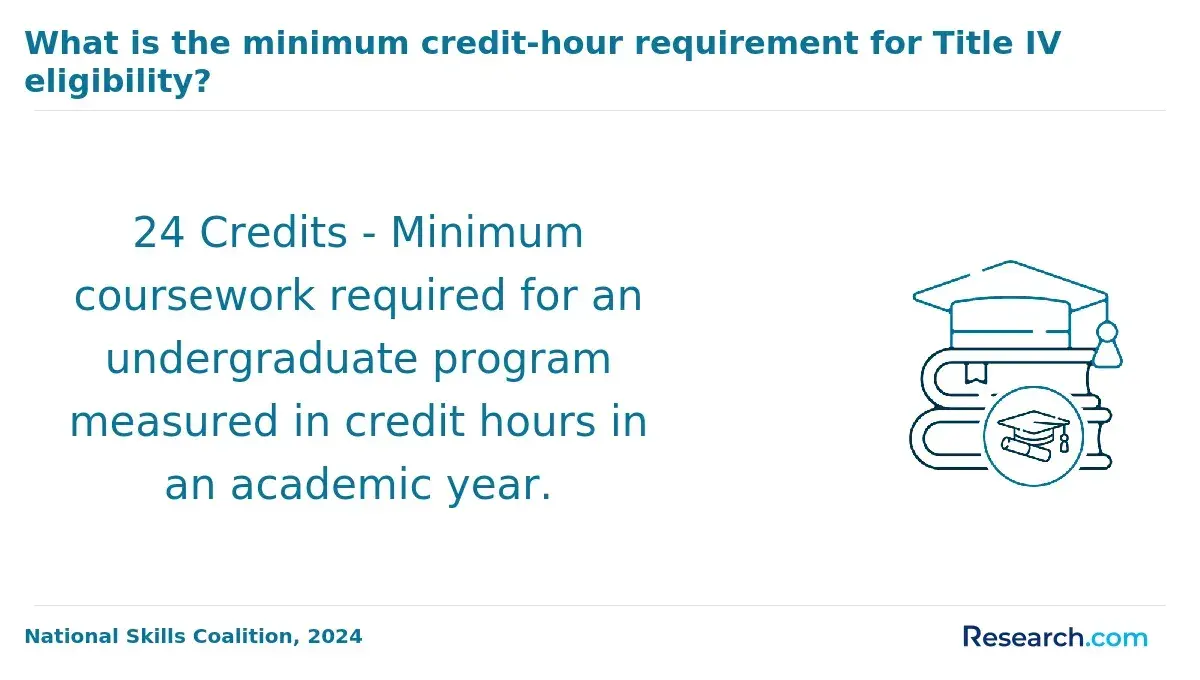
- Credit Hours and Workload: Understanding how credit is distributed helps gauge the intensity and time commitment required. It also signals how thoroughly subjects are covered.
- Faculty Expertise: Courses led by experienced practitioners or researchers often provide richer insights and valuable networking opportunities in public policy program accreditation and outcomes.
- Student Outcomes: Review data on internship placements and job success rates to gauge course effectiveness and real-world applicability.
For students balancing career progression with studies, many also explore options like online executive MBA programs to supplement or complement their public policy education.
What Scheduling Options Are Available in Public Policy Degree Programs?
Flexible scheduling is a key consideration for students balancing professional and personal commitments while pursuing public policy degrees. Various formats accommodate diverse needs, making it easier to find a program that fits individual lifestyles.
Common scheduling options include:
- Traditional Daytime Classes: Offered during standard business hours, these classes provide structure and regular face-to-face interaction, ideal for students with flexible daytime availability.
- Evening and Weekend Courses: Designed for working professionals and those with daytime obligations, these sessions allow attendance outside typical work hours, promoting in-person engagement without disrupting daytime routines.
- Fully Online Programs: These provide maximum flexibility by enabling students to study from any location, often with asynchronous coursework, helping learners manage time zones and busy schedules effectively.
- Hybrid Models: Combining online learning with periodic in-person sessions, hybrids offer a balance between flexibility and direct interaction, meeting the needs of students who want both convenience and connection.
- Flexible Timelines: Many programs offer part-time enrollment or accelerated tracks, allowing students to control their pace, reduce stress, and better integrate studies with work or family responsibilities.
What Are the Pros and Cons of Online vs Campus-Based Public Policy Degrees?
Choosing between online and campus-based formats for public policy degrees is crucial, as it impacts flexibility, networking, and overall educational experience. Notably, in 2020, around 37% of graduate students in the U.S. pursued their studies exclusively online, reflecting a strong shift toward remote learning.
The following compares key aspects of each format.
Online Programs
- Flexible Scheduling: Students can tailor coursework around jobs and family, enabling uninterrupted progress despite personal commitments.
- Limited Networking: Fewer spontaneous in-person connections may reduce opportunities for relationship building and mentorship.
- Career Relevance: Employers increasingly accept online credentials, and some programs invest in virtual networking platforms to bridge gaps.
- Learning Environment: Studying remotely can introduce distractions at home, demanding strong self-discipline.
Campus-Based Programs
- Immersive Interaction: Face-to-face engagement with peers and faculty fosters collaboration and immediate feedback.
- Structured Schedule: Fixed class times and commuting can limit flexibility and increase expenses.
- Experiential Learning: Onsite events and group projects often enhance practical understanding and satisfaction.
- Robust Networking: Stronger in-person connections can open doors for mentorship and job referrals.
When discussing these options with a graduate who completed an online public policy degree, he recalled the complexity of weighing pros and cons. "I was torn between the convenience of online courses and the fear of missing out on real campus life," he said.
His research involved comparing program curriculums, speaking with alumni, and assessing his own discipline for remote study. He explained, "It was challenging managing work and classes, but the flexibility was essential. I had to stay motivated without the direct presence of instructors or classmates."
Reflecting back, he noted that although he missed some hands-on experiences, the self-paced structure allowed him to advance professionally while earning the degree.
How Do GPA Requirements Vary Among Public Policy Degree Programs?
GPA requirements serve as a key benchmark for comparing public policy degree programs, as they reflect an institution's expectations and admissions approach. Below are important considerations regarding how these criteria can differ across programs.
- Range of Minimum GPAs: Programs often set a baseline GPA around 3.0 on a 4.0 scale, but this can vary widely depending on the school's competitiveness and selectivity. Some may accept candidates with lower GPAs if the rest of the application is particularly strong.
- Flexibility in Admissions: Many public policy programs adopt a flexible stance by considering factors beyond GPA, recognizing the value of diverse experiences and backgrounds in their cohorts.
- Holistic Evaluation: Admissions committees frequently review the complete applicant profile-including work history, recommendations, essays, and test results-in addition to GPA. This approach allows some programs to waive strict GPA thresholds for candidates showing other strengths.
- Policy Communication: The clarity and firmness of GPA requirements vary, with some programs explicitly stating a cutoff while others invite a more individualized review process tailored to the applicant's circumstances.
- Program Type Differences: Part-time and executive degrees often offer more lenient GPA standards to accommodate professionals balancing education with work commitments, reflecting an understanding of nontraditional student needs.
How Can You Compare Tuition Across Public Policy Degree Programs?
Comparing tuition costs is a vital step for prospective students evaluating public policy degree programs, as expenses can vary substantially and impact affordability. In 2023, average graduate tuition and fees at public institutions approached $12,410 annually, emphasizing the need to carefully assess financial commitments.
Here are essential factors to consider when comparing program costs:
- Total Program Cost: Look beyond base tuition to include all mandatory fees, such as technology and materials charges, which can significantly raise expenses over the course of study.
- Cost Per Credit: Calculate tuition based on credit hours, since some programs charge differently per credit, affecting your budget if you plan part-time enrollment or extended study.
- Additional Fees: Identify extra mandatory fees that vary by institution, including student services, library use, or lab fees, which add to your overall financial load.
- Financial Aid Options: Explore scholarships, grants, and assistantships available through the program or external sources, as these can substantially ease the financial burden.
- Employer Tuition Benefits: Consider if your current or prospective employer offers tuition reimbursement programs or benefits that align with your choice of degree, reducing out-of-pocket costs.
- Long-Term Value: Evaluate how the degree might influence your earning potential and career growth, helping justify upfront costs with future returns and potentially less long-term debt.
When I spoke to a graduate who completed a public policy degree recently, she described the complexity of comparing tuition firsthand: "It wasn't just about the sticker price. I had to dig into each program's breakdown because some fees weren't obvious upfront. Balancing work with school meant I looked closely at per-credit costs and employer benefits, which ultimately made a program more affordable.
I remember feeling overwhelmed sorting through all the details, but it taught me to ask the right questions early. In the end, the time I invested in comparing costs helped me avoid surprises and pick a program that truly fit my budget and career goals."
Does a Public Policy Degree Meet Licensure Requirements?
Aligning a public policy degree with licensure requirements is essential for students aiming to enter regulated fields or switch careers, as this ensures smoother certification processes. Nearly one in four U.S. jobs require a professional license or certification, highlighting the importance of confirming these standards early.
The following aspects are crucial when comparing programs:
- Curriculum Alignment: Evaluate if course content addresses regulatory policies and ethical considerations relevant to your target profession's licensure criteria.
- Accreditation Status: Confirm accreditation by recognized agencies that align with licensing bodies, as this often affects program legitimacy and acceptance.
- State-Specific Requirements: Licensing rules differ across states; ensure the program's offerings correspond to the regulations of the jurisdiction where you plan to work.
- Supervised Experience: Determine whether the program includes fieldwork or internships required for licensure eligibility, as practical training is frequently mandated.
- Exam Preparation: Investigate if the program provides instruction or resources designed to meet eligibility for and success on relevant licensing examinations.
Reviewing these factors comprehensively can save time and additional costs after graduation. Always verify licensure compliance with official state agencies or licensing boards to confirm the public policy degree meets your career goals.
Which Public Policy Programs Have the Best Career Placement Rates?
Career placement rates serve as a vital indicator of how effectively public policy degree programs prepare students for the workforce. Recent statistics show that several top ranked public policy degrees for job placement boast employment rates exceeding 85% within six months of graduation.
To better understand these outcomes, consider the following key factors.
- Employer Partnerships: Established collaborations with employers create recruitment pipelines that facilitate job opportunities for graduates. Programs with strong employer ties often see higher placement rates as companies actively seek their students.
- Internship Opportunities: Internships provide essential hands-on experience and frequently act as gateways to full-time employment. Students should prioritize programs that integrate robust internship options to increase career prospects.
- Alumni Outcomes: Reviewing employment reports and satisfaction surveys from program alumni offers valuable insights into real-world success. Alumni feedback reflects how well the program aligns with market demands.
- Support Services: Dedicated career counseling, resume workshops, and networking events can substantially boost placement rates. Students should look for programs that actively assist with career advancement through these resources.
Prospective students researching which public policy programs have the best career placement rates in the United States may also benefit from exploring flexible degree options tailored to their needs. For example, an accelerated bachelors degree can offer a quicker path to entering the job market while maintaining quality education and strong placement support.
How Do Salaries Compare Across Public Policy Degree Program Graduates?
Post-graduation salary outcomes are an important comparison metric for prospective students evaluating public policy degree programs, as they indicate potential return on investment and career trajectory. The U.S. Bureau of Labor Statistics reports that the median annual wage for policy analysts is approximately $68,000, illustrating typical average earnings for public policy program alumni.
Consider these main factors influencing salary differences:
- Role Differences: Entry-level positions like policy analysts or research assistants usually earn between $50,000 and $65,000 annually, while senior roles in government agencies or consulting firms frequently exceed $100,000 per year.
- Industry Impact: Graduates working in federal government or private consulting generally secure higher salaries compared to those in nonprofit organizations, reflecting varying compensation norms across sectors.
- Location Variance: Metropolitan areas such as Washington, D.C., New York City, and San Francisco tend to offer salaries above those in smaller cities or rural locations, due to higher living costs and stronger demand for skills.
- Experience Level: Mid-career professionals commonly see salary increases to between $70,000 and $90,000, demonstrating how career advancement influences earnings over time.
When deciding on a program, it is also useful to explore related fields like an associates degree to understand various educational pathways that might complement or precede a public policy career.
What Graduates Say About Comparing Public Policy Degree Programs Effectively
- Clarissa: "Before deciding to pursue a public policy degree, I weighed a few options, but the affordability really stood out compared to other graduate programs averaging upwards of $50,000 per year. The lower cost made it a feasible choice for me, and since graduating, it's opened doors in government and nonprofit sectors that I hadn't anticipated. This degree was a smart investment in my future."
- Reagan: "Choosing to study public policy came after much reflection on how cost-effective it was relative to its impact on career growth. Given the average cost of attendance around $20,000 to $30,000, it aligned perfectly with my budget and ambitions. The structured curriculum helped me develop critical analytical skills, and now I confidently lead projects that influence community initiatives."
- Brynn: "I was initially cautious about pursuing a public policy degree because of the financial commitment, but after researching, I realized that its cost was significantly lower than many business or law programs. This economical choice did not compromise quality; completing the degree provided me with a comprehensive skill set that has been invaluable in my professional advancement within the public sector. It's been a rewarding journey. "
Other Things You Should Know About Public Policy Degrees
Internship opportunities in public policy programs for 2027 are vital as they provide real-world experience, enhancing practical skills and networking opportunities. These experiences can significantly impact career prospects, making programs that prioritize internships an attractive choice for aspiring public policy professionals.
Research opportunities allow students to engage deeply with policy issues and develop analytical skills. When comparing programs, assess whether students can participate in faculty-led projects, access research centers, or work on policy briefs. Strong research components often correlate with enhanced critical thinking and a competitive edge in job applications or further studies.
References
- Masters in Public Policy Specializations https://publicpolicy.pepperdine.edu/blog/posts/masters-in-public-policy-specializations.htm
- Employment Trends and Sectoral Integration of Public Administration Graduates: A Tracer Study (2018–2023) https://rsisinternational.org/journals/ijriss/articles/employment-trends-and-sectoral-integration-of-public-administration-graduates-a-tracer-study-2018-2023/
- Share On Social https://www.northampton.edu/news/online-vs-on-campus-degree-whats-the-best-option-for-me.html
- Professional Licensure & Location https://services.css.edu/TDClient/354/Portal/KB/PrintArticle
- Comparative Public Policy (POLS7113) https://programs-courses.uq.edu.au/course.html
- Welcome to the Master of Public Policy Program | Political Science Department https://politicalscience.calpoly.edu/mpp
- Which policy master’s programs should you apply to? (Part 2) - Emerging Technology Policy Careers https://emergingtechpolicy.org/pathways/graduate-school/policy-masters/2-where-to-apply/
- Public Policy and Management, MPPM https://catalog.upp.pitt.edu/preview_program.php
- Best Global Universities for Public Policy Analysis in 2022-2023 - Gyanberry https://gyanberry.com/blog/best-global-universities-for-public-policy-analysis-in-2022-2023/


