
2027 What Job Postings Reveal About Public Policy Careers: Skills, Degrees, and Experience Employers Want

Co-Founder and Chief Data Scientist
What are employers really seeking when they post jobs in the public policy field? A recent survey shows that nearly 60% of public policy roles require candidates to demonstrate proficiency in data analysis alongside traditional competencies. Many recent graduates and career changers find the job market demanding, as the expectations for skills, degrees, and experience continue to evolve rapidly. Common positions include policy analyst, program manager, and research coordinator, each with distinct prerequisites. This article explores what job postings reveal about employers' priorities and offers insights to help candidates align their qualifications with current hiring trends in public policy careers.
Key Things to Know About Skills, Degrees, and Experience Employers Want
- Job postings emphasize analytical, communication, and project management skills as essential, reflecting the interdisciplinary nature of public policy roles.
- Employers commonly require at least a bachelor's degree, with 45% preferring candidates holding a master's, highlighting education's role in candidate competitiveness.
- Experience expectations vary; analyzing postings reveals employers favor practical policy analysis or internship experience to ensure readiness for complex real-world challenges.
What Do Job Postings Say About Public Policy Careers?
Job postings in public policy provide valuable insight into the real-world expectations employers have for candidates. Most positions demand at least a bachelor's degree in public policy or related fields, with a growing preference for master's degrees as competition intensifies. Employers emphasize practical skills like data analysis, research proficiency, and strong communication, recognizing their importance in navigating complex policy environments. Notably, about 65% of job listings now require proficiency in data analytics tools, highlighting the increasing role of technology in policy work.
Patterns in employer expectations across job postings reveal a consistent focus on advanced education and analytical capabilities, while experience levels vary according to role seniority. Many employers seek candidates with experience that spans government and non-governmental sectors, reflecting the interdisciplinary nature of public policy careers. Core competencies such as problem-solving and critical thinking appear regularly, underscoring the multifaceted challenges professionals face. These trends illustrate a coherent framework of qualifications that graduates and job seekers should consider when preparing for careers in public policy.
What Skills Are Most Requested in Public Policy Job Postings?
Job postings for public policy careers reveal the skills employers prioritize when hiring. Communication and analytical skills appear in over 70% of listings, underscoring their critical role in the field. These postings reflect a clear demand for competencies that support effective decision-making and stakeholder engagement.
Below are some of the most frequently requested skills in public policy job postings:
- Analytical Skills: These enable professionals to interpret complex data, evaluate policy impacts, and provide evidence-based recommendations. Strong analytical abilities are essential for crafting effective solutions in a changing policy landscape.
- Communication Skills: Employers seek individuals with strong written and verbal communication capabilities. The ability to convey complex ideas clearly and persuasively to diverse audiences is key for collaboration and policy advocacy.
- Research Proficiency: Gathering, organizing, and synthesizing information from multiple sources supports sound policy analysis. Research skills ensure well-informed recommendations that consider legislative and social contexts.
- Project Management: Managing timelines and coordinating initiatives are common requirements. This skill helps ensure that programs are implemented efficiently and adapt to changes as needed.
- Interpersonal Skills: Collaboration and relationship-building across organizations are crucial. Being able to negotiate and influence diverse stakeholders fosters teamwork and successful policy outcomes.
Understanding these essential skills for public policy careers can help students and professionals align their development with market demands. For those interested in expanding their expertise, pursuing a BCBA degree may complement these core skills in certain policy areas.
What Degrees Do Employers Require for Public Policy Careers?
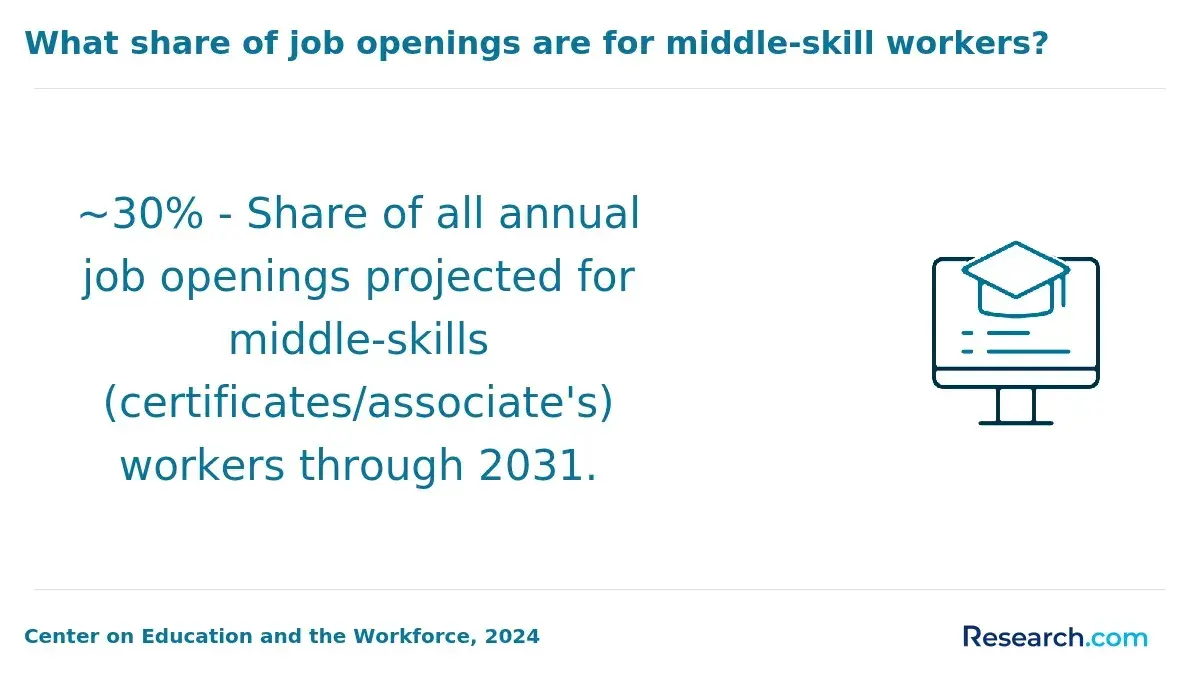
Job postings in public policy careers generally show that a bachelor's degree is the baseline requirement for entry-level roles, with expectations rising as positions become more advanced. Degree demands fluctuate by industry and position complexity, often favoring specialized or interdisciplinary studies. Research indicates that nearly 65% of public policy job ads call for a master's degree or higher, underscoring the value placed on graduate education.
Here are common patterns in degree requirements found in public policy job listings:
- Bachelor's Degree Baseline: Most entry-level roles seek candidates with undergraduate degrees in public policy, political science, economics, sociology, or other related social sciences. These degrees provide foundational skills in research methods, policy analysis, and government structures that employers expect.
- Advanced Degree Preference: Mid-level to senior positions often require or prefer master's degrees such as a Master of Public Policy (MPP) or Master of Public Administration (MPA). These credentials demonstrate advanced expertise in policy development, evaluation, and leadership capabilities.
- Industry-Specific Focus: Degree expectations are shaped by the work sector. Government and nonprofit roles typically prioritize public policy or administration backgrounds, while private sector employers may lean toward candidates with strong quantitative or economic training. Specialized areas like health or environmental policy may require supplementary academic credentials.
- Competitive Graduate Emphasis: Because many roles demand nuanced knowledge and skills, job postings increasingly highlight the importance of graduate-level education, reflecting the sector's competitive environment and desire for candidates capable of handling complex policy challenges.
When speaking with a Public Policy degree graduate about their experience, he recalled how navigating degree expectations was both daunting and eye-opening. "I quickly realized that while my bachelor's opened doors, landing roles in specialized fields required me to pursue a master's," he shared. He emphasized the challenge of balancing application processes with continuing education, noting that "the advanced coursework helped me gain confidence in tackling real-world policy problems." His journey highlighted how degree requirements shape not only hiring practices but also the professional growth of graduates themselves.
How Much Experience Do Public Policy Job Postings Require?
Job postings in public policy specify diverse experience requirements based on the role's level and area of expertise. Employers heavily weigh experience to filter candidates who can handle the responsibilities effectively. These expectations align closely with the complexity and demands of each position.
Common patterns emerge in how experience is outlined across public policy roles, as described below:
- Entry-Level: Positions typically require 0-1 years of experience, often welcoming recent graduates or candidates with internship backgrounds. These roles prioritize foundational knowledge and a willingness to learn within policy-oriented environments.
- Early Career: Usually calling for 1-3 years of experience, these roles expect candidates to have handled basic policy research or administrative tasks, demonstrating growing practical skills in relevant settings.
- Mid-Career: With 3-5 years required, mid-level public policy roles emphasize specialized knowledge and the ability to oversee projects independently. This experience period often includes effective stakeholder engagement and analytical contributions.
- Senior Roles: These positions demand over five years of experience, focusing on leadership capabilities, strategic planning, and managing complex initiatives. Candidates are generally expected to have a proven influence on policy decisions within governmental or nonprofit sectors.
Prospective students aiming for public policy careers should consider how experience fits into their career trajectory alongside other factors such as education; for insight, reviewing the most profitable majors can be helpful.
What Industries Hire Fresh Graduates With No Experience?
Certain industries are notably receptive to hiring fresh graduates with no professional experience in public policy. This openness is often reflected in entry-level job descriptions, which emphasize core analytical and research skills over prior work history. For example, around 40% of public sector entry-level roles annually specifically seek candidates with under one year of experience.
Below are some key sectors that frequently recruit recent public policy graduates without extensive experience:
- Government Agencies often offer entry points such as junior analyst and administrative positions, targeting those new to the workforce. Many programs emphasize hands-on experience through internships that lead to permanent roles within local, state, or federal entities.
- Nonprofit Organizations attract graduates eager to contribute to social programs and advocacy efforts. These employers prioritize passion and mission alignment, providing significant training for newcomers to community outreach and policy-related initiatives.
- Consulting Firms in the social impact or public sector space sometimes hire graduates based on their analytical and communication potential. While some prior experience is preferred, many firms welcome fresh talent to support research and program evaluations.
- Academic and Research Institutions occasionally recruit entry-level candidates for roles like research assistants or fellows, enabling them to develop skills in data analysis, literature reviews, and policy writing.
When asked about her experiences entering the workforce, a fresh graduate with a public policy degree shared that navigating the initial job market felt challenging due to limited openings explicitly for newcomers. She recalled spending considerable time tailoring applications and learning from early rejections. However, gaining a position as a research assistant allowed her to build confidence and practical skills, confirming that patience and persistence are key. "It's about finding opportunities where you can grow, even if it takes a bit longer to land the first role," she reflected, highlighting how hands-on exposure quickly enhances competence and professional outlook.
Which Industries Require More Experience or Skills?
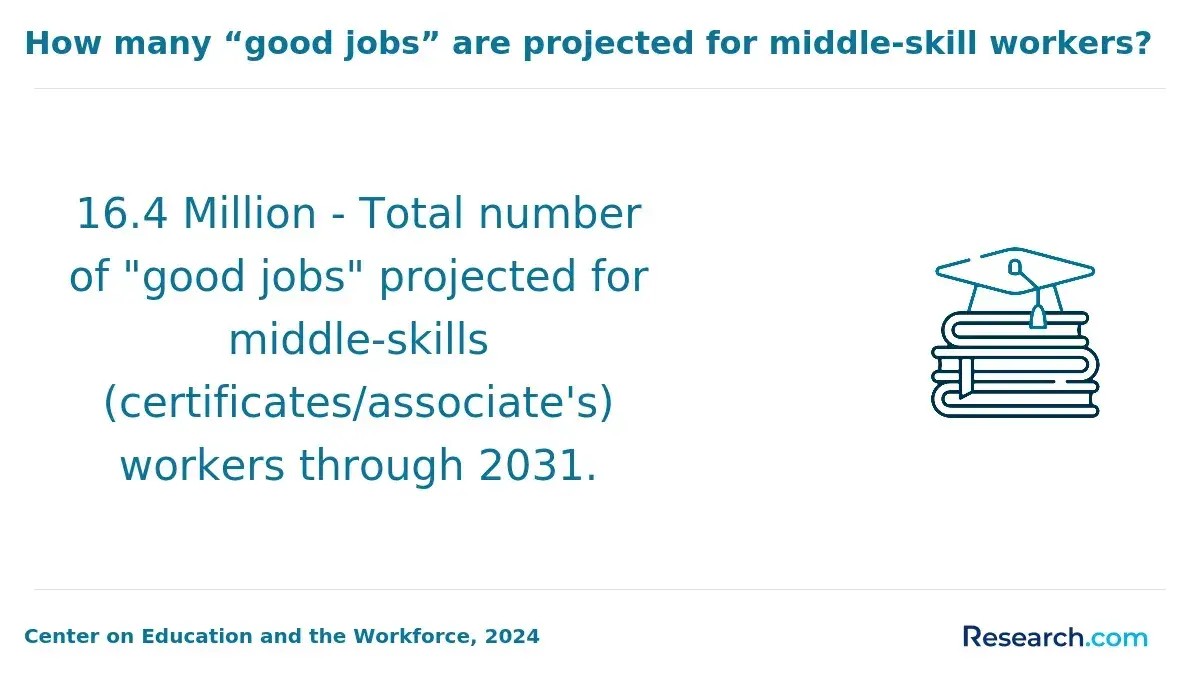
Certain sectors demand greater expertise and specialized qualifications when hiring public policy graduates. These industries often require candidates to bring advanced competencies, certifications, or several years of relevant experience. Data shows that nearly 60% of job listings in these fields specify a minimum of three to five years of professional experience.
Below are examples of industries with heightened expectations for public policy professionals:
- Government Agencies often prioritize extensive familiarity with regulatory and legislative processes. Candidates usually need multiple years of experience in policy analysis, stakeholder coordination, or project management within complex bureaucratic environments.
- Healthcare employers focus on specialized knowledge related to health policy, compliance, and medical regulations. Advanced degrees or certifications in health administration are commonly preferred alongside proven ability to manage regulatory challenges.
- Defense and Homeland Security roles frequently require security clearances and experience tied to military or governmental service. Expertise in areas like risk assessment, intelligence, and crisis management is essential and typically gained over long-term exposure to sensitive operations.
- Finance and Energy sectors seek proficiency in data analysis, economic modeling, and regulatory compliance. Certifications such as Certified Public Manager or project management credentials can distinguish candidates in these highly technical policy roles.
Which Credentials Are Most Valuable for Public Policy Careers?
Employers in public policy careers rely heavily on credentials to assess candidates' expertise and readiness for specialized roles. Academic qualifications, certifications, and licenses serve as tangible proof of a candidate's knowledge, skills, and professional dedication. These credentials help employers differentiate applicants who can effectively analyze, implement, and evaluate policies within complex organizational or governmental frameworks.
The following credentials are frequently emphasized in job postings for public policy roles:
- Bachelor's Degree: A bachelor's degree in public policy, political science, economics, or related social sciences is commonly the baseline educational requirement. It provides foundational knowledge of policy issues, research methods, and critical thinking essential for entry-level positions.
- Advanced Degrees: Employers often prefer candidates with a master's degree such as a Master of Public Policy (MPP) or Master of Public Administration (MPA). These advanced degrees signal a deeper mastery of policy analysis, program evaluation, and leadership skills relevant to managerial and specialized roles.
- Certified Public Manager (CPM): This certification is highly valued because it demonstrates expertise in public sector management, organizational leadership, and effective governance-key competencies in many public policy careers.
- Specialized Certificates and Licenses: Credentials like the Certificate in Public Policy Analysis (CPPA) highlight focused expertise in policy evaluation techniques. Additionally, licenses related to fields such as environmental management or engineering can enhance credibility for policy positions requiring technical proficiency and regulatory compliance.
Are Salaries Negotiable Based on Experience?
Salary levels in public policy job postings often reflect a candidate's experience, education, and the complexity of the role, with employers usually presenting a salary range rather than a fixed amount to allow for flexibility based on the applicant's background. Research indicates that professionals with over five years of experience can earn up to 30% more than entry-level candidates, demonstrating how experience significantly influences compensation. Employers may offer higher pay to candidates holding advanced degrees, such as a master's or doctorate, but experience often holds greater weight when paired with successful policy management skills. This dynamic highlights how salary negotiation in public policy careers frequently centers on demonstrated expertise and proven impact.
Experience also affects salary flexibility by shaping pay ranges within job postings, where entry-level roles typically feature narrower bands with less room for negotiation due to budget constraints and role standardization. In contrast, senior or highly specialized positions usually offer wider salary ranges to attract candidates with advanced skills or unique qualifications, providing greater scope for negotiation. Employers consider the complexity of the role and the candidate's background together when structuring salaries, indicating that those with substantial experience and relevant education are more likely to secure higher pay. For those interested in exploring advanced educational opportunities that enhance their potential earning power in public policy, resources on best online degrees can be valuable.
How Can You Match Your Resume to Job Descriptions?
Job postings are essential tools for public policy candidates aiming to tailor their resumes to employer expectations. They reveal key skills, qualifications, and experiences that organizations prioritize. Nearly 75% of companies use applicant tracking systems (ATS) to screen resumes, making it vital to align your resume language with the job description for better visibility and success.
To enhance matching your resume to job descriptions, consider the following strategies:
- Interpret Job Descriptions: Analyze the core competencies and knowledge areas emphasized in public policy roles to understand what employers truly value. This insight helps you focus your resume on relevant skills.
- Highlight Relevant Experience: Showcase professional projects and work experiences that correspond directly to the responsibilities outlined in the job posting. This demonstrates your practical ability to meet job demands.
- Align Terminology: Use exact keywords and phrases from job descriptions to optimize your resume for ATS screening. Mirroring language improves your chances of passing automated filters.
- Prioritize Qualifications: Present essential educational credentials, certifications, and years of experience early in your resume to make your suitability immediately clear to recruiters.
Matching resume skills to public policy employer expectations also involves continuous learning, such as pursuing advanced credentials. For example, candidates interested in leadership or management roles might explore most affordable online MBA programs no GMAT to enhance their qualifications and competitiveness in the job market.
What Should You Look for When Analyzing Job Ads?
Job advertisements in public policy careers reveal crucial expectations employers have regarding skills, qualifications, and experience. Analyzing these postings carefully sharpens applicants' understanding of specific role requirements and the level of expertise sought. Recent data indicates that over 65% of public policy job ads clearly state both required and preferred skills, reflecting growing employer transparency.
When reviewing job postings, consider these essential aspects:
- Responsibilities: Identify the main duties and routine activities involved, such as policy development, stakeholder coordination, or data evaluation.
- Qualifications: Pay attention to educational prerequisites, typically including a bachelor's or master's degree in public policy, political science, economics, or related disciplines.
- Experience Levels: Note if the position targets entry-level, mid-career, or senior candidates, and whether specific backgrounds like government, non-profits, or research institutions are preferred.
- Required Skills: Look for essential skills such as data analysis, effective communication, regulatory expertise, and project management capabilities.
- Employer Transparency: Consider how clearly the ad outlines necessary and advantageous traits, which can help you interpret public policy job posting requirements more effectively.
For those exploring educational paths that align with these criteria, programs at a not for profit online university may offer relevant and flexible options to develop the skills valued by employers.
What Graduates Say About Skills, Degrees, and Experience Employers Want
- Romeo: "As a recent graduate, I found that carefully studying job postings was crucial in understanding what employers expect from fresh Public Policy professionals. These ads helped me identify the key skills and qualifications I needed to develop, which guided my early career choices. Knowing exactly which positions aligned with my credentials gave me a clearer path and boosted my confidence while searching for opportunities."
- Aidan: "With a few years of experience under my belt, I rely heavily on job advertisements to navigate career advancement within Public Policy. They reveal emerging trends and specialized roles that match my growing expertise, allowing me to strategically pursue roles that build on my background. Reflecting on these postings, I realized how important staying current is in this field to continuously refine my professional profile and skill set."
- Luke: "Throughout my career as a seasoned Public Policy professional, I've seen how job postings serve as a barometer for the industry's evolving demands and priorities. They impact my approach to professional development and help me anticipate shifts in policy focus areas. This insight enables me to remain adaptable and relevant in a competitive job market, ensuring that I meet the expectations outlined in current ads."
Other Things You Should Know About Public Policy Degrees
Strong communication skills, both written and oral, are frequently underscored in public policy job postings. Employers expect candidates to present policy recommendations clearly to diverse stakeholders, including government officials and the public. The ability to translate technical analysis into accessible language is critical for success in this field.
Employers often seek candidates familiar with data analysis tools like Stata, R, or Python, alongside proficiency in Microsoft Office applications. Geographic information systems (GIS) and policy modeling software also appear as preferred skills. The inclusion of these technical requirements reflects the increasing reliance on quantitative methods in policy formulation and evaluation.
Many postings require or strongly prefer internships, fellowships, or prior work in government, NGOs, or think tanks. This practical experience demonstrates applied understanding of policy processes and stakeholder engagement. Candidates with hands-on policy project involvement tend to be more competitive.
References
- How analysis can support policy development: hints and tips https://analysisfunction.civilservice.gov.uk/headline-analysis-for-policy-professionals/
- How to advance your career in public policy | Open Access Government https://www.openaccessgovernment.org/advance-career-public-policy/29276/
- How to Make Your Resume Match the Job Description https://hbr.org/2023/08/how-to-make-your-resume-match-the-job-description
- Policy resumes | Emerging Technology Policy Careers https://emergingtechpolicy.org/tips/policy-resumes/
- Public Policy and Governance Jobs and where to apply | Eminent Diplomats https://eminentdiplomats.org/public-policy-and-governance-jobs-and-where-to-apply/
- Navigating Public Sector Negotiations: Beyond the Paycheck https://www.thenegotiationclubs.com/blog/navigating-public-sector-negotiations
- Key Skills for Success in Policy and Government Contexts https://www.talentjam.io/blog/key-skills-for-success-in-policy-and-government-contexts
- 3 Tips to Negotiate a Government Salary - GovLoop https://www.govloop.com/3-tips-to-negotiate-a-government-salary/
- Graduate careers advice: you and your public administration and social policy degree https://gradireland.com/careers-advice/public-services-and-administration/graduate-careers-advice-you-and-your-public-administration-and-social-policy-degree
- Top Certifications for Public Service Professionals: Enhance Your Career https://publicadministrationpolicy.org/articles/certifications-for-public-service/


