2027 One-Year Online Hospitality Management Master's Degree Programs: Accelerated Options, Costs & Outcomes

Co-Founder and Chief Data Scientist
Many professionals with unrelated undergraduate degrees struggle to find accelerated routes into the hospitality management field without sacrificing their current careers or financial stability. Online hospitality management master's programs offer flexible paths, yet choosing the right program can be daunting amid varying durations and costs. According to recent data, 62% of online hospitality management graduates secure managerial roles within six months of completion, highlighting the field's strong demand for qualified leaders.
This article examines one-year online hospitality management master's degree options, focusing on accelerated formats, cost considerations, and potential career outcomes to guide informed decisions.
Key Things to Know About One-Year Online Hospitality Management Master's Degree Programs
- Recent graduates benefit from flexible scheduling that accommodates job searches while completing accelerated Hospitality Management master's programs within one year.
- Career changers gain rapid skill acquisition through intensive, competency-focused curricula designed to build industry expertise efficiently.
- International applicants access global networking opportunities via online platforms, expanding professional contacts across diverse hospitality markets worldwide.
What Exactly Is a One-Year Online Hospitality Management Master's Degree Program, and How Does It Differ from a Standard Graduate Format?
A one-year online hospitality management master's degree program offers an accelerated graduate option that condenses the core curriculum and experiential learning of a traditional master's into roughly 12 months. This approach contrasts with standard two-year or part-time formats, which spread courses over multiple semesters.
The compressed schedule demands a heavier course load each term, shorter breaks, and an intensified pace of study, requiring focused commitment from enrollees. This format is especially suited for those seeking the benefits of a 1 year master's programs in a streamlined timeline.
Examples include the University of New Hampshire's online Master of Science in Hospitality Management, Rochester Institute of Technology's accelerated program, and Drexel University's master's that incorporates internships and capstone projects within the year. These programs maintain rigorous academic standards while providing flexibility through digital platforms. Compared to traditional offerings, students typically complete two to three courses per term with minimal breaks, enabling rapid skill development or career advancement without pausing professional commitments.
The accelerated hospitality management master's degree vs traditional format highlights specific advantages for various learners:
- Working Professionals: These programs offer flexible online delivery, allowing employed students to quickly update skills without interrupting their careers.
- Career Changers: Individuals aiming to rapidly pivot into hospitality management gain timely credentials to enter the industry sooner.
- International Students: Applicants outside the U.S. benefit from a streamlined curriculum that minimizes time away from home while earning a respected graduate degree.
- Recent Graduates: Those eager to bypass lengthier programs appreciate the ability to enter the workforce promptly with a focused master's credential.
- Time-Constrained Learners: Individuals facing personal or financial time limits find this accelerated model more manageable than traditional multi-year studies.
Which Accredited Universities Currently Offer Legitimate One-Year Online Hospitality Management Master's Programs?
Prospective students aiming for legitimate accelerated online hospitality management graduate programs should focus on regionally accredited universities, as regional accreditation is recognized for maintaining rigorous academic quality and is favored by employers and licensing agencies.
This form of accreditation generally provides stronger institutional oversight than national accreditation, which can impact credit transfer and professional credentials. Furthermore, specialized accreditation from organizations such as AACSB or CAHME underscores the program's academic strength and industry relevance, critical for hospitality management careers.
Below are five regionally accredited universities from the U.S. regions offering one-year or accelerated online hospitality management master's programs, based on institutional data:
- Northeast - University of Delaware: Offers an accelerated online Master of Science in Hotel and Lodging Management, which can be completed in 12 months. Tuition is approximately $30,000. Their program is regionally accredited by the Middle States Commission on Higher Education.
- Southeast - Florida International University: FIU provides an online Master of Science in Hospitality Management that can be finished in about one year. Tuition runs around $28,000. The university holds accreditation from the Southern Association of Colleges and Schools Commission on Colleges (SACSCOC) and has valuable industry affiliations.
- Midwest - Purdue University: Purdue's accredited online Master of Science in Hospitality and Tourism Management offers an accelerated path with completion possible in 12-18 months. Tuition costs are approximately $25,000. Purdue is accredited by the Higher Learning Commission.
- Southwest - University of Texas at El Paso: Offers a regionally accredited online Master of Science in Hospitality Management with a one-year accelerated format. Tuition is about $22,000. The institution is accredited by the Southern Association of Colleges and Schools.
- West - San Diego State University: SDSU's online Executive Master of Science in Hospitality and Tourism Management is designed for completion within one year with tuition near $32,000. The program is regionally accredited by the Western Association of Schools and Colleges (WASC).
When comparing tuition structures and total cost-of-attendance, it's important to consider financial aid options, which vary widely for these accelerated programs. Admissions standards generally include GPA minimums, prerequisite coursework, and sometimes professional experience requirements, reflecting the specialized demands of expedited curricula. Given the accelerated associate degree trend in online education, these master's programs similarly emphasize academic rigor and practical outcomes.
For further verification and a broader search of accredited programs, trusted databases like Peterson's or the U.S. Department of Education's College Navigator offer comprehensive listings. Evaluating both institutional and programmatic accreditation ensures the earned degree garners respect in the hospitality field, boosting employment prospects, salary trajectories, and professional advancement for graduates of one-year online hospitality management master's degree programs.
How Much Does a One-Year Online Hospitality Management Master's Program Typically Cost in Tuition and Fees?
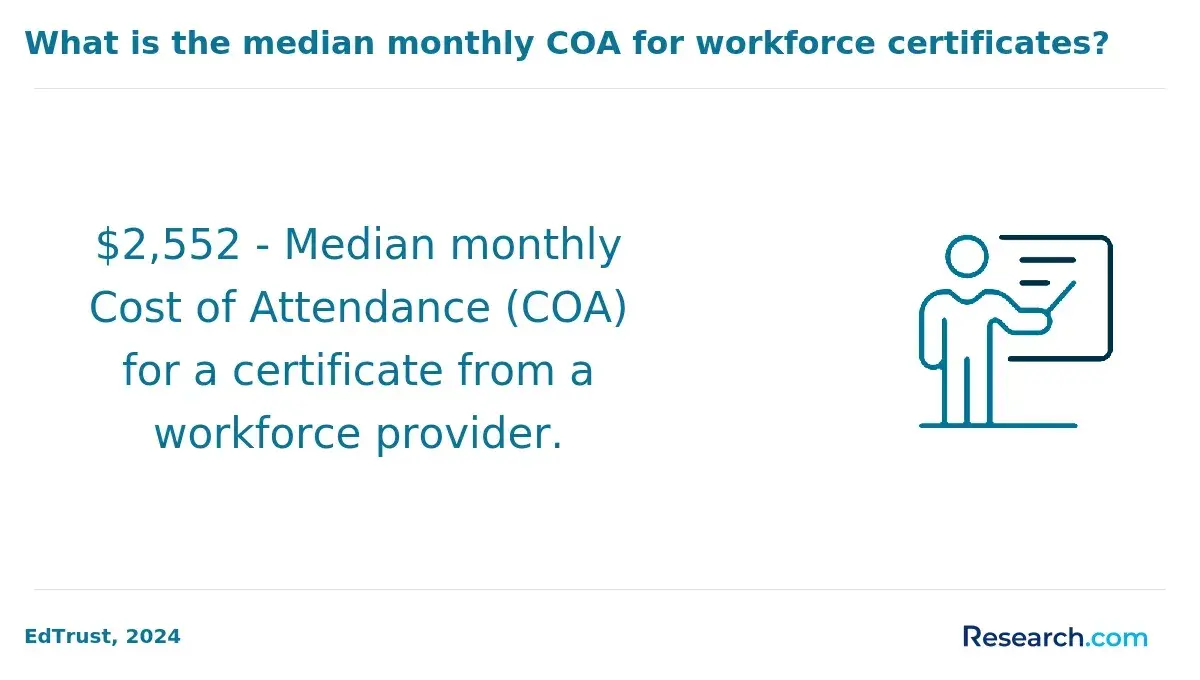
Tuition fees for one-year online hospitality management master's programs differ significantly between public and private universities. Public institutions generally charge between $15,000 and $30,000 for the entire accelerated course, while private universities have higher tuition rates, often ranging from $30,000 to $60,000. These disparities reflect factors such as institutional reputation, faculty expertise, and networking opportunities.
- Technology Fees: Many programs require students to pay annual technology fees ranging from $300 to $1,000. These cover online learning platforms, software access, and dedicated technical support and are usually non-waivable.
- Course Materials and Books: Though digital resources help reduce costs, textbooks and specialized materials typically add between $500 and $1,500 to overall expenses, depending on course demands and industry partnerships.
- Proctoring and Exam Fees: For maintaining academic integrity, some courses include online proctoring charges of $30 to $100 per exam. These fees can accumulate if multiple exams are required during the program.
- Residency or On-Campus Components: While most accelerated formats are fully online, certain degrees incorporate brief on-site residencies or workshops. These may entail additional travel and accommodation costs not covered in tuition, requiring prior verification.
- Institutional and Miscellaneous Fees: Additional charges like graduation application, library access, or career services can add several hundred dollars over the program duration.
According to the National Center for Education Statistics, graduate business-related online programs have experienced an average tuition increase of 3% annually over the past five years. Prospective students should always request comprehensive cost-of-attendance details from their chosen institutions to avoid unexpected expenses.
A professional who pursued an online hospitality management master's degree to transition careers shared that managing unexpected fees was one of the more stressful parts of the journey. He mentioned, "I initially budgeted for tuition alone, but the additional costs for software access and proctoring caught me off guard."
Navigating the accelerated pace alongside these financial variables required careful time and money management. He valued the flexibility of online learning but noted, "It's crucial to get a detailed breakdown upfront so you're not surprised mid-program." This insight highlights the importance of transparent cost information before enrollment.
What Financial Aid and Scholarship Options Are Available for One-Year Hospitality Management Master's Students?
Graduate students in accelerated hospitality management master's programs remain eligible for federal financial aid, including Direct Unsubsidized and Graduate PLUS Loans. However, work-study options may be fewer due to limited campus presence in compressed formats. Timely FAFSA submission is critical, especially since these programs often have nontraditional start dates that require early application to maximize federal aid.
- Merit-Based Scholarships: Many schools offer scholarships rewarding academic excellence and leadership. These awards can substantially reduce tuition but often require early applications and supporting documents such as essays or recommendations.
- Departmental Fellowships: Selected candidates may receive tuition waivers and stipends through competitive fellowships, which sometimes involve teaching or research roles within hospitality management departments.
- Employer Tuition Reimbursement: Employees in the hospitality sector might access employer-sponsored tuition support covering part or all of program costs, dependent on company policies and job performance.
- Financial Aid Office Guidance: Engaging directly with each program's financial aid office can uncover institution-specific scholarships, customized loan options, and payment plans designed for accelerated curricula.
- Scholarship Search Tools: Using resources like the College Board's Scholarship Search helps identify external awards tailored to a student's background and goals, expanding funding opportunities.
Recent data show approximately 85% of students in accelerated programs utilize some form of financial aid, highlighting its importance in one-year hospitality management master's financial aid options. Prospective students should also consider career outcomes associated with accelerated degrees, supporting paths toward roles reflected in highest paid college majors.
What GPA, Prerequisites, and Professional Experience Do One-Year Hospitality Management Master's Programs Require?
Most accelerated one-year online hospitality management master's programs generally expect applicants to have at least a 3.0 GPA on a 4.0 scale. However, admissions committees often evaluate the context of undergraduate grades, considering the difficulty of prior coursework and the institution's academic standing to offer a balanced assessment.
Applicants typically need foundational coursework in hospitality management, business principles, marketing, and sometimes introductory finance or accounting. If these are missing, candidates may be required to take bridge classes or demonstrate equivalent work experience before starting the program, ensuring they are prepared for the fast-paced curriculum.
Professional experience plays a crucial role in admissions, especially since many accelerated programs waive GRE or GMAT requirements for those with relevant industry backgrounds. Hands-on experience in roles such as hotel operations or event coordination can highlight practical skills and leadership potential, which strengthens applications, particularly for career switchers and international students.
Admission standards differ considerably among schools offering online accelerated formats. Prospective students are advised to thoroughly examine each program's specific criteria rather than assuming uniform requirements nationwide. Notably, recent data show a trend toward greater flexibility, with programs valuing diverse professional achievements alongside traditional academic records.
- Minimum GPA Requirements: A 3.0 undergraduate GPA is common, but some programs may allow exceptions based on other qualifications and institutional policies.
- Prerequisite Coursework: Core subjects in hospitality and business are expected; applicants lacking these may need to complete supplemental courses before enrollment.
- Professional Experience Considerations: Relevant work experience can waive standardized test mandates and demonstrate readiness for accelerated study.
- Program Variability: Requirements differ widely among institutions, making it essential to review each program's admissions page carefully.
- Trend Toward Flexibility: Increasingly, schools accept professional achievements and varied academic backgrounds to broaden access.
Speaking with a hospitality management professional who completed an online one-year master's highlighted the value of flexibility in admissions. She shared, "Despite a GPA slightly below 3.0, my years working in hotel management opened doors. I had to prove my readiness through detailed work portfolios and interviews instead of standardized tests." She appreciated how the program recognized her professional growth and tailored prerequisites to fill knowledge gaps, making the accelerated format manageable and rewarding despite initial concerns about her academic record.
Are GRE or GMAT Scores Still Required for Accelerated Online Hospitality Management Master's Admissions?
Since the pandemic, many one-year online hospitality management master's programs have moved away from requiring standardized test scores like the GRE or GMAT. This shift reflects efforts to reduce barriers and promotes a more equitable admissions process that emphasizes academic performance and professional experience over test results.
Still, some selective programs with a focus on quantitative skills maintain testing requirements. Applicants with strong academic backgrounds, relevant work experience, or prior graduate coursework often qualify for waivers, but these policies vary by institution and can change frequently. Prospective students should always check each school's latest admissions information to ensure compliance.
For many hospitality management programs, candidates can substitute test scores with a robust professional portfolio or documented work achievements. Admissions committees increasingly value leadership, project management expertise, and industry-specific accomplishments as indicators of readiness for graduate studies. This approach benefits international applicants and career changers who may encounter challenges with standardized exams.
- Rise of Test-Optional Policies: Over 60% of hospitality management master's programs now accept applications without GRE or GMAT scores, provided other criteria are met, making admissions more accessible.
- Waivers for Experienced Applicants: Applicants with three to five years of relevant experience or comprehensive portfolios often receive exemptions from testing requirements.
- Testing Still Required in Some Cases: Highly competitive or quantitatively rigorous programs may request test scores unless applicants secure waivers supported by strong academic or professional credentials.
- Frequent Policy Updates: Admissions criteria can shift annually; applicants should review each program's official page for the most current guidelines.
- Holistic Review Emphasized: Schools increasingly weigh GPA, recommendations, and personal statements, diminishing the weight placed on standardized tests.
Recent findings show that about 70% of graduate business and management programs, including hospitality management, now offer flexible or waived testing options, highlighting the trend toward inclusive admissions.
How Are Courses Structured and Delivered in a One-Year Online Hospitality Management Master's Program?
One-year online hospitality management master's programs blend synchronous and asynchronous delivery, allowing students to engage in live discussions while managing coursework on flexible schedules. This hybrid approach suits busy professionals and international students across time zones. Typically, semesters or terms are compressed, requiring students to complete 9 to 12 credit hours with 15 to 20 hours of weekly study. The accelerated format demands disciplined time management as assignments and exams occur frequently-usually every one to two weeks-to maintain steady momentum.
Despite the abbreviated timeline, capstone projects, practicums, or thesis requirements remain integral. Many programs schedule these hands-on experiences in the final quarter, ensuring practical application of theoretical knowledge in real-world hospitality settings without extending program length. This approach maintains academic rigor while enhancing career readiness.
- Synchronous vs. Asynchronous Delivery: Real-time video sessions foster immediate interaction and networking, while asynchronous materials provide flexibility for individual study pacing.
- Compressed Credit Loads: Students manage intensive credit hours per term, often doubling traditional semester loads, necessitating strong organizational skills and focus.
- Assignment Cadence: Frequent assessments and discussions are spaced closely to support continuous engagement and quick feedback.
- Capstone and Practicum Integration: Practical projects and internships are embedded toward program completion, bridging theory and practice efficiently within the one-year framework.
- Outcome Focus: Around 78% of hospitality management graduates from accelerated programs secure employment within six months, highlighting effective industry alignment.
What Core Curriculum and Specialization Tracks Are Covered in a One-Year Online Hospitality Management Master's Degree?
One-year online hospitality management core curriculum programs concentrate on essential coursework designed to build practical skills and critical thinking pivotal for leadership roles in hotels, restaurants, event planning, and tourism. These accelerated formats typically cover strategic management, financial management, marketing, operations, and leadership within hospitality contexts, enabling students to complete rigorous studies in a condensed timeframe without compromising depth.
Specialization tracks in accelerated hospitality management programs allow students to focus their education toward particular sectors such as hotel and resort management, event management, food and beverage management, or tourism development. These concentrations enhance graduates' expertise and position them for targeted career paths requiring specialized knowledge, thereby improving job market readiness in distinct subfields.
Compared to traditional two-year master's programs, one-year accelerated curriculums compress the learning schedule, reducing elective options but maintaining comprehensive foundational content. This intensive format equips career-oriented students for swift advancement while preserving academic rigor.
Reputable programs regularly update their curriculum based on ongoing industry trends, including sustainability initiatives, digital transformation, and global market dynamics. Advisory panels of industry experts play a key role in aligning course content with evolving professional standards.
- Core Curriculum Fundamentals: Essential courses integrate financial analysis, strategic planning, marketing, operations, and leadership designed specifically for hospitality environments, preparing students for diverse management roles.
- Specialization Tracks: Concentrations such as hotel management and event planning deepen sector-specific expertise, enabling graduates to meet targeted job market demands effectively.
- Accelerated Versus Traditional Formats: One-year programs condense curricula into a time-efficient, rigorous schedule that preserves academic depth, ideal for students seeking rapid career growth.
- Curriculum Relevance and Updates: Continuous review by experts ensures alignment with industry changes like sustainability and technology, keeping graduates competitive and current.
Prospective students who seek accelerated degrees might also explore easy associate degrees as a starting point for related hospitality or service industry education pathways.
How Do One-Year Online Hospitality Management Programs Balance Academic Rigor With Accelerated Completion?
One-year online hospitality management master's programs often raise concerns about whether their accelerated timelines compromise academic rigor. Research and employer surveys indicate that when programs are intentionally designed, shorter duration does not reduce educational quality.
These programs maintain rigor through structures like cohort models, block scheduling, and intensive modules that immerse students deeply in coursework without diluting complexity. This balance helps students tackle the demanding curriculum efficiently, reflecting the coursework balance essential in accelerated hospitality management degree programs.
Faculty qualifications strongly influence program quality. Typically, these programs feature instructors with advanced degrees and relevant industry experience. Faculty actively engage in mentoring and research, ensuring content reflects current industry standards. Student support services-such as personalized advising, tutoring, and career coaching-are vital in helping students manage the accelerated pace while preparing for job market demands.
Prospective students should evaluate program outcomes by examining alumni networks and transparent job placement statistics, which serve as key indicators of academic quality and professional preparation. Survey data show employers recognize graduates from well-structured accelerated programs as equally competent compared to those from traditional timelines.
- Deliberate Program Design: Use of cohort systems and intensive modules maintains academic depth by promoting focused study periods and peer engagement in a compressed timeline.
- Experienced Faculty: Instructors typically hold advanced qualifications and industry credentials, ensuring education is grounded in real-world hospitality management practices.
- Comprehensive Student Support: Advising, tutoring, and career coaching services help students adapt to fast-paced curricula while preparing for employment.
- Outcome Transparency: Published job placement rates and alumni success stories provide prospective students with critical data to assess academic and professional value.
- Employer Feedback: Surveys reveal hiring managers value graduates from accelerated formats equally when programs demonstrate rigorous content and practical skills.
For those exploring options for affordable graduate degrees, considering a cheapest criminal justice degree online can provide insight into diverse program structures, financial aid possibilities, and accreditation considerations applicable across fields, including hospitality management.
What Technology Tools and Software Skills Are Students Expected to Learn in an Online Hospitality Management Master's Program?
One-year hospitality management master's programs emphasize mastery of industry-relevant software and analytical tools, equipping students with essential skills for operational efficiency and strategic decision-making. Proficiency in these technologies aligns with employer expectations for tech-savvy professionals who can enhance guest experiences and optimize business outcomes.
- Property Management Systems (PMS): Training on platforms such as Opera and Maestro prepares students to handle hotel front desk operations, reservations, and revenue management, fostering competence in day-to-day property administration.
- Customer Relationship Management (CRM) Software: Coursework often includes Salesforce and Zoho CRM, which support personalized guest services and targeted marketing, meeting the sector's demand for relationship-driven solutions.
- Data Analytics Tools: Advanced Excel functions, Tableau, and Power BI enable students to interpret operational and financial data, supporting budgeting, forecasting, and resource optimization.
- Event Management Platforms: Tools like Cvent and Social Tables are integrated for planning and executing hospitality events, honing skills required for managing complex logistics and client coordination.
- Technical Requirements and Software Access: Students typically need a computer with minimum 8GB RAM, reliable broadband internet (20 Mbps+), and updated operating systems. Many programs offer complimentary or discounted software licenses, allowing practical experience without additional costs.
Recent industry research reveals that 78% of hospitality employers prioritize candidates proficient in relevant technology, highlighting the critical role of these competencies in career advancement.
Can Students Pursue a One-Year Online Hospitality Management Master's Degree While Working Full-Time?
A one-year online hospitality management master's degree generally requires students to complete 30 to 36 credits, with an estimated weekly study time ranging from 15 to 20 hours. Balancing this workload alongside full-time employment, typically 40 hours or more, can be demanding but achievable through effective time management. Many students use time-blocking to dedicate focused periods during evenings or weekends, while some benefit from employer-supported flexible schedules or remote work options, especially within relevant industries.
Asynchronous course delivery also allows learners to access lectures and assignments at their convenience, minimizing conflicts with professional commitments. Institutional data reveals that approximately 40% to 55% of students enrolled in accelerated hospitality management online programs hold full-time jobs throughout their studies. To prepare adequately, prospective students should discuss key aspects with admissions counselors before enrolling:
- Weekly Time Commitment: Request details on the average hours per week expected for both individual courses and the entire program to align your personal and work schedules effectively.
- Scheduling Flexibility: Clarify whether courses are fully asynchronous or require live participation and assess the impact on daily routines.
- Support Services: Investigate availability of resources like academic advisors, tutoring, or peer study groups designed for working professionals.
- Employer Collaborations: Ask about partnerships offering tuition assistance, flexible working hours, or internships that enhance both education and career growth.
What Graduates Say About Their One-Year Online Hospitality Management Master's Degree Program
- Sonia: "Choosing an online hospitality management master's degree was a strategic move to pivot from retail to the travel industry without pausing my full-time job. The affordability of the program made it a viable option compared to traditional schools, which was crucial for me. Since graduating, I've seen a remarkable boost in my career opportunities and now manage a boutique hotel chain confidently."
- Maureen: "Reflecting on my journey, pursuing an online hospitality management master's degree was motivated by a desire to deepen my knowledge while balancing family commitments. The flexibility of the coursework allowed me to study on my terms, and the cost-effectiveness meant I could invest in my future without financial strain. This education has been invaluable in elevating my role from supervisor to director within just two years."
- Audrey: "My decision to enroll in an online hospitality management master's degree program stemmed from a clear goal: to advance my career in hotel operations. The program's reasonable cost was a major factor, ensuring I could focus on learning rather than debt. Professionally, it's been a game-changer-I've earned promotions that would have been unattainable without the specialized skills I gained."
Other Things You Should Know About Hospitality Management Degrees
Graduates of one-year online hospitality management master's programs often see improved salary prospects and opportunities for career advancement, especially in managerial and leadership roles. Employers value the advanced knowledge and skills gained, which can result in starting salaries that are significantly higher than those with only undergraduate degrees. Additionally, the expedited nature of these programs allows professionals to re-enter the workforce or move up more rapidly.
One potential drawback of a one-year online hospitality management master's is the intense pace, which can challenge students balancing work, family, or other commitments. The condensed format may limit opportunities for in-depth research or engagement in extracurricular activities often available in longer programs. Additionally, students should carefully evaluate program accreditation and support services, as some accelerated programs may not offer the same level of academic advising or career placement assistance.
References
- Online hospitality training: build leadership skills and specialized expertise from anywhere https://lesroches.edu/blog/online-hospitality-training/
- Is it possible to complete a Master's degree while working full-time? https://academia.stackexchange.com/questions/142827/is-it-possible-to-complete-a-masters-degree-while-working-full-time
- Top 20 Hospitality Scholarships to Apply for in November 2025 https://bold.org/scholarships/by-major/hospitality-scholarships/
- The Benefits of Accelerated Learning: 1-Year Degree Programs in Dubai https://kingsedu.ac/the-benefits-of-accelerated-learning-1-year-degree-programs-in-dubai/
- What kind of skills can I expect to learn in a hospitality management course? https://m.umu.com/ask/a11122301573853445245
- MA in International Tourism Programme https://www.studyinpoland.pl/en/programme
- Tourism and Hospitality – Online Degree Pathway (240 Credits) - LCPS - London College of Professional Studies https://lcps.org.uk/product/tourism-and-hospitality-online-degree-pathway/
- Things to know before starting a master's degree | PI Hospitality Academy https://pihospitalityacademy.com/blog/things-to-know-before-starting-a-masters-degree/
- MSc in Hospitality & Tourism Management | ESCP Business School https://escp.eu/programmes/specialised-masters-MSc/MSc-in-hospitality-tourism-management
- Master of Science (MSc) in Global Hospitality Business - Entrance Requirements and Application Documents | Master of Science (MSc) in Global Hospitality Business | Taught Postgraduate Programmes | Study | School of Hotel and Tourism Management https://www.polyu.edu.hk/shtm/study/taught-postgraduate-programmes_v2/master-of-science-in-global-hospitality-business/entrance-requirements-and-application-documents/