2027 Online Animal Science Degree Programs Costs: Tuition & Fees

Co-Founder and Chief Data Scientist
Choosing an online Animal Science degree is partly an academic decision and partly a cost-management decision. The program may prepare you for work connected to livestock production, animal nutrition, animal welfare, breeding, agriculture, food systems, research support, or graduate study, but the price can vary sharply by school, residency status, degree level, and required hands-on components.
The sticker price is only one part of the budget. Online students may still pay technology fees, course material costs, exam proctoring charges, lab kit expenses, graduation fees, and travel costs for any required fieldwork or clinical experiences. These costs matter because Animal Science programs often include applied coursework that may not be fully online in practice, even when lectures and assignments are delivered remotely.
This guide breaks down the typical cost of an online Animal Science degree, what tuition usually includes, why prices differ by institution, how online and campus-based programs compare, and where students may find more affordable options. It also explains financial aid eligibility and how to think realistically about return on investment before enrolling.
Key Points About Online Animal Science Degree Costs
- Average tuition for online Animal Science degrees ranges from $15,000 to $40,000, varying by institution type and program length.
- Costs depend on residency status, credit hours, technology fees, and availability of financial aid.
- Investing in this degree often leads to specialized career opportunities in agriculture, research, and animal health sectors.
What Is the Average Cost of an Online Animal Science Degree?
The average cost of an online Animal Science degree depends heavily on whether you attend a public or private institution, qualify for in-state tuition, and enroll in an undergraduate or graduate program. In the United States, annual tuition commonly ranges from around $11,000 for in-state students to $28,000 for out-of-state students at public universities. Some schools charge per credit instead of by semester, with rates from about $107 to $507 depending on the institution and program level.
For a 120-credit bachelor's degree, total tuition can range from roughly $12,800 to over $60,000. That range is wide because online pricing is not standardized. A low-cost public college with in-state rates may be substantially cheaper than an out-of-state public university or a private program with specialized coursework.
Graduate programs usually cost more per credit. Master's-level Animal Science programs often charge from $444 up to nearly $1,750 per credit at research universities. Because graduate degrees require fewer credits than bachelor's programs, the total cost may still be manageable, but the per-credit price can be much higher.
Animal Science tuition is generally comparable to related fields such as zoology or agricultural sciences. The main difference is that some Animal Science programs include lab work, field learning, livestock or equine components, or locally arranged practical experiences that may add costs beyond standard online tuition. Before comparing programs, calculate the full degree price rather than relying only on a published per-credit rate.
What Is Typically Included in the Tuition for an Online Animal Science Degree?
Tuition for an online Animal Science degree usually pays for instruction, course access, faculty support, and the academic systems needed to complete the program. It does not always cover every expense required to finish a course or graduate, so students should review the school’s cost-of-attendance page and program fee schedule before enrolling.
Common costs covered by tuition
- Online course instruction: Tuition typically covers lectures, assignments, discussions, feedback from instructors, exams, and access to required course modules.
- Learning management system access: Students usually receive access to the platform used to submit assignments, view grades, participate in discussions, and communicate with faculty.
- Basic academic services: Many schools include advising, library access, tutoring resources, disability support coordination, and career services in the standard tuition or required fee structure.
- Some digital learning materials: Certain programs include e-textbooks, virtual simulations, recorded demonstrations, or online lab resources, but this varies by institution and course.
Costs that may be billed separately
- Technology infrastructure fees: Online programs often charge required fees to support digital platforms, technical support, remote learning tools, and online library systems.
- Physical textbooks and supplies: Printed books, course packs, calculators, software subscriptions, or specialized supplies may not be included in tuition.
- Lab kits or hands-on materials: Animal Science courses with applied components may require kits, safety equipment, specimens, or locally completed activities.
- Exam proctoring: Some schools use remote proctoring software or approved testing centers, which can add per-exam costs.
- Graduation and administrative fees: Application-to-graduate fees, transcript fees, and other miscellaneous charges may appear near the end of the program.
The safest approach is to ask the program for a written estimate of total costs by term, including required fees, books, lab expenses, and any travel or in-person requirements. This helps prevent underestimating the real price of an “online” degree.
What Factors Influence the Cost of Pursuing an Online Animal Science Degree?
The price of an online Animal Science degree is shaped by institutional pricing policies and by your own enrollment situation. Two students in the same program may pay very different amounts if one qualifies for resident tuition, transfers in credits, or receives institutional aid.
- Type of school: Public universities often offer lower tuition for in-state students, while private colleges may charge one rate for all online learners. For example, Santa Fe College charges $106.77 per credit for in-state students and $382.90 per credit for out-of-state students.
- Residency status: Residency can be one of the largest cost drivers at public institutions. Texas residents at East Texas A&M University pay $4,212 for 12 credits, while non-residents pay over twice as much at $9,108.
- Degree level: Bachelor's programs usually require about 120 credits, while master's programs may require 30 to 36 credits. A graduate program may have a higher per-credit rate but fewer total credits.
- Credit-hour requirements and transfer policies: The more credits you must complete at the institution, the more you will pay. Generous transfer credit policies can reduce the cost for students who already completed general education or related coursework.
- Technology and student fees: Online programs may charge fees for digital platforms, virtual labs, remote student services, online course delivery, or exam proctoring. These can add several hundred dollars beyond tuition.
- Lab, fieldwork, or practicum requirements: Animal Science is an applied field. Even online programs may require hands-on experiences, local placements, or lab-related materials that increase the overall budget.
- Faculty credentials and school reputation: Programs with highly qualified faculty, research resources, specialized tracks, or strong employer recognition may charge more. Higher price does not automatically mean better fit, so compare curriculum, outcomes, support, and accreditation along with cost.
Students comparing costs should also evaluate pacing. Accelerated enrollment can reduce time in school, but taking more credits at once may affect work hours and aid eligibility. Those reviewing the best accelerated online bachelor degree programs should compare both speed and total cost before committing.
Are Online Animal Science Programs Cheaper Than Traditional Programs?
Online Animal Science programs are often cheaper than traditional campus-based programs, but not always. The biggest savings usually come from lower living, commuting, and campus-related expenses rather than tuition alone.
For the 2025-26 academic year, the average annual tuition and required fees for an online Animal Science degree are approximately $12,216, compared to $18,981 for a similar on-campus program. That means online programs generally cost about 64% of their on-campus counterparts. For students who can remain employed, avoid relocation, or live at home, the total savings may be even more meaningful.
Traditional programs can be more expensive because students may pay for campus facilities, transportation, activity fees, parking, and housing-related costs. Room and board add roughly $744 more per year than typical living expenses for online learners. On-campus programs may also require regular travel to labs, farms, research facilities, or field sites.
However, online does not automatically mean low-cost. Some public universities charge higher rates for online out-of-state students, and certain online programs add technology, course delivery, or proctoring fees. Animal Science courses may still require lab materials, fieldwork, or supervised local experiences. Before choosing a format, compare the full cost of attendance, not just tuition.
Students who want flexible admission routes may also compare online programs with open admission colleges, especially if they are balancing affordability, transfer credit, and access requirements.
Are There In-state and Out-of-state Tuition for Online Animal Science Programs?
Yes. Many public universities charge different online tuition rates for in-state and out-of-state Animal Science students. This can make residency status one of the most important cost factors in a degree search.
Santa Fe College, for example, charges $106.77 per credit for in-state learners and $382.90 per credit for out-of-state students. North Carolina State University's online bachelor's program costs $272.29 per credit for residents, while non-residents pay $1,312.50 per credit. Over a full degree, that difference can change the total price substantially.
Not every school uses residency-based pricing for online programs. Oregon State University uses a flat-rate tuition model for online programs with one uniform price regardless of residency. Some states also participate in regional tuition agreements that may allow students from neighboring states to access discounted rates.
Private colleges often charge one tuition rate for all online students, so residency may not matter. That does not always make the program cheaper, but it can make the cost easier to predict. Before applying, confirm whether the listed online tuition rate applies to your residency category, degree level, and credit load.
Which Schools Offer the Most Affordable Animal Science Degree Programs?
The most affordable online Animal Science options are often found at public colleges and universities, especially for students who qualify for resident tuition or can transfer credits into the program. Affordability should be judged by total program cost, not only by the lowest per-credit rate.
- Santa Fe College (Florida): Santa Fe College offers an online Associate in Arts (AA) degree in Animal Science. In-state tuition is approximately $106.77 per credit, while out-of-state students pay $382.90 per credit. The program guarantees transfer admission to several Florida public universities and offers institutional financial aid.
- North Carolina State University: North Carolina State University offers online bachelor's and master's degrees in Animal Science, with coursework in genetics, nutrition, and physiology. Bachelor's tuition is $272.29 per credit for in-state students and $1,312.50 for out-of-state students. Master's tuition ranges from $568.33 in-state to $1,751.56 out-of-state, and financial aid options are available.
- Oregon State University: Oregon State University offers an online bachelor's option at $384 per credit. The curriculum focuses on animal nutrition, breeding, and production systems, making it relevant for students interested in livestock, equine, or wildlife management. Federal and institutional aid are available.
- New Mexico State University: New Mexico State University offers a master's in domestic animal biology at $444.40 per credit, with emphasis areas connected to physiology and nutrition. Institutional and federal aid may help reduce out-of-pocket cost.
When comparing low-cost programs, review accreditation, transfer pathways, faculty access, required labs, and career support. A slightly higher tuition rate may be worth it if the program accepts more transfer credits, offers stronger advising, or aligns better with your career goal.
Students researching advanced low-cost options may also want to compare institutional aid and flat-rate pricing across affordable PhD programs online, especially if they plan to continue beyond a master's degree.
Which Schools Offer the Most Expensive Animal Science Degree Programs?
The most expensive online Animal Science programs are usually specialized graduate programs, out-of-state public university options, or degrees offered by institutions with strong brand recognition, niche curricula, or extensive faculty resources. A higher price may be justified for some students, but only if the program clearly supports their career target.
- University of Pennsylvania: The University of Pennsylvania offers an online Master of Science in Animal Welfare & Behavior with tuition around $4,045 per 6-credit unit, plus additional fees. The required 48 credits bring the total cost above $32,000. The program’s cost reflects its Ivy League setting and specialized focus on animal welfare and behavior.
- North Carolina State University: North Carolina State University’s online master's in animal science costs approximately $1,751.56 per credit for out-of-state students. The program includes advanced coursework in genetics, nutrition, and physiology at a major public research university.
- Unity Environmental University: Unity Environmental University offers an online master's in animal science and behavior priced at about $550 per credit. Total cost depends on the number of required credits, and the program is designed around a focused area of animal science and behavior.
Before choosing a high-cost program, ask what the premium pays for. Important questions include whether the curriculum is unique, whether faculty expertise matches your interests, whether the degree supports licensure or advancement goals, and whether graduates move into roles that justify the investment.
Students comparing expensive specialized programs may also explore fast track careers that pay well to understand how program length, cost, and career outcomes can affect the value of a degree.
How Long Does It Take to See a Return on an Online Animal Science Degree?
Many graduates may begin to see a return on an online Animal Science degree within three to seven years, but the timeline depends on tuition paid, debt borrowed, starting salary, career path, and whether the degree helps the student qualify for higher-level roles.
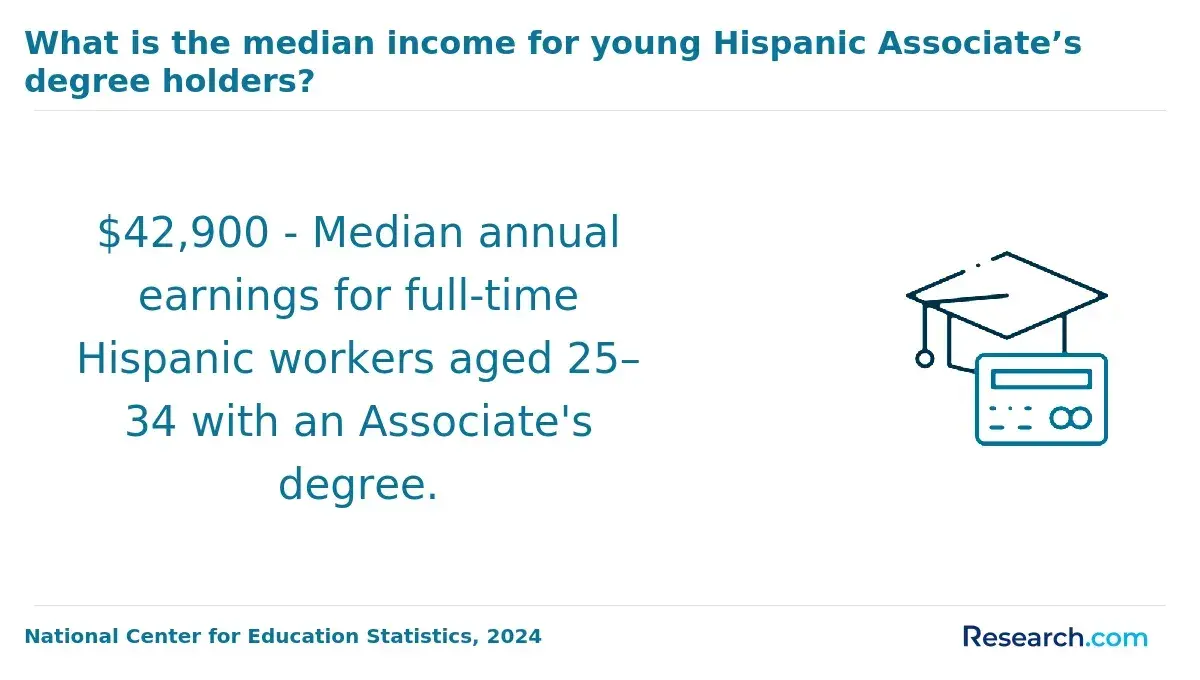
Entry-level roles such as animal technicians or farm managers often start with salaries between $30,000 and $45,000. Graduates who move into specialized areas, management roles, research support, animal nutrition, animal welfare, or positions requiring advanced training may improve their earning potential over time. However, salary outcomes vary by region, employer, experience, and degree level.
Tuition has a direct effect on return on investment. A student paying a lower in-state rate may recover costs faster than a student paying out-of-state graduate tuition. Per-credit rates can range roughly from $272 to over $1,700 per credit, so the same credential type can lead to very different payoff timelines depending on school choice.
How to estimate your own ROI
- Calculate total cost: Include tuition, fees, books, lab materials, technology charges, proctoring, and any travel for required experiences.
- Subtract gift aid: Grants, scholarships, employer tuition assistance, and institutional awards reduce your real cost.
- Estimate debt payments: Borrowing more can extend the payback period even if the program leads to better job options.
- Compare likely salary paths: Review roles you realistically qualify for with an associate, bachelor's, or master's degree.
- Consider opportunity cost: Online study may allow you to keep working, which can improve ROI compared with leaving the workforce for a campus program.
A degree is more likely to pay off when it is affordable, accredited, aligned with a specific career plan, and supported by relevant experience such as internships, farm work, research assistance, veterinary or animal care experience, or industry certifications where appropriate.
Are Online Animal Science Students Eligible for Financial Aid?
Online Animal Science students are generally eligible for financial aid when they attend an accredited institution and meet enrollment and program requirements. Aid eligibility usually depends on the school, program, student status, and FAFSA results, not simply on whether the classes are online.
- Federal Pell Grants and Loans: Eligible students in accredited online Animal Science programs may qualify for Pell Grants of up to $7,395 per year. Federal student loans may also be available, and work-study programs may allow students to earn money through part-time campus or virtual jobs.
- State grants and scholarships: Many states offer aid for residents pursuing online degrees. These programs vary by state and often require FAFSA completion. Some states provide tuition assistance that may fully or partially cover costs for qualifying students.
- Institutional aid: Colleges may offer merit scholarships, need-based grants, transfer scholarships, department awards, or promise programs that help cover tuition gaps after federal and state aid.
- Employer tuition assistance: Students already working in agriculture, animal care, food production, veterinary support, or related industries may be able to use employer tuition reimbursement if the degree is connected to their job.
- Private scholarships: Agriculture groups, breed associations, animal welfare organizations, rural community foundations, and industry groups may offer scholarships, although eligibility rules vary.
Some specialized certificate programs in animal science may not qualify for federal aid, even if related degree programs do. Always confirm aid eligibility with the financial aid office before enrolling, and ask whether your program, course load, and online status qualify for the aid you plan to use.
Students considering education pathways with strong wage potential may also compare outcomes in related skilled fields by reviewing the highest trade school salary opportunities.
Are Online Animal Science Programs Expected to Increase in the Coming Years?
Online Animal Science programs are expected to remain an important option for students who need flexible study, especially working adults, rural learners, military-affiliated students, and those who cannot relocate for a campus-based agriculture or animal science program. As universities expand online offerings, students may see more course options, more hybrid lab models, and more flexible pacing.
Costs may also rise moderately as universities invest in online learning platforms, digital lab tools, student support, and program development. Tuition currently varies widely by institution, residency status, and program structure. Public universities often provide lower rates for in-state students, while private institutions may charge a fixed tuition regardless of location. On average, tuition per credit hour ranges from around $200 to over $700.
Some universities charge flat rates per semester or year, which can help students who take heavier course loads. Others charge strictly by credit, making part-time study easier to budget but potentially increasing total time to completion.
Even if tuition increases, online programs may remain financially attractive because students can often avoid relocation, reduce commuting costs, and continue working while enrolled. The best way to prepare is to compare multiyear cost estimates, ask whether tuition is locked in, and apply early for federal, state, institutional, and employer-based aid.
What Students Say About The Cost of Pursuing Online Animal Science Programs
- : "The cost of completing my online Animal Science degree was less than I expected, which was a pleasant surprise. Professionally, this degree has elevated my qualifications and broadened my expertise in animal welfare policies. Looking back, the financial commitment was a smart decision that I do not regret. — Luca"
- : "I entered the online Animal Science program with some hesitation about the cost, but it turned out to be manageable considering the quality of education. Balancing work and study was challenging, yet knowing that the return on investment could improve my job prospects made it worthwhile. This degree gave me a fresh perspective on sustainable farming practices. — Jorge"
- : "Pursuing my online Animal Science degree has been an important investment in my future. The program's cost was surprisingly affordable compared to traditional degrees, which made it easier for me to focus on learning rather than financial stress. Now I feel more confident that this degree can open doors to a career in animal nutrition. — Truce"
Other Things You Should Know About Animal Science Degree Program Costs
Many universities offer scholarships specifically for online Animal Science degree programs to help alleviate some of the financial burdens. Students can check each institution's financial aid office for available scholarships and eligibility requirements tailored to their program.
The average cost per credit hour for online Animal Science degree programs in 2027 typically ranges from $300 to $600. This cost can vary significantly depending on the institution, with some programs offering lower in-state tuition rates for residents.
Online Animal Science degree programs in 2027 may have occasional in-person requirements, such as labs or internships, depending on the specific program. These sessions might incur additional costs for travel and accommodations, so it's important for students to verify these requirements with their chosen institution.
References
- Online Learning https://cals.ncsu.edu/animal-science/students/online/
- Animal Science https://www.geteducated.com/online-degrees/all/math-science/animal-science/
- Explore 4 online degrees focused on animal science and conservation https://ecampus.oregonstate.edu/news/explore-3-online-degrees-focused-on-animal-science-and-conservation/
- Estimating the financial return on a veterinary education in: Journal of the American Veterinary Medical Association Volume 246 Issue 4 () https://avmajournals.avma.org/view/journals/javma/246/4/javma.246.4.422.xml
- Animal Science - Northeast Iowa Community College https://www.nicc.edu/academics/programs/animal-science/
- Billing and Coding Certification Prep Program - MedCertify https://medcertify.com/programs/billing-coding/
- Financial Support https://animalbiology.ucdavis.edu/admissions/financial-support
- Home https://www.husson.edu/online/online-degrees/bachelor-of-science-in-animal-care-and-behavior
- UK and ROI student plus member | BSAVA https://www.bsava.com/membership/categories/uk-and-roi-student-plus-member/
- Online Graduate Programs in Animal Welfare & Behavior https://www.vet.upenn.edu/programs/graduate-awb/