2027 Do Employers Pay for Animal Science Degrees: Tuition Reimbursement and Sponsorship Options

Co-Founder and Chief Data Scientist
Many prospective students hesitate to pursue an animal science degree due to the average $37,000 annual tuition cost and rising student loan debt, which surpasses $1. 7 trillion nationwide. This financial burden often deters working professionals seeking career advancement in agriculture or veterinary fields. Understanding whether employers offer tuition reimbursement or sponsorship is crucial for managing these expenses effectively.
This article explores common employer-funded education benefits, eligibility criteria, and program limits specific to animal science degrees. It aims to clarify how these options can alleviate financial strain and guide readers in leveraging employer support to reduce education costs.
Key Benefits of Employers Paying for Animal Science Degrees
- Employers offering tuition reimbursement reduce the average $35,000 debt incurred for animal science degrees, easing financial burdens for graduates entering the workforce.
- Sponsorship programs often include mentorship opportunities, connecting students with industry professionals to enhance practical skills and employment prospects.
- Employer-funded education investments promote workforce retention by encouraging employees to advance their expertise without incurring out-of-pocket expenses.
Do Employers Pay for Animal Science Degrees?
Employer-sponsored education support is becoming increasingly common across various industries, with about 56% of U.S. companies offering tuition assistance programs to their workforce. Businesses increasingly recognize the benefits of investing in employee development to enhance productivity and innovation.
Companies in sectors related to agriculture, biotechnology, veterinary services, and food production often provide tuition reimbursement for animal science degrees, seeing a direct link between the employee's education and job performance. This trend aligns with a growing emphasis on workforce development strategies that prioritize upskilling staff to meet evolving industry needs, making employer tuition reimbursement for animal science degrees a valuable consideration for many working professionals.
Trends in employer payment for education vary depending on industry relevance, the specific role of the employee, and the company's budget for professional development. Organizations are more likely to sponsor animal science degree programs when they align with strategic goals and help retain knowledgeable employees.
Prospective students aiming for careers in fields that rely on animal science expertise may find these sponsorship programs especially advantageous. Additionally, exploring options such as the cheapest online pharmacy school can help students manage educational expenses. Assessing the likelihood of employer support alongside career goals can improve the return on investment when pursuing an animal science degree sponsorship programs.
What Types of Tuition Assistance Do Employers Offer for Animal Science Degrees?
Employer-sponsored tuition assistance is a valuable resource for professionals pursuing an animal science degree, as it helps reduce out-of-pocket expenses and lowers financial risk. These benefits enable students to advance their careers by making education more affordable and accessible.
Considering employer sponsorship options for animal science education can improve the overall return on investment for students.
The main forms of employer tuition support include:
- Tuition reimbursement: After successfully completing courses and providing proof of passing grades, employers reimburse a portion or all of tuition expenses. This method helps offset costs without upfront payment, with coverage limits often capping annual amounts to manage budget impacts.
- Upfront tuition payment: Some employers pay tuition fees directly to the educational institutions, reducing immediate financial pressure on the employee. This arrangement streamlines the payment process and ensures fees related to animal science programs are handled promptly.
- Scholarships and grants: Although less common, certain companies provide scholarships or grants specifically for employee studies in animal science. These funds can significantly lower expenses, complementing other forms of tuition support.
- Loan repayment programs: Assistance with repaying student loans is sometimes offered to those pursuing degrees related to animal science careers. This benefit helps graduates manage long-term debt and encourages retention in the field.
These tuition reimbursement programs for animal science degrees generally cover tuition but may exclude additional fees or materials. Coverage limits vary widely, but even modest employer contributions make a meaningful difference. For those considering advanced nursing options alongside their animal science career, exploring BSN to DNP programs is also a practical step toward educational advancement.
Who Is Eligible for Employer Tuition Reimbursement for Animal Science Degrees?
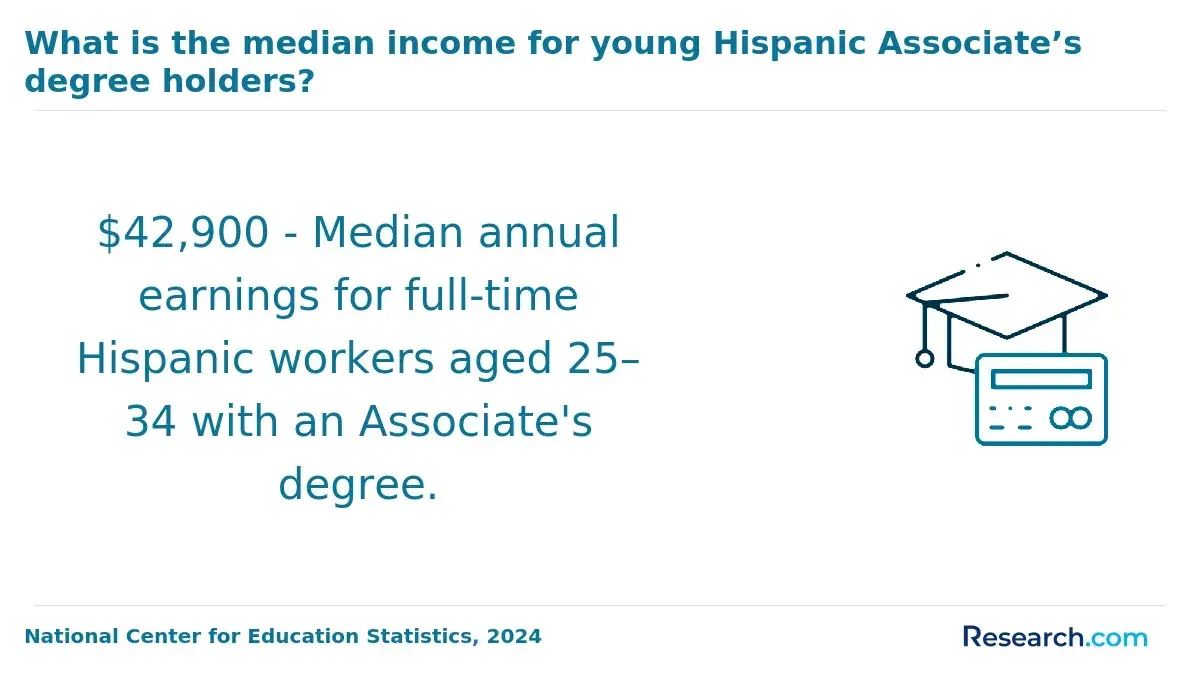
Eligibility requirements for employer tuition reimbursement play a vital role in planning to use employer-sponsored funding for an animal science degree. These criteria influence when you can begin your studies, which programs qualify, and ultimately your return on investment (ROI).
Being aware of these conditions beforehand ensures better alignment with employer policies and helps manage education costs effectively.
- Employment status: Employer tuition reimbursement eligibility for animal science degrees commonly requires employees to have full-time or stable part-time positions. Temporary or contract roles are less likely to qualify.
- Tenure requirements: Many employers mandate a minimum length of service before offering tuition support, often ranging from six months to several years. This ensures investment in employees committed to the company.
- Job relevance: The animal science degree typically must be directly related to the employee's current job or future career path within the organization. This connection justifies the employer's educational investment.
- Academic performance: Maintaining satisfactory grades or a minimum GPA is usually required to continue receiving employer-sponsored tuition assistance, encouraging academic success.
- Approval process: Pre-approval by human resources or management is often needed before enrolling in courses. This step ensures the chosen program fits both employer criteria and workforce needs.
- Ongoing employment expectations: To prevent quick turnover after education benefits, employers may require recipients to remain employed for a specified time post-completion or face repayment obligations.
Knowing who qualifies for employer-sponsored animal science degrees allows students and professionals to strategically select programs and timing. For those considering alternative or related paths, exploring easiest nursing schools to get into may provide insight into how employer tuition support works in other fields and broaden options for education funding.
How Do Employer Tuition Reimbursement Programs Work for Animal Science Degrees?
For students pursuing an animal science degree while working, employer tuition reimbursement programs can significantly reduce education expenses. Knowing how these programs operate helps you navigate eligibility and maximize benefits.
Below is a clear overview of key features commonly found in these programs.
- Approval process: Employees generally need to obtain prior approval before enrolling in courses, ensuring the training aligns with their job duties or company goals. This often involves submitting an application or education plan for review.
- Payment and reimbursement timing: Reimbursement typically occurs after course completion and submission of proof such as transcripts or receipts. This post-completion model means employees must initially cover tuition costs.
- Documentation requirements: Detailed evidence of enrollment, tuition payments, and final grades is essential. Accurate record-keeping helps verify eligibility and streamline the reimbursement process.
- Reimbursement limits: Most programs cap annual reimbursements, commonly ranging from a few thousand up to several thousand dollars. Understanding these limits helps in planning your educational expenses.
- Academic performance expectations: A minimum grade threshold, often a B or higher, is required to qualify for reimbursement. Failure to meet these standards may result in the loss of benefits or even repayment obligations.
Are Online Animal Science Degrees Eligible for Company Sponsorship?
Many employers have increasingly begun to support online animal science degrees through tuition reimbursement programs, reflecting a shift in attitudes toward digital learning. Previously, skepticism around the quality and rigor of online education limited sponsorship opportunities.
However, as more online programs earn respected accreditation and meet strict academic standards, companies are growing more accepting. A report by the Society for Human Resource Management noted that about 56% of U.S. employers offer tuition reimbursement, with many welcoming accredited online options-though policies and eligibility requirements differ widely among organizations.
When determining sponsorship eligibility, employers often evaluate factors such as the program's accreditation, how closely the coursework relates to an employee's current or prospective job duties, the perceived challenge and reputation of the program, and whether the degree supports broader company objectives or workforce development initiatives.
A professional who completed an employee-sponsored animal science degree online shared that the process was initially daunting, especially navigating company paperwork and ensuring the program met all stated criteria. "It took a lot of patience to get approval," he recalled. He emphasized the importance of clear communication with HR and choosing a program with solid academic standing.
In the end, he described the experience as rewarding, noting that employer support not only eased financial strain but also motivated him to excel, reinforcing the value of employer sponsorship for online animal science education.
How Much Tuition Reimbursement Can You Get for Animal Science Degrees?
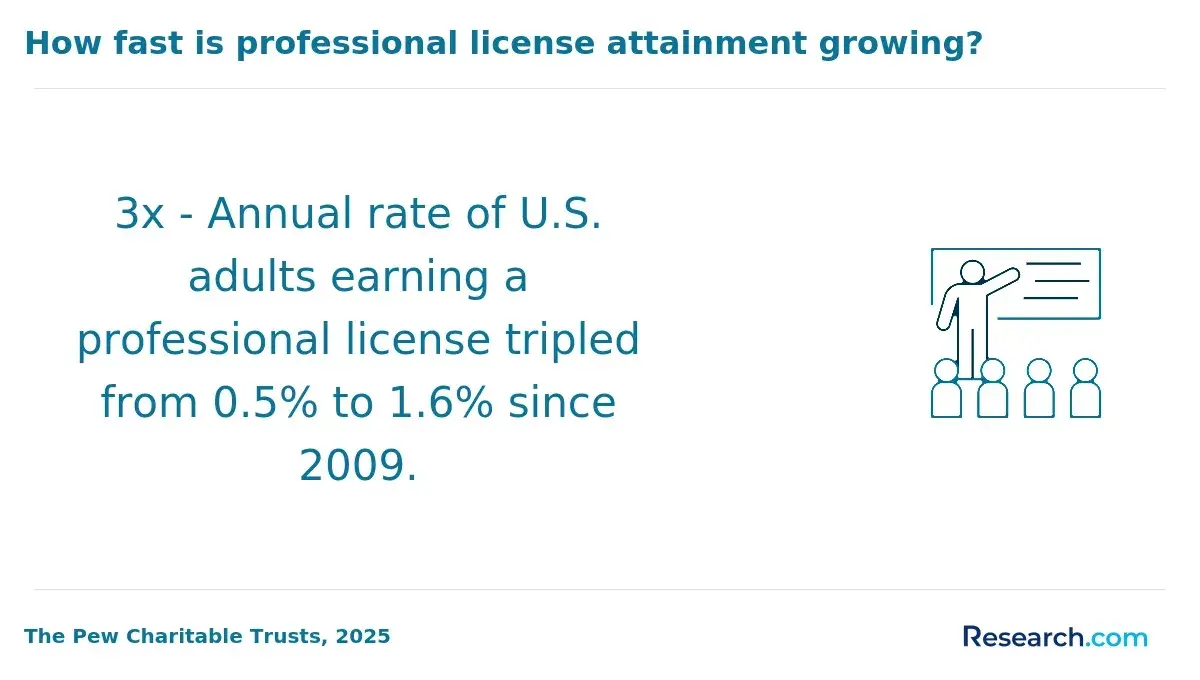
Evaluating tuition reimbursement limits is key when considering the affordability and return on investment for an animal science degree. These caps help students anticipate their personal expenses and financial commitments. According to a Society for Human Resource Management survey, 56% of employers provide some form of tuition assistance, though amounts and terms vary widely.
Most employers set annual tuition reimbursement limits between $3,000 and $5,250, reflecting the IRS guideline that allows up to $5,250 per year to be tax-free. Additionally, many impose lifetime maximums, often ranging from $20,000 to $40,000, placing a ceiling on total benefits over time.
Larger companies and those in agriculture or veterinary sectors often offer higher reimbursement, especially when the degree relates directly to the employee's job function.
Breakdown of All 2-Year Online Title IV Institutions

Are There Penalties for Leaving an Employer-Sponsored Animal Science Program Early?
For employees considering employer-sponsored animal science degree programs, knowing the potential financial consequences of leaving early is essential. About 60% of tuition assistance plans require staying with the company for a set time after completion to keep benefits.
These requirements often come with specific repayment or penalty conditions, outlined below.
- Tuition Repayment Obligations: If an employee departs before satisfying the commitment, they typically must repay any tuition already reimbursed. This ensures employers recover their investment if the promised work period isn't met.
- Prorated Repayment Schedules: Many agreements calculate repayment amounts based on how far the employee progressed in the program, with smaller balances owed the closer they are to finishing.
- Early Termination Clauses: Contracts often specify that employees must remain with the employer for a defined period, commonly one to two years post-coursework, or face reclaiming of funds.
- Impact on Future Benefits: Leaving prematurely can not only trigger repayment but might also disqualify an employee from future tuition assistance or other educational perks offered by the company.
A professional who completed an animal science degree through employer tuition assistance shared her experience. She described the challenge of balancing work responsibilities with coursework but felt the company's support made it manageable.
When asked about leaving before finishing, she expressed how the repayment terms influenced her decision to stay, explaining, "Knowing there were clear financial penalties made me commit fully to both the program and my job." She appreciated having this stability, as it helped her focus on learning without worrying about unexpected costs.
Her story highlights how understanding and navigating these agreements early can positively impact career choices and educational outcomes.
Can Employer-Paid Animal Science Degrees Improve Long-Term Earning Potential?
Evaluating how employer-sponsored education impacts career earnings is crucial for working professionals considering an animal science degree. Access to tuition reimbursement can lower upfront costs and boost long-term salary growth, making the degree a strategic investment.
For example, workers participating in employer-paid education programs show a 10-15% higher median wage growth over a decade compared to those without such support, reflecting significant financial benefits.
- Increased promotion opportunities: Employer-paid degrees often lead to quicker advancement in job roles. Individuals with enhanced credentials are more likely to be considered for leadership positions within agricultural and scientific organizations.
- Faster career progression: Tuition reimbursement allows students to focus on developing skills rather than managing educational debt, which translates into accelerated professional growth and a competitive edge in the job market.
- Access to higher-paying roles: Formal education funded by employers can open doors to specialized and better-compensated positions in the animal science field, improving overall earning potential.
- Enhanced skills and qualifications: Employer-sponsored programs provide structured training that improves technical expertise and professional networks, which support career stability and growth.
- Return on investment: The long-term career benefits of tuition reimbursement for animal science outweigh initial costs, making employer-paid degrees a viable path to financial and professional advancement.
For those exploring educational options in healthcare alongside animal science, finding affordable NP programs can similarly offer strong career returns through reduced cost and employer assistance.
How Do You Ask Your Employer to Pay for a Animal Science Degree?
Proactive communication and thorough preparation are key when requesting your employer to fund your animal science degree. Nearly 40% of U.S. employees have access to employer-funded education programs, making well-planned requests especially timely.
Effectively framing your ask can improve your chances of gaining support by aligning your educational goals with company priorities.
- Research tuition reimbursement policies: Begin by reviewing your company's education benefits to verify eligibility, covered expenses, and any restrictions. Understanding these details allows you to tailor your request and avoid surprises.
- Prepare a business case: Connect how the animal science degree enhances your skills and benefits your current role or supports the company's mission. Demonstrating tangible value increases employer buy-in.
- Schedule a formal meeting: Request time with your manager or HR to present your case professionally. This shows seriousness and respect for company processes when seeking tuition funding.
- Highlight career and job relevance: Emphasize how the program aligns with your job responsibilities or helps you grow professionally, which justifies the investment from your employer.
- Follow up with documentation: After your discussion, send a summary outlining agreed steps or deadlines. This ensures clarity and maintains momentum in the approval process.
For those exploring cost-effective education options, consider researching the cheapest DNP online program as a benchmark for affordable online degrees, even though it's outside animal science, to better understand tuition trends.
These tips for asking your employer to fund animal science education will help you navigate corporate tuition reimbursement policies and maximize your return on investment.
What To Do If Your Employer Doesn't Pay for a Animal Science Degree?
Students pursuing an animal science degree without employer financial support often need to find other ways to cover tuition and related expenses. Since about 56% of college students benefit from some form of financial aid, exploring these alternatives can make a significant difference in managing costs.
- Federal and state aid: Completing the Free Application for Federal Student Aid (FAFSA) is key to qualifying for grants, subsidized loans, and work-study opportunities provided by government programs.
- Scholarships and grants: Numerous awards targeting animal science students offer funds that don't require repayment, often based on academic merit or financial need.
- Personal savings and loans: Using your own funds or taking out education loans can fill gaps, but it's important to plan carefully to avoid burdensome long-term debt.
- Income-share agreements: These arrangements allow students to pay a portion of their future earnings instead of upfront tuition, providing a flexible financing alternative gaining popularity in higher education.
- Part-time or online study options: Enrolling part-time or selecting online programs can spread out costs, enable continued employment during study, and often reduce overall financial pressure.
What Graduates Say About Employers Paying for Their Animal Science Degrees
- Timothy: "Completing my animal science degree would have been a major financial burden since the average cost of attendance can be quite high. Thanks to my employer's generous tuition assistance, I was able to focus fully on my studies without worrying about the expenses. This sponsorship not only made earning my degree affordable but also opened doors for advanced roles in animal health management. "
- Maria: "The cost of attending an animal science program was daunting, especially considering living expenses on top of tuition. With my company's tuition sponsorship, I managed to cover almost all costs, which eased a lot of stress during my education. This support was instrumental in enhancing my expertise and advancing my career in agricultural research. "
- Lucas: "Paying for an animal science degree can be expensive, typically ranging significantly depending on the institution. Employer-sponsored tuition was crucial for me, allowing me to pursue my passion without financial strain. Having this backing not only reduced my debt but also boosted my professional credibility and growth within veterinary services. "
Other Things You Should Know About Animal Science Degrees
In 2027, employers consider factors such as the relevance of the degree to the company's goals, the employee's performance and potential, the availability of budget for educational support, and the strategic importance of investing in specialized skills in animal science.
In 2027, employers might also offer support like internships, work-study programs, mentorship opportunities, and access to industry conferences. These options can provide practical experience, networking opportunities, and a deeper understanding of the field, enhancing the educational experience.
References
- Benefits | College of Laboratory Animal science and technology https://clast.org.uk/about-us/benefits/
- FAQs https://animalcareers.cornell.edu/faqs.html
- ABI Student Financing https://student.animaledu.com/Tuition/Financing
- Using Employer Tuition Assistance to Pay For Your Online Education https://online.champlain.edu/blog/employer-tuition-assistance
- Academic Career Opportunities https://apps.hr.cornell.edu/recruiting/facultyview.cfm
- 20+ Cool Careers With Animals (That Pay Well) https://unity.edu/career-corner/20-cool-careers-with-animals-that-pay-well/
- iPET Network News https://www.ipetnetwork.co.uk/news-stories-ipet-network/news/post/exploring-alternative-paths-to-a-rewarding-career-in-animal-care-beyond-university/
- Is an animal science degree worth it? https://continentalsearch.com/is-an-animal-science-degree-worth-it/
- Fields of Study https://gradschool.cornell.edu/academics/fields-of-study/subject/animal-science/animal-science-mps-ithaca/
- Guidance on the operation of the Animals (Scientific Procedures) Act 1986 (ASPA) (accessible) https://www.gov.uk/government/publications/the-operation-of-the-animals-scientific-procedures-act-1986/the-operation-of-the-animals-scientific-procedures-act-1986-aspa-accessible