2027 Online Energy Policy Degree Master's Programs That Accept FAFSA

Co-Founder and Chief Data Scientist
Many prospective students face financial obstacles when seeking to advance their education in energy policy. Despite growing demand-jobs in this sector are projected to grow faster than average by 8% through 2031-high tuition costs often deter applicants.
Additionally, understanding which online master's programs accept FAFSA can be confusing, leaving students uncertain about accessing federal financial aid. This article clarifies the offerings of accredited online energy policy master's degrees that qualify for FAFSA funding. It explores admission criteria, program formats, and career prospects, providing readers with essential information to confidently select affordable, reputable programs aligned with their professional goals.
Key Things to Know About Online Energy Policy Degree Master's Programs That Accept FAFSA
- Eligibility for FAFSA in online energy policy master's programs requires enrollment in accredited institutions offering federal financial aid, meeting citizenship or eligible noncitizen status, with satisfactory academic progress rules to maintain aid.
- Application procedures typically involve submitting transcripts, letters of recommendation, and a statement of purpose, alongside FAFSA completion, ensuring students understand program prerequisites and required documentation for financial aid consideration.
- Comparing programs involves evaluating admission standards, curriculum flexibility, career placement rates, and total cost after aid, helping students balance affordability with program reputation and potential energy policy sector opportunities.
How Does FAFSA Work for Graduate Students Enrolling in an Online Energy Policy Master's Program?
Institutional accreditation is a critical prerequisite for FAFSA eligibility because the U.S. Department of Education (ED) only approves federal financial aid funding for programs offered by schools accredited through ED-recognized bodies. This ensures that federal funds support quality education providers. Graduate students considering online master's degrees in energy policy often ask which programs qualify for financial aid and how to verify eligibility.
The following list highlights several regionally accredited universities offering federal aid-eligible online energy policy master's programs, based on data from the Department of Education's College Scorecard and official university pages.
- Johns Hopkins University: This program requires approximately 36 credit hours and typically takes around 2 years to complete. Fully online in format, it explicitly participates in FAFSA federal financial aid programs.
- University of Denver: Offering about 36 credits delivered through a mix of synchronous and asynchronous online courses, this program spans roughly 18-24 months and is eligible for federal aid.
- Colorado State University Global: A self-paced 30-credit master's program fully online, it supports students through federal financial aid options.
- George Washington University: Designed for working professionals, this 33-credit online master's program accepts FAFSA funding and emphasizes flexibility.
- Mississippi State University: With approximately 33 credits and a primarily online format, this university actively participates in federal aid programs.
Graduate students should independently verify FAFSA eligibility using the Federal Student Aid school search tool at studentaid.gov. This is essential to confirm if a specific institution qualifies to provide federal financial aid. According to the U.S. Bureau of Labor Statistics, employment in the energy policy and management field is projected to grow roughly 5% through 2031, indicating strong demand and salary growth over the next decade.
For those comparing programs, factors such as cost, flexibility, and institutional reputation play important roles in addition to FAFSA eligibility. Prospective students interested in related fields might also explore online AI degree programs as complementary career pathways.
What Types of Federal Financial Aid Are Available to Online Energy Policy Master's Students Through FAFSA?
Knowing your financial aid options is crucial when applying for online energy policy master's degrees, as graduate funding differs substantially from undergraduate aid. FAFSA eligibility and graduate student aid for energy policy programs primarily include loans with limited grant availability, so understanding these distinctions can help manage education costs effectively.
According to the U.S. Bureau of Labor Statistics, employment in energy-related policy occupations is expected to grow 6% from 2022 to 2032, underlining positive career prospects. Key federal financial aid elements include:
- Loan Types and Limits: Graduate students access Federal Direct Unsubsidized Loans allowing up to $20,500 per year and Grad PLUS Loans for remaining costs after other aid, with the latter requiring a credit check.
- Interest Rates: Fixed federal rates for 2023-24 are 7.54% for unsubsidized loans and 8.05% for Grad PLUS Loans, ensuring transparency in borrowing costs.
- Grant Availability: Grants are scarce; the TEACH Grant is limited to certain education programs with service commitments, usually excluding energy policy students.
- Repayment Plans: Income-driven repayment options adjust monthly payments based on income and family size, offering flexibility post-graduation.
- Loan Forgiveness: Public Service Loan Forgiveness (PSLF) may be available to graduates employed in qualifying public service positions, reducing overall debt burden.
Graduate students selecting online energy policy master's programs should also review admission requirements, program structure, and financial aid packages to ensure cost-effectiveness and flexibility. For those interested in the easiest online masters degree pathways, careful comparison of program reputation is advisable before committing.
What Are the General Admission Requirements for an Online Energy Policy Master's Program?
Prospective students aiming to enroll in online energy policy master's programs with FAFSA eligibility should be aware that admission standards vary significantly by institution. Nearly 40% of graduate learners now take some coursework online, reflecting growing access to flexible education.
Below are typical admission factors to understand when applying.
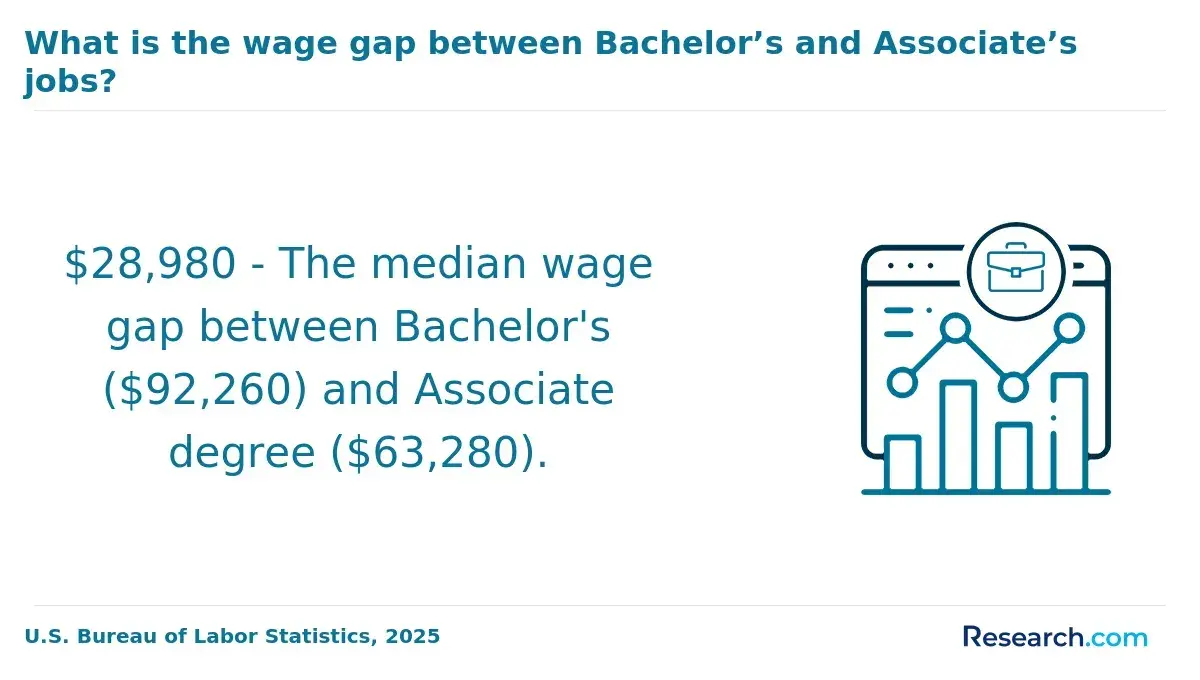
- Bachelor's Degree from an Accredited Institution: Most programs require a completed bachelor's degree from a regionally accredited college or university as proof of academic readiness for graduate study in energy policy.
- Official Transcripts: Transcripts are submitted to verify past academic performance and relevant coursework, often emphasizing backgrounds in environmental science, public policy, or economics.
- Letters of Recommendation: Usually two or three are requested to assess the applicant's professional strengths, academic promise, and motivation to succeed in graduate studies.
- Personal Statement or Statement of Purpose: This narrative helps admissions committees evaluate candidates' goals, alignment with the program, and commitment to advancing within the energy policy field.
- Standardized Test Scores (GRE/GMAT): Though some programs still require these exams, many have adopted a test-optional policy since 2020, focusing more on holistic review.
- Prerequisites and Professional Experience: Certain programs may expect relevant coursework or work experience in public policy, environmental areas, or energy sectors, but requirements vary widely.
Applicants should carefully review specific program requirements and speak with admissions advisors because many institutions offer greater flexibility, particularly regarding standardized tests.
One graduate from an online energy policy master's program shared their experience of navigating these requirements while using FAFSA to finance the degree. They recalled feeling initially overwhelmed by gathering transcripts and recommendations from former employers and professors, especially while balancing work commitments.
Their personal statement reflected a deep commitment to influencing sustainable energy solutions, which helped their application stand out. Despite concerns about standardized tests, their program's test-optional policy eased pressure during admission. Relying on FAFSA support, this graduate could focus more on studies without financial strain, ultimately appreciating the program's accommodating admissions and flexible format.
What Are the Steps to Apply for FAFSA and Enroll in an Online Energy Policy Master's Program?
Prospective master's candidates in energy policy embarking on federally supported education pathways must carefully navigate FAFSA application and admission processes. Coordinating financial aid with program enrollment is vital for those pursuing accredited online energy policy graduate degrees.
Key considerations are outlined below to help guide applicants through each essential step.
- Creating a StudentAid.gov Account: Begin by setting up a personal account on the official Federal Student Aid website. This serves as your portal for submitting the FAFSA and tracking financial aid status.
- Gathering Financial Documents: Collect necessary paperwork such as tax returns, income statements, and identification details. Accurate information streamlines the FAFSA completion and verification.
- Completing the FAFSA Application: Follow the prompts carefully at studentaid.gov, listing the schools you are applying to. Only accredited institutions offering eligible programs will qualify for federal aid, so verify program eligibility beforehand.
- Requesting Transcripts: Collect official academic transcripts from prior institutions as part of the graduate program application. This documentation supports your qualifications for graduate-level study in energy policy.
- Securing Recommendation Letters: Approach mentors or supervisors who can attest to your skills and experience related to energy policy. Strong letters bolster your admission file, especially when combined with a focused statement of purpose.
- Drafting a Statement of Purpose: Articulate your goals and motivations tailored specifically to the energy policy field. This essay demonstrates your commitment and readiness for graduate study.
- Submitting Supplementary Materials: Some programs may require writing samples, portfolios, or certifications. Prepare these early to meet deadlines efficiently.
- Timing FAFSA and Applications: Coordinate your FAFSA submission with application deadlines to ensure financial aid award letters are available when admissions decisions are made. Comparing aid packages from multiple schools is critical before final enrollment.
Many programs recognize relevant work experience as a key factor in GRE waiver eligibility. Applicants with substantial industry experience in energy, environmental policy, or sustainability often qualify to bypass standardized test requirements. Leadership roles, project management experience, and professional certifications add weight to such applications.
Clear documentation like detailed resumes and employer letters is essential, as each institution sets its own policies for waivers.
For those looking to combine career enhancements with academic credentials, it may also be helpful to explore an online accelerated bachelor's degree as a potential stepping stone before pursuing graduate studies. Applying for FAFSA for online energy policy master's programs ensures eligible students can access needed financial aid.
By understanding these processes, prospective students can confidently pursue accredited online energy policy master's degrees with federal financial support.
What Is the Minimum GPA Requirement for a Energy Policy Master's Program?
When evaluating eligibility for online energy policy master's programs, applicants often encounter a common minimum GPA standard that serves as an initial benchmark.
Here are several essential factors to consider regarding GPA requirements:
- Baseline GPA Expectation: Most accredited online energy policy programs expect a minimum undergraduate GPA around 3.0 on a 4.0 scale. This serves as a general guideline rather than an automatic admission guarantee because other components also influence decisions.
- Program Selectivity and Applicant Pool: GPA thresholds may fluctuate depending on how competitive a program is and the qualifications of that year's applicant group. More selective programs can have higher implicit expectations.
- Conditional Admission Options: Some programs allow entry for those with slightly lower GPAs if they demonstrate strengths in other areas such as relevant professional experience, persuasive letters of recommendation, or additional academic achievements.
- Undergraduate Background and Timing: Admissions committees might weigh a candidate's prior field of study and how recently their academic work was completed. Career changers from unrelated disciplines can offset GPA concerns by showcasing substantial work history or continuing education.
- Strategies for Lower GPAs: Applicants with GPAs under 3.0 are encouraged to be transparent about academic challenges in their personal statements and to seek programs that provide bridge courses or provisional acceptance to improve readiness.
A graduate I spoke with recalled facing uncertainty when applying due to a GPA slightly below 3.0 but found that the online format made balancing job commitments and study manageable. He emphasized that preparing a thorough personal statement explaining his background helped admissions see his potential beyond numbers.
The flexibility of the online environment allowed him to build relevant skills while working, making the overall process less stressful and more accessible than traditional on-campus programs.
How Long Does It Take to Complete an Online Energy Policy Master's Degree?
Completion times for online energy policy master's degrees typically fall between 18 months and 3 years, influenced by enrollment status, program design, and additional requirements like theses or capstone projects. Full-time students often take heavier course loads and finish in about 1.5 to 2 years, while part-time students, often balancing work commitments, usually take up to 3 years due to lighter semester credit loads.
Many programs are structured online to support this flexibility.
Some programs provide accelerated options, allowing students to shorten their studies by taking extra credits or attending summer terms. However, timelines may lengthen when programs mandate research projects, internships, or practicums, which require added time and effort.
Additionally, students who must complete prerequisite classes before starting graduate-level courses will experience extended durations.
Financial aid eligibility, especially for FAFSA, depends heavily on enrollment status and maintaining satisfactory academic progress. Careful coordination of academic and financial planning is therefore crucial. According to the National Center for Education Statistics, around 63% of graduate students complete their master's degrees within 1.5 to 3 years.
Below are key factors affecting completion timelines:
- Enrollment Status: Full-time enrollment leads to faster completion with a higher credit load each semester, while part-time enrollment suits working professionals but extends the timeline.
- Program Flexibility: Online formats often allow pacing that fits personal and work responsibilities, including options for accelerated study.
- Additional Requirements: Thesis, capstone projects, internships, and practicums add time due to research and hands-on commitments.
- Prerequisite Coursework: Completing required prerequisites before graduate courses can add months or even additional semesters to the overall duration.
- Financial Aid Considerations: Maintaining enrollment status and satisfactory progress is necessary for continued federal aid eligibility, influencing how students pace their studies.
What Core Courses and Specializations Are Typically Offered in an Online Energy Policy Master's Program?
Online energy policy master's programs generally follow a clear curriculum structure combining foundational core courses, elective specializations, and a culminating experience such as a thesis, capstone, or practicum. This structure allows students to build essential knowledge while tailoring their studies toward specific professional goals.
Given the growing popularity of energy policy master's programs-enrollment has increased by about 8% annually-it's important to understand what these courses typically cover and how to evaluate program options carefully.
Here are key curriculum elements found in most programs:
- Foundational Core Courses: Core courses often include energy economics, which teaches assessment of market forces and pricing in energy production and consumption. Policy analysis courses train students to design and evaluate regulations impacting the energy sector. Environmental law covers legal frameworks related to emissions and natural resource management.
- Specializations and Electives: Many programs provide selected tracks to customize learning. Common specializations include renewable energy technology, focusing on solar, wind, and emerging innovations; and climate and environmental policy, which addresses strategies for mitigation and international environmental agreements. These electives enable students to align with diverse career paths, such as governmental advising, corporate sustainability roles, or advocacy work.
- Culminating Experiences: To apply theoretical knowledge practically, students may complete capstone projects, practicums, or thesis research. These components foster problem-solving skills and real-world application essential in the energy policy landscape.
Curriculum depth and content vary substantially among institutions, so prospective students should review detailed course descriptions, faculty expertise, and program outcomes. For those exploring financial aid options for these accredited programs, keep in mind federal aid eligibility through FAFSA is available to qualified graduate students.
Those interested in advanced leadership studies might also consider programs such as a PhD in leadership and management online for broader career advancement.
What Is the Average Tuition Cost of an Online Energy Policy Master's Program That Accepts FAFSA?
Choosing an online energy policy master's program that accepts FAFSA requires a clear understanding of tuition and additional costs. Tuition varies widely depending on factors such as institution type, residency status, and program reputation.
Below are key points to consider when evaluating costs and planning financial aid requests.
- Tuition Per Credit Hour: Public institutions typically charge between $300 and $700 per credit hour for in-state students in online energy policy programs. Out-of-state learners may incur rates up to two times higher unless the school offers consistent pricing for all online students.
- Private Institution Costs: Private schools usually have higher per-credit fees, ranging from around $700 to more than $1,200 per credit. This premium often reflects program prestige or specialized curricula.
- Total Program Expenses: The full cost of completing a master's in energy policy generally falls between $15,000 and $50,000. The variation depends largely on required credits-often 30 to 40-as well as institutional factors and program specialization.
- Additional Fees: Beyond tuition, students should budget for mandatory fees such as technology charges for online platforms, graduation fees, and course materials. Some programs may also require brief on-campus residencies, adding to overall expenses.
- FAFSA and Comprehensive Costs: FAFSA can offset portions of tuition but doesn't cover all expenses. Prospective students should factor in living costs, health insurance, and supplies when determining aid amounts to request for a realistic budget.
What Technology, Tools, or Clinical Requirements Are Expected of Online Energy Policy Master's Students?
Students pursuing online master's degrees in Energy Policy need to prepare for certain technological and practical demands to ensure a smooth educational experience. These prerequisites not only support course delivery but also enable active participation in applied learning components.
Below are common expectations detailed by many university programs.
- Reliable High-Speed Internet and Compatible Hardware: A stable internet connection is vital for streaming lectures and joining live discussions. Students should use a current computer or laptop with updated operating systems to avoid compatibility issues with required course platforms and tools.
- Proficiency with Learning Management Systems (LMS): Platforms such as Canvas, Blackboard, or Moodle are standard for accessing materials, submitting assignments, and engaging in class forums. Basic navigation skills are essential for efficient use of these systems.
- Access to Specialized Software and Tools: Programs often incorporate energy modeling software, data analysis applications, or simulation tools critical to understanding sector-specific policies. Some courses offer software licenses, but students may also face additional setup or subscription costs.
- Virtual Labs and Simulation Exercises: To replicate hands-on training, many curricula include online labs and scenario-based simulations that provide practical skill development without requiring physical attendance.
- Local In-Person Requirements: Certain components like internships, practicums, or field experience may require onsite participation. Institutions typically assist students in securing these opportunities within their communities to fulfill experiential learning mandates.
- Budgeting for Technology Expenses: Beyond tuition, candidates should plan for possible costs related to specialized software, upgraded devices, or improved internet services needed to meet program specifications.
Because technical and experiential requirements can vary widely and affect both cost and scheduling, prospective students should reach out directly to their chosen program for the most current information before enrolling.
What Career Outcomes and Salary Expectations Follow an Online Energy Policy Master's Degree?
This overview highlights the career opportunities available to graduates of online energy policy master's degree programs, helping applicants understand the professional landscape after completing their studies. It draws on data from the U.S. Bureau of Labor Statistics to provide salary expectations and job growth projections, alongside key factors that differentiate master's degree holders in the job market.
- Typical Career Paths: Graduates often work as energy analysts, policy advisors, environmental consultants, and program managers within government agencies, nonprofit organizations, or private sector firms. These roles involve developing strategies and policies that support sustainable energy solutions.
- Salary Expectations: Related professions such as environmental scientists and specialists earn a median annual wage around $76,000. The demand for these roles is expected to grow 8% from 2022 to 2032, faster than the average for all occupations.
- Advanced Degree Benefits: A master's degree provides strategic expertise and analytical skills beyond a bachelor's degree, often leading to higher earning potential, leadership positions, and specialized roles like regulatory affairs managers or sustainable energy consultants.
- Certification Requirements: Some jobs may require credentials like the Certified Energy Manager (CEM). Programs from accredited online colleges generally meet the educational prerequisites needed for such certifications.
- Industry Growth Trends: Increasing emphasis on renewable energy and stricter environmental policies continue to drive demand for energy policy professionals, positioning this degree as a strong investment for sustainable career development.
How Do Employers and Licensing Boards View an Online Energy Policy Master's Degree Compared to an On-Campus One?
Clarity about how employers and licensing boards view online master's degrees in Energy Policy is essential for making informed decisions. Understanding these perspectives helps prospective students choose programs that align with their career goals and professional requirements.
- Employer Acceptance Trends: Surveys and employer analyses show increasing recognition of online degrees, particularly those from regionally accredited institutions. The shift accelerated following the COVID-19 pandemic, with many employers emphasizing relevant skills and knowledge over whether a degree was earned online or in person.
- Licensing Board Requirements: Licensing authorities typically focus on an institution's accreditation status and program legitimacy rather than the degree's delivery format. State boards related to Energy Policy usually accept credentials from accredited programs but recommend confirming specific criteria prior to enrollment.
- Institutional Reputation and Accreditation: Employer trust is often linked to the prestige of the institution and the quality of its accreditation. Online Energy Policy degrees from reputable, accredited programs that maintain curriculum rigor are generally considered equal to traditional on-campus degrees.
- Researching Employer and Board Policies: Prospective students should thoroughly explore policies of their target employers and relevant licensing bodies. Choosing programs that clearly communicate how their online degrees are recognized professionally enhances the likelihood of career and credential acceptance.
What Graduates Say About Getting Accepted in Online Energy Policy Degree Master's Programs That Accept FAFSA
- Kelsey: "Applying for admission to the online energy policy master's program was a straightforward process, especially knowing that FAFSA support was available. I appreciated how this financial aid option made the program accessible without overwhelming debt. The combination of affordability and a curriculum focused on real-world energy challenges made this journey truly rewarding."
- April: "Navigating the landscape of accredited institutions offering online energy policy master's degrees was initially daunting. However, discovering which schools accepted FAFSA was a game-changer for my financial planning. Using official academic catalogs and checking accrediting agencies helped me secure a program that aligned with my career goals and ensured top-quality education."
- Agatha: "Reliance on official academic catalogs and federal education resources was essential for understanding the complex requirements of an online energy policy master's degree. I found that having a clear grasp of accreditation and financial aid options like FAFSA allowed me to make informed decisions and manage my education efficiently. Reflecting on the experience, I'm grateful for the professional clarity it brought to my academic pursuits."
Other Things You Should Know About Energy Policy Degrees
Energy policy master's students can explore scholarships and grants offered by universities, professional organizations, and government agencies. Assistantships, which often waive tuition and provide a stipend, may also be available, although these are more common in on-campus programs. Researching individual program websites is recommended for up-to-date opportunities.
In 2027, online energy policy master's programs maintain accreditation and quality by adhering to standards set by accrediting bodies and ensuring faculty qualifications. Regular curriculum evaluations and updates, student outcomes assessment, and incorporating industry feedback also play crucial roles in maintaining academic excellence.
Prospective students should weigh several factors, including program accreditation, curriculum relevance, faculty expertise, and cost after FAFSA aid is applied. They should also consider program flexibility, such as part-time options, and career support services. Comparing these elements helps students find a program that fits their educational goals and financial needs.
Several accredited universities provide online energy policy master's degrees eligible for FAFSA, including public institutions with strong research centers in energy studies. Examples include schools recognized for interdisciplinary approaches to energy, environment, and policy analysis. Prospective students should verify FAFSA eligibility directly with each university's financial aid office before applying.
References
- Energy Sustainability and Energy Management Systems | Singapore Institute of Technology https://www.singaporetech.edu.sg/sitlearn/courses/engineering/energy-sustainability-energy-management-systems
- Top Benefits & Career Paths of Master’s in Energy Management | BSBI https://www.berlinsbi.com/blog/why-pursue-a-masters-in-energy-management-top-benefits-and-career-opportunities
- How to Use FAFSA for Graduate School | National University https://www.nu.edu/blog/tips-for-using-fafsa-for-graduate-school/
- Financial Aid for Graduate School: Everything You Need to Know https://freemannews.tulane.edu/2025/01/24/financial-aid-for-graduate-school-everything-you-need-to-know
- 13 common grad school financial aid questions answered https://www.creighton.edu/blog/13-common-grad-school-financial-aid-questions-answered
- Online Schools That Accept FAFSA 2025: Complete Guide & Application Tips https://www.discris.com/online-schools-that-accept-fafsa-2025-complete-guide/
- Subject-specific student advice for European Master in Renewable Energy (Master's Programme) https://uol.de/en/subject-specific-student-advice
- Master of Science in Energy Management (Renewable Enterprise) - Ngee Ann Academy https://www.naa.edu.sg/programme/master-of-science-in-energy-management-renewable-enterprise/
- Tuition & Financial Aid https://unity.edu/distance-education/tuition-and-financial-aid/
- Can You Use FAFSA for Grad School? | The University of Olivet https://www.uolivet.edu/can-you-use-fafsa-for-grad-school/