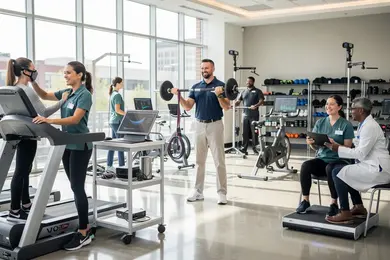
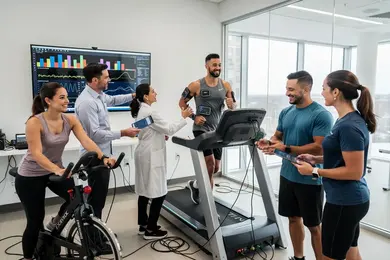
2027 Online Exercise Science Degree Master's Programs That Accept FAFSA

Co-Founder and Chief Data Scientist
Choosing an online exercise science master's program is not only an academic decision; it is also a financial aid decision. A program may look flexible, affordable, and career-relevant, but students who need federal aid must confirm that the institution participates in federal student aid programs and that the graduate program itself is eligible for FAFSA-based funding.
This guide explains how FAFSA works for online exercise science master's students, what aid graduate learners can usually access, and how to evaluate programs before applying. It also covers admission requirements, GPA expectations, timelines, tuition, technology and practicum demands, career outcomes, and how employers and licensing boards tend to view online graduate credentials.
The goal is to help prospective students avoid common mistakes: assuming every online program qualifies for FAFSA, comparing tuition without fees, overlooking accreditation, or enrolling before confirming whether the degree supports their intended career path. Demand for exercise science professionals is projected to grow by over 15% through 2030, and nearly 60% of graduate students rely on federal aid, so choosing the right program matters for both affordability and long-term return.
Key Things to Know About Online Exercise Science Degree Master's Programs That Accept FAFSA
- FAFSA eligibility for online exercise science master's programs requires enrollment in accredited institutions with financial aid packages often including federal loans and grants applicable to graduate students meeting citizenship or eligible noncitizen criteria.
- Admission typically demands a bachelor's degree in a related field, standardized test waivers vary, and programs offer flexible pacing through asynchronous coursework suited to working professionals.
- Program comparison should weigh tuition cost, alumni employment rates in health and fitness sectors, curriculum depth, and institution reputation to optimize career advancement and return on investment.
How Does FAFSA Work for Graduate Students Enrolling in an Online Exercise Science Master's Program?
FAFSA is the application used to determine eligibility for federal student aid. For an online exercise science master's student, the most important point is this: the online format itself does not prevent federal aid eligibility. What matters is whether the school is properly accredited, participates in federal student aid programs, and offers a graduate program that meets federal aid rules.
Institutional accreditation is the foundation. The U.S. Department of Education (ED) recognizes accrediting agencies that review schools for academic quality and administrative standards. When an institution is recognized for federal aid purposes, eligible students may use FAFSA to be considered for federal loans, and in limited cases other aid options such as work-study or specific grants.
Prospective students should not rely only on marketing language such as “financial aid available.” Instead, they should confirm three things before applying:
- The institution participates in federal student aid programs: Use the Federal Student Aid school search tool at studentaid.gov to verify the school.
- The program is an eligible graduate degree program: Some continuing education, certificate, or non-degree options may not qualify even if the university participates in FAFSA.
- The student meets enrollment and academic progress rules: Graduate students typically must remain enrolled at an eligible status and maintain satisfactory academic progress to keep aid.
Several regionally accredited universities offer online exercise science master's programs and participate in federal financial aid programs. Examples include:
- University of North Carolina at Greensboro: This fully online program requires 36 credit hours and typically takes 2 years to complete. It participates in federal financial aid programs, so eligible students may submit FAFSA.
- Indiana State University: Indiana State offers a 30-credit hour online master's program that generally takes about 2 years to complete and accepts students who qualify for FAFSA-based aid.
- Ball State University: Ball State's asynchronous online program requires 37 credit hours and generally takes 2 years. The university participates in federal financial aid programs.
- California University of Pennsylvania: This fully online 33-credit hour master's program is usually completed within 18 to 24 months, with federal aid available to eligible students.
- University of Wisconsin-La Crosse: This program includes online coursework for 33 credits and has an approximate 2-year duration. It is approved for FAFSA support.
Students should verify FAFSA eligibility independently before enrolling, because aid rules can depend on the school, program, enrollment level, and student status. If you are comparing broader healthcare graduate pathways, a 1 year MSN to DNP program may be relevant for nursing-focused advancement, but exercise science applicants should still evaluate each program's accreditation and federal aid status separately.
What Types of Federal Financial Aid Are Available to Online Exercise Science Master's Students Through FAFSA?
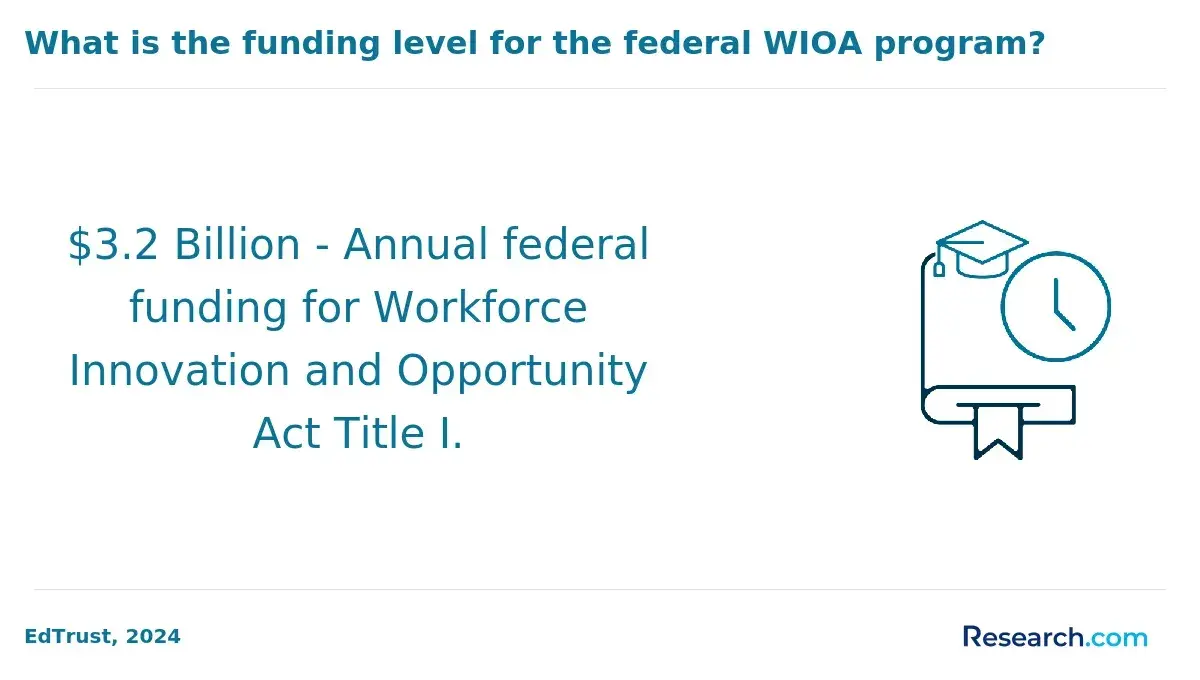
Graduate financial aid is different from undergraduate aid. Online exercise science master's students should expect federal loans to be the main form of FAFSA-based support. Grants are much less common at the graduate level, and work-study depends on school participation and available positions.
Because employment in Exercise Science is expected to grow 11% between 2022 and 2032, federal aid can help students pursue advanced credentials without paying the full cost upfront. However, aid should be treated as a financing tool, not “free money.” Borrowing decisions should be tied to tuition, fees, expected career outcomes, and repayment plans.
- Federal Direct Unsubsidized Loans: Graduate students may borrow up to $20,500 annually. The interest rate is near 7.54%, and repayment generally starts six months after graduation. Interest accrues while the student is in school, so borrowers should understand total repayment cost, not just the amount borrowed.
- Grad PLUS Loans: Grad PLUS Loans can cover additional costs up to the full cost of attendance after other aid is applied. They require a credit check and carry an 8.05% interest rate. These loans can be useful for students with higher tuition or living expenses, but they can also increase long-term debt substantially.
- Graduate grants: Grants are limited for graduate students. The TEACH Grant is one of the few federal options, but it requires teaching-related program elements and strict service commitments. Most Exercise Science students will not qualify unless their program and career plan align with those conditions.
- Federal work-study: Some graduate students may qualify for work-study if the school participates and has positions available. Availability varies, and online students should ask whether remote or local placement options exist.
- Income-driven repayment: Income-driven repayment plans can adjust monthly payments based on income after graduation. These plans may help graduates manage debt while building experience in clinical, wellness, fitness, or public health roles.
- Public Service Loan Forgiveness: Public Service Loan Forgiveness (PSLF) removes remaining loan balances after ten years of qualifying payments for graduates working in eligible public or nonprofit Exercise Science roles.
Applicants considering other health sciences routes can compare admissions and financial aid policies across related fields, including good nursing schools with high acceptance rates. The key is to compare the actual aid package, total borrowing, and likely career fit before committing.
What Are the General Admission Requirements for an Online Exercise Science Master's Program?
Admission requirements vary by school, but most online exercise science master's programs look for evidence that applicants can handle graduate-level science, research, and applied coursework. Enrollment in online graduate health sciences programs rose by more than 15% from 2019 to 2022, so applicants should prepare complete, polished materials rather than assuming online programs are automatically less selective.
- Bachelor's degree from an accredited school: Most programs require a completed undergraduate degree, often in exercise science, kinesiology, health science, biology, or a related field. Students still comparing undergraduate preparation can review a bachelor's in exercise science to understand the typical foundation expected before graduate study.
- Prerequisite coursework: Applicants from unrelated majors may be admitted if they complete prerequisite courses in areas such as anatomy, physiology, statistics, biomechanics, or exercise physiology. Always ask whether prerequisites must be completed before admission or before specific graduate courses.
- Official transcripts: Admissions committees use transcripts to evaluate academic readiness, especially performance in science, health, research, and quantitative courses.
- Letters of recommendation: Programs commonly request letters from professors, supervisors, coaches, clinicians, or other professionals who can address the applicant's academic ability, work ethic, leadership, and readiness for graduate study.
- Personal statement or statement of purpose: A strong statement explains why the applicant wants the degree, which specialization or career path they are pursuing, and why the program's format and curriculum fit those goals.
- Standardized test scores: Many programs have relaxed or waived GRE/GMAT requirements since 2020, but some still request scores. Applicants should confirm whether tests are required, optional, or used only for certain applicants.
- Relevant experience or licensure: Programs with clinical, performance, or applied emphases may prefer or require experience in coaching, fitness, rehabilitation, healthcare, athletic training, or related fields.
A common mistake is applying before confirming prerequisite expectations. A student with a strong GPA but missing foundational science courses may need extra time and money before starting the master's curriculum. Applicants should contact admissions staff early, ask for a transcript review when available, and request clear guidance on whether deficiencies can be completed online.
One graduate described feeling uncertain because their undergraduate degree was in a slightly different field. Speaking with admissions advisors helped clarify prerequisites, application timing, and financial aid options. They said that applying for FAFSA made the degree financially manageable and reduced stress during the program: “Navigating the admission steps felt overwhelming at first, but having clear guidance and financial support made all the difference in successfully earning my master's.”
What Are the Steps to Apply for FAFSA and Enroll in an Online Exercise Science Master's Program?
Students should treat FAFSA and graduate admission as two connected processes. FAFSA determines federal aid eligibility, while the university decides admission. Completing only one side is not enough: a student may be admitted without enough aid, or may submit FAFSA to a school before confirming whether the program fits their goals.
- Create a StudentAid.gov account: Set up a secure account through the official Federal Student Aid website. This account is used to complete, sign, submit, and track the FAFSA.
- Gather financial documentation: Prepare tax returns, W-2 forms, bank statements, and other financial records needed to complete the FAFSA accurately.
- Complete the FAFSA application: Submit FAFSA online and list the schools you are seriously considering. Graduate students use FAFSA primarily to be considered for federal loan eligibility and any school-administered aid that relies on FAFSA data.
- Verify eligible schools and programs: Confirm that the institution is accredited and participates in federal aid programs. Resources such as CHEA's accreditation directory can help, but students should also confirm directly with the university's financial aid office.
- Request official transcripts: Order transcripts early from all prior institutions. Delays in transcript processing can slow admission review.
- Secure recommendation letters: Ask recommenders who can speak to your academic ability, professional maturity, applied experience, or potential in exercise science. Give them deadlines and program details.
- Write a targeted statement of purpose: Explain your goals clearly. For example, distinguish whether you are aiming for clinical exercise physiology, strength and conditioning, wellness leadership, research, or doctoral preparation.
- Submit supplemental materials: Provide writing samples, resumes, certifications, portfolios, or other documents required by the program. Requirements vary, especially for clinical or applied tracks.
- Coordinate FAFSA and admission timelines: Submit FAFSA early, but also track each program's application deadline. Financial aid award letters often arrive after acceptance, so wait to compare total costs and aid offers before enrolling when possible.
- Review the aid offer before committing: Look beyond the headline award amount. Compare tuition, fees, books, technology costs, practicum expenses, loan types, interest rates, and repayment obligations.
Careful planning can prevent avoidable debt and missed deadlines. Students comparing related healthcare graduate programs can also review resources such as affordable FNP programs, studentaid.gov, and the Bureau of Labor Statistics Occupational Outlook Handbook to understand how federal aid and career outcomes vary across fields.
What Is the Minimum GPA Requirement for a Exercise Science Master's Program?
Many online exercise science master's programs use a 3.0 on a 4.0 scale as a common GPA benchmark. That number is usually a screening standard, not a guarantee of admission. Some programs are stricter, while others consider applicants below the benchmark if the rest of the application shows readiness for graduate work.
- Baseline GPA: A 3.0 minimum is common among accredited programs. Applicants at or above that level still need strong supporting materials, especially for competitive programs.
- Program selectivity: Highly competitive programs may expect stronger academic records, particularly in science and research courses. Less competitive or more professionally oriented programs may take a broader view of applicant preparation.
- Conditional admission: Some students with GPAs below 3.0 may be admitted conditionally. Conditions may include earning specific grades in initial graduate courses, completing prerequisites, or meeting advising requirements.
- Academic trend: Admissions committees may look at whether grades improved over time. A student with weaker early grades but strong recent science coursework may be viewed differently from a student whose academic performance declined.
- Major relevance: Applicants with degrees in exercise science, kinesiology, biology, or health-related fields may have an advantage if their transcripts show relevant preparation. Career changers may need to show readiness through prerequisites, certifications, or professional experience.
- How to address a lower GPA: Use the statement of purpose to explain context without making excuses. Point to evidence of current readiness, such as recent coursework, professional achievements, research experience, or strong recommendations.
One graduate said the GPA benchmark initially felt intimidating, but the online format allowed them to balance work and study while building stronger academic habits. They submitted a detailed personal statement explaining gaps in their academic record and emphasizing relevant professional experience. That context helped admissions staff evaluate their potential beyond grades alone.
How Long Does It Take to Complete an Online Exercise Science Master's Degree?
Most online exercise science master's degrees take 18 months up to 3 years to complete. The actual timeline depends on credit requirements, course sequencing, enrollment status, prerequisites, and whether the program includes a thesis, capstone, practicum, or internship.
- Full-time enrollment: Full-time students often take between 9 and 12 credits each semester and may finish in about 18 to 24 months. This route can be efficient, but it may be difficult for students working full time or completing clinical hours.
- Part-time enrollment: Part-time students commonly take 3 to 6 credits per semester, which can extend completion closer to 2 to 3 years. Approximately 40% of graduate students in health fields study part-time, making flexibility an important feature for many applicants.
- Accelerated formats: Some programs use shorter terms or compressed course sequences. These can reduce time to graduation, but the workload may be intense, especially in science-heavy or project-based courses.
- Thesis, capstone, or practicum requirements: Applied and research requirements can affect the timeline. Students may need extra time to secure a practicum site, collect data, complete approvals, or finish a final project.
- Prerequisite courses: Students without the required undergraduate background may need foundational coursework before or during the program, increasing total time.
- Financial aid pacing: FAFSA-based aid is tied to eligible enrollment and satisfactory academic progress. Students should confirm the minimum credits required for aid and avoid dropping below the required enrollment level without speaking to financial aid staff.
Before choosing a timeline, students should map the degree term by term. A program that appears shorter may not be realistic if required courses are offered only in certain terms or if practicum placement takes additional time.
What Core Courses and Specializations Are Typically Offered in an Online Exercise Science Master's Program?
Online exercise science master's programs usually combine advanced science coursework, research or data analysis, applied practice, and a culminating experience. The best curriculum for a student depends on the career goal: clinical work, sports performance, wellness leadership, research, teaching, or preparation for doctoral study.
- Foundational core courses: Common core areas include human physiology, biomechanics, kinesiology, and exercise physiology. Exercise physiology examines how the body responds and adapts to physical activity. Biomechanics focuses on movement analysis, injury risk, and performance. Kinesiology connects anatomy, muscle function, and movement mechanics.
- Research and assessment coursework: Many programs include research methods, statistics, testing and measurement, or data analysis. These courses help students interpret evidence, evaluate programs, and support clinical or performance decisions.
- Clinical Exercise Physiology specialization: This track may prepare students to work with patients recovering from illness, managing chronic conditions, or improving functional capacity through supervised exercise interventions.
- Sports Performance specialization: This option typically emphasizes strength and conditioning, athlete monitoring, performance testing, and training program design.
- Health Promotion specialization: This path focuses on wellness programming, community health, prevention, behavior change, and population-level fitness initiatives.
- Culminating experiences: A thesis, capstone project, or practicum is often required. A thesis may suit students interested in research or doctoral study, while a capstone or practicum may fit students seeking applied professional advancement.
Students should compare course titles, faculty expertise, practicum expectations, and whether the program aligns with relevant certification or employer expectations. Those comparing related research-heavy healthcare pathways, including nursing PhD programs, should also weigh federal financial aid eligibility through FAFSA as part of the total affordability picture.
What Is the Average Tuition Cost of an Online Exercise Science Master's Program That Accepts FAFSA?
Online exercise science master's programs that accept FAFSA vary widely in cost. Total tuition commonly falls between $15,000 and $40,000, but the final amount depends on the school, residency rules, credit requirements, fees, and whether the student needs prerequisite courses.
- Per-credit pricing: Many programs charge between $500 and $1,200 per credit hour. Because degrees generally require 30 to 40 credits, small differences in per-credit tuition can create a large difference in total cost.
- Public versus private institutions: Public universities may offer lower tuition, particularly for in-state students. Private institutions often use a fixed per-credit price regardless of residency, but this varies by school.
- Residency rules: In-state tuition rates can be 30% to 50% cheaper than out-of-state rates at public institutions. Online students should not assume they qualify for in-state pricing; some schools offer special online rates, while others do not.
- Fees beyond tuition: Budget for technology fees, online course fees, textbooks, software, graduation fees, exam fees, and any required campus visits or immersive experiences.
- Practicum-related costs: Applied programs may require background checks, health documentation, travel to local sites, equipment, or professional liability coverage.
- Federal aid planning: Since around 70% of graduate students in health-related programs utilize federal assistance, students should calculate the full cost of attendance, not just tuition. FAFSA-based loans can cover eligible education costs, but borrowing more than needed increases repayment obligations.
The most useful comparison is not “lowest tuition” alone. Students should compare total program cost, time to completion, employer recognition, practicum quality, specialization fit, and likely debt at graduation.
What Technology, Tools, or Clinical Requirements Are Expected of Online Exercise Science Master's Students?
Online exercise science programs require more than a laptop and internet access. Because the field is practical and data-driven, students may need specialized software, assessment tools, simulations, and in-person experiences even when coursework is delivered online.
- Reliable high-speed internet: Students need stable internet for recorded lectures, live sessions, exams, video presentations, group meetings, and assignment submission.
- Appropriate computer hardware: A current computer with an updated operating system and sufficient processing power is typically expected. Tablets or phones may not be enough for data analysis, testing software, or proctored exams.
- Required software: Programs may use standard productivity tools as well as specialized applications such as SPSS or MATLAB for statistics, research, or data analysis in Exercise Science coursework.
- Learning management systems: Students should be comfortable using platforms such as Canvas, Blackboard, or Moodle to access readings, submit assignments, take quizzes, participate in discussions, and communicate with instructors.
- Virtual labs and simulations: Some courses use virtual lab environments, movement analysis tools, exercise testing simulations, or proprietary assessment software. These may carry licensing or subscription fees.
- Equipment expectations: Depending on the program, students may need access to items such as heart rate monitors, fitness assessment tools, video recording equipment, or motion analysis devices.
- Clinical, internship, or practicum requirements: Many online programs still require hands-on experience. Students may complete these hours locally, but they should ask who is responsible for identifying and approving sites.
- Compliance requirements: Applied placements may require documentation, background checks, immunization records, CPR certification, or site-specific onboarding. Requirements vary by institution and placement setting.
Before enrolling, ask the program for a written list of technology, software, equipment, and placement requirements. Also ask whether practicum sites are guaranteed, student-arranged, or approved case by case.
What Career Outcomes and Salary Expectations Follow an Online Exercise Science Master's Degree?
An online exercise science master's degree can support roles in clinical exercise physiology, strength and conditioning, wellness programming, fitness leadership, research assistance, and related health promotion settings. Outcomes depend on specialization, prior experience, certifications, local job markets, and whether the program includes applied training.
- Common career paths: Graduates often work as exercise physiologists, clinical coordinators, strength and conditioning coaches, or wellness program managers. These roles may involve testing, program design, rehabilitation support, performance training, or preventive health programming.
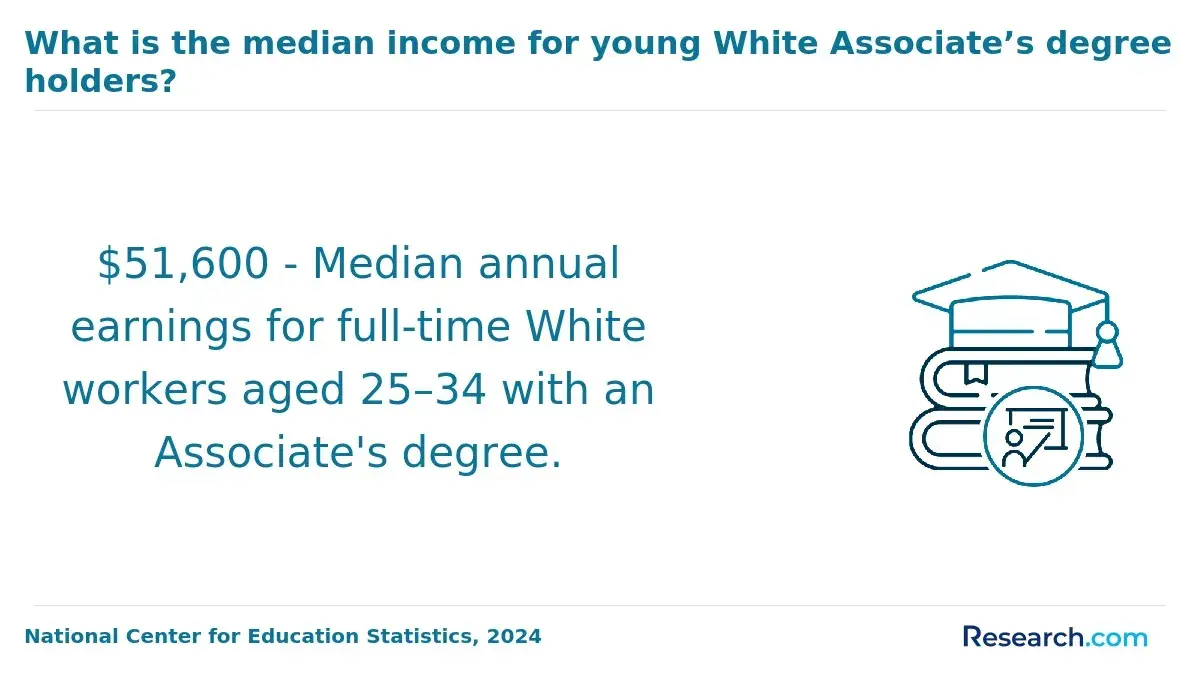
- Salary expectations: According to the U.S. Bureau of Labor Statistics, exercise physiologists earned a median annual wage of about $50,000. Salaries can vary by role, employer, region, experience, and certification.
- Job growth: The U.S. Bureau of Labor Statistics projects 8% job growth through 2032 for exercise physiologists. This reflects continued interest in preventive health, chronic disease management, and exercise-based interventions.
- Value of a master's degree: A graduate degree may help candidates qualify for specialized clinical roles, leadership responsibilities, research-related work, or advancement beyond entry-level positions. It does not automatically guarantee a salary increase, so students should compare degree cost with realistic career goals.
- Certification and licensure: Certain positions may require or prefer credentials from organizations such as the American Society of Exercise Physiologists. Students should confirm whether their program satisfies education prerequisites for the credentials they plan to pursue.
- Employer setting: Potential employers include hospitals, rehabilitation centers, fitness organizations, universities, sports performance facilities, public health programs, corporate wellness departments, and nonprofit organizations.
FAFSA-eligible programs can make graduate study more accessible, but applicants should compare cost, flexibility, accreditation, practicum quality, and employer reputation before borrowing. Students exploring related healthcare training can also review resources such as the best accredited medical billing and coding schools online to understand how financial aid works across different health career pathways.
How Do Employers and Licensing Boards View an Online Exercise Science Master's Degree Compared to an On-Campus One?
Employers and licensing boards generally focus less on whether a degree was completed online and more on accreditation, curriculum quality, institutional reputation, applied experience, and whether the graduate meets credentialing requirements. An online master's degree from a regionally accredited university is usually stronger than an on-campus degree from a poorly recognized or non-accredited institution.
- Accreditation matters most: Employers and boards commonly look for degrees from accredited institutions. Applicants should verify both institutional accreditation and any program-specific expectations tied to their intended role.
- Online acceptance has increased: Employer acceptance of online degrees from regionally accredited universities has grown, especially since remote learning became widespread after the pandemic. Many employers care more about skills, experience, and program credibility than delivery format.
- Clinical and applied preparation still matters: For hands-on roles, employers may ask about practicum hours, lab experience, assessment skills, certifications, and supervised practice. Students should choose online programs that provide clear applied training pathways.
- Licensing and certification rules vary: State licensing boards and credentialing organizations may have specific education, practicum, exam, or documentation requirements. In Exercise Science, most state boards focus on accreditation and curriculum, but students should confirm requirements in the state and role they plan to pursue.
- Program reputation can influence hiring: A degree from an established university with strong faculty, relevant coursework, and transparent outcomes may be viewed more favorably than a degree from an unknown program with limited applied requirements.
- Students should document equivalency: Keep syllabi, practicum records, capstone documentation, and certification preparation details. These materials can help when applying for jobs, credentials, or further graduate study.
The safest approach is to choose an accredited program that clearly states how its online curriculum compares with any campus-based option, what practical experiences are required, and whether graduates are prepared for the certifications or roles they intend to pursue.
What Graduates Say About Getting Accepted in Online Exercise Science Degree Master's Programs That Accept FAFSA
- Kimberly: "Applying for admission to an online exercise science master's program that accepts FAFSA was a game-changer for me. It made the financial aspect much more manageable and allowed me to focus entirely on my studies. I'm grateful for the clarity and accessibility this provided throughout my academic journey."
- Delphine: "Navigating through multiple accredited institutions offering online exercise science master's programs was initially overwhelming, but discovering which ones accept FAFSA really helped narrow my options. The accreditation details assured me of the program's quality, and the financial aid eligibility relieved a lot of stress. This process made me more confident about my educational investment."
- Emily: "Relying on official academic catalogs, accrediting agencies, and federal education resources was essential for understanding and meeting the requirements of my online exercise science master's degree. These trusted resources guided my decisions and ensured a smooth path toward graduation. Reflecting on it now, I realize how vital this due diligence was for my success."
Other Things You Should Know About Exercise Science Degrees
In 2027, universities like Southern New Hampshire University and Liberty University offer accredited online exercise science master's programs that accept FAFSA. Always verify the latest accreditation status and financial aid options directly with the institution, as they can change.
Students should consider accreditation status, faculty expertise, curriculum relevance, and post-graduation employment rates. Additionally, program flexibility, technological resources, and student support services can significantly impact the educational experience and should be factored into the decision-making process.
Students should compare programs based on cost, curriculum content, faculty expertise, flexibility, and accreditation status. It is important to verify that the school participates in federal financial aid programs, including FAFSA. Prospective students should also review graduation rates, career support, and alignment with their professional goals to select the best fit.
References
- Master of Science (Clinical Exercise Science) https://academic.amdi.usm.my/mscces
- Master of Strength and Conditioning (MSC) https://sports.um.edu.my/master-of-strength-and-conditioning-msc
- Exercise & Sport Science, M.S. | New York Tech https://www.nyit.edu/academics/degrees/exercise-and-sport-science-ms/
- 13 common grad school financial aid questions answered https://www.creighton.edu/blog/13-common-grad-school-financial-aid-questions-answered
- Online Exercise Physiology Degree – Self-Paced, Affordable https://exsci.cuchicago.edu/exercise-physiology/degrees/masters/
- Master of Science (MS) in Exercise Science | Calvin University https://calvin.edu/majors-programs/ms-exercise-science
- Health, Kinesiology & Sports Studies (MS) Exercise Science Emphasis https://www.etamu.edu/programs/health-kinesiology-sports-studies-ms-exercise-science/