2027 Online Health Education Doctorate Programs with Strong Student Support: Advising, Writing Help, and Career Services
Audited and Verified:
Our Editorial and Data Verification Process
Research.com uses government datasets, official education statistics and primary institutional information to support its career and degree guides. Our review process checks factual accuracy, occupational definitions, source dates and the requirements associated with the credentials discussed.
How This Article Was Fact-Checked
Our editorial team verifies salary estimates, employment projections, education requirements and program information against original data providers and official organizations. Salary figures are checked against the relevant occupational definitions and reporting periods. Information about licensure, accreditation and required in-person training is reviewed separately.
Fact-checked and verified on:

Co-Founder and Chief Data Scientist
Choosing an online health education doctorate is not only about curriculum or tuition; it is about whether the program can support you through advanced coursework, research, writing, and career planning. The U.S. Bureau of Labor Statistics projects 7% employment growth for health education specialists and community health workers from 2023 to 2033, making advanced leadership preparation timely.
This guide is for working professionals comparing online doctoral options and explains how advising, dissertation support, faculty access, writing help, and career services can shape persistence, fit, and long-term value.
Key Things You Should Know
- Strong online health education doctorate programs usually combine academic advising, faculty mentoring, dissertation guidance, doctoral writing help, library support, technology assistance, accessibility services, and career coaching; the key difference is whether these services are proactive and available to fully online students.
- Ask programs for measurable support details, such as advisor assignment timing, expected faculty response windows, dissertation milestone reviews, virtual writing consultations, evening or weekend availability, and whether career coaching is designed for doctoral-level public health, health promotion, higher education, or leadership roles.
- Cost and support should be compared together: NCES graduate tuition data show that average graduate tuition and required fees vary widely by institutional sector, so a lower-cost program may be attractive, but weak advising or limited dissertation support can create delays that increase total cost.
What Student Support Services Should Strong Online Health Education Doctorate Programs Provide?
Strong student support in an online health education doctorate means more than having a help desk or a general advising email address. It means the program has structured, accessible services that help doctoral students move from admission to coursework, candidacy, dissertation or doctoral project completion, and career advancement.
Most online health education doctorate students are working adults, often in public health, school health, health promotion, community health, nutrition education, healthcare administration, or higher education. These students need support that fits remote schedules and doctoral-level expectations, not only undergraduate-style tutoring or generic enrollment assistance.
The table below summarizes the support areas that matter most when comparing online doctoral programs. Use it to separate basic service availability from support that is actually useful for an online doctoral student.
| Support area | Basic version | Stronger version for online doctoral students | Why it matters |
| Academic advising | General advising office answers registration questions | Dedicated doctoral advisor tracks the degree plan, milestones, transfer credits, and candidacy requirements | Prevents missed prerequisites, sequencing problems, and avoidable delays |
| Faculty mentoring | Faculty are listed in the catalog | Students have scheduled access to faculty with health education, public health, or research expertise | Helps students align coursework, research interests, and professional goals |
| Dissertation support | Dissertation handbook is available online | Committee formation, proposal development, IRB preparation, chapter feedback, and milestone reviews are structured | Reduces confusion during the longest and most independent part of the doctorate |
| Writing help | Self-service grammar resources | Doctoral writing consultations, APA support, literature review guidance, and feedback on argument structure | Supports scholarly writing, publication goals, and dissertation progress |
| Career services | Job board access | Doctoral-level coaching, CV review, interview preparation, leadership positioning, and academic career guidance | Helps students translate the doctorate into advancement, teaching, consulting, or leadership opportunities |
| Technology and accessibility | Basic learning management system support | 24/7 technical help, assistive technology, captioning, accommodations, and orientation for remote learners | Allows students to participate consistently from a distance |
When you compare programs, look for evidence that services are built into the doctoral experience. A program that requires students to find every resource on their own may work for highly independent learners, but it can be difficult for students balancing full-time work, family responsibilities, and dissertation research.
Applicants from nutrition, wellness, or community health backgrounds may also want to compare related academic pathways before committing to a doctorate. For example, reviewing the best online registered dietitian programs can help prospective students understand how undergraduate and professional preparation may connect with future health education leadership goals.
How Does Academic Advising Work in Online Health Education Doctorate Programs?
Academic advising in an online health education doctorate should help students understand program requirements, choose courses in the right order, prepare for comprehensive exams or candidacy, and avoid administrative mistakes. In stronger programs, advising begins before the first term and continues through dissertation completion.
Online doctoral advising commonly uses email, video meetings, phone calls, degree audit systems, and online student portals. The strongest advising models combine administrative guidance with faculty input, because doctoral students need both requirement tracking and intellectual direction.
The table below shows common advising models and how they affect the student experience. This comparison is useful because two programs may both advertise "advising" while offering very different levels of personalization.
| Advising model | What it looks like | Best fit | Possible limitation |
| Dedicated doctoral advisor | One assigned advisor follows the student from enrollment through major milestones | Students who want continuity, proactive reminders, and a clear point of contact | Quality depends on advisor caseload and doctoral expertise |
| Faculty advisor | A faculty member advises on research interests, electives, and professional direction | Students with defined research or academic career goals | May not cover financial aid, registration, or policy questions |
| Central advising team | Students contact a shared advising office for help | Students comfortable managing details independently | Less personalized; students may repeat their situation to different staff |
| Milestone-based advising | Students receive structured check-ins before candidacy, proposal, IRB, and defense stages | Students who want clear accountability points | May be less helpful between required checkpoints |
Before enrolling, ask how often advisors contact online doctoral students and whether advising is proactive or only available on request. A vague answer such as "students can reach out whenever they need help" may indicate that the burden of tracking requirements falls mostly on the student.
Use these questions when speaking with admissions staff, program coordinators, or current students. The goal is to learn how advising works in practice, not just how it appears in marketing materials.
- When is a doctoral advisor assigned, and does that advisor stay with the student after coursework ends?
- How quickly do advisors typically respond to online students during normal academic periods?
- Are degree plans updated after transfer credit, course substitutions, or leave-of-absence decisions?
- Does the advisor monitor dissertation milestones, or is that handled only by faculty committees?
- Can online students schedule advising appointments outside standard business hours?
- Who helps if a student falls behind, fails a milestone, changes research direction, or needs to pause enrollment?
Good advising is especially important for students entering from adjacent fields. Someone who completed an online dietitian degree, for instance, may need guidance on prerequisite expectations, public health foundations, research methods, or how to position nutrition-related expertise within health education doctoral work.
What Dissertation Mentoring and Committee Support Should Online Health Education Doctoral Students Expect?
Dissertation mentoring is one of the most important support factors in an online doctorate because it affects momentum after coursework ends. In health education, dissertation topics may involve community interventions, school health programs, health behavior theory, program evaluation, health communication, disease prevention, wellness policy, or public health education outcomes.
Students should expect clear guidance on committee selection, proposal development, research design, Institutional Review Board requirements, data collection, analysis, writing, and defense preparation. Strong programs do not leave students to interpret dissertation expectations from a handbook alone.
The table below explains what dissertation support should look like at each major stage. It can help you ask more precise questions when comparing programs.
| Doctoral stage | Support students should expect | What to verify before enrolling |
| Research interest development | Faculty help students narrow broad interests into feasible health education research questions | Whether faculty expertise matches your intended topic |
| Committee formation | Program provides timelines, eligibility rules, and help identifying qualified committee members | How long students usually take to secure a chair and committee |
| Proposal stage | Students receive feedback on theory, literature review, methods, feasibility, and alignment | Whether proposal rubrics and sample proposals are available |
| IRB preparation | Program helps students prepare human-subjects documents and recruitment materials | Whether online students receive IRB guidance before submission |
| Data collection and analysis | Students can consult faculty or research support staff about practical research challenges | Whether support exists for qualitative, quantitative, or mixed-methods work |
| Defense and completion | Students receive format checks, presentation expectations, and committee feedback timelines | Whether virtual defenses are allowed and how they are scheduled |
A major red flag is a program that offers enthusiastic recruitment support but becomes vague when asked about dissertation chair availability. Doctoral students should also be cautious if the program cannot explain how committee changes, faculty departures, delayed feedback, or stalled dissertation progress are handled.
When evaluating dissertation mentoring, focus on process and accountability. The following signs usually point to a stronger support model for online students:
- Students are introduced to research expectations early instead of after coursework is complete.
- Faculty research interests are publicly available and relevant to health education, public health, health behavior, community health, or health promotion.
- The program provides dissertation milestone maps with expected sequencing and review steps.
- Online students can meet with chairs and committee members through video conferencing.
- There are written policies for feedback timelines, committee changes, proposal revisions, and defense procedures.
- Students have access to examples, rubrics, templates, and formatting support before submitting chapters.
Doctoral writing support is different from general writing help. Online health education doctoral students must synthesize research, apply theory, defend methodological choices, follow APA or program-specific formatting, and write for both academic and professional audiences.
Strong programs typically provide a writing center, dissertation templates, APA resources, literature review workshops, citation management guidance, and individual feedback sessions. The best support is developmental: it helps students improve scholarly argument, organization, evidence use, and revision habits rather than only correcting grammar.
The table below compares common writing support formats. Use it to determine whether a program offers meaningful doctoral writing assistance or only basic self-help materials.
| Writing support format | Useful for | What stronger programs add |
| Online writing center | Feedback on clarity, organization, citations, and academic tone | Appointments with consultants trained in graduate or doctoral writing |
| Dissertation writing workshops | Understanding chapter structure, literature synthesis, and proposal expectations | Sessions aligned with program milestones and health education research examples |
| APA and formatting support | Reducing errors before committee or graduate school review | Templates, checklists, and format review before final submission |
| Research synthesis help | Building literature reviews and conceptual frameworks | Guidance on databases, evidence quality, and theoretical alignment |
| Writing accountability groups | Maintaining momentum during independent dissertation work | Faculty- or staff-facilitated groups with regular goals and check-ins |
Students should be careful not to confuse editing with mentoring. A writing center can help improve expression and structure, but it should not replace a dissertation chair's responsibility to guide argument, methods, and scholarly contribution.
Before enrolling, ask for specifics about access and limits. These questions can reveal whether writing support will be practical for a working online student:
- Can doctoral students schedule one-on-one writing appointments online?
- Are writing consultants trained to review dissertation chapters, proposals, or literature reviews?
- Is there a limit on the number of pages, appointments, or reviews per term?
- Are evening, weekend, or asynchronous submission options available?
- Does the program provide dissertation templates, APA checklists, and sample chapter expectations?
- Who helps when committee feedback conflicts with writing center feedback?
Writing support may be especially valuable for students moving from practice-focused master's programs into research-heavy doctoral work. Students still exploring preparation options may also compare the cheapest online master's in nutrition programs if they want a stronger graduate foundation before pursuing doctoral-level health education research.
Online health education doctorate programs should provide research, statistics, and library support that is equal in practical value to what campus-based students receive. Doctoral students often need help finding peer-reviewed literature, developing search strategies, managing citations, choosing research methods, and using statistical or qualitative analysis tools.
Library access should include remote database access, interlibrary loan, librarian consultations, research guides, citation tools, and help with systematic or scoping review strategies when relevant. Statistics support may come from faculty, research labs, graduate tutoring centers, methods consultants, or workshops.
The table below shows common research support resources and the questions that reveal whether online students can actually use them:
| Resource | What it supports | Question to ask |
| Health sciences librarian | Database selection, search terms, literature reviews, citation tracking | Can online doctoral students book video consultations with a librarian? |
| Research methods support | Study design, sampling, measurement, validity, and feasibility | Is method help provided by faculty, a center, or only through coursework? |
| Statistics consultation | Power analysis, survey data, regression, program evaluation, quantitative interpretation | Are consultations available during dissertation work, and are there fees? |
| Qualitative research support | Interview protocols, coding, thematic analysis, trustworthiness, software use | Does the program support qualitative and mixed-methods dissertations? |
| Software access | Statistical packages, qualitative analysis tools, survey platforms, citation managers | Are licenses included in tuition or available at student rates? |
Recent labor market trends make research skills more important. Health education leaders are increasingly expected to evaluate programs, communicate evidence, and use data to justify interventions. A doctorate that includes strong research support can be more useful for roles involving grant-funded programs, population health initiatives, university teaching, policy work, or evaluation consulting.
One common mistake is assuming that a required statistics course is enough preparation for dissertation analysis. A course may teach concepts, but students often need additional support when applying those concepts to messy real-world health education data.
Career services for online health education doctoral students should go beyond resume templates and entry-level job boards. Many doctorate students are mid-career professionals seeking leadership roles, faculty positions, consulting opportunities, research roles, program director positions, or advancement within public health, healthcare, nonprofit, school, government, or corporate wellness settings.
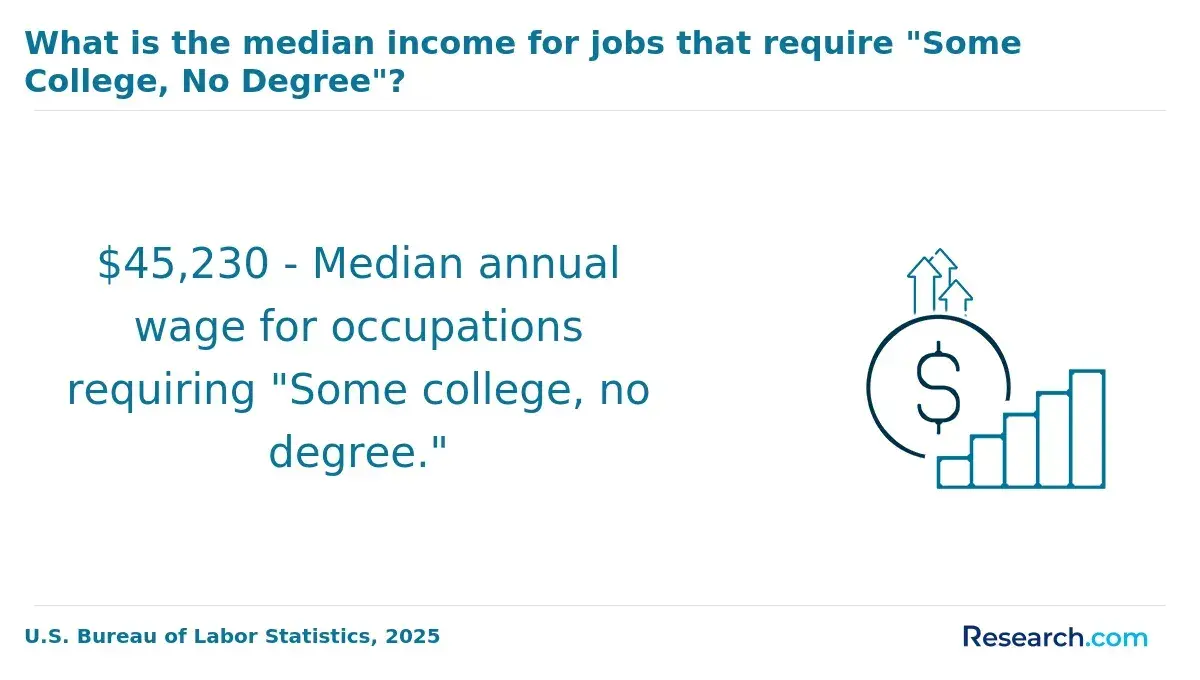
The BLS reported a May 2024 median annual wage of $63,000 for health education specialists. That figure is not a doctorate-specific salary and should not be treated as an earnings promise; rather, it provides a general labor-market reference point for the broader health education field. Doctoral students should evaluate whether a program's career support aligns with the higher-level roles they are targeting.
The table below compares basic and stronger career services for online doctoral students. It is especially useful if you are choosing between programs that appear similar academically.
| Career service | Basic offering | Stronger doctoral-level offering |
| Career coaching | General appointment with a career advisor | Coaching focused on leadership, faculty roles, research careers, consulting, or executive advancement |
| Resume and CV support | Resume review for formatting | CV, academic portfolio, publication list, teaching statement, and leadership profile review |
| Interview preparation | Generic interview tips | Mock interviews for faculty, director, public health leadership, or grant-funded roles |
| Networking | Access to the general alumni platform | Introductions to alumni in health education, public health, higher education, and community health leadership |
| Career transition support | Job board access | Guidance on moving from practice to academia, administration, research, policy, or consulting |
Career services should also help students explain the value of the doctorate. Employers may understand an MPH, EdD, DrPH, or PhD differently, so students need help translating their training into concrete skills such as program evaluation, curriculum design, health communication, leadership, grant writing, research methods, and evidence-based intervention planning.
Ask these questions before assuming career services will meet your needs. The answers can show whether the office understands doctoral health education pathways.
- Does the career center work with online doctoral students, or mainly with undergraduates and campus-based students?
- Can students receive help with academic CVs, teaching portfolios, research statements, or promotion materials?
- Are alumni mentors available in public health, health promotion, higher education, nonprofit leadership, or healthcare education?
- Does the program share job outcomes, employer types, or examples of student career paths without guaranteeing results?
- Are career services available after graduation, and for how long?
Students considering public health leadership may also compare earlier-stage graduate options such as the easiest MPH online programs to get into if they need a public health foundation before pursuing a health education doctorate.
Faculty and staff accessibility can determine whether an online doctorate feels supported or isolating. Accessibility means students can reach the right person, receive timely feedback, understand next steps, and get help across time zones without repeatedly navigating disconnected offices.
Strong programs publish expectations for faculty response times, office hours, dissertation feedback, technical support, advising access, and escalation pathways. They also make it clear which questions go to faculty, advisors, financial aid staff, librarians, disability services, or graduate school administrators.
The table below highlights accessibility signals that are worth checking before enrollment. These details often reveal more than general promises about "personal attention."
| Accessibility factor | Strong signal | Red flag |
| Faculty communication | Posted virtual office hours and clear response expectations | No stated response norms or reliance only on discussion boards |
| Dissertation feedback | Program explains review timelines and the revision process | Students report long unexplained delays in chapter feedback |
| Advisor access | Online scheduling, video appointments, and documented follow-up | Only a shared inbox with no assigned contact |
| Administrative support | Clear contacts for registration, financial aid, graduate school forms, and graduation checks | Students are repeatedly redirected between offices |
| After-hours options | Some evening, weekend, or asynchronous support for working adults | All support is limited to weekday business hours in one time zone |
Do not judge accessibility only by how quickly the admissions office responds. Admissions teams are often highly responsive before enrollment, while advising, faculty feedback, and dissertation support may operate differently after the student starts.
A practical way to test accessibility is to ask for a sample support map. This should show who helps with course planning, research questions, dissertation chair selection, library access, writing support, technical issues, accommodations, and career planning.
Peer and cohort support can make an online health education doctorate more manageable, especially during research and dissertation stages. While some students prefer independent study, many benefit from structured interaction with classmates, alumni, faculty mentors, and professional networks.
Supportive online programs use discussion seminars, cohort courses, virtual residencies, research groups, writing circles, alumni panels, and mentoring programs to reduce isolation. These opportunities should be purposeful, not just optional message boards with little faculty engagement.
The table below compares common community-building formats. It can help you decide whether a program's online environment matches your learning style.
| Support format | How it helps | Best for |
| Cohort model | Students move through courses with the same group | Learners who want accountability and peer familiarity |
| Flexible asynchronous model | Students progress with more schedule independence | Working adults who need maximum flexibility |
| Virtual residencies | Students meet online for intensive research, writing, or professional sessions | Students who want structured interaction without travel |
| Writing groups | Students set goals, report progress, and receive peer accountability | Dissertation-stage students who struggle with isolation |
| Alumni mentoring | Graduates share career, research, and dissertation advice | Students exploring leadership, teaching, consulting, or career transition |
When comparing programs, ask whether online students can participate in student associations, research presentations, conferences, honor societies, or departmental events. If a program has a campus-based culture, confirm that distance learners are not treated as secondary participants.
Common mistakes include choosing a program solely for flexibility without considering isolation, assuming discussion boards create real community, or overlooking whether dissertation-stage students still receive peer support after formal coursework ends.
Technology, accessibility, and wellness support are not extras in an online doctorate. They affect whether students can attend synchronous sessions, access readings, submit assignments, participate in research meetings, use assistive tools, and manage stress during a demanding multi-year program.
At minimum, an online health education doctorate should provide a reliable learning management system, remote library access, video conferencing, technical support, accessibility accommodations, online orientation, and clear policies for participation. Stronger programs also provide training in digital research tools, online presentation skills, cybersecurity expectations, and wellness resources for graduate students.
The table below outlines support areas that are easy to overlook during admissions conversations but important once coursework begins:
| Support area | What to look for | Why it matters for online doctoral students |
| Technical support | Extended or 24/7 help desk access, troubleshooting guides, and urgent support for exams or presentations | Technology failures can affect attendance, submissions, and milestone meetings |
| Online orientation | Training on learning platforms, library systems, advising contacts, academic policies, and doctoral expectations | Helps students begin with a clear support roadmap |
| Accessibility services | Remote accommodation process, captioning, screen-reader-compatible materials, and assistive technology support | Ensures students with disabilities can participate fully |
| Wellness support | Counseling referrals, telehealth options, crisis resources, and graduate student wellness programming | Doctoral study can intensify stress, especially for working adults |
| Academic integrity tools | Clear expectations for citation, originality, AI use, and research ethics | Protects students during high-stakes writing and research work |
Artificial intelligence is also changing doctoral education. Programs should have clear policies on acceptable AI use for brainstorming, editing, coding support, literature organization, and writing assistance. Students should avoid programs that provide no guidance, because unclear AI expectations can create academic integrity risks during dissertation writing.
Before enrolling, ask whether required software, proctoring systems, statistical tools, or residency platforms create extra costs. Technology fees may look small compared with tuition, but software and access requirements can affect the total cost of attendance.
How Can You Compare Online Health Education Doctorate Programs Based on Student Support Quality?
The best way to compare online health education doctorate programs is to evaluate student support as a core quality indicator, not as a bonus. A program with slightly higher tuition may be a better fit if it provides stronger advising, clearer dissertation mentoring, better writing support, and career services that match your goals.
Cost still matters. NCES graduate tuition data show wide differences between public, private nonprofit, and private for-profit graduate programs, and doctoral students may also pay technology fees, dissertation continuation fees, residency costs, software costs, and graduation fees. Because delays can add terms of enrollment, support quality should be part of any affordability calculation.
The table below gives a practical comparison framework. Use it to score programs consistently instead of relying on impressions from websites or admissions calls.
| Comparison factor | What strong programs can document | What to be cautious about |
| Accreditation and fit | Institutional accreditation and a degree focus aligned with health education, public health, leadership, or education goals | Unclear accreditation status or a curriculum that does not match your intended career path |
| Advising | Assigned advisor, milestone tracking, published response expectations, and support through dissertation completion | Generic advising with no doctoral specialization |
| Faculty expertise | Faculty profiles show relevant research, practice, and supervision experience | Few faculty aligned with your research interests |
| Dissertation process | Clear committee procedures, proposal support, IRB guidance, and defense policies for online students | Vague statements about independent research with little process detail |
| Writing and research support | Doctoral writing consultations, librarian access, statistics support, and templates | Only basic writing handouts or one required research course |
| Career services | Doctoral-level coaching, CV support, alumni networking, and leadership career guidance | Only a general job board |
| Online access | Virtual appointments, extended support hours, accessible technology, and online orientation | Support designed mainly for campus students |
| Total cost | Clear tuition, fees, dissertation continuation costs, residency costs, and financial aid information | Low advertised tuition with unclear fees or completion costs |
After narrowing your list, take these steps before applying or enrolling. They can help you verify whether a program's support model matches your needs.
- Request a written degree plan that shows coursework, milestones, dissertation stages, and estimated time to completion.
- Ask who your advisor would be, when you would meet, and whether advising continues after coursework.
- Review faculty profiles and identify at least two or three faculty members whose expertise could support your research interests.
- Ask for dissertation process documents, including committee formation rules, proposal expectations, IRB steps, and defense procedures.
- Confirm that writing, library, statistics, career, accessibility, and technology support are available to fully online students.
- Ask current students or alumni about advisor responsiveness, faculty feedback, dissertation support, and online community.
- Compare total cost, not just tuition, including fees, software, residency, continuation enrollment, and potential extra terms.
Strong student support does not guarantee completion, a promotion, or a specific salary. However, it can reduce avoidable confusion and help students make steady progress through a demanding doctoral program. The right program is the one whose advising, mentoring, writing support, research resources, career services, cost, and format match your goals and your real life.
Other Things You Should Know About Health Education
Many students do, but it depends on course load, dissertation pace, employer flexibility, and personal responsibilities. Ask whether the program offers part-time enrollment, asynchronous courses, evening meetings, and dissertation timelines designed for working adults.
An online doctorate can be respected when it comes from an institutionally accredited school and the curriculum, research expectations, and faculty qualifications are strong. Employers may care more about accreditation, applied skills, leadership experience, research ability, and the relevance of the degree to the role than about delivery format alone.
A PhD is often research-focused and may fit academic or research careers. An EdD usually emphasizes educational leadership, curriculum, and applied practice. A DrPH is commonly practice-oriented for public health leadership. Program names and expectations vary, so review dissertation requirements, faculty expertise, and career outcomes carefully.
Not automatically. A lower tuition price can be valuable, but compare total cost, fees, transfer policies, dissertation continuation charges, advising quality, faculty access, and support services. A very low-cost program with weak support may become more expensive if progress stalls.
- 2025 Most Affordable Online Doctorates in Education https://www.onlineu.com/most-affordable-colleges/education-doctoral-degrees
- Assessing the effectiveness of student support services through data analysis - SchoolAnalytix https://www.schoolanalytix.com/assessing-the-effectiveness-of-student-support-services-through-data-analysis/
- Accredited vs Non-Accredited Training: Understanding Your Options https://www.qahe.org/article/accredited-vs-non-accredited-training-understanding-your-options/
- Are Online PhD Programs Credible? https://henryharvin.ae/blog/are-online-phd-programs-credible/
- the effectiveness of student support programmes https://uzspace.unizulu.ac.za/server/api/core/bitstreams/5dd62db9-2e08-46df-aaee-be89159b093a/content
- Top Online PhD in Public Health (DrPH) Programs - MPH Online https://www.mphonline.org/online-phd-in-public-health/
- Top Roles for Graduates of an EdD in Healthcare Education & Leadership https://blog.methodistcollege.edu/top-roles-for-graduates-of-an-edd-in-healthcare-education-leadership
- A Guide to Scholarly Writing | ACE Blog https://ace.edu/blog/a-guide-to-scholarly-writing/
- strategies and impacts on the academic experience https://ojs.southfloridapublishing.com/ojs/index.php/jdev/article/download/4697/3222/11673