2027 Is a Biology Master's Degree Worth It? ROI, Salary & Career Impact

Co-Founder and Chief Data Scientist
Many aspiring scientists face uncertainty about pursuing a master's degree in Biology due to unclear financial and career outcomes. Data from the National Center for Education Statistics shows graduate degree holders in life sciences earn a median annual salary of approximately $68,000, compared to $50,000 for bachelor's graduates. However, cost and employment competition raise concerns about return on investment (ROI).
This article examines salary trends, job market demand, and program expenses to clarify whether a Biology master's truly advances career prospects. It offers a comprehensive framework to guide prospective students in making informed, strategic decisions about their postgraduate education and future opportunities.
Key Things to Know About the Value of Biology Master's Degree
- Most biology master's programs require a bachelor's degree in a related field, with 1-2 years of coursework plus research components balancing theory and practical lab skills.
- Annual salaries for biology master's graduates average between $55,000 and $75,000, varying by industry and location, with higher earnings in biotech and environmental sectors.
- Long-term career growth depends on specialization and employer demand; comparing program costs, flexibility, and reputation ensures alignment with professional and financial goals.
How Much Does a Biology Master's Degree Cost?
Prospective students considering a biology master's degree must carefully evaluate the tuition and fees to assess the total financial commitment. The growing demand for experts in life sciences is reflected in an average salary increase of about 15% for those with advanced biology degrees compared to bachelor's holders. Below is a detailed breakdown of biology master's degree tuition and fees to help students benchmark their options.
- Public In-State Tuition: In-state students at public universities generally pay between $10,000 and $25,000 annually, depending on the institution and program duration, which typically lasts 1.5 to 2 years.
- Public Out-of-State Tuition: Out-of-state students face higher costs, with tuition ranging from $20,000 to $40,000 per year due to additional non-resident fees.
- Private University Tuition: Private biology master's programs usually charge between $30,000 and $60,000 per year regardless of residency, reflecting the higher cost of resources and facilities.
- Online Program Costs: Online programs offer a lower total tuition range, typically $15,000 to $35,000 for the entire biology master's degree, often saving on housing and commuting expenses though technology fees still apply.
- Ancillary Expenses: Additional costs include textbooks and lab materials ranging from $1,000 to $2,000 annually, technology fees of about $500, and housing and living expenses averaging $12,000 to $18,000 per year, depending on location.
- Program Length and Format Impact: Longer programs increase total costs, especially when factoring living expenses. Accelerated or part-time online programs may reduce living costs but can extend the tuition payment period.
For those exploring various healthcare education options, examining costs of other degrees such as a pharmacy degree online can provide useful comparative insight into investment and career outcomes.
What Financial Aid and Scholarships Are Available for Biology Master's Students?
Financial aid plays a crucial role for students pursuing a biology master's degree scholarships, helping to manage the often significant costs of graduate education. Roughly 60% of STEM graduate students depend on federal loans or institutional support to fund their studies. Below is a concise guide to the key financial aid categories available to biology graduate students.
- Federal Graduate Loans: These include subsidized loans, which do not accrue interest during enrollment, and unsubsidized loans that begin accruing interest immediately. Repayment generally starts six months after graduation or leaving school.
- Institutional Grants and Fellowships: Universities offer need-based or merit-based grants for biology graduate students, typically requiring no repayment and often linked to academic achievement or research participation.
- External Scholarships: Organizations such as the American Society for Biochemistry and Molecular Biology award scholarships based on enrollment, research focus, and sometimes citizenship status.
- Discipline-Specific Funding Sources: Competitive opportunities like the National Science Foundation's Graduate Research Fellowship support biology-related research, requiring strong academic records and research proposals.
- Scholarship Search Strategies: Prospective students should use centralized databases such as Fastweb, the College Board's scholarship search, or explore specialized listings including options for online DNP programs without clinicals. Success depends on tailored personal statements, strong references, and relevant experience.
What Is the Average Salary for Biology Master's Degree Holders?
For those weighing the financial benefits of earning a master's degree in biology, current salary data offers vital insights. Comparing earnings across experience levels and job sectors highlights how advanced credentials can shape long-term income. Consider these key points about salary trends and factors influencing pay scales:
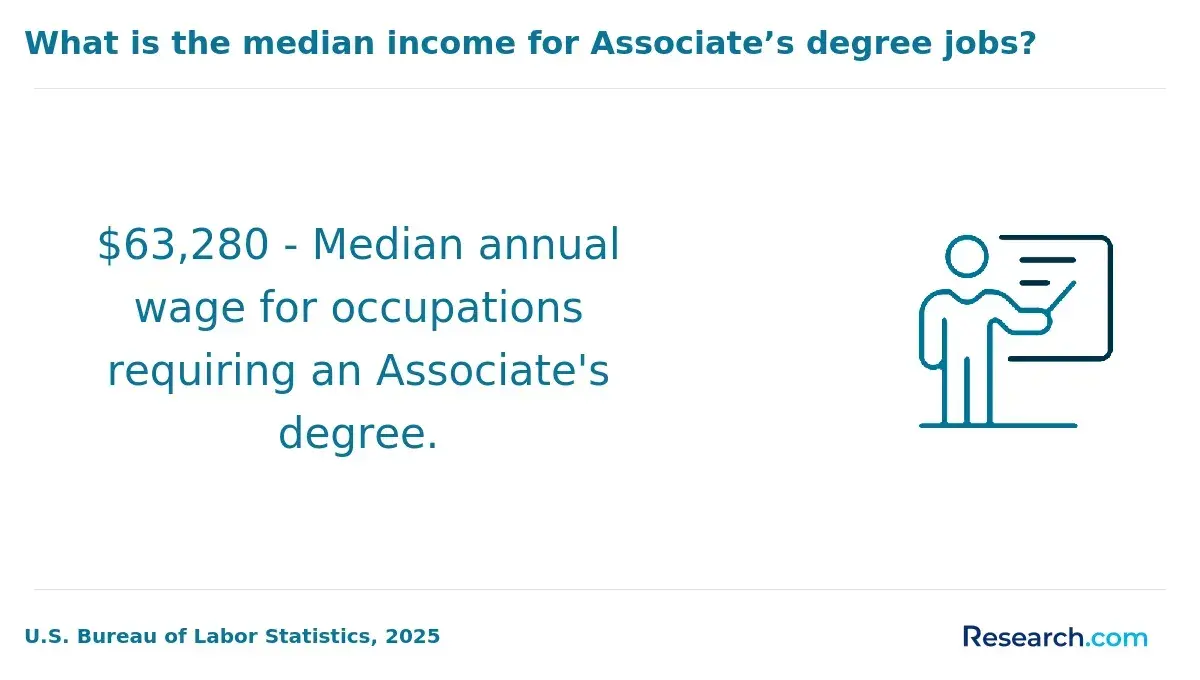
- Salary Gains at Entry Level: Graduates with a master's in biology generally start with salaries between $50,000 and $65,000, surpassing bachelor's degree holders who average $40,000 to $50,000. This initial 15-30% boost illustrates tangible early returns on advanced study.
- Mid-Career Earnings Growth: With five to ten years of experience, those holding biology master's degrees often earn $70,000 to $90,000 annually. Their peers with bachelor's degrees tend to make $55,000 to $70,000, maintaining a consistent salary edge of about 20-25%.
- Senior-Level Compensation: At senior professional stages, biology master's holders can exceed $100,000, especially in leadership or specialized research roles, while bachelor's degree holders typically reach $80,000 to $90,000. The private sector and biotech firms often offer the highest pay compared to public or nonprofit employers.
- Sector and Regional Variations: Earnings vary by industry and location; private biotech companies generally provide 10-20% higher wages than government jobs. Urban biotech centers like San Francisco, Boston, and Seattle reward professionals with salaries 15-25% above national averages due to high industry demand and living costs.
A graduate of a biology master's degree program shared that balancing coursework with job responsibilities was challenging but rewarding. "The rigorous curriculum pushed me to deepen my research skills, which opened doors to higher-paying roles in biotech," they recalled. Reflecting on the experience, they emphasized how investing time and effort into advanced studies enhanced both their confidence and career opportunities, affirming the financial and professional value of the degree.
How Does a Biology Master's Degree Impact Long-Term Career Advancement?
For those considering advanced education, knowing how a Biology master's degree shapes long-term career advancement is essential. Beyond just an initial salary bump, this degree influences promotion rates, leadership potential, and access to senior positions across multiple sectors.
Below are key factors to consider when assessing the long-term career benefits of a Biology master's:
- Promotion Rates: Graduates with a master's degree often climb the career ladder more quickly than those with only a bachelor's, thanks to their specialized knowledge and skills that employers value for higher responsibilities.
- Leadership and Management Opportunities: Many organizations require or prefer a master's degree for supervisory roles, particularly in research, healthcare, and environmental fields, where advanced training equips candidates to manage complex projects effectively.
- Professional Credibility and Employer Preference: A master's enhances professional standing, signaling dedication and expertise. Employers prioritize such candidates for senior or technical roles, especially in competitive industries.
- Industry-Specific Value: In biotechnology and pharmaceuticals, a Biology master's is often essential for advancement, while in education or public sector work, it can be advantageous but not mandatory. Understanding these nuances helps align educational goals with industry norms.
- Expanded Professional Networks: Graduate programs provide access to faculty, peers, and industry professionals, fostering connections that support collaboration, mentorship, and job opportunities.
- Continuing Education Pathways: A master's serves as a foundation for doctoral studies or professional certifications, expanding career possibilities in academia or specialized fields.
Prospective students should weigh these factors carefully, considering how a Biology master's degree fits their specific career path and financial situation. For those seeking affordable options, exploring cheap online nursing programs may offer insights into cost-effective graduate education paths.
What Is the Return on Investment (ROI) of a Biology Master's Degree?
This overview offers prospective students insight into the financial and professional outcomes associated with a biology master's degree. By examining key factors that influence return on investment (ROI), students can gauge whether the degree aligns with their career and financial goals.
Consider the following essential points when assessing the ROI of a biology master's program:
- Total Program Cost: Encompasses tuition, fees, textbooks, and living expenses. Public institutions typically present lower overall costs than private ones, significantly impacting the total investment needed.
- Lifetime Salary Premium: Represents the added earnings a graduate can expect compared to someone with only a bachelor's degree. Biology master's degree holders may see a 10-25% increase in annual salary, influenced by chosen industries and locations.
- Best-Case ROI Scenario: Graduates from affordable programs who enter high-demand sectors-like biotech or environmental science-often recover their educational expenses within 3 to 5 years, with sustained salary growth afterward.
- Worst-Case ROI Scenario: Graduates from costly programs entering lower-paying fields such as education or nonprofit work may require over a decade before their investment pays off financially.
- Payback Period: Usually ranges between 4 and 7 years, accounting for average program costs and salary increases. Taking into account the opportunity cost, including income lost during full-time study, can lengthen this timeframe, making ROI calculators valuable tools for deeper evaluation.
One biology master's graduate shared that choosing the degree felt daunting because of the financial strain and uncertainty around career outcomes. "Balancing part-time work and coursework was challenging but necessary," they said.
Despite these hurdles, having a clearer path to specialized roles in research helped maintain motivation. The graduate noted that access to advisors and alumni networks made navigating job searches easier than expected, ultimately improving confidence in the long-term value of their investment.
What Are the Admission Requirements for a Biology Master's Program?
Admission into a master's program in biology typically hinges on multiple academic and professional factors that signal an applicant's readiness for advanced study. Criteria fluctuate between highly selective institutions and more accessible programs, but several key requirements commonly arise. The following points outline essential components of a strong application.
- Undergraduate GPA: A minimum GPA near 3.0 on a 4.0 scale is often expected, while competitive universities may require 3.5 or above. Emphasis is placed on grades in biology and related science courses, reflecting preparedness for graduate-level material.
- Standardized Tests: The GRE is commonly requested, although some schools have recently waived this requirement or made it optional, aligning with modern admissions trends. The GMAT is seldom necessary unless the program incorporates business or management elements.
- Prerequisite Coursework: Foundational classes in biology, chemistry, and frequently math or statistics are essential. These courses provide the scientific and analytical base needed for success in graduate research and study.
- Statement of Purpose: A thoughtfully crafted essay that conveys your research interests, motivations, and career aspirations is crucial. This document distinguishes applicants by articulating how the program fits individual goals and academic background.
- Letters of Recommendation: Two to three endorsements from professors or research mentors evaluate your academic abilities and dedication. High-quality letters that underscore relevant expertise and accomplishments can significantly elevate an application.
- Research or Work Experience: Hands-on involvement in laboratories, internships, or scientific projects is highly valued. Especially at top-tier schools, applicants who have contributed to published research or demonstrated substantial lab skills stand out.
What Is the Minimum GPA Requirement for a Biology Master's Program?
The minimum GPA requirement for a biology master's program commonly varies depending on the program's prestige and selectivity. Top-ranked and competitive universities tend to require a minimum GPA of around 3.0 on a 4.0 scale, while less selective programs may accept GPAs as low as 2.5 or 2.75. Although a higher GPA improves admission chances, a low undergraduate GPA does not automatically disqualify applicants, especially when compensated by other factors.
These include solid professional experience, compelling personal statements, and strong GRE scores where still applicable. Understanding how to navigate these nuances is essential for applicants aiming to meet the typical GPA cutoff for a master's degree in biology. Below are key insights for prospective students to consider:
- Typical GPA Thresholds: Most biology master's programs set a minimum expectation around 3.0 GPA, reflecting their competitive nature. Top-ranked institutions often enforce higher cutoffs due to greater applicant volume and academic rigor.
- Work Experience And Personal Statements: Applicants with weaker GPAs can enhance their profiles by showcasing relevant internships, research participation, or lab work. A well-crafted personal statement that clearly expresses motivation and skills can also positively influence admission decisions.
- Conditional Admission: Some schools provide conditional or probationary acceptance for borderline candidates. This allows enrollment contingent upon meeting specific academic performance targets during the initial terms.
- Program Selectivity: Admission chances vary widely with program selectivity; highly ranked biology programs tend to have stricter GPA requirements compared to more regionally focused or less competitive schools.
- Application Strategies For Low GPA: Serious applicants should consider retaking essential science courses to improve GPA, obtaining strong recommendation letters, and demonstrating quantitative and analytical skills to offset academic shortcomings. For alternative educational paths, exploring options similar to fast track LPN programs could also provide professional advancement routes.
Is an Online Biology Master's Degree as Valuable as an In-Person Degree?
For students evaluating a master's degree in biology, understanding how employers currently perceive online versus in-person programs can help shape informed choices. The rapid shift to remote learning during the COVID-19 pandemic significantly changed attitudes, influencing how degrees are valued in the job market. The following points offer a comprehensive overview of these evolving dynamics.
- Employer Acceptance Has Increased: The pandemic accelerated the normalization of online education, leading over 70% of employers surveyed in 2023 to regard accredited online biology master's degrees as comparable to traditional ones.
- Accreditation Is Paramount: Accreditation and academic rigor are the decisive factors employers examine, outweighing whether coursework was completed online or face-to-face. Degrees lacking recognized accreditation often face reduced credibility regardless of delivery method.
- Networking and Interaction Vary: Residential programs typically offer more organic opportunities for hands-on lab work, mentorship, and impromptu peer engagement, which are valuable in biology fields; online versions may provide virtual networking but can't fully replicate this immersive environment.
- Career Support Differences: On-campus programs often boast in-person career fairs and internship placement assistance, though leading online programs are increasingly enhancing virtual career advising, digital internships, and alumni engagement to bridge this gap.
- Flexibility Versus Experiential Depth: Online biology degrees offer vital flexibility for working professionals or those with geographic constraints, while on-campus attendance tends to benefit students pursuing lab-intensive research roles or aiming for strong local industry ties.
What Jobs Can You Get With a Biology Master's Degree?
Careful consideration of the typical career paths and employment sectors available to biology master's graduates can help prospective students align their education with financial and professional objectives. Some positions mandate a master's degree for entry or advancement, while others value it as a distinct advantage. Emerging fields driven by advances in technology and regulatory needs also offer growing opportunities. Below is a breakdown of notable roles and their educational or certification expectations.
- Biotechnologist: Primarily working in pharmaceuticals, agriculture, and environmental sectors, biotechnologists utilize biological expertise to innovate products. A master's degree is often required, with salaries ranging from $60,000 to $100,000, especially higher in private companies.
- Environmental Scientist: This role involves evaluating ecological data and impacts within government or private consulting firms. While not always mandated, a master's degree improves competitiveness for leadership positions, where earnings commonly exceed $90,000.
- Clinical Research Coordinator: Overseeing clinical trials for medical innovations, this role frequently prefers candidates with a master's. Certified professionals report median earnings between $70,000 and $85,000.
- Bioinformatics Specialist: Combining biological knowledge with data analytics, this niche is expanding rapidly in tech and biotech. A master's is highly favorable, with starting salaries near $80,000 and strong growth potential.
- Regulatory Affairs Manager: Ensuring compliance within pharmaceutical or biotech industries, this position generally requires both a master's degree and certification such as RAC, with salaries above $100,000.
- Science Writer or Communicator: Biology graduates with master's degrees can command better compensation writing scientific publications and industry materials, with salaries typically starting around $60,000 depending on expertise.
How Do Employers and Industries Value a Biology Master's Degree?
Prospective students evaluating the industry demand for biology master's graduates should consider how various employers regard this credential in hiring and promotion. Different sectors assess the degree's value based on organizational needs, disciplinary focus, and the level of expertise required. Knowing these perspectives helps shape effective career strategies and job applications.
- Large Corporations Favor Specialized Expertise: Many pharmaceutical, biotech, and environmental firms view a biology master's degree as a strong technical credential. However, leadership roles commonly require doctoral degrees or MBAs, so advancement may need further education.
- Government Agencies Value Practical Experience: Public health and conservation organizations often require biology master's holders for mid-level scientific and technical roles. Still, higher research leadership tends to demand doctoral qualifications.
- Startups Look for Versatility: Employers in startups prefer candidates with a biology master's who also demonstrate adaptability and complementary skills such as data analysis or business knowledge. The degree alone may not secure quick progression.
- Nonprofits Prioritize Mission Alignment: In conservation and education sectors, the biology master's is frequently the terminal professional degree. Practical expertise and relevant network ties often outweigh doctoral research in these roles.
- Disciplinary Variation Affects Credential Weight: Applied biology areas like environmental biology or biotechnology generally accept the master's as sufficient professional preparation. Contrastingly, molecular biology and academic research fields prioritize PhDs, with MBAs preferred for management tracks.
- Communicating Degree Value Is Key: Job seekers should highlight hands-on research, technical skills, and interdisciplinary experience gained through their master's program. Emphasizing problem-solving and relevant internships or projects enhances employability and demonstrates readiness.
Prospective students interested in expanding their technical qualifications alongside a biology master's may find value exploring medical coding programs as complementary credentials to improve career flexibility and ROI.
Is a Biology Master's Degree Worth It?
For those considering a master's degree in biology, understanding how different employers perceive this qualification can clarify its impact on career advancement. Employer expectations vary widely across sectors and disciplines, influencing how the degree supports job opportunities and growth.
- Employer Type Differences: Large corporations often regard a biology master's as a valuable credential for research and development roles, whereas government bodies favor it for specialized positions in environmental science or public health. Startups tend to emphasize practical experience more than formal degrees, yet holding a master's degree still signals dedication and expertise. Nonprofits prioritize hands-on experience but recognize the master's as relevant for scientific and policy-related roles.
- Disciplinary Variation: In some biology fields like ecology or biotechnology, the master's degree is widely seen as the terminal professional qualification. However, areas focused on academic research or pharmaceutical leadership typically require a doctorate or an MBA for advancement, which shapes career pathways and expectations.
- Industry Employer Surveys: Research shows many employers value the specialized knowledge and analytical skills that come with a biology master's. While this degree can improve prospects for promotion, reaching senior-level roles often also requires additional experience or credentials.
- Effective Communication of Degree Value: Highlighting competencies such as data analysis, laboratory management, and regulatory comprehension strengthens applications. Tailoring resumes and interviews to demonstrate how the degree aligns with organizational goals enhances a candidate's appeal.
What Graduates Say About Their Biology Master's Degree
- Lara: "Applying for admission to the biology master's program was initially intimidating, but relying on official academic catalogs clarified the degree requirements and set realistic expectations. I also found it invaluable to track accrediting agencies for program credibility, which helped me secure a position in a competitive environmental research job market. Overall, the combination of transparent resources and a proactive approach made all the difference in my academic and career journey."
- Elisha: "The biology master's program admission process challenged me to gather extensive documentation, but reviewing federal education resources provided clear guidance that simplified the steps significantly. Navigating through the diverse job landscape was eye-opening, as I discovered roles ranging from healthcare to conservation that value the skills developed during the program. I reflect back and appreciate how closely following degree requirements from trusted sources helped me stay on track and open doors professionally."
- Gabriela: "During my time entering the biology master's program, I was meticulous about cross-referencing the academic catalog with accrediting agencies to ensure the program's quality. This diligence paid off as it helped me confidently explore multiple career paths within biotech industries, which actively recruit biology graduates. The structured approach to understanding degree requirements and employment trends has genuinely strengthened my capability to make informed decisions moving forward."
Other Things You Should Know About Biology Degrees
In 2027, a Biology Master's Degree offers a broader and deeper exploration of the field, leading to roles in research and academia. However, professional certifications can be more cost-effective and targeted, providing specialized skills for specific positions. Consider career goals to determine the best investment.
The main challenges of pursuing a biology master's degree include the significant time and financial investment required, as well as the competitive nature of research funding and job placement in academia or specialized fields. Graduates may face limited immediate job opportunities without a PhD in certain research or academic roles. Additionally, the fast pace of scientific advancements means graduates must continuously update their skills to remain relevant in the field.
In 2027, a Biology Master's Degree opens doors to diverse careers such as research scientist, biotechnologist, environmental consultant, and healthcare analyst. These roles often offer competitive salaries and strong job growth potential due to increasing demand in biotechnology and environmental sectors.
References
- Masters in Biology Jobs: Careers for Masters in Biology - WLU https://westliberty.edu/mamsbiology/employment-opportunities/
- Fully Funded Master's Programs in Biology | ProFellow https://www.profellow.com/fellowships/fully-funded-ms-programs-in-biology/
- Is an online master’s degree worth the money? https://www.cnbc.com/2020/10/15/is-an-online-masters-degree-worth-the-money.html
- Can Online Biology Courses Replace In-Person Labs? https://straighterline.com/blog/can-online-biology-courses-replace-in-person-labs
- Unlocking Opportunities: The Value of a Masterâs Degree in Biology - Oreate AI Blog https://www.oreateai.com/blog/unlocking-opportunities-the-value-of-a-masters-degree-in-biology/e9309c1f61b23f0c71fcfb512a3e4504
- Tuition fees and costs - Master General Biology (Biological Sciences) https://www.uva.nl/shared-content/programmas/en/masters/biological-sciences-general-biology/tuition-fee-and-costs/tuition-fees-and-costs.html
- Tuition Fee in Poland - Study in Poland | Best Destination https://studyinpoland.biz/tuition-fee-in-poland/
- Early Entry Master's Program - Department of Biological Sciences https://biology.charlotte.edu/programs/graduate-programs/early-entry-masters-program/
- Master of Science in Biology | Merrimack College https://www.merrimack.edu/academics/arts-and-sciences/graduate/biology/
- 953 Master's Degree Biology Scholarships available https://www.hotcoursesabroad.com/study/international-scholarships/all/Postgraduate/biology/cid/98/b13/scholarship2.html