
2027 Return on Investment (ROI) of a Biology Degree Program

Co-Founder and Chief Data Scientist
Considering investing in a biology degree often raises concerns about balancing educational costs with future earnings. Many prospective students worry whether a biology degree can secure stable employment or lead to competitive salaries in a field perceived as highly specialized. According to the U. S. Bureau of Labor Statistics, employment in biological and life sciences occupations is projected to grow 5% from 2021 to 2031, aligning with average occupational growth.
This article examines the financial and career returns of biology degrees, helping readers assess potential outcomes and make informed decisions about pursuing this degree amid evolving workforce demands.
Key Things to Know About Biology Degree ROI
- Biology graduates often see a median starting salary of about $50,000, with potential growth exceeding 3% annually due to demand in healthcare, research, and environmental sectors.
- Career advancement is supported by versatile skills in analysis, lab techniques, and data interpretation, enabling transitions into biotechnology, pharmaceuticals, or education roles.
- Job stability is strong, with a 7% job growth projection through 2030, driven by ongoing investment in life sciences and environmental sustainability initiatives.
How Is ROI Calculated for a Biology Degree Program?
Return on investment (ROI) in higher education quantifies the financial benefits a student gains from completing a biology degree relative to the time and money invested. Calculating ROI helps students compare the overall value of their degree against its cost and duration to make informed decisions.
Understanding the main elements involved clarifies how to measure this effectively.
Key factors included in the return on investment calculation for biology degree programs are:
- Tuition and Fees: This encompasses all direct expenses such as tuition, lab fees, textbooks, and materials required throughout the program. These upfront costs form the primary financial investment when evaluating returns.
- Opportunity Cost: The years spent in full-time study prevent students from earning a salary, making the income forgone a vital factor in assessing total investment.
- Time to Completion: The longer it takes to finish the degree, the higher the tuition and opportunity costs. Extended programs may lower ROI unless balanced by higher post-graduation earnings.
- Post-Graduation Salary Outcomes: Expected starting salaries and job placement rates for biology graduates drive ROI substantially. Higher earnings speed up cost recovery and enhance financial returns over time.
- Long-Term Earning Potential: Career growth and salary increases throughout a graduate's working life can improve lifetime ROI. Many biology professionals advance into roles with greater compensation as their experience deepens.
Prospective students should also consider related fields when comparing options; for example, those interested may explore a pharmacist degree for additional career pathways. Evaluating biology degree ROI formula and factors thoroughly ensures a clearer picture of the education's true value and informs strategic career planning.
How Much Does a Biology Degree Program Cost?
Accurately gauging the return on investment for a biology degree requires a full understanding of all associated expenses, as costs often exceed just tuition. For context, average student loan debt for bachelor's graduates in the U.S. now tops $30,000, which underscores the need to look beyond sticker prices when planning finances.
Key factors influencing the overall cost and ROI of a biology degree include:
- Tuition and fees: This is the primary expenditure, with variation depending on whether a student attends a public or private institution. Beyond per-credit costs, additional mandatory fees can substantially increase the total amount owed.
- Books and materials: Specialized textbooks, lab equipment, and software are often required, sometimes totaling hundreds or even over a thousand dollars each academic year.
- Living and relocation expenses: Costs for housing, food, transportation, and other daily living needs fluctuate widely by location and whether students must move away from home.
- Opportunity cost: Time spent full-time on studies typically means foregoing a salary, which is a significant but less visible financial impact.
- Hidden or indirect costs: Expenses such as lab fees, health insurance, technology access, and various certification or exam fees accumulate over time and are not always factored into upfront budgets.
A graduate of a biology degree I spoke with reflected on his experience, emphasizing how budgeting was more complex than expected. He shared, "I didn't realize how much extra I'd spend beyond tuition-especially on lab supplies and software licenses.
Managing these costs required careful planning and sometimes meant picking up part-time work, which was tough alongside demanding coursework." He also noted, "Moving to a new city added uncertainty and extra expenses I hadn't fully counted on."
This perspective highlights that assessing a biology degree's cost-and thus its financial value-involves looking at a wide range of factors that go beyond the obvious tuition figures.
What Financial Aid Is Available for Biology Degree Programs?
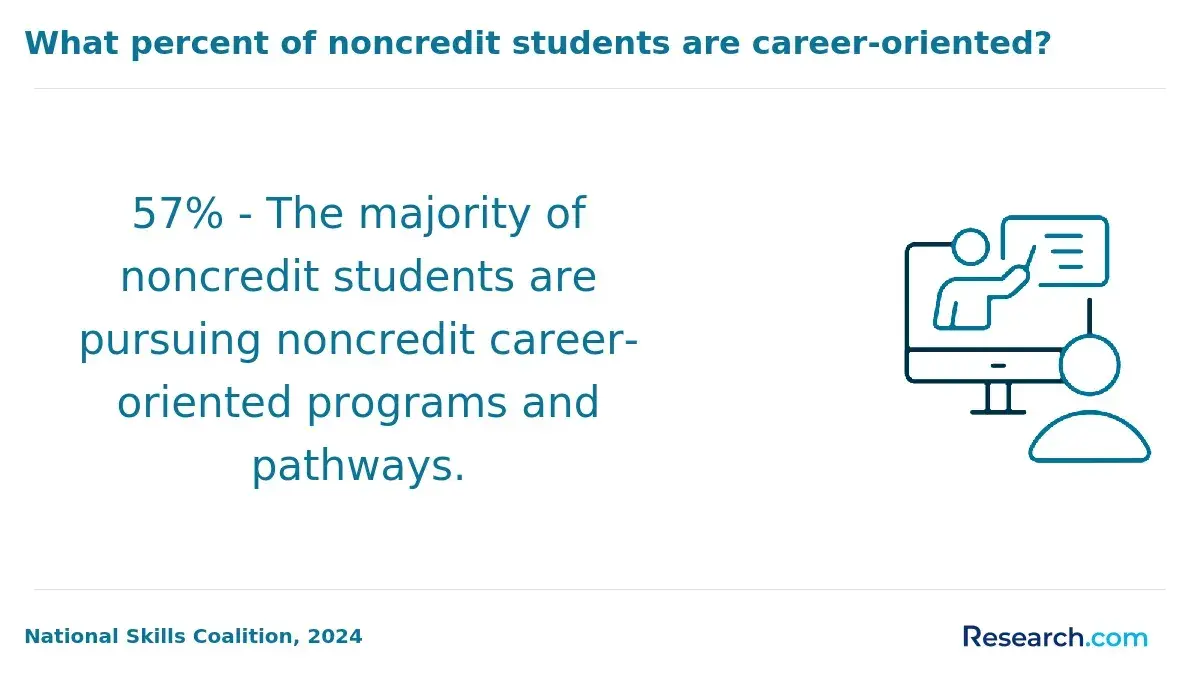
Financial aid reduces the initial expenses of pursuing a biology degree, helping students lower debt and improve their long-term financial outcomes. Nearly 70% of bachelor's degree graduates rely on student loans, underscoring the need to carefully select aid options that enhance return on investment.
Below are common types of financial support that can make a biology education more affordable and valuable:
- Scholarships: These awards are usually based on merit or financial need and do not require repayment, directly decreasing overall costs and limiting loan amounts.
- Grants: Typically aimed at students with financial need, grants provide free funding, easing the financial burden without increasing debt.
- Fellowships: Mostly for graduate students, fellowships offer stipends or cover tuition, allowing recipients to focus on research while minimizing educational expenses.
- Employer Tuition Assistance: Some employers help fund degree costs through reimbursement programs, reducing out-of-pocket payments and allowing students to earn income simultaneously.
- Federal Loans: Although loans add debt, federal student loans usually have favorable interest rates and flexible repayment plans, making them a more manageable option than private loans.
How Long Does It Take to Complete a Biology Degree?
The time required to complete a biology degree plays a crucial role in determining its return on investment (ROI) by affecting opportunity costs, delaying entry into the workforce, and increasing overall educational expenses. Students who graduate sooner can start earning earlier, maximizing financial benefits while minimizing tuition and living costs.
Several important factors influence how long earning a biology degree takes and how that duration impacts ROI:
- Enrollment status: Attending school full-time generally accelerates graduation, minimizing educational costs and enabling quicker access to income, whereas part-time enrollment often prolongs study duration.
- Program format: Choosing online or accelerated programs can shorten the time to complete the degree by offering flexible pacing and year-round courses, thereby enhancing financial returns.
- Transfer credits: Applying previously earned college credits can reduce the number of required semesters, lowering both time commitment and total expenses.
- Internship or thesis commitments: Hands-on experiences like internships or thesis projects enrich learning but may extend study length, which could delay earning potential despite the benefits.
- Scheduling flexibility: Students balancing jobs or family obligations may face rigid course schedules that slow progress, leading to longer degree completion and postponed financial rewards.
When I spoke with a biology degree graduate about how long it took her to finish, she reflected on the balance of ambition and reality. She shared that although she initially planned to graduate in four years, unforeseen personal challenges and prioritizing part-time work stretched her timeline closer to five years.
"It felt frustrating at times," she admitted, "but taking longer allowed me to gain practical work experience alongside classes, which ultimately helped with job hunting." Her story highlights that while finishing faster improves ROI on paper, the added experience and financial support gained during extended study periods also carry significant value.
She encourages prospective students to weigh both timing and personal circumstances carefully when planning their biology degree path.
Is ROI Higher for Online or On-Campus Biology Programs?
The delivery format of biology degree programs plays a significant role in return on investment (ROI) due to differences in cost, flexibility, and career outcomes. Online enrollment in bachelor's programs has increased by 15% over the past five years, reflecting a shift toward more accessible remote learning options.
This trend affects how students evaluate ROI comparison of online versus on-campus biology degrees.
Key factors to consider include:
- Tuition and fees: Online programs tend to have lower tuition and fees, which reduces upfront financial barriers. However, some on-campus programs may offer more substantial financial aid packages, balancing overall costs.
- Opportunity cost: Students pursuing online degrees often maintain employment during their studies, minimizing income loss. This flexibility lowers the opportunity cost compared to full-time on-campus attendance.
- Time to completion: Online delivery allows flexible scheduling that can either accelerate or delay graduation depending on the student's pace and commitments.
- Networking and career services: On-campus programs typically provide stronger direct industry connections, in-person labs, and career support that may enhance job placement prospects.
- Employer perception and earnings: Some employers view on-campus degrees as more rigorous, potentially influencing starting salaries and long-term earning potential.
Those considering a biology degree should also explore related programs, such as medical coding and billing classes online with financial aid, which may provide alternative career pathways with different ROI profiles. Analyzing the return on investment for biology programs by delivery format helps prospective students and working professionals make informed decisions about their educational and financial futures.
What Is the Average Salary After Earning a Biology Degree?
Post-graduation salary is a key driver of the return on investment (ROI) for biology degrees, as higher earnings help graduates recover educational costs and build financial stability. The average salary for biology degree graduates typically ranges between $40,000 and $80,000 annually in the United States.
This salary spread is important when considering the biology degree starting salaries in the United States and their impact on long-term financial outcomes.
Several factors influence the average salary outcomes and thus the ROI of a biology degree:
- Industry: Biotechnology and pharmaceutical sectors often provide higher compensation compared to roles in education or environmental conservation, affecting earning potential significantly.
- Geographic location: Urban areas or regions with a dense presence of research institutions and biotech firms tend to offer better salaries, influencing the overall ROI.
- Prior experience: Internships and research opportunities enhance entry-level salaries by demonstrating practical skills and commitment to the field.
- Specialization: Graduates with expertise in genetics, microbiology, or bioinformatics usually command greater wages due to the demand for advanced knowledge.
- Career level: Starting positions pay less, but mid-career and senior roles often come with substantial salary increases, boosting long-term ROI.
For those researching educational paths, exploring options like easy nursing schools to get into can provide perspective on alternative career routes with varying financial prospects.
Does a Biology Degree Lead to Promotions?
Promotions contribute significantly to return on investment (ROI) by delivering salary increases, expanded responsibilities, and enhanced career mobility. In many industries, advancing in one's career increasingly depends on credential-based promotion, where having relevant academic qualifications like a biology degree is becoming essential for leadership or specialized roles.
A biology degree career advancement can impact promotion potential and ROI in several key ways:
- Credential requirements: Many supervisory or research positions require specific academic qualifications. Holding a biology degree helps meet these prerequisites, opening doors to roles with higher pay and responsibility.
- Leadership preparation: This degree offers foundational knowledge and skills that prepare candidates for managing teams and projects, which is often a critical factor in deciding promotions.
- Tuition support: Employers may provide tuition assistance for employees seeking further education. Having a biology degree can increase eligibility for such benefits, supporting continuous career growth and eventual advancement.
- Internal promotion policies: Organizations frequently prefer promoting degree holders to align with their standards for expertise and credibility, making the biology degree a strategic asset.
- Experience and education synergy: Combining practical work experience with a biology degree strengthens a candidate's qualifications, enhancing their chances for higher-level roles and improved ROI through promotions.
Promotion decisions consider both education and accumulated experience, so obtaining a biology degree often plays a decisive role in readiness for advancement. Those exploring education options may also want to compare other degrees, such as the cheapest online healthcare administration degree, which offers alternative pathways for career progression.
Overall, promotions with a biology degree commonly result in tangible benefits that contribute to a positive ROI, making this degree a valuable consideration for individuals aiming to climb the professional ladder.
Which Industries Offer the Best ROI for Biology Graduates?
Return on investment (ROI) for biology graduates varies significantly across industries due to differences in average salaries, career advancement opportunities, and demand for specialized skills. These factors influence which sectors offer the best returns relative to education and time invested.
The following industries commonly provide strong ROI for biology degree holders, driven by competitive compensation, promotion potential, and job stability:
- Pharmaceuticals and Biotechnology: Industries in drug development and innovation offer high salaries and rapid compensation growth, as biology expertise is essential for creating new therapies and technologies.
- Healthcare and Medical Research: This sector ensures steady demand and opportunities to advance into specialized roles, allowing graduates to apply biology knowledge meaningfully while benefiting from job security.
- Environmental Science and Conservation: Growing focus on sustainability drives job growth and stability, rewarding biology grads with skills in ecology and environmental management.
- Food and Agriculture: Stable career paths in research, quality control, and product development make this field a solid choice for those seeking long-term growth and advancement.
- Biotechnology Consulting and Regulatory Affairs: Combining biological knowledge with business acumen, this area often results in higher earning potential and diverse career mobility.
Those researching the highest paying biology careers in the US should consider these sectors when evaluating return prospects. ROI fundamentally depends on how biological skills translate into marketable expertise within the chosen field and the industry's long-term demand.
For individuals exploring educational pathways linked to strong biology careers, opportunities such as the cheapest BSN to DNP programs can offer cost-effective routes within related health science disciplines.
In summary, identifying the best industries for biology degree ROI involves balancing compensation, career progression, and skill applicability to maximize long-term benefits.
Does Accreditation Affect ROI for a Biology Degree?
In biology degree programs, accreditation represents an official evaluation conducted by specialized agencies to confirm that the curriculum meets established academic and professional benchmarks. This certification matters because employers increasingly prioritize candidates who hold degrees from accredited schools, especially for specialized positions or roles requiring licensure.
A key workforce trend is the rising demand for verified credentials, reflecting a push toward more rigorous standards in hiring and professional certification. Consequently, accredited programs carry greater weight in validating a graduate's knowledge and skills.
Accreditation impacts the long-term return on investment by fostering employer confidence in your qualifications and opening access to federal financial aid and scholarship opportunities. It also facilitates the transfer of credits between accredited institutions, which can save time and money if you pursue further education.
Moreover, completing an accredited program is often a prerequisite for obtaining professional licenses and certifications, expanding your career options and mobility across states or industries. These factors combined support stronger earning potential and job stability over time.
Is a Biology Degree Worth It?
Determining the return on investment (ROI) for a biology degree depends largely on factors like tuition expenses, program length, starting salaries, and opportunities for career progression. Typically, biology students spend about four years completing their degree, with costs varying widely across institutions.
Entry-level salaries for graduates generally fall between $40,000 and $60,000 annually, but growth in earnings depends on the sector and experience gained. Employment data shows that approximately 65% of biology graduates secure jobs related to their field within two years, which can significantly influence their financial return.
The value of a biology degree varies based on individual circumstances and market trends. High-demand fields such as biotechnology or environmental science tend to offer better long-term ROI, especially when combined with financial aid or flexible program options like part-time or online study that lower overall costs.
Career goals also play a role, as some may prioritize research or teaching experience over immediate financial gain. Without additional specialization or advanced degrees, the financial benefits of a biology degree alone may be limited, making a careful evaluation of costs versus career objectives crucial.
What Graduates Say About The ROI of Their Biology Degree
- Miller: "Choosing a traditional biology degree was a no-brainer for me because I wanted a solid foundation that promised long-term career opportunities. Although the average cost hovered around $40,000 per year, the investment felt justified given the internships and research opportunities I accessed. Today, as a lab researcher, I truly see how that education opened doors that would have otherwise remained closed."
- Emery: "Starting an online biology degree was a practical move, especially considering the flexibility I needed balancing work and studies. The cost was noticeably more affordable, roughly $15,000 annually, which aligned better with my budget and made the return on investment feel more reasonable. Reflecting on my promotion to a clinical coordinator, I can confidently say this degree was pivotal in advancing my career."
- Gabriel: "Pursuing a part-time biology degree stretched over several years, but it was worth every penny, despite the cumulative costs averaging near $30,000. The balanced schedule allowed me to apply classroom knowledge directly to my job, facilitating immediate career growth in environmental consulting. Looking back, the decision to invest in biology has paid off professionally, even if it meant patience and persistence."
Other Things You Should Know About Biology Degrees
In 2027, the ROI of a biology degree can be enhanced by choosing in-demand specializations, gaining practical experience through internships or research, and pursuing roles in biotechnology or healthcare sectors, which offer higher entry-level salaries. Staying updated with industry trends and expanding professional networks can also significantly boost career prospects and earning potential.
Internships and hands-on research experience significantly improve ROI by providing practical skills and professional networks. These experiences often lead to better job placements and higher starting salaries for biology graduates.
The expected salary range for biology graduates in 2027 varies, with entry-level positions typically starting around $45,000 to $60,000 annually. Specialized roles or those with additional experience can earn significantly more, impacting ROI positively. Factors like location and industry also influence salary levels.
References
- How Long Does It Take to Complete a Bachelor's in Biological Sciences in the USA https://www.imperial-overseas.com/blog/how-long-does-it-take-to-complete-a-bachelors-in-biological-sciences-in-the-usa/
- Biology & BioMed Scholarship Program https://www.bvu.edu/bio-biomed-scholarship
- Accreditation and financial ROI | Woolf News & Updates https://woolf.university/news/accreditation-and-financial-roi
- Biology Degree Program (BSc) | Co-Op Option | Undergraduate Admissions - Apply Here - Concordia University https://www.concordia.ca/academics/undergraduate/biology.html
- 20 Biology Jobs - the Best Careers for Biology Graduates https://www.immerse.education/career-exploration/biology/jobs-with-biology-degree/
- Is College Worth it? | Return on Investment Analysis of College Degree https://educationdata.org/college-degree-roi
- Top 10 Highest Paying Jobs With A Biology Degree 2025 (Inc Salaries) | Nexford University https://www.nexford.edu/insights/highest-paying-jobs-with-biology-degree
- How To Calculate The ROI Of Your College Degree | Bankrate https://www.bankrate.com/loans/student-loans/roi-college-degree/
- 13 Highest-Paying College Majors in 2025 | National University https://www.nu.edu/blog/highest-paying-college-majors/
- Does College Pay Off? A Comprehensive Return On Investment Analysis - FREOPP https://freopp.org/whitepapers/does-college-pay-off-a-comprehensive-return-on-investment-analysis/


