
2027 Which Biology Degree Careers Have the Lowest Unemployment Risk?

Co-Founder and Chief Data Scientist
Deciding which biology career path offers the most secure employment can feel overwhelming-especially amid rapid technological advances and shifting industry demands. For biology degree holders, selecting the right specialization and geographic market is critical to minimizing unemployment risk throughout their careers. Data from the Bureau of Labor Statistics reveals that biology-related roles in healthcare and environmental sectors exhibit an unemployment rate nearly 40% lower than the overall national average. This article systematically examines career specializations, industries, credentialing strategies, and regional trends that collectively reduce unemployment risk for biology graduates at entry, mid, and senior levels-equipping readers with an evidence-based framework for informed career decisions.
Key Things to Know About the Biology Degree Careers With the Lowest Unemployment Risk
- Low unemployment risk careers in biology show historically stable rates-around 3%-supported by strong ten-year demand growth exceeding 10%, reinforced by recession-resistant health and environmental sectors.
- Licensure and professional certifications reduce automation vulnerability-especially in clinical and regulatory biology roles-while advanced degrees often correlate with 20% lower unemployment rates over a decade.
- Geographic market selection significantly affects risk; urban centers with biotech hubs show 15% better job retention, highlighting location's role alongside skill specialization in mitigating long-term unemployment.
What Makes Biology Degree Jobs More or Less Resistant to Unemployment?
Unemployment risk in biology degree careers varies significantly based on the type of unemployment involved. Structural unemployment arises when economic shifts or technological advances-like automation replacing routine lab work-reduce demand for certain roles. Frictional unemployment relates to short-term gaps during job transitions, a common occurrence for early-career biology professionals moving between positions or geographic areas. Cyclical unemployment happens during economic downturns, broadly depressing hiring across sectors such as biological research and healthcare. Distinguishing these types clarifies that not all unemployment risk is equal.
Key drivers of biology degree job market resilience factors include:
- Occupational Licensing: Jobs that require licenses-such as clinical laboratory scientists or environmental health specialists-generally face lower unemployment risk due to regulated qualifications limiting supply.
- Employer Concentration: Roles distributed across numerous employers, like research technicians at universities or healthcare institutions, show greater stability compared to those dominated by few large employers, which can be vulnerable to downsizing.
- Sector Growth Rate: Career paths linked to rapidly expanding sectors-such as biotechnology, public health, and environmental science-offer more resilience, while stagnant or declining sectors tend to increase risk.
- Role Replaceability: Positions demanding specialized knowledge or advanced technical skills have reduced automation vulnerability, providing stronger job security than routine or entry-level tasks.
The interaction between degree level, specialization, and geography also shapes unemployment exposure. Advanced degrees and targeted certifications create buffers by unlocking niche and leadership roles. High-demand specializations-such as bioinformatics or medical microbiology-tend to provide enhanced stability. Geographic markets influence opportunity, with urban and research-intensive regions offering more options than rural areas. Early-career professionals exploring internship and academic concentration decisions should consider these factors carefully.
This article uses a consistent analytical framework to evaluate biology careers-drawing on historical unemployment rates, ten-year demand projections, automation risks, recession resilience, licensure significance, geographic market effects, and advanced credentials-to provide an objective risk assessment. Selecting a biology specialization based on unemployment risk data rather than general passion or salary substantially improves long-term stability, equipping readers with evidence-based insights for informed career choices.
For those evaluating specialized education pathways, resources like RN to BSN online programs without clinicals exemplify how targeted credentials can align with market resilience strategies.
Which Biology Career Paths Have the Lowest Historical Unemployment Rates?
Several biology-related career paths have demonstrated remarkably low unemployment rates over the past decade-reflecting structural factors driving steady demand amid shifting labor markets. These fields' resilience emerges from a combination of demographic trends, regulatory mandates, essential-service designation, and chronic undersupply of qualified talent. Such durable demand patterns offer valuable insight into the lowest unemployment rates for biology degree careers in the United States.
- Medical and Health Services Biologists: Consistently low unemployment stems from an aging population requiring ongoing diagnostic services, strict regulatory staffing levels in clinical and research labs, and essential-service status during downturns including the 2008 recession and COVID-19 crisis.
- Biotechnology Researchers and Developers: Innovation-driven demand supported by chronic undersupply of advanced-degree-qualified personnel remains steady even during recessions, bolstered by federal and private research funding continuity.
- Environmental Scientists and Specialists: Low unemployment is linked to climate change mitigation efforts, increasing environmental regulations, and steady public/private funding for mandated compliance projects.
- Biostatisticians: Their integration in healthcare and research, digital analytics trends, and advisory roles grants relative insulation from economic cycles and consistently low unemployment spikes.
- Pharmacologists and Toxicologists: Stability arises from regulatory barriers, essential roles in drug safety and development, and consistent licensing requirements limiting oversupply through varying economic conditions.
- Wildlife Biologists and Conservation Scientists: Despite some regional variability, increasing environmental awareness and federally mandated habitat protection programs promote below-average unemployment over time.
- Biology Educators in Secondary and Postsecondary Institutions: Teacher shortages and credentialing requirements sustain demand, while funding and remote learning expansions increase stability and broaden access to qualified instructors.
Each career's resilience during the 2008-2009 recession, the 2020 COVID-19 economic disruption, and subsequent labor market normalization underlines their relative stability. Still, students and early-career professionals should consider historical unemployment data as just one aspect of risk assessment. Combining this with ten-year demand projections and automation vulnerability creates a fuller risk profile for selecting biology specializations with enduring employment security.
Future biology professionals should also examine geographic market differences, licensure and certification benefits, and advanced degree impacts to strengthen labor market positioning. For those exploring allied health pathways with stable demand, nursing programs no TEAS required provide alternative routes into resilient healthcare roles.
With this evidence-based framework, students and practitioners can strategically navigate top biology career paths with historically stable employment-balancing quantitative labor market insights with professional credentialing and demographic considerations.
How Does the Biology Job Market Compare to the National Unemployment Average?
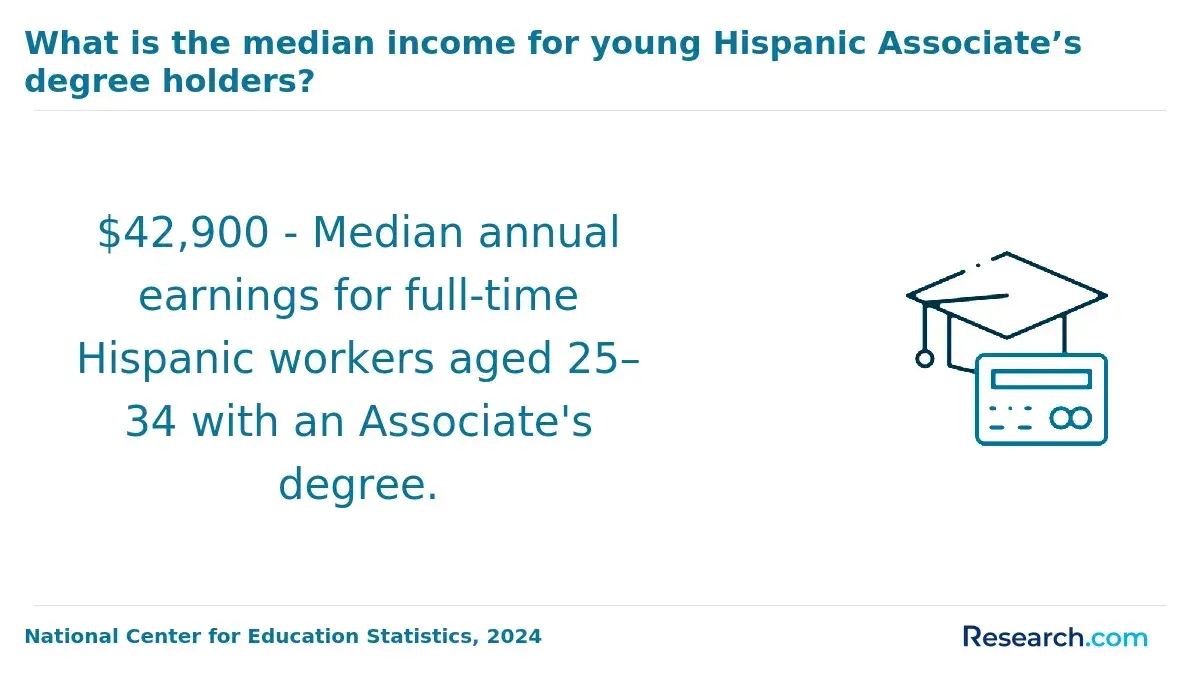
National data reveal that unemployment for workers with college degrees averages about 2.5%, whereas biology degree holders-especially in targeted career tracks-experience rates closer to 1.3%. This gap translates into fewer months spent jobless, enabling more consistent income and smoother career progression. Reduced unemployment duration also lowers financial hardship and gaps in professional experience, which are critical for long-term growth.
- Unemployment Rate: Biology graduates face roughly half the unemployment risk of the broader college-educated population, suggesting a relatively stable job market and quicker reentry after job changes.
- Underemployment Risk: Formal unemployment figures don't capture those biology majors in roles beneath their qualifications. Moderate levels of underemployment-working outside specialized biology fields-limit skill advancement and wage potential, presenting a subtle yet important employment risk distinct from unemployment.
- Data Variability: Small or niche biology occupations may show volatile unemployment trends due to limited workforce sizes. Year-over-year fluctuations can misrepresent true risk, so multi-year averages provide a clearer picture of structural employment stability.
- Practical Interpretation: To realistically gauge career security, it's vital to assess both unemployment and underemployment together. Low unemployment with high underemployment may signal abundant jobs but poor specialty alignment-while low levels in both indicate stronger market fit and sustained stability.
- Contextual Considerations: Graduate study, certifications, geographic location, and industry resilience significantly influence unemployment risk. These factors bolster employability amid automation and shifting market demands, offering important protections in competitive biology career paths.
A professional who successfully graduated with a biology degree shared that despite this favorable unemployment landscape, securing a role aligned with his expertise required perseverance. He recalled, "It wasn't just about filling a position; I had to navigate multiple interviews, tailor my skills to specific job descriptions, and remain patient through months of uncertainty. The data on low unemployment felt reassuring, but the reality of finding the right fit involved constant adaptation and networking." His experience illustrates that statistical advantages must be coupled with strategic effort to capitalize fully on biology's employment opportunities.
What Biology Specializations Are Most In-Demand Among Employers Right Now?
Rapid employer demand is concentrated in select biology career specializations shaped by technology advances, demographic shifts, and new regulatory frameworks. These areas demonstrate durable employment opportunities rather than uniform growth across all fields.
- Biotechnology: Innovation in genetic engineering and personalized medicine drives growth, underpinned by ongoing industry funding and complex regulatory needs requiring expert talent.
- Environmental Biology: Expanding climate initiatives and environmental policies boost demand for ecosystem management and conservation specialists focused on sustainability.
- Immunology: The COVID-19 pandemic and recurring infectious disease threats have created heightened need for skilled researchers and clinicians in immunology and virology.
- Marine Biology: Increasing ocean conservation efforts and coastal economic activities sustain demand for marine biologists in government and private sectors.
- Bioinformatics: AI and big data integration in biology intensifies requirements for experts managing complex biological datasets in pharmaceuticals and research.
- Clinical Laboratory Science: Hospitals face ongoing shortages of certified lab scientists essential for diagnostic testing amid an aging population.
- Genetics Counseling: Growing patient access to genetic testing and personalized healthcare, supported by regulatory changes, fuels demand for genetic counselors.
Because biology career specializations with highest employer demand vary by market and technical skillset, verifying these trends requires analyzing job postings alongside salary data and professional association workforce insights. Conducting informational interviews with employers further confirms geographic and sector relevance.
To align academics with these top in-demand biology fields for job growth, students should pursue targeted coursework-such as molecular biology, ecology, or data analysis-and seek internships in related industries. Additionally, obtaining credentials like clinical laboratory certification or genetic counseling licensure enhances employability. Exploring self paced college courses can also support flexible, timely skill development.
Which Industries Employing Biology Graduates Offer the Greatest Job Security?
Healthcare And Medical Research: This sector's continuous growth and low staff turnover stem from its essential role in clinical innovation and patient care. Biology graduates here perform laboratory experiments, analyze complex data sets, and support clinical operations. Their expertise in molecular biology, biostatistics, and regulatory standards is vital, with many working on interdisciplinary teams alongside physicians and compliance authorities. Strong training in physiology, microbiology, and lab safety gives these graduates a competitive advantage.
- Core responsibilities include laboratory research, data analysis, and clinical support roles.
- Competencies required are molecular biology techniques, biostatistics, and familiarity with regulatory compliance.
- Reporting structures often place graduates within interdisciplinary teams collaborating closely with physicians and regulatory bodies.
- Training in human physiology, microbiology, and lab safety standards makes biology degree holders competitive in this demanding environment.
Pharmaceutical Manufacturing: Bolstered by consistent demand for new drugs and rigorous external oversight, this industry withstands economic disruptions well. Biology graduates contribute to quality assurance, process refinement, and compliance documentation. Their skill sets include cellular biology and pharmacology, usually employed alongside chemical engineers and quality control professionals. Specialized knowledge in biochemistry and molecular pharmacology strengthens job prospects.
- Responsibilities focus on product testing, validation processes, and compliance documentation.
- Essential skills include cellular biology, pharmacology, and quality assurance methodologies.
- Biology experts typically work alongside chemical engineers and quality management personnel.
- Specialized training in biochemistry and molecular pharmacology enhances employability.
Environmental And Ecological Services: With increasing environmental regulations and public concerns, this field uses biology graduates for ecosystem monitoring, pollution analysis, and conservation efforts. They conduct field data gathering, impact evaluation, and compliance reporting. Proficiency in ecology, environmental chemistry, and geographic information systems is crucial. Typically, biology professionals are integrated within governmental or consulting teams focusing on sustainability and regulatory adherence.
- Duties include field data collection, impact assessment, and regulatory reporting.
- Competency in ecology, environmental chemistry, and geographic information systems (GIS) is critical.
- Often embedded within government agencies or consulting firms, biology practitioners support compliance and sustainability projects.
- Education focused on environmental biology and policy regulations strengthens career prospects.
Biotechnology And Life Sciences: Fueled by innovation demands and talent shortages, this rapidly expanding sector offers biology graduates roles in genetic research, bioinformatics, and product design. Key competencies span molecular genetics, computational biology, and lab automation. Cross-disciplinary collaboration with data scientists and engineers is standard, while advanced biotechnology coursework markedly improves employability.
- Job functions encompass genetic analysis, bioinformatics, and product development.
- Required competencies include molecular genetics, computational biology, and laboratory automation.
- Teams are frequently cross-disciplinary, integrating biology with data science and engineering.
- Graduate coursework and hands-on biotechnology training significantly improve marketability.
Public Health And Regulatory Agencies: Tasked with enforcing health mandates, these agencies provide stable roles related to pandemic response, epidemiology, and health education. Biology graduates handle disease surveillance, policy rollout, and lab testing, employing core skills in infectious disease biology, statistical modeling, and risk evaluation. These professionals often work within national or international institutions critical to public safety, with specialized training strengthening job security.
- Biology graduates contribute to epidemiological studies, policy implementation, and laboratory testing.
- Key skills are infectious disease biology, statistical modeling, and risk assessment.
- Functioning within governmental or international bodies, biology professionals provide essential expertise at the core of public safety.
- Specialized training in microbiology and public health strengthens job security.
When asked about job security in these industries, a professional who built her career after graduating with a biology degree shared that navigating early setbacks like regulatory changes and technological shifts required adaptability beyond core expertise. She emphasized how cross-training-especially in data analytics and project management-helped maintain her employability during sector contractions. "I sometimes faced uncertainty, but broadening my skill set and staying connected with industry leaders gave me reassurance," she explained. Her experience illustrates that while stability exists within these industries, proactive career development and flexibility remain essential to long-term success.
How Do Government and Public-Sector Biology Roles Compare in Unemployment Risk?
Government and public-sector roles for biology graduates typically exhibit lower unemployment rates compared to private-sector positions-an outcome shaped by civil service protections and structured employment practices. Analysis of BLS, OPM, and NASPE data confirms that biology professionals in federal, state, and local government jobs face reduced vulnerability during economic downturns, benefiting from fewer layoffs and more stable funding in areas like environmental regulation, public health, and wildlife conservation.
- Unemployment Rates: Biology degree holders in public-sector jobs experience consistently lower unemployment than their private-sector peers, often well below national averages, due partly to statutory safeguards against sudden job loss.
- Layoff Frequency: Public agencies usually see fewer layoffs, especially in regulatory bodies and public health institutions, although budget-driven reductions can occur during fiscal tightening.
- Career Tenure: Public-sector biology workers tend to have longer career spans supported by promotion paths and tenure protections that enhance job durability despite political shifts.
- Common Role Categories:
- Federal agency biologists engage in wildlife conservation, environmental compliance, and biomedical research.
- State and local positions focus on environmental management, public health, and natural resources oversight.
- Employment at public universities and research centers tends to be stable but can fluctuate with grant funding availability.
- Quasi-governmental organizations offer roles combining government backing with private funding in research and policy.
- Employment Stability Factors: Civil service protections shield workers from abrupt layoffs and political turnover, while pension plans, generous leave policies, and student loan forgiveness programs enhance long-term security.
- Compensation Trade-Offs: Although public-sector salaries start lower than private-sector equivalents, the overall compensation-including benefits and job security-can be more advantageous over a full career for those prioritizing financial stability.
- Career Considerations: Graduates with low tolerance for employment risk often find the public sector's security appealing, whereas those seeking higher immediate pay and performance incentives might lean toward private-sector roles despite greater unemployment volatility.
What Role Does Licensure or Certification Play in Protecting Biology Degree Holders From Unemployment?
Licensure and certification are critical mechanisms that protect biology degree holders from higher unemployment by creating legal and professional barriers to entry. Many roles-such as clinical laboratory technologists and environmental health specialists-require state licensure to practice lawfully. This mandatory credentialing restricts labor supply to fully licensed professionals, preventing employers from substituting uncredentialed workers and maintaining stable demand even during economic downturns. According to research from the Bureau of Labor Statistics, jobs requiring licensure tend to have unemployment rates 20-30% lower than comparable unlicensed biology-related occupations.
The economic effect of licensure lies in its legally defined scope of practice, which limits employer flexibility and stabilizes employment for credentialed biology practitioners despite broader market disruptions.
Beyond mandatory licenses, professional certifications-such as the Certified Wildlife Biologist or credentials from the American Society for Clinical Pathology-serve as important hiring filters. Though not legally required, these certifications signal advanced expertise and dedication, narrowing the applicant pool and improving employment prospects. Earning these credentials pre-entry significantly reduces unemployment risk by differentiating candidates.
Biology students and professionals should strategize credential acquisition based on their target roles:
- Essential Licensure: Mandatory for jobs like clinical lab technologists and environmental health officers.
- Recognized Certifications: Valued by employers in specializations like wildlife biology and forensic biology that enhance hiring potential.
- Low-Value Credentials: Certifications with minimal labor market impact relative to cost and effort should be deprioritized.
How Does Geographic Location Affect Unemployment Risk for Biology Degree Graduates?
Geography significantly shapes unemployment risk for biology degree graduates due to the uneven distribution of biology-related employers and varying labor market conditions across the United States. Metropolitan and regional hubs rich in healthcare, government research institutions, technology firms, and financial services maintain more stable and abundant opportunities for biology professionals. This geographic variation in biology graduate employment stability reflects where industry clusters concentrate, reducing job search duration and cushioning workers from localized economic downturns.
Regions like the San Francisco Bay Area, Boston, Washington D.C., and North Carolina's Research Triangle consistently report lower unemployment rates for biology graduates. These areas benefit from dense healthcare corridors, government biotechnology centers, and thriving tech ecosystems that demand expertise in biological sciences. Conversely, rural and economically less diversified regions commonly experience elevated unemployment due to lower biology employer density, increasing job search challenges and susceptibility to recession impacts.
Remote work is an emerging dimension that affects geographic unemployment risk. Certain biology specializations-such as bioinformatics, computational biology, and scientific writing-can often be performed remotely, expanding labor market access beyond local constraints. This geographic flexibility helps reduce unemployment exposure for those able to pursue remote-enabled roles. However, biology careers requiring laboratory presence, fieldwork, or clinical involvement remain place-bound and higher risk.
Prospective and current biology graduates should conduct detailed geographic labor market analyses by leveraging employment data, job posting platforms with geographic filters, and regional wage benchmarks. This informs whether to stay put, relocate to biology employment hubs, or pursue remote-capable roles to best balance risk and preference-a critical step for managing long-term career stability amid automation and sector shifts. For students exploring nursing-related pathways complementing biology, programs like ASN programs online also influence geographic employment choices.
- Geographic Clusters: Strong biology employer presence in healthcare and biotech hubs lowers unemployment risk below national averages.
- Employer Density: High local concentrations of biology employers correspond with shorter job searches and greater economic resilience.
- Remote Work: Remote-eligible biology careers reduce geographic unemployment risk by broadening accessible labor markets.
- Regional Disparities: Rural and less diversified economies experience higher unemployment risk due to limited biology job availability.
- Labor Market Tools: Using BLS data, LinkedIn job filters, and wage benchmarks helps biology graduates identify optimal locations or remote roles to minimize unemployment exposure.
- Current Trend: A 2023 analysis showed a 6% year-over-year increase in remote biology-related job postings, emphasizing growing geographic flexibility.
Which Biology Careers Are Most Vulnerable to Automation and Technological Disruption?
Biology careers at highest risk of automation include those dominated by routine, standardized tasks that can be mechanized with current technologies. Assessments from frameworks such as McKinsey Global Institute, Oxford Martin School, and MIT Work of the Future emphasize roles focused on repetitive data processing, pattern recognition, standardized decision-making, and client interactions as most vulnerable to artificial intelligence (AI), machine learning, and robotic process automation.
Examples of such roles are:
- Laboratory Technicians: These positions perform repetitive sample preparation, automated assays, or routine data entry, making them highly susceptible to robotic automation. AI can also undertake pattern-matching in imaging and chemical analysis, reducing human labor needs.
- Bioinformatics Data Processors: Jobs centered on processing and organizing large datasets-like sequencing reads or gene expression profiles-face displacement risk as machine learning tools automate data cleaning, alignment, and initial analyses.
- Environmental Monitoring Assistants: Standardized data collection and reporting tasks, such as water quality measurement and species counts, are increasingly automated through sensors and drones, lowering demand for manual work.
- Clinical Trial Data Coordinators: Routine document review, regulatory compliance checks, and reporting can be largely managed by AI software, limiting roles tied to these repetitive activities.
In contrast, biology roles requiring complex problem-solving, interpersonal judgment, ethical oversight, and adaptation to novel scientific challenges remain less exposed to full automation. Fields involving biopsychological expertise, unpredictable field research, integrative synthesis of multifaceted data, and ethical decision-making will continue to rely on human insight.
For those assessing technological disruption impact on biology jobs, it is crucial to build skills in managing automated systems and strengthen technology literacy alongside human-centered judgment. Career trajectories in higher-risk roles may include mid-career transitions to maintain employment security. Automation risk is probabilistic-affected by employer strategies, regulation, technology timelines, and cost factors that vary by geography and organization.
Prospective students and professionals considering advanced credentials may explore options to enhance resilience against automation. For example, obtaining specialized certification through programs such as the best online post master's FNP program can diversify expertise and improve long-term stability in evolving biology career pathways.
How Does a Graduate Degree Reduce Unemployment Risk for Biology Degree Holders?
Advanced degrees lower unemployment rates for biology graduates by around 2 to 3 percentage points compared to those holding only bachelor's degrees-reflecting specialized skills and access to less saturated career paths. These credentials also bring a salary boost typically ranging between 20% and 40% in biology-related professions, demonstrating tangible economic advantages.
Several graduate credentials particularly contribute to employment stability:
- Professional Master's Degrees: Clinical, legal, or engineering master's programs leading to licensure reduce competition by opening regulated job markets with entry barriers.
- Research-Focused Master's and Doctorate Degrees: These qualify graduates for advanced practitioner or research roles in academia, government, and private sector R&D-fields characterized by limited labor supply and sustained demand.
- MBA Programs: By expanding skills into management and leadership within biology-related industries, MBAs help professionals surpass limitations commonly faced by bachelor's degree holders.
Deciding on graduate education as a tool to mitigate unemployment risk requires careful financial consideration:
- Cost and Duration: Typically lasting 2 to 6 years with tuition and living expenses from $30,000 up to $100,000.
- Opportunity Cost: Time invested in school often means lost full-time salary earnings.
- Break-Even Timing: The combination of higher salaries and reduced joblessness usually offsets these costs within 5 to 10 years, depending on the chosen program and career path.
Alternative strategies such as earning professional certifications, working for employers in growth sectors, relocating to high-demand areas, or cultivating niche expertise may offer comparable reductions in unemployment risk with less time and financial outlay. Prospective and current biology professionals should evaluate these options alongside graduate education using precise, program-specific data rather than broad assumptions.
What Entry-Level Biology Career Paths Offer the Fastest Route to Long-Term Job Stability?
- Research Assistant: Serving as a pivotal entry point, research assistant roles within academic, governmental, or private research settings provide a strong platform for biology graduates to establish long-term career stability. These positions develop essential technical skills-such as experimental design, data analysis, and lab management-that are highly transferable. Advancement typically occurs within 2 to 4 years through specialized certifications or shifts into project coordination or senior technical roles. In addition, the professional networks cultivated in these environments offer valuable access to collaborative research and funding opportunities, helping mitigate risks associated with economic downturns.
- Environmental Scientist Technician: Entry-level roles in environmental science focus on regulatory compliance, fieldwork, and data monitoring-skills highly regarded across public and private sectors. Well-structured certification pathways, including Registered Environmental Scientist credentials, bolster career progression and retention. With steady national demand driven by regulatory needs, geographic location has less impact on job security, and many employees enjoy long tenure through cross-training and internal development.
- Medical Laboratory Technologist: This career path benefits from mandatory licensure and accreditation, creating a significant barrier to entry that enhances employment stability. Formal certification supports retention within healthcare institutions that offer advancement into supervisory or specialized diagnostic roles typically within 3 to 5 years. The healthcare sector's resilience to economic fluctuations ensures persistent demand and long-term job security.
- Biotech Manufacturing Associate: Early roles in biotech manufacturing provide solid career foundations owing to industry growth and low turnover attributed to strict quality and regulatory standards. Experience with Good Manufacturing Practices and compliance facilitates promotion to process engineering or quality assurance roles. Proximity to biotech hubs further improves stability through vibrant ecosystems and networking.
- Regulatory Affairs Assistant: Though less common as an initial biology role, regulatory affairs positions offer high job security due to cross-sector regulatory demands. Career advancement typically spans 3 to 6 years, advancing into specialist or managerial roles across pharmaceuticals, medical devices, and environmental fields. Exposure to diverse stakeholders develops versatile networks that help protect against unemployment risks, while additional credentialing reinforces employment stability.
What Graduates Say About the Biology Degree Careers With the Lowest Unemployment Risk
- Otto: "Graduating with a degree in biology opened doors I hadn't anticipated-especially in biotechnology and pharmaceutical industries, where innovation thrives. Focusing on molecular biology as a specialization really strengthened my entry-level prospects, while earning certification in clinical research management helped me maintain security further into my career. From my experience, positions tied to healthcare hubs in urban markets provide the most steady career opportunities."
- Colsen: "Reflecting on my biology degree, I realized that specializing in environmental biology and understanding government regulatory processes greatly lowered my unemployment risk. Mid-career, acquiring credentials in environmental policy enforcement was a game changer, especially in regions focused on sustainability and conservation. I've found that working in geographical areas with strong environmental initiatives-like the Pacific Northwest-offers long-term job stability."
- Isaiah: "The biology degree was a launchpad for a professional career in agricultural science and biotech innovation. Early on, I secured a position in agribusiness by focusing on plant genetics, which is one of the lowest unemployment risk paths in biology. Advancing my credentials through professional societies helped me transition confidently into senior roles, especially in global markets where food security is a high priority. This path has been both challenging and rewarding."
Other Things You Should Know About Biology Degrees
The 10-year employment outlook for many of the safest biology careers remains positive, particularly in healthcare, environmental science, and biotechnology sectors. Occupations such as biochemists, medical scientists, and environmental scientists are projected to grow faster than the average for all occupations. This growth is driven by increasing demand for medical research, pharmaceutical development, and environmental protection efforts.
Mid-career roles in biotechnology, genetic counseling, and healthcare-related biology fields show strong demand with comparatively low unemployment risk. Professionals who develop specialized skills through graduate degrees or certifications-such as clinical laboratory science or bioinformatics-tend to secure these in-demand roles. These tracks benefit from the combination of technical expertise and practical experience valued by employers.
The safest Biology career paths in 2027, with the lowest unemployment risk, include roles in healthcare such as biomedical research, biotechnology, and environmental science. These fields are driven by ongoing advancements and a growing societal focus on health and environmental issues, ensuring steady demand.
Economic recessions generally impact biology-related jobs less severely than many other fields, especially in healthcare and government research roles. Recession-resistant career tracks include public health biology and environmental regulation positions, which often receive steady funding. In contrast, private-sector research and development roles may see hiring slowdowns or temporary layoffs during downturns, increasing short-term unemployment risk.
References
- The 65 Jobs With the Lowest Risk of Automation by Artificial Intelligence and Robots - USCI https://www.uscareerinstitute.edu/blog/65-jobs-with-the-lowest-risk-of-automation-by-ai-and-robots
- Top 25 Fastest Growing Biotech Jobs in 2025 | Employment Guide — Biotech United https://www.biotechunited.com/blogs/top-25-fastest-growing-biotech-jobs-in-2025
- How the Geography of Jobs Affects Unemployment https://www.richmondfed.org/publications/research/econ_focus/2014/q3/feature2
- These college majors have the highest earning potential and lowest unemployment rates, study finds https://www.cbsnews.com/news/college-majors-unemployment-rate-wage/
- These 10 majors had the lowest unemployment rates for recent college graduates https://thehill.com/business/5738341-college-majors-lowest-unemployment-rate/
- Most In-Demand Biology Career Options for 2026 https://www.careerplanneredufair.com/biology-career-options/
- Which occupations are at highest risk of being automated? https://www.ons.gov.uk/employmentandlabourmarket/peopleinwork/employmentandemployeetypes/articles/whichoccupationsareathighestriskofbeingautomated/2019-03-25
- College majors with the highest and lowest unemployment rates | 93.1 Coast Country https://931coast.com/college-majors-with-the-highest-and-lowest-unemployment-rates/
- Top 15 Highest‑Paying Pharmacy Jobs in the UK 2025 (Including Salaries) https://apexlearning.org.uk/highest-paying-biology-degree-jobs-2025-2026/
- Popular college major has one of the lowest starting salaries - Newsweek https://www.newsweek.com/popular-college-major-has-one-of-the-lowest-starting-salaries-11693762


