2027 Online Public Relations Degree Master's Programs That Accept FAFSA

Co-Founder and Chief Data Scientist
Many prospective students struggle to find affordable online public relations master's programs that accept FAFSA, limiting access to quality graduate education. Data indicates that enrollment in public relations graduate programs grew by 15% over the last five years, yet nearly 40% of applicants face financial barriers. With tuition costs rising, understanding which programs offer federal financial aid eligibility is crucial. This article explores accredited online programs in public relations that accept FAFSA, detailing admission criteria, program formats, and financial aid options. It equips readers to compare institutions effectively, ensuring informed decisions on advancing their careers with manageable financial commitments.
Key Things to Know About Online Public Relations Degree Master's Programs That Accept FAFSA
- Admission requirements typically include a bachelor's degree, letters of recommendation, and relevant professional experience; applicants must complete the FAFSA to determine federal aid eligibility for online Public Relations master's programs.
- Programs vary in length and format, often offering part-time or accelerated options; students should evaluate curriculum rigor and career services to align with Public Relations industry demands.
- Cost comparisons should consider tuition, fees, and aid packages; reputation and flexibility impact career outcomes, making comprehensive research essential for selecting a suitable program.
How Does FAFSA Work for Graduate Students Enrolling in an Online Public Relations Master's Program?
Institutional accreditation plays a critical role in determining FAFSA eligibility for graduate students pursuing an online public relations master's program. The U.S. Department of Education recognizes accrediting bodies that meet federal standards, ensuring the quality and legitimacy of educational institutions.
Only schools accredited by these recognized agencies qualify for federal financial aid programs like FAFSA, which affects financial aid options for graduate students in online public relations master's programs.
Below are some notable, regionally accredited universities offering FAFSA-eligible online public relations master's degrees:
- Boston University: This fully online program requires 40 credits and is usually completed in 18 to 24 months. Boston University participates in federal financial aid programs, providing students access to FAFSA funds.
- University of Southern California: Offering a 36-credit master's in strategic public relations completed in 24 months online, USC confirms eligibility for FAFSA aid to support graduate students.
- Syracuse University: A 30-credit online master's program available to complete in two years. Syracuse holds regional accreditation and accepts federal financial aid through FAFSA.
- University of Florida: This 36-credit program offers both part-time and full-time online options, with FAFSA funding available to enrolled students.
- George Washington University: A 36-credit flexible online degree with official FAFSA eligibility, enabling access to federal financial aid for graduate learners.
Prospective students should verify FAFSA eligibility independently by using the Federal Student Aid website's school search tool at studentaid.gov. Public relations careers are projected to grow by 9% between 2022 and 2032 according to the U.S. Bureau of Labor Statistics, highlighting strong job prospects.
When comparing programs, it is important to consider accreditation, cost, and flexibility alongside financial aid options. For broader financial planning, exploring resources like affordable online MBA programs can offer additional insight into managing graduate tuition costs.
What Types of Federal Financial Aid Are Available to Online Public Relations Master's Students Through FAFSA?
Prospective students considering online Public Relations master's programs benefit from understanding federal financial aid options, which differ notably from undergraduate assistance. Public relations is a growing field with a projected 7% employment increase through 2031, making smart financial planning important.
Below are key federal aid types specifically for graduate students pursuing online public relations master's degrees.
- Federal Direct Unsubsidized Loan: Graduate students can borrow up to $20,500 annually at a fixed 7.05% interest rate for 2023-2024. Interest accrues immediately, requiring careful budgeting during study.
- Grad PLUS Loan: Covers remaining educational costs after other aid, with an 8.05% interest rate and a credit check. Repayment plans include income-driven options tailored to graduates' earnings.
- Grant Limitations: Grants, such as the TEACH Grant, typically exclude most public relations programs unless tied to education fields. Federal grants for graduate students are generally limited.
- Work-Study Opportunities: Federal Work-Study offers part-time jobs to help cover expenses, though availability for graduate online public relations students is less common.
- Repayment and Forgiveness: Income-driven repayment plans and Public Service Loan Forgiveness programs offer strategies to manage and potentially reduce debt post-graduation.
For students evaluating accredited institutions offering online Public Relations master's degrees, comparing costs and aid eligibility is essential. Many top programs can be found among colleges online that accept fafsa, providing flexible financing routes to support career advancement.
What Are the General Admission Requirements for an Online Public Relations Master's Program?
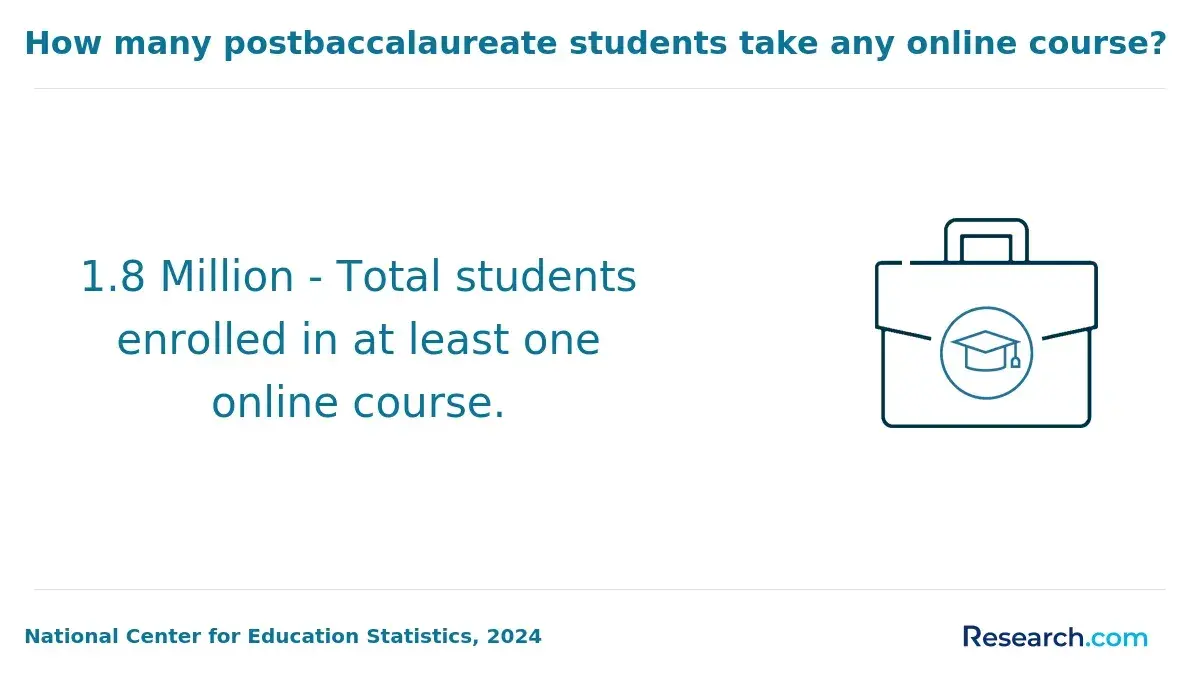
Applicants aiming to enroll in online public relations master's programs that accept FAFSA benefit from understanding typical admission expectations, especially as enrollment in online graduate programs has surged by over 20% recently. These programs generally ask for several key materials, each offering insight into a candidate's readiness and fit.
The following points outline common requirements across many accredited institutions.
- Bachelor's Degree from an Accredited College: Most programs insist on a completed undergraduate degree from a regionally or nationally accredited school to ensure academic preparedness.
- Official Transcripts: Submitting verified transcripts allows admissions to evaluate your GPA and relevant coursework, particularly in communication-related areas.
- Letters of Recommendation: Two or three letters from professors or supervisors help demonstrate your skills, work ethic, and potential success in graduate studies.
- Personal Statement or Statement of Purpose: This essay reveals your motivations, career goals, and writing ability, helping programs assess your genuine interest in public relations.
- Standardized Test Scores (GRE/GMAT): Although some programs still request these scores, many have waived them since 2020 to promote holistic review processes.
- Relevant Experience or Coursework: While not universally required, some programs prefer prior study or work experience in communication, marketing, or media fields. Licenses are seldom a factor in admissions.
Requirements can differ widely between schools, so prospective students should carefully examine individual program websites and connect with admissions advisors. Greater flexibility has become common, particularly regarding test scores, responding to ongoing changes in higher education.
What Are the Steps to Apply for FAFSA and Enroll in an Online Public Relations Master's Program?
Prospective public relations master's candidates must carefully plan their financial aid and application process to ensure a smooth path to enrollment. Understanding how to apply for FAFSA for online public relations master's programs, along with meeting admission requirements, greatly improves chances for federal aid and acceptance.
Here are key steps to guide you through both processes:
- Create a StudentAid.gov Account: Start by registering on the official Federal Student Aid website. This secure account allows you to complete and submit the FAFSA form, track your application, and receive communications from your chosen schools.
- Gather Financial Documents: Collect your tax returns, income statements, and any other necessary financial records. Accurate documentation ensures correct FAFSA processing and helps determine your eligibility for federal grants and loans.
- Complete the FAFSA Application: Fill out the FAFSA form online, selecting schools that offer accredited online Public Relations master's programs eligible for federal aid. The form asks about your finances and family information to calculate your Expected Family Contribution.
- Request Academic Transcripts: Contact your previous institutions to send official transcripts to your desired graduate programs. This is often an early step in the enrollment process for online public relations master's programs with FAFSA.
- Secure Recommendation Letters: Obtain letters from professors, employers, or mentors who can vouch for your communication skills and professionalism, critical factors in public relations admissions.
- Draft a Tailored Statement of Purpose: Write a concise essay explaining your interest and goals in public relations. Highlight how the program aligns with your career trajectory, helping admissions committees see your fit and motivation.
- Submit Writing Samples and Portfolios: Many programs require work samples or project portfolios. These documents demonstrate your practical experience and creativity in public relations contexts.
- Coordinate FAFSA Submission with Application Deadlines: Submit FAFSA promptly to meet university financial aid deadlines. Award letters usually arrive after acceptance, so allow time to compare aid packages before deciding on enrollment.
For candidates exploring GRE waiver options, relevant professional experience is often pivotal. Admissions committees look for substantial industry experience, length of tenure, leadership roles, and a compelling portfolio to waive standardized tests. The combination of academic background and documented professional impact also strengthens your case.
Since institutional policies vary, researching each program's specific GRE waiver criteria is essential. It's also useful to understand how your choice of program and financial aid aligns with career prospects. For example, exploring the best degrees to make money can help position your public relations expertise for optimal earnings.
What Is the Minimum GPA Requirement for a Public Relations Master's Program?
Qualifying for an online Public Relations master's program involves several considerations surrounding GPA expectations. Most accredited programs generally require a minimum GPA of approximately 3.0 on a 4.0 scale, but this baseline serves primarily as a starting point rather than a guaranteed ticket to admission.
Various institutional and program-specific factors influence these thresholds. Key factors influencing GPA evaluations include the following:
- Minimum GPA Threshold: A 3.0 GPA is commonly cited as the typical minimum, symbolizing satisfactory undergraduate performance. However, meeting this does not assure acceptance, as some programs are highly selective based on their applicant pools.
- Conditional Admission Options: Some schools provide pathways for candidates with slightly lower GPAs through provisional or conditional acceptance. Strengths in other application areas-such as professional experience or compelling recommendations-can offset GPA deficits.
- Undergraduate Major and Academic Recency: Admissions committees may weigh the relevance of an applicant's prior studies and how recently those courses were completed. For career changers entering Public Relations from unrelated disciplines, recent certifications or relevant experience can carry significant weight.
- Addressing Lower GPAs: Applicants with GPAs below 3.0 are encouraged to proactively address weaknesses through personal statements and to seek programs offering bridge courses or provisional admissions to ease their transition.
How Long Does It Take to Complete an Online Public Relations Master's Degree?
The duration to complete an online public relations master's degree typically falls between 18 months and 3 years, influenced by enrollment status, program design, and academic requirements like theses or capstone projects. Most programs cater to both full-time and part-time students, affecting how quickly the degree can be finished.
Approximately 56% of online graduate students choose part-time study, reflecting the demand for flexible scheduling. Below are key factors that impact program length and completion:
- Full-Time vs. Part-Time Enrollment: Full-time students usually take a heavier credit load each semester, enabling them to complete the program within 18 to 24 months. Part-time students balance other commitments while taking fewer credits, extending completion up to 3 years or more but gaining scheduling flexibility.
- Program Structure and Formats: Many online public relations degrees offer evening, weekend, or fully asynchronous courses tailored for working professionals. Accelerated tracks are available in some programs, allowing motivated students to finish sooner through intensive coursework or additional credits.
- Additional Academic Requirements: Degrees requiring a thesis, capstone, internships, or practicum experiences may extend study time beyond usual durations. Likewise, students needing prerequisite courses before enrolling in graduate classes often face longer timelines.
- Financial Aid and Enrollment Status: Eligibility for federal financial aid via FAFSA depends on maintaining certain enrollment statuses and satisfactory academic progress. Choosing a study pace should consider the impact on financial assistance as well as academic workload.
What Core Courses and Specializations Are Typically Offered in an Online Public Relations Master's Program?
Online public relations master's programs feature a well-defined curriculum structure that balances foundational core courses, specialized tracks, and culminating experiences like a thesis, dissertation, capstone, or practicum. These elements provide a comprehensive education tailored to diverse career goals within the field.
Below is an overview of typical components found in most programs, which can help prospective students understand how degrees may vary and guide them in selecting the best fit.
- Core Courses Build Foundational Skills: Most programs require courses in strategic communication, media relations, research methods, ethics in communication, and crisis management. For example, strategic communication courses teach crafting messages aligned with organizational goals, while media relations focus on professional journalist interaction and press handling.
- Research Methods and Ethics: Research courses prepare students to collect and analyze data effectively, enhancing evidence-based decision making or preparation for advanced academic work. Ethics classes focus on responsible communication and managing dilemmas in public view, strengthening professionalism.
- Specialization Tracks Tailor Learning: Students often choose from tracks like digital and social media, corporate communication, or crisis and risk communication. A digital media specialization develops skills for managing online campaigns and analytics, corporate communication prepares for internal and external business messaging, and crisis communication trains students to respond to urgent reputation challenges.
- Culminating Projects Integrate Knowledge: Programs usually end with a capstone project, practicum, thesis, or dissertation, allowing students to apply their learning practically or academically. This experiential component enhances readiness for professional or scholarly pursuits.
- Varied Curriculum Depth Requires Careful Review: Institutions offer different scopes and depths in their online public relations graduate degrees. Prospective students should thoroughly evaluate course offerings, instructor expertise, and learning outcomes before enrolling.
According to the Public Relations Society of America (PRSA), the demand for communication professionals is projected to grow by 9% between 2022 and 2032, illustrating strong career prospects in this evolving field. For those comparing online programs, considering factors like cost, flexibility, and accreditation helps ensure financial aid eligibility through FAFSA.
Many eligible applicants pursue federal assistance packages to help fund their studies. Those interested in related programs might also explore options such as an MSW degree online to broaden their educational opportunities.
What Is the Average Tuition Cost of an Online Public Relations Master's Program That Accepts FAFSA?
When searching for online public relations master's programs that accept FAFSA, understanding the tuition landscape is essential for budgeting and planning your financial aid requests. Tuition rates vary based on institution type, residency status, and program features.
The following points outline key cost considerations.
- Tuition per Credit Hour: Online public relations master's programs typically charge between $400 and $1,200 per credit. Since most degrees require 30 to 36 credits, total tuition can range from approximately $12,000 to $43,000.
- Public Versus Private Institutions: Public universities often offer lower tuition, particularly for in-state students. Some public schools provide in-state rates to online learners regardless of location, while others impose higher out-of-state fees that increase overall tuition.
- Program Prestige and Specializations: Programs with strong reputations or specialized tracks in areas like strategic communication or crisis management may come with premium pricing. This can significantly affect the total cost beyond standard tuition rates.
- Additional Fees and Expenses: Beyond tuition, students should budget for technology fees, graduation fees, textbooks, and course materials. Some programs require brief on-campus residencies or immersions which add travel and lodging costs.
- FAFSA and Total Cost of Attendance: Eligibility for federal aid through FAFSA helps manage tuition costs, but applicants must consider the full cost of attendance. This includes living expenses that vary widely depending on personal circumstances and location.
What Technology, Tools, or Clinical Requirements Are Expected of Online Public Relations Master's Students?
Having the right technology setup is essential for students pursuing an online Public Relations master's degree, as it influences the quality of learning, engagement, and completion rates. Understanding these technical requirements helps in planning for smooth access to course content, communication tools, and practical assignments.
Below are typical expectations and resources students should be prepared for in this field.
- Reliable High-Speed Internet: Students need a consistent internet connection with speeds generally recommended to be 25 Mbps or higher, ensuring seamless streaming of video lectures, participation in live discussions, and uninterrupted access to digital platforms.
- Essential Hardware: A modern desktop or laptop computer-either Windows or Mac-is usually required, equipped with multimedia capabilities such as a webcam and microphone for virtual presentations and interactions. While tablets or smartphones can complement learning, they rarely replace the full functionality of a computer for coursework.
- Learning Management Systems (LMS): Proficiency in platforms like Canvas, Blackboard, or Moodle is vital since these tools serve as the central hub for assignments, grades, communication, and course materials. Most programs provide orientations or tutorials to help students get comfortable with these systems.
- Specialized PR Software and Tools: Curricula often incorporate industry-relevant applications like Cision or Meltwater for media monitoring and communication analytics. Schools commonly provide licensed access to these platforms to facilitate practical experience without additional personal expense.
- Virtual Simulations and Projects: Programs employ case studies and interactive simulations to replicate real-world PR challenges, allowing students to develop strategic thinking and problem-solving skills remotely without on-site labs.
- Practicums and Internship Requirements: Some online degrees mandate local internships or practicums to provide hands-on experience. Institutions typically assist students in arranging placements in their communities to meet program standards while maintaining flexibility.
- Costs for Setup and Licensing: Beyond tuition, budgeting for software licenses, specialty materials, or professional memberships may be necessary. However, many schools arrange institutional pricing to reduce individual expenses.
- Contacting Programs: Because technical demands and experiential requirements vary widely, prospective students should reach out directly to admissions or program advisors to obtain current and detailed information tailored to their chosen program.
What Career Outcomes and Salary Expectations Follow an Online Public Relations Master's Degree?
This section helps applicants understand the career opportunities available after earning an online public relations master's degree. It highlights relevant job titles, salary expectations, certification pathways, and industry trends grounded in data from the U.S. Bureau of Labor Statistics.
- Common Roles: Graduates frequently pursue positions such as communications manager, public relations specialist, media relations director, and corporate communications strategist. These roles involve managing organizational messaging, media outreach, and strategic communication planning.
- Salary and Advancement: Holding a master's degree often positions candidates for leadership roles with higher earning potential. For example, communication managers earn a median annual wage of about $119,000, whereas specialists average approximately $62,800, reflecting a significant salary boost with advanced education.
- Certification Eligibility: Advanced degrees support eligibility for credentials like the Accreditation in Public Relations (APR), which combines education and experience. Accredited online programs typically fulfill the educational requirements necessary for these certifications.
- Job Growth and Industry Demand: The BLS projects communications roles to grow by about 11% from 2022 to 2032. Increasing demand for strategic communication in digital and global markets expands opportunities across corporate, nonprofit, government, and media sectors.
For prospective students interested in aligning education with career goals, exploring accredited online programs eligible for federal financial aid is essential. Resources on marriage and family therapy online programs illustrate how specialized online degrees can meet professional standards and support diverse career outcomes.
How Do Employers and Licensing Boards View an Online Public Relations Master's Degree Compared to an On-Campus One?
Clarifying how employers and licensing boards perceive an online public relations master's degree compared to a traditional, on-campus credential is essential for students navigating their educational and career paths. Understanding these views helps prospective students make informed choices that align with their professional goals.
- Growing Employer Acceptance: Surveys and employer analyses reveal that online degrees from regionally accredited schools have gained significant respect, especially following the pandemic. Remote learning's widespread adoption has demonstrated that quality and rigor can be maintained through online platforms.
- Licensing Board Evaluation Criteria: Licensing authorities generally prioritize proper accreditation over whether a degree is earned online or in person. In many states, boards overseeing the public relations field recognize online degrees as valid if the institution meets established accreditation standards. It remains important for candidates to confirm these policies with their relevant state board before enrolling.
- Role of Accreditation and Institutional Reputation: Employers often assess the credibility of a degree based on the reputation and regional accreditation of the program. When the curriculum and academic expectations match, a master's in public relations earned online is usually considered equivalent to an on-campus degree.
- Research and Transparency: Prospective students benefit from investigating employer and licensing board guidelines within their target regions and industries. Selecting programs that clearly articulate how online qualifications are recognized can enhance confidence in the credential's value and help support career advancement.
What Graduates Say About Getting Accepted in Online Public Relations Degree Master's Programs That Accept FAFSA
- Kaysen: "Applying to an online public relations master's program that accepts FAFSA was a game-changer for me financially, allowing me to focus more on my studies and less on loans. Navigating the wide variety of accredited institutions felt overwhelming at first, but I found comfort in relying on official academic catalogs and accrediting agencies to verify program quality. These resources gave me the confidence that I was making a smart investment in my education and career."
- Jalen: "Reflecting on my journey, the decision to pursue an online public relations master's degree was made easier by knowing which programs were accredited and accepted FAFSA, making education affordable and reputable. I spent a lot of time researching federal education resources and academic catalogs to understand the degree requirements, which kept me organized and on track throughout the program. It was a professional move that enhanced both my credentials and my confidence in managing online learning."
- Beau: "The process of applying to an online public relations master's program was smoother than expected because I found several institutions that were accredited and accepted FAFSA, removing financial stress from the equation. Official catalogs and accrediting agencies became my go-to guides for understanding curriculum details and degree standards, helping me stay focused. Overall, completing this program online has been a rewarding experience that improved my industry knowledge and time-management skills."
Other Things You Should Know About Public Relations Degrees
Several accredited universities offer online Public Relations master's degree programs that accept FAFSA, including Syracuse University, Ball State University, and Full Sail University. These programs provide flexibility for working professionals and adhere to accredited academic standards.
In 2027, accredited online Public Relations master's programs ensure academic quality through regular accreditation reviews by recognized bodies, incorporating industry-standard curriculum, and employing experienced faculty. They also utilize technology to facilitate interactive learning and assessments, maintaining rigorous academic standards comparable to traditional programs.
Prospective students should evaluate programs based on accreditation, curriculum relevance, faculty expertise, and flexibility in scheduling. Comparing total cost including tuition and fees, availability of financial aid, and career support services is essential. Moreover, student reviews and program outcomes such as employment rates provide useful insight into program value.
References
- What Can You Do with a Master’s in Communications? https://online.pace.edu/articles/communications/what-can-you-do-with-masters-in-communications/
- How Employers View Online Degrees: Interviews with Nine Hiring Executives https://www.onlineeducation.com/features/how-employers-view-online-degrees
- What grad school students need to know about filing the FAFSA https://www.citizensbank.com/student/articles/important-things-to-know-when-filing-fafsa-for-grad-school.aspx
- Tuition and Financial Aid | MS in Public Relations https://grad.qu.edu/programs/masters-degree/public-relations/tuition-and-financial-aid/
- The American College of Greece | Master (MA) in Strategic Communication & Public Relations https://www.acg.edu/academics/graduate/masters-degree-programs/master-in-strategic-communication-public-relations/
- 2025 Most Affordable Online Master's Degrees in Public Relations https://www.onlineu.com/most-affordable-colleges/public-relations-masters-degrees
- Online Master's in Public Relations (PR) Programs (2025 Update) https://www.mastersincommunications.com/related-degrees/masters-in-public-relations
- Online Master’s in Public Relations Programs in 2025 https://www.mastersincommunications.org/online-public-relations/
- Most Affordable Online Master’s In Communication Programs | Grad School Hub https://www.gradschoolhub.com/affordable/online/masters/communications/
- Types of Financial Aid for Online Colleges https://www.umassglobal.edu/blog-news/types-financial-aid-online-colleges