2027 One-Year Online Public Relations Master's Degree Programs: Accelerated Options, Costs & Outcomes

Co-Founder and Chief Data Scientist
Professionals with unrelated undergraduate degrees often face challenges when seeking swift entry into the public relations field. Many struggle with balancing full-time work and graduate study, especially when programs extend beyond one year. Online public relations master's programs offer flexible, accelerated formats, but uncertainty about costs and outcomes can complicate decision-making.
Data shows that 65% of online public relations graduates report improved career advancement within 12 months of completion. This article examines one-year online public relations master's degree options, focusing on accelerated timelines, financial considerations, and postgraduation success to guide prospective students effectively through this transition.
Key Things to Know About One-Year Online Public Relations Master's Degree Programs
- Online public relations master's programs offer flexible schedules ideal for recent graduates balancing entry-level jobs or internships with accelerated coursework.
- Accelerated programs enable career changers to quickly gain specialized skills within 12 months, facilitating faster transitions into communications roles.
- International applicants benefit from virtual access to diverse professional networks and global industry connections, enhancing cross-cultural communication competencies.
What Exactly Is a One-Year Online Public Relations Master's Degree Program, and How Does It Differ from a Standard Graduate Format?
A one-year online public relations master's program offers an accelerated path to obtaining a graduate degree within 12 months, contrasting with traditional two-year or part-time formats. These programs achieve their compressed timeframe by intensifying the course load and employing a streamlined semester or trimester schedule.
For example, Syracuse University's S.I. Newhouse School provides a one-year online Master of Science in Public Relations that blends rigorous coursework with practical projects over three consecutive semesters. Boston University and Northeastern University also offer similar fast-paced online programs focused on strategic communication skills to prepare students for today's evolving media landscape.
Unlike standard graduate programs, the accelerated format requires students to manage a heavier and more consistent workload year-round, leaving little downtime between terms. This compressed schedule demands strong time management, as students often juggle multiple complex subjects simultaneously. The intensive nature of these programs makes them ideal for individuals who want to minimize time to degree completion without sacrificing educational quality.
This format serves working professionals needing flexibility, career changers eager to enter the public relations field quickly, and recent graduates aiming to fast-track their education and professional advancement. When considering a one-year program, it is important to compare tuition and financial aid to evaluate the cost comparison of one-year accelerated public relations master's degrees effectively.
- Accelerated Curriculum Structure: Designed to complete more credits per term through back-to-back semesters or trimesters, enabling degree completion within one year.
- Increased Course Load Intensity: Students must handle multiple core and elective courses each term, demanding rigorous commitment compared to traditional programs.
- Flexible Online Format: Fully online delivery offers asynchronous learning options, allowing students to balance education with work and personal responsibilities.
- Targeted Beneficiaries: Best suited for those seeking rapid workforce re-entry, such as career changers and recent graduates aiming to reduce time out of the labor market.
- Examples of Accredited Schools: Syracuse University, Boston University, and Northeastern University provide reputable one-year online public relations master's programs with strong industry ties and practical experience.
Prospective students interested in pursuing one of these accelerated pathways can explore further information about the fastest online degree options available today.
Which Accredited Universities Currently Offer Legitimate One-Year Online Public Relations Master's Programs?
Several regionally accredited universities across the United States offer legitimate one-year or accelerated online Public Relations master's programs. Regional accreditation is crucial as it guarantees educational quality recognized by employers and other institutions, unlike many nationally accredited programs that may not provide the same rigor or transferability.
This distinction is especially important for prospective Public Relations students seeking to protect their investment and improve eligibility for professional certifications. While specialized accreditation bodies such as the Accrediting Council on Education in Journalism and Mass Communications (ACEJMC) validate Public Relations program quality, regional accreditation remains the primary standard.
Below are five regionally accredited universities-one representing each major U.S. region-that offer respected one-year or accelerated online Public Relations master's degrees:
- University of Southern California (Western Region): The Annenberg School offers an accelerated Master of Communication Management with a Public Relations specialization, completed online in about 12 months. Tuition runs approximately $2,040 per credit hour.
- Northeastern University (Northeastern Region): Their Master of Science in Strategic Public Relations is regionally accredited by NECHE and takes roughly one year online. Tuition is around $1,600 per credit.
- Emory University (Southern Region): Emory's Goizueta Business School provides an accelerated online Master of Arts in Strategic Communications focused on Public Relations, designed for completion within 12 months. Tuition is close to $1,750 per credit.
- University of Illinois Chicago (Midwestern Region): UIC's fully online Master of Arts in Strategic Public Relations finishes in one year. It holds HLC regional accreditation, charging about $950 per credit for in-state students.
- Roger Williams University (New England Region): Their Master of Science in Strategic Communication online program enables degree completion in 12 months, with tuition about $840 per credit.
Students interested in accelerated Public Relations degrees with regional accreditation should explore trusted resources such as Peterson's or the U.S. Department of Education's College Navigator for current program listings and accreditation details. These platforms also assist in verifying program credentials and academic standards essential for career growth.
Prospective students may also benefit from investigating related fields and alternatives like accelerated psychology programs online when considering interdisciplinary options.
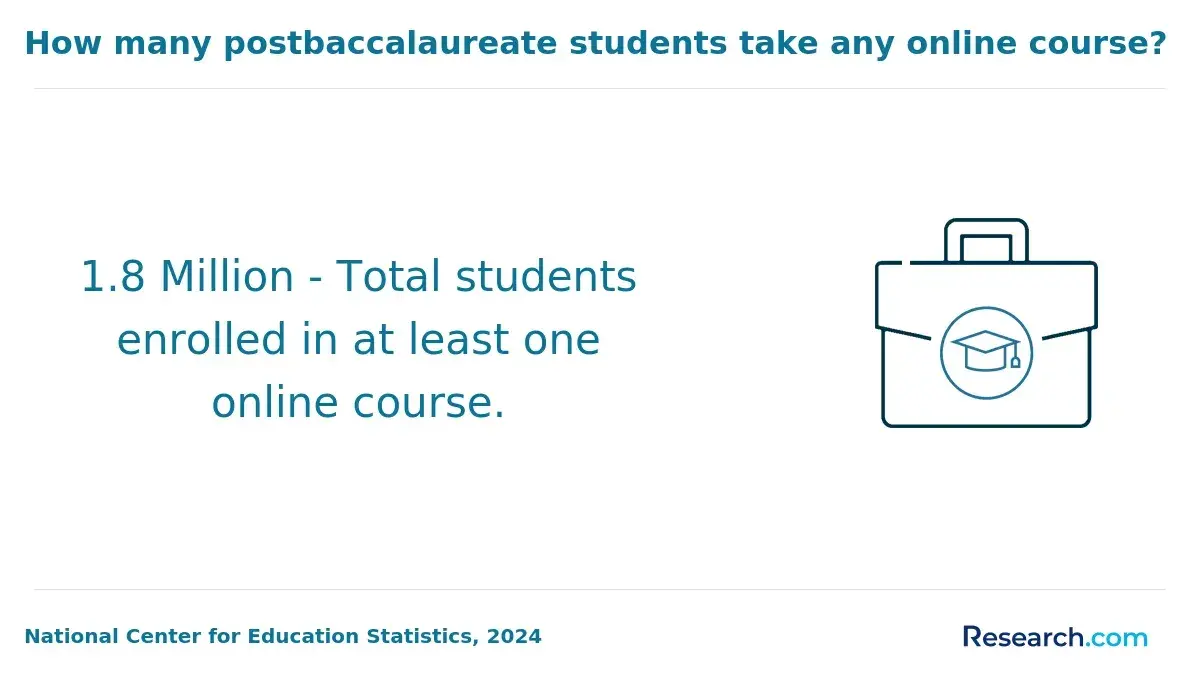
How Much Does a One-Year Online Public Relations Master's Program Typically Cost in Tuition and Fees?
Tuition for a one-year online public relations master's program differs significantly depending on the type of institution. Public universities typically charge between $12,000 and $25,000 for students residing in-state, whereas out-of-state students may face tuition upwards of $30,000.
Private institutions usually set tuition between $30,000 and $50,000 or more for accelerated tracks. These numbers mainly reflect core tuition and exclude additional mandatory costs commonly associated with online graduate studies.
- Tuition Variation by Institution: Public institutions offer lower tuition rates for residents, making them more accessible, while private schools tend to be more expensive but might provide tailored financial aid or scholarships specifically for accelerated program enrollees.
- Additional Fees: Students should budget for technology fees ranging from $300 to $800 annually, which support the digital infrastructure needed for remote learning. Some programs also impose proctoring fees, usually between $50 and $100 per online exam.
- Course Materials: Expenses for textbooks, software, and subscriptions can add $1,000 to $1,500 per year. Increasing adoption of digital resources by universities is helping to mitigate these costs somewhat.
- Residency Requirements: Although these programs are mainly online, certain schools may require brief on-campus residencies or orientation sessions, resulting in additional travel and lodging expenses that vary widely.
- Transparency in Costs: Applicants must obtain a full breakdown of all expected costs, including tuition, fees, and hidden charges, before committing, ensuring they can plan financially without surprises.
When asked about his experience, a professional who pursued an online public relations master's to facilitate a career change described the financial planning as "a balancing act." He mentioned "juggling tuition, unexpected fees like exam proctoring, and the cost of necessary materials" while managing personal responsibilities.
The compressed schedule demanded swift decisions on funding options and motivated him to actively seek financial aid resources. His story underscores the importance of understanding the full financial commitment up front to avoid surprises during the program.
What Financial Aid and Scholarship Options Are Available for One-Year Public Relations Master's Students?
Graduate students enrolled in one-year online public relations master's programs have access to federal financial aid, primarily through Direct Unsubsidized Loans and Grad PLUS Loans. While work-study options exist, they may be limited due to the accelerated pace of these programs. Early FAFSA submission is crucial, as many accelerated programs begin outside traditional academic cycles, impacting disbursement timing and eligibility.
Merit-based scholarships and departmental fellowships provide additional funding. Scholarships often reward strong academic records or relevant professional experience and require prompt applications with supporting documents.
Fellowships may include tuition waivers or stipends tied to research or teaching roles, which benefit students demonstrating relevant skills. Employer tuition reimbursement is another important aid source, particularly for working professionals, though availability and requirements vary widely by employer.
Many students combine multiple funding avenues, with recent data showing nearly 60% of accelerated program enrollees rely on both loans and scholarships. Applicants should explore external resources, including tools like the College Board's Scholarship Search, to maximize opportunities for financial support in one-year online Public Relations master's financial aid options.
- Federal Aid Eligibility: Most accelerated public relations master's candidates qualify for federal loans such as Direct Unsubsidized and Grad PLUS Loans, while work-study opportunities are generally limited due to compressed schedules.
- Merit-Based Scholarships: These awards focus on academic or professional merit, often requiring applicants to submit early with transcripts and recommendations.
- Departmental Fellowships: Fellowships often come with stipends or tuition reductions connected to research or teaching duties, offering financial and professional benefits.
- Employer Tuition Reimbursement: Working students should investigate employer support programs that can help offset tuition, but eligibility rules vary significantly.
- FAFSA and Timing: Because accelerated programs may start off-cycle, submitting the FAFSA early is essential to ensure timely aid. Coordination with financial aid offices ensures compliance with unique deadlines.
For prospective students evaluating accelerated Public Relations programs, understanding the financial aid landscape is as vital as reviewing curriculum and admissions criteria, especially when balancing career changes or international study. For details on related degree benefits, consider exploring the best bachelor degrees in related fields.
What GPA, Prerequisites, and Professional Experience Do One-Year Public Relations Master's Programs Require?
Applicants to one-year online public relations master's programs generally need a minimum GPA near 3.0 on a 4.0 scale, although some schools allow leeway based on institutional prestige or supplementary qualifications. Admissions committees review undergraduate transcripts carefully, assessing the quality and accreditation of previous colleges to gauge academic readiness.
Essential prerequisite coursework usually covers introductory public relations, communication, marketing, and sometimes statistics or writing-intensive classes. Candidates missing these foundational courses may be required to complete them through preparatory classes before or alongside their graduate studies to ensure academic alignment.
Professional experience significantly influences application success, especially since many accelerated programs waive standardized tests like the GRE or GMAT in favor of relevant work history. Experience in fields such as communications, media, or marketing can compensate for slightly lower academic records, enhancing overall candidate profiles.
However, requirements vary considerably by institution, so prospective students are advised to examine individual program admissions pages rather than rely on broad assumptions. Notably, about 60% of applicants to accelerated public relations master's programs now present prior professional experience, reflecting its escalating importance in admissions.
- GPA Expectations: Most programs seek a minimum 3.0 GPA, but some flexibility exists depending on the applicant's background and institution quality.
- Required Coursework: Foundational courses in public relations, communications, marketing, and related areas are standard prerequisites; gaps typically require completion before or during the program.
- Professional Experience Impact: Relevant work in the communications sector can offset lower grades and often replaces standardized testing requirements.
- Program Variability: Admissions criteria differ widely; applicants should closely review specific program guidelines to understand expectations.
- Admissions Trend: Around 60% of applicants bring professional experience, underscoring its value in the admission process.
A professional who launched her career after graduating from an online public relations master's program shared how balancing work and study demanded focus and resilience. Although her undergraduate GPA was borderline, her solid background in marketing helped offset concerns during admissions.
She recounted that bridging prerequisite gaps required early communication with advisors and timely completion of foundation courses, which built her confidence. Reflecting on the process, she emphasised that hands-on experience and academic preparation combined made her a stronger candidate, illustrating how these requirements shape an applicant's journey beyond mere numbers.
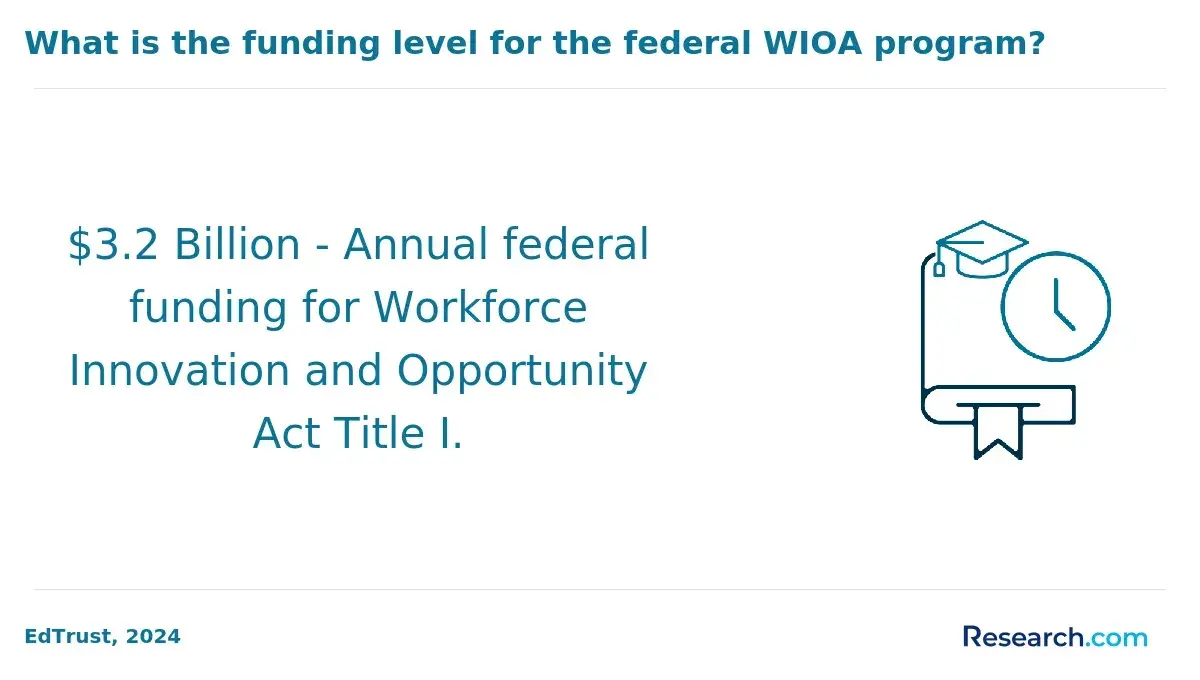
Are GRE or GMAT Scores Still Required for Accelerated Online Public Relations Master's Admissions?
The trend toward test-optional or test-free admissions in accelerated online public relations master's programs has grown significantly since the pandemic. Many programs now remove GRE or GMAT requirements, adapting to a more holistic admission process that values professional experience and academic performance over standardized tests.
Although some programs still request GRE or GMAT scores, they frequently allow waivers based on strong undergraduate GPAs, relevant public relations work experience, or prior graduate-level coursework. These waivers acknowledge real-world skills and proven academic capability, offering flexibility for diverse applicants.
A compelling professional portfolio often serves as an alternative to test scores. Candidates can showcase successful campaigns, strategic media plans, or writing samples that demonstrate their expertise and creativity, strengthening their applications considerably.
- Increased Adoption of Test-Optional Policies: A majority of accelerated public relations master's degrees have moved away from mandatory GRE/GMAT submissions, emphasizing comprehensive evaluations that include professional quality and recommendations.
- Waivers for Experienced or High-Achieving Applicants: Some schools retain testing but grant exemptions to students with exceptional GPAs or verifiable public relations employment, reflecting an appreciation of practical competence.
- Portfolio as a Powerful Substitute: Presenting a detailed professional portfolio can sometimes replace the need for standardized tests by effectively illustrating an applicant's skills and knowledge.
- Stay Updated on Admissions Requirements: Because policies evolve frequently, checking the latest admissions guidelines on each university's website is essential for accurate application preparation.
- Current Trend Statistic: According to the Council of Graduate Schools, over 60% of master's programs nationwide had adopted test-optional policies by 2023, signaling a lasting shift in graduate admissions evaluation.
How Are Courses Structured and Delivered in a One-Year Online Public Relations Master's Program?
One-year online Public Relations master's programs often use a blend of synchronous and asynchronous delivery models to balance flexibility with engagement. Synchronous sessions typically involve live virtual classes, enabling real-time interaction, immediate feedback, and collaborative discussions. Asynchronous components allow students to access lectures and complete assignments on their own schedules.
Accelerated programs usually condense what would be a traditional two-year curriculum into four consecutive terms or semesters. Students take between 9 and 12 credit hours per term, resulting in weekly study commitments that often reach 15-20 hours or more. The fast-paced nature of these courses demands disciplined time management to handle frequent assignments and tight deadlines effectively.
Capstone projects, practicums, or thesis requirements are integral parts of the final term in most Public Relations master's degrees. These experiential components encourage the application of theoretical knowledge to practical scenarios, such as strategic communication campaigns, media relations portfolios, or scholarly research papers. Managing these substantial projects within a one-year timeframe requires advanced planning and prioritization.
- Compressed Academic Terms: Students face extended weekly study hours due to accelerated pacing, completing content typically spread over two years in just one, balancing intense coursework and practical assignments.
- Synchronous vs. Asynchronous Balance: Programs combine live interactive sessions with flexible, self-paced materials to foster engagement while accommodating diverse student needs across locations.
- Capstone and Practicum Integration: Final terms include hands-on projects emphasizing real-world skills, often involving partnerships or simulated campaigns to bridge theory and professional practice.
- Increased Rigor and Time Management: The accelerated schedule demands strong organizational skills as students juggle multiple assignments under tight deadlines without overlap.
Recent findings from the Public Relations Society of America indicate that over 60% of accelerated communication programs employ hybrid synchronous-asynchronous formats to optimize student engagement and flexibility without compromising academic quality.
What Core Curriculum and Specialization Tracks Are Covered in a One-Year Online Public Relations Master's Degree?
A one-year online public relations master's curriculum typically includes foundational courses such as communication theory, strategic communication, media relations, campaign planning, crisis management, and ethics. These essential subjects are delivered in accelerated modules, allowing students to complete the program faster than traditional two-year formats without sacrificing the core depth of knowledge expected in the field.
Specialization tracks in accelerated public relations programs are frequently offered to enable students to develop targeted skills in areas such as corporate communications, social media strategy, nonprofit communication, and crisis communication. These concentrations enhance career readiness by aligning learning outcomes with specific industry demands and preparing graduates for niche public relations roles.
Compared to standard timelines, accelerated programs compress coursework into intense study periods, demanding strong time management but providing a practical, outcome-driven education. The curriculum breadth is condensed, but reputable programs maintain academic rigor to ensure graduates gain comparable expertise to their peers in longer programs.
Program curricula are regularly reviewed and updated by advisory boards made up of industry professionals and faculty. This ongoing revision ensures content remains aligned with current public relations industry standards, evolving digital tools, storytelling techniques, and ethics, keeping students well-prepared for the profession's latest challenges.
- Core Curriculum: Strategic communication, media relations, ethics, and crisis management courses provide essential expertise within an accelerated timeframe.
- Specialization Tracks: Concentrations in corporate communications, social media, and crisis communication sharpen skills tailored to competitive job markets.
- Curriculum Depth vs. Compression: Fast-paced study compresses material without substantially reducing academic rigor or subject complexity.
- Ongoing Curriculum Updates: Regular content revisions integrate new digital trends and industry standards to ensure relevance.
- Career Readiness Emphasis: Programs focus on practical skills and applied knowledge to support immediate professional advancement.
Prospective students researching graduate education options might also explore topics such as the easiest social work programs to get into to understand how accelerated degree formats operate across different fields.
How Do One-Year Online Public Relations Programs Balance Academic Rigor With Accelerated Completion?
One-year online public relations master's programs raise questions about academic rigor due to their accelerated format. However, research and employer surveys often show comparable learning outcomes to traditional programs. Graduates typically demonstrate competencies aligned with industry expectations, indicating that a compressed schedule does not necessarily reduce educational quality.
The design of accelerated public relations master's degree course structures incorporates deliberate strategies to uphold rigor and depth. Cohort models keep students progressing together, fostering peer collaboration and accountability, which enhances learning despite the shorter timeframe.
Block scheduling and intensive modules focus study within set periods, limiting course overload and promoting deeper engagement with complex topics. Faculty members often bring current industry experience, grounding instruction in real-world applications essential to quality education.
Student support services-including advising, tutoring, and career coaching-are critical for helping students adapt to the pace and prepare for post-graduate employment. Prospective students should prioritize programs with published job placement data and active alumni networks, as these reflect program effectiveness and ongoing professional relevance.
- Cohort Models And Peer Collaboration: Structured group progress keeps students accountable and engaged, compensating for a reduced program timeline through shared experiences and networking.
- Block Scheduling And Intensive Modules: Concentrated course delivery minimizes overlap and allows students to focus fully on essential public relations topics within compressed schedules.
- Faculty Expertise: Instructors with active industry roles bring relevant, practical insights that maintain academic rigor in accelerated formats.
- Comprehensive Student Support: Dedicated advising, tutoring, and career services assist students in managing accelerated demands and transitioning to the workforce.
- Alumni Success and Job Placement Data: High graduate employment rates and strong alumni networks serve as indicators of academic quality and program relevance.
Those interested in related fields may also explore cybersecurity online degrees for comparison of accelerated learning models and financial structures.
What Technology Tools and Software Skills Are Students Expected to Learn in an Online Public Relations Master's Program?
One-year online public relations master's programs emphasize mastery of essential digital tools that align with employer demands for data-driven decision-making and integrated media strategies. Proficiency in specialized software equips students to navigate modern communication landscapes effectively while meeting fast-paced industry expectations. Technical prerequisites typically include a reliable computer, high-speed internet (generally 25 Mbps or higher), and access to licensed or institution-provided software.
- Media Monitoring and Analytics Platforms: Platforms such as Cision, Meltwater, and Brandwatch enable students to monitor media coverage, measure public sentiment, and develop analytics-backed campaigns crucial for strategic planning.
- Content Creation Software: Familiarity with Adobe Creative Cloud tools like Photoshop and Premiere Pro empowers students to craft high-quality visual and video content, vital to effective storytelling and brand communication.
- Social Media Management Tools: Training on Hootsuite and Sprout Social helps students manage scheduling, engagement tracking, and performance reporting across diverse digital channels.
- Customer Relationship Management Systems: Using Salesforce or HubSpot bolsters skills in managing stakeholder relations and streamlining outreach efforts, foundational for sustaining effective public relations initiatives.
- Technical and Connectivity Requirements: Students must ensure their technology supports program demands, including updated hardware and stable internet; several institutions enhance accessibility by providing professional software licenses as part of enrollment benefits.
A recent survey by the Public Relations Society of America reveals that over 70% of employers prioritize candidates with verified expertise in at least two digital analytics or content platforms, underscoring the critical role of technical skills in career readiness.
Can Students Pursue a One-Year Online Public Relations Master's Degree While Working Full-Time?
Completing a one-year online public relations master's degree while working full-time typically requires a weekly commitment of 15 to 25 hours. Courses usually carry 3 credits each, demanding roughly 10 hours weekly for readings, assignments, and group projects. Balancing multiple courses simultaneously increases this workload, making effective time management essential.
Many students succeed by using time-blocking techniques and relying on the program's asynchronous format to study at convenient hours. Employer support through tuition reimbursement or flexible schedules, including remote work options, also eases the challenge.
Surveys show that 40% to 60% of students in these accelerated programs hold full-time positions, highlighting the feasibility of managing both responsibilities with proper planning. Prospective students should inquire about the program's expected weekly workload, the extent of team projects, any synchronous sessions, and the availability of flexible resources before enrolling.
- Time Commitment Breakdown: Plan to dedicate 15 to 25 hours weekly, with each 3-credit course requiring about 10 hours of study, incorporating readings, assignments, and collaboration.
- Flexible Scheduling: Asynchronous courses let students learn on their own timetable, supporting those balancing work and personal obligations.
- Employer Support: Tuition assistance and adaptable work hours help reduce conflicts with course deadlines for many students.
- Workload Expectations: Confirm average weekly hours, group project demands, and mandatory live sessions by consulting admissions counselors.
- Student Experience Data: About 40%-60% of online accelerated public relations students work full-time, demonstrating strong organizational skills are vital for success.
What Graduates Say About Their One-Year Online Public Relations Master's Degree Program
- Carly: "Choosing an online public relations master's degree was essential for me to transition from marketing into a more strategic communications role. The program's affordability allowed me to invest in my education without overwhelming financial stress. Since graduating, I've seen a notable boost in my career opportunities and confidence when handling high-profile client campaigns."
- Sarah: "Reflecting on my decision to pursue an online public relations master's degree, I appreciate the flexibility it gave me to balance work, family, and school. The cost was reasonable compared to traditional programs, which made advanced education accessible. This degree has been transformative, opening doors to leadership roles I hadn't imagined before."
- William: "Professionally, pursuing an online public relations master's degree was a strategic move to elevate my expertise within the industry. The cost-efficiency of the program was a major draw, allowing me to advance without incurring excessive debt. Now, I apply advanced PR strategies daily, which has significantly enhanced my value to employers and clients alike."
Other Things You Should Know About Public Relations Degrees
One-year online public relations master's degrees in 2027 often cost less than traditional programs, primarily because of the reduced duration and associated living expenses. While tuition fees might be similar per credit, the overall expense is often lower due to the accelerated pace.
One-year online public relations master's degrees in 2027 align with industry standards by focusing on essential skills like digital communication and strategic planning. However, industry recognition may vary by employer preferences; traditional in-person degrees might still be favored in some sectors.
Many employers view one-year online public relations master's degrees as legitimate and rigorous, provided the program is accredited and from a reputable institution. The accelerated format shows a candidate's ability to manage intense study schedules and adapt quickly. Nonetheless, some employers may still prefer candidates from traditional programs depending on the organization or the nature of the role.
In 2027, essential technological tools for succeeding in a one-year online public relations master's program include a reliable high-speed internet connection, a computer that meets program specifications, and software platforms like Zoom for virtual classes and Adobe Creative Suite for design tasks.
References
- Online Master's in Public Relations (PR) Programs (2025 Update) https://www.mastersincommunications.com/related-degrees/masters-in-public-relations
- Best Communications Scholarships (PR, Journalism, Media) 2026 - ScholarshipsandGrants.us https://scholarshipsandgrants.us/major/communications-scholarships/
- Tuition and Financial Aid | MS in Public Relations https://grad.qu.edu/programs/masters-degree/public-relations/tuition-and-financial-aid/
- Admission & Program Requirements https://www.msvu.ca/academics/graduate-studies-at-the-mount/public-relations-and-communication-studies/program-requirements/
- Online Master’s in Public Relations Programs in 2025 https://www.mastersincommunications.org/online-public-relations/
- MSc Public Relations and Strategic Communication (Online) | Find a course | University of Stirling https://www.stir.ac.uk/courses/pg-taught/public-relations-strategic-communication-online/
- The 10 Most Affordable Online Master's in Public Relations - Best Marketing Degrees https://www.bestmarketingdegrees.org/the-most-affordable-online-masters-in-public-relations/