
2027 Bioinformatics Degree Programs for Career Changers

Co-Founder and Chief Data Scientist
Professionals from diverse fields often face challenges when pivoting careers, especially into highly technical areas like bioinformatics. Many worry about lacking foundational knowledge in biology or computer science, which can slow their progress. However, over 40% of adult learners pursuing bioinformatics degrees report career advancement within two years of graduation. This statistic highlights growing opportunities for career changers in this expanding industry. This article explores tailored bioinformatics degree programs designed to accommodate working adults, offering guidance on choosing the right path to transition efficiently and confidently into bioinformatics roles in the workforce.
Key Things to Know About Bioinformatics Degree Programs for Career Changers
- Many bioinformatics degree programs offer flexible online or hybrid formats, allowing working adults to balance coursework with professional and personal commitments.
- Programs often feature accelerated pacing and relevant curricula designed to align with employer demands in genomics, data analysis, and computational biology sectors.
- Support services like career counseling, tutoring, and peer networking increase retention and successful career transitions for adults shifting into bioinformatics fields.
What Bioinformatics Programs Accept Career Changers?
Many bioinformatics degree programs are designed to support working adults and professionals seeking a career change by offering flexible admissions and practical curricula. Nearly 40% of graduate enrollments nationally come from adult learners, demonstrating a significant trend of career changers pursuing advanced education for new opportunities.
- Master's in Bioinformatics: These programs often feature flexible prerequisites, allowing applicants without a strong science or programming background to qualify by demonstrating relevant skills or completing foundational courses. This approach eases transitions for career changers while maintaining rigorous training.
- Bioinformatics Certificate Programs: Shorter and focused on practical tools and techniques, these certificates provide targeted upskilling. They are well-suited for career changers who want to gain specific competencies without committing to a full degree program.
- Accelerated Master's Degrees: Offering condensed curriculums, accelerated degrees enable students to acquire essential bioinformatics knowledge quickly. These programs attract career changers by minimizing time investment and emphasizing hands-on experience relevant to industry.
- Post-Baccalaureate Programs: Designed to build foundational science and computing skills, these programs offer structured pathways before graduate study. Advising and preparatory coursework help career changers make a smoother entry into technical bioinformatics roles.
Those interested in related healthcare fields might explore interdisciplinary options, such as programs connected to a pharmacy degree, which also accommodate diverse career backgrounds and flexible admissions policies.
For working professionals, bioinformatics master's programs with flexible admissions provide an accessible path to develop relevant expertise while balancing other commitments.
What Bioinformatics Specializations Are Best for Career Changers?
Choosing the right bioinformatics specialization greatly influences how career changers can effectively apply prior skills and meet emerging industry needs. Recent data indicates that demand for specialists in computational biology and data analytics has surged by more than 30% over the past five years, highlighting robust hiring trends. Here are four top bioinformatics concentration areas for professionals looking to transition smoothly into this field:
- Computational Biology: This specialization is ideal for individuals with backgrounds in mathematics or computer science. It leverages transferable coding and analytical skills, making it accessible for career changers who want to deepen their computational expertise.
- Genomic Data Analysis: Well suited for newcomers with some knowledge of statistics or biology, this area emphasizes interpreting complex datasets, offering an approachable entry point into bioinformatics specializations for career changers.
- Health Informatics: Perfect for professionals coming from healthcare or IT sectors, this specialization focuses on managing patient data and applying clinical solutions, enabling a smooth transition by building on existing domain knowledge.
- Machine Learning in Bioinformatics: Geared toward those experienced in software development or artificial intelligence, this field provides high career mobility through its interdisciplinary nature, combining data science with biological insights.
For those interested in related healthcare technology fields, exploring medical billing and coding online schools financial aid opportunities can also support career development alongside bioinformatics specialization choices.
What Are the Admission Requirements for Career Changers Applying to a Bioinformatics Program?
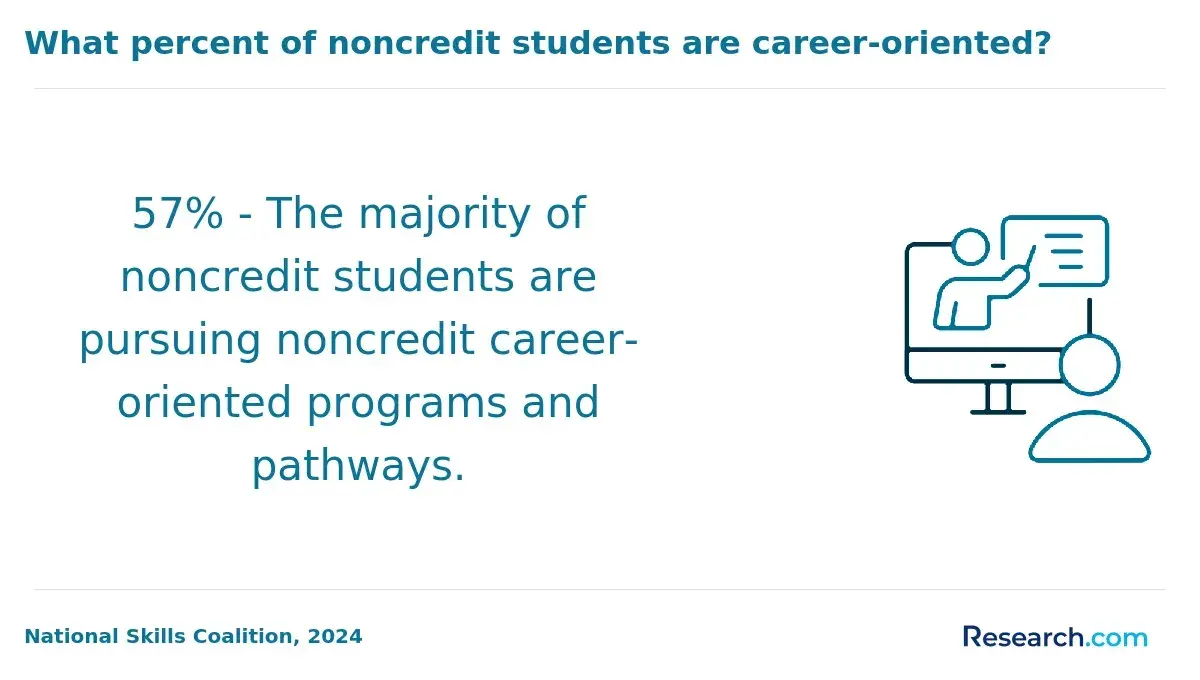
Admission requirements are especially important for career changers because they often come from diverse academic or professional backgrounds, making it essential to identify and address gaps before applying. Enrollment of adult learners in postsecondary programs has increased by over 30%, demonstrating growing demand for flexible, nontraditional pathways.
Common requirements for career changers applying to a bioinformatics program prerequisites for career changers typically include:
- Bachelor's Degree: Most programs require a bachelor's degree, usually in biology, computer science, or mathematics. Some accept unrelated degrees if supplemented with prerequisite courses, allowing flexibility for career changers.
- Foundational Coursework: Completion of key courses in biology, programming, statistics, and chemistry is often essential. Alternative pathways, such as bridge courses, can help applicants gain this knowledge.
- Transcripts: Applicants must submit academic transcripts to demonstrate readiness. Transferable experience in data analysis or laboratory work can strengthen an application, even without a traditional science degree.
- Letters of Recommendation: Professional or academic references help verify skills and motivation, adding support for career changers' applications.
- Personal Statement: A statement explaining the motivation for switching to bioinformatics helps admissions committees understand commitment and fit.
- Standardized Tests: Some programs may request GRE scores, but this is becoming less common, especially for nontraditional applicants.
Many programs accommodate working professionals with flexible formats such as part-time or online classes. Those exploring related fields may also consider online healthcare degrees as a related option. Understanding admission criteria for career changers in bioinformatics degrees ensures applicants can prepare appropriately for a smooth transition into this growing field.
What Is the Coursework for a Bioinformatics Degree for Career Changers?
For professionals transitioning into bioinformatics, grasping the coursework structure is crucial to managing new technical demands alongside their previous experience. Programs tend to emphasize adaptability and hands-on learning to ensure a smoother career shift. The main subjects typically include:
- Biological Sciences: Covers foundational topics like molecular biology, genetics, and biochemistry to ground students in essential life sciences.
- Computer Science: Focuses on programming, algorithms, and data structures tailored to biological data analysis, often providing flexible learning formats.
- Statistics and Data Analysis: Introduces statistical concepts and data mining techniques necessary for interpreting complex datasets relevant to bioinformatics.
- Bioinformatics Tools and Databases: Offers practical instruction on current software and genomic or proteomic databases, stressing real-world applicability.
- Capstone or Project Work: Engages students in integrative projects or research, fostering problem-solving through applied experience.
One professional who recently completed an online bioinformatics degree shared, "Balancing coursework with a full-time job was challenging, but the online format made it manageable." He added, "The projects felt directly relevant, which kept me motivated." Initially overwhelmed by the technical content, he appreciated the availability of mentoring and tutoring services that helped bridge unfamiliar areas. "It wasn't just about watching lectures; the support network made a big difference," he noted. This experience highlights how such programs can provide both the curriculum and the personalized guidance needed for a successful career transition.
What Bioinformatics Program Formats Are Available for Career Changers?
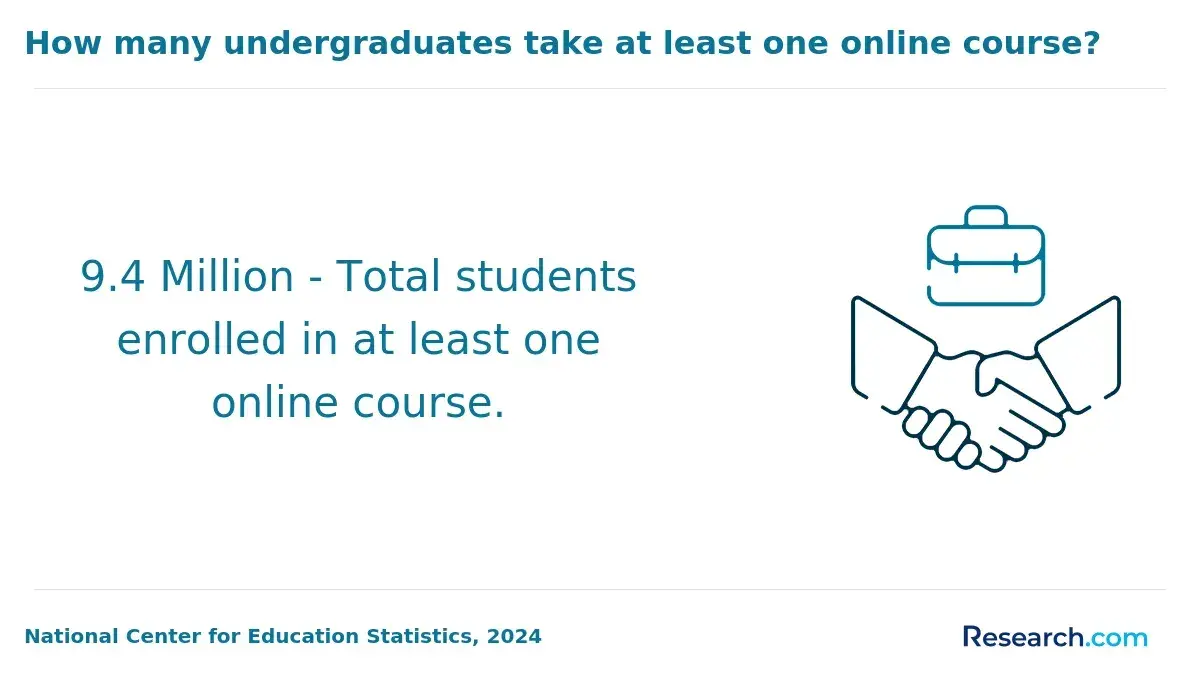
Flexibility is a top priority for career changers pursuing bioinformatics degrees, especially as adult enrollment in online programs has risen by 40% over the past five years. Choosing the right program format can help balance work, family, and study commitments effectively. Below are some common program styles tailored to working professionals.
- Online Programs: Provide the greatest scheduling freedom through asynchronous classes that let students learn anytime, anywhere. This format suits individuals managing jobs and personal responsibilities who need to avoid geographic constraints.
- Hybrid Programs: Blend remote coursework with occasional on-campus sessions, combining flexibility with opportunities for in-person collaboration and networking. This approach supports both independent study and hands-on learning experiences.
- Part-Time Programs: Extend the time needed to complete the degree, reducing weekly course loads. This pacing enables students to remain employed full-time while progressively advancing toward their bioinformatics credentials.
- Evening and Weekend Programs: Schedule classes outside typical business hours, accommodating those unavailable during the day. These programs help professionals continue steady employment while pursuing new career goals.
What Skills Do Career Changers Gain in a Bioinformatics Program?
Career changers face unique challenges as they adapt to new professional fields, making skill development essential for success. By 2025, more than half of all employees will require reskilling to keep pace with evolving job demands, underscoring the need for focused learning on transferable and emerging skills. Bioinformatics programs cultivate key abilities designed to ease this transition and enhance career readiness.
- Data Analysis and Interpretation: Mastering techniques to manage and analyze complex biological data empowers learners to generate insightful conclusions applicable in research, healthcare, and pharmaceutical industries.
- Programming Proficiency: Acquiring skills in languages such as Python and R enables automation of workflows and development of computational tools, crucial for handling large-scale biological datasets efficiently.
- Molecular Biology Fundamentals: Gaining a solid grasp of genetic and protein structures helps learners connect computational outcomes to actual biological processes, improving contextual understanding.
- Machine Learning Applications: Learning to apply machine learning algorithms enhances predictive modeling capabilities, which are valuable in personalized medicine and genomic analysis.
- Communication and Collaboration: Developing the ability to translate technical results for non-specialists fosters teamwork in interdisciplinary projects and ensures clear information exchange.
One career changer who completed a bioinformatics degree shared her experience after being asked about the skills gained. She recalled that balancing the steep learning curve of coding with understanding complex biology was initially daunting but ultimately rewarding. "I often felt overwhelmed trying to bridge such different fields, but the program's emphasis on practical projects helped me see how everything connects," she said. She highlighted how working on real datasets strengthened her confidence: "I became comfortable explaining results to both scientists and non-scientists, which completely transformed my ability to collaborate." This personalized blend of technical and communication skills, she noted, was key to successfully navigating her career shift and opening new professional doors.
How Much Does a Bioinformatics Degree Cost for Career Changers?
For career changers pursuing a bioinformatics degree, accurately estimating the total cost is vital for a smooth transition. Graduate education in the U.S. often leads to significant debt, with the average student loan burden for master's degree holders exceeding $66,000. Carefully assessing expenses ahead helps working professionals avoid unexpected financial strain. Below are the key cost components of a bioinformatics graduate program tuition fees for career changers.
- Tuition: This is the largest expense, varying significantly by program length, format, and institution type. Costs typically range from $15,000 to $60,000 or more. Working professionals should compare options carefully, especially when considering accelerated or certificate pathways that can reduce time and tuition fees.
- Fees: Additional fees cover registrations, lab use, and online learning platforms. These may add several thousand dollars overall and should be factored into the budget, particularly for programs with extensive hands-on components.
- Books and Software: Required textbooks and specialized software tools commonly cost between $500 and $1,500. These materials are essential for mastering technical skills and may be updated frequently, so recurring purchases could impact overall expenses.
- Indirect Costs: Many career changers face lost income if they reduce work hours or take unpaid leave. However, flexible payment plans, employer tuition assistance, or reimbursement programs can significantly ease this burden. Exploring such options is highly recommended.
Adult learners often seek ways to minimize expenses by choosing programs with flexible formats or lower fees. Those interested may also want to explore affordable healthcare education pathways, such as the cheapest online acute care nurse practitioner programs, to better understand cost-effective options within health sciences fields.
How Does a Bioinformatics Curriculum Support Career Transitions?
Curriculum design is especially important for career changers entering bioinformatics because it must efficiently bridge gaps in prior knowledge while providing relevant, practical skills for immediate workforce application. Tailoring programs to adult learners helps ensure smooth transitions into new roles. Here are key ways a bioinformatics curriculum supports career transitions:
- Applied Learning: Labs and software tools replicate industry practices, helping students develop hands-on experience that aligns with real-world demands.
- Transferable Skills: Programs emphasize data analysis, programming, and scientific communication, equipping professionals with adaptable skills vital across sectors.
- Flexible Pacing: Options like part-time and online formats enable learners to manage education alongside their existing responsibilities, facilitating balance and persistence.
- Real-World Projects: Collaboration on projects involving biological data from diverse industries allows learners to build portfolios demonstrating their competence.
- Collaborative Coursework: Group assignments promote networking and teamwork abilities essential in multidisciplinary research environments.
Professionals considering a switch can find that a well-structured bioinformatics curriculum helps them gain the skills gained from bioinformatics degree programs for professionals without unnecessary redundancy. For those balancing education with other commitments, exploring the cheapest RN to BSN program online can provide insights into flexible learning delivery that informs bioinformatics program choices.
What Careers Can Career Changers Pursue With a Bioinformatics?
For professionals switching careers, knowing potential job opportunities linked to a bioinformatics degree helps in making well-informed choices and aligning abilities with evolving industries. The U.S. Bureau of Labor Statistics forecasts a 15% growth in computer and information research occupations from 2022 to 2032, reflecting a strong and expanding demand in areas that intersect biological data and technology. Below are common career options suited for bioinformatics graduates.
- Computational Biologist: Applies algorithms to interpret complex biological data. Previous programming experience makes adapting to this role smoother for career changers, as it blends scientific inquiry with technical problem-solving.
- Data Scientist: Analyzes large datasets to discover actionable insights. Analytical and quantitative skills developed in other fields can transfer effectively to this position, which relies heavily on statistics and machine learning.
- Biostatistician: Designs and evaluates experiments in medical and biological research. Backgrounds in statistics or quantitative analysis provide a strong foundation, making it accessible to individuals with prior experience in related disciplines.
- Genomic Analyst: Focuses on examining genetic sequences to support clinical or research applications. A detail-oriented mindset combined with technical aptitude helps career changers succeed in this specialized domain.
- Research Analyst: Manages and interprets scientific study data to aid decision-making. Skills such as project coordination and data interpretation from other industries help ease the transition into this role.
What Is the Average Salary After Earning a Bioinformatics Degree as a Career Changer?
Salary expectations play a key role for professionals switching careers, as they influence decisions about time and financial investments. Studies indicate that individuals who reskill in technical fields often enjoy median salary increases of around 20% within a few years. Below are typical salary brackets and factors affecting earnings for those pursuing a bioinformatics degree.
- Entry-Level Analysts: Annual salaries usually fall between $60,000 and $80,000, with prior experience in related fields potentially raising starting pay.
- Mid-Career Professionals: With 3 to 5 years of experience, earnings often range from $80,000 to $110,000, reflecting growing expertise and responsibility.
- Senior Scientists and Managers: Compensation typically spans $110,000 to above $140,000, shaped by leadership roles and specialized skill sets.
- Industry Variability: Sectors like pharmaceuticals and biotechnology generally offer higher pay compared to academia or government research, impacting overall salary potential.
- Skill Premiums: Additional competencies in programming, statistics, or project management can increase total compensation beyond base salary ranges.
What Graduates Say About Their Bioinformatics Degrees for Career Changers
- Leonel: "Switching to a bioinformatics degree program was a bold move for me, but with the average cost hovering around $20,000, I saw it as a smart investment in my future. The program equipped me with cutting-edge skills that helped me land a role in computational biology, proving that the financial commitment was absolutely worthwhile. "
- George: "I took some time to really reflect before choosing a bioinformatics degree because the cost was significant. Still, at about $18,500, it was manageable compared to the career opportunities it unlocked. Completing the program gave me a solid foundation to successfully shift from traditional biology to data-driven research, an evolution that truly enriched my professional path."
- Hugh: "When I decided to pivot into bioinformatics, I was initially concerned about the program cost, which I found to be roughly $22,000. However, the comprehensive curriculum and hands-on experience I gained have been invaluable in advancing my career in genomics analysis. Investing in this degree was a strategic decision that accelerated my career transition more than I anticipated. "
Other Things You Should Know About Bioinformatics Degrees
Typical prerequisites for bioinformatics degree programs in 2027 include foundational knowledge in biology, chemistry, mathematics, and programming. Career changers may need to complete prerequisite coursework or possess demonstrable skills in these areas to transition effectively into the program.
Success for non-science background career changers in bioinformatics in 2027 is achievable with dedication. Many programs offer introductory courses in biology, coding, and data analysis to build foundational skills, while strong problem-solving abilities and a willingness to learn can significantly enhance program comprehension and performance.
Bioinformatics degree programs in 2027 often offer flexible schedules, online courses, and tailored curriculum to accommodate career changers. Many programs provide foundational courses in biology, computer science, and statistics to bridge knowledge gaps, enabling smooth transitions from different fields.
Career changers often face challenges such as adapting to complex programming languages, understanding biological data analysis, and integrating interdisciplinary knowledge. Bridging gaps between previous experience and the advanced technical requirements in bioinformatics can be daunting but is manageable with dedication and structured learning paths offered in 2027 programs.
References
- Transition your career with a degree in Bioinformatics https://www.brandeis.edu/gps/blog/2023-blog-posts/wet-lab-to-dry-lab.html
- Bioinformatics https://calendar.uoguelph.ca/graduate-calendar/graduate-programs/bioinformatics/
- Bioinformatics Specialization - KAUST Academy https://academy.kaust.edu.sa/program/university-students/bioinformatics-specialization/
- Career Choices for Transitioning From a Biological Background to Bioinformatics: A Deep Comparison Between Bioinformatics Scientists and Bioinformatics Engineers - Oreate AI Blog https://www.oreateai.com/blog/career-choices-for-transitioning-from-a-biological-background-to-bioinformatics-a-deep-comparison-between-bioinformatics-scientists-and-bioinformatics-engineers/4a32ed82d3e2c8f3d4281bf498abf69e
- Dr. Omics Education; https://dromicsedu.com/blog-details/top-skills-to-build-a-successful-bioinformatics-career-in-2025
- Unlocking the Future: Careers and Skills in Bioinformatics https://www.genomachub.com/post/unlocking-the-future-careers-and-skills-in-bioinformatics
- Latest News & Blogs https://bdglifesciences.com/blogs/top-skills-for-biotechnology-and-bioinformatics-jobs
- How to Transition from Biotechnology to Bioinformatics: Final Guide https://biopractify.in/transition-biotech-to-bioinformatics/
- Taking the leap: Transitioning Your Career to Bioinformatics https://bioinformatics.ccr.cancer.gov/btep/taking-the-leap-transitioning-your-career-to-bioinformatics/
- 5 Common Courses in a Bioinformatics Degree Program - Data Science Degree Programs Guide https://www.datasciencedegreeprograms.net/lists/5-common-courses-in-a-bioinformatics-degree-program/


