
2027 Return on Investment (ROI) of a Bioinformatics Degree Program

Co-Founder and Chief Data Scientist
Many prospective students struggle to determine if investing in a bioinformatics degree will lead to sufficient career advancement and financial reward. Despite rising demand, concerns about job market saturation and program costs remain common. Recent data shows that employment for bioinformatics specialists is projected to grow 15% through 2032, faster than the average for all occupations.
This article examines the return on investment of bioinformatics degree programs by analyzing education expenses, salary outcomes, and industry trends. It aims to guide readers in making informed decisions about pursuing this specialized and evolving field.
Key Things to Know About Bioinformatics Degree ROI
- Graduates with a bioinformatics degree earn a median salary of approximately $90,000, reflecting strong earning potential compared to related life sciences fields.
- Bioinformatics skills enable career advancement in pharmaceuticals, healthcare, and biotechnology, with roles like data scientist and computational biologist in high demand.
- Job stability remains robust due to increasing reliance on big data in biology, with projected industry growth of 15% over the next decade supporting long-term salary increases.
How is ROI calculated for a bioinformatics degree program?
Return on investment (ROI) in higher education evaluates the financial gains a student receives from completing a degree compared to the costs and time invested. For many considering a bioinformatics degree, ROI helps in assessing whether the degree's potential earnings and career opportunities are worth the financial and time commitments.
Several key factors contribute to how you can calculate bioinformatics degree program ROI. These include:
- Tuition and Fees: This covers the total enrollment costs, including tuition, books, and mandatory expenses. Proper accounting of these costs forms the foundation of any ROI evaluation.
- Opportunity Cost: The income foregone by attending school instead of working affects the true financial sacrifice beyond just direct expenses.
- Time to Completion: The duration of the program influences both direct expenses and opportunity costs, as longer programs delay entry into the workforce.
- Post-Graduation Salary Outcomes: Expected earnings after graduation, including starting salaries and growth within bioinformatics careers, significantly impact ROI by determining how quickly the investment can be recovered.
- Career Advancement and Long-Term Earning Potential: Advancement opportunities and higher salaries over a career span enhance the financial benefits of the degree beyond entry-level positions.
Evaluating these aspects thoroughly helps students understand bioinformatics degree ROI factors and calculation more clearly. Those seeking programs with the best returns should also consider options like the shortest DNP program online, as shorter paths can reduce opportunity costs while maintaining career benefits.
How much does a bioinformatics degree program cost?
Accurately gauging the full cost of a bioinformatics degree program is vital for assessing its return on investment, especially as graduate tuition rates have consistently increased. Currently, average student loan debt for master's degree recipients exceeds $66,000, making a careful breakdown of expenses more important than ever.
Several major factors shape the financial commitment and subsequent ROI of pursuing a bioinformatics degree:
- Tuition and Fees: This constitutes the bulk of direct costs, which differ widely depending on whether the program is online or in-person, as well as the institution's pricing.
- Books and Materials: Students often face additional costs for necessary textbooks, specialized software, and laboratory resources that are integral to coursework.
- Living and Relocation Expenses: For those attending on-campus, the price of housing, commuting, and daily needs can significantly add to the overall investment.
- Opportunity Cost: Time devoted to earning a degree often means postponing income or job advancements, representing a less visible but important financial factor.
- Indirect Costs: Beyond tuition, fees such as applications, examinations, and expenses tied to internships or networking events can accumulate and should be considered.
One graduate of a bioinformatics degree I spoke with described the financial challenge as "a juggling act between managing student loans and unexpected expenses." He emphasized how "the real cost wasn't just tuition-it was the hours not spent working and building a career."
He recounted late nights balancing coursework with part-time jobs, highlighting that the "stress of financing the program sometimes felt as heavy as the material itself." This perspective underscores the complexity of calculating true cost beyond just tuition, reflecting on how financial planning plays a crucial role in determining if the degree's returns meet expectations.
What financial aid is available for bioinformatics degree programs?
Financial aid reduces the initial expenses of bioinformatics degrees, enhancing the overall return on investment by lessening reliance on loans and decreasing debt. Nearly 60% of graduate students in the U.S. use financial aid to fund tuition and living costs, highlighting its crucial role in higher education affordability.
Common financial aid opportunities for bioinformatics students include:
- Scholarships: Merit-based awards that lower education costs without repayment obligations, directly improving ROI by shrinking out-of-pocket spending.
- Grants: Need-based funds that primarily support students from lower-income families, cutting tuition expenses and minimizing the need for loans.
- Fellowships: Provided by research programs, offering stipends and tuition coverage in exchange for research work, which can offset costs fully while boosting professional skills.
- Employer Tuition Assistance: Some professionals receive financial support from their employers, allowing them to pursue degrees with less personal expense while maintaining income.
- Federal Student Loans: While increasing debt, these loans typically have low interest rates and flexible repayment terms that make managing educational costs feasible and support a balanced approach to ROI.
Breakdown of All 4-Year Online Title IV Institutions (In Percentage)

How long does it take to complete a bioinformatics degree?
The duration needed to finish a bioinformatics degree plays a crucial role in its return on investment (ROI). The length of study impacts opportunity costs, delays when you can start earning a salary, and total expenses such as tuition and living costs. The sooner you complete your degree, the earlier you can enter the workforce and begin recouping your investment.
Several factors shape how long it generally takes to complete a bioinformatics program, affecting both time and financial outcomes:
- Enrollment Status: Full-time students typically complete their degrees faster, reducing total costs and opportunity cost. Part-time learners often extend their program duration as they balance work commitments, which can maintain income but delay graduation.
- Program Format: Online or accelerated bioinformatics programs offer flexible pacing and can shorten the time to degree. These formats often lead to savings in tuition and living expenses while enabling earlier career entry.
- Transfer Credits: Prior coursework or experience can reduce the number of required classes, cutting both the length of study and associated costs.
- Hands-on Requirements: Internships, theses, or research projects may add extra semesters but provide valuable experience that can improve job prospects and salary potential.
- Scheduling Flexibility: Programs designed for working professionals often provide adaptable course schedules, which may lengthen completion time but accommodate income stability.
When I asked a graduate of a bioinformatics degree about her experience, she reflected on the uncertainty of managing coursework alongside a demanding job. "It was challenging juggling my research project deadline with work hours," she shared. "I often felt the pressure to accelerate without sacrificing quality, but the flexibility of my program helped."
She emphasized that while the degree took longer than initially planned-closer to five years part-time-the investment was worthwhile for the confidence and skills gained. Her journey highlights how personal circumstances and program design deeply influence the path to completion and ultimately, the ROI.
Is ROI higher for online or on-campus bioinformatics programs?
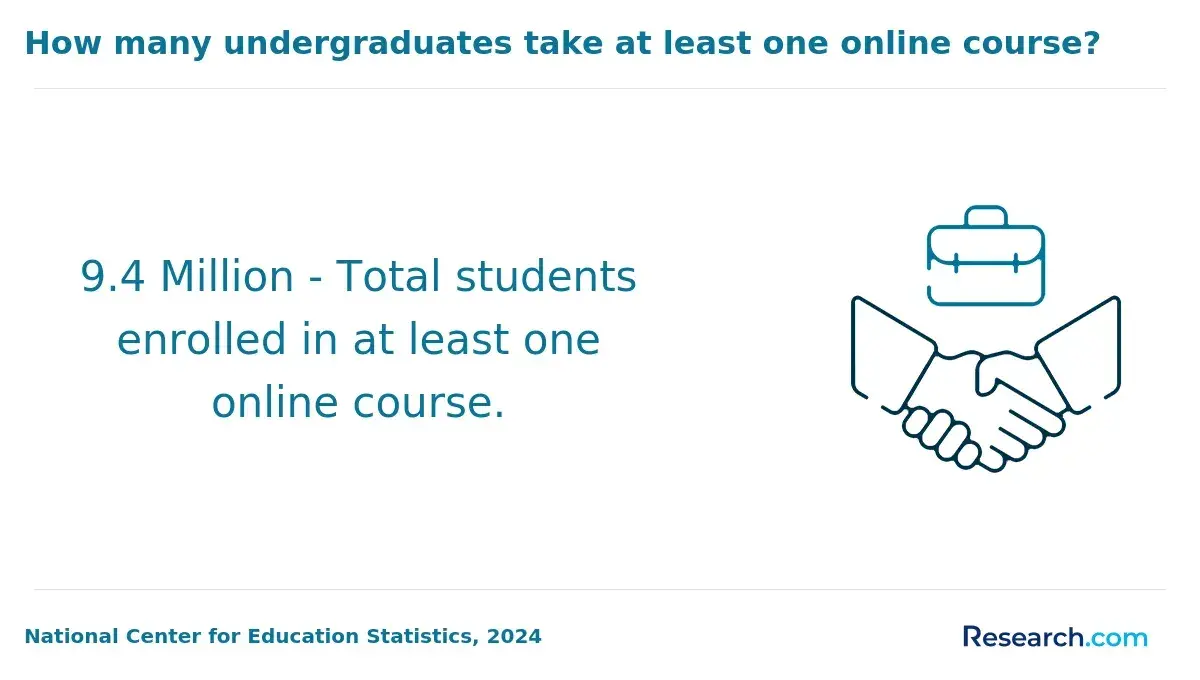
The return on investment (ROI) for bioinformatics degree programs is influenced by delivery format, affecting cost, flexibility, and career outcomes. Notably, online enrollment in graduate programs has grown by over 5% annually, highlighting the rising acceptance of remote education. These trends play a significant role in shaping the bioinformatics program return on investment comparison.
Several factors differentiate online versus on-campus bioinformatics degree ROI. Consider these key points:
- Tuition and Fees: Online programs usually have lower tuition and fees, which reduces the upfront financial burden. This affordability can positively impact ROI for students prioritizing cost-efficiency.
- Opportunity Cost: Online formats offer greater flexibility, allowing students to work part-time or full-time while studying. Maintaining income during education lowers opportunity cost and improves overall financial outcomes.
- Time to Completion: On-campus bioinformatics programs may impose rigid schedules that extend the time needed for graduation. Online options often enable accelerated progress, helping students enter the workforce sooner.
- Networking and Career Sservices: On-campus programs tend to provide stronger in-person networking and access to campus career resources, which can be important for job placement. However, virtual services are improving with online formats.
- Employer Perception and Long-Term Earnings: Both delivery modes are increasingly accepted by employers, though traditional on-campus degrees may still be preferred for some technical roles, affecting long-term earnings potential.
Prospective students evaluating bioinformatics degree ROI should also explore related fields and options such as DNP programs to compare educational investments effectively.
What is the average salary after earning a bioinformatics degree?
Post-graduation salary is a crucial factor in determining the return on investment (ROI) for a bioinformatics degree, as it directly impacts how quickly graduates can repay tuition and other costs. Typical earnings with a bioinformatics degree in the U.S. start between $60,000 and $85,000 annually, with potential growth to $90,000-$130,000 as experience and expertise increase.
Several key factors influence bioinformatics degree average salary in the US, shaping the overall ROI prospects for graduates:
- Industry: Higher salaries are common in pharmaceuticals and biotechnology compared to academic or government roles, significantly affecting potential earnings and ROI.
- Geographic Location: Metropolitan areas or regions with robust biotech sectors offer more competitive compensation, which can accelerate the return on educational investment.
- Prior Experience: Internships or relevant work experience often lead to higher starting salaries, improving short-term financial outcomes for graduates.
- Specialization: Expertise in machine learning or computational genomics can boost earning potential, making the degree more valuable and increasing ROI.
- Career Level: Senior or management positions typically command higher salaries, enhancing long-term financial returns from the degree.
For those considering career transitions or enhanced qualifications, exploring options like an online healthcare administration degree can also complement bioinformatics skills and broaden employment opportunities.
Does a bioinformatics degree lead to promotions?
Promotions significantly impact the return on investment of a bioinformatics degree by providing salary increases, broader responsibilities, and enhanced career mobility. For many professionals, advancing to higher-level roles generally requires a combination of education and experience, which contributes to a stronger financial and professional ROI.
A key trend in today's workforce is the rising importance of credential-based promotions, particularly in technology-driven fields such as bioinformatics. Employers increasingly require formal educational qualifications for leadership and senior technical positions, highlighting the value of graduate degrees for career advancement.
Several important factors illustrate how a bioinformatics degree can improve promotion prospects and contribute to career advancement with a bioinformatics degree:
- Credential Requirements: Many advanced roles demand specific scientific or computational expertise that a bioinformatics degree provides, making graduates more eligible for promotions.
- Leadership Preparation: Degree programs often include project management, communication, and collaboration skills, equipping candidates to handle expanded responsibilities.
- Tuition Reimbursement: Holding a degree can increase eligibility for employer tuition assistance or professional development support, effectively lowering educational expenses and improving ROI.
- Promotion Policies: Organizations may prioritize employees with advanced education when granting salary increases or title upgrades, aligning with formal promotion structures.
- Experience Synergy: A bioinformatics degree combined with practical experience can accelerate career progression more than either alone.
Prospective students weighing the return on investment of a bioinformatics degree should also explore financial options such as the cheapest online nurse practitioner programs, which can offer insight into affordable pathways in related health science fields and inform educational decisions.
Which industries offer the best ROI for bioinformatics graduates?
The return on investment (ROI) for bioinformatics graduates varies across industries due to differences in salary levels, career progression opportunities, and demand for specialized skills. Industries that emphasize data analysis and innovation often provide higher compensation and faster promotion potential, resulting in a stronger financial and career return for professionals holding bioinformatics degrees.
Here are some key industries that commonly offer high ROI for bioinformatics graduates:
- Pharmaceuticals and Biotechnology: This sector offers some of the highest paying bioinformatics careers because of its critical role in drug discovery, genetic research, and personalized medicine. Competitive salaries and structured career advancement attract many specialists.
- Healthcare and Clinical Research: Known for job stability and steady demand, this industry utilizes bioinformatics expertise to optimize patient data analysis, diagnostics, and treatment. Its focus on improving healthcare outcomes ensures ongoing opportunities.
- Computational Biology and Academia: While starting salaries may be lower, these roles emphasize research innovation and provide long-term career growth through pioneering scientific projects and technology development.
- Agriculture and Environmental Sciences: An emerging field where bioinformatics drives crop improvement and ecological studies, benefiting from technological advances and sustainability goals. Growth potential is increasing rapidly.
For those comparing education investments, understanding which industries yield the best returns can guide decisions about degrees and career paths. Prospective students might also explore affordable RN to BSN online programs as an alternative route in healthcare education.
Does accreditation affect ROI for a bioinformatics degree?
Accreditation in bioinformatics degree programs signifies that an independent body has thoroughly evaluated the curriculum, faculty, and overall program quality against established educational criteria. This validation ensures the degree is widely acknowledged and respected by employers and academic entities, which can significantly impact a graduate's return on investment.
A growing trend among employers is their preference for candidates from accredited programs, associating these credentials with stronger skillsets and better preparedness. Additionally, accreditation often correlates with higher starting salaries and improved job prospects in the bioinformatics field.
Beyond initial employment advantages, accreditation enhances long-term ROI by fostering employer confidence in the program's rigor and relevance. It also provides students with access to federal financial aid, reducing their financial burden during study.
Accredited programs typically facilitate credit transfer, making it easier for graduates to pursue further education or certifications. Moreover, in fields where licensure or certification is required, completing an accredited program is often a prerequisite, thereby expanding career flexibility and upward mobility over time.
Is a bioinformatics degree worth it?
The return on investment for a bioinformatics degree varies based on factors like tuition costs and program length, which typically spans one to three years. Graduates often see competitive salaries, with median annual earnings frequently surpassing $80,000, reflecting strong demand across biotechnology and healthcare industries.
The potential for career growth is notable, especially for those who combine technical expertise with domain-specific knowledge, leading to opportunities in research, data analysis, and software development roles. Time spent studying and the associated opportunity costs are important considerations when calculating overall ROI.
Whether pursuing a bioinformatics degree is worth the investment depends on personal circumstances and market conditions. High industry demand generally supports positive employment prospects, but program flexibility-such as part-time or online options-can reduce financial and time burdens.
Access to scholarships, employer sponsorship, or financial aid may also lower upfront expenses. For individuals focused on rapid workforce entry or those with strong backgrounds in biology or computer science, alternative certifications might provide better short-term returns, whereas a degree offers valuable credentials for specialized research or advanced positions aligned with long-term goals.
What Graduates Say About The ROI of Their Bioinformatics Degree
- Sydney: "Choosing the traditional bioinformatics degree was a crucial investment for me. Despite the average tuition cost hovering around $35,000, the long-term ROI in terms of career growth and opportunities in biotech firms justifies every penny. Graduating has opened doors to advanced research roles, and I feel confident knowing my degree truly pays off. "
- Parker: "Opting for the online bioinformatics program was a thoughtful decision reflecting both flexibility and cost-efficiency, typically around $20,000. While skeptical at first, I found the experience rewarding and worth the investment given the demand for data analysis skills in healthcare. Now, with enhanced expertise, I've secured a better position remotely, making the cost absolutely worthwhile."
- Katie: "As a part-time bioinformatics student, balancing work and study meant stretching the degree over several years, which kept the financial stress manageable, approximately $25,000 total. Reflecting on the impact, the degree has significantly boosted my professional credibility and salary potential within pharmaceutical analytics. The cost and time were justified by tangible career advancements. "
Other Things You Should Know About Bioinformatics Degrees
A bioinformatics degree equips students with strong computational, statistical, and biological knowledge. These interdisciplinary skills enable graduates to work on complex data analysis in genomics, proteomics, and drug discovery. Mastery of programming languages like Python and R, combined with understanding biological datasets, increases employability and salary potential, thus enhancing ROI.
Yes, non-monetary benefits like career satisfaction, intellectual growth, and job stability contribute to the overall ROI of a bioinformatics degree. Graduates often work in innovative environments that impact healthcare and research positively, which can lead to greater professional fulfillment. These factors, though intangible, add significant value beyond financial returns.
References
- Does College Pay Off? A Comprehensive Return On Investment Analysis - FREOPP https://freopp.org/whitepapers/does-college-pay-off-a-comprehensive-return-on-investment-analysis/
- Studying Bioinformatics: Is it Worth it? https://www.datascienceblog.net/post/commentary/studying-bioinformatics-is-it-worth-it/
- Admission and Fees https://www.uoguelph.ca/bioinformatics/admission-and-fees
- Bioinformatics: Scope, Future, Job Options, and Opportunities - MIT School of Bioengineering Sciences & Research https://www.mitbio.edu.in/bioinformatics-scope-future-job-options-and-opportunities/
- Dr. Omics Education; https://dromicsedu.com/blog-details/the-roi-of-a-bioinformatics-course-calculating-your-salary-hike-potential
- TOP COUNTRIES FOR BIOINFORMATICS: RESEARCH AND JOB OPPORTUNITIES https://www.hellostudy.org/post/top-countries-for-bioinformatics-research-and-job-opportunities
- Tuition fees and costs - Master Bioinformatics and Systems Biology (joint degree UvA/VU) https://www.uva.nl/shared-content/programmas/en/masters/bioinformatics-and-systems-biology/tuition-fees-and-costs/tuition-fees-and-costs.html
- Comparing Traditional vs. Digital Training: Which Offers Better ROI? https://blogs.psico-smart.com/blog-comparing-traditional-vs-digital-training-which-offers-better-roi-160941
- Bioinformatician Salary Insights | ValidGrad https://validgrad.com/blog/bioinformatician-salary/
- Master of Science (MSc) in Bioinformatics - University of Copenhagen https://www.ku.dk/studies/masters/bioinformatics


