
2027 How to Compare Bioinformatics Degree Programs Effectively

Co-Founder and Chief Data Scientist
Choosing the right bioinformatics degree program can be challenging, especially given the vast differences in curriculum focus, research opportunities, and industry connections among schools. Prospective students often struggle to identify which programs best prepare them for emerging roles in genomics and data science. Recent studies show that employment in bioinformatics is projected to grow by 15% over the next decade, outpacing many STEM fields.
This article explores key factors to evaluate when comparing programs, such as specialization tracks, faculty expertise, and practical training options, helping students make informed decisions aligned with their career aspirations and personal circumstances.
Key Benefits of Comparing Bioinformatics Degree Programs Effectively
- Accreditation ensures program credibility and eligibility for certifications; prioritize institutions recognized by relevant scientific and educational bodies.
- Align the curriculum with your specialization interest, focusing on courses in genomics, data analysis, or computational biology to match industry demands.
- Consider total cost versus career outcomes; recent data shows bioinformatics graduates see a 15% salary premium relative to related life sciences fields.
What Types of Accreditation Should a Bioinformatics Degree Program Have?
Accreditation helps prospective students compare the quality, credibility, and long-term value of bioinformatics degree programs by ensuring they meet established educational standards. Over 90% of employers prioritize degrees from accredited institutions when making hiring decisions, highlighting its importance for career prospects. Below are key types of accreditation to consider when evaluating programs.
- Regional Accreditation: This institutional accreditation is granted by recognized regional bodies and assesses the overall quality of a school. It facilitates credit transfer between institutions and makes students eligible for federal financial aid, which is crucial for many seeking a bioinformatics degree.
- Specialized Accreditation: Although less common for bioinformatics, this accreditation targets related fields such as computer science or life sciences. It provides additional assurance of program-specific rigor and can enhance employer trust in specialized skills.
- Professional Certification Alignment: Accredited programs often align with requirements for professional certifications and licenses. This alignment is especially important for career changers and working professionals seeking credentials recognized by employers and certifying bodies.
Students balancing work and study should also consider programs that offer recognized credentials while fitting their schedule and budget. For those exploring flexible options, related fields sometimes offer alternative pathways, such as RN to BSN online no clinicals tracks, which illustrate how accreditation impacts program acceptability.
What Specializations Are Offered in Bioinformatics Degree Programs?
Available specializations in bioinformatics degree programs enable prospective students to compare options based on how well each aligns with their career goals and academic interests. Industry data reveals that fields like computational genomics and data-driven bioinformatics have experienced a 25% increase in employer demand over the last five years, emphasizing the value of targeted expertise.
Below are some common concentration areas students may find in these programs.
- Computational Genomics: Focuses on genome sequencing and analysis, developing skills in algorithm design and DNA data interpretation. This specialization suits careers in genetics and personalized medicine, where handling large-scale genomic data is critical.
- Systems Biology: Centers on modeling complex biological systems using computational approaches. Graduates are prepared for research roles and positions in pharmaceutical development that require understanding dynamic biological interactions.
- Proteomics and Structural Bioinformatics: Emphasizes protein structure analysis and molecular modeling, opening pathways in drug discovery and biotechnology firms. Skills in this area support the development of targeted therapeutics and biomolecular research.
- Data Science and Machine Learning: Prepares students in statistical analysis and predictive modeling techniques. This specialization is highly valued for roles in healthcare analytics, biotech startups, and interdisciplinary research that leverages big data.
When comparing programs, students should consider how each specialization matches their intended career path and the current industry needs. Additionally, exploring complementary accelerated healthcare pathways, such as an accelerated MA program, may enhance employment opportunities in related fields.
How Can You Compare Courses Across Bioinformatics Degree Programs?
Comparing courses across bioinformatics degree programs is crucial for students aiming to evaluate program rigor, skill development, and alignment with career goals. Studies show that programs with comprehensive curriculum structures see a 15% higher course completion rate, reflecting improved student engagement and success.
These insights guide prospective students in making informed decisions. Consider these practical strategies when comparing courses:
- Analyze Course Syllabi: Review topics covered, the depth of material, and integration of emerging technologies. This highlights curriculum relevance and program challenge level essential for skill advancement.
- Evaluate Prerequisites and Workload: Understanding prerequisite courses and credit hours provides insight into program intensity and student readiness, helping manage expectations and planning.
- Assess Practical Components: Look for lab work, internships, or capstone projects that emphasize hands-on experience. Practical training and research opportunities in bioinformatics courses greatly enhance real-world skill application.
- Compare Faculty Expertise: Faculty profiles reveal the mentorship quality and exposure to current research trends, which enriches academic and professional growth.
- Align Course Outcomes with Career Goals: Ensure courses deliver skills suited to desired fields like data analysis, genomics, or computational modeling, aiding clear career pathway development.
For those also exploring flexible options, consider researching an easiest BSN program as a model for comparing program accessibility. Applying these guidelines will help balance academic rigor with career relevance to maximize education value.
What Scheduling Options Are Available in Bioinformatics Degree Programs?
Flexible scheduling plays a significant role in choosing a bioinformatics degree program, as it helps students balance academic, professional, and personal responsibilities. Here are common scheduling options to consider when comparing programs:
- Full-Time On-Campus: This traditional format involves a fixed, immersive schedule with in-person classes, ideal for students who can dedicate most of their time to studies. It offers direct access to faculty and campus resources, fostering stronger networking opportunities.
- Part-Time Enrollment: Designed for learners who need a lighter course load, part-time programs extend the duration of study and reduce immediate time and financial demands. This flexibility allows students to continue working or managing family obligations while progressing steadily toward their degree.
- Online Classes: Fully remote options provide convenience for students living far from campuses or those needing non-traditional study hours. Online coursework eliminates commuting and supports self-paced learning, making it easier to fit education around varied schedules.
- Evening and Weekend Courses: These sessions accommodate working professionals by offering classes outside the typical 9-to-5 window. This format helps maintain income while advancing education without sacrificing career responsibilities.
- Hybrid Models: Combining online learning with limited on-campus sessions, hybrids give students hands-on experience while retaining schedule flexibility. This approach blends the benefits of remote study and face-to-face interaction, accommodating diverse learning preferences and lifestyles.
What Are the Pros and Cons of Online vs Campus-Based Bioinformatics Degrees?
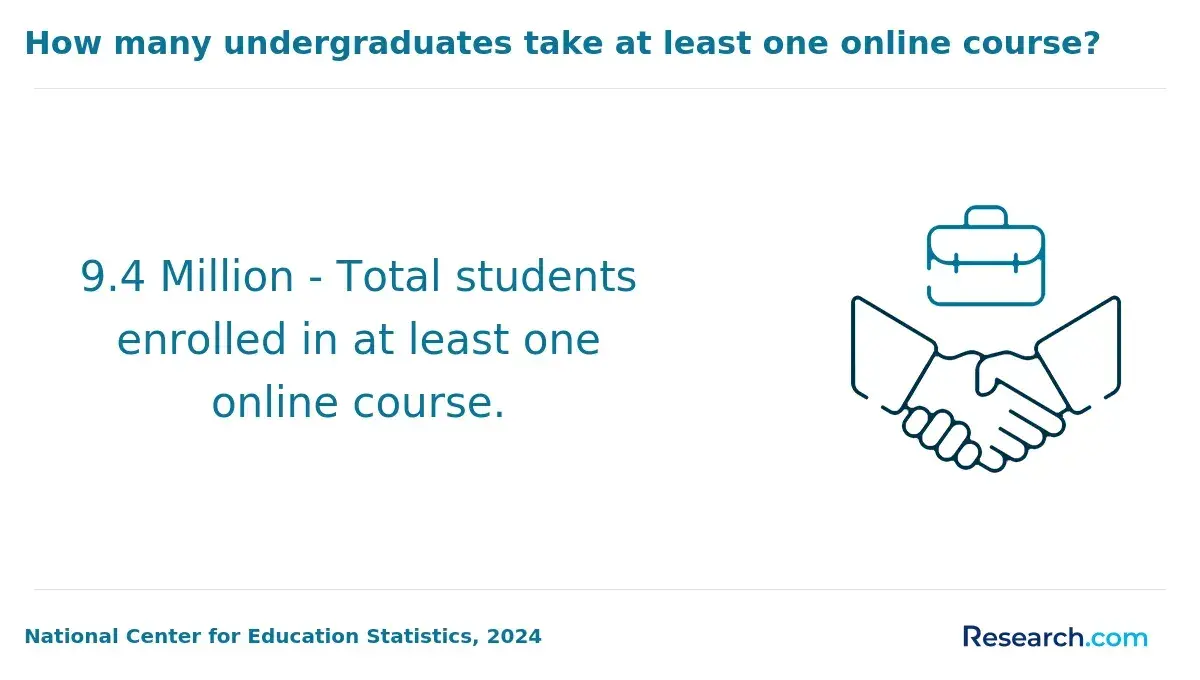
Choosing between online and campus-based bioinformatics degrees significantly affects students' schedules, learning style, and career readiness. Recent data shows that more than 30% of U.S. higher education students take at least one online course, highlighting the growing popularity of digital learning. Below is a comparison highlighting key factors to consider.
Online Bioinformatics Degrees
- Flexibility: Offers the ability to study around work and family commitments, making it ideal for those needing adaptable schedules.
- Resource Accessibility: Provides wide access to digital learning materials and recorded lectures that students can revisit at their own pace.
- Limited Networking: Reduced opportunities for face-to-face interaction can hinder spontaneous collaboration and building professional connections.
- Self-Motivation Required: Students must manage their time and seek help proactively, which can be challenging without in-person support.
Campus-Based Bioinformatics Degrees
- Immersive Learning: Offers direct access to instructors, labs, and hands-on experiences vital for mastering complex bioinformatics techniques.
- Stronger Networking: Facilitates real-time discussions and connections with peers and faculty, enhancing collaborative skills.
- Less Schedule Flexibility: Requires physical presence that may conflict with jobs or family responsibilities.
- Higher Costs: Additional expenses such as commuting and housing can increase the overall cost of the program.
When discussing the question "What Are the Pros and Cons of Online vs Campus-Based Bioinformatics Degrees?" with a graduate who completed an online program, he shared his experience balancing full-time work with study. "I spent weeks comparing programs, focusing on which offered strong faculty support and practical projects online," he said. "The toughest part was staying disciplined without daily campus routines, but having recordings meant I never missed critical content."
He also noted feeling somewhat isolated during group projects but appreciated the ability to tailor study times around his job. His journey underscores how weighing personal circumstances and learning preferences is essential in making the right choice.
How Do GPA Requirements Vary Among Bioinformatics Degree Programs?
GPA requirements are a key factor to consider when evaluating bioinformatics degree programs, as they often reflect a program's competitiveness and admission standards. The following points outline how GPA expectations can differ and what this means for applicants.
- Variability Among Programs: Some bioinformatics programs require a minimum GPA usually around 3.0 on a 4.0 scale, while others may have lower or no strict cutoffs. This range highlights different levels of selectivity depending on the institution.
- Flexibility in Evaluation: Several programs offer flexibility by considering applicants who fall below the minimum GPA if they demonstrate strengths in areas such as research or relevant professional experience, allowing a more nuanced review process.
- Holistic Admissions: Many programs adopt a comprehensive approach, weighing letters of recommendation, technical skills, and research background alongside GPA to assess a candidate's overall potential rather than relying solely on academic metrics.
- Contextual Consideration: Admissions committees may take into account the rigor of an applicant's undergraduate institution or personal circumstances, recognizing that GPA does not always fully capture a candidate's abilities or potential.
Evaluating these aspects allows prospective students to identify programs that align better with their academic record and broader qualifications, supporting a more strategic application approach.
How Can You Compare Tuition Across Bioinformatics Degree Programs?
Comparing tuition is a crucial step for prospective students seeking bioinformatics degrees, given the wide variation in costs and financial support options. The average graduate student debt for advanced degrees recently surpassed $71,000, emphasizing the importance of assessing all financial aspects before committing. Here are key factors to consider when evaluating tuition and expenses across bioinformatics programs:
- Total Program Cost: Look beyond the base tuition to include mandatory fees, course materials, and any additional charges such as lab or technology fees. This comprehensive view reveals the true financial commitment.
- Cost Per Credit: Understanding the price per credit hour helps especially if you plan to study part-time or transfer credits. Programs with lower per-credit costs can be more flexible and affordable depending on your schedule.
- Financial Aid Availability: Scholarships, grants, and assistantships can significantly lower out-of-pocket expenses. Investigating what types of aid each program offers is essential to managing overall costs.
- Employer Tuition Benefits: For working professionals, assessing whether your employer supports tuition reimbursement can make programs more accessible, effectively reducing net expenses.
- Long-Term Value: Consider the balance between program cost and your potential career earnings post-graduation. Higher tuition may be justified by stronger job placement rates or salary growth.
When I asked a bioinformatics graduate about her experience comparing tuition, she reflected on how overwhelming the choices initially were. "It wasn't just about the sticker price," she said, "I spent weeks juggling spreadsheets with fees, aid offers, and employer benefits to see which made the most financial sense."
She admitted that understanding hidden fees and potential financial aid options changed her perspective. "In the end, I realized the lowest tuition wasn't always the cheapest overall." This thorough approach gave her confidence in selecting a program aligned with both her budget and career goals, a strategy she now recommends to others entering this field.
Does a Bioinformatics Degree Meet Licensure Requirements?
Aligning a bioinformatics degree with licensure requirements is crucial for students entering regulated fields or shifting careers, ensuring compliance with professional standards. Nearly 20% of U.S. jobs necessitate licensure, highlighting the importance of confirming credential eligibility before committing. Consider these factors when comparing programs:
- Curriculum Alignment: Check that courses address state-specific licensure mandates and cover necessary clinical and regulatory competencies relevant to your target profession.
- Accreditation Status: Programs accredited by recognized agencies improve eligibility for certification exams and state licensure, making this a key criterion in selection.
- State Licensure Requirements: These can vary widely; verifying your state's specific criteria ensures the degree supports your professional licensing goals.
- Supervised Practical Experience: Many licensure pathways require hands-on training; programs integrating such experiences provide essential preparation and meet regulatory prerequisites.
- Exam Eligibility: Confirm that graduating from the program qualifies you to sit for professional certification or licensure exams needed in your chosen bioinformatics career.
Because licensure rules differ across states and specialties, students should thoroughly research program specifics and consult relevant licensing authorities before enrolling.
Which Bioinformatics Programs Have the Best Career Placement Rates?
Career placement rates provide a clear measure of how effectively bioinformatics degree programs prepare graduates to enter the workforce. Many top bioinformatics graduate programs with high employment outcomes report placement rates exceeding 85% within six months of graduation. Below are key factors prospective students should consider when evaluating these rates.
- Employer Partnerships: Strong collaborations with industry leaders often yield direct hiring pathways or exclusive internships. Programs that cultivate such partnerships enhance student access to job opportunities and insider connections.
- Internship Pipelines: Practical experience gained through internships is vital for building relevant skills. Robust internship pipelines allow students to develop networks and increase their employability by working on real-world projects.
- Alumni Outcomes: Transparent tracking of where graduates work and their career progression offers insight into long-term success. Schools showcasing diverse job titles and sectors help prospective students assess alignment with their goals.
- Program Support Services: Career counseling, resume workshops, and job fairs contribute significantly to graduate employment. Programs that invest in these services provide essential guidance and preparation during the job search process.
Students interested in bioinformatics programs should carefully weigh these elements to maximize their post-graduate opportunities. Additionally, for those comparing options across fields and considering budget and scheduling factors, exploring resources like the cheapest online acute care nurse practitioner programs can offer valuable insights into affordable and flexible educational paths.
How Do Salaries Compare Across Bioinformatics Degree Program Graduates?
Post-graduation salary outcomes are a crucial comparison metric for prospective students evaluating bioinformatics degree programs because they provide insight into the financial value and career potential of their education. On average, bioinformatics program graduates in the U.S. earn between $60,000 and $110,000 annually, reflecting variations across multiple key factors.
The following points highlight how salaries compare by different criteria:
- Role: Salary ranges differ notably by job function. Positions in data analysis, computational biology, and research science have varying pay scales, with specialized roles in pharmaceutical companies typically offering higher compensation than academic research positions.
- Industry: Graduates employed in biotech and healthcare sectors generally receive higher wages compared to those in government or academic settings, reflecting industry demand and budget variations.
- Location: Metropolitan areas with robust biotech industries-such as San Francisco, Boston, and Seattle-tend to provide significantly higher salaries than less urban areas, due to local market competition and cost of living.
- Experience Level: Entry-level bioinformatics professionals often start at about $60,000, while those with five to ten years of experience commonly earn over $100,000 annually, demonstrating substantial growth potential within the field.
Comparing how bioinformatics degree salary outcomes vary by program and region helps students choose paths aligned with their financial and professional goals. For those balancing budget considerations, exploring the cheapest online DNP programs can provide additional context for making informed decisions in graduate education.
What Graduates Say About Comparing Bioinformatics Degree Programs Effectively
- Kinley: "Before enrolling in the bioinformatics program, I was juggling between traditional biology and computer science courses, unsure which path would offer the best career prospects. The affordability of this degree, with its average attendance cost much lower than typical medical or tech degrees, was a decisive factor for me. Finishing the program opened doors to advanced research positions where I now apply interdisciplinary skills daily, making it a truly rewarding investment. "
- Brooke: "Choosing to study bioinformatics was a reflective decision after weighing the rising expenses of specialized STEM programs. The relatively moderate cost compared to other scientific degrees allowed me to pursue my passion without overwhelming debt. Today, the credential has proven invaluable in my role within pharmaceutical data analytics, greatly enhancing my professional credibility and opportunities. "
- Martha: "The path to a career in bioinformatics wasn't initially clear, especially with the high fees associated with many technical degrees. The cost-effectiveness of this particular bioinformatics degree program made the decision easier, balancing quality education with financial pragmatism. Completing the degree significantly boosted my expertise, leading to a senior analyst position where I integrate biology and computing to solve critical health problems. "
Other Things You Should Know About Bioinformatics Degrees
Faculty expertise is crucial when evaluating bioinformatics programs because instructors with active research experience can provide deeper insights and up-to-date knowledge. Look for programs where faculty members have published in respected journals or worked in both computational biology and practical applications. This blend equips students with a well-rounded understanding and better networking opportunities.
To assess the quality of a bioinformatics degree program in 2027, evaluate faculty credentials, research facilities, industry partnerships, and curriculum relevance to current bioinformatics advancements. Also, check alumni success and program accreditation for comprehensive insight.
In 2027, the importance of research opportunities in bioinformatics degree programs is determined by factors such as access to cutting-edge technology, partnerships with research institutions, and opportunities for publication in scientific journals. These elements contribute to practical experience and can enhance employability after graduation.
A program's reputation often reflects the quality of its curriculum and faculty, influencing employers' perceptions. Strong alumni networks can facilitate job placements, internships, and collaborations in bioinformatics-related industries. Investigating alumni career trajectories and the program's connections within the biotech sector helps assess long-term benefits.
References
- Best Bioinformatics / Biotechnology Colleges https://www.collegetuitioncompare.com/best-schools/bioinformatics-biotechnology/
- INFORMATION FOR STUDENTS OF BIOINFORMATICS, FIRST-CYCLE PROGRAMME https://www.mimuw.edu.pl/en/student-guide-abridged-version/information-for-students-of-bioinformatics-first-cycle-programme/
- Education in Europe https://bioinformatics.org/wiki/Education_in_Europe
- Bioinformatician Salary Insights | ValidGrad https://validgrad.com/blog/bioinformatician-salary/
- What is Bioinformatics? | MDS@Rice https://csweb.rice.edu/academics/graduate-programs/online-mds/blog/data-science-bioinformatics
- The Bioinformaticians Salary Report | Udacity https://www.udacity.com/blog/2020/05/the-bioinformaticians-salary-report.html
- Best Bioinformatics Bachelor’s Degree Programs, Jobs, and Salaries https://careerkarma.com/blog/best-bioinformatics-bachelors-degrees/
- Bioinformatics Scientist - Degree, Career, Responsibilities & Salary https://www.healthcaredegree.com/lab/bioinformatics-scientist
- Bioinformatics specialists:Requirements https://law-umaryland.vault.com/professions/bioinformatics-specialists/requirements
- Dr. Omics Education; https://dromicsedu.com/blog-details/essential-certifications-for-bioinformatics-professionals


