
2027 Project Management Degree Careers Ranked by Salary, Growth, and Work-Life Balance

Co-Founder and Chief Data Scientist
Choosing a career path with a project management degree often presents a challenge-how to balance salary expectations, growth potential, and work-life harmony. Many graduates and professionals find it difficult to pinpoint roles that satisfy all three criteria simultaneously. According to the U. S. Bureau of Labor Statistics, employment of project management-related occupations is projected to grow 7% from 2022 to 2032, faster than average for all occupations. This article analyzes diverse careers for project management graduates-ranking them by salary, job growth, and lifestyle compatibility-to guide readers toward well-rounded, informed career decisions aligned with their priorities.
Key Things to Know About Project Management Degree Careers Ranked by Salary, Growth, and Work-Life Balance
- Project management careers show median salaries from $70,000 to $120,000 annually-higher earnings often correlate with specialized industries like IT and construction.
- Employment growth in project management roles is projected at 8% through 2030-faster than average-reflecting rising demand across sectors.
- Work-life balance varies widely-roles in consulting may demand long hours while government project management often provides more predictable schedules and autonomy.
How Are Project Management Degree Careers Evaluated and Ranked Across Salary, Growth, and Work-Life Balance?
Evaluating project management degree careers depends on a balanced framework that equally weighs salary, career growth, and work-life balance-creating a more complete picture of career quality than compensation alone. This three-pillar approach recognizes that a satisfying career is not only about earning potential but also about advancement opportunities and maintaining a sustainable lifestyle.
- Salary: Median salary figures come from the U.S. Bureau of Labor Statistics (BLS) Occupational Employment and Wage Statistics, providing an accurate snapshot of typical earnings across diverse project management roles in various industries and regions.
- Growth: Career growth is based on BLS ten-year employment projections, which forecast the demand for project management professionals and indicate which fields offer stronger job stability and opportunities over time.
- Work-Life Balance: This pillar draws on composite data from sources including the American Time Use Survey, Glassdoor employee reviews, and industry-specific workforce satisfaction surveys. These data points assess factors such as weekly hours worked, flexibility, overall stress, and job satisfaction-essential insights for comparing quality of life across project management careers in the USA.
These rankings serve primarily as a decision-making tool rather than a rigid hierarchy, acknowledging that individuals may prioritize flexibility, meaningful work, or income differently. For example, some may value better work-life balance above salary, guiding them to distinct career paths.
The following analysis explores five prominent project management careers often chosen by recent graduates and mid-career professionals:
- IT project management: Leading technology-focused initiatives with fast job growth and competitive salaries.
- Construction project management: Managing building projects that combine steady demand with hands-on work environments.
- Healthcare project management: Coordinating health services offering strong growth and meaningful societal impact.
- Engineering project management: Overseeing complex technical projects characterized by robust salary potential.
- Business project management: Navigating strategic and operational roles providing diverse opportunities and notable work-life balance considerations.
For those considering further education to advance in these fields, exploring the cheapest online MBA programs can provide cost-effective options to enhance career prospects in project management degree career salary growth comparison and work-life balance evaluation in project management careers USA.
Which Project Management Degree Career Paths Offer the Highest Starting and Mid-Career Salaries?
Data from the BLS Occupational Employment and Wage Statistics combined with NACE's annual salary survey highlight the highest paying project management degree jobs in the United States by median salaries at entry-level and mid-career stages. This analysis reveals compensation trends shaped by industry demand, required expertise, and organizational context-all crucial for understanding the full career trajectory.
- Construction Project Manager: Starting salaries usually range from $60,000 to $70,000, growing to $110,000-$130,000 mid-career. This premium pay reflects the complexity and financial stakes of large infrastructure projects, alongside strong barriers to entry such as technical expertise and PMP or CCM certifications. The shortage of qualified leaders boosts demand and salaries.
- Information Technology (IT) Project Manager: Entry-level salaries typically fall between $65,000 and $75,000, increasing to $120,000-$140,000 with experience. The accelerating pace of technology and digital transformation initiatives underpin high compensation, particularly in private tech firms and large enterprises delivering critical software and hardware projects.
- Healthcare Project Manager: Median starting pay ranges from $55,000 to $65,000, rising to $100,000-$120,000 mid-career. Specialized knowledge of compliance and patient safety limits qualified candidates, driving higher wages in healthcare systems and pharmaceutical companies.
- Engineering Project Manager: Salaries begin between $60,000 and $70,000, escalating to $110,000-$130,000+. Technical expertise combined with leadership across engineering design, manufacturing, or R&D commands higher pay, especially in large corporations and critical infrastructure sectors.
- Financial Services Project Manager: New graduates start near $60,000, advancing to $115,000+ mid-career. The complexity of regulatory and IT modernization projects within banking and insurance elevates compensation, especially in major financial centers.
Regional salary variation is substantial, with coastal metros and industry hubs offering the most competitive pay. Larger organizations tend to provide stronger salary growth and bonuses compared to smaller firms or the public sector, where benefits like work-life balance or job security may compensate.
For professionals considering mid career salary growth for project management degree holders, understanding geographic and organizational influences is key. For those exploring executive education options to enhance their career prospects, specialized eMBA programs can offer valuable skills and networks aligned with these top-paying career paths.
What Do the Bureau of Labor Statistics Job Growth Projections Reveal About the Future of Project Management Degree Careers?
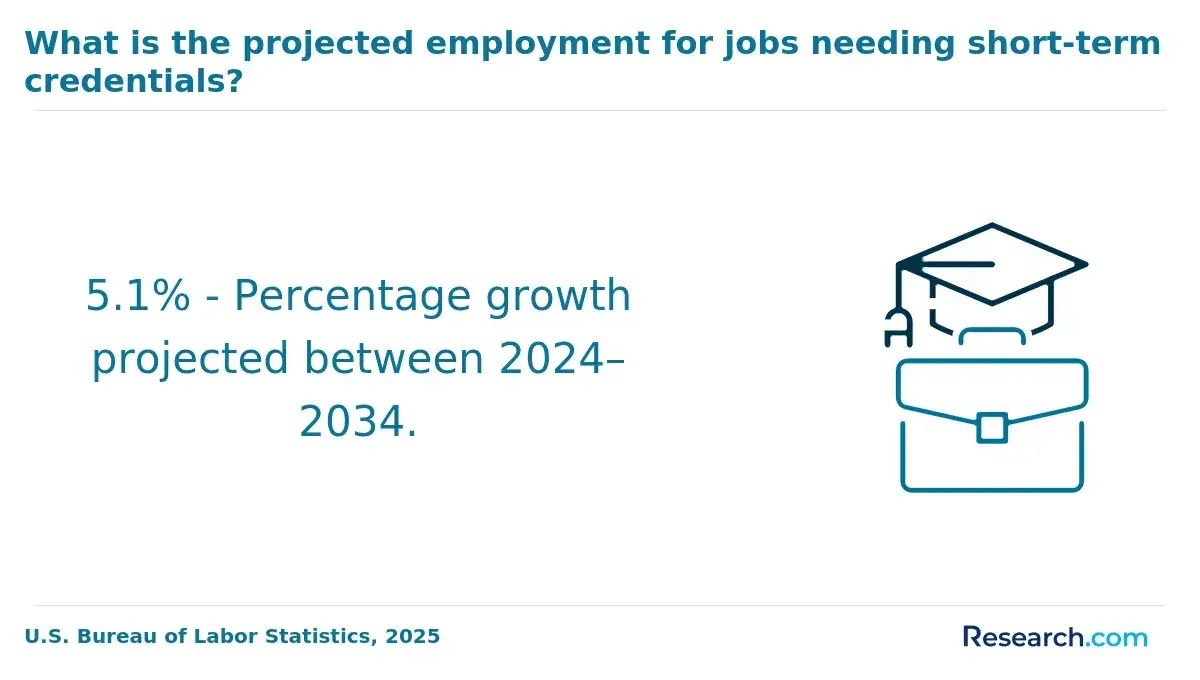
The Bureau of Labor Statistics (BLS) projects distinct growth patterns across career paths for project management graduates, with some fields expanding faster than others. Nationally, the average growth rate for all occupations from 2022 to 2032 is about 5%, serving as a benchmark to evaluate specific sectors.
- Technology Project Management: This area is poised for significant growth, often surpassing 10%, fueled by rapid adoption of new technologies and widespread digital transformation. The increasing complexity of software and IT projects demands skilled project managers, making this a vibrant career path.
- Healthcare Project Management: Growth around 8-9% reflects rising needs due to an aging population and ongoing investments to modernize health systems and infrastructure.
- Construction Project Management: While somewhat influenced by market cycles, this sector should see growth close to the national average. Ongoing urban development, renewable energy projects, and infrastructure upgrades support steady demand, though opportunities may vary regionally.
- Manufacturing and Operations Management: Automation and offshoring contribute to flat or slow growth in these roles. Professionals are advised to shift focus toward emerging specialties like supply chain digitization or sustainable practices to remain competitive.
- Government and Public Sector Projects: Project management roles in federal and state agencies generally maintain stable growth aligned with overall averages, contingent upon budget allocations for public infrastructure, defense, and IT modernization.
It is important to remember that these projections are national averages and can mask considerable differences by region and industry. Local economic climates and sector trends will play a key role in shaping individual career prospects.
How Is Work-Life Balance Defined and Measured Across Project Management Degree Career Paths?
Work-life balance encompasses various measurable factors that illustrate how professionals manage both job demands and personal time. This article evaluates balance in project management careers across specific metrics-average weekly hours worked, schedule predictability, availability of remote or hybrid options, standard paid time off, and employee satisfaction ratings from sources like Glassdoor, Indeed, and Payscale. Such quantifiable indicators offer clarity on work-life integration in US project management roles.
Distinct career paths reveal differing profiles. Construction project managers typically exceed 45 weekly hours with less predictable schedules due to on-site responsibilities. In contrast, IT project managers often enjoy flexible remote or hybrid arrangements and more consistent work hours, reflected in elevated satisfaction scores. Paid time off policies vary widely-public sector roles usually offer more generous benefits than private sector counterparts. These patterns emerge from data including the BLS American Time Use Survey and workforce studies.
Work-life balance also shifts by employer type, sector, and experience level. Early-career professionals in competitive fields like technology may face heavier workloads and limited flexibility as they build their reputation. However, mid-career project managers generally secure better schedule control and enhanced benefits, improving their overall balance.
Recognizing this dynamic enables individuals to actively shape their career trajectories.
- Hours Worked: Typically 35 to 50+ hours weekly, varying by field and employer.
- Schedule Predictability: More stable in corporate and IT roles; less so in construction or manufacturing.
- Remote/Hybrid Availability: Predominant in tech and consulting project management positions.
- Paid Time Off: More favorable in government and nonprofit sectors.
- Employee Satisfaction: Positively linked to flexible schedules and PTO, as shown in employee reviews.
By deliberately choosing employers, negotiating terms, and making informed career moves, project management professionals can treat work-life balance as an evolving aspect of their professional development rather than a fixed attribute. For those exploring options, considering programs such as a 2 year construction management degree online can help align education with desired balance outcomes.
Which Project Management Career Paths Rank Highest When Salary, Growth, and Work-Life Balance Are Weighted Together?
Balancing salary, growth potential, and work-life harmony reveals several top careers for project management graduates. When all three factors carry equal weight, seven paths stand out for offering a well-rounded professional experience.
- IT Project Manager: Combines above-average pay with strong job growth and flexible work environments, making it a frequent top choice for those valuing both income and lifestyle.
- Construction Project Manager: Attracts high salaries and promising career expansion due to ongoing infrastructure needs, though work hours can be demanding because of on-site responsibilities.
- Healthcare Project Manager: Though salaries may trail IT and construction, this role excels in growth and work-life balance, reflecting the stability and expanding demand in healthcare sectors.
- Engineering Project Manager: Offers solid compensation and steady growth, with work-life balance generally manageable in established firms.
- Marketing Project Manager: Provides moderate earnings but excels in schedule flexibility and growth especially in digital marketing, appealing to those prioritizing lifestyle alongside career progress.
- Financial Services Project Manager: Rewards with competitive pay and consistent advancement, though work-life balance may fluctuate around financial reporting cycles.
- Environmental Project Manager: Pays less but scores highly on growth and especially on work-life balance, attracting professionals drawn to mission-driven, sustainable projects.
The composite rankings reflect how some careers with lower pay but higher balance and growth can outrank higher-paying yet more demanding roles. Readers should consider adjusting these weights depending on their personal priorities-those focused on income may favor IT and financial services, while those valuing balance might lean toward healthcare or environmental management.
How Does Specialization Within Project Management Fields Affect Salary, Career Growth, and Work-Life Balance Outcomes?
The choice to specialize within project management impacts salary levels, career advancement, and work-life balance-three critical factors for long-term success. Data from the U.S. Bureau of Labor Statistics and professional surveys reveal that focusing on certain fields often leads to higher pay but may require compromises in lifestyle or growth flexibility.
- Construction Project Management: This field offers salaries above the median due to the scale and complexity of projects, supported by steady infrastructure development. Yet, extended hours on job sites frequently challenge practitioners' work-life balance.
- IT Project Management: Driven by fast-paced digital transformation, IT project managers earn some of the top salaries with strong growth projections. Early certifications like PMP and Agile are crucial. Remote work is more common here, improving balance, though deadline pressures persist.
- Healthcare Project Management: Careers in healthcare project management bring solid growth and more predictable working hours compared to construction or IT, with competitive but typically lower salaries than IT. Graduate-level healthcare administration coursework can ease entry.
- Engineering Project Management: Merging technical skills with project leadership, this specialization provides above-average pay and moderate growth. Work-life balance varies widely depending on employer demands and critical project phases.
- Environmental Project Management: A niche sector expanding alongside sustainability efforts, it offers moderate pay and slower growth but exceptional lifestyle quality. Foundational experience in environmental science and relevant certifications support specialization.
Early specialization decisions compound over the career, often producing higher salary ceilings within a niche yet sometimes limiting advancement beyond mid-level roles. Conversely, generalists with broad, cross-industry capabilities may surpass specialists at senior executive ranks.
As reported by the Project Management Institute, 87% of organizations prioritize project managers with cross-functional expertise for leadership positions, highlighting the increasing demand for versatility alongside specialized knowledge.
How Does Geographic Location Shape Salary, Job Growth, and Work-Life Balance for Project Management Graduates?
The impact of geographic location on salary, job growth, and work-life balance for Project Management graduates varies widely across U.S. regions and metropolitan areas according to BLS sub-national Occupational Employment and Wage Statistics and state workforce development data. Mapping these factors helps graduates tailor career decisions to align with financial goals and lifestyle preferences.
- Northeast: Offers some of the highest median salaries in metropolitan hubs such as New York City and Boston. However, high living costs and housing prices often reduce real purchasing power despite strong opportunities in finance, technology, and healthcare.
- Southeast: Known for affordable living with moderate salaries and higher employment growth rates in tech centers like Atlanta and Miami. The region tends to provide better work-life balance, benefiting those who value shorter commutes and warmer climates.
- Midwest: Cities like Chicago and Minneapolis provide balanced salaries and steady job growth, especially in manufacturing, healthcare, and IT. Generally lower living expenses yield stronger overall financial outcomes and consistent work-life balance.
- Southwest: Dallas and Phoenix offer competitive salaries alongside low living costs. The region's strong job growth stems from energy, aerospace, and tech industries, with varied but often favorable work-life conditions in less congested urban and suburban areas.
- West: The West Coast, including San Francisco, Seattle, and Los Angeles, commands some of the highest salaries in Project Management, notably in technology and entertainment. Yet, these come with exorbitant living costs. Increasing remote work has allowed some professionals to earn West Coast wages while living in more affordable locations, enhancing lifestyle flexibility.
Metropolitan areas typically provide higher salaries and job opportunities but often face longer commutes and inflated housing costs. Mid-tier markets can yield superior purchasing power when total expenses-housing, taxes, living costs-are considered.
The rise of remote and hybrid work models is reshaping traditional salary-location links by allowing Project Management specialists to earn wages aligned with high-cost markets from more affordable regions. This shift broadens career planning, helping graduates balance salary, job growth, and work-life priorities based on individual needs such as community, commute, and family proximity.
How Do Public Sector and Private Sector Project Management Careers Compare Across All Three Ranking Dimensions?
The comparison between public sector vs private sector project management careers in the United States reveals notable differences in salary, growth, and work-life balance that impact career decisions for graduates and professionals alike.
- Salary: Private sector roles typically offer higher base salaries at entry, mid, and senior levels-often 15-25% above public sector pay at entry level. This gap expands at senior levels where bonuses and profit-sharing increase total compensation substantially. However, when factoring in total rewards, public sector advantages such as defined-benefit pensions, loan forgiveness programs, and superior health coverage narrow this disparity significantly. These benefits contribute lifelong financial stability, making public sector compensation competitive in overall value despite lower direct salary.
- Growth: Hiring demand in public sector project management remains strong, particularly within agencies focused on infrastructure, healthcare, and technology modernization. Federal and state government initiatives continue to drive recruitment of project management graduates aligned with public policy priorities. In contrast, private sector growth is concentrated in dynamic industries such as technology, finance, and construction, where rapid innovation fuels hiring but also introduces variability tied to economic cycles. Both sectors offer advancement opportunities, with the public sector emphasizing steady growth linked to policy goals and the private sector focusing on scaling in emerging markets.
- Work-Life Balance: Public sector project managers generally report higher satisfaction with work-life balance due to more predictable schedules, generous leave policies, and stronger protections against mandatory overtime. Surveys highlight flexible hours and job security as key factors contributing to employee well-being. Private sector roles may entail longer hours and tighter deadlines, especially in competitive industries, although some companies invest heavily in wellness and flexible arrangements. Balance varies within each sector by role, agency, and career stage, but the public sector typically provides a more stable environment conducive to maintaining life quality.
Those considering Career paths with project management degrees can deepen their options by exploring resources for the most affordable online MBA programs no GMAT, which often enhance qualifications and career mobility in both sectors.
What Role Do Advanced Degrees and Certifications Play in Improving Salary, Growth, and Balance for Project Management Professionals?
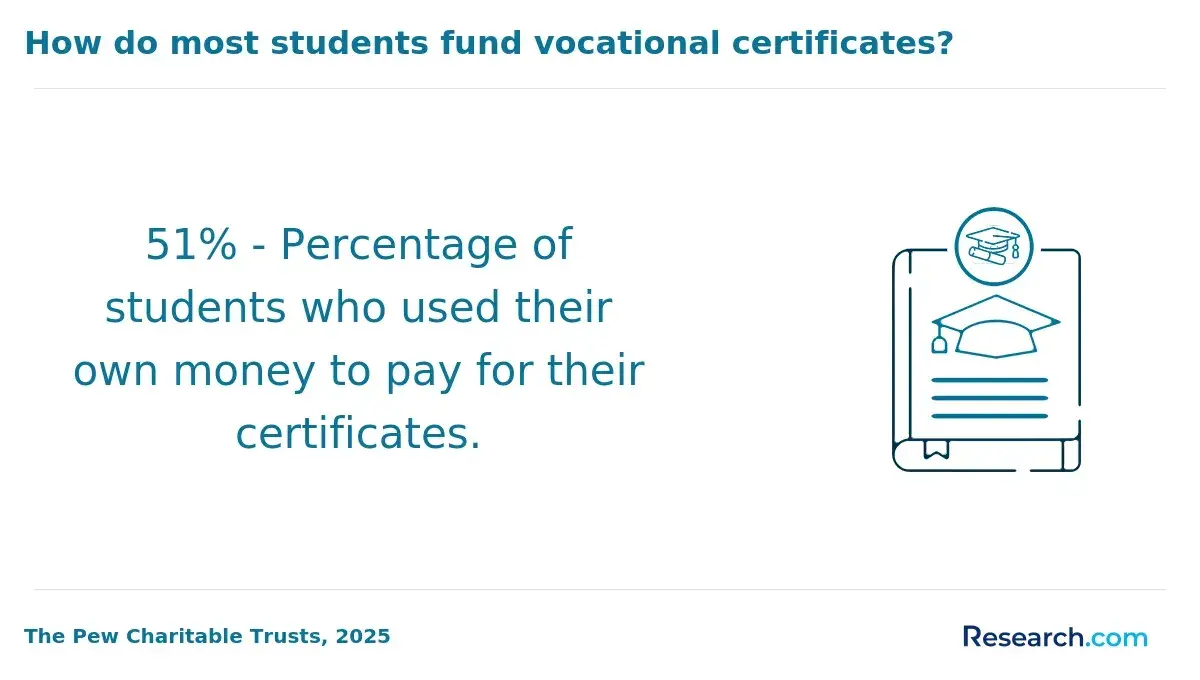
Advanced degrees and certifications significantly impact project management salary and growth by influencing key factors such as earnings, career acceleration, and work-life balance. According to data from the National Association of Colleges and Employers (NACE), holding a master's degree in project management or related fields typically yields a salary premium of 15-25% above the bachelor's baseline.
Doctoral degrees open pathways to senior research or strategic leadership positions commanding even higher compensation, though the investment is substantial-often requiring 3-6 years and considerable financial resources. These advanced credentials accelerate career growth by qualifying professionals for roles unavailable without such qualifications.
Professional certifications from bodies like the Project Management Institute (PMI) provide focused benefits related to salary and role advancement. For example, the Project Management Professional (PMP) credential often adds a 20% salary boost and grants access to senior management roles with greater authority. The Certified Associate in Project Management (CAPM) suits entry-level professionals, offering growth potential but smaller immediate salary impacts.
The Program Management Professional (PgMP) targets executives overseeing multiple projects, with premiums exceeding 30%, though these positions typically involve higher stress and longer hours. These certifications directly improve work-life balance for some by enabling roles with autonomy and flexible schedules, while others lead to high-pressure environments where balance declines despite pay increases.
Considering advanced degrees impact on project management salary and growth requires evaluating each credential as a return-on-investment choice rather than purely academic achievement. Matching credentials to specific career goals avoids unnecessary accumulation and better aligns with lifestyle preferences.
For those balancing educational aspirations with practical concerns, options like online colleges that accept 2.0 GPA can provide accessible pathways without compromising credential quality. Certifications improving work-life balance in project management careers reflect how strategic investments in credentials create varied career trajectories, and successful professionals prioritize those fitting their unique ambitions.
How Do Remote and Hybrid Work Arrangements Affect the Salary, Growth, and Work-Life Balance Rankings for Project Management Careers?
The availability of remote and hybrid roles varies widely across major Project Management career paths. According to Owl Labs' 2023 State of Remote Work report, about 58% of Project Management professionals have options for remote or hybrid arrangements. IT and software project managers experience the greatest flexibility, often working remotely or in hybrid setups.
In contrast, fields like construction and manufacturing usually demand consistent onsite presence due to the nature of their projects.
- Salary: Remote Project Management roles generally offer salaries on par with traditional in-person positions. In some sectors, remote roles carry a premium reflecting specialized expertise. Geographic arbitrage allows many remote workers to earn competitive salaries while residing in lower-cost regions, increasing their effective income. However, companies that enforce location-based pay scales may reduce salaries for remote workers outside primary urban markets.
- Career Growth: Promotion pace can be slower for remote project managers in industries less accustomed to distributed work because of limited visibility and networking challenges. Conversely, technology-driven sectors now often have normalized remote collaboration, enabling steady career advancement independent of work location.
- Work-Life Balance: Remote work significantly improves work-life balance by eliminating commutes and offering flexible hours, especially beneficial for those with caregiving duties or lengthy travel. Yet, blurred boundaries and expectations to remain constantly accessible create challenges. Individual personality and home workspace setup play critical roles in determining whether remote work leads to better or worse balance.
LinkedIn Workforce Insights reports a 25% yearly rise in hybrid project management job posts, highlighting the growing normalization of flexible work models across the profession.
Which Project Management Degree Careers Offer the Best Work-Life Balance Without Significantly Sacrificing Salary or Growth?
Several project management career paths stand out for offering strong compensation, promising growth, and work-life balance without significant compromises. These roles rank highly across salary, advancement opportunities, and employee satisfaction according to Glassdoor, PayScale's Work-Life Balance Index, and the BLS American Time Use Survey.
- IT Project Manager: Typically employed in technology companies or corporate IT departments, IT project managers benefit from flexible hours and widespread remote work. The ongoing digital transformation fuels demand, supporting steady salary increases and a balanced work environment. Agile work methodologies and support for telecommuting give employees control over their schedules. While deadlines may impose occasional pressure, many report manageable overtime and positive workplace culture.
- Healthcare Project Manager: Operating in hospitals, clinics, or health technology firms, healthcare project managers combine impactful projects with predictable routines. Continued investment in healthcare infrastructure drives upward salary trends and job security. Structured processes and collaborative teams help minimize unpredictable work hours.
- Construction Project Manager: Contrary to some assumptions, those working for large construction firms often enjoy balanced workloads supported by clear project timelines. Physically active roles sometimes reduce after-hours demands while maintaining competitive pay. Seasonal fluctuations exist but are offset by advances in scheduling software.
Personal experiences with work-life balance vary widely based on company culture, leadership, and individual limits. These rankings should guide employer evaluation rather than guarantee lifestyle outcomes. A 2023 Glassdoor report notes that 65% of project management professionals consider their work-life balance above average, reflecting increased emphasis on this critical factor.
What Graduates Say About the Project Management Degree Careers Ranked by Salary, Growth, and Work-Life Balance
- Dante: "Choosing a project management degree was one of the best decisions I made for my career. The salary potential is very competitive, especially as you gain experience, which motivated me to push through the challenging coursework. What really stands out is the long-term career growth-there seems to be a constant demand for skilled project managers across industries, which gives great job security and opportunities to advance."
- Collin: "Reflecting on my journey with project management, I find the day-to-day work-life balance to be surprisingly manageable compared to other fast-paced fields. While the salary is solid, what truly impressed me was how much my skills opened doors for leadership roles over time. It requires a lot of coordination and adaptability, but it's rewarding to see projects come together on schedule and within budget."
- Dylan: "From a professional standpoint, the long-term growth prospects in project management make it a wise career choice. Starting salaries offered a decent foundation, but the real value is in how the role evolves-project management allows you to sharpen strategic thinking while maintaining a steady routine. Balancing client expectations with team needs became a fulfilling daily challenge that keeps me motivated."
Other Things You Should Know About Project Management Degrees
In 2027, project management professionals report varying levels of salary satisfaction depending on experience and industry. Career advancement opportunities are generally strong, with many noting clear paths for progression. Work-life balance tends to be favorable but can be industry-dependent, with tech and finance demanding more time commitment compared to other sectors.
Industry sector plays a crucial role in shaping salaries, growth rates, and work-life balance for project management professionals. For example, technology and construction sectors often offer higher salaries and faster career progression but may demand longer hours. In contrast, sectors like education or non-profits might provide better work-life balance but with comparatively modest pay and slower growth.
References
- Indicator: Hybrid Work https://www.gallup.com/401384/indicator-hybrid-work.aspx
- PMP average salary - how much do PMP holders make? https://ppi2pass.com/resources/project-management-professional/pmp-certification-salary
- Why Getting PMP Certified Is Worth Your Time and Money in 2025 https://agileseekers.com/blog/why-getting-pmp-certified-is-worth-your-time-money
- 8 Reasons to Consider a Career in Project Management in 2025 https://www.psohub.com/blog/8-reasons-to-consider-a-career-in-project-management-in-2025
- Is Project Management a Good Degree? | CSU Global https://csuglobal.edu/blog/is-project-management-actually-a-good-degree
- Public versus private https://www.apm.org.uk/blog/public-versus-private/
- A framework for analysing differences between public-sector and other-sector projects https://publicgovernance.pl/zpub/article/view/481
- Best Project Management Career Options: A Complete Guide https://project-management.com/project-management-careers/
- Remote Work and Work-Life Balance 2024: How to Address Employee Demand for Flexible Working | Michael Page Poland https://www.michaelpage.pl/en/advice/management-advice/remote-work-work-life-balance-talent-trends
- Top 6 Reasons How PMP Certification Will Advance Your Career https://www.planacademy.com/top-6-reasons-project-management-professional-certification-will-advance-your-career/


