2027 Reading & Literacy Programs With Placement Support for Practicum or Clinicals

Co-Founder and Chief Data Scientist
Graduate students in reading & literacy programs often face uncertainty when seeking practicum placements-an essential step toward meeting licensing requirements and building professional experience. Placement support quality varies widely, with some programs offering robust partnerships with local schools while others provide limited or generic guidance. Research shows that over 40% of reading & literacy graduate students report placement difficulties that delay their clinical hours and licensure timelines. This variability-often influenced by program format and institution type-can significantly affect career outcomes.
This article explores how to identify and evaluate placement support quality in reading & literacy programs, providing readers with practical tools to make informed decisions.
Key Things to Know About Reading & Literacy Programs With Placement Support for Practicum or Clinicals
- Placement support quality hinges on dedicated faculty partnerships and established local school networks-key for securing meaningful practicum sites that meet accreditation mandates.
- Program formats-online, hybrid, or in-person-and institution types impact placement access and guidance, with traditional universities often offering more robust clinical coordination than solely online providers.
- Strong placement infrastructure directly influences licensure readiness and employment rates-graduates from programs with comprehensive support report 25% higher job placement within six months post-graduation.
What Are Reading & Literacy Programs With Placement Support for Practicum or Clinicals, and Why Do They Matter?
Reading & literacy programs with practicum placement support in the United States distinguish themselves by actively facilitating student access to supervised clinical or practicum experiences essential for licensing readiness. Unlike programs requiring students to independently secure field placements, these offerings broker, vet, and manage partnerships with approved sites-relieving students from the logistical challenges of placement. This structured support aligns with accreditation standards and institutional quality assurance, ensuring that practicum experiences are meaningful and meet professional criteria.
- Placement Facilitation: Programs maintain formal agreements with clinical sites, reducing the burden on students to locate and negotiate practicum opportunities alone.
- Quality Assurance: Institutional oversight evaluates partner sites for ethical standards, rigor, and relevance in hands-on training.
- Student Success: Data from accreditation bodies confirm that students benefiting from supported placements report higher satisfaction, on-time completion, and enhanced preparedness for licensing exams.
- Credential Validity: Documented practicum experiences aligned with professional standards enhance graduate credibility during employer evaluations.
- Career Outcomes: Alumni surveys from graduate literacy programs offering clinical placement assistance for licensing readiness show stronger job placement rates through institutional networks.
- Program Transparency: Reliable programs clearly disclose placement support processes-helping applicants discern genuine infrastructure from marketing claims.
- Advisory Role: Continuous guidance accompanies students from site selection through practicum completion, supporting navigation of challenges.
Industries offering the highest mean and median starting salaries for Reading & Literacy graduates include:
Education: Public and private school systems focusing on literacy instruction and curriculum development.
Healthcare: Clinical settings specializing in speech-language pathology and literacy-based intervention programs.
Nonprofit: Organizations centered on literacy advocacy, community education, and grant-funded interventions.
Government: Agencies involved in educational policy, program evaluation, and literacy research initiatives.
Prospective students evaluating graduate literacy programs should ask about the scope of placement services, established partnerships, and documented student outcomes. Carefully comparing these factors helps ensure steady progress toward licensure and a competitive standing in the job market after graduation. For those considering flexible formats, it is worthwhile to explore options like the online MSW, which may offer comparable placement support suited for place-bound learners.
How Do Reading & Literacy Programs Define Practicum or Clinical Requirements, and What Counts Toward Completion?
Practicum and clinical placement requirements for reading & literacy programs vary widely due to differences in accreditation standards, institutional goals, and state licensing rules-making the criteria for completion of reading & literacy clinical training a crucial consideration for prospective students. Programs typically require a minimum number of supervised clock hours, often ranging from 100 to 300, to ensure adequate hands-on experience. These hours must involve direct, active supervision by qualified professionals, as passive observation alone usually does not count.
- Clock Hours: Accredited programs set baseline hour requirements, but the exact number varies by program. Students should verify these to align expectations.
- Supervised Contact: Time spent teaching, assessing, or intervening under supervision is essential. Observation-only hours generally do not fulfill practicum requirements.
- Site Types: Approved sites often include K-12 schools, literacy centers, or specialized clinics. Robust programs offer placement support to secure sites known for quality supervised practice, avoiding non-approved or volunteer-only settings.
- Competency Outcomes: Completion depends on demonstrating skills such as literacy assessment administration, intervention planning, and adapting instruction to diverse learners, often verified through formal evaluations or reflective portfolios.
- Accreditation Standards: Organizations like the Council for Accreditation of Educator Preparation (CAEP) or the International Literacy Association (ILA) establish minimum field training guidelines. Programs with strong placement infrastructures often exceed these minimums to enhance credential rigor and graduate readiness.
- Exclusions: Hours from observation-only activities, unpaid volunteer work at non-approved sites, or unrelated experiences typically do not count toward clinical training.
- Credential Impact: Programs that define stringent practicum experiences and provide substantial placement support generally award credentials with greater professional credibility and job market value.
Students evaluating programs-especially place-bound or working professionals-should use these insights as a framework to distinguish programs truly equipped with placement infrastructures from those that only mention support superficially. For those exploring career pathways, including those interested in an accelerated psychology bachelor's degree, understanding these requirements is vital to ensuring preparedness for licensing and employment.
What Types of Placement Support Do Reading & Literacy Programs Actually Provide, and How Extensive Is It?
Reading & literacy programs offer a range of practicum placement supports-from passive access to lists of approved sites where students arrange their own experiences to hands-on coordination by dedicated staff who actively manage placements. Active models typically include several core elements:
- Site Identification: Assisting students in finding field sites that meet both curriculum goals and personal preferences-often through established relationships with schools and community organizations.
- Pre-Approved Partner Organizations: Maintaining vetted placement networks to ensure compliance with accreditation and quality standards.
- Student-Site Matching Coordination: Placement coordinators work closely with students to align interests, locations, and schedules, sometimes securing confirmations on their behalf.
- Liability Insurance Coverage: Some programs provide or verify insurance coverage to protect students during practicum hours, which both institutions and host sites often require.
- Supervisor Credentialing: Onsite mentors are ensured to have appropriate professional qualifications for effective guidance and evaluation.
- Placement Monitoring: Ongoing supervision through check-ins or site visits supports student progress and timely resolution of issues.
On-campus programs typically offer more direct support via local offices and personnel, enhancing communication and oversight. Online programs face unique challenges due to geographic dispersion and often rely on broader networks, which may limit consistent monitoring. Researching program disclosures and student services can reveal whether placement support is truly resource-backed or superficially mentioned in admissions materials.
When asked about placement support, a professional who completed his reading & literacy degree recalled feeling overwhelmed initially-facing uncertainty about how to secure a suitable practicum. "My program's coordinator was instrumental," he shared, "she helped narrow options and even confirmed one placement for me, which relieved a major burden. Yet, I still had to navigate insurance paperwork and ensure my supervisors met credentialing requirements. Without that support, I would have struggled much more." His experience underscores that comprehensive placement assistance often makes the difference between confusion and confidence during practicum training.
How Does Placement Support Differ Between Online and On-Campus Reading & Literacy Programs?
On-Campus Placement: Traditional reading and literacy practicum placement support benefits from nearby clinical partners such as local schools and literacy centers. This localized network facilitates smoother in-person coordination, site visits, and ongoing communication between students, faculty, and placement supervisors, which strengthens the training experience.
Online Placement Strategies: Students enrolled in online programs often reside across states or countries, making centralized placement impossible. To overcome this challenge, many programs establish national or regional partnership agreements that widen their practicum options. Regional placement coordinators usually assist by developing connections within students' local areas. Some online programs also use reciprocal partnerships with clinical sites to expand placement availability, thus attempting to mimic the localized networks typical of on-campus formats. These mechanisms help address the key challenges found in online vs on-campus reading and literacy practicum placement support.
Benefits of Online Placement: The broader geographic reach offers flexible opportunities tailored to diverse career goals. Online programs may integrate digital tracking and virtual supervision tools to maintain oversight remotely. This technological adaptation caters well to working professionals or place-bound students evaluating online programs, providing continuity despite distance.
Limitations and Licensing Issues: State licensing reciprocity can limit clinical placement options for students enrolled out-of-state, complicating compliance with certification requirements. Additionally, the often less robust local partnerships of online programs may affect the quality and quantity of placement sites, demanding careful scrutiny from applicants.
Key Questions for Applicants:
- What geographic areas do placement networks cover?
- Are dedicated regional coordinators assigned to assist placements?
- How are state licensing and certification requirements managed across jurisdictions?
- Are there formal agreements with clinical sites at the national or state level?
Asking these questions upfront helps distinguish programs with genuine placement support from those with superficial claims. It ensures alignment with licensing pathways and practical training needs. For related fields, exploring options for game design online programs illustrates how geographic and mode-of-delivery differences influence practicum logistics in other disciplines.
What Accreditation Standards Govern Practicum and Clinical Placement in Reading & Literacy Programs?
Several national and regional accrediting organizations define the standards for practicum and clinical placements in reading & literacy programs, ensuring consistent quality and licensing readiness.
- Council for the Accreditation of Educator Preparation (CAEP): This national body outlines specific requirements such as minimum hours of supervised fieldwork, criteria for qualified site supervisors-who usually must be licensed and trained in mentorship-and ongoing evaluation of candidate performance throughout the practicum.
- Regional Accrediting Agencies: Entities like the Middle States Commission on Higher Education or the Western Association of Schools and Colleges establish broader institutional standards that impact clinical placements indirectly through their oversight of partnerships with local schools and student support services.
- International Dyslexia Association (IDA): For programs emphasizing dyslexia intervention, the IDA's programmatic accreditation introduces specialized criteria focusing on evidence-based instruction and placements at approved sites with structured supervision aligned with these methods, often taking precedence over regional standards.
Practica generally require several hundred hours in authentic educational settings guided by credentialed supervisors who have received training in clinical guidance. Programs maintain site quality via formal agreements and regular monitoring, critical for protecting student learning and meeting licensure prerequisites.
Accredited programs tend to have more robust infrastructure for placement support-including established school partnerships, dedicated placement staff, and compliance with state licensure guidelines-helping to minimize delays or mismatches in clinical site assignments and supporting timely program completion and employment outcomes.
Students should confirm that programs hold up-to-date accreditation from recognized bodies and verify that practicum requirements satisfy their target state's or employer's certification standards to ensure clinical experiences qualify for licensure.
When asked about her experience, a professional who built her career after completing a reading & literacy degree reflected on the placement process: "Coordinating the practicum was daunting-finding a site that met all the program's criteria while fitting my schedule took persistence. My supervisor's expertise and structured feedback were invaluable, giving me confidence before entering the classroom. The program's support in managing paperwork and communications smoothed many hurdles. It wasn't just about completing hours; it was knowing those hours truly prepared me to teach effectively." Her perspective underscores how accreditation-driven standards shape the quality and reliability of practicum experiences.
What Is the Minimum GPA Requirement for Reading & Literacy Program Admission?
Graduate programs in reading & literacy usually set minimum undergraduate GPA requirements between 2.75 and 3.0 across various institution types-such as large public universities, private nonprofit colleges, and accredited online schools. That said, some competitive programs raise this bar to 3.25 or above, reflecting their emphasis on strong academic foundations. Occasionally, programs offer conditional admission for applicants whose GPAs fall slightly below these thresholds.
Higher GPA expectations often align with programs that maintain rigorous clinical placement standards. These programs demand that admitted students demonstrate academic readiness tied to successful practicum or clinical fieldwork-both crucial for licensure and professional competence. Institutions with selective partnerships in schools and community agencies typically admit candidates meeting elevated GPA criteria to ensure fieldwork success.
Applicants should examine not just the minimum GPA required but also the average GPA of admitted cohorts. The minimum acts more as a baseline, with the actual competitive landscape revealed through admitted students' average GPAs-often significantly higher than the stated minimum. For example, a program requiring a minimum of 3.0 may admit students with an average GPA closer to 3.5, indicating elevated expectations.
Understanding these nuances helps applicants identify programs where academic standards and clinical preparation work in tandem-ultimately supporting better practicum placement opportunities and improving readiness for professional licensing.
Are GRE or Other Standardized Test Scores Required for Reading & Literacy Programs With Placement Support?
Many graduate programs in reading & literacy with structured placement support have moved away from requiring GRE or other standardized test scores-reflecting a significant shift in graduate education that accelerated around 2020. This change is driven by a commitment to equitable access and reducing barriers for diverse applicants, especially in health, social science, and education fields where professional practice is central.
- Program Variability: Research-intensive universities and highly competitive clinical programs are the most likely to uphold GRE or equivalent test requirements. These programs often argue that standardized testing assesses advanced critical thinking and quantitative skills essential for rigorous research or clinical coursework.
- Selectivity Indicator: Test requirements can signal a program's selectivity and academic rigor but also often reflect smaller cohort sizes and greater institutional resources, resulting in more personalized placement support during practicum or clinical phases.
- Optional Testing Strategy: When test scores are optional, applicants should evaluate whether submitting scores strengthens their application. If scores fall below recommended ranges, applicants might choose to omit them and instead highlight relevant experience, strong letters of recommendation, and academic achievements demonstrating readiness for placement-intensive training.
- Placement Support Correlation: Programs without test requirements tend to emphasize holistic admissions and practical skills, aligning well with hands-on placement infrastructures designed for diverse learner profiles.
- Applicant Advice: Prospective students should ask programs how test scores impact admissions and placement decisions. Knowing this helps guide application strategy-particularly for those managing career changes or geographic limitations.
How Long Does It Take to Complete a Reading & Literacy Program With Practicum or Clinical Requirements?
The timeframe to complete reading & literacy programs with practicum components varies significantly by enrollment type and program design. Full-time students often finish within 1 to 2 years-especially when programs allow concurrent scheduling of coursework and field experience. This structure can shorten the overall duration compared to sequential models where practicum follows coursework completion. Part-time students typically require 2 to 4 years to complete clinical placement requirements due to balancing other obligations and extended practicum hours.
Programs with robust placement support typically maintain partnerships with local schools or clinical sites, streamlining placement and reducing delays caused by supervisor shortages or site mismatches. Programs lacking structured coordination frequently place the responsibility on students to secure practicum sites-this risk can delay graduation by a semester or more. Accelerated tracks in reading & literacy, though less common because of practicum demands, may enable completion in 12 to 18 months full-time by using intensive scheduling and dedicated placement services.
Compared to fields with higher clinical hour requirements-such as counseling (600+ hours), social work (900+ hours), or nursing (500+ clinical hours)-reading & literacy programs require fewer supervised practicum hours, typically between 100 to 300. This generally results in shorter extensions beyond coursework duration. Accreditation standards emphasize practicum as key for licensing readiness; thus, placement support quality directly affects career outcomes.
When evaluating reading & literacy programs, applicants should ask about:
- Placement coordination services and timelines
- Typical duration of reading & literacy clinical placement requirements
- Flexibility in scheduling fieldwork with coursework
- Active partnerships with clinical sites
Emerging industries related to reading & literacy programs include:
- EdTech: Integration of digital tools for literacy instruction and assessment, expanding practicum options in virtual classrooms
- Data Analytics: Utilizing learning analytics to tailor literacy interventions during field placements
- Community Outreach: Focused practicum experiences addressing literacy disparities in underserved populations
- Multilingual Education: Specialized clinical training supporting bilingual or English language learners
For students interested in related interdisciplinary opportunities, researching programs similar to an urban planning degree might provide insights into placement support models and timelines across fields.
What Does Tuition and Financial Aid Look Like for Reading & Literacy Programs With Strong Placement Infrastructure?
Tuition costs for reading & literacy programs with placement support often reflect the investment in dedicated resources such as placement staff, site partnership coordination, and clinical supervision. These elements can result in higher fees or surcharges designed to offset the institutional costs necessary to support successful practicum or clinical placements.
- Tuition Range: Graduate programs offering structured placement support usually fall within moderate to high tuition brackets. Public universities commonly charge between $10,000 and $25,000 for the full program, while private or specialized institutions may exceed $30,000. This range highlights the financial commitment involved in programs emphasizing comprehensive placement infrastructure.
- Financial Aid: Students pursuing reading & literacy graduate programs have access to various financial aid options, including:
- Federal loans that provide low-interest funding tailored for graduate education.
- Graduate assistantships offering tuition remission or stipends in exchange for research or teaching roles.
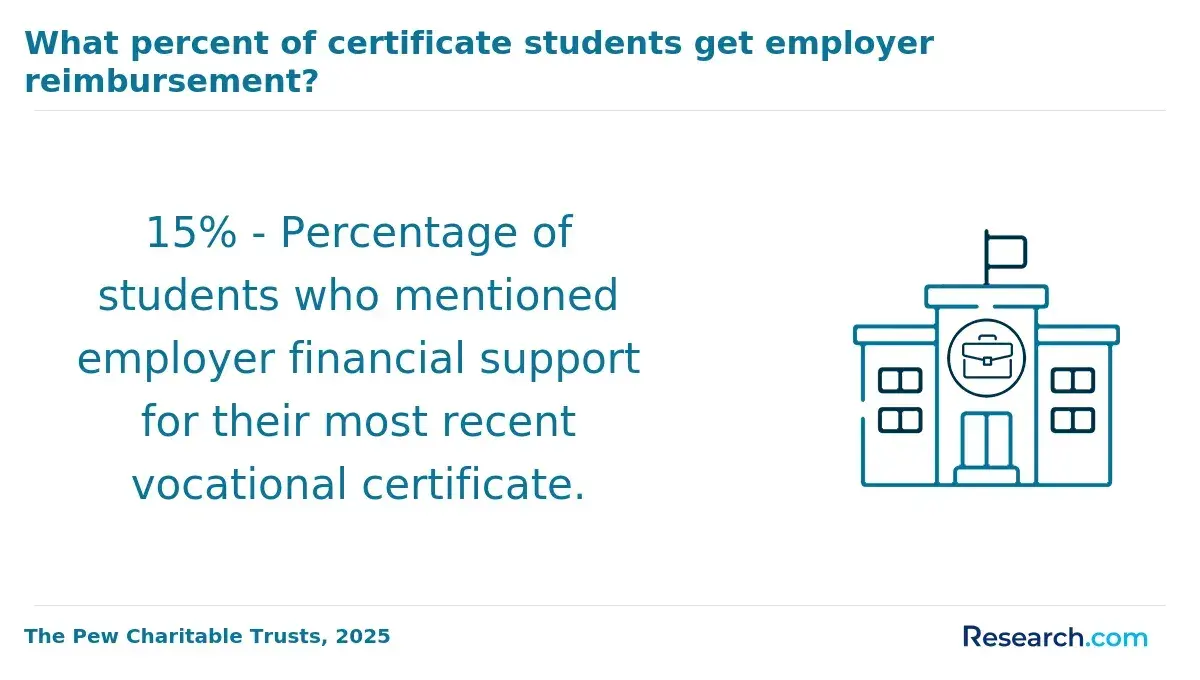
- Employer tuition benefits, which are especially valuable for working professionals balancing part-time study and employment.
- Specialized scholarships and grants from professional organizations, such as the International Literacy Association.
- Net Cost Evaluation: Applicants should consider the net cost of attendance-the actual financial burden after applying scholarships, aid packages, and potential work-study earnings-rather than focusing solely on sticker-price tuition. This approach reveals the true affordability and value of programs with strong placement support, an essential factor when comparing tuition costs for reading & literacy programs with placement support.
- Employment Outcomes: Programs with robust placement services tend to demonstrate higher graduate employment rates and improved starting salaries, reflecting outcomes visible through institutional disclosures or program websites. These stronger employment prospects often justify the higher tuition investment by facilitating quicker career entry and supporting licensing eligibility.
- Value of Placement Infrastructure: When comparing total cost of attendance, prospective students should view placement support as a risk-mitigation feature. Effective placement coordination can shorten time-to-completion and reduce uncertainty in securing quality practicum sites, directly impacting licensing readiness and job market success.
- Program Format Considerations: On-campus and hybrid programs typically provide more direct access to placement resources, whereas fully online programs may reduce costs but vary in placement support quality and intensity. For place-bound students, evaluating how programs address practicum placement logistics is critical, especially when considering history masters online or similar online pathways.
What Kinds of Sites or Settings Are Available Through Reading & Literacy Program Placement Networks?
Students in reading & literacy programs with placement support often gain experience across diverse practicum sites-ranging from schools that provide direct literacy intervention to community mental health centers addressing language-based learning difficulties. Clinical opportunities may extend to hospitals and rehabilitation facilities specializing in cognitive-linguistic challenges, alongside private practices focused on speech-language pathology or tutoring. Some programs also include placements within government agencies or corporate wellness initiatives, especially where literacy skills intersect with public health or workforce development.
The scope and variety of a program's placement sites play a critical role in shaping student learning and career readiness-allowing tailor-made experiences that align with specific population groups or specialty areas. For example, those interested in pediatric literacy benefit most from school or early intervention centers, while candidates focused on adult education or clinical rehabilitation need access to healthcare or community-based environments. Programs with expansive, well-established site networks typically offer more opportunities for customized practicum matches that meet licensure standards.
- Site Transparency: Leading programs provide clear documentation of placement options, often sharing detailed site lists or brochures to help applicants understand available opportunities in their region or specialty.
- Placement Outcomes: Publishing practicum placement rates and alumni employment data reflects a program's operational maturity and effectiveness in coordinating site partnerships.
- Specialty Matching: Robust placement services emphasize aligning student interests with sites serving relevant populations, such as bilingual learners or adult literacy clients.
- Regional and Institutional Variation: The depth of placement networks depends heavily on geographic location, program longevity, and institutional size-larger, older programs generally maintain broader, more diverse affiliate partnerships.
Prospective students should proactively inquire about available practicum sites within their preferred geographic area and focus to ensure adequate placement options. This due diligence is essential for confirming a program's capacity to support career goals and meet professional licensure requirements.
How Are Clinical Supervisors Vetted and Supported in Reading & Literacy Programs With Placement Support?
Clinical supervision is fundamental to practicum and field training for reading & literacy students-directly shaping the credibility and validity of their practical experience. Programs that invest in robust placement support don't just accept any supervisor with minimal credentials. They rigorously verify and endorse supervisors to meet specific accreditation and licensing standards, such as possessing specialist certifications, recognized licensure, or documented experience in literacy assessment and instruction.
- Credential Verification: Effective programs require supervisors to hold credentials aligned with accrediting bodies that confirm their expertise and eligibility to oversee practicum hours.
- Pre-Approval Audits: These programs conduct thorough evaluations of placement sites and supervisors before approval to ensure compliance, preventing students from accumulating hours under unqualified professionals.
- This step safeguards against invalidation of clock hours by licensing boards, a risk that can delay licensure or graduation.
- Ongoing Quality Monitoring: Placement programs maintain regular communication with supervisors to gather feedback and assess adherence to standards throughout the training period.
- Risk Reduction: Without strict oversight, students face jeopardy of rejected practicum hours-robust programs mitigate this through consistent supervisor vetting and support.
- Supervisor Training & Support: Leading programs often offer orientation or professional development to ensure supervisors follow current best practices and program policies.
- Student Advocacy: Applicants should inquire about supervisor credentialing processes, quality assurance measures during placements, and recourse options if supervisors do not meet expected standards.
What Graduates Say About the Reading & Literacy Programs With Placement Support for Practicum or Clinicals
- Irene: "The placement support during my reading & literacy degree was exceptional-each practicum was carefully matched with experienced mentors who guided me step-by-step through real classroom challenges. I appreciated how this quality of placement support boosted my confidence well before graduation and proved invaluable for my licensing exams. Knowing that the program prioritized these placements made me feel prepared and truly ready to launch my teaching career."
- Hayden: "Reflecting on my experience, I noticed that placement support really varies depending on whether you're in an online or in-person format-while on-campus programs offered immediate hands-on opportunities, the online format provided highly organized, well-vetted clinical placements that fit different schedules. This flexibility mattered a lot for me and other working students, proving that strong placement support adapts to diverse educational paths, which is crucial for meeting licensing requirements. It's clear now how much this support shaped my career trajectory in literacy education."
- Grace: "From a professional standpoint, the career outcomes linked to the program's placement support were impressive-securing clinical placements that aligned with district needs opened doors to job offers shortly after graduation. The robust placement framework was more than just practice; it was a bridge to employment and skill mastery that made licensing feel achievable and career transitions smooth. I recommend programs that emphasize this kind of integration between coursework and clinical experience."
Other Things You Should Know About Reading & Literacy Degrees
Most reading & literacy programs have clear protocols to address placement conflicts or site failures. When an assigned practicum or clinical site encounters issues-such as closure, supervision lapses, or mismatch with student needs-program coordinators typically intervene to secure alternative placements quickly. Many programs maintain a network of partner sites to enable smooth reassignment, minimizing disruptions to students' practical training timelines.
Practicum and clinical placements are critical to preparing reading & literacy students for licensing exams because they provide real-world experience applying assessment and intervention strategies. Structured supervision during placements ensures that students develop key competencies required by licensure boards. Consequently, strong placement support correlates with higher readiness and confidence for both practical and written licensing assessments.
Prospective students should evaluate placement support by examining how programs facilitate site selection, provide supervision, and react to placement challenges. Key indicators include whether programs offer dedicated placement coordinators, maintain robust site partnerships, and have transparent policies for reassignment or remediation. Speaking directly with alumni about their practicum experiences can also reveal how well a program supports student success during fieldwork.
References
- Definition of KEY https://www.merriam-webster.com/dictionary/key
- How to Pay for College: A Complete Guide to Financial Aid, Scholarships, and More https://western.edu/newsroom/how-to-pay-for-college/
- Pre - Practicum and Practicum | Research Starters | EBSCO Research https://www.ebsco.com/research-starters/education/pre-practicum-and-practicum
- Clinical Practicum Placement | Stenberg College https://stenbergcollege.com/blog/clinical-practicum-placement
- Courses for Post Master’s Reading Specialist Certification | Special Education, Language and Literacy https://specialeducation.tcnj.edu/programs/postmasters-features/
- 15 Best Online Reading Programs Reviewed (2026) https://pridereadingprogram.com/top-online-reading-programs/
- Best Practice Standards in Social Work Supervision https://www.socialworkers.org/Practice/NASW-Practice-Standards-Guidelines/Best-Practice-Standards-in-Social-Work-Supervision
- Pathways to Structured Literacy Practicum - AIM Institute for Learning & Research https://institute.aimpa.org/what-we-provide/comprehensive-learning/pathways-to-structured-literacy-practicum
- Literacy Strategies to Support Intensifying Interventions https://www.readingrockets.org/topics/intervention-and-prevention/articles/literacy-strategies-support-intensifying-interventions
- Online vs. On-Campus: Which Mode of Learning Is Best for You? https://www.onlinemastersdegrees.org/student-resources/which-mode-of-learning-is-best/