
2027 Return on Investment (ROI) of a Fashion Design Degree Program

Co-Founder and Chief Data Scientist
Many aspiring designers wonder if investing years and substantial tuition in a fashion design degree will translate into a sustainable career. With nearly 15% of graduates facing underemployment within two years of completing their program, concerns about job stability and salary potential are valid. The fashion industry is highly competitive, often favoring portfolios and experience over formal credentials. This article explores the actual return on investment of a fashion design degree by examining cost, employment rates, earning potential, and industry trends. It aims to provide readers with clear insights to make informed decisions about pursuing this educational path.
Key Things to Know About Fashion Design Degree ROI
- Graduates with a fashion design degree report a median starting salary of approximately $48,000, with potential to exceed $85,000 within ten years due to industry demand and specialization.
- Career advancement is significant, as 65% of degree holders progress into managerial or creative director roles, enhancing earning potential and job responsibility over time.
- The degree offers flexibility across industries including apparel, entertainment, and marketing, contributing to greater job stability and diversification of income sources.
How Is ROI Calculated for a Fashion Design Degree Program?
Return on investment (ROI) in higher education measures the financial benefits a student can expect compared to the costs and time spent earning their degree. This metric helps prospective students evaluate whether pursuing a fashion design degree makes sound financial sense given the expenses and effort involved.
Key factors involved in calculating fashion design program return on investment calculation include the following:
- Tuition and fees: This covers the total cost of the entire program, including tuition, materials, and other associated expenses. Knowing these costs upfront is essential for understanding the initial investment required.
- Opportunity cost: The income students potentially forgo by studying rather than working full-time influences the ROI significantly. Longer programs tend to increase this cost, impacting overall returns.
- Time to completion: The length of the program affects both direct expenses and lost earning opportunities. Shorter completion times can improve ROI by reducing total costs and opportunity cost.
- Post-graduation salary outcomes: Expected earnings after graduation provide insight into the potential financial gains from the degree. Higher starting salaries typically enhance ROI.
- Career advancement and earning potential: In addition to initial salaries, growth opportunities through raises, promotions, and job stability contribute to long-term financial gains from a fashion design degree.
For those exploring advanced education options, comparing ROI can be aided by resources like online SLP degrees, which illustrate how different fields balance costs and career benefits. Calculating fashion design degree ROI carefully ensures you make informed decisions aligned with your career goals.
How Much Does a Fashion Design Degree Program Cost?
Calculating the full cost of a fashion design degree is vital to properly assess its return on investment, especially as student loan debt in the U.S. has averaged nearly $33,000 for recent graduates. Factors beyond tuition can significantly influence the final expense, affecting how students balance cost with potential career earnings.
Key elements that impact the overall investment include:
- Tuition and fees: This represents the main financial commitment and fluctuates widely depending on whether the program is offered by a public or private institution and geographical location.
- Books and materials: Specialized textbooks, design tools, textiles, and software licenses add to the budget, often exceeding typical college supply costs.
- Living or relocation expenses: Students relocating or living independently must account for housing, food, transportation, and other day-to-day costs that differ greatly by city.
- Opportunity cost: Time spent studying means lost income from full-time work, which can be a significant financial consideration over the course of the degree.
- Hidden or indirect costs: Miscellaneous fees, travel for internships, and replacing worn or broken equipment can unexpectedly increase spending.
When I spoke with a recent graduate of a fashion design degree program about expenses, he described the process as eye-opening. He recalled weeks spent hunting for affordable fabric suppliers and juggling part-time jobs to manage living costs without accumulating excessive debt. "The tuition was just the starting point," he said, emphasizing the pressure from ongoing expenses that often caught him off guard. Despite these challenges, he noted the invaluable hands-on experiences and networking opportunities helped justify the investment, though he advised prospective students to prepare thoroughly for both expected and unforeseen financial demands throughout their studies.
What Financial Aid Is Available for Fashion Design Degree Programs?
Financial aid can significantly reduce the initial expenses of a fashion design degree, helping students minimize debt and enhance their long-term financial outcomes. Nearly 85% of undergraduates benefit from some form of aid, which plays a key role in making education more affordable and improving return on investment.
Several types of financial support are commonly available to fashion design students, including:
- Scholarships: These merit-based awards lower tuition costs without requiring repayment, allowing students to graduate with less debt and a better ROI.
- Grants: Usually need-based, grants offer free funds that decrease the amount borrowed, thereby reducing the financial burden and increasing overall return.
- Fellowships: Targeted mostly at graduate-level study, fellowships provide funding for research or specialized projects, enabling focus on skill development while easing monetary pressures.
- Employer tuition assistance: Some employers invest in employee education, offsetting degree expenses and aligning learning with career growth for improved financial benefits.
- Federal student loans: Although loans add to student debt, federal options tend to have lower interest rates and flexible repayment plans, helping balance funding needs with manageable obligations.
How Long Does It Take to Complete a Fashion Design Degree?
The length of time it takes to earn a fashion design degree significantly influences its return on investment by affecting total educational costs, opportunity cost, and the timing of career earnings. Graduating faster reduces expenses and allows students to begin building their income and experience sooner.
Several key factors shape how long completion takes and the financial impact:
- Enrollment status: Full-time students tend to graduate more quickly than those studying part-time, accelerating the timeline for recouping educational costs.
- Program format: Online or accelerated courses can shorten degree duration, helping reduce tuition fees and bringing forward earning potential.
- Transfer credits: Leveraging prior coursework can lessen the total credits needed, cutting both time and tuition expenses.
- Internship or thesis requirements: Additional experiential components may extend the program but often improve employability and income in the long run.
- Scheduling flexibility: Programs designed to accommodate work or other commitments might extend completion time, though they provide balance for students managing multiple priorities.
The graduate I spoke with described her own journey as a "balancing act between ambition and reality." She opted for a part-time schedule to maintain her job, which stretched her studies to nearly four years instead of the usual two or three. While the longer path was challenging and demanded patience-sometimes causing frustration with delayed milestones-she valued the steady income and professional growth during that period. She emphasized that, despite feeling "the wait was tough at times," the internships woven into her curriculum were transformational, granting her access to industry connections and practical skills. Reflecting on her experience, she advised prospective students to carefully assess their personal circumstances and career goals, noting, "It's not just about how fast you finish, but how well you leverage the time invested."
Is ROI Higher for Online or On-Campus Fashion Design Programs?
The delivery format of fashion design degree programs significantly influences return on investment (ROI) due to differences in cost, flexibility, and career outcomes. Online enrollment has grown steadily, partly because online tuition can be notably lower-often 20-40% less than on-campus costs-making online programs appealing for those seeking cost effectiveness of fashion design programs online and on-campus. This variation affects both direct expenses and opportunity costs tied to student time and work flexibility.
Key comparison points include:
- Tuition and fees: Online fashion design programs generally charge lower tuition and fees, reducing upfront financial burden. On-campus programs often have higher costs but may include additional campus-based resources.
- Opportunity cost: Online formats offer greater flexibility, allowing students to work part-time or full-time while studying, which can improve financial stability and lower overall opportunity costs.
- Time to completion: Both online and on-campus programs typically have similar durations, but individual pacing options may vary more in online settings.
- Networking and career services: Traditional on-campus programs often provide richer opportunities for direct networking, mentorship, and access to career services vital to fashion design careers.
- Employer perception and earning potential: Many employers still favor on-campus graduates due to perceived experiential learning and rigor, which can enhance long-term earning prospects.
For prospective students comparing fashion design degree programs, considering these factors alongside program quality is essential. Those interested in flexible study options might explore other accelerated degree choices such as the fastest online psychology degree programs, which exemplify growing trends in affordable and accelerated online education pathways.
What Is the Average Salary After Earning a Fashion Design Degree?
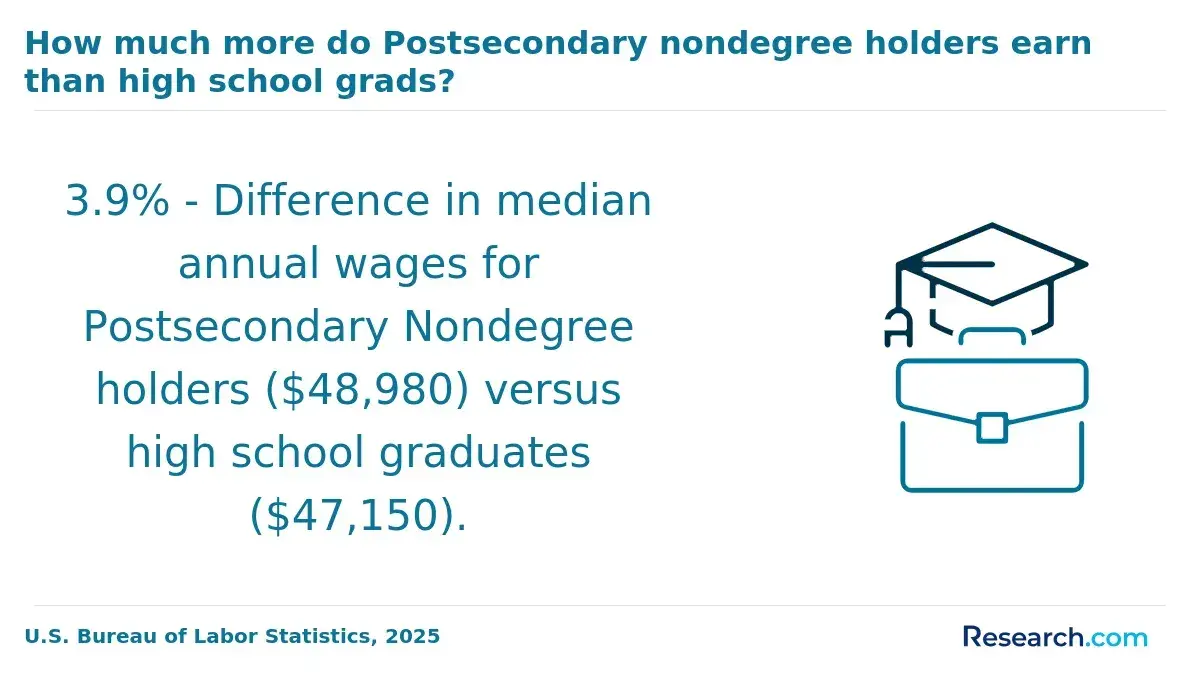
Post-graduation salary is a crucial factor in assessing the ROI of a fashion design degree because it directly influences how quickly graduates can recover their educational expenses. In the United States, the average salary ranges from $45,000 to $70,000 annually, depending on several variables. Salary expectations for fashion design graduates vary widely due to multiple influences.
Key factors affecting salary outcomes and the overall ROI include:
- Industry: Designers employed by luxury or high-end retail brands generally receive higher pay compared to those in mass-market or entry-level roles.
- Geographic location: Urban hubs such as New York City and Los Angeles offer increased salaries, although these are often offset by higher living costs.
- Prior experience: Internships and relevant work experience before graduating often improve job prospects and can lead to better salaries.
- Specialization: Expertise in niche areas like sustainable fashion, technical textiles, or digital design may command premium compensation.
- Career level: Entry-level designers tend to earn lower wages, while senior positions with management duties typically offer higher pay.
These factors collectively influence the financial benefits graduates might realize, shaping the ultimate value of the degree investment. For those comparing educational paths, it's useful to also consider alternatives like a library science degree online, which may offer different salary prospects and ROI.
Does a Fashion Design Degree Lead to Promotions?
Promotions significantly enhance return on investment (ROI) by offering salary increases, expanded responsibilities, and greater career mobility. These financial and professional benefits are key reasons many pursue advanced education such as a fashion design degree. A prominent workforce trend is the rise of credential-based promotion systems, where formal education increasingly acts as a gatekeeper for leadership roles.
Here are several important ways a fashion design degree can influence promotion opportunities and overall ROI:
- Credential requirements: Many organizations now require a fashion design degree to move beyond entry-level roles, making the credential essential for career advancement.
- Leadership preparation: The degree equips graduates with both creative and managerial skills valued by employers when considering candidates for promotions and increased responsibilities.
- Employer tuition support: Some companies provide tuition assistance programs, helping employees earn a fashion design degree while reducing financial strain and positioning them favorably for internal promotions.
- Internal promotion policies: Employers frequently favor candidates who combine relevant education with practical work experience, boosting their chances of upward mobility.
- Experience and education balance: Pairing hands-on industry experience with a fashion design degree generally results in stronger promotion prospects and a higher ROI over time.
Those interested in maximizing career advancement with a fashion design degree may also want to explore options for affordable education paths. For example, pursuing the cheapest online bachelor's degree programs can reduce upfront costs while supporting long-term career goals.
Which Industries Offer the Best ROI for Fashion Design Graduates?
The return on investment (ROI) for fashion design graduates varies significantly across industries due to differences in salary levels, career progression opportunities, and demand for specialized skills. These factors contribute to varying financial and professional outcomes after graduation.
Industries offering the best ROI for fashion design careers in the US often combine competitive compensation, clear promotion paths, and stable or growing market demand. Below are some of the highest paying industries for fashion design graduates.
- Luxury fashion: This sector provides access to high-end apparel and accessories markets where graduates benefit from lucrative salaries and strong brand prestige. The combination of financial rewards and career development potential makes luxury fashion an attractive choice for those seeking a notable ROI.
- Technical textiles and performance wear: Innovative materials and advanced design techniques define this industry, giving fashion design graduates opportunities to apply specialized knowledge. The sector tends to offer steady compensation growth and increased responsibility, reflecting the demand for expertise in this niche.
- Retail fashion management and merchandising: By blending creative design insight with business acumen, these roles present diverse career trajectories. Larger retail chains lead the way in employment stability, adapting quickly to changing consumer trends and thereby supporting ongoing growth potential in this field.
- Sustainable fashion: Driven by rising consumer focus on ethical production, this emerging industry offers expanding job opportunities. Graduates skilled in environmentally conscious design and sourcing can expect long-term growth as sustainability becomes a higher priority market-wide.
Fashion design degree holders should explore how these industries align with their goals for financial returns and career advancement. Comparing options can help identify programs that deliver strong ROI relative to time and expenses. For those considering quick entry into lucrative roles, reviewing top online degrees can also provide useful insights into fast pathways with good remuneration.
Does Accreditation Affect ROI for a Fashion Design Degree?
Accreditation in fashion design degree programs represents formal validation that the curriculum meets established academic and industry standards. This recognition signals to employers that graduates possess the skills and knowledge aligned with current market demands, which can enhance job prospects. Moreover, many professional certifications and licensure requirements in the fashion industry mandate completion of an accredited program, reflecting a growing trend toward standardized qualifications. Such credentials often help graduates stand out in competitive job markets and can improve earning potential.
Choosing an accredited fashion design program can significantly impact long-term return on investment by fostering employer confidence and ensuring eligibility for federal financial aid, which reduces upfront education costs. Transferability of credits between schools also facilitates continuing education or career advancement without unnecessary delays or expenses. Accreditation further supports licensure eligibility and career mobility, enabling graduates to pursue diverse opportunities across the fashion sector. Altogether, these factors contribute to sustaining a positive financial and professional outcome for degree holders over time.
Is a Fashion Design Degree Worth It?
The return on investment for a fashion design degree depends largely on the cost of the program, the duration of study, and post-graduation earnings. Tuition fees for these programs can range from moderate to quite expensive, with courses typically lasting between two and four years. Starting salaries for entry-level designers often fall between $35,000 and $50,000 annually, though this can grow with experience and skill development. Around 65% of graduates secure employment in fashion-related roles within two years, reflecting a moderate level of job placement success.
Whether investing in a fashion design degree is worthwhile varies based on several factors. Industry demand and access to meaningful internships or cooperative education can boost career prospects and networking opportunities. Availability of financial aid and personal ambitions, such as working for established brands or launching an independent label, also play key roles in the degree's value. For those seeking quick financial returns or flexibility, alternative pathways like work experience might offer better results than a formal degree. Aligning educational investment with realistic career goals is essential to maximizing ROI.
What Graduates Say About The ROI of Their Fashion Design Degree
- Edward: "Choosing to pursue a fashion design degree through a traditional program was a game-changer for me. While the average cost of attendance hovered around $30,000 annually, I viewed it as an investment with significant long-term ROI, especially as the industry thrives on strong foundational skills and networking. Graduating opened doors to creative roles in top companies, and I genuinely feel the cost was justified given the career boost it provided."
- Dennis: "As an online fashion design student, I was initially skeptical about whether the program's cost-typically lower than traditional routes-would translate into real career opportunities. However, after completing the degree, I've seen firsthand how flexible learning combined with industry-relevant projects helped me land a freelance design position. The financial commitment was reasonable, and the convenience only added to the overall value."
- Jack: "Completing my fashion design degree part-time required a careful balance of work and study, especially considering the tuition costs that can accumulate over time. Still, I considered it a sound decision for enhancing my skills without sacrificing my current income. This strategic approach paid off professionally as I transitioned into a senior designer role, proving that the degree's ROI is worth the measured investment."
Other Things You Should Know About Fashion Design Degrees
Yes, the location of a fashion design school can significantly impact ROI in 2027. Schools in major fashion hubs like New York, Paris, or Milan offer networking opportunities and exposure to industry leaders, which can boost job prospects and salary potential, enhancing overall ROI.
In 2027, enhancing the ROI of a fashion design degree can be achieved by developing skills like digital fashion design, fabric technology, and sustainable design. Mastering business acumen, marketing, and networking abilities can also boost job prospects and salary potential, leading to a better return on investment.
References
- Beyond Graduation https://www.fitnyc.edu/academics/academic-divisions/art-and-design/fashion-design/beyond-graduation.php
- Top Fashion Jobs for Aspiring Fashion Professionals: Key Skills and Education | Vogue College of Fashion https://www.voguecollege.com/articles/london/how-to-fashion-jobs/
- The Economics of Accreditation: Costs, Benefits, ROI - Course Accreditation https://course-accreditation.com/blog/the-economics-of-accreditation-costs-benefits-roi/
- 10 Key Factors in a Bachelor of Fashion Design Degree Program https://aaft.edu.in/blog/bachelor-of-fashion-design-degree-program-key-factors
- Fashion Design Course - Undergraduate | Polimoda Fashion School https://www.polimoda.com/courses/undergraduate/fashion-design/
- Investing in Creativity: B.Des Fashion Design Fees & Career ROI https://www.msruas.ac.in/blog/investing-in-creativity-understanding-the-fees-for-bdes-in-fashion-design
- Fees & Financing https://www.ifaparis.com/admissions/tuition-fees
- 2025 Most Affordable Online Schools for Fashion Degrees https://www.onlineu.com/most-affordable-colleges/fashion-degrees
- Should you go to fashion school? – Fashion-Incubator https://fashion-incubator.com/should-you-go-to-fashion-school/
- 17 Fashion Degree Careers | What Can you do with a Fashion Degree https://villiotifashioninstitute.co.za/what-can-i-do-with-a-fashion-degree/


