
2027 Accelerated vs. Traditional Fashion Design Degrees: Pros & Cons

Co-Founder and Chief Data Scientist
Choosing between accelerated and traditional fashion design degrees involves weighing speed against depth. Accelerated programs, favored by career changers and working adults, offer quicker completion-sometimes 30% faster-catering to those eager to enter the industry promptly.
Traditional degrees provide a more flexible schedule and extensive academic engagement, ideal for students seeking a comprehensive understanding of design principles and techniques.
Recent trends show a 25% rise in enrollment in accelerated fashion design programs across the U.S., signaling growing demand. This article will examine differences in time commitment, learning experience, career outcomes, and key considerations, helping students decide the best path for their aspirations and lifestyle.
Key Points About Accelerated vs. Traditional Fashion Design Degrees
- Accelerated fashion design degrees offer flexibility for working students, rapid skill acquisition, and reduce tuition costs by shortening program length, appealing to those eager to enter the industry quickly.
- Traditional degrees encourage deeper academic exploration and support hands-on projects, fostering comprehensive skill mastery valuable for creative innovation and long-term career growth.
- Students in traditional programs benefit from strong peer networks and a balanced learning pace, enhancing collaboration opportunities and sustained professional development.
What Are the Differences Between Accelerated vs. Traditional Fashion Design Programs?
Accelerated and traditional fashion design degree formats differ chiefly in pacing, scheduling, and learning intensity. While accelerated programs demand quicker comprehension and delivery, traditional ones spread learning over a longer period with steadier progression.
Below is a comparison of both based on key elements that shape the student experience in these programs:
- Course Intensity: Accelerated fashion design program duration and structure involve intense weekly workloads with condensed 7-week modules requiring rapid project completion. Traditional programs offer a gentler pace, allowing more time for reflection and in-depth study over a full semester.
- Learning Environment & Flexibility: Accelerated programs commonly use asynchronous, self-paced online formats that accommodate varied schedules, which benefits students balancing other responsibilities. Traditional formats favor fixed, in-person or synchronous online sessions, promoting a structured routine and regular face-to-face interaction.
- Interaction & Collaboration: Students in accelerated courses often engage via digital platforms for virtual critiques and peer forums, encouraging global networking but minimizing spontaneous, in-person creativity. Conversely, traditional programs emphasize studio work and workshops fostering hands-on collaboration and immediate feedback.
- Technology Integration: Accelerated programs quickly adopt advancements like AI tools and cloud-based design platforms aligned with industry trends. Traditional programs maintain focus on classic handcraft skills with gradual tech incorporation, balancing foundational techniques alongside digital tools.
For learners seeking flexible options that can fit within demanding schedules, exploring best 6 month online courses that pay well might provide additional pathways complementary to accelerated fashion design studies.
How Fast Can You Finish an Accelerated vs. Traditional Fashion Design Program?
Program length varies significantly between accelerated and traditional fashion design degrees. Accelerated formats condense coursework into shorter terms, demanding a heavier workload, while traditional paths follow a standard academic pace over multiple years. Understanding these timelines helps students choose the best path for their career goals.
Here's a comparison of completion timelines and key factors that affect how quickly students can finish their fashion design degrees:
- Program Length: Accelerated options can range from one year for a certificate or professional diploma to 12-18 months for a master's degree if credits are double-counted and full-time enrollment is maintained. Traditional bachelor's typically require four years, and master's programs two to three years.
- Transfer Credits: Many accelerated programs allow up to 12 graduate credits from undergraduate work to count toward both degrees, shortening the overall time, whereas traditional programs often have less flexibility.
- Enrollment: Full-time students in accelerated tracks progress faster due to heavier course loads, while part-time status extends the program length significantly in both formats.
- Course Intensity and Workload: Accelerated programs expect students to handle more credits per term with fewer breaks. Traditional programs might offer a more balanced pace with internships or capstone projects that extend duration.
- Institutional Policies and Program Format: Admission criteria, GPA requirements, and faculty approval influence eligibility for accelerated tracks. Some accelerated programs are designed for workforce entry within a year, whereas traditional programs may prioritize research or experiential learning.
Accelerated pathways suit motivated students able to manage intensive workloads, while others may benefit from the broader experience offered by traditional tracks. For more information on flexible college options, consider exploring the best open enrollment colleges.
What Are the Admission Requirements for Accelerated vs. Traditional Fashion Design Programs?
Admission requirements for accelerated and traditional fashion design programs often share common standards, including GPA, test scores, and prerequisite coursework. However, they may differ in how they evaluate academic readiness and professional experience, reflecting the differing pace and demands of each format.
Key distinctions in admission criteria between accelerated and traditional fashion design programs include:
- Pace and Readiness Assessment: Accelerated programs require evidence of advanced skills or prior related coursework to ensure students can manage the faster pace and heavier workload. Traditional programs accept students with foundational knowledge, allowing more time for skill development and adjustment.
- Portfolio Requirements: Traditional programs typically accept a broader range of portfolios, including those from beginners to fashion design, emphasizing potential and creativity. In contrast, accelerated programs demand more sophisticated and extensive portfolios showcasing advanced techniques and previous project experience.
- Academic Performance: Accelerated programs often set higher minimum GPA standards and expect completion of prerequisite courses such as basic art or design. Traditional programs are more flexible, usually requiring only a high school diploma and standard GPA levels.
- Work Experience: Applicants to accelerated fashion design programs frequently need prior college credits, internships, or industry exposure to handle the condensed curriculum. Traditional programs are generally open to first-time college students without such prerequisites.
- Supporting Documentation: Both formats usually require letters of recommendation, personal statements, and, for international students, proof of English proficiency through TOEFL or IELTS scores, though accelerated programs place more emphasis on demonstrated readiness.
For students seeking faster advancement through fashion design education, fast online associates degree options may provide structured opportunities aligned with these accelerated admission requirements.
How Are Accelerated Fashion Design Courses Structured Compared to Traditional Ones?
Accelerated fashion design courses are designed to cover the same essential curriculum as traditional programs but within a significantly shorter period. These courses often use intensive, condensed schedules and flexible formats like asynchronous online learning, whereas traditional courses follow longer, semester-based timelines with in-person studio work.
Below are key structural differences between accelerated and traditional fashion design courses:
- Course Length: Accelerated programs complete coursework in weeks instead of months, ideal for motivated learners or working adults seeking faster entry into the industry. Traditional formats offer extended semesters, allowing more time for skill refinement and project development.
- Weekly Workload: Students in accelerated courses face greater weekly demands requiring strong time management, while traditional students benefit from a more balanced pace that enables deeper exploration of concepts.
- Instruction Style: Accelerated courses frequently utilize online, self-paced modules for flexibility, appealing to remote learners. Traditional programs emphasize on-campus, hands-on studio experiences and mentorship, supporting collaborative learning and steady progress.
Both approaches maintain quality through rigorous projects, faculty guidance, and industry-aligned assessments to ensure graduates meet professional standards despite differences in structure and pace.
How Much Do Accelerated Fashion Design Programs Cost Compared to Traditional Programs?
Tuition and overall costs for fashion design programs vary notably between accelerated and traditional degree paths. Accelerated programs usually charge similar fees per credit, but their compressed schedules mean fewer total credits and lower total expenses. Meanwhile, four-year degrees often involve higher cumulative tuition and living costs due to their extended duration.
Here are some key cost differences to consider:
- Tuition Rate per Credit: Both accelerated and traditional programs tend to have comparable tuition rates per credit. However, accelerated programs require fewer credits, which significantly reduces the overall tuition burden.
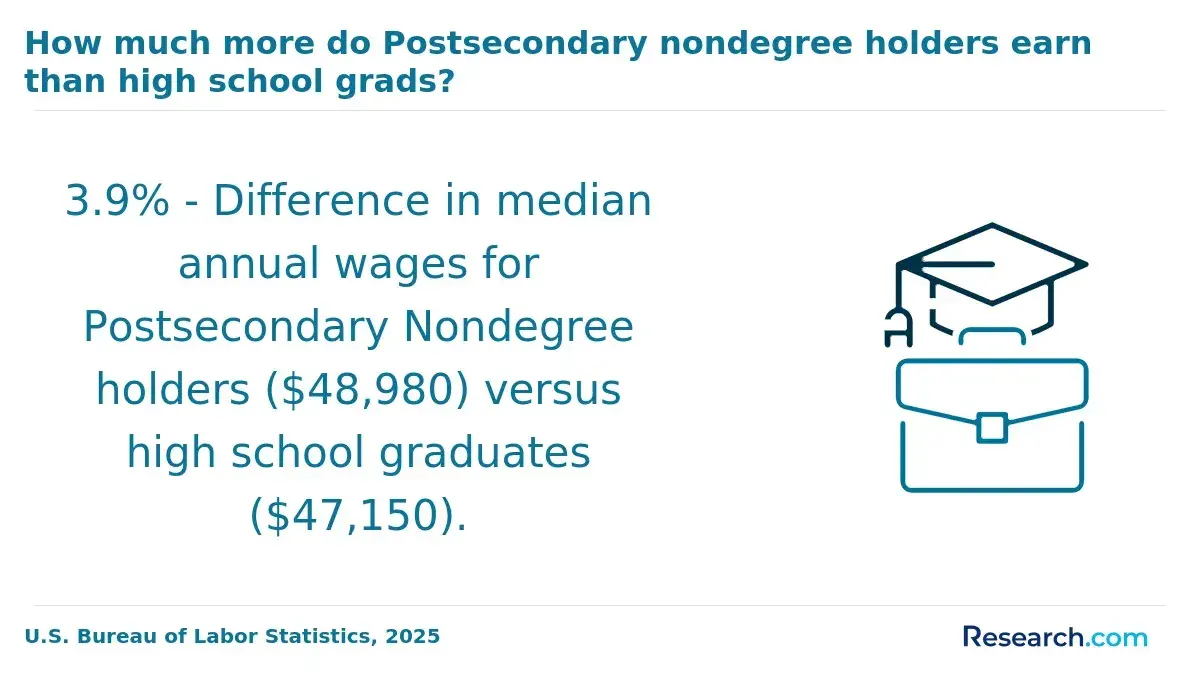
- Program Duration and Total Cost: Traditional bachelor's degrees in fashion design generally take four years, with annual tuition ranging from $8,000 to $60,000 depending on public or private status. Accelerated programs can be finished in 6 to 12 months, often costing between $2,000 and $4,000 for the entire course.
- Opportunity Costs: Students in accelerated programs enter the workforce sooner, potentially gaining income and professional experience earlier. Traditional students spend more time studying, postponing full-time employment and earnings.
- Living Expenses: Shorter program lengths in accelerated formats reduce living costs, including housing, food, and transportation, which accumulate steadily in four-year programs.
- Financial Aid Access: Traditional degrees usually provide broader eligibility for federal aid and scholarships, while accelerated certificates or diplomas may rely mainly on private or institutional funding, limiting options for some students.
What Financial Aid Is Available for Accelerated vs. Traditional Fashion Design Degrees?
Both accelerated and traditional fashion design degree students can qualify for financial aid, but the timing and eligibility criteria vary depending on program length and enrollment status. Understanding these differences helps students navigate funding options more effectively.
Below is a comparison of how financial aid applies to each format.
- Federal Aid Eligibility: Both formats can access federal aid like Pell Grants and loans by submitting FAFSA, but accelerated students may face challenges due to condensed terms and different academic calendars requiring close coordination with financial aid offices.
- Scholarship Timelines: Scholarships are available for all students, though some require full-time status, which accelerated students should verify. Awards range from substantial amounts to brand-specific grants, and eligibility can depend on course load or enrollment type.
- Employer Tuition Assistance: More commonly accessible for part-time traditional students, but accelerated students may benefit if their work schedules align with program demands.
- Disbursement and Renewal: The faster pace of accelerated programs can complicate consistent aid disbursement and renewal, demanding extra attention from students to avoid funding gaps.
One professional who pursued an accelerated fashion design degree shared that navigating financial aid felt like a balancing act. He recalled, "Coordinating with the financial aid office was crucial because their usual schedules didn't match up with my accelerated terms."
Despite initial stress, he found that staying proactive and organized helped him secure necessary funding throughout the program. He reflected that the experience sharpened his budgeting skills and deepened his appreciation for the support structures available, making the intense pace more manageable.
What Kind of Student Support Do Accelerated vs. Traditional Fashion Design Programs Offer?
Student support is vital for thriving in any academic program, and fashion design programs are no exception. Accelerated and traditional programs often vary significantly in how, when, and through which channels they provide student services.
Here is a comparison of common support systems found in both formats.
- Academic Advising: Accelerated programs tend to offer more flexible advising that prioritizes swift progression and career goals, often using digital platforms for remote consultations. Traditional programs usually provide scheduled, in-person advising sessions focused on both academic success and personal development.
- Tutoring: Tutoring in accelerated programs is often accessible online at convenient times to accommodate non-traditional students. Traditional programs generally have on-campus tutoring centers with fixed hours for face-to-face support.
- Career Services: Accelerated programs emphasize direct industry connections, mentorships, and networking aimed at immediate job placement. Conversely, traditional programs offer formal career centers, internships, and a broader overview of career pathways.
- Peer Interaction: Traditional programs often nurture community through in-person group work and campus events, whereas accelerated programs primarily use virtual forums and digital collaboration tools to facilitate student engagement.
Do Graduates from Accelerated vs. Traditional Fashion Design Programs Get Hired More Quickly?
Employment outcomes are a major factor when deciding between accelerated and traditional fashion design programs. While both paths can open solid career opportunities, timing and hiring pace often vary based on several elements. Understanding these can help prospective students gauge how quickly they might enter the job market.
Here are key hiring trends and influencing factors for graduates of each program type:
- Employer Perception: Some employers appreciate the hands-on digital skills and certifications offered by accelerated online programs, though traditional degrees remain favored for comprehensive training.
- Career Readiness: Accelerated courses usually emphasize current digital design and 3D prototyping abilities, equipping students for faster integration into tech-driven roles.
- Industry Demand: The expanding US fashion design software market fuels a preference for digitally skilled graduates, benefitting those from flexible online formats.
- Job Placement Speed: Data shows online program graduates often secure jobs within 3-6 months, while traditional program alumni might take 6-12 months.
- Portfolio Development: Graduates from accelerated paths often build strong digital portfolios suited for remote work and freelancing, enhancing employability.
When I asked a professional who earned a traditional fashion design degree about her job search, she described a thoughtful but sometimes challenging process. "The depth of my coursework gave me confidence, but finding the right position took patience," she said. She spent months networking and tailoring her applications to employers valuing broad skills.
Despite the longer search, she felt the experience refined her approach and eventually led to a role that matched her aspirations. Her story underscores how traditional programs may take more time to translate into a job, but can result in rewarding career placements.
Are Accelerated Fashion Design Degrees Accredited the Same Way as Traditional Programs?
Accreditation ensures academic quality and legitimacy for both accelerated and traditional fashion design programs, regardless of their pacing or delivery format. This process guarantees that institutions meet established educational standards, which is crucial for students seeking recognized credentials.
Accreditation directly impacts financial aid eligibility, credit transferability, and employer recognition, making it essential for students to consider when choosing a program. Both accelerated and traditional degrees must be accredited by reputable bodies such as the National Association of Schools of Art and Design (NASAD) or regional agencies like the Middle States Commission on Higher Education.
Understanding the accreditation standards for accelerated fashion design degrees helps students make informed decisions about their education pathways.
The accreditation process generally applies equally to both accelerated and traditional programs, though institutions may design accelerated coursework differently to comply with these standards within condensed timeframes. Regional or programmatic accrediting bodies evaluate curriculum quality, faculty qualifications, and institutional resources to ensure consistency across formats.
Prospective students should verify that the institution offering their degree is properly accredited to ensure their qualifications are widely recognized and transferable. Checking accreditation is particularly important when comparing accredited fashion design programs vs traditional degrees.
For those seeking affordable options, considering low cost accredited online colleges may be beneficial while maintaining accreditation standards.
How Do You Choose Between an Accelerated vs. Traditional Fashion Design Degree?
Choosing between an accelerated and a traditional fashion design degree depends largely on a student's career goals, schedule flexibility, and preferred learning pace. Both options offer distinct advantages that cater to different personal circumstances.
To make an informed choice, consider the following key factors that highlight the main differences between the best accelerated fashion design degree programs and traditional options.
- Time Commitment: Accelerated programs involve intensive study within a shorter timeframe, often allowing students to graduate a year earlier and enter the workforce faster. Traditional degrees typically span three to four years, providing a more gradual pace for learning and skill development.
- Flexibility: Accelerated formats often include online and asynchronous courses, offering greater scheduling freedom for students balancing work or family. Traditional fashion design degree pros and cons include fixed class schedules and on-campus experiences, which may better suit those who prefer a structured environment.
- Career Goals: Accelerated degrees benefit those eager to launch their careers quickly and start earning sooner. In contrast, traditional degrees provide a deeper exploration of design theory and business principles, supporting students aiming for advanced roles or comprehensive expertise.
- Learning Style: Self-motivated and disciplined learners tend to thrive in accelerated programs that demand focus and independence, whereas others may benefit from the structured support system of traditional degrees.
Both pathways are valid, and your choice should align with your professional ambitions and personal priorities. For more insights on practical and rewarding educational paths, students can also explore certifications that pay the most.
What Students of Accelerated vs. Traditional Fashion Design Programs Say About Their Degree
- Carina: "The traditional fashion design program offered me a thorough and immersive learning experience that helped me develop foundational skills at a comfortable pace. Although the program was more costly than I initially expected, investing in it has significantly boosted my confidence and opened doors in the industry. Balancing coursework with internships made it all worthwhile."
- Lilian: "Enrolling in a traditional fashion design degree was a deliberate choice to fully absorb each core subject, but I found the extended timeline somewhat slow compared to my ambitions. The cost was substantial, yet the deep dive into techniques and history enriched my perspective tremendously. I now feel well-prepared to craft my personal brand with thoughtful creativity."
- Jess: "The accelerated fashion design program was intense and fast-moving, which suited my eagerness to enter the workforce quickly. While the shorter duration made it financially more manageable, I sometimes wished for more time to explore concepts deeply. Overall, the focused curriculum gave me practical skills rapidly, which has been a huge advantage professionally. "
Other Things You Should Know About Traditional vs. Accelerated Fashion Design Degrees
An accelerated fashion design degree may limit internship opportunities due to the program's rigorous and expedited nature. Students often have a more intensive coursework schedule, which can reduce the time available for internships compared to traditional programs.
Because accelerated programs are compressed, students often have less time to pursue internships compared to those in traditional programs. This can limit practical, hands-on experience that is crucial in the fashion design industry. However, some accelerated programs incorporate mandatory internships or project-based work to mitigate this concern.
In 2027, traditional fashion design programs typically offer more extensive networking opportunities due to longer duration. Students can connect with industry professionals, attend events, and participate in clubs, thus expanding their professional network. Accelerated programs, while intensive, may offer fewer opportunities for such engagements due to their condensed timeline.
References
- Bureau of Labor Statistics. (2025). The Employment Situation - December 2025. https://www.bls.gov/news.release/pdf/empsit.pdf
- Choosing the right fashion course https://www.ied.edu/news/how-to-choose-the-best-fashion-school
- Diploma vs Degree: Which Fashion Design Course is Right for You? https://fashiondesigningdiary.wordpress.com/2025/09/04/diploma-vs-degree-which-fashion-design-course-is-right-for-you/
- ECDB. (2025). Global Fashion Industry. https://ecdb.com/resources/sample-data/market/ww/fashion
- Fashion Design https://drexel.edu/academics/grad-professional-programs/westphal/fashion-design
- Fashion Designing Degrees VS Certification Courses | Seft https://www.seft.world/fashion-designing-degrees-vs-certification-courses/
- Vogue College Introduces Accelerated B.A./M.A. In London To Compete With Higher Ed Programs In The US https://finance.yahoo.com/news/vogue-college-introduces-accelerated-b-124300108.html
- Certificate in Fashion Design — ACADEMY OF FASHION & STYLING https://www.academyoffashionandstyling.com/fashion-design


