
2027 Return on Investment (ROI) of a Forensic Accounting Degree Program

Co-Founder and Chief Data Scientist
A forensic accounting degree is a financial decision as much as an academic one. The key question is not simply whether the field is interesting, but whether the cost, time, debt, and lost income are likely to produce stronger earnings, better job options, and faster advancement.
The outlook is favorable for students who choose the right program and enter the field with a clear career target. Forensic accounting specialists are projected to see job growth of 16% from 2022 to 2032, much faster than the average for all occupations, reflecting continued demand for professionals who can investigate fraud, trace financial misconduct, support litigation, and strengthen compliance controls.
This guide explains how to evaluate the return on investment of a forensic accounting degree program. It covers cost, financial aid, completion time, online versus on-campus formats, salary expectations, promotion potential, industry choice, accreditation, and the situations in which the degree is most likely to pay off.
Key Things to Know About Forensic Accounting Degree ROI
- Graduates with a forensic accounting degree earn a median salary 15-20% higher than general accounting roles, reflecting increased earning potential in specialized financial investigations.
- This degree opens pathways to senior roles in auditing, compliance, and fraud examination, accelerating career advancement within both public and private sectors.
- Forensic accounting skills apply across industries like finance, law enforcement, and corporate security, offering job stability and adaptability amid evolving market demands.
How Is ROI Calculated for a Forensic Accounting Degree Program?
ROI for a forensic accounting degree compares what you spend to earn the credential with the financial and career gains you can reasonably expect after graduation. A useful ROI calculation includes more than tuition. It should account for fees, books, debt, time out of the workforce, salary growth, and whether the degree helps you qualify for specialized roles that would otherwise be difficult to access.
A practical way to think about ROI is this: the degree produces a stronger return when it helps you earn more, advance faster, borrow less, and reach a targeted forensic accounting role sooner.
- Tuition and fees: Start with the full published cost, then subtract scholarships, grants, employer assistance, and other non-loan funding. Include required fees, technology costs, and graduation fees when available.
- Books, software, and materials: Forensic accounting coursework may require accounting databases, analytics tools, case materials, exam preparation resources, or specialized textbooks. These smaller costs can affect the total budget.
- Opportunity cost: If you reduce work hours or leave a job to attend school, the income you give up is part of the investment. This factor often matters most for working adults comparing full-time and part-time formats.
- Time to completion: A shorter program may reduce living costs and get you into higher-paying work sooner. A longer part-time plan may still produce better ROI if it lets you keep earning while enrolled.
- Post-graduation salary: Estimate likely entry-level pay and realistic growth based on your location, work experience, credentials, and target industry. Do not base ROI only on top-end salaries.
- Career advancement: The degree may improve ROI if it helps you move into fraud examination, litigation support, internal investigations, risk consulting, compliance, or supervisory accounting roles.
Students comparing education investments should also consider how ROI varies by field. For example, artificial intelligence degree programs may have different salary patterns, technical requirements, and labor-market risks than forensic accounting programs.
How Much Does a Forensic Accounting Degree Program Cost?
The cost of a forensic accounting degree depends on the institution, degree level, delivery format, enrollment pace, and how much aid you receive. Because average graduate student debt in the U.S. surpassing $66,000, students should estimate the total cost before enrolling rather than focusing only on the advertised tuition rate.
For ROI purposes, the most useful number is the net cost: what you will actually pay after scholarships, grants, employer assistance, tuition discounts, and other non-repayable funding. Borrowed money should be evaluated carefully because interest can raise the real cost of the degree over time.
- Tuition and fees: These are usually the largest direct expenses. Compare cost per credit, total credits required, mandatory fees, and whether online students pay different rates than campus students.
- Books and materials: Specialized accounting texts, fraud examination resources, financial analysis tools, and software access may add meaningful costs across the program.
- Living and relocation: Campus programs can require housing, commuting, parking, meals, or relocation. Online programs may reduce these costs, though students still need reliable technology and internet access.
- Opportunity cost: Lost wages can be more expensive than tuition for students who leave full-time work. Working professionals should compare full-time, part-time, evening, and online formats before choosing.
- Indirect professional costs: Certification exams, review courses, background checks, association memberships, travel to internships, or professional attire may be necessary depending on career goals.
Cost-conscious students should compare program price, accreditation, credit requirements, and expected career outcomes together. Lists of affordable online accounting degrees can also help prospective forensic accounting students identify lower-cost accounting pathways before committing to a specific program.
One graduate described the budgeting challenge clearly: “It was not just tuition. I underestimated how much living expenses and study materials would add up.” He also noted the pressure of giving up income: “Giving up a full-time salary while studying made me constantly question if I was making the right choice.” His experience shows why ROI planning should include both direct school costs and the income trade-offs required to finish the degree.
What Financial Aid Is Available for Forensic Accounting Degree Programs?
Financial aid can improve the ROI of a forensic accounting degree by lowering the amount you pay out of pocket or borrow. Because around 86% of graduate students rely on federal loans to support their education, it is important to prioritize aid that does not require repayment before taking on debt.
Students should compare aid packages based on net price, renewal rules, service requirements, interest rates, and repayment flexibility. A smaller scholarship at a lower-cost program may produce a better ROI than a larger award at a much more expensive institution.
- Scholarships: Scholarships reduce total cost without repayment. Look for awards from universities, accounting associations, fraud examination organizations, professional societies, and local business groups.
- Grants: Grants are typically need-based and do not require repayment. They directly lower the cost of attendance and can reduce future loan balances.
- Fellowships: Fellowships may include tuition support, stipends, or research opportunities. They can be competitive, but they may significantly reduce borrowing for graduate students.
- Employer tuition assistance: Working professionals should ask whether their employer offers reimbursement for accounting, auditing, compliance, or fraud-related coursework. Review grade requirements, annual caps, and service commitments before relying on this benefit.
- Federal loans: Federal loans can help cover remaining costs, but they still reduce ROI if borrowed heavily. Compare interest rates, repayment plans, and total repayment cost before deciding how much to borrow.
The best aid strategy is to stack non-repayable funding first, borrow only what is necessary, and choose a program whose career outcomes justify the remaining debt. Students planning to work in public service or government should also review whether their employment path affects repayment options or loan forgiveness eligibility.
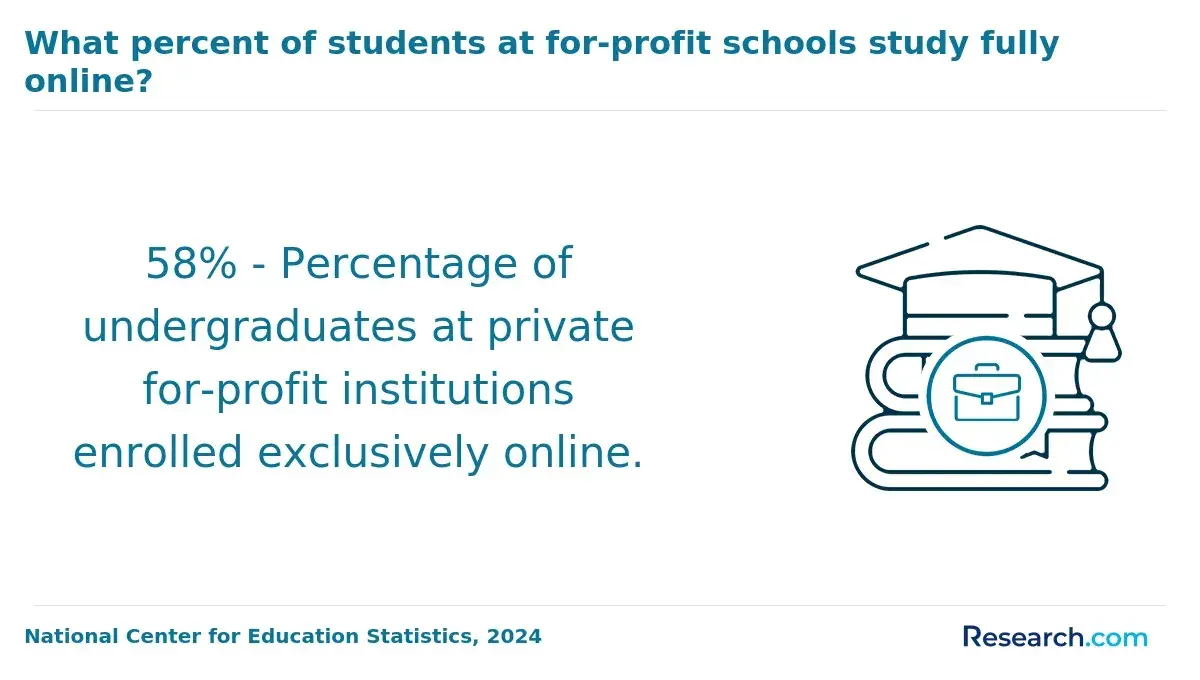
Breakdown of All Fully Online Title IV Institutions

How Long Does It Take to Complete a Forensic Accounting Degree?
Completion time affects ROI because every additional term can increase tuition, fees, living expenses, and delayed earnings. However, the fastest option is not always the best option. A student who keeps a full-time job while studying part time may finish later but preserve income and reduce borrowing.
The right timeline depends on your current accounting background, work obligations, transfer credits, and whether the program requires an internship, capstone, or thesis.
- Enrollment status: Full-time enrollment may shorten the path to graduation, but it can also increase opportunity cost if you stop working. Part-time enrollment may reduce financial pressure for working adults.
- Program format: Online and accelerated tracks can offer more scheduling flexibility. They may be especially useful for students who need to keep earning while completing coursework.
- Transfer credits: Previously earned credits can reduce both completion time and total cost when accepted by the institution. Confirm transfer policies before enrolling, not after admission.
- Internship or thesis obligations: Practical experience and research requirements can extend the timeline, but they may strengthen job readiness and improve long-term value if aligned with career goals.
- Class scheduling: Evening, weekend, and asynchronous courses help working professionals stay enrolled, though limited course rotation can delay graduation if required classes are not offered frequently.
One forensic accounting graduate said her part-time evening classes and online coursework allowed her to keep a steady income while moving through the program. Although it extended her graduation timeline beyond the traditional four years, she felt the trade-off reduced stress and helped her avoid taking on unnecessary financial risk. Her thesis also helped her enter the job market with stronger confidence and a clearer specialty.
For ROI planning, students should calculate both scenarios: the cost of finishing quickly and the cost of finishing while employed. The better option is the one that supports completion without creating debt levels that future earnings cannot comfortably manage.
Is ROI Higher for Online or On-Campus Forensic Accounting Programs?
ROI can be higher for either online or on-campus forensic accounting programs depending on cost, flexibility, reputation, student support, and career outcomes. Online enrollment in graduate programs has increased by nearly 90% over the past decade, and employers have become more familiar with online credentials. Still, the delivery format alone does not determine value; accreditation, curriculum quality, faculty expertise, and career services matter more.
Online programs often appeal to working adults because they can reduce commuting, relocation, and lost-income costs. On-campus programs may provide stronger in-person networking, recruiting access, and structured support. Students should choose the format that best fits their work situation and target career path.
| Factor | Online programs | On-campus programs |
| Cost structure | May reduce commuting, relocation, and some campus-related expenses | May include additional housing, transportation, parking, or campus fees |
| Opportunity cost | Often easier to combine with full-time or part-time employment | May require schedule changes or reduced work hours |
| Networking | Can be strong when programs offer live sessions, alumni groups, and employer events | Often stronger for face-to-face recruiting, faculty access, and peer relationships |
| Employer perception | Increasingly accepted, especially when accredited and from a recognized institution | May still be preferred by some employers or for certain recruiting pipelines |
| Best fit | Working adults, career changers, and students needing schedule flexibility | Students who value campus resources, in-person mentoring, and local recruiting |
When comparing online and campus ROI, ask each program for placement support, internship access, employer connections, graduate outcomes, and total net cost. Students comparing broader business education options may also review business degree online resources to understand how affordability and format can affect educational value.
What Is the Average Salary After Earning a Forensic Accounting Degree?
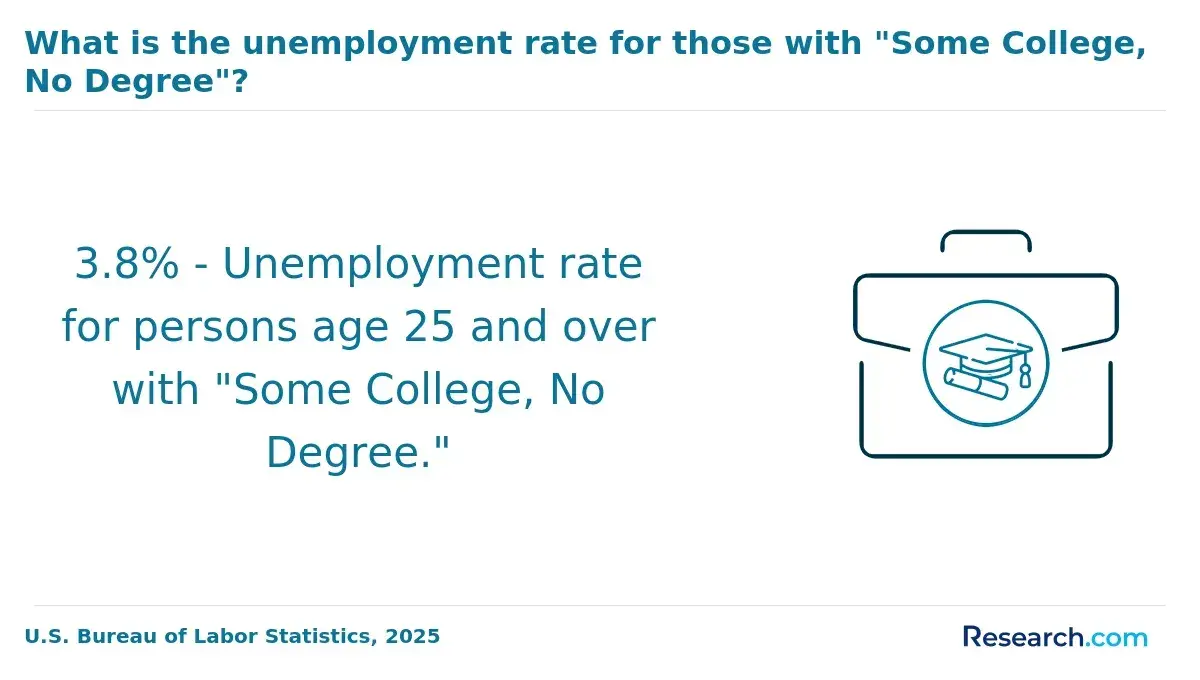
Salary is one of the strongest drivers of ROI because it determines how quickly graduates can recover their education costs. In forensic accounting, the average salary outlook generally ranges from $60,000 to $95,000 annually, depending on experience, employer, location, credentials, and specialization.
Students should interpret salary ranges carefully. Entry-level graduates may start near the lower end, while professionals with prior accounting experience, CPA preparation, fraud examination skills, or litigation support experience may move more quickly into higher-paying roles.
- Industry: Compensation can vary across government, financial services, consulting, healthcare, corporate accounting, and legal support. Private-sector and consulting roles may offer higher salaries, while public-sector positions may provide stability and benefits.
- Geographic location: Urban and high-cost-of-living regions often pay more, but higher living expenses can reduce the real financial advantage. Compare salary with local cost of living.
- Prior experience: Students who already work in accounting, auditing, compliance, law enforcement, or finance may see a stronger salary return than students entering the field with no related background.
- Specialization: Fraud examination, digital forensics, anti-money laundering, litigation support, and regulatory investigations can strengthen earning potential when aligned with employer demand.
- Career level: Early roles may focus on analysis, audit support, or investigations. Senior, managerial, and expert-witness-related roles can produce stronger long-term ROI.
Salary should be compared with total debt, not viewed in isolation. A graduate earning near the high end of the range from a low-cost program may see a strong return. A graduate with heavy debt and unclear career direction may need longer to break even. Students comparing lower-cost education paths outside accounting can review resources such as the cheapest online psychology degree to see how program cost affects ROI across fields.
Does a Forensic Accounting Degree Lead to Promotions?
A forensic accounting degree can support promotions, but it does not guarantee them. Its value is strongest when paired with relevant experience, strong performance, professional certifications, and a clear role target. Employers are more likely to reward the degree when it helps an employee handle complex investigations, lead audit projects, support litigation, or manage fraud risk.
Promotion ROI depends on whether the degree solves a real advancement barrier. For some professionals, the credential may help them move from general accounting into investigative or advisory roles. For others, a certification, technical skill, or internal leadership experience may be just as important.
- Credential requirements: Some supervisory, investigative, compliance, or advisory roles prefer or require advanced accounting education. A forensic accounting degree can help satisfy those expectations.
- Leadership preparation: Strong programs build analytical judgment, documentation skills, ethical decision-making, and communication skills needed for higher-level responsibilities.
- Tuition support access: Employer tuition assistance can improve ROI when the degree supports advancement within the same organization and reduces out-of-pocket cost.
- Internal promotion policies: Some organizations weigh formal education and specialized credentials when evaluating candidates for promotion, especially in regulated or risk-sensitive roles.
- Experience and education synergy: The strongest promotion case usually combines practical accounting or audit experience with specialized forensic training.
Professionals should compare the degree with other advancement options before enrolling. If the goal is maximum earnings across all fields, resources on majors that make the most money can provide a broader benchmark. If the goal is fraud investigation, litigation support, or financial crime analysis, a forensic accounting degree may offer more targeted career value.
Which Industries Offer the Best ROI for Forensic Accounting Graduates?
The best ROI for forensic accounting graduates often comes from industries where fraud risk, regulatory pressure, litigation exposure, and financial complexity create steady demand for investigative accounting skills. Salary matters, but advancement paths, job stability, benefits, and specialization opportunities also affect long-term value.
- Financial services: Banks, investment firms, insurers, and related organizations need forensic accounting skills for fraud detection, regulatory compliance, anti-money laundering support, due diligence, and internal investigations. These roles may offer strong compensation and advancement potential.
- Government/public sector: Federal, state, and local agencies hire professionals for audits, fraud investigations, financial oversight, and enforcement support. These roles may provide stable employment, structured advancement, and comprehensive benefits.
- Consulting/advisory: Consulting firms use forensic accountants for litigation support, risk management, fraud investigations, dispute analysis, and corporate investigations. This path can offer broad experience and faster skill development, though workloads may be demanding.
- Healthcare: Healthcare organizations face billing complexity, compliance requirements, and fraud detection needs. Forensic accounting skills can be valuable in audits, investigations, reimbursement analysis, and regulatory support.
Students should choose electives, internships, and projects based on the industry they want to enter. For example, someone targeting healthcare should build knowledge of healthcare compliance and billing systems, while someone interested in financial services may benefit from coursework or experience in regulatory compliance and data analytics.
Students trying to lower total education cost may also compare institutions using resources such as the cheapest online colleges that accept FAFSA, since reducing tuition and borrowing can improve ROI regardless of industry.
Does Accreditation Affect ROI for a Forensic Accounting Degree?
Yes. Accreditation can affect ROI because it influences financial aid eligibility, employer confidence, credit transfer, graduate school options, and, in some cases, preparation for professional credentials. A degree from an accredited institution is generally safer than a degree from an unaccredited provider because it has been reviewed against recognized academic standards.
Accreditation matters most in three practical ways. First, accredited programs typically qualify students for federal financial aid, which can make the degree more financially accessible. Second, employers may view accredited credentials as more credible when screening applicants. Third, credits from accredited institutions are more likely to transfer if a student changes schools or pursues further education.
Students should verify both institutional accreditation and, when relevant, business or accounting-specific accreditation. They should also check whether the coursework supports their state’s CPA requirements if CPA eligibility is part of their career plan. Accreditation alone does not guarantee a strong ROI, but lack of recognized accreditation can create serious financial and career risk.
Is a Forensic Accounting Degree Worth It?
A forensic accounting degree can be worth it for students who want specialized roles in fraud detection, financial investigations, litigation support, compliance, or risk advisory work. The degree is more likely to produce a positive ROI when the program is accredited, reasonably priced, aligned with the student’s career goals, and supported by relevant experience or internships.
The investment is less clear for students who are unsure about entering accounting-related work, must borrow heavily, or already have access to similar roles through experience and certifications. Tuition fees for these programs can range from affordable online options to costly traditional degrees, with most master's programs taking one to two years to complete. Graduates generally earn higher salaries than those in general accounting, with median annual wages often between $70,000 and $80,000. The field also offers strong potential for career advancement due to growing demand driven by corporate fraud investigations and regulatory requirements.
Before enrolling, students should answer four questions: What role do I want after graduation? What is the full net cost of the program? How much income will I lose while studying? What salary and promotion path is realistic for my background and location? If the answers point to manageable debt and a clear career outcome, the degree may be a strong investment.
What Graduates Say About The ROI of Their Forensic Accounting Degree
- Joey: "Choosing a forensic accounting degree was a strategic move for me because I wanted to move into fraud examination, not remain in a general accounting role. The average cost of attendance hovered around $25,000 to $40,000, so I looked closely at salary outcomes before enrolling. The return has been clear: stronger career opportunities, better credibility, and a curriculum that prepared me for complex financial investigations."
- Morgan: "The online format made the degree possible because I could keep working while studying. The cost was significant-about $30,000 on average-but the flexibility helped reduce the income I would have lost in a full-time campus program. The credential improved my analytical skills and gave me more confidence competing for forensic accounting roles."
- Hudson: "As a part-time student, I evaluated the forensic accounting degree with a clear ROI mindset. The investment, which can range between $20,000 and $40,000, made sense for me because I was already working in finance and wanted to specialize in forensic audits. The degree accelerated my career growth and helped establish me as a trusted professional in the financial industry."
Other Things You Should Know About Forensic Accounting Degrees
In 2027, graduates with a forensic accounting degree often pursue roles like forensic auditor, fraud examiner, or risk analyst. These positions, typically within corporations, government agencies, or law firms, offer competitive salaries that enhance ROI when aligned with the growing demand for expertise in financial investigations.
Yes, certifications such as Certified Fraud Examiner (CFE) or Certified Forensic Accountant (Cr.FA) can significantly boost the ROI of a forensic accounting degree. These credentials demonstrate professional expertise and commitment, often leading to higher salaries and better job prospects. Combining formal education with relevant certifications helps graduates stand out in competitive job markets.
In 2027, the ROI of a forensic accounting degree is influenced by several factors, including tuition costs, demand for forensic accountants in various industries, and average salary levels across different regions. Additionally, opportunities for career advancement and economic conditions can substantially impact potential earnings and ROI.
References
- Accounting Scholarships and Grants | Accounting.com https://www.accounting.com/resources/financial-aid/
- Is Forensic Accounting a Good Career? How to Join This Lucrative Field https://learn.neumann.edu/neuperspectives/is-forensic-accounting-a-good-career-how-to-join-this-lucrative-field
- FAQs on Forensic Accounting | Prime Accountants https://primeaccountants.co.uk/prime-accountants/faqs-on-forensic-accounting/
- Forensic Accounting: 5 Amazing Courses and Career Opportunities https://www.jaroeducation.com/blog/forensic-accounting-careers
- Admissions & Costs - Forensic Accounting, M.S. https://www.oldwestbury.edu/programs-courses/forensic-accounting/admissions-costs
- Which Industries Pay Accountants the Most? https://www.pridestafffinancial.com/blog/top-paying-industries-for-accountants/
- Forensic Accounting Degree Online https://www.snhu.edu/online-degrees/bachelors/bs-in-accounting/forensic-accounting-and-fraud-examination
- How to Become a Forensic Accountant https://www.allbusinessschools.com/specialties/how-to-become-a-forensic-accountant/
- Forensic Accountant https://www.acfe.com/career/career-paths/career-path-accounting/career-path-detail-forensic-accountant


