
2027 Part-Time vs. Full-Time Forensic Accounting Degree Programs

Co-Founder and Chief Data Scientist
Choosing a forensic accounting degree format is not just a scheduling decision. It affects how quickly you can graduate, how much income you may need to give up, what financial aid you can use, and how much time you can devote to building investigative accounting skills. For many students, the real question is whether to move quickly through a full-time program or keep working while completing the degree part time.
Nearly 40% of forensic accounting students now opt for flexible learning options, which reflects a practical shift: many learners are already employed, supporting families, changing careers, or trying to avoid unnecessary debt. A part-time format can make the degree possible without leaving work, while a full-time format can shorten the path to graduation and create more time for internships, campus recruiting, and faculty interaction.
This guide compares part-time and full-time forensic accounting programs across structure, completion time, admissions, tuition, online availability, employer perception, ROI, and student experience. Use it to decide which format better fits your finances, schedule, career timeline, and preferred way of learning.
Key Benefits of Part-Time vs. Full-Time Forensic Accounting Degree Programs
- Part-time programs allow students to maintain full-time employment, enabling practical application of forensic accounting concepts and steady career advancement during study.
- Spreading coursework over a longer period reduces financial strain by minimizing immediate tuition costs and retaining income, supporting better financial planning.
- Flexible scheduling in part-time study helps balance academic commitments with personal responsibilities, enhancing long-term retention and well-being.
How Are Part-Time Forensic Accounting Programs Structured Compared to Full-Time Programs?
Part-time and full-time forensic accounting programs usually cover similar core topics, including accounting theory, fraud examination, auditing, financial reporting, litigation support, and investigative methods. The main difference is how quickly students move through those courses and how much structure the school builds into each semester.
Part-Time Program
- Course load: Part-time students typically take 6-9 credits per semester. This lighter load is designed for students who are working, caregiving, or managing other major responsibilities.
- Weekly time commitment: A part-time learner should expect approximately 15 to 20 hours per week for readings, assignments, case analysis, group work, and exam preparation.
- Scheduling flexibility: Evening, weekend, online, and hybrid classes are more common in part-time formats. This can be especially useful for accountants, auditors, law enforcement personnel, or finance professionals who cannot attend weekday daytime classes.
- Online accessibility: Many part-time programs include online or hybrid options, allowing students to enroll without relocating or commuting several days per week.
- Best fit: Part-time study works well for students who need to keep earning income, want to apply new skills immediately at work, or prefer a slower academic pace.
Full-Time Program
- Course load: Full-time students usually enroll in 12-15 credits per semester, creating a faster and more concentrated academic experience.
- Weekly time commitment: Full-time students often spend 30 or more hours per week on coursework, projects, research, and preparation.
- Scheduling: Classes are more likely to be held during daytime hours, which can make full-time enrollment difficult for students with standard work schedules.
- In-person interaction: Full-time formats often provide more regular access to faculty, classmates, student organizations, recruiting events, and campus-based networking.
- Best fit: Full-time study is usually better for students who want to finish quickly, can reduce work hours, and benefit from an immersive academic environment.
| Factor | Part-Time Format | Full-Time Format |
| Typical credits per semester | 6-9 credits | 12-15 credits |
| Weekly workload | Approximately 15 to 20 hours | 30 or more hours |
| Schedule | Often evening, weekend, online, or hybrid | Often daytime and campus-centered |
| Main advantage | Greater flexibility while working | Faster progress and deeper immersion |
| Main trade-off | Longer time to finish | Less room for full-time employment |
The best structure depends on your available study time, not just your motivation. A student working 40 hours per week may perform better with two courses than with an overloaded schedule that leads to weak grades or burnout. Students comparing shorter career-focused options may also want to review the best 6 month courses that pay well before committing to a full degree path.
How Long Does It Take to Earn a Part-Time vs Full-Time Forensic Accounting Degree?
The time required to earn a forensic accounting degree depends on enrollment intensity, transfer credits, prerequisites, course availability, and whether the program follows a traditional, accelerated, online, or hybrid calendar. Full-time study is usually the faster route. Part-time study offers more flexibility but extends the timeline.
- Full-time programs: Students typically finish in about four years, consistent with general undergraduate degrees reported by the National Center for Education Statistics. Accelerated tracks or transfer credits can reduce this period to three years or fewer.
- Part-time programs: Students balancing work or personal obligations often take five to seven years to finish. The reduced course load makes each semester more manageable, but it spreads the degree across more terms.
- Program format: Online and hybrid programs may offer accelerated pathways for both part-time and full-time students. Transfer credits can also shorten the time to graduation if the school accepts prior coursework.
What can shorten or lengthen your timeline?
- Transfer credit policies: Students with prior accounting, business, finance, or criminal justice coursework may complete fewer credits if the school accepts those courses.
- Prerequisite requirements: Applicants without an accounting background may need extra foundational courses, which can add time.
- Course rotation: Some specialized forensic accounting courses are offered only once per year. Missing one can delay graduation.
- Summer enrollment: Taking summer courses can reduce total completion time, but it can also intensify workload.
- Capstone, internship, or practicum requirements: Experiential components can be valuable, but they may require advance planning around work schedules.
Before enrolling, ask the program for a sample degree plan for both part-time and full-time students. Do not rely only on the advertised completion time; confirm how often required courses are offered and whether students in your preferred format can access them when needed. Students considering flexible academic pathways may also find useful comparisons in easiest online degrees.
Are Admission Requirements Different for Part-Time vs Full-Time Forensic Accounting Programs?
Admission requirements are often similar for part-time and full-time forensic accounting programs, but admissions committees may evaluate applicants differently based on the format. Both routes typically look for academic readiness, quantitative ability, writing skills, and a clear interest in fraud investigation or accounting analysis. The difference is that part-time applicants may be able to strengthen their application with professional experience, while full-time applicants are often assessed more heavily on recent academic performance.
- GPA and academic background: Both formats typically require a minimum undergraduate GPA near 3.0. Full-time programs may place stronger emphasis on a consistent academic record and prerequisite coursework in accounting, finance, or criminal justice. Part-time programs may show more flexibility for applicants with non-traditional academic histories if they can demonstrate relevant work experience.
- Professional experience: Part-time programs often attract applicants from accounting, auditing, compliance, finance, law enforcement, or investigations. That experience can help offset gaps in formal prerequisites, although it does not always replace required accounting coursework.
- Standardized tests: GMAT or GRE scores are commonly required or strongly recommended for some full-time applicants to assess quantitative and analytical skills. These tests are more likely to be optional for part-time applicants when professional experience provides evidence of readiness.
- Supporting documents: Both formats commonly require letters of recommendation and a statement of purpose. Part-time applicants should connect their work experience to their academic goals. Full-time applicants should show readiness for intensive study and explain how the degree supports their career plan.
- Prerequisites: Applicants without prior accounting coursework should ask whether they must complete foundation classes before starting core forensic accounting courses.
How to strengthen your application
- Explain why forensic accounting fits your career goals, not just why you want a business-related degree.
- Highlight experience with audits, financial records, compliance, investigations, litigation support, fraud prevention, or data analysis.
- Ask recommenders to speak to your analytical ability, ethics, attention to detail, and ability to manage complex work.
- Confirm whether the program prepares students for any certifications or licensure-related goals you may have, since requirements can vary by state and credential.
Applicants comparing long-term graduate options may also review doctoral degrees without dissertation as part of broader academic planning, but forensic accounting admission decisions should start with the specific prerequisites and outcomes of each program.
How Do Tuition Fees Differ for Part-Time vs Full-Time Forensic Accounting Programs?
Tuition differences usually come down to billing structure. Full-time students may pay a flat semester rate for a set credit range, which can reduce the cost per credit when they take a heavier load. Part-time students are more often charged by the credit hour. That can feel manageable in the short term, but the total cost may rise if fixed fees are charged every semester over a longer period.
- Per-credit tuition rates: Full-time students may benefit from lower effective per-credit costs when a flat tuition model applies. Part-time students may pay more per credit depending on the institution’s pricing policy.
- Overall cost: Full-time tuition can be less predictable upfront because payments are larger each term. Part-time tuition spreads payments over time but may increase the cumulative cost if students remain enrolled for more semesters.
- Financial aid access: Full-time status can improve access to some scholarships, grants, assistantships, and aid packages. Part-time students should confirm minimum credit requirements before assuming they will qualify for the same aid.
- Additional fees: Technology fees, activity fees, registration fees, and other semester-based charges may not decrease proportionally for part-time students. These recurring fees can raise the effective cost per credit.
- Employer support: Working students should ask whether their employer offers tuition reimbursement and whether reimbursement requires a minimum grade, approved coursework, or continued employment after graduation.
If affordability is the main constraint, compare tuition models, aid eligibility, and credit transfer policies before choosing a format; students who are still comparing accounting pathways may also want to research an affordable accounting degree online as part of their cost planning.
A graduate of a part-time forensic accounting program described the trade-off clearly: "Paying per credit felt straightforward at first, but those extra fees each semester added up more than I expected. Sometimes I hesitated to take more classes because the cost wasn't just tuition-it was also all those other fees that don't reduce if you take fewer credits." The flexibility made it possible to keep working, but it required careful financial planning.
"I appreciated the flexibility, yet the overall cost stretched over more semesters. It made me careful about each class choice and looking for any available aid, even though opportunities were more limited than for full-time students." Her experience shows why students should compare total program cost, not just tuition per credit.
Which Forensic Accounting Degree Program Format Offers More Online or Hybrid Course Options?
Part-time forensic accounting programs generally offer more online and hybrid options than full-time programs because they are commonly designed for working adults. Full-time programs may still include online courses, but they are more likely to use a campus-centered schedule with daytime classes, structured cohorts, and in-person engagement.
- Program flexibility: Part-time programs often prioritize asynchronous, evening, weekend, and hybrid courses so students can study around employment and personal obligations.
- Student demographics: Part-time students are more likely to be employed, which creates stronger demand for online and blended delivery. Full-time students are often able to attend more in-person sessions.
- Institutional policies: Schools often reserve more online and hybrid options for part-time programs, with about 65% of part-time graduate students taking some courses online versus 30% of full-time students.
- Course scheduling: Evening and weekend classes are more common in part-time formats. Full-time courses more often follow a daytime schedule.
- Networking opportunities: Hybrid programs can give part-time students access to faculty and classmates without requiring constant campus attendance. Full-time students may have more frequent informal networking through campus events and peer interaction.
| Delivery Feature | Part-Time Programs | Full-Time Programs |
| Online availability | Often broader | Varies by school |
| Hybrid options | Common for working students | Available in some programs |
| Class timing | More evening and weekend options | More daytime scheduling |
| Best for | Students balancing work and study | Students who can prioritize school |
When comparing online or hybrid forensic accounting programs, ask whether specialized courses such as fraud examination, digital forensics, valuation, or litigation support are available online every year. A program may advertise online learning but still require campus attendance for key courses, exams, residencies, or internships.
Can Forensic Accounting Students Switch Between Part-Time and Full-Time Enrollment?
Many colleges allow forensic accounting students to switch between part-time and full-time enrollment, but the process is not always automatic. Students usually need to meet academic standing requirements, follow school deadlines, and receive approval from an advisor or program administrator. The change can affect tuition, financial aid, course sequencing, graduation date, and work-life balance.
What to check before changing enrollment status
- Academic standing: Some schools limit enrollment changes to students in good academic standing.
- Financial aid rules: Scholarships, grants, loans, and assistantships may require a minimum number of credits. Dropping below full-time status can reduce or change aid eligibility.
- Course availability: Required courses may not be offered every semester or in every format. Switching to part time can delay access to sequential courses.
- Tuition billing: Moving from flat-rate tuition to per-credit tuition, or the reverse, can change your total cost.
- Graduation timeline: Switching to full time may shorten completion time, while switching to part time may extend it.
- Employer and personal obligations: A full-time load may be difficult to sustain while working. A part-time load may be more realistic but slower.
The safest approach is to speak with an academic advisor before the registration period opens. Ask for a revised degree plan showing remaining courses, expected graduation date, financial aid impact, and any courses that must be taken in sequence.
A graduate who switched from part-time to full-time enrollment said the transition helped him finish sooner but required planning. He initially felt overwhelmed balancing work and classes, then moved to full-time study once his schedule allowed it. "The process wasn't without paperwork and approvals, but hearing encouragement from my advisor made the transition smoother," he said. His experience highlights the value of asking early and getting the school’s requirements in writing.
How Do Online, Hybrid, and Campus Forensic Accounting Program Delivery Formats Affect Part-time vs. full-time learning?
Delivery format can shape the student experience as much as enrollment status. Online programs offer the most scheduling flexibility, hybrid programs balance flexibility with periodic in-person interaction, and campus programs provide the most direct access to faculty, peers, facilities, and recruiting events. The right choice depends on how you learn, how much structure you need, and whether you can regularly attend scheduled sessions.
- Scheduling flexibility: Online programs offer the most freedom, which often benefits part-time students balancing employment or caregiving. Hybrid programs combine online work with scheduled campus sessions. Campus programs usually have more fixed schedules and tend to fit full-time students more easily.
- Workload management: Part-time students in online or hybrid programs can often control their course load more easily. Full-time students, especially in campus-based formats, usually move faster and may complete programs in about two years, while part-time students may take three to four years depending on the format and institution.
- Accessibility: Online forensic accounting programs reduce geographic barriers. Hybrid formats require some travel. Campus programs offer direct access to libraries, faculty offices, labs, career services, and student organizations, but commuting can be difficult for part-time students.
- Learning pace and support: Full-time campus students may receive more frequent in-person feedback and mentorship. Online and hybrid students rely more on recorded lectures, discussion boards, video meetings, and digital resources. This can support self-paced review but may require stronger time management.
- Collaboration: Forensic accounting often uses case-based projects and group analysis. Online students should ask how the program handles team work, live sessions, presentations, and access to instructors.
| Format | Strengths | Potential Drawbacks | Often Works Best For |
| Online | Maximum flexibility and no regular commute | Requires strong self-discipline and may offer less spontaneous interaction | Part-time students and working professionals |
| Hybrid | Combines online convenience with some face-to-face learning | Requires travel or scheduled attendance at specific times | Students who want flexibility plus periodic campus engagement |
| Campus | More direct access to faculty, peers, and campus resources | Less flexible for students with work or family commitments | Full-time students who can attend regularly |
Students focused on the fastest degree to make money should pay close attention to delivery format because course availability, scheduling, and required campus visits can all affect completion time. A flexible online format is helpful only if the courses you need are offered often enough to keep you on track.
Do Employers Prefer Full-Time Forensic Accounting Degrees Over Part-Time Degrees?
Employers generally care more about the quality of the program, the student’s skills, relevant experience, and professional readiness than whether the degree was completed part time or full time. A full-time degree may signal immersion and faster completion. A part-time degree may signal discipline, time management, and the ability to apply classroom learning while working.
Forensic accounting employers often evaluate candidates on practical capabilities: understanding financial statements, identifying irregular transactions, documenting findings, using audit or analytics tools, communicating clearly, and maintaining ethical judgment. The program format matters less if the graduate can demonstrate these competencies through coursework, internships, projects, certifications, or job experience.
- Full-time advantage: Full-time students may have more access to internships, campus recruiting, faculty-led research, and structured networking.
- Part-time advantage: Part-time students may graduate with more concurrent work experience, which can be valuable in accounting, auditing, compliance, fraud investigation, or law enforcement settings.
- Industry variation: Financial institutions and consulting firms may place value on intensive academic preparation and recruiting pipelines. Government agencies and law enforcement employers may weigh professional experience just as heavily, or more heavily, than enrollment format.
- Resume strategy: Students should not label a degree as “part-time” unless asked. Instead, highlight the institution, degree title, relevant coursework, projects, experience, and measurable achievements.
Students who want broader academic combinations may also explore dual degree undergraduate programs, but employers will still look for clear evidence that the candidate can handle forensic accounting work.
Is a Part-Time or Full-Time Forensic Accounting Degree More Worth It for ROI?
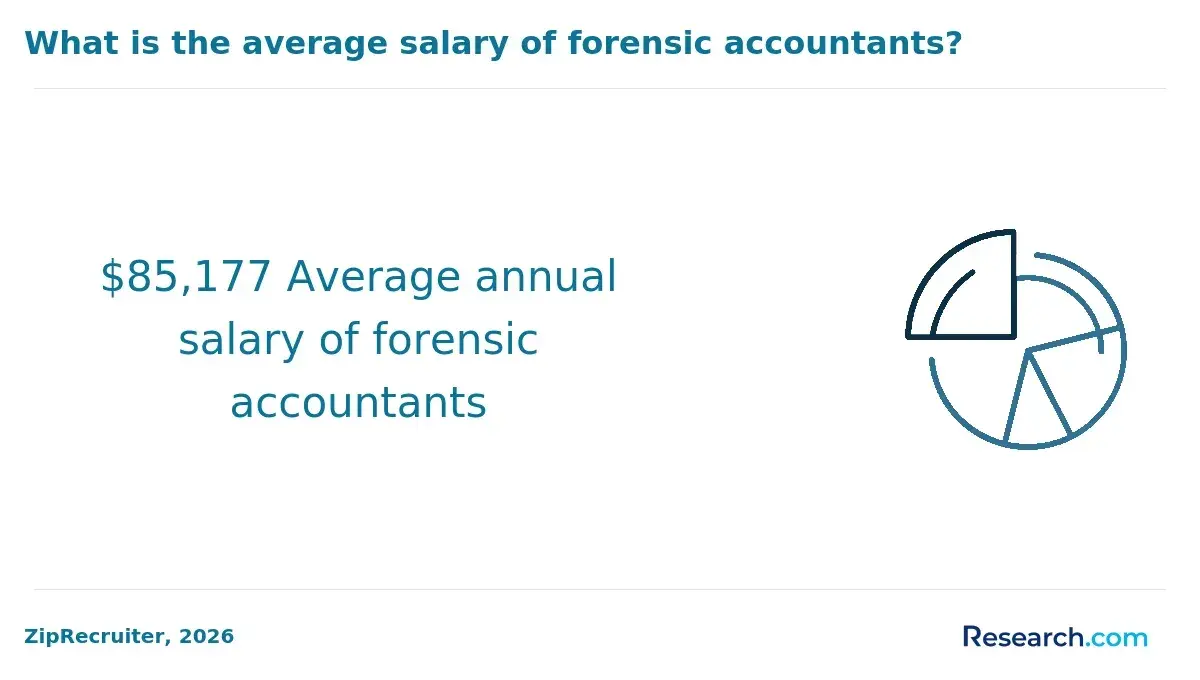
The better ROI depends on your starting point. Full-time study may produce a faster return if you can afford the upfront cost and enter or advance in the field sooner. Part-time study may produce a stronger personal ROI if it lets you keep earning income, use employer tuition assistance, avoid relocation, or reduce borrowing.
ROI is not only tuition minus future salary. It also includes lost wages, interest on loans, time to graduation, job market timing, employer support, and the value of experience gained while studying. Data from U.S. Education sources shows full-time students often experience faster salary growth, while part-time learners benefit from steady income and possible employer tuition assistance.
- Total program cost: Full-time programs may require larger immediate payments. Part-time programs spread costs over more semesters, which can ease short-term pressure but may increase fee exposure.
- Opportunity cost: Full-time study can require reduced work hours or temporary income loss. Part-time study usually allows continued employment.
- Salary potential: Full-time graduates may reach degree-qualified roles sooner. Part-time students may combine the credential with ongoing professional experience.
- Career advancement: Full-time study can support a faster career pivot. Part-time study can support gradual advancement without leaving a current role.
- Long-term financial benefits: A faster degree can help if the credential is needed for promotion. Continued employment can help if avoiding debt is the priority.
When full-time may offer better ROI
- You can afford to study without taking on unsustainable debt.
- You need the credential quickly for a career change or promotion.
- The program offers strong recruiting, internship, or networking support.
- You can complete the degree faster without sacrificing academic performance.
When part-time may offer better ROI
- You need to keep working while studying.
- Your employer offers tuition assistance or schedule flexibility.
- You already work in accounting, auditing, finance, compliance, or investigations and can apply coursework immediately.
- You want to reduce income loss and spread tuition payments over time.
A practical ROI comparison should include a written estimate of total tuition and fees, expected aid, loan needs, income changes, and the likely time until the degree improves your job options.
How Do You Decide Between a Part-Time and Full-Time Forensic Accounting Degree Program?
Decide by matching the program format to your real constraints: time, money, career urgency, learning style, and support system. The best format is the one you can complete successfully without creating unnecessary financial or personal strain.
- Time availability: Full-time programs involve about 12 to 18 credit hours per semester and usually finish in around two years. Part-time paths extend over three to four years and may better fit students with work or family obligations.
- Financial resources: Part-time study can allow you to keep earning while taking classes. Full-time study may require more upfront funding but can lead to faster workforce entry or advancement.
- Career goals: Choose full time if you need a fast transition into forensic accounting. Choose part time if you are building skills while staying in your current accounting, auditing, finance, compliance, or investigative role.
- Learning style: Part-time programs often use evening, weekend, online, or hybrid classes. Full-time programs usually provide a more immersive structure with heavier weekly academic demands.
- Program duration: If speed matters most, full time is usually the stronger option. If sustainability matters most, part time may be safer.
- Flexibility: Part-time formats generally support work-life balance better. Full-time formats require more concentrated commitment but may provide stronger campus engagement.
Decision checklist
- Can you realistically study 30 or more hours per week, or is approximately 15 to 20 hours more manageable?
- Will you lose income by studying full time, and can you afford that loss?
- Does your employer offer tuition reimbursement for part-time study?
- Are required forensic accounting courses available online, at night, or on weekends?
- Do you need internships or campus recruiting to enter the field?
- Will your financial aid change if you enroll part time?
- Can you stay motivated over a longer timeline?
If you are unsure, ask each program for two plans: one full-time and one part-time. Compare graduation dates, total estimated cost, financial aid eligibility, course availability, and work schedule impact before enrolling.
What Graduates Say About Their Part-Time vs. Full-Time Forensic Accounting Degree
- Joey: "Pursuing my part-time forensic accounting degree while working full-time was challenging but incredibly rewarding. The coursework was practical and aligned with industry standards, which made balancing work and study easier. Considering the average cost was around $15,000, I feel the investment has paid off handsomely in advancing my career."
- Morgan: "Reflecting on my full-time forensic accounting program, I appreciate the deep dive it offered into financial investigation techniques. Though the cost was on the higher side, approximately $25,000, the skills I gained have dramatically broadened my professional opportunities and personal confidence. It was a transformative experience."
- Hudson: "As someone who chose a part-time path, I found the flexible schedule invaluable for managing life's demands. The cost, while moderate at about $18,000, was justified by the direct application of knowledge I now use daily in my forensic accounting role. This degree truly elevated my expertise and marketability in the field."
Other Things You Should Know About Forensic Accounting Degrees
Part-time forensic accounting students generally have access to the same internship opportunities as full-time students, though scheduling may be more challenging. Employers typically focus on skill sets and academic progress rather than enrollment status. However, part-time students need to coordinate with internship supervisors to manage work or personal commitments alongside internship hours effectively.
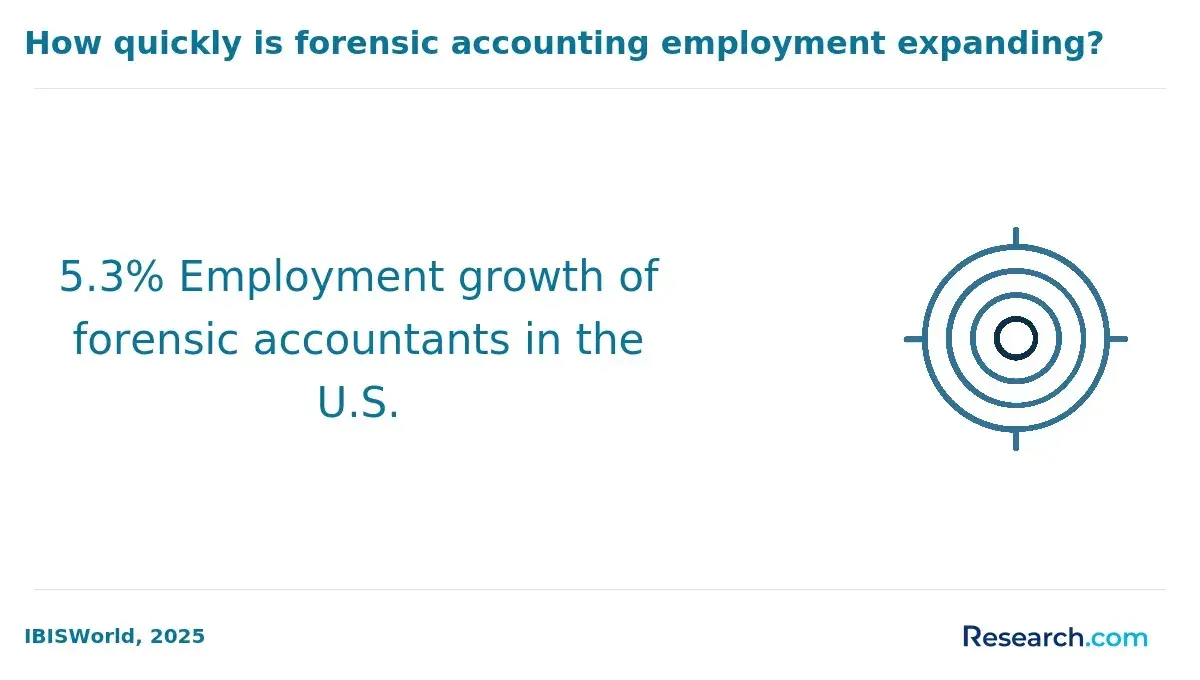
In 2027, both part-time and full-time forensic accounting degree graduates often find similar employment opportunities. Employers recognize the degree regardless of the study mode, focusing more on the skills and knowledge acquired, practical experience, and professional certifications. However, full-time students might complete their degrees and enter the workforce faster.
References
- Is Your Firm Overlooking the Value of Forensic Accounting? https://jfspartners.com/is-your-firm-overlooking-the-value-of-forensic-accounting/
- Forensic Accounting Master of Science Degree https://www.albany.edu/graduate-bulletin/forensic-accounting-ms.php
- Best of 2025: Online Master’s Programs in Forensic Accounting https://www.onlinemastersdegrees.org/best-programs/business/accounting/forensic-accounting/
- Top Master's in Forensic Accounting Online | Accounting.com https://www.accounting.com/degrees/forensic-accounting/masters/best-online-programs/
- Forensic Accounting: A Career Overview | DeVry University https://www.devry.edu/blog/forensic-accounting-a-career-overview.html
- Fraud Examination & Forensic Accounting - Courses - Seneca Polytechnic, Toronto, Canada https://www.senecapolytechnic.ca/programs/fulltime/FEA/courses.html
- Students' FAQs on the PER (Practical Experience Requirement) https://www.accaglobal.com/gb/en/student/practical-experience-per/faqs-practical-experience-requirement.html
- Forensic Accounting Degree Online https://www.snhu.edu/online-degrees/bachelors/bs-in-accounting/forensic-accounting-and-fraud-examination
- AICPA & CIMA. (2025). 2025 MAP Survey Executive Summary. https://www.aicpa-cima.com/resources/download/map-survey-executive-summary
- AICPA. (2025). AICPA 2025 Trends Report. https://www.aicpa-cima.com/professional-insights/download/2025-trends-report
- ZipRecruiter. (2026). Forensic Accountant salary. https://www.ziprecruiter.com/Salaries/Forensic-Accountant-Salary
- IBISWorld. (2025, October). Forensic Accounting Services in the US - Employment (2002–2031). https://www.ibisworld.com/united-states/employment/forensic-accounting-services/4791/


