
2027 Are Online Sports Analytics Degrees Respected by Employers?

Co-Founder and Chief Data Scientist
Online sports analytics degrees have surged in popularity alongside the growth of digital learning, with over 40% of college students now enrolled in some form of online education. Employer acceptance of these degrees depends largely on factors such as program accreditation, curriculum rigor, and the institution's reputation. Understanding how these elements influence employer perception is essential for prospective students. This article aims to clarify the current standing of online sports analytics degrees in the job market and examine what drives their credibility among employers seeking skilled analytics professionals in the competitive sports industry.
Key Benefits of Online Sports Analytics Degrees Respected by Employers
- Employers increasingly recognize online sports analytics degrees, with recent surveys showing over 70% of hiring managers valuing these credentials equally to traditional degrees.
- Graduates acquire advanced skills in data interpretation, predictive modeling, and sports performance optimization, which are highly sought after in the competitive sports industry job market.
- Those holding online sports analytics degrees report a 25% higher chance of securing entry-level positions within a year compared to peers without specialized training.
Which Accrediting Bodies Make an Online Sports Analytics Degree Legitimate?
Accreditation is essential for ensuring the quality and employer recognition of an online sports analytics degree. It signifies that a program meets established standards of educational excellence, which in turn affects credit transfer, eligibility for financial aid, and career opportunities. For students selecting an accredited online sports analytics degree program, understanding the different accrediting bodies and their importance can help guide their decision. The main types of accreditation relevant to such programs include:
- Regional Accreditation: This is the highest standard of academic quality and is awarded to institutions by one of six U.S. regional accrediting agencies, such as the Southern Association of Colleges and Schools Commission on Colleges or the Higher Learning Commission. Regional accreditation is widely respected by employers and graduate schools and ensures that credits transfer easily. For example, the University of Mississippi (Ole Miss), offering an online M.S. in sport analytics, is regionally accredited, which enhances its degree's value.
- National Accreditation: Granted by agencies recognized by the U.S. Department of Education, national accreditation often focuses on vocational or career-oriented schools. While these programs can be valid, credits from nationally accredited institutions may not transfer as seamlessly, and employers in competitive fields may view these degrees less favorably. Sports analytics programs with rigorous academic standards at major universities typically hold regional rather than national accreditation.
- Programmatic (Specialized) Accreditation: Specific programs may receive accreditation from professional bodies in their field, such as the Association to Advance Collegiate Schools of Business (AACSB) for business analytics specialties. This type of accreditation signals adherence to industry-specific standards, which can boost employer recognition and career outcomes. While sports analytics itself may lack a dedicated accreditor, related data science or business analytics programs often carry such credentials.
Choosing a degree with regional accreditation sports analytics certification maximizes credibility and future opportunities. Moreover, students interested in enhancing their career prospects may explore certifications that make good money, which complement an accredited online sports analytics degree program effectively.
Does University Reputation Affect Employer Views of Online Sports Analytics Degrees?
University reputation plays a crucial role in shaping employer perception of online sports analytics degrees in the US, often influencing the credibility and acceptance of these qualifications in hiring decisions. Institutional prestige is a primary factor; degrees earned from well-known, reputable universities tend to be viewed more positively, regardless of whether the education was completed online or in person. This is particularly true in fields like sports analytics, where employers value the standing of the issuing institution as a mark of quality and rigor.
Other important considerations include alumni success, where the career trajectories of graduates help build employer trust in the degree's value. Accredited programs further reassure employers by signaling adherence to recognized academic standards, which supports the degree's legitimacy. Additionally, universities with strong industry partnerships offer networking and practical experience opportunities, enhancing the program's relevance and appeal to employers looking for graduates who can contribute effectively from day one.
Nonetheless, despite how university ranking impacts sports analytics graduate employability, many employers emphasize skills and relevant experience over the mode of delivery. Candidates must demonstrate analytical ability, technical expertise, and practical knowledge to truly stand out in the competitive job market. For those exploring options, many seek out easy college degrees to combine quality with accessibility, and resources like easy college degrees provide useful insights into programs that balance these factors effectively.
Do Employers Treat Online and On-Campus Sports Analytics Degrees Equally?
Employer attitudes toward online sports analytics degrees have shifted notably over the past decade, reflecting broader acceptance of digital education. While some industries and regions have fully embraced online credentials as equivalent to traditional degrees, U.S. employers remain somewhat cautious. According to recent surveys, only a small percentage of U.S. companies strongly agree that online and on-campus graduates hold equal value, though this gap is gradually closing. Enhanced program rigor, real-world learning components, and up-to-date technical skills are increasingly recognized as critical to bridging this perception divide.
When comparing online and traditional sports analytics degrees, hiring managers prioritize accreditation and the reputation of the awarding institution above the delivery format. Degrees from well-established, accredited universities tend to hold more weight regardless of whether they were earned online or in person. Additionally, practical experience through hands-on projects and internships is crucial, as proficiency with advanced analytics tools and current industry trends often outweigh concerns about the learning format.
Most employers are aware if a degree was earned online before hiring, but technical expertise and demonstrated job readiness remain decisive. Graduates who choose accredited programs with strong industry connections and a focus on gaining relevant experiences can improve how their online credentials are perceived, positioning themselves effectively in the competitive sports analytics job market.
Do Employers Trust Online Sports Analytics Degrees from AI-Powered Virtual Classrooms?
AI technologies such as adaptive learning systems, virtual simulations, and AI tutors are significantly enhancing the quality and credibility of online sports analytics education. These tools provide students with hands-on experience in analyzing real-world sports data and working with industry-standard tools like Python, R, and Power BI. Advanced statistical and machine learning models are integrated into the curriculum, helping learners develop practical skills that closely mirror professional tasks.
Generative AI further supports this learning process by automating routine activities such as data cleaning and visualization. This allows students to concentrate on deeper analytical challenges and real-world problem solving. Such technologies not only boost learning efficiency but also foster critical thinking, creativity, and skills aligned with industry demands, making the education more authentic and relevant for contemporary roles in sports analytics and technology.
These advancements are gradually shifting employer perceptions toward greater trust and acceptance of online sports analytics degrees, especially those supported by AI-driven, practical curricula. Industry surveys highlight the growing demand for professionals skilled in both sports analytics and AI applications, reflecting a positive trend in hiring attitudes. Employers increasingly value programs that realistically simulate professional environments and demonstrate graduate proficiency with advanced tools and methods.
However, some skepticism persists regarding over-reliance on automated tools, the necessity for strong ethical foundations, and the question of whether virtual experiences can fully replace in-person teamwork and mentorship. Despite these concerns, as more institutions adopt AI-powered, industry-aligned approaches, the reputation and acceptance of online sports analytics degrees continue to improve, positioning graduates competitively in a fast-evolving job market.
What Skills Do Employers Value from Online Sports Analytics Graduates?
Online sports analytics graduates stand out in the job market by combining advanced professional expertise with essential soft skills, making them valuable assets for teams and organizations. Their ability to analyze complex data and communicate insights effectively ensures they are competitive candidates for a variety of roles in the sports industry. The most sought-after skills employers look for in online sports analytics degree graduates include the following key areas, which are typically strengthened through these programs:
- Data Analysis and Interpretation: These programs provide hands-on experience with large sports datasets, focusing on extracting and interpreting performance metrics that drive decision-making. Developing strong data analysis skills for sports analytics jobs is critical, as teams depend on data-driven insights to maintain a competitive advantage.
- Technical Proficiency: Students acquire expertise in statistical software, programming languages, and industry-standard analytics tools via practical projects. Mastery of these technical tools is essential for predictive modeling, player evaluation, and tracking performance effectively.
- Communication: Online learning emphasizes clear written and verbal communication through presentations and collaboration, enhancing graduates' communication skills in sports analytics. Employers value the capacity to explain complex data findings to coaches, executives, and non-technical stakeholders.
- Problem-Solving and Critical Thinking: By working with real-world case studies, students develop analytical thinking and creative problem-solving abilities tailored to sports management challenges. Employers seek analysts who can identify trends and recommend actionable strategies.
- Adaptability and Self-Motivation: The flexible, asynchronous nature of online programs fosters time management and independent work habits, qualities important in fast-paced sports analytics roles.
The growing demand for qualified graduates also highlights the value of pursuing a fast paced associates degree in this field for those eager to enter the workforce promptly.
Do Professional Certifications Help Validate Online Sports Analytics Degrees?
Earning professional certifications can significantly enhance the credibility of an online sports analytics degree by demonstrating a graduate's mastery of industry-specific skills and practical competencies. These credentials provide tangible proof to employers that online learners meet professional standards beyond academic achievements alone. This makes certifications a crucial complement that strengthens the perceived value of online sports analytics degrees. In particular, the following key factors explain how professional certifications boost the recognition and trustworthiness of these online credentials in the eyes of hiring managers and industry leaders:
- Specialized Knowledge Verification: Certifications from reputable programs, such as those affiliated with Boston College, Northwestern University, or Michigan State University, validate that graduates have acquired proven expertise in data analysis, statistical modeling, and sports analytics techniques tailored to the industry. This focused validation helps dispel doubts about the rigor and quality of online education in this field.
- Competitive Advantage in Hiring: Professionals holding both an online degree and recognized certifications distinctly stand out in recruitment processes. Employers increasingly prioritize candidates with documented specialized skill sets that align with the fast-evolving demands of sports organizations, enhancing opportunities for higher-level roles and accelerated career growth.
- Practical Industry Experience: Many certification pathways include hands-on projects and access to real-world sports datasets and tools, fostering applied skills that online coursework alone might not fully address. This experiential learning helps assure employers that certified online graduates can translate theory into actionable insights on the job.
- Networking and Professional Credibility: Certification programs often provide valuable connections with industry experts and peers, expanding professional networks and legitimizing graduates within the sports analytics community. These relationships can open doors to job prospects and insider knowledge, further supporting career advancement.
An online sports analytics program graduate shared his perspective after pursuing professional certification alongside his degree. Initially skeptical about how much a certificate would matter, he found that securing certifications introduced him to rigorous, project-based challenges that deepened his technical proficiency and confidence. "The certification projects pushed me to work with real datasets, which was a game-changer compared to purely academic exercises," he explained.
Beyond skill-building, the certification process helped him feel more connected to the industry through mentorship opportunities and active forums. Though balancing certification requirements with a full-time job was demanding, he described the journey as "highly rewarding" and credited his certifications with making his resume noticeable to recruiters who otherwise might have overlooked an online degree. This experience highlighted how professional certifications can transform perceptions and tangibly support graduates in proving their expertise in sports analytics.
Do Online Sports Analytics Graduates Earn the Same Salaries as On-Campus Graduates?
There is no definitive evidence suggesting a significant salary difference between online and on-campus sports analytics graduates at a national level. Industry trends indicate that employers tend to focus more on skills and experience rather than the delivery mode of the degree. Several factors influence salary outcomes for sports analytics graduates, affecting how closely online sports analytics degree salary comparison aligns with traditional counterparts. These key elements include:
- Experience and Skillset: Employers prioritize practical skills and relevant experience in data analytics tools like R or Python over where the degree was earned. A candidate's proficiency and hands-on knowledge often have a stronger impact on salary than the program format.
- Industry and Employer: Larger organizations such as professional sports teams or major media corporations usually offer higher salaries. These employers value graduates who fulfill specific job requirements more than the distinction between online or on-campus education.
- Location and Market: Geographic location significantly affects salary levels due to market demand and cost of living differences. Sports analytics graduates working in metropolitan areas tend to earn more, regardless of how they completed their education.
- Education Quality and Accreditation: The reputation and accreditation of the institution play a critical role. Graduates from respected schools, whether online or traditional, are generally viewed similarly by employers, highlighting the importance of choosing a reputable program.
For prospective students aiming to balance cost and quality, exploring the best cheap online colleges that accept FAFSA can be a practical step toward affordable, accredited sports analytics education opportunities.
How Do Online Sports Analytics Degrees Impact Career Growth and Promotions?
Earning an online sports analytics degree can profoundly influence long-term career advancement and promotion opportunities across various industries, including professional sports, media, and technology. By providing a solid foundation in data-driven decision-making and industry-relevant skills, these programs prepare graduates to take on increasingly responsible roles within their organizations. Online sports analytics degrees support professional growth in multiple ways that directly enhance upward mobility and advancement prospects for students and working professionals alike:
- Specialized Technical Expertise: Online programs deliver in-depth training in data analysis, statistics, and sports-specific analytical tools, equipping graduates with the technical prowess that organizations demand. This expertise often leads to opportunities for senior analyst or management roles, positioning professionals as indispensable assets.
- Competitive Job Market Positioning: Holding a formal degree signals dedication and proficiency to employers, making candidates stand out in a crowded applicant pool. This credential can be the deciding factor when vying for promotions or coveted job openings within the evolving sports analytics landscape.
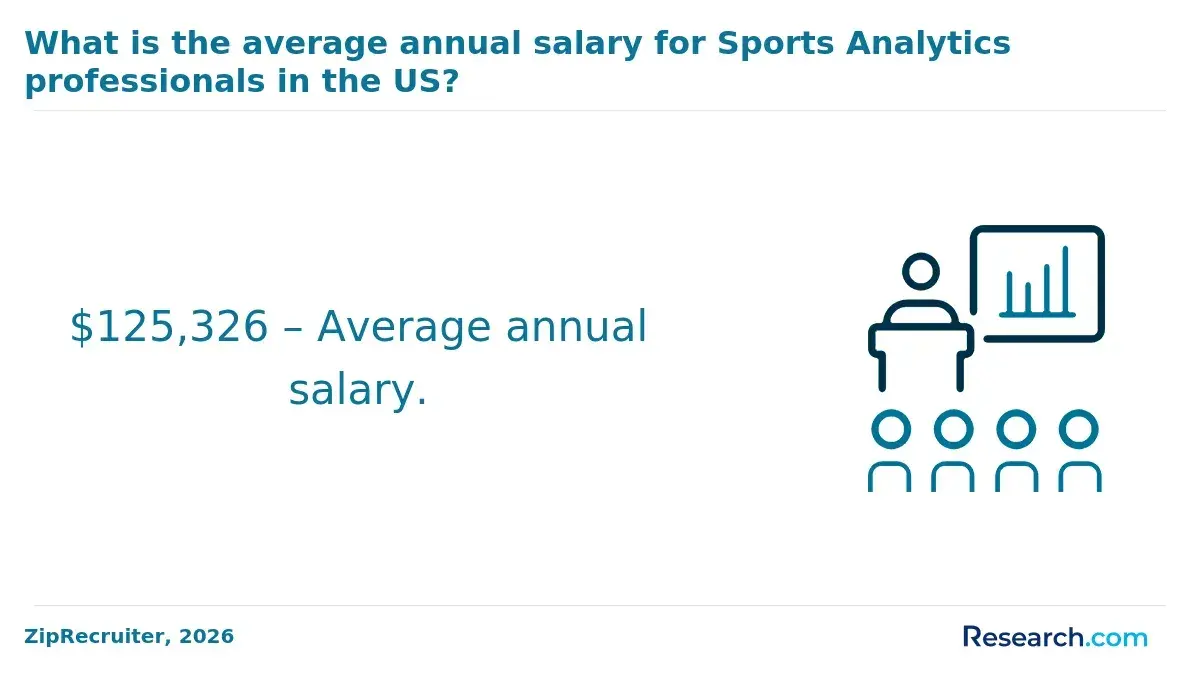
- Higher Earning Potential: Degree holders typically access better-paying roles that reflect their validated skill set, with average salaries in the sports analytics field surpassing many other entry-level positions. Over time, this financial advantage accumulates through successive advancements.
- Diverse Career Pathway Access: Graduates gain entry to a broad range of roles-from performance analysis to strategic data management-enabling them to pursue specializations aligned with their strengths and career ambitions, thereby increasing opportunities for growth.
- Continuous Industry Alignment: Curricula created and updated by experts ensure learners are kept abreast of emerging tools and methodologies, maintaining their competitive edge as the field itself evolves and new leadership positions arise.
When I recently spoke with a professional who pursued an online sports analytics degree, she shared how the program transformed her career trajectory. Initially working in a general sports administration role, she found it challenging to demonstrate the specialized skills employers now seek. Completing the online program gave her the confidence and technical know-how to spearhead complex data projects within her organization.
"Before, I was always waiting for the next opportunity; now I create them," she explained. Facing the demands of balancing work and study, the flexibility of the online format was crucial, allowing her to apply new techniques immediately to her job. Within two years post-graduation, she received two promotions, moving into leadership roles that directly leverage her analytics expertise. Her story illustrates how targeted education in sports analytics can not only open doors but also accelerate progress up the professional ladder.
What Companies Actively Hire Graduates from Online Sports Analytics Programs?
Employers across various industries are increasingly open to hiring candidates with online sports analytics degrees, recognizing the specialized skills these programs develop. This acceptance reflects the broader trend toward remote sports analytics jobs that allow companies to tap into talent regardless of location. Online sports analytics graduates bring valuable expertise in data-driven decision-making critical to modern sports and business operations. Companies actively hiring sports analytics graduates span several sectors. Below are examples of the types of organizations that frequently employ professionals from online sports analytics programs.
- Professional Sports Teams: These teams often recruit graduates for roles in data analysis, performance research, and strategy development. The analytical skills obtained through online programs enable graduates to apply statistical models that improve team decision-making, and the flexibility of online degrees suits the often-demanding schedules within professional sports.
- Sports Technology Companies: Firms in this sector highly value the technical and analytical expertise gained from online sports analytics programs. Graduates typically contribute to developing advanced analytics software, managing large datasets, or consulting on integrating data solutions, helping companies innovate and maintain competitive advantages.
- Media and Broadcasting: Media outlets hire sports analytics graduates to enhance content through data visualization and in-depth analysis that engages audiences. The ability to work remotely and manage diverse data sources makes online degree holders ideal candidates for roles that blend sports knowledge with data presentation skills.
Students interested in pursuing these career paths may also explore options like undergraduate dual degree programs, which can further enhance their qualifications and employability in the evolving sports analytics job market.
What Future Trends Will Shape Online Sports Analytics Degrees' Credibility?
Technology, accreditation standards, and employer attitudes are continuously evolving, profoundly impacting how online sports analytics degrees are perceived within the job market. These changes are driving a shift toward more rigorous validation and practical relevance for online education in this field. Several key trends are expected to strengthen the legitimacy and recognition of online sports analytics programs in the coming years:
- Industry-Standard Tool Integration: Emphasizing hands-on experience with widely used platforms like R, Python, and Tableau ensures graduates are job-ready. This practical skill set aligns with the competitive, data-driven demands of professional sports organizations, increasing employer trust in program quality.
- Direct Employer Partnerships: Collaborations between universities and professional teams or analytics firms create internship opportunities and keep curricula aligned with current industry needs. Such partnerships enhance program prestige and assure employers of graduates' real-world readiness.
- STEM Designation and Accreditation: Obtaining STEM status and meeting standardized accreditation criteria highlights rigorous quantitative training. These factors attract serious students and bolster employer confidence in the degree's academic credibility.
- Emerging Specializations: Integrating advanced topics like artificial intelligence, machine learning, and biometric analytics positions students at the forefront of innovation. This boosts graduate marketability and reflects positively on program reputation.
Here's What Graduates of Respected Online Sports Analytics Programs Have to Say About Their Degree
- Anna: "Completing my online sports analytics degree opened doors to industries I hadn't even considered. The flexibility of the program allowed me to balance work and study, and now I'm part of a team that uses data to optimize athlete performance at a major league baseball club. The real-world skills I gained gave me a competitive edge in the job market, and the network I built through virtual events has been invaluable for career growth. "
- Sandra: "Reflecting on my journey, earning an online sports analytics degree not only boosted my technical expertise but also deepened my commitment to community development. I now lead initiatives that help youth sports organizations apply analytics to improve team dynamics and safety protocols. This degree empowered me with tools to contribute beyond just stats - it's about making a positive social impact through my profession. "
- Luke: "My experience with an online sports analytics program was truly transformational for my professional development. It provided me with advanced quantitative methods and industry-specific software skills that helped me transition into a senior analyst role at a top sports marketing firm. The credibility of the degree in a growing field has helped me secure stability and ongoing opportunities to grow as a leader in my company. "
Other Things You Should Know About Respectable Online Sports Analytics Degree Programs
In 2027, employers evaluate online sports analytics degrees by considering factors such as the accreditation of the institution, the curriculum's alignment with industry standards, and the presence of hands-on projects or internships that provide practical experience.
Graduates from reputable online sports analytics programs can access competitive job markets, particularly if they combine their degree with internships or hands-on projects. Employers look for skills over the mode of education delivery.
In 2027, online sports analytics degrees are generally respected by employers, especially if they are from accredited institutions. With the rising demand for data-driven decision-making in sports, the credibility largely depends on the institution's reputation and the program's alignment with industry needs.
References
- How Sports Analytics Enhances Performance and Efficiency https://online.jwu.edu/blog/how-sports-analytics-enhances-efficiency-and-performance/
- Careers https://sportradar.com/careers/
- Commission on Sport Management Accreditation - (COSMA) https://www.chea.org/commission-sport-management-accreditation
- The careers of sports graduates: Implications for employability strategies in higher education sports courses - ScienceDirect https://www.sciencedirect.com/science/article/abs/pii/S1473837614000185
- Graduate Certificate in Sports Analytics | GIS https://gis.sport/study/postgraduate-degrees/graduate-certificate-in-sports-analytics/
- AI study: Over 60 per cent use Artificial Intelligence at work – almost half of all employees are worried about losing their jobs | Deloitte Switzerland https://www.deloitte.com/ch/en/about/press-room/ai-study-almost-half-of-all-employees-are-worried-about-losing-their-jobs.html
- Big Data in Sports: Benefits, Examples & Future Trends https://data.folio3.com/blog/big-data-in-sports/
- Certified Sports Data Analyst https://www.scienceforsport.com/certifications/certified-sports-data-analyst/


