
2027 Return on Investment (ROI) of a Forensic Psychology Degree Program

Co-Founder and Chief Data Scientist
Many prospective students struggle to determine if investing time and money into a forensic psychology degree will yield meaningful career benefits. For example, a licensed psychologist considering a career shift wonders if additional education justifies the cost and effort amid uncertain job prospects. The U. S. Bureau of Labor Statistics projects a 14% growth rate for psychologists overall through 2031, reflecting strong demand. This article examines the return on investment of a forensic psychology degree program by analyzing costs, employment trends, and salary outcomes, enabling readers to make informed decisions about their educational and professional futures.
Key Things to Know About Forensic Psychology Degree ROI
- Graduates with a forensic psychology degree typically earn 15-25% more than entry-level roles in general psychology, reflecting a specialized skill set valued in legal and clinical settings.
- Career advancement in forensic psychology often leads to roles in consulting, law enforcement, or academic research, which offer increased responsibilities and salary potential over time.
- Job stability is strong due to steady demand for forensic experts in criminal justice, with projected industry growth of 8% over the next decade, supporting long-term income growth.
How Is ROI Calculated for a Forensic Psychology Degree Program?
Return on investment (ROI) in higher education measures the financial gain a student achieves from completing a degree compared to the total costs and time invested. Calculating ROI allows prospective students to evaluate whether pursuing a forensic psychology degree program is financially advantageous relative to other educational paths.
Several critical factors influence how ROI is calculated for a forensic psychology degree. These include:
- Tuition and fees: This encompasses all direct expenses such as tuition, textbooks, and additional academic fees. Accurately assessing these costs is crucial for understanding the upfront financial commitment.
- Opportunity cost: The income forfeited during the time spent studying instead of working full-time is a significant component. This lost earning potential can heavily impact overall ROI.
- Time to completion: The duration required to earn the degree affects both direct and opportunity costs. Programs that enable faster completion often enhance ROI by minimizing these expenses.
- Post-graduation salary outcomes: Average starting salaries and earning trajectories in forensic psychology-related careers directly affect the financial returns gained from the degree.
- Career advancement: The degree's role in securing promotions, job stability, and higher-paying positions influences long-term earning potential and overall ROI.
For students exploring qualifications in related fields, options such as BCBA certification online may also factor into their broader educational and career strategy. Considering forensic psychology degree program ROI calculation alongside alternative certifications helps ensure well-informed decisions about educational investments.
How Much Does a Forensic Psychology Degree Program Cost?
Calculating the total expense of a forensic psychology degree program is crucial for assessing its true return on investment, especially as graduate tuition in the U.S. has risen nearly 3% annually, contributing to average student debts over $40,000. Costs extend beyond tuition alone, encompassing various factors that collectively influence financial outcomes.
Key expenses impacting ROI include:
- Tuition and fees: This is typically the largest cost and varies significantly depending on the program's reputation, format, and location, shaping the baseline investment required.
- Books and materials: Specialized textbooks, access to research databases, and required software can add up, often overlooked when estimating total costs.
- Living or relocation expenses: If attending full-time or traveling for coursework, moving costs and everyday living expenses may rise, particularly if income is reduced.
- Opportunity cost: Forgone wages during full-time study or reduced work hours can substantially affect financial returns, representing income lost during the degree completion period.
- Hidden or indirect costs: Application fees, professional memberships, licensing exams, and travel for internships or conferences can unexpectedly add to the financial burden.
A graduate of a forensic psychology degree program shared his experience, noting that while tuition was a known expense, the surprise came from juggling relocation costs and balancing part-time work with demanding coursework. He recalled, "I underestimated how much time I would need for internships, which meant less paid work and more travel expenses." He described feeling overwhelmed at first but found tracking every small cost crucial to managing finances. His story highlights that true cost assessment extends well beyond tuition, impacting both wallet and well-being throughout the program.
What Financial Aid Is Available for Forensic Psychology Degree Programs?
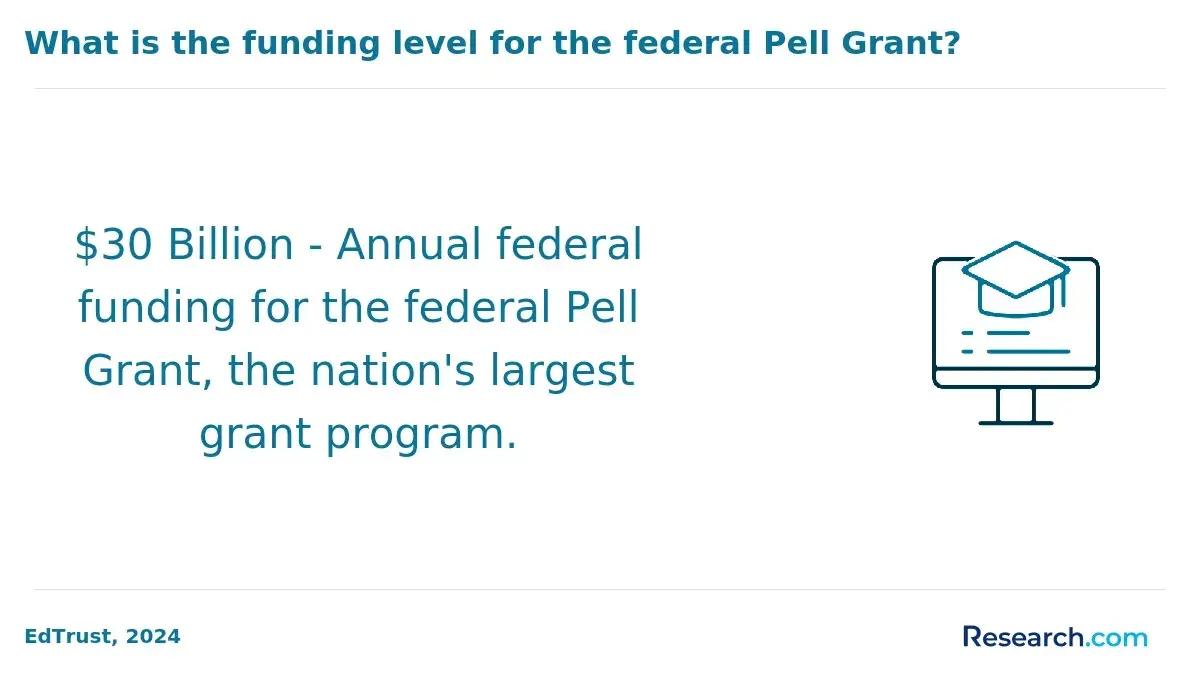
Financial aid helps reduce initial expenses and lowers reliance on high-interest debt, boosting the long-term return on investment for students pursuing a forensic psychology degree. Nearly 86% of U.S. graduate students take out loans to fund their education, underscoring the value of available financial support to keep borrowing manageable.
Key types of financial aid available include:
- Scholarships: These awards, based on merit or financial need, do not require repayment, directly decreasing costs and limiting debt accumulation to improve ROI.
- Grants: Often provided by government or private entities, grants reduce the overall expense without increasing student debt, making the degree more affordable.
- Fellowships: Targeted at graduate students with research skills or specialized interests, fellowships offer tuition coverage or stipends, easing financial burdens and enhancing professional prospects.
- Employer tuition assistance: Professionals may receive support from employers that covers part or all tuition fees, reducing out-of-pocket spending and increasing financial efficiency.
- Federal loans: Although repayment is required, these loans typically have lower interest rates and flexible terms, helping students manage debt while investing in their careers.
How Long Does It Take to Complete a Forensic Psychology Degree?
The duration required to finish a forensic psychology degree directly affects its return on investment (ROI) due to opportunity cost, earlier entry into the job market, and total expenses like tuition and living costs. Completing a program more quickly allows graduates to start earning sooner, helping to balance educational investments.
Several factors can alter how long it takes to earn this degree and impact overall financial outcomes:
- Enrollment status: Students attending full-time often complete their studies faster but might struggle to juggle work and school, which can add stress. Part-time enrollment extends the program length, allowing continued income but delaying graduation.
- Program format: Online or accelerated tracks frequently provide convenience and shorter completion periods. These flexible models can enhance ROI by reducing time away from the workforce while maintaining educational quality.
- Transfer credits: Leveraging previously earned college credits can decrease required courses, effectively speeding up the timeline toward graduation and lowering costs.
- Internship and thesis: Practical training or research demands frequently lengthen program duration but are essential for career readiness, impacting time and associated expenses.
- Scheduling flexibility: Programs that offer adaptable course schedules let students balance other responsibilities, potentially smoothing progress and avoiding unnecessary delays.
When discussing how long it takes to complete a forensic psychology program, a recent graduate shared valuable insights. She noted, "Balancing part-time work with full-time study was challenging, but it allowed me to avoid debt." She described the internship phase as both daunting and rewarding, requiring careful time management. "It wasn't just about finishing classes; the hands-on experience made me feel truly prepared for my career." Her experience underscored that duration isn't solely about speed but also about fitting education into life meaningfully while maintaining financial stability.
Is ROI Higher for Online or On-Campus Forensic Psychology Programs?
The delivery format of forensic psychology degree programs significantly affects return on investment (ROI) due to variations in cost, flexibility, and career outcomes. With nearly 40% of graduate students in the U.S. enrolled in online programs, this trend reflects growing acceptance of digital learning platforms and their potential impact on education ROI. For those comparing online versus on-campus forensic psychology program ROI, several factors come into play.
Key differences include:
- Tuition and fees: Online programs typically offer lower tuition and fees, which reduce upfront costs. However, some on-campus programs provide scholarships that can narrow this financial gap.
- Opportunity cost: Students pursuing a forensic psychology degree online often maintain full-time employment, minimizing income loss during studies, unlike many on-campus students who might reduce working hours.
- Time to completion: Both formats may provide accelerated paths, but online programs frequently allow more flexible pacing to accommodate individual schedules and commitments.
- Networking and career services: On-campus programs generally offer stronger local networking opportunities and in-person career services, potentially benefiting job placement after graduation.
- Employer perception and long-term earnings: Employer attitudes toward online degrees are improving, but some still favor traditional on-campus credentials, which may influence long-term salary growth and advancement.
Those exploring the forensic psychology degree ROI comparison may find additional insights by reviewing affordable options such as those highlighted in the counseling degree online category, which share similar financial considerations. Each student's decision weighs these factors differently based on personal and professional goals.
What Is the Average Salary After Earning a Forensic Psychology Degree?
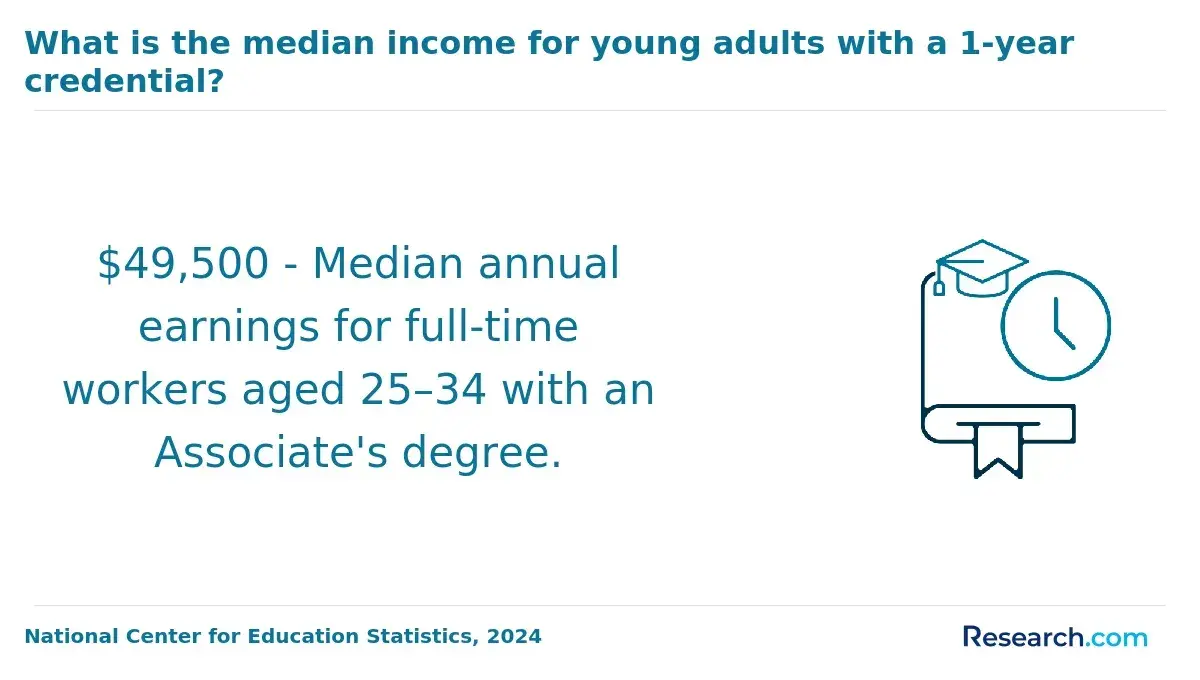
Post-graduation salary is a key factor in evaluating the return on investment (ROI) for a forensic psychology degree, as it directly impacts how quickly graduates can repay educational expenses and build financial stability. Forensic psychology graduate earnings in the U.S. commonly range between $50,000 and $90,000 annually, with entry-level roles on the lower end and experienced professionals earning near or above the higher limit.
Several factors shape the average forensic psychology degree salary and consequently influence ROI:
- Industry: Salary levels differ based on employment in corrections, law enforcement, government agencies, or private practice. Government roles often provide greater salary stability and occasionally higher compensation.
- Geographic location: Graduates working in metropolitan areas or states with higher living costs tend to earn more, although elevated expenses may offset some of these gains.
- Prior experience: Relevant internships, research, or hands-on work completed during studies can speed career advancement and boost earnings potential.
- Specialization: Pursuing niche areas such as criminal profiling or victim advocacy can lead to higher-paying job opportunities and enhance financial returns.
- Career level: Individuals with advanced degrees or those who transition into supervisory or consulting positions often experience significant income growth.
Students aiming to maximize their ROI should also consider program affordability; for example, options like the cheapest online degree in psychology can reduce upfront costs while still offering pathways into forensic psychology careers.
Does a Forensic Psychology Degree Lead to Promotions?
Promotions contribute significantly to the return on investment (ROI) of a forensic psychology degree by driving salary increases, expanding job responsibilities, and enhancing overall career mobility. These factors result in improved financial rewards and professional growth, making the degree an important asset for career advancement. Emerging workforce trends emphasize credential-based promotions, where formal education like a forensic psychology degree increasingly complements work experience as criteria for leadership and specialist roles.
The following key factors highlight how earning a forensic psychology degree can improve promotion opportunities and ROI:
- Credential Requirements: Many employers set formal education standards for upper-level positions, and a forensic psychology degree often fulfills these credential requirements, making candidates eligible for promotion and salary increases.
- Leadership Preparation: The degree equips students with advanced knowledge and critical thinking skills essential for supervisory and decision-making roles, thus enhancing readiness for leadership positions.
- Tuition Assistance: Employer tuition reimbursement programs may reduce the financial burden of obtaining the degree, effectively increasing ROI by lowering upfront education costs.
- Internal Promotion Policies: Organizations frequently prioritize candidates combining education and experience, enabling graduates with a forensic psychology degree to stand out during internal promotion processes.
- Specialist Opportunities: With expertise in criminal justice and mental health assessment, degree holders qualify for higher-paying specialist positions that require advanced competencies.
For those exploring educational pathways with strong career returns, considering options such as affordable EdD programs may offer additional avenues for advancement alongside forensic psychology. This approach aligns with the growing value placed on advanced degrees in facilitating promotions with a forensic psychology degree career advancement.
Which Industries Offer the Best ROI for Forensic Psychology Graduates?
The return on investment (ROI) for forensic psychology graduates varies significantly across industries due to differences in salary levels, career progression, and demand for specialized skills. Industries offering strong compensation growth, clear promotion paths, and ongoing demand for forensic psychology expertise tend to provide the best financial and professional returns. Below are some key sectors known for delivering a strong ROI for forensic psychology graduates.
Several industries stand out for providing a strong ROI for forensic psychology graduates:
- Criminal justice and law enforcement: This sector highly values forensic psychology skills for profiling, assessments, and consulting, offering competitive salaries and opportunities to advance into supervisory or specialized roles that enhance earning potential.
- Corrections and rehabilitation: Facilities focusing on offender treatment provide stable employment and career growth opportunities based on experience and advanced qualifications in forensic psychology, ensuring steady financial returns.
- Legal consulting and expert witness services: Forensic psychologists engaged in legal cases command high hourly rates and benefit from specialized testimony demand, often resulting in increased income and flexible work arrangements.
- Healthcare systems including forensic mental health institutions: Employers in this field offer stable roles with defined career tracks that reward specialized skills in mental health evaluations and treatment within forensic populations, supporting long-term ROI.
- Academia and research: Although often starting with lower salaries, academic positions can lead to strong long-term ROI through tenured roles and grant-funded projects emphasizing forensic psychology expertise.
For those exploring educational options, pursuing online degrees in forensic psychology or related fields can offer flexible pathways into these high-ROI industries. Considering the forensic psychology career ROI across industries can help prospective students and working professionals make informed decisions about their education and career trajectory.
Does Accreditation Affect ROI for a Forensic Psychology Degree?
In the context of forensic psychology degree programs, accreditation signifies that the program meets specific quality standards set by independent educational organizations. This recognition is crucial for return on investment (ROI) because accredited programs tend to be more respected by employers and licensing boards, which directly affects a graduate's career opportunities and earning potential.
A growing number of employers and licensing authorities now require degrees from accredited programs to confirm applicants' verified skills and knowledge. This shift influences graduate success in the job market and strengthens professional credentials.
Accreditation impacts long-term ROI in several meaningful ways. Graduates from accredited programs often benefit from stronger employer trust, which can lead to improved job prospects and salary advancement. Accreditation also makes students eligible for financial aid and scholarships, lowering the cost of education.
Additionally, credits earned at accredited institutions are more easily transferred when pursuing further education, saving time and resources. It also qualifies graduates for professional licensure necessary in many forensic psychology roles and enhances career flexibility by providing credentials recognized across different states and sectors.
Is a Forensic Psychology Degree Worth It?
The return on investment for a forensic psychology degree depends on several financial and professional elements. Tuition and related costs can be considerable, particularly for graduate programs that typically span two to five years. Graduates often begin their careers with salaries around $50,000, with experienced professionals potentially earning $90,000 or more depending on the role and location.
Data shows that individuals holding graduate degrees in psychology-related areas tend to earn approximately 20% more than those with only a bachelor's degree, indicating a noticeable salary advantage. Career growth is influenced by factors such as licensure, specialization, and accumulated experience, with opportunities present in government, law enforcement, and private sectors.
Whether pursuing a forensic psychology degree is financially worthwhile varies based on several factors. Moderate job growth in the field suggests steady demand, but the format of education-online versus in-person-can impact costs and scheduling flexibility. Availability of financial aid can also lessen expenses significantly, making advanced degrees more accessible. Ultimately, the decision hinges on individual career ambitions, such as focusing on research, clinical practice, or legal consulting, as well as weighing potential debt against expected salary gains and long-term professional goals.
What Graduates Say About The ROI of Their Forensic Psychology Degree
- Lenalee: "Choosing to invest in a forensic psychology degree was a strategic move for me, especially given the average cost of attendance around $30,000. The decision paid off because this specialized field opens doors to roles in criminal justice that other psychology degrees don't. It's been worth every penny, as my career has advanced rapidly with opportunities I couldn't have otherwise accessed."
- Forest: "Pursuing a forensic psychology degree online was a thoughtful choice, balancing affordability with flexibility. While the cost hovered near $25,000, the return in career growth, such as consulting roles and expert witness positions, made it a solid investment. I appreciate that I could manage work and study, and now my professional credibility has strengthened significantly."
- Allon: "As a part-time student, I had to weigh the financial and time commitments carefully, knowing forensic psychology programs average around $28,000 in tuition. Reflecting on the experience, it was definitely worth it; my role in forensic assessment has become more impactful thanks to the specialized knowledge. The credential lends me the professionalism and respect needed to thrive in the field over the long term."
Other Things You Should Know About Forensic Psychology Degrees
Yes, internships provide practical experience that is essential for building expertise and professional networks in forensic psychology. Many employers prefer candidates with hands-on experience working in clinical, correctional, or legal environments. Completing internships can lead to job offers and improve long-term career growth, increasing overall ROI.
In 2027, advanced certification can enhance the ROI of a forensic psychology degree by increasing job prospects, professional credibility, and potential salary. Certified forensic psychologists typically earn higher salaries due to their specialized skills, thereby improving the overall return on investment of their degree.
Geographic location affects salary levels and job availability for forensic psychology professionals. Urban areas and regions with higher crime rates tend to offer more opportunities and better compensation. Conversely, rural areas may have limited positions, which can reduce potential ROI despite lower living costs.
References
- How Long Does it Take to Become a Forensic Psychologist? https://www.onlineeducation.com/psychology/faqs/how-long-to-become-forensic-psychologist
- Careers With a Forensic Psychology Master’s Degree | Chicago School https://www.thechicagoschool.edu/insight/career-development/career-options-masters-degree-forensic-psychology/
- Forensic Psychologist Salary - Forensic Psychology Careers https://www.forensicscolleges.com/careers/forensic-psychologist
- The Psychological Society of Ireland (PSI) https://www.psychologicalsociety.ie/accredited-courses
- Forensic psychologist | Explore Careers | National Careers Service https://nationalcareers.service.gov.uk/job-profiles/forensic-psychologist
- Forensic Psychologist Salary 2026: State Guide & Growth https://psydprograms.org/salary-outlook-phd-forensic-psychology-degree/
- Raising the Bar: The Impact of Accreditation on Psychology Training | SoMAP - The Society of Modern Applied Psychology https://thesomap.org/raising-the-bar-the-impact-of-accreditation-on-psychology-training/
- Psychology Programs Accreditation | Psychology.org https://www.psychology.org/resources/accreditation/
- 2025 Most Affordable Online Master's Degrees in Forensic Psychology https://www.onlineu.com/most-affordable-colleges/forensic-psychology-masters-degrees
- Return on Investment For an Online Psychology Degree https://www.onlinepsychologydegrees.com/articles/return-on-investment-for-an-online-psychology-degree/


