
2027 Return on Investment (ROI) of a Health Administration Degree Program

Co-Founder and Chief Data Scientist
Healthcare managers frequently face uncertainty about whether investing in a health administration degree will yield worthwhile career and financial benefits. With employment in health services management projected to grow 28% through 2031, understanding the return on investment (ROI) of such programs is crucial.
Students often grapple with the balance between tuition costs, program duration, and post-graduation salary prospects. This article examines key factors influencing ROI, including job market demand, salary trends, and career advancement opportunities, providing prospective students and professionals with the insights needed to make informed decisions about pursuing a health administration degree.
Key Things to Know About Health Administration Degree ROI
- Graduates with a health administration degree see a median salary increase of approximately 20% within five years, reflecting strong earning potential compared to related fields.
- Health administration offers broad career advancement, with 15% job growth projected through 2030, driven by increasing healthcare demand and policy complexity.
- The degree supports stability and flexibility, enabling roles in hospitals, insurance, and government sectors, which enhances long-term employment and salary growth prospects.
How Is ROI Calculated for a Health Administration Degree Program?
Return on investment (ROI) in higher education measures the financial benefits a student gains from earning a degree compared to the costs and time invested. For prospective students, calculating ROI helps determine whether a health administration degree is a worthwhile investment based on potential earnings and career opportunities.
Several critical factors are involved in calculating ROI for a health administration degree program:
- Tuition and Fees: This includes the total cost of the program such as tuition, books, supplies, and other education-related expenses. A thorough health administration degree program cost analysis helps estimate the upfront financial commitment.
- Opportunity Cost: This accounts for wages a student sacrifices by attending school full-time instead of working. Considering this helps provide a realistic picture of the program's cost beyond just tuition.
- Time to Completion: The length of time required to finish the degree impacts the overall expense and delays entry into higher-paying roles. Shorter programs may enhance ROI by reducing costs and accelerating career progress.
- Post-Graduation Salary Outcomes: Expected starting salaries and salary growth in health administration are essential to project financial returns. Higher earnings after graduation increase the chances of positive ROI.
- Career Advancement and Long-Term Earning Potential: Earning a degree that leads to promotions or leadership roles can significantly boost lifetime earnings and improve ROI.
For those comparing program costs and returns in healthcare fields, exploring a pharmacy degree may also offer insight into different investment dynamics in health-related education.
How Much Does a Health Administration Degree Program Cost?
Accurately assessing the return on investment for a health administration degree requires a clear view of the total costs involved, especially as graduate tuition rates in the U.S. have been rising by about 3% annually, contributing to a student debt burden exceeding $1.7 trillion. These financial factors shape the long-term value of the degree.
Several main expenses influence the overall cost of completing a health administration program:
- Tuition and fees: This is the most significant expense and varies based on whether the program is offered by public or private schools and delivered online or onsite.
- Books and materials: Required textbooks and learning resources can add several hundred to a few thousand dollars throughout the duration of study.
- Living or relocation expenses: For those attending in-person classes, costs like housing, transportation, and daily necessities must be considered.
- Opportunity cost: Reducing work hours or leaving employment to study means forfeiting income during the degree, representing a hidden but substantial cost.
- Indirect costs: Fees related to technology use, health services, and other miscellaneous charges also contribute to the overall investment.
When I spoke with a graduate who completed a health administration degree recently, he shared how the financial strain extended beyond just tuition. "Balancing part-time work while managing coursework was exhausting," he explained, describing moments when he questioned if the sacrifices were worth it.
He also highlighted the emotional stress of budgeting strictly for essentials while anticipating delayed financial stability. "It wasn't just the numbers on paper; it was the daily challenge of making ends meet while investing in my future," he added. His experience underscores how calculating ROI involves more than just tuition-it includes personal and financial hurdles along the way.
What Financial Aid Is Available for Health Administration Degree Programs?
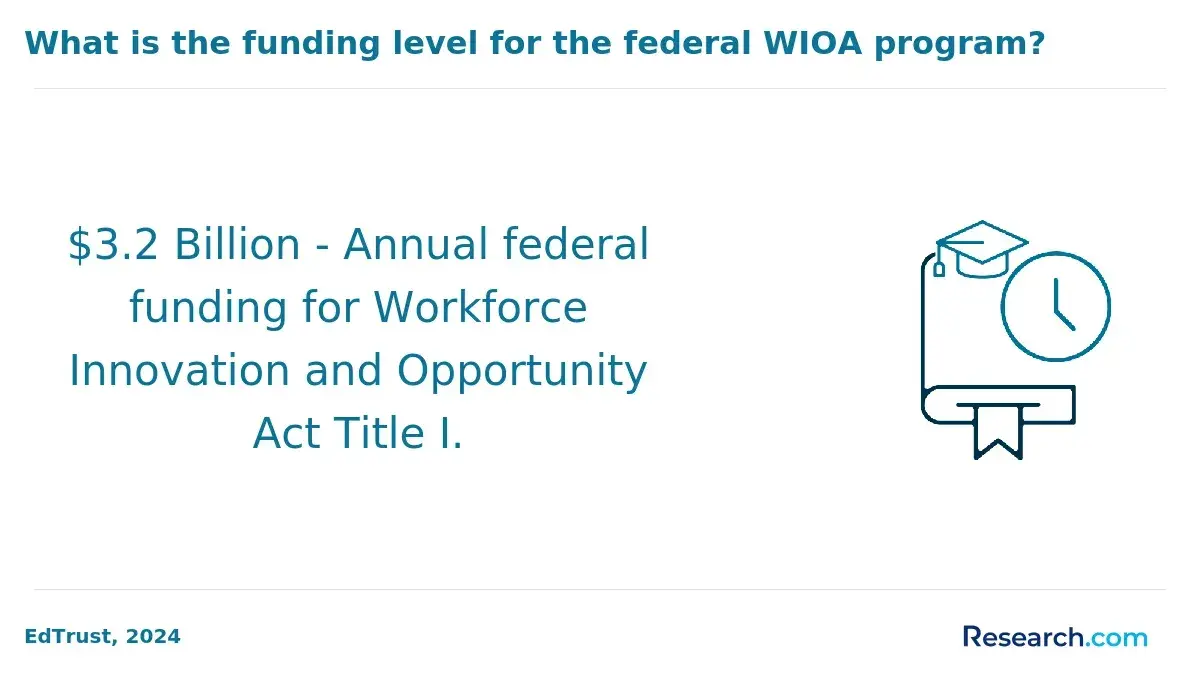
Financial aid reduces upfront expenses for health administration students, making education more affordable and enhancing long-term return on investment by lowering debt burdens. Recent figures show that about 75% of U.S. graduate students depend on some form of financial aid to support their studies.
Common financial aid types that can improve ROI include:
- Scholarships: Awards based on merit or experience that do not require repayment, effectively decreasing tuition costs and future financial obligations.
- Grants: Typically need-based and forgivable, grants help limit out-of-pocket spending and can reduce the amount borrowed.
- Fellowships: These provide funding in exchange for research or service work, offsetting living or tuition expenses while adding valuable professional experience.
- Employer tuition assistance: Many employers in healthcare offer tuition reimbursement programs, significantly lowering the cost of education and decreasing reliance on loans.
- Federal student loans: Although they increase debt, their comparatively low interest rates and flexible repayment plans make them a manageable option for covering education costs over time.
How Long Does It Take to Complete a Health Administration Degree?
The length of time required to complete a health administration degree significantly impacts its return on investment (ROI), mainly due to the opportunity cost, earlier earning potential, and overall expenses. Quicker program completion means entering the workforce sooner, which can increase income and reduce costs, while longer durations tend to raise tuition fees and delay career progression.
Several factors influence how long it takes to finish a health administration degree and affect ROI as a result. Key considerations include:
- Enrollment status: Students attending full-time usually complete their studies faster but may face higher immediate costs, whereas part-time enrollment extends completion time but allows income through continued work.
- Program format: Online or accelerated formats shorten the path to graduation, reducing time away from employment and boosting financial returns.
- Transfer credits: Accepting credits from prior courses can decrease the number of required semesters, lowering both time and tuition expenses.
- Internship or thesis requirements: Although these may prolong the program, they offer hands-on experience that can enhance employability and long-term benefits.
- Scheduling flexibility: Programs designed for working professionals enable pacing that fits individual circumstances, impacting how quickly one finishes and how costs accumulate.
When discussing how long it took to complete her health administration degree, a recent graduate shared that balancing coursework with a full-time job was initially overwhelming. She described feeling "stretched thin" during periods of high workload and internship commitments but valued the flexibility her online program offered.
"Taking classes at night and on weekends meant I could keep working without sacrificing my education," she explained. Reflecting on the process, she mentioned how earning her degree in three years, rather than four, helped her step into management roles earlier than expected. Her experience highlights how thoughtful planning and structured program options can help mitigate challenges and improve the overall return on investment.
Is ROI Higher for Online or On-Campus Health Administration Programs?
The delivery format of health administration degree programs can significantly impact their return on investment (ROI) through differences in cost, flexibility, and career outcomes. Online enrollment in graduate programs has risen by over 20% in the past five years, reflecting shifting preferences and acceptance of digital learning among students.
Evaluating the online vs on-campus health administration ROI involves considering several key factors.
Important aspects to weigh include:
- Tuition and fees: Online programs typically have lower tuition and fees, reducing the initial financial burden on students and making them more accessible for working professionals seeking cost-effective options.
- Opportunity cost: Online learners benefit from flexible schedules that allow them to maintain employment while studying, which lowers opportunity costs and can accelerate time to completion compared to traditional on-campus paths.
- Networking and career services: On-campus programs often provide stronger networking opportunities and more personalized career support, which can enhance job placement and advancement prospects in healthcare administration.
- Employer perception: Some employers still favor candidates with traditional classroom experience, especially for leadership roles, potentially affecting long-term earning potential.
Prospective students analyzing health administration degree ROI comparison should also consider exploring the easiest DNP programs for related insights on program accessibility and outcomes.
What Is the Average Salary After Earning a Health Administration Degree?
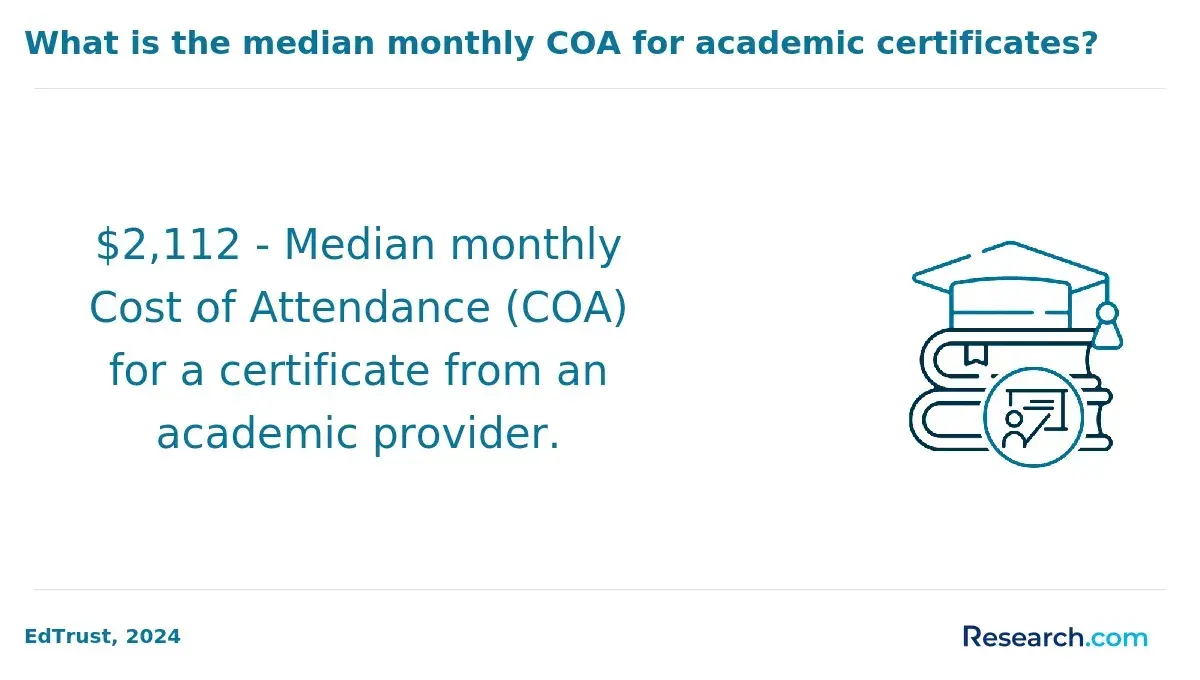
Post-graduation salary is a key driver of ROI for those pursuing a health administration degree, as it determines how quickly graduates can recover their educational investment and secure long-term financial stability. In the United States, the average salary for health administration graduates generally ranges between $60,000 and $120,000 annually.
Several factors influence post-graduation earnings for health administration graduates and affect ROI in various ways:
- Industry: Salary levels differ across sectors such as hospitals, insurance, public health organizations, and private clinics, with some industries offering higher pay scales that improve ROI.
- Geographic location: Metropolitan areas with elevated living costs typically provide higher salaries. While expenses are greater, the increased pay often results in a better ROI.
- Prior experience: Graduates with healthcare or managerial backgrounds frequently qualify for higher starting salaries, enhancing early post-graduation earnings for health administration graduates and improving ROI.
- Specialization: Focusing on niche fields like health informatics or health policy can yield superior salary prospects and boost financial returns.
- Career level: Progression to leadership and senior management roles typically leads to significant salary increases, dramatically improving ROI over time.
For students considering a career change or further education, exploring options such as the easiest nursing schools to get into may also support related career paths with complementary returns.
Does a Health Administration Degree Lead to Promotions?
Promotions significantly contribute to the return on investment (ROI) of a health administration degree by often resulting in higher salaries, broader responsibilities, and enhanced career mobility. These factors make advancing within healthcare organizations a key aspect of career growth for degree holders.
A notable workforce trend shows increasing reliance on credential-based promotions, where formal education combined with professional experience is required for senior roles.
Several key ways a health administration degree may influence promotional opportunities and overall ROI include:
- Credential Requirements: Many managerial and executive positions explicitly require advanced degrees. Holding a health administration degree ensures candidates meet these baseline qualifications, increasing competitiveness for leadership roles.
- Leadership Preparation: This degree provides foundational skills in leadership and organizational management that are critical for running complex healthcare operations, making degree holders more attractive for promotions.
- Tuition Reimbursement Eligibility: Increasingly, employers offer tuition assistance programs that support pursuing relevant degrees. Holding this degree can enhance eligibility and ease financial burdens while positioning employees for advancement.
- Internal Promotion Policies: Organizations often have formal policies that prioritize employees with relevant academic credentials for internal promotions, favoring those with a health administration degree.
- Experience Complement: While hands-on experience remains essential, combining it with a health administration degree creates a competitive advantage by demonstrating both practical know-how and formal qualification.
For those considering further education paths related to healthcare leadership, exploring options such as cheapest online acute care nurse practitioner programs may also enhance career advancement. Incorporating a health administration degree into your qualifications can significantly influence promotional opportunities with health administration degree benefits becoming clearer in competitive healthcare environments.
Which Industries Offer the Best ROI for Health Administration Graduates?
Return on investment (ROI) for health administration graduates varies significantly across industries due to differences in salary levels, career progression opportunities, and the demand for specialized skills. Industries with strong compensation growth and clear advancement pathways generally provide better financial returns relative to the cost and time invested in the degree.
The best healthcare sectors for health administration careers combine job stability with prospects for continuous skill development and promotion.
Several top industries stand out for delivering notably strong ROI to health administration graduates:
- Hospital systems: These organizations offer competitive starting salaries and structured career ladders leading to senior management. The complexity of hospital operations ensures a persistent need for skilled administrators, supporting long-term financial and professional growth.
- Health insurance: This sector rewards expertise in healthcare policies and risk management with lucrative compensation and ongoing advancement in an expanding market.
- Pharmaceutical and biotechnology: Graduates benefit from significant salary growth potential while applying their health administration skills to manage regulatory compliance and strategic initiatives that drive innovation.
- Government healthcare agencies: These roles provide steady income, excellent benefits, and long-term job security, factors that positively impact ROI for those prioritizing stability.
- Consulting firms specializing in healthcare: Offering diverse project exposure and skill diversification, this industry often supports rapid career progression and enhanced earning potential.
For individuals considering advanced degrees, exploring the cheapest DNP programs online is advisable to balance educational costs with potential career benefits. Understanding the top industries for health administration graduates ROI helps prospective students and career changers make informed decisions when targeting sectors with the strongest long-term returns.
Does Accreditation Affect ROI for a Health Administration Degree?
Accreditation for health administration degree programs involves a formal evaluation by recognized bodies to ensure the curriculum meets established quality standards essential for professional readiness. This validation signals to employers that graduates possess relevant skills and knowledge, which can significantly enhance the return on investment (ROI) for students.
Increasingly, employers prioritize candidates from accredited programs when making hiring decisions, reflecting a workforce trend toward valuing recognized educational credentials. Moreover, accredited programs often determine whether graduates qualify for certain certifications or licenses, further impacting career prospects.
Accreditation also plays a crucial role in improving long-term ROI by fostering employer confidence and expanding opportunities for graduates. It typically enables students to access federal financial aid, lowering upfront education costs and reducing debt.
Credits earned through accredited programs are more easily transferable, providing flexibility for continued education or career shifts. Additionally, graduates from accredited programs tend to have greater access to licensure and certifications, supporting sustained career advancement and improved earning potential.
Is a Health Administration Degree Worth It?
The return on investment for a health administration degree largely hinges on tuition expenses, program length, potential earnings, and career growth opportunities. Programs can range from short-term certificates to multi-year master's degrees, with longer programs generally costing more but often leading to better qualifications.
Graduates typically command salaries above the national average, with medical and health services managers earning a median wage well above many fields, signaling strong financial prospects. Advancement into leadership roles frequently elevates income further, enhancing the overall value of the degree.
The degree's worth varies depending on individual factors like industry demand and delivery method. Strong healthcare sector growth supports employment opportunities, while online or part-time programs may ease costs by allowing continued work during study.
Financial aid, scholarships, or employer tuition support can significantly offset expenses, improving ROI. Ultimately, the degree may be most beneficial for those aiming to move into management or deepen healthcare expertise, whereas for others with limited advancement options, the investment might not justify the cost or time.
What Graduates Say About The ROI of Their Health Administration Degree
- Penny: "Choosing to pursue a health administration degree through a traditional on-campus program was a strategic move for me, especially given the long-term return on investment. Although the average cost of attendance hovered around $40,000, the hands-on experience and networking opportunities made it worthwhile. Since graduating, I've advanced into a senior management role, proving that the degree truly pays off. "
- Bonnie: "Opting for an online health administration degree allowed me the flexibility I needed while balancing work and life, and the cost was significantly lower than traditional routes, typically averaging under $25,000. Reflecting back, the investment feels justified because the skills I gained opened doors to leadership positions I wouldn't have accessed otherwise. The degree's ROI is evident in the career growth I've experienced. "
- Lily: "Completing my part-time health administration degree while working full-time was challenging but financially sensible given the cost of roughly $30,000 on average. The steady pace let me absorb coursework effectively, and the credential boosted my credibility in health services management roles. The degree has clearly enhanced my career trajectory and validated the financial outlay. "
Other Things You Should Know About Health Administration Degrees
In 2027, the ROI of a health administration degree can vary significantly by location due to differences in healthcare industry growth, salary levels, and demand for administrators. Urban areas may offer higher salaries, improving ROI, while rural regions might present fewer opportunities, impacting potential returns.
Programs with strong industry connections and active alumni networks can boost ROI by facilitating job placement and career mentoring. Networking opportunities often lead to internships and employment in reputable healthcare organizations. Access to professional communities and ongoing support helps graduates navigate career growth more effectively, increasing potential financial returns over time.
References
- Early Results Show It Pays to Be Accredited https://www.providermagazine.com/Articles/Pages/Early-Results-Show-It-Pays-to-Be-Accredited.aspx
- Online Healthcare Administration Degrees with Financial Aid https://www.edumed.org/online-schools/healthcare-administration-degrees/financial-aid/
- Is a Degree in Healthcare Management Worth It? | University of Phoenix https://www.phoenix.edu/articles/healthcare/is-a-degree-in-healthcare-management-worth-it.html
- Is A Master’s Degree in Healthcare Management A Good Investment? - Healthcare Management Degree Guide https://www.healthcare-management-degree.net/faq/is-a-masters-degree-in-healthcare-management-a-good-investment/
- Master of Healthcare Administration https://www.lmc.edu/academics/programs/master-healthcare-administration/index.htm
- What Can You Do With a Health Care Administration Degree? https://online.nccu.edu/blog/what-can-you-do-with-a-health-care-administration-degree/
- Health Administration Degree Financial Aid https://www.healthadministrationdegrees.com/financial-aid-guide/
- Healthcare Administration Salary & Career Guide https://nurse.org/healthcare/healthcare-administration/
- The Economics of Accreditation: Costs, Benefits, ROI - Course Accreditation https://course-accreditation.com/blog/the-economics-of-accreditation-costs-benefits-roi/
- Is it Worth to Invest in Hospital Accreditation? https://www.heraldopenaccess.us/openaccess/is-it-worth-to-invest-in-hospital-accreditation


