
2027 Health Administration Degree Levels Explained: Bachelor's vs Master's vs Doctorate

Co-Founder and Chief Data Scientist
Many professionals aiming to advance in healthcare management struggle to choose between pursuing a bachelor's, master's, or doctorate in health administration. This decision often impacts their career trajectory and earning potential. According to the U. S. Bureau of Labor Statistics, employment in medical and health services management is projected to grow 28% through 2031, reflecting the increasing demand for qualified leaders.
Understanding the distinct educational levels and their corresponding career outcomes is essential for making an informed choice. This article will clarify the differences between these degree levels to help readers align their education with their professional goals and industry needs.
Key Things to Know About Health Administration Degree Levels
- Bachelor's degrees provide foundational knowledge in health administration, while master's and doctorates offer deeper specialization and research focus.
- Bachelor's graduates often enter entry-level roles; master's and doctorates typically secure leadership and policy-making positions.
- Completion time ranges from 4 years for bachelor's, 2 additional years for master's, and 3-5 years beyond for doctorates, affecting financial and time investment.
How are health administration degree levels structured academically?
Choosing the right degree level requires understanding how academic structures differ across health administration programs, as this influences learning outcomes and career pathways. Each degree offers varied depth in curriculum design and professional expectations tailored to the student's experience and goals.
Key distinctions in the academic curriculum for health administration degrees include the following:
- Coursework Intensity: Bachelor's programs provide foundational knowledge with broad, moderately intense coursework introducing health systems and management basics. Master's degrees involve specialized, advanced courses in leadership, finance, and policy analysis, requiring deeper engagement and critical application. Doctoral studies demand rigorous, original research focus and mastery of complex methodologies.
- Research and Capstones: At the bachelor's level, guided internships and capstone projects develop practical skills. Master's students engage in comprehensive applied projects and research activities that integrate theory with practice. Doctoral candidates conduct independent research culminating in dissertations that contribute new knowledge to the field.
- Academic Rigor: Progression from bachelor's to doctoral programs reflects increasing intellectual challenge, requiring more critical thinking, synthesis, and leadership development at higher levels.
- Independent Study: Higher degree levels expect greater self-directed learning and scholarly contribution, with doctoral students actively publishing and disseminating findings. Those considering advanced options may explore accelerated DNP programs to complement their academic journey.
What do you learn in a bachelor's degree in health administration?
A bachelor's degree in health administration builds foundational knowledge essential for entry-level careers or further graduate study in the field. This education prepares students by covering key concepts and practical skills necessary to succeed in healthcare management. The following points highlight the main components of a typical bachelor's degree curriculum.
- Core Coursework: Students explore essential subjects including healthcare systems, health policy, finance, and organizational behavior, providing a comprehensive overview of the industry's structure and operations.
- General Education: To develop well-rounded professionals, programs also include courses in communication, statistics, and ethical decision-making, which support critical thinking across healthcare contexts.
- Experiential Learning: Practical experiences through case studies, internships, or capstone projects enable students to apply theoretical knowledge in real-world healthcare settings, enhancing problem-solving abilities.
- Skill Development: Emphasis on leadership, critical thinking, and organizational skills equips graduates to handle managerial responsibilities and navigate complex healthcare environments effectively.
- Career and Study Preparation: Graduates are qualified for roles such as healthcare managers or administrators and are well-prepared for advanced degrees, building a pathway for long-term advancement in health administration.
Students interested in broader healthcare career options may also explore fields like medical billing and coding, with some of the top medical billing and coding schools online with financial aid accessible to complement their academic background.

What specializations are available in a health administration master's degree?
Specialization options during a master's in health administration are vital for students seeking to tailor their education to specific professions or sectors. These focused areas help align studies with individual career aspirations and equip graduates with targeted expertise.
- Healthcare Finance: Concentrates on budgeting, reimbursement methods, and financial management principles. Coursework often covers financial analysis and revenue cycle management, preparing students for leadership roles such as financial managers or revenue cycle directors.
- Health Informatics: Emphasizes the integration and management of healthcare data and IT systems. Students learn about data governance, system design, and analytics, qualifying them for positions like clinical informatics specialists or health IT managers.
- Healthcare Policy and Management: Focuses on regulatory frameworks, strategic leadership, and organizational operations. This specialization supports career paths in hospital administration, policy analysis, or regulatory affairs.
- Quality Improvement: Addresses patient safety, performance evaluation, and process optimization. It prepares students for roles such as quality assurance managers or compliance officers by teaching evidence-based methods to enhance healthcare outcomes.
Across these specializations, foundational courses often include healthcare law, ethics, data analytics, and organizational behavior. This advanced focus enhances graduates' leadership capabilities and competitiveness within the health services sector.
What types of doctoral degrees exist in health administration?
Choosing the right doctoral path in health administration is essential for aligning with specific career goals and academic interests. In the past decade, doctoral completions in health sciences have risen by about 15%, highlighting increased demand for advanced expertise. Below are the main doctoral types prospective students should consider:
- Professional Doctorates: These degrees, like the Doctor of Health Administration (DHA), focus on applied leadership and management for seasoned healthcare professionals aiming for executive positions. Coursework emphasizes real-world problem-solving, organizational management, and policy execution.
- Research-Focused Doctorates: Typically represented by the Ph.D., these programs develop rigorous research skills and prioritize theoretical knowledge and data analysis. Graduates often pursue academic careers, research centers, or government roles with a focus on advancing healthcare knowledge.
- Specialized/Interdisciplinary Programs: These tracks blend health administration with other disciplines such as public health, business, or informatics. They cater to students seeking targeted expertise to tackle complex, cross-sector healthcare challenges.
When discussing these options with a graduate of a doctorate health administration program, he reflected on the intensive balancing act required. "What struck me most was how demanding the integration of coursework, research, and leadership projects was," he explained.
"Navigating practical assignments while developing theoretical understanding was challenging but rewarding, especially when facing tight deadlines and evolving real-world healthcare issues." His experience illustrated how diverse and rigorous doctoral studies in this field can be and how critical it is to choose a program that matches both your professional background and your ambitions.
What are the admission requirements for each health administration degree level?
Recognizing the admission criteria for bachelor's, master's, and doctoral degrees in health administration is vital for applicants aiming to select the program that best matches their academic background and career aspirations. These requirements vary by degree level, reflecting the increasing depth and specialization.
Bachelor's
- Academic Credentials: Applicants usually need a high school diploma or its equivalent with a GPA ranging from about 2.5 to 3.0 to be competitive.
- Standardized Tests: Some programs request SAT or ACT results, though this is not always mandatory.
- Prerequisite Courses: While not universally required, coursework in biology, math, or social sciences is often recommended to prepare students for foundational health administration studies.
Master's
- Prior Degree: A bachelor's degree is necessary, frequently with a GPA of 3.0 or higher to demonstrate academic readiness.
- Standardized Exams: Many programs expect GRE or GMAT scores to evaluate analytical and verbal skills.
- Supporting Documents: Letters of recommendation, a statement of purpose, and relevant healthcare or administrative experience help gauge an applicant's dedication and suitability.
Doctorate
- Educational Background: Admission requires a master's degree in a related field paired with strong academic achievement.
- Professional and Research Experience: Extensive experience is usually demanded to support advanced scholarly work.
- Application Materials: Detailed research proposals, multiple letters of recommendation, and sometimes writing samples or portfolios are submitted to assess research potential and expertise.
How long does each health administration degree level take to complete?
Completion times for bachelor's, master's, and doctoral health administration degrees vary widely, influenced by study pace and program specifics. The average master's degree takes about 2.5 years to finish, according to the National Center for Education Statistics.
Recognizing the factors that affect program length is vital for students organizing their educational path and career ambitions. Several elements can impact how long completion takes:
- Enrollment Status: Full-time study typically shortens program length, while part-time enrollment extends it due to balancing other commitments like work or family.
- Credit Transfer: Accepting credits from previous graduate coursework or related experience can reduce the time required, especially in master's and doctoral programs.
- Program Format: Accelerated options can hasten completion, whereas traditional or online programs may vary depending on course load and scheduling flexibility.
- Prior Experience: Relevant professional or research background may allow students to move faster through comprehensive exams or certain coursework.
- Degree Level: Bachelor's degrees generally need around four years, master's range from 18 months to three years, and doctorates often require four to six years, factoring in dissertation work.
A graduate from an online master's health administration program shared how balancing studies with a full-time job posed challenges. "I often had to dedicate late nights to coursework after a full day at work," she explained. She valued the program's flexibility but noted that staying on track demanded strong time management and motivation. "Some weeks were overwhelming, especially when preparing for exams while managing family responsibilities," she recalled.
Despite these hurdles, she found the experience rewarding and emphasized that the program's paced structure allowed her to steadily progress without sacrificing work or personal life. Her journey highlights how individual circumstances and program design intertwine to shape the length and success of health administration studies.
How much does each health administration degree level cost?
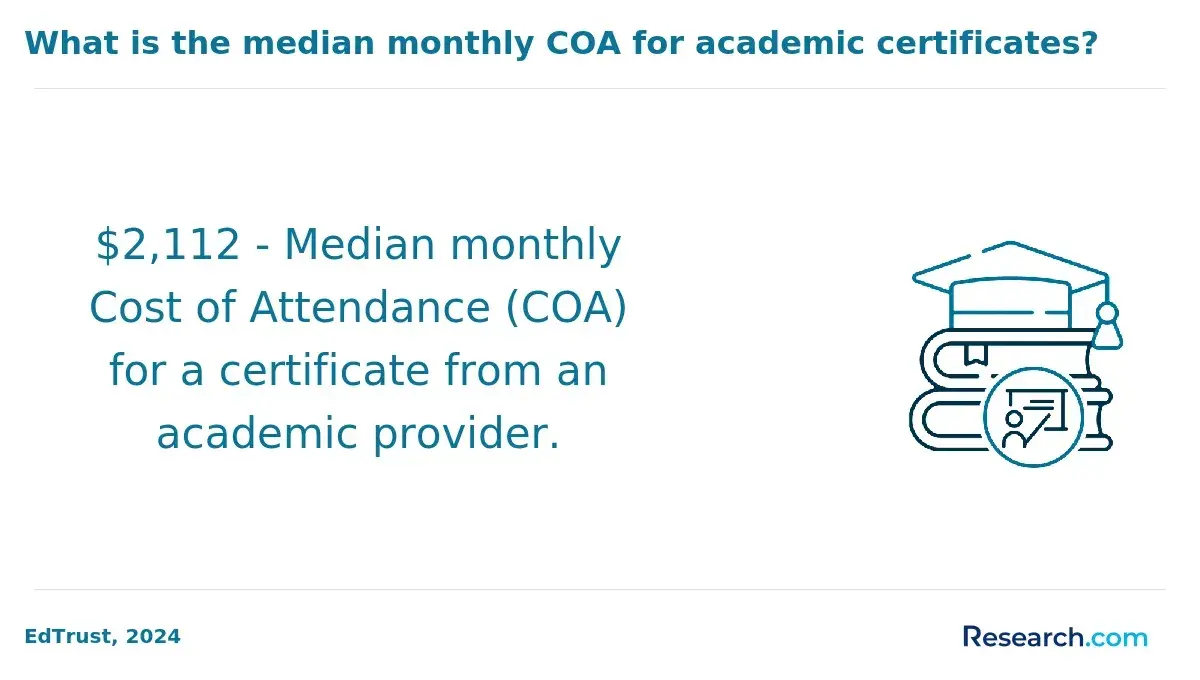
Comparing costs across bachelor's, master's, and doctoral health administration degrees helps prospective students plan finances and choose programs wisely. Below is a breakdown of average tuition fees for health administration degrees at each level, highlighting key expenses and enrollment considerations.
- Bachelor's Degree Costs: Typically spanning about 120 credit hours, tuition ranges from $200 to $600 per credit, resulting in total tuition between $24,000 and $72,000. Mandatory fees-such as registration, laboratory, or technology charges-can add several hundred to a few thousand dollars. Part-time enrollment may extend program duration, potentially increasing cumulative fees.
- Master's Degree Costs: Usually requiring 30 to 60 credit hours, tuition per credit is higher, often between $400 and $1,000. This translates to an overall cost of approximately $12,000 to $60,000. Additional expenses may include software subscriptions and material fees specific to advanced coursework. Students who enroll part-time might face higher costs due to prolonged fees and course timelines.
- Doctoral Degree Costs: Credit requirements vary widely, with some programs spanning several years. Tuition typically ranges from $500 to $1,200 per credit, leading to total costs between $20,000 and $90,000. These programs often have increased mandatory fees and extra charges for research materials and dissertation-related expenses, which can impact the budget significantly.
Choosing between full-time and part-time enrollment can influence total expenses and program duration, affecting tuition accrual and fees. For those also exploring other healthcare education options, it may be helpful to review nursing schools that are easy to get into as part of broader career planning.
What financial aid options are available for health administration degrees?
Financial aid plays a crucial role in making health administration degrees accessible for bachelor's, master's, or doctoral students, as tuition and fees can vary widely across programs. About 85% of undergraduate students receive some form of financial aid, with the average annual amount being approximately $14,000.
Here is an overview of common financial aid programs for health administration students to consider:
- Grants: Federal and state grants are among the most valuable forms of financial aid since they do not require repayment. These grants are typically awarded based on financial need and can substantially reduce the cost of education.
- Scholarships: Scholarships may be granted based on academic merit, leadership skills, or specific criteria related to healthcare fields. These awards can come from various sources, including private organizations and professional associations.
- Federal Loans: These offer low-interest borrowing options with flexible repayment plans. They are often more affordable and borrower-friendly than private loans, making them a popular choice for many students.
- Private Loans: Although private loans can bridge funding gaps, they generally have higher interest rates and less flexible terms. Students should carefully compare these options before borrowing.
- Work-Study Programs: Work-study allows students to earn money through part-time jobs, often related to their field of study, providing both financial support and valuable experience.
- Employer Tuition Assistance: Many working professionals benefit from employer tuition reimbursement programs that may cover partial or full tuition costs, helping to manage expenses while advancing their careers.
- Military Education Benefits: Veterans and active service members can use programs such as the GI Bill to cover educational expenses, providing critical support for those serving or who have served.
Students pursuing health administration degrees should also explore cost-effective educational pathways, such as cheapest online nurse practitioner programs, which may offer synergistic options or financial aid strategies fitting their long-term goals.
What careers are available at each health administration degree level?
Career opportunities in health administration grow significantly with each advanced degree level, offering increasing responsibility and leadership potential. Understanding job prospects with health administration bachelor's, master's, and doctorate degrees can help students plan their education and career path more strategically.
Bachelor's Degree
- Healthcare Office Manager: Responsible for overseeing daily administrative operations in healthcare settings, focusing on efficient office management and patient coordination.
- Medical Records Supervisor: Manages medical records and ensures compliance with healthcare documentation standards and privacy regulations.
- Billing Coordinator: Handles billing procedures and insurance claims, requiring foundational knowledge of healthcare systems and administrative accuracy.
Master's Degree
- Healthcare Administrator: Leads mid-level management teams, directing operations and improving healthcare service delivery within hospitals or clinics.
- Clinical Manager: Oversees clinical departments, manages budgets, and implements policies to enhance patient care quality.
- Health Services Manager: Works in consulting roles or larger hospital networks, applying specialized expertise to optimize healthcare processes and strategic initiatives.
Doctorate Degree
- Chief Executive Officer (CEO): Provides top-level leadership for healthcare organizations, shaping strategic direction and driving innovation.
- Director of Health Policy: Influences and develops healthcare policies at national or organizational levels to improve system performance.
- Academic Researcher/Professor: Engages in research and teaching, advancing knowledge and training future health administration leaders.
These distinct career opportunities by degree level reflect typical advancement paths and specialized roles. Students interested in higher-level leadership or academic positions may also explore options like the cheapest DNP programs online to complement health administration doctoral studies or diversify their qualifications.
How do salaries compare among bachelor's vs master's vs doctorate health administration graduates?
Salary differences play a significant role in deciding which degree level to pursue in health administration, as they directly affect future career opportunities and financial growth. Below is a comparison of typical salary ranges associated with bachelor's, master's, and doctorate degrees in this field.
- Bachelor's Degree: Graduates usually start with salaries ranging from $50,000 to $70,000. These positions often involve administrative tasks or management roles in smaller healthcare organizations where foundational skills are emphasized.
- Master's Degree: Holding a master's degree typically results in higher pay, between $70,000 and $100,000 annually. This level opens doors to leadership roles such as department managers or consultants, reflecting increased expertise and responsibility.
- Doctorate Degree: Individuals with a doctorate generally earn over $100,000, often securing advanced academic, research, or executive leadership positions. This degree signals a high specialization that justifies enhanced compensation.
What Graduates Say About Their Health Administration Degree Level
- Holly: "Pursuing a bachelor's degree in health administration was a pivotal choice for me, especially knowing the average program cost hovers around $40,000. Despite the expense, the experience and skills I gained have significantly boosted my confidence and opened doors to entry-level management roles in healthcare organizations. The investment truly paid off in advancing my career opportunities."
- Aria: "Deciding to enroll in a master's health administration program was a keenly thought-out decision, given the approximate $50,000 tuition cost. The comprehensive curriculum helped me refine my strategic thinking and leadership skills, which have been indispensable in my current role as a healthcare consultant. Reflecting back, the challenges and costs were worthwhile for the professional growth achieved. "
- Samantha: "Completing my doctorate in health administration, despite the considerable cost that often exceeds $60,000, was driven by my goal to impact healthcare policy at a higher level. The rigorous training and research sharpened my expertise and opened doors to executive positions and academic opportunities. This degree has been a crucial factor in my professional credibility and long-term vision implementation. "
Other Things You Should Know About Health Administration Degrees
Yes, a bachelor's degree in health administration can qualify you for entry-level positions in healthcare management, such as healthcare coordinator or administrative assistant roles. However, leadership or higher-level management positions often require a master's degree or significant professional experience.
Starting a career in health administration typically begins with earning a bachelor’s degree in health administration or a related field. This degree provides foundational knowledge in healthcare systems, management principles, and policy, which are crucial for entry-level positions.
A doctorate in health administration can be a valuable asset for those aiming for senior leadership, academia, or research positions. It provides advanced knowledge and opens opportunities in policy-making and consulting, but the decision depends on career goals and the sector you plan to enter.
References
- MHA https://www.publichealthdegrees.org/program/masters/mha/
- How to Decide if a Bachelor’s, Master’s, Doctorate Degree or Certification in Healthcare Management is Best? - Healthcare Management Degree Guide https://www.healthcare-management-degree.net/faq/how-to-decide-if-a-bachelors-masters-doctorate-degree-or-certification-in-healthcare-management-is-best/
- Bachelor vs Master Degrees: Comparing Degree Levels https://www.snhu.edu/about-us/newsroom/education/difference-between-bachelors-and-masters
- Master’s in Healthcare Administration (MHA) Programs https://nursinglicensemap.com/resources/healthcare-degree-programs/masters-in-healthcare-administration/
- Best Health Administration Scholarships - Eligibility & Deadlines https://www.mhaonline.com/blog/health-administration-scholarships
- 5 Specializations for an MHA Program - Healthcare Administration Degree Programs https://www.healthcare-administration-degree.net/lists/5-specializations-for-an-mha-program/
- Master’s vs. Doctorate Degree| University of Bridgeport https://www.bridgeport.edu/news/difference-between-a-masters-and-doctorate-degree/
- Healthcare administration vs. healthcare management | edX https://www.edx.org/resources/healthcare-administration-vs-healthcare-management


