
2027 Return on Investment (ROI) of a Health Psychology Degree Program

Co-Founder and Chief Data Scientist
Many prospective students hesitate to pursue a health psychology degree due to concerns about job availability and salary prospects in a competitive healthcare market. Recent data shows that employment in health psychology-related roles is projected to grow by 14% over the next decade, outpacing many other mental health specializations.
However, the cost of education and time required often complicate decisions about return on investment (ROI). This article will examine key financial and career factors linked to health psychology degrees, helping readers determine whether the educational commitment aligns with their professional and economic goals.
Key Things to Know About Health Psychology Degree ROI
- Graduates report a median starting salary around $60,000, with experienced professionals earning upwards of $90,000, reflecting strong earning potential in clinical and research roles.
- Health psychology degrees enable career advancement into specialized fields like behavioral medicine or policy advising, increasing job opportunities and leadership roles within healthcare systems.
- The field offers job stability due to growing demand for mental health services, with projected employment growth of 14% over the next decade, surpassing average healthcare occupations.
How Is ROI Calculated for a Health Psychology Degree Program?
Return on Investment (ROI) in higher education measures the financial benefits a graduate gains relative to the costs and time invested in completing a degree program. Calculating ROI helps students compare the value of a health psychology degree against its expenses and duration, providing a clearer perspective on expected outcomes.
Several key factors are used when calculating health psychology degree ROI, allowing prospective students to weigh benefits and costs effectively:
- Tuition and Fees: This covers the total cost of attendance, including tuition, books, and mandatory fees. These upfront expenses represent the initial investment students make in their education.
- Opportunity Cost: The income foregone while enrolled full-time is a critical component. Lost wages during study add to the overall cost beyond tuition, shaping the true financial impact of pursuing the degree.
- Time to Completion: Program length affects ROI by influencing opportunity costs and delaying workforce entry. Shorter programs reduce these costs and can accelerate financial returns.
- Post-Graduation Salary: Expected earnings after graduation influence ROI significantly. Higher starting salaries and demand for health psychology professionals improve the financial payoff over time.
- Career Advancement Potential: Degrees offering opportunities for promotions and salary growth enhance long-term earning potential, further boosting ROI.
For those interested in comparing degrees with a focus on affordable options, reviewing data on the cheapest online mba programs can provide additional insight into balancing cost with career outcomes.
How Much Does a Health Psychology Degree Program Cost?
Knowing the full expenses of a health psychology degree is vital to properly gauge its return on investment, especially as graduate tuition has risen nearly 3% annually over the past ten years, contributing to an average student debt exceeding $40,000. Accurately capturing all costs helps students weigh financial commitments against potential career gains.
Key factors influencing the overall cost and ROI include:
- Tuition and fees: These are usually the largest expenditure, varying significantly depending on whether the school is public or private, and often fluctuating each year of study.
- Books and materials: Required textbooks, specialized software, and research resources add notable extra expense beyond tuition.
- Living and relocation: Many students must budget for housing, transportation, and moving costs, which can accumulate over the typical two-to-three year duration.
- Opportunity cost: Forgoing full-time employment income during studies represents a substantial financial sacrifice that influences ROI calculations.
- Hidden costs: Additional fees might include licensing exam charges, internship expenses, travel for research or conferences, and necessary technology upgrades for coursework.
When I asked a health psychology graduate about his experience with managing these expenses, he shared that the financial strain extended beyond tuition. "I underestimated living costs and the time off work," he said. "Balancing part-time jobs helped, but juggling coursework and finances was exhausting. It made me question if the long hours and expenses were worth it, especially in months without any paid internships." His story highlights how financial pressures combine with emotional challenges, influencing perceptions of the degree's value after graduation.
What Financial Aid Is Available for Health Psychology Degree Programs?
Financial aid helps reduce initial expenses and long-term debt, enhancing the return on investment for students pursuing a health psychology degree. Nearly 56% of U.S. graduate students borrow federal loans, underscoring the significance of accessible funding options for managing educational costs.
Common financial aid resources available to health psychology students include:
- Scholarships: Awarded based on merit or financial need, scholarships lower tuition costs without requiring repayment, directly cutting down on accumulated debt.
- Grants: Provided mainly through federal or state programs, grants assist students with financial need, reducing reliance on loans and improving post-degree financial stability.
- Fellowships: Targeted at research or academic achievement, fellowships often cover tuition and living expenses, ensuring steady support that enhances both study conditions and future job prospects.
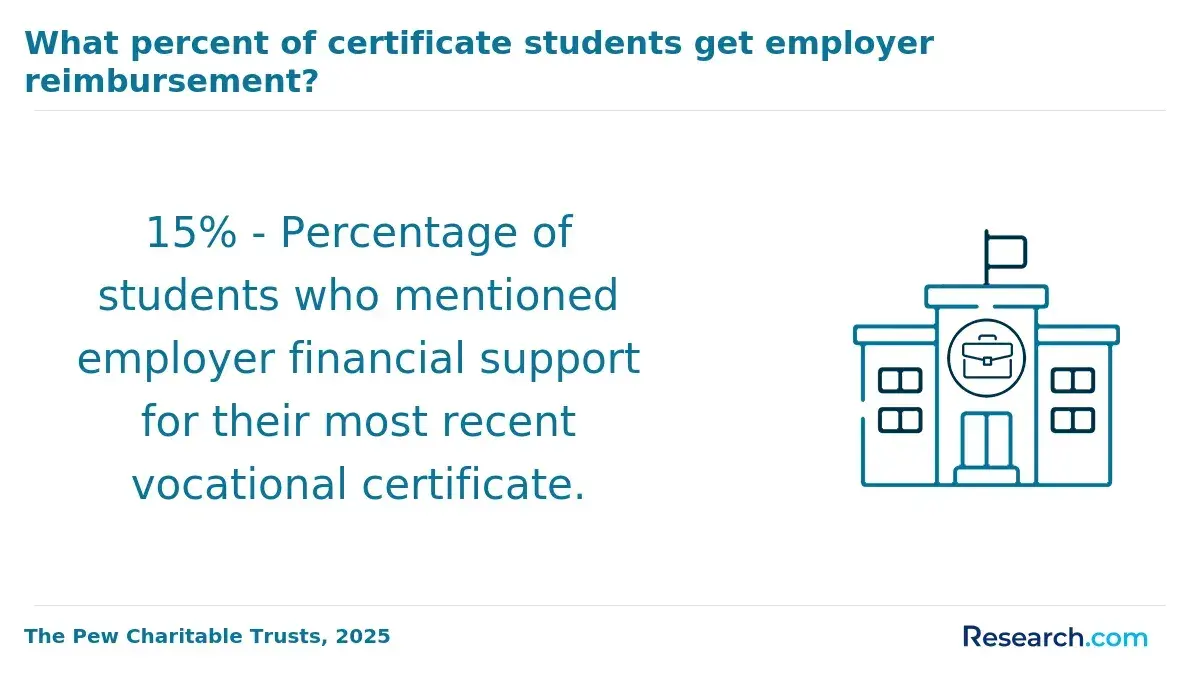
- Employer tuition assistance: Some employers offer reimbursement for continuing education, which lessens out-of-pocket spending and lowers overall debt, positively impacting ROI.
- Federal loans: Though payable after graduation, these loans usually have favorable interest rates and flexible repayment terms, making them a more cost-effective borrowing option than private loans.
By wisely utilizing these aid sources, health psychology students can minimize their financial burden and invest more securely in their careers.
Breakdown of All 2-Year Online Title IV Institutions

How Long Does It Take to Complete a Health Psychology Degree?
The duration of a health psychology degree impacts its return on investment (ROI) by influencing opportunity costs, the timing of income generation, and total educational expenses. The longer it takes to finish, the more a student delays earning and incurs costs, which can reduce financial gains over time. Conversely, shorter completion times or accelerated paths can enhance ROI by enabling earlier entry into the workforce.
Several factors affect how long it takes to complete a health psychology degree and subsequently affect its financial and career returns:
- Full-time vs. part-time enrollment: Full-time students typically graduate faster but may face limited income during their studies, while part-time students balance work and education, extending the program length and delaying full earning potential.
- Online or accelerated formats: These flexible options can compress the timeline and lower living and tuition costs, helping students maximize ROI by reducing both time and expenses.
- Transfer credits: Recognition of previous coursework can shorten degree duration significantly, decreasing overall costs and accelerating career advancement.
- Internship and thesis requirements: While these components add time to the program, they enhance practical skills and employability, often resulting in higher post-graduation earnings.
- Scheduling flexibility: Evening or weekend classes allow working professionals to maintain income streams during study, which balances opportunity cost and supports better financial outcomes.
I spoke with a graduate of a health psychology degree who shared her reflections on the timeline. She recalled how juggling part-time study with a demanding job extended her program beyond initial expectations, but this strategy allowed her to avoid debt and keep some income steady. "It wasn't easy balancing everything," she said, "but spreading the coursework out and choosing evening classes gave me stability." She also noted how completing a thesis delayed her graduation by a semester but proved invaluable when entering the job market. Her experience highlighted that while longer timelines can feel taxing, thoughtful pacing and leveraging program flexibility can make the investment worthwhile both financially and personally.
Is ROI Higher for Online or On-Campus Health Psychology Programs?
Delivery format significantly influences the return on investment (ROI) for health psychology degree programs by affecting cost, flexibility, and career outcomes. Online enrollment in higher education has increased by over 30% in recent years, highlighting growing accessibility and acceptance of remote learning options. These trends shape how prospective students weigh the financial and professional benefits of online versus traditional on-campus programs.
Key aspects differentiating online and on-campus health psychology ROI include:
- Tuition and fees: Online programs typically have lower tuition and fees, reducing upfront expenses and making education more financially accessible.
- Opportunity cost: Greater scheduling flexibility online allows students to maintain employment while studying, minimizing income loss compared to on-campus attendance.
- Time to completion: Both formats often require similar durations, but online learners may accelerate their studies by leveraging self-paced coursework and year-round sessions.
- Networking and career services: On-campus programs generally offer stronger in-person networking opportunities and more robust career resources, which can influence job placement and long-term earning potential.
- Employer perception and earning potential: While some employers still regard on-campus degrees as more rigorous, perceptions are shifting, and online degrees continue to gain credibility in many professional settings.
For individuals comparing the online vs on-campus health psychology ROI, these factors collectively inform the financial and professional returns. Research on health psychology degree ROI comparison indicates that the best choice depends on personal circumstances, career goals, and preferred learning style. Prospective students may explore options such as a online business degree to understand the affordability and flexibility benefits commonly available in online programs.
What Is the Average Salary After Earning a Health Psychology Degree?
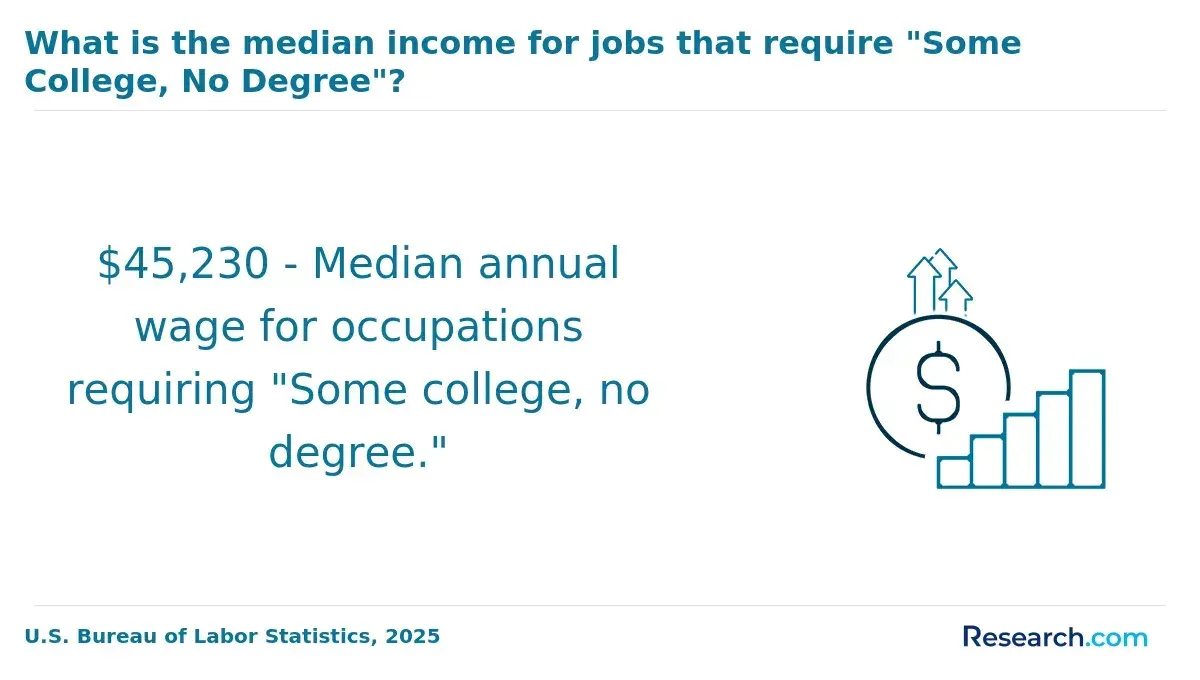
Post-graduation salary is a vital factor in calculating the return on investment (ROI) for health psychology graduates, as it determines how quickly students can recoup educational costs. The average health psychology degree salary typically falls between $50,000 and $90,000 annually, reflecting the financial benefits associated with this field.
Several key variables impact health psychology graduate salary expectations and the resulting ROI:
- Industry: Salaries vary widely depending on whether graduates work in healthcare settings, academic institutions, or private practice, with some sectors offering higher compensation than others.
- Geographic location: Metropolitan regions with strong demand for health psychology services usually provide enhanced salary prospects compared to rural areas.
- Prior experience: Candidates who bring relevant clinical or research experience often command better starting salaries, improving their ROI more rapidly.
- Specialization: Focusing on niches like chronic illness management or behavioral intervention can lead to superior pay due to specialized skills and market needs.
- Career level: Advanced positions such as consulting or supervisory roles generally come with increased financial rewards and faster cost recovery.
Prospective students evaluating health psychology degree costs may also consider exploring accredited marriage and family therapy programs online as alternative or complementary educational pathways that could enhance career opportunities.
Does a Health Psychology Degree Lead to Promotions?
Promotions play a crucial role in the return on investment (ROI) of earning a health psychology degree by often leading to salary increases, expanded responsibilities, and greater career mobility. These advances contribute both financial and professional value over time, making the degree a strategic asset. A key workforce trend is the emphasis on credential-based promotion, where employers increasingly require formal education alongside experience for advancement, aligning well with health psychology degrees.
Here are several ways a health psychology degree can enhance promotional opportunities and improve ROI:
- Credential requirements: Health psychology degrees frequently meet the formal education standards needed for clinical or administrative leadership positions, making holders more eligible for promotion.
- Leadership preparation: The curriculum often integrates training in leadership and communication skills, equipping graduates to effectively handle managerial and supervisory responsibilities.
- Tuition support: Many employers offer tuition reimbursement programs, which reduce the direct cost of the degree and therefore increase overall ROI.
- Internal promotion policies: Organizations commonly prioritize higher education in their promotion criteria, accelerating career advancement for degree holders.
- Experience synergy: Combining relevant work experience with a health psychology degree enhances a candidate's competitiveness for specialized roles and leadership opportunities.
For those exploring educational paths that offer accelerated options, programs such as an accelerated bachelor's degree online may provide a faster route to gaining credentials that support career advancement. Ultimately, a health psychology degree career advancement often leads to promotional opportunities with health psychology degree holders benefiting from both enhanced expertise and recognized qualifications in the healthcare and wellness sectors.
Which Industries Offer the Best ROI for Health Psychology Graduates?
The return on investment (ROI) for health psychology graduates varies widely by industry due to differences in salary levels, opportunities for career advancement, and demand for specialized skills. These factors influence financial rewards and job stability in each sector.
Industries offering some of the best industries for health psychology graduates with high ROI typically include the following:
- Healthcare and Clinical Settings: This sector maintains steady demand for health psychology expertise, offering career progression into supervisory and research roles. Compensation generally grows as professionals contribute directly to patient outcomes and healthcare program development.
- Pharmaceutical and Biotechnology Firms: These companies tend to offer competitive salaries and rely on health psychologists for behavioral research, clinical trials, and improving patient adherence, leading to strong potential for career growth.
- Public Health and Government Agencies: With stable funding and structured career paths, public sector roles provide solid job security. Experts in population health and preventive strategies are particularly valued, enhancing long-term ROI.
- Occupational Health and Corporate Wellness: Rising corporate focus on employee wellness drives demand for health psychology graduates to design programs that reduce healthcare costs, resulting in compensation increases and expanding career opportunities.
- Academia and Research Institutions: Despite often lower starting salaries, these roles offer grant funding opportunities and long-term development, which can improve ROI over time for those interested in research careers.
Ultimately, individuals weighing the cost and benefits of a health psychology degree should consider these high ROI careers in health psychology along with their personal goals and regional job markets. Prospective students can find valuable options by exploring online college programs that specialize in this field.
Does Accreditation Affect ROI for a Health Psychology Degree?
Accreditation signifies that a health psychology degree program adheres to established quality standards set by recognized agencies, ensuring the curriculum and training meet professional and academic benchmarks. This validation is crucial for students as it signals to employers and licensing boards that graduates have received a credible and rigorous education. Increasingly, employers and state licensing authorities require degrees from accredited programs to qualify candidates for licensure or advanced positions. This trend strongly shapes graduates' opportunities in the job market and their potential earnings.
Long-term ROI from a health psychology degree is often enhanced by accreditation through multiple pathways. Employers tend to place higher trust in candidates from accredited programs, which can lead to improved job prospects and salary offers. Accreditation also grants students eligibility for federal financial aid, helping to offset upfront education costs. Additionally, it facilitates credit transferability for those pursuing further study, supports licensure qualification essential for many roles, and promotes flexibility in employment across different states and organizations.
Is a Health Psychology Degree Worth It?
Investing in a health psychology degree requires weighing multiple financial and career factors. Graduate programs typically demand two to four years and can cost tens of thousands of dollars, which may delay earning potential during study. However, graduates often see median starting salaries between $60,000 and $75,000 annually, with the possibility of higher income as they gain expertise or enter specialized fields. Career growth is supported by increasing demand for mental health services and integrated healthcare models, contributing to job stability and advancement opportunities.
The value of this degree depends greatly on individual circumstances. Growth in the health psychology field and availability of part-time or online programs can improve ROI by lessening income disruption. Financial aid and scholarships also play a critical role in reducing cost barriers. For those targeting clinical work, research, or healthcare administration, the degree can be beneficial, but it may offer limited returns in saturated markets or for those seeking rapid earnings. Careful evaluation of market trends and personal goals is essential to determine if a health psychology degree is a worthwhile investment.
What Graduates Say About The ROI of Their Health Psychology Degree
- Reign: "Choosing to pursue a health psychology degree as a traditional student was a strategic move for me, especially when considering the long-term ROI. While the average cost hovered around $40,000, the investment has paid off through expanded career opportunities and deeper client impact. I'm genuinely enthusiastic about how this program has elevated my professional path and confidence in my practice. "
- Yousef: "As an online student, I weighed the cost of a health psychology degree carefully, knowing it averages around $40,000. Though the price was significant, the flexibility and ability to immediately apply learning to my job made it worthwhile. Reflecting on my experience, completing the degree broadened my understanding and opened doors I hadn't anticipated."
- Logan: "Balancing work and study as a part-time health psychology student was challenging but ultimately rewarding. Considering the costs, which are approximately $40,000 on average, I evaluated the return carefully and confirmed its value through career advancement and increased professional credibility. The degree has been a pivotal factor in my ongoing professional development. "
Other Things You Should Know About Health Psychology Degrees
Yes, prior experience in psychology, healthcare, or related fields can significantly impact the ROI by enhancing job prospects and potential salaries. Experienced professionals may require less on-the-job training and can often secure higher-level positions faster. Combining a degree with relevant experience tends to maximize career advancement and financial benefits.
Continuing education, such as certifications or specialized training, can improve the ROI by increasing employability and salary potential. Health psychologists who pursue ongoing learning often gain expertise in niche areas like pain management or behavioral medicine, making them more competitive in the job market. This investment helps maintain professional credentials and adapt to evolving healthcare needs.
References
- Career options in psychology | BPS https://www.bps.org.uk/career-options-in-psychology
- Top 10 Highest Paying Jobs with Psychology Degree 2025 | Nexford University https://www.nexford.edu/insights/highest-paying-jobs-with-psychology-degree
- That Question: “What’s a Psychology Degree Worth, Anyway?" https://www.psychologytoday.com/us/blog/head-of-the-class/201403/that-question-whats-a-psychology-degree-worth-anyway
- How Long Does it Take to Get a Psychology Degree? https://www.ndnu.edu/articles/psychology/how-long-does-it-take-to-get-a-psychology-degree.html
- Master of Health Psychology MHealthPsych https://www.auckland.ac.nz/en/study/study-options/find-a-study-option/master-of-health-psychology-mhealthpsych.html
- Is College Worth it? | Return on Investment Analysis of College Degree https://educationdata.org/college-degree-roi
- Financial Aid for Psychology Students https://www.onlinepsychologydegrees.com/financial-aid/
- Health Psychology Degree | MA in Psychology | TUW https://www.tuw.edu/academics/psychology/online-ma-psychology-health-psychology/
- Is a master's in clinical psychology worth it? | edX https://www.edx.org/resources/is-a-masters-in-clinical-psychology-worth-it
- Explore Psychology Degrees Online | Psychology.org https://www.psychology.org/online-degrees/


