
2027 Best Health Psychology Degrees for Working Adults

Co-Founder and Chief Data Scientist
Balancing a demanding job while pursuing a health psychology degree can seem impossible for working adults. Many face challenges such as limited program flexibility and long commute times. Yet, the Bureau of Labor Statistics projects a 19% growth in health psychologists' employment through 2031, highlighting expanding career prospects in this field. This growth underscores the importance of accessible education for professionals seeking advancement.
This article will explore the best accredited health psychology degrees tailored for working adults, focusing on programs that offer flexibility and support career goals without sacrificing current employment obligations.
Key Things to Know About Health Psychology Degrees for Working Adults
- Many programs offer flexible scheduling and online or hybrid formats, allowing working adults to balance coursework with professional and personal commitments effectively.
- Accelerated pacing options are increasingly available, enabling students to complete degrees faster while maintaining employment.
- Health psychology degrees often include employer-relevant skills, enhancing career advancement opportunities in healthcare, wellness, and organizational settings.
What Are the Best Health Psychology Degrees for Working Adults?
The best health psychology degree programs for working adults vary based on factors like schedule flexibility, alignment with career goals, and return on investment. Programs that offer online or part-time options are increasingly popular, allowing adult learners to balance employment and study without sacrificing job commitments. This trend toward accessible digital education helps expand opportunities for professionals seeking advancement.
Below are some health psychology degree options well suited for employed students:
- Online Master's in Health Psychology: Provides part-time and flexible study formats with interactive digital content tailored for working professionals, making it easier to juggle coursework and employment.
- Part-time PhD in Health Psychology: Designed for extended timelines, this option supports professionals who want to continue employment while engaging in research and academic development.
- Health Psychology with Behavioral Medicine specialization: Focuses on practical skills for clinical and community health careers, enabling immediate application of knowledge in workplace settings.
- Professional certificate in Health Psychology: Offers concentrated study for career changers seeking foundational expertise without the commitment of a full degree program.
- Master's in Public Health with Health Psychology concentration: Combines psychological insights with population health strategies, broadening employment prospects in healthcare policy and wellness programs.
Choosing among these top flexible health psychology degrees for professionals requires weighing flexibility, course relevance, and employer recognition. For those wanting additional specialization or credentials, exploring options like bcba masters programs online can complement health psychology studies and expand career pathways.
What Are the Admission Requirements for Working Adults in Health Psychology Degree Programs?
Admission requirements for working adults in health psychology degree programs often differ from those for traditional students to accommodate professional experience and busy schedules. Recent trends show that nearly 40% of graduate students enroll part-time, highlighting the demand for flexible learning paths. Programs tailored to adults recognize the balance between work, education, and personal commitments.
Common admission considerations for working adults in health psychology degree program entry criteria for professionals include:
- Prior Work Experience: Relevant professional history in healthcare or psychology can significantly strengthen an application. Some programs even allow this experience to substitute for traditional academic prerequisites, making entry more accessible for working adults.
- GPA Expectations: While many programs remain competitive, certain schools offer more lenient thresholds or consider professional achievements alongside academic records, recognizing that grades may not fully reflect an adult learner's capabilities.
- Standardized Test Waivers: Experienced applicants often benefit from GRE or other standardized test waivers, reducing barriers during the admission process.
- Professional Recommendations: References from employers or supervisors who can attest to a candidate's work ethic and professional skills carry significant weight, sometimes more so than academic recommendations.
- Flexible Formats: Part-time, evening, or online options allow working adults to pursue degrees without sacrificing employment, increasing accessibility and accommodating diverse schedules.
For those interested in broader online education opportunities, programs similar to the cheapest online engineering degree options demonstrate how affordability and flexibility can coexist in higher education.
What Coursework Is Required in Health Psychology Degree Programs for Working Adults?
Coursework in health psychology degree programs for working professionals is structured to balance career relevance, practical skills, and flexible learning formats that accommodate full-time employment. Studies show that over 60% of adult learners in health psychology programs pursue their degrees while working full time, underscoring the need for adaptable course designs. These programs emphasize knowledge that can be directly applied to professional roles.
Common required classes in health psychology programs for working adults include:
- Health Behavior and Promotion: This course focuses on strategies to encourage healthy lifestyle changes, essential for public health professionals and wellness coaches aiming to improve client outcomes.
- Psychological Assessment: Students explore methods for evaluating mental and physical health factors, which supports careers in clinical, counseling, or healthcare settings.
- Research Methods in Health Psychology: Covers data collection and analysis techniques, enhancing critical thinking and evidence-based practice vital for advancing in the field.
- Stress and Coping Mechanisms: Examines the psychological impact of stress and intervention strategies, relevant for roles related to employee wellness and therapeutic services.
- Chronic Illness and Health Psychology: Addresses psychological aspects of managing long-term health conditions, preparing students for work in healthcare or rehabilitation centers.
These courses are designed to fit the needs of working adults by integrating flexible learning options and applicable knowledge. Many adult learners seek accredited programs offering such coursework, often searching for options like an online masters in psychology that supports their career advancement. Exploring health psychology degree coursework for working professionals can help identify programs that offer the required classes in health psychology programs compatible with busy schedules.
How Long Does It Take to Complete a Health Psychology Degree While Working?
The time required for working adults to complete a Health psychology degree varies significantly due to the need to juggle professional duties and academic work. On average, those balancing employment with studies take approximately three to six years to finish their degree, longer than the two to four years typical for full-time students. Several important factors shape this timeline.
Key influences on the duration of a Health psychology degree for working students include:
- Program Format: Flexible options like online or part-time formats extend the study period but enable students to maintain their jobs without sacrificing their education.
- Course Load: Enrolling in fewer classes each semester reduces stress and workload but lengthens time to degree completion; conversely, heavier course loads shorten it.
- Prior Credits: Transfer credits or related prior coursework can significantly reduce the total number of courses required, speeding up graduation.
- Work Schedule: Job hours and workplace flexibility directly affect how much time learners can devote to studying, influencing their progress.
- Accelerated Options: Some programs offer intensive sessions or summer classes that can help highly motivated students graduate sooner.
A professional who completed an online Health psychology degree while employed shared that managing coursework alongside a demanding job required careful time management and perseverance. He recalled feeling overwhelmed at times but found that breaking assignments into smaller tasks helped maintain steady progress. "Balancing work deadlines and study obligations was challenging," he said, "but the flexibility of the online program made it possible to stay on track." His experience underscores the importance of discipline and choosing a program that accommodates a working lifestyle.
How Much Does a Health Psychology Degree Cost for Working Adults?
For working adults pursuing a health psychology degree, managing expenses is essential due to balancing tuition with ongoing living costs and potential reduced work hours. Research shows adult learners typically spend up to 20% more annually on education than traditional students, largely because many attend part-time and require flexible scheduling.
Several key factors affect the overall cost of a health psychology degree for employed students:
- Tuition per credit: Part-time students are often charged by credit hour, and rates can vary significantly between public and private schools, impacting total expenses.
- Program duration: Longer degree programs mean more semesters and higher cumulative tuition and fees, extending the financial commitment.
- Additional fees and materials: Apart from tuition, technology fees, lab costs, and textbooks can add hundreds of dollars each term.
- Format options: Online programs often reduce costs by eliminating travel and offering lower fees, providing flexibility for working professionals.
- Financial assistance: Many adult learners take advantage of employer tuition support, scholarships aimed at non-traditional students, or federal aid to ease financial burdens.
These considerations help employed students evaluate and budget for health psychology programs compatible with their career and financial needs.
What Financial Aid Options Are Available for Working Adults in Health Psychology Degree Programs?
Balancing work, studies, and personal life makes financial aid a crucial resource for adults pursuing a health psychology degree. It alleviates the pressure of managing tuition alongside everyday expenses, helping many stay on track toward their educational goals.
Here are some common financial aid options tailored for working adults in health psychology programs:
- Federal Financial Aid: Available through Pell Grants and federal student loans, this aid provides essential support. Eligibility is generally based on financial need and enrollment status, offering funds that may not require repayment or come with low interest.
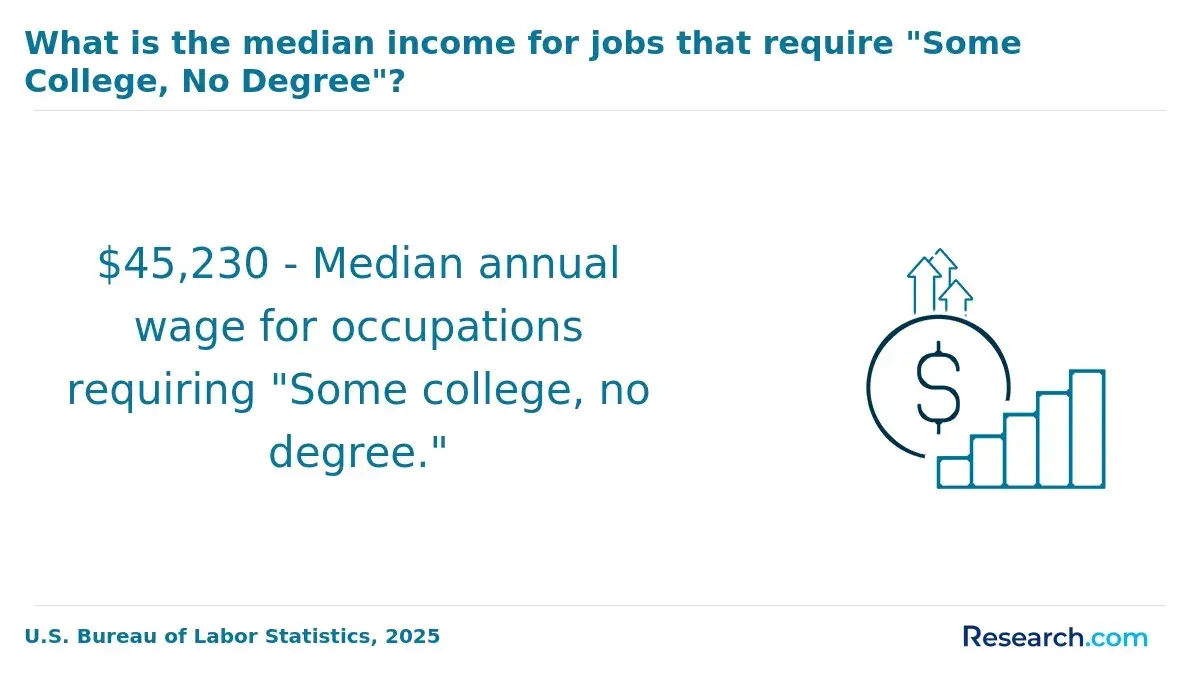
- Employer Tuition Assistance: Many employers encourage continued learning by covering part or all of tuition fees. Such programs often serve employees seeking to advance their careers while maintaining full-time positions.
- Scholarships for Adult Learners: Numerous foundations and organizations offer scholarships specifically aimed at adult students. These awards often consider factors like work experience and financial circumstances, providing targeted help.
- Grants: State and local grants supplement federal offerings for qualifying students. These non-repayable funds are usually awarded based on financial need or specific demographic criteria.
- Payment Plans and Tax Benefits: Flexible payment options allow spreading tuition costs over time to ease budgeting challenges. Additionally, tax credits such as the Lifetime Learning Credit can help reduce overall education expenses.
When I spoke with a professional who completed a health psychology degree while working full-time, she reflected on how financial aid shaped her journey. Managing a demanding job alongside coursework was overwhelming, and tuition costs felt daunting at first. However, she shared that enrolling in a flexible payment plan reduced immediate financial strain, enabling her to focus on her studies without constant worry. Employer support also played a critical role; the tuition reimbursement program made her decision to pursue further education less stressful. "Without that assistance," she noted, "balancing work, family, and school might have been impossible." Her experience highlights how varied financial aid options can provide the stability needed to achieve academic and professional growth simultaneously.
What Support Services Help Working Adults Succeed in a Health Psychology Program?
Working adults enrolled in health psychology programs often face the complex task of balancing academics with full-time jobs and personal commitments. Access to dedicated institutional support services is essential to help these students navigate challenges and maintain steady academic progress.
- Flexible Scheduling: Offering evening, weekend, or asynchronous online classes enables students to adapt their studies around demanding work hours and family life, easing time pressures and enhancing focus.
- Personalized Academic Advising: Tailored guidance assists students in mapping out course plans that align with their career goals while preventing overload, ensuring consistent advancement toward their degree.
- Online Learning Assistance: Technical support and resources for digital platforms reduce obstacles in remote learning, helping students remain engaged and connected in virtual environments.
- Mental Health Support: Access to counseling and stress management programs strengthens emotional resilience, which is critical for sustaining motivation and academic performance.
- Cohort-Based Collaboration: Learning within group settings promotes peer accountability, motivation, and community building, providing social support that enhances persistence amid competing responsibilities.
Are Health Psychology Degrees for Working Adults Accredited?
Accreditation is a critical marker of quality for health psychology programs, ensuring they meet rigorous academic standards set by independent organizations. For working adults, this means the degree they earn is widely respected by employers and educational institutions, enhancing professional credibility. Accredited programs also typically qualify for federal financial aid, making it more feasible for adult learners balancing education with full-time employment. Recently, there has been a significant increase in adult enrollment in graduate programs, highlighting demand for trustworthy and flexible education options.
Accreditation plays a key role in preserving the long-term value of a health psychology degree by facilitating the transfer of credits for those who pursue further studies or change schools. It is often a prerequisite for licensure or certification, which are essential for unlocking advanced career opportunities in the field. This official recognition supports continued professional growth and ensures the degree remains a valuable asset throughout an individual's career trajectory.
Does a Health Psychology Degree Increase Salary for Working Adults?
Salary growth is a major motivator for working adults pursuing a health psychology degree, as it often opens doors to higher-paying roles. Typically, mid-level positions in this field offer annual salaries ranging between $50,000 and $90,000, with advanced roles commanding even greater income.
- Industry Demand: Healthcare, public health, and corporate wellness sectors increasingly seek professionals trained in health psychology. This growing demand enhances salary prospects as employers compete for qualified candidates.
- Role Advancement: A health psychology degree often qualifies individuals for supervisory and consulting positions, which come with higher pay. Career advancement opportunities directly influence how the degree translates into salary increases for working adults.
- Employer Policies: Organizations vary in how they reward educational achievements. Some offer clear salary incentives for degrees, while others have more limited compensation linked to educational credentials.
- Years of Experience: Longer professional tenure typically correlates with higher earnings, as experience complements degree credentials to command better salaries.
- Specialization: Expertise in areas like behavioral health or chronic illness management can differentiate candidates. These niches often lead to premium salaries due to specialized skills.
For working professionals balancing full-time employment and education, enrolling in flexible, accredited health psychology programs can facilitate career advancement with health psychology degree options designed to fit diverse schedules. Exploring affordable edd programs may provide additional pathways to enhance qualifications and long-term salary growth.
What Jobs Can Working adults Get With a Health Psychology Degree?
A health psychology degree enables working adults to qualify for specialized, higher-level, and leadership roles beyond entry-level positions. It equips professionals with advanced knowledge that supports career advancement in diverse healthcare and research settings.
Common career advancement opportunities with a health psychology degree include:
- Clinical Health Psychologist: This role requires deep expertise in medical and behavioral health psychology. Professionals assess and treat patients with chronic illnesses or mental health conditions, often taking on leadership responsibilities in clinical teams.
- Health Program Director: Health program directors design and oversee wellness initiatives or public health projects. Their role involves applying psychological principles to improve community and organizational health outcomes, representing a significant step up from basic support roles.
- Behavioral Health Researcher: These specialists lead research examining how behavior influences health. They guide projects that inform healthcare policy and clinical practices, leveraging their health psychology background to impact system-wide improvements.
- Healthcare Consultant: Consultants use psychological insights to advise healthcare organizations on enhancing patient adherence and operational efficiency. This role often requires advanced credentials and strategic thinking acquired through specialized training.
- Health Psychology Educator: Educators in this field combine clinical expertise with teaching skills to prepare the next generation of practitioners. They develop curricula and training programs, contributing to the discipline's growth and professional standards.
Working adults seeking flexible, accredited programs to pursue health psychology careers for working adults should consider options tailored to their schedules. To explore affordable pathways compatible with full-time work, researching cheapest online colleges that accept fafsa can provide valuable guidance. These programs support career mobility by blending practical experience with advanced study.
By choosing the right degree program, experienced professionals can unlock job opportunities with a health psychology degree that emphasize leadership, research, and program management roles, advancing their impact within healthcare systems.
What Graduates Say About Their Health Psychology Degrees for Working Adults
- Reign: "Choosing an online health psychology degree while working full-time was a game-changer for me. The program's flexibility made it possible to manage my schedule alongside work commitments, and at an average cost of around $20,000, it was a worthwhile investment. Since graduating, I've been able to advance into a clinical role that leverages my expanded understanding of behavioral health, transforming my career trajectory. "
- Yousef: "Pursuing a part-time health psychology degree was a thoughtful decision given my demanding job. Although the tuition was a significant consideration-typically about $18,000-it felt like a manageable expense when balanced against the career growth opportunities that came from completing the program. Today, I apply psychological principles daily to improve patient outcomes, and I'm grateful for that educational foundation. "
- Logan: "As a working professional, enrolling in an online health psychology program was both a practical and strategic choice. The cost, which usually hovers near $19,000, was reasonable compared to the value I received in terms of skill development and professional networking. After finishing my degree, I witnessed a clear shift in how employers viewed my expertise, leading to more advanced job responsibilities and satisfaction. "
Other Things You Should Know About Health Psychology Degrees
The top health psychology degrees for working adults in 2027 include programs from institutions like Walden University, Northcentral University, and The Chicago School of Professional Psychology. These programs offer flexible learning environments online tailored for adults balancing work and study.
Yes, working adults can pursue a health psychology degree in 2027 without prior healthcare experience. Many programs are designed to accommodate students from diverse professional backgrounds and promote foundational knowledge in health psychology, tailored to the needs of adult learners.
Most health psychology degree programs for working adults include some form of practical training, such as internships, practicums, or applied research projects. These experiences are often flexible in scheduling and may be completed in local healthcare or community settings to accommodate working students.
References
- Uniform master’s studies https://www.amh.edu.pl/psychology/
- Everything you need to know about becoming a health psychologist | BPS https://www.bps.org.uk/news/everything-you-need-know-about-becoming-health-psychologist
- Health Psychology Programs: Degree Levels & Career Outcomes https://www.psychology.org/degrees/health-psychology/
- Department of Clinical and Health Psychology - SWPS University https://english.swps.pl/science-and-research/discover-our-potential/research-centers/84-faculties-and-departments/faculty-of-psychology-in-katowice/departments/32811-department-of-clinical-and-health-psychology
- MSc Health Psychology - scholarships and bursaries available to those eligible - Opportunities at University of Bath 52826 https://www.postgraduatestudentships.co.uk/opportunity/msc-health-psychology-scholarships-and-bursaries-available-to-those-eligible/52826
- Top 5 Highest-Paying Psychology Jobs to Pursue in 2025 https://www.coursera.org/articles/highest-paying-psychology-jobs
- Health Psychology Master’s Programs Online: Find a School https://www.onlinemastersdegrees.org/best-programs/psychology/health-psychology/
- Mental Health and Wellbeing Workforce Scholarship Program https://www.health.vic.gov.au/mental-health-workforce/mental-health-and-wellbeing-workforce-scholarship-program
- Psychological Support and Wellbeing Service https://www.eui.eu/en/services/academic-service/psychological-support-and-wellbeing-service
- What Can You Do With a Health Psychology Degree? https://www.tuw.edu/health/health-psychology-career/


