
2027 Do Employers Pay for Health Psychology Degrees: Tuition Reimbursement and Sponsorship Options

Co-Founder and Chief Data Scientist
Many working professionals hesitate to pursue a health psychology degree due to the high costs. The average tuition for such programs can exceed $30, 000 per year, leading to substantial student debt upon graduation. According to recent data, over 60% of psychology graduate students rely on financial aid or employer assistance to offset these expenses.
Understanding tuition reimbursement and sponsorship opportunities is crucial for prospective students exploring options to ease the financial burden. This article examines whether employers commonly pay for health psychology degrees and details how tuition reimbursement programs and sponsorships can make advanced education more affordable and accessible.
Key Benefits of Employers Paying for Health Psychology Degrees
- Employers often offer tuition reimbursement programs that reduce the average $30,000-$60,000 health psychology degree cost, helping employees manage educational expenses while continuing work.
- Sponsored degrees can increase employee retention by aligning career growth with organizational goals, enhancing workplace loyalty and reducing turnover rates.
- Financial support for health psychology studies fosters professional development, enabling employees to apply specialized knowledge that improves patient care and organizational outcomes.
Do Employers Pay for Health Psychology Degrees?
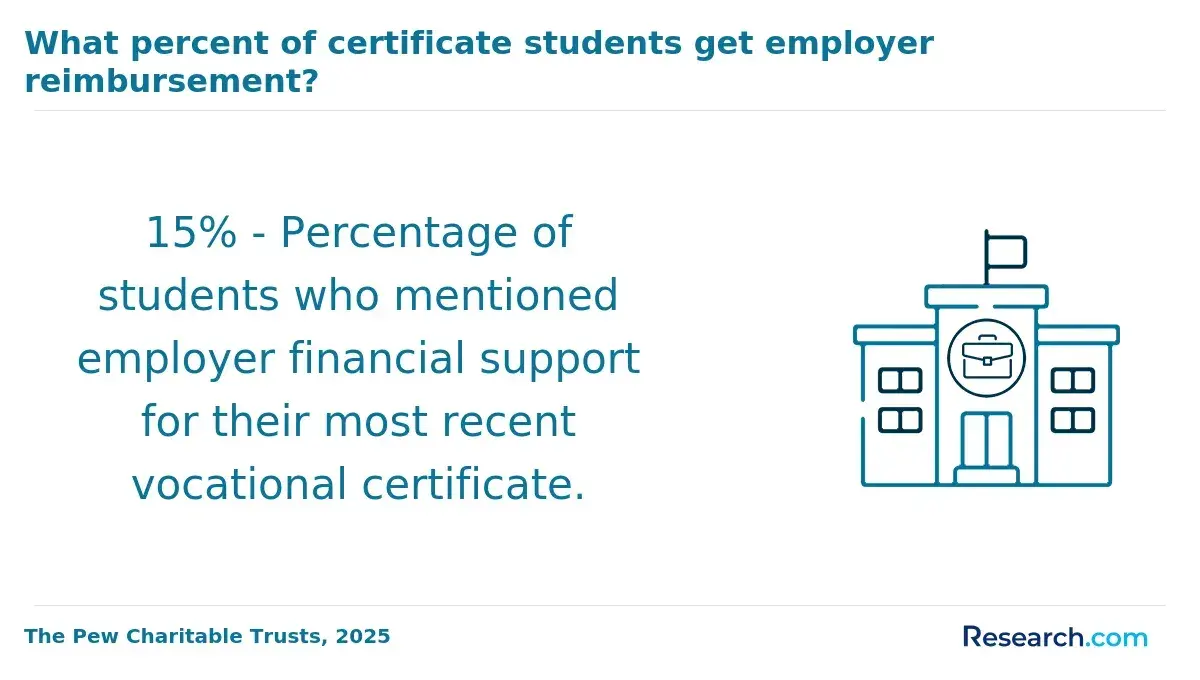
Employer-sponsored education support varies widely, but many organizations see value in investing in employees pursuing health psychology degrees. According to the Society for Human Resource Management, about 56% of U.S. companies provide some form of tuition reimbursement, highlighting a moderate level of employer tuition reimbursement for health psychology degrees and related fields.
Companies in sectors such as healthcare, insurance, and corporate wellness often support this education because professionals with health psychology expertise can enhance workplace wellness initiatives, improve patient outcomes, and strengthen employee mental health programs. These investments align with broader organizational goals to increase productivity and reduce health-related costs.
Employer payment trends for health psychology programs fluctuate based on industry relevance, role applicability, and workforce needs. Workers in positions directly involving employee health, counseling, or wellness program development tend to receive more corporate sponsorship options for health psychology programs. Additionally, employers facing high turnover or health-related productivity challenges may be more motivated to fund such education to stabilize and empower their staff.
Prospective students should consider these factors when evaluating the potential for tuition assistance, as it can significantly reduce financial barriers. For those researching affordable degree options, exploring the cheapest online SLP programs can also provide insight into cost-effective pathways in related health fields.
What Types of Tuition Assistance Do Employers Offer for Health Psychology Degrees?
Employer-provided tuition support is a crucial option for professionals pursuing a health psychology degree because it can significantly reduce out-of-pocket costs and financial risks associated with advanced education. These benefits make it easier to invest in career advancement without the burden of high upfront tuition payments.
Many working students seek information on employer tuition reimbursement for health psychology degrees to help manage expenses effectively. Such programs vary widely but often include several common forms of assistance tailored to educational needs.
- Tuition reimbursement: Employers repay a portion or the full cost of courses after employees complete them successfully. Coverage limits typically range from several thousand to over ten thousand dollars annually, helping reduce the financial strain of pursuing health psychology programs.
- Upfront tuition sponsorship: This option involves employers directly paying the educational institution before or during enrollment. It eliminates upfront fees for students and streamlines the payment process, especially valuable for intensive health psychology degree sponsorship programs.
- Flexible spending accounts and education savings plans: Some employers offer tax-advantaged accounts that employees can allocate toward tuition and related expenses, making education more affordable over time.
Professionals seeking to minimize costs might also consider comparing options such as online engineering degrees and similar flexible programs that may offer additional affordability. Using employer tuition assistance benefits can be a strategic step in maximizing investment returns on a health psychology degree.
Who Is Eligible for Employer Tuition Reimbursement for Health Psychology Degrees?
Employer tuition reimbursement can significantly reduce the cost of earning a health psychology degree, but eligibility requirements play a critical role in planning your education timeline, program choice, and overall ROI. Knowing these requirements helps ensure you meet necessary conditions before enrollment, avoiding unexpected expenses or delays. Below is a detailed breakdown of key factors that typically determine eligibility for employer-sponsored health psychology degree programs.
- Employment status: Employers often require full-time employment or completion of a probationary period before offering tuition reimbursement. Part-time employees may face limitations, making it essential to confirm your status early.
- Minimum tenure requirements: Many companies mandate working for a certain length of time, such as six months to a year, prior to qualifying for tuition benefits to encourage retention and investment in employee growth.
- Degree relevance to job responsibilities: Tuition assistance is usually granted for degrees directly applicable to your current role or that align with the company's goals. This ensures employees gain skills that benefit the organization.
- Academic performance criteria: Maintaining a minimum GPA may be necessary to continue receiving reimbursement, supporting the employer's interest in your successful program completion.
- Pre-approval of program and courses: Submitting degree plans and obtaining approval from supervisors or human resources before starting classes is commonly required to verify the program fits eligibility standards.
- Commitment to continued employment during and after completion: Recipients might need to remain with the employer through the program's duration or for a designated period afterward to avoid repaying tuition benefits.
For those considering further advancement, exploring flexible options like a doctorate in organizational leadership may also align with employer tuition reimbursement policies. Confirming your employer's criteria early enhances your strategy when seeking financial support for higher education.
How Do Employer Tuition Reimbursement Programs Work for Health Psychology Degrees?
For students juggling work while pursuing a health psychology degree, knowing how employer tuition reimbursement programs operate can significantly ease financial stress. These programs help employees fund education but come with specific rules and steps to follow. Here is a detailed overview of how such programs generally work.
- Approval Process: Employees usually must get prior authorization before enrolling in courses, which often involves submitting an education plan showing how the classes relate to their job or career growth within the company.
- Payment and Reimbursement Timing: Reimbursements are typically issued after course completion and submission of required documents. Many employers process payments at semester end or following a designated reimbursement cycle.
- Documentation Requirements: To qualify for reimbursement, employees need to provide proof such as tuition bills, payment receipts, and official grade reports confirming course completion.
- Reimbursement Limits: Coverage often focuses on tuition costs only, possibly excluding fees or materials, and many employers enforce yearly or lifetime caps on total reimbursed amounts.
- Academic Performance Expectations: Most programs require a minimum passing grade in each class to ensure that reimbursement supports successful academic progress.
Knowing these elements helps workers assess if employer tuition assistance is a viable funding tool for their health psychology studies. Confirming specific company policies with human resources ensures smooth navigation through the benefits.
Are Online Health Psychology Degrees Eligible for Company Sponsorship?
Many employers have become more open to supporting online health psychology degrees, reflecting a shift in attitude toward virtual education that accelerated during recent years. Once viewed with skepticism, online programs are increasingly considered legitimate pathways for professional development. According to surveys, around 60% of employers now offer some form of tuition reimbursement for fully online degrees, although this acceptance often depends on specific conditions. This trend aligns with broader efforts to promote workforce upskilling and recognizes the growing validity of accredited online credentials in relevant fields.
When evaluating requests for sponsorship, employers typically scrutinize factors such as program accreditation to ensure quality, how closely the degree relates to the employee's current or intended job responsibilities, and the academic rigor of the curriculum. They also weigh whether the education aligns with company goals and business strategy before committing funds.
A professional who completed an employee-sponsored online health psychology degree shared his experience: "Navigating the approval process was daunting at first, especially gathering documentation to prove the program's relevance and accreditation." He recalled needing clear evidence that the curriculum offered substantial challenge and practical application aligned with his role. "It wasn't just about getting the tuition covered-it was about demonstrating how my advanced skills would benefit the team. The company eventually supported me, and it made all the effort worthwhile." This insight highlights the importance of preparation and understanding employer expectations when seeking sponsorship for online degrees.
How Much Tuition Reimbursement Can You Get for Health Psychology Degrees?
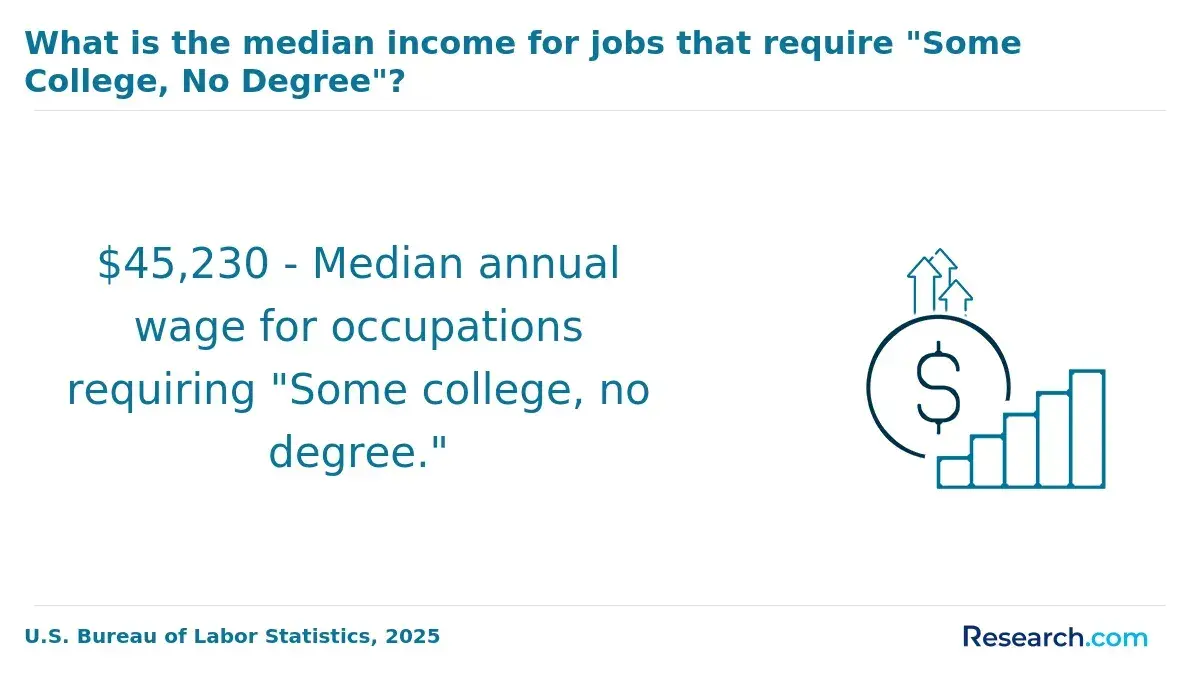
Tuition reimbursement limits play a key role in assessing the cost-effectiveness of pursuing a health psychology degree. Knowing these caps helps gauge the genuine financial support available, impacting overall affordability and return on investment. Approximately 39% of U.S. employers offer some level of tuition assistance, highlighting its widespread but varied presence in the job market. Lifetime limits ranging from $15,000 to $50,000 can significantly influence how much funding an employee ultimately receives over their educational journey.
Annual tuition reimbursement typically falls between $3,000 and $5,250, with the upper threshold aligning with federal tax regulations that allow employer contributions up to $5,250 per year to remain tax-free. These caps encourage employers to provide assistance without creating tax burdens for employees.
Funding levels often differ based on factors like industry type, company scale, and the degree's relevance to an employee's role-healthcare organizations, for example, may invest more to nurture field-specific skills. Understanding these variables clarifies the potential financial benefits tied to employer-sponsored education in health psychology.
Are There Penalties for Leaving an Employer-Sponsored Health Psychology Program Early?
Employees considering employer-sponsored health psychology degrees should be aware of possible financial penalties for leaving the program early. Nearly 60% of employer tuition assistance agreements include clauses requiring repayment if employees do not fulfill their commitments, making it essential to understand these terms before enrolling.
Common penalties for early departure include:
- Repayment of Tuition: Employees may need to repay tuition funds already provided, either fully or partially, depending on how long they remained in the program after receiving support.
- Prorated Payback Schedules: Some agreements calculate repayment amounts based on the proportion of the program completed before leaving, reducing the financial burden if terminated later in the process.
- Early Termination Clauses: Often called "service commitments," these require employees to stay with the company for a set time after graduation; leaving beforehand triggers repayment obligations.
- Loss of Future Benefits: Failing to complete the degree may disqualify employees from future tuition reimbursement or educational assistance, limiting further professional development opportunities.
In a conversation with a professional who completed her health psychology degree through an employer-funded program, she reflected on the importance of these clauses. She shared how the possibility of financial penalties influenced her decision to remain with the company after graduation. "Knowing I had to fulfill a service commitment made me weigh my options carefully," she explained. "It wasn't just about finishing the degree but also about honoring the agreement and realizing the career growth that staying could offer." The support she received was invaluable, yet the responsibilities attached helped maintain her focus and commitment throughout the program. This experience highlights how these agreements, while restrictive, can encourage perseverance and align employee and employer goals effectively.
Can Employer-Paid Health Psychology Degrees Improve Long-Term Earning Potential?
Evaluating the impact of employer-sponsored education on career earnings is vital for working professionals considering a health psychology degree. Employer-paid programs can reduce financial barriers, making advanced education more feasible while potentially enhancing long-term earning potential. For example, a 2022 survey found employees using tuition reimbursement were 20% more likely to receive promotions within three years, demonstrating clear career advantages.
Several factors contribute to the positive financial outcomes of an employer paid health psychology degree benefits approach:
- Increased promotion opportunities: Employer-sponsored education often equips employees with advanced skills and credentials, positioning them for faster promotions and leadership roles.
- Faster career progression: With tuition assistance, professionals can pursue degrees without debt burden, enabling quicker completion and accelerated advancement in clinical or administrative positions.
- Access to higher-paying roles: Advanced qualifications in health psychology open doors to well-remunerated careers such as clinical supervisors, health program directors, or research specialists.
- Enhanced skills and qualifications: Employer-funded programs provide specialized knowledge that directly translates into improved job performance and expertise valued by organizations.
- Return on investment: Eliminating or reducing tuition costs through employer sponsorship increases financial feasibility, which considerably improves the long-term financial rewards and overall return on investment.
Beyond salary improvements, employer-funded degrees also expand professional networks and leadership opportunities, further boosting career stability and income growth. For working professionals seeking cost-effective advanced education options, exploring programs like the cheapest online doctorate in educational leadership may provide inspiration for affordable paths that balance work, study, and career development. Considering these benefits alongside personal career goals can help prospective students realize the full long term earning potential with health psychology degree programs.
How Do You Ask Your Employer to Pay for a Health Psychology Degree?
Proactive communication and careful preparation are essential when asking your employer to fund a health psychology degree. Since 57% of employers offer some form of tuition assistance, crafting a thoughtful request increases your chances of success. Below are key strategies to guide you through requesting employer sponsorship for a health psychology program.
- Research Company Tuition Policies: Start by thoroughly reviewing your employer's tuition reimbursement or sponsorship guidelines. Understand eligibility requirements, coverage limits, and any commitments such as staying with the company post-degree to ensure you meet all criteria.
- Prepare a Strong Business Case: Clearly demonstrate how the health psychology degree enhances your current role or supports your professional growth within the company. Highlight practical benefits like improved skills that will contribute to job performance and align with organizational goals.
- Schedule a Formal Meeting: Arrange a dedicated meeting with your manager or HR representative, rather than mentioning your plans informally. Use this opportunity to present your researched proposal clearly and professionally.
- Demonstrate Program Relevance: Show how the degree program specifically relates to your job duties or career trajectory. Emphasize how advanced knowledge in health psychology can drive better outcomes in your position.
- Follow Up With Documentation: After the meeting, promptly provide requested materials such as program details, costs, and timelines. Keeping the process moving with clear communication shows your commitment and professionalism.
For those considering affordable options, exploring the easiest online degree programs can be a helpful step in balancing work, study, and personal commitments.
What To Do If Your Employer Doesn't Pay for a Health Psychology Degree?
Securing funding for a health psychology degree without employer support requires proactive financial planning to avoid undue debt and stay on track academically. Nearly 70% of students in the U.S. utilize some form of financial assistance, underscoring the necessity of alternative funding sources. The following strategies can help manage education expenses effectively.
- Federal and State Aid: Submit applications like FAFSA to qualify for grants, subsidized loans, and work-study programs that provide financial relief without immediate repayment obligations.
- Scholarships and Grants: Target awards aimed at psychology or healthcare graduate students, which offer gift aid that does not require repayment, helping lower overall tuition costs.
- Personal Savings and Loans: Use savings prudently while considering low-interest education loans or income-driven repayment plans to spread out financial responsibility post-graduation.
- Income-Share Agreements: Explore options where payment is based on future earnings, reducing upfront costs and aligning repayment with your financial capacity.
- Part-Time or Online Programs: Enroll in flexible programs that lower tuition fees and accommodate working students, enabling continued income while advancing your degree.
By combining these tactics, students can lessen the financial burden of pursuing a health psychology degree and maintain steady progress toward their career goals despite the absence of employer reimbursement.
What Graduates Say About Employers Paying for Their Health Psychology Degrees
- Reign: "Enrolling in a health psychology degree program was a significant investment, with average costs hovering around $20,000. Thanks to my employer's tuition assistance, I was able to pursue my studies without financial stress. This sponsorship not only relieved my monetary burden but also opened doors to leadership roles in healthcare, making the degree invaluable."
- Faye: "The cost of a health psychology degree can often seem daunting, typically ranging from $15,000 to $25,000. My employer's sponsorship covered most of these expenses, allowing me to focus entirely on my coursework. This support drastically accelerated my professional growth, enabling me to apply evidence-based psychological principles in clinical settings with confidence."
- Logan: "Obtaining my health psychology degree, which can cost upwards of $18,000, was made possible through my employer's full tuition sponsorship. Reflecting on this opportunity, I realize how crucial their support was in advancing my career as a health psychologist. The investment paid off through greater career mobility and enhanced professional credibility."
Other Things You Should Know About Health Psychology Degrees
Employers may require employees to maintain a certain GPA or continue working with the company for a specified period post-graduation to qualify for tuition reimbursement. Some employers may additionally stipulate that the degree directly benefits the employee’s current job role.
Many employer tuition reimbursement programs include a service agreement requiring employees to stay with the company for a set period after completing their health psychology degree. This commitment helps employers ensure a return on their investment in the employee's education. Failure to meet the agreed-upon timeframe often results in repayment obligations or penalties.
Eligibility for tuition sponsorship often depends on the employer's specific policies, with many only extending benefits to full-time employees. Part-time workers may face more restrictions or be excluded entirely from tuition assistance programs. Those interested should review their employer's guidelines or negotiate eligibility before enrolling in a health psychology degree.
References
- Part-Time Psychology Degree Options: Work While You Study https://careersinpsychology.org/part-time-psychology-degree/
- Best Online Master’s In Psychology Programs For 2025 https://www.psychology.org/degrees/masters/
- What they don’t tell you about psychology careers… | BPS https://www.bps.org.uk/psychologist/what-they-dont-tell-you-about-psychology-careers
- How to Get Your Employer to Pay for College With Tuition Assistance Programs https://www.umassglobal.edu/blog-news/get-your-employer-pay-college-tuition-assistance-programs
- Applied Clinical Psychology Tuition and Financial Aid https://www.pacificu.edu/applied-clinical-psychology-ma/tuition-financial-aid
- Top 5 Highest-Paying Psychology Careers - Rivier Academics https://www.rivier.edu/academics/online/resources/program-resources/top-5-highest-paying-psychology-careers-rivier-university/
- Getting Your Employer to Pay for Your Online Masters https://www.onlinemastersdegrees.org/financial-aid/employer-tuition-assistance/
- PsyD Employer Tuition Reimbursement: Companies That Pay 2025 https://psydprograms.org/employer-tuition-reimbursement-for-psyd-companies-that-pay-for-your-doctorate/
- Health Psychology (Online) https://www.aston.ac.uk/study/courses/health-psychology-online-msc
- What is Tuition Reimbursement? The Often-Overlooked Employee Benefit https://www.snhu.edu/about-us/newsroom/education/what-is-tuition-reimbursement


