
2027 Is a Legal Services Online Degree Worth It?

Co-Founder and Chief Data Scientist
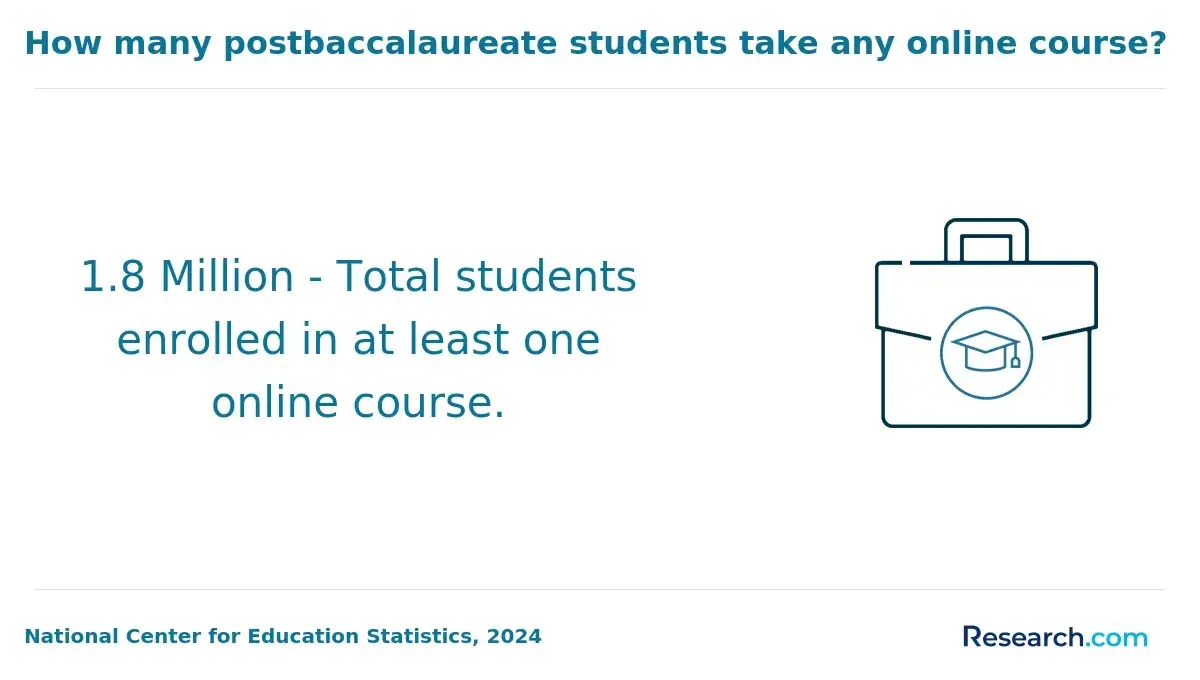
Online education has expanded rapidly, with over 30% of U.S. college students taking some online courses. Legal services degrees available online attract students seeking flexible study options without sacrificing career prospects in a competitive legal support field. The rise in related tech and remote work opportunities further fuels interest in this path.
This article explores whether an online legal services degree is worth it by examining key factors like cost, program flexibility, accreditation, job market trends, and how employers view these qualifications. Understanding these elements can help prospective students make informed decisions about their education and future careers.
Key Benefits of Online Legal Services Degree
- Online legal services degrees offer flexible schedules, allowing working professionals to balance studies with career and personal obligations effectively.
- Programs often emphasize practical skills like legal research and document preparation, aligning closely with paralegal and legal assistant roles.
- Graduates typically see strong job prospects, with the legal services field expected to grow 10% through 2032, according to the U.S. Bureau of Labor Statistics.
Who Should Choose an Online Legal Services Degree Program?
Online learning has become a convenient option for many students due to its adaptability, allowing learners to study on their own schedules without compromising educational quality. This flexibility is especially valuable to individuals managing diverse personal and professional demands. Below are some of the main groups who find an online legal services degree particularly beneficial.
- Working professionals: Those currently employed in legal support roles or other industries can continue working while enhancing their expertise or preparing for career advancement without interrupting their jobs.
- Career changers: People looking to transition into the legal services field from different sectors can acquire new skills through accessible online programs that fit alongside their ongoing commitments.
- Parents and caregivers: Individuals with family responsibilities appreciate the ability to schedule coursework around their caregiving duties, making degree completion more achievable.
- Students in remote or underserved areas: Online programs remove geographic limitations, granting access to accredited legal education regardless of location across the U.S.
- Military personnel and frequent movers: The portability of online study suits those who relocate often, enabling uninterrupted progress despite changing environments.
Programs in legal services aim to match the rigor and practical learning of traditional degrees while providing faculty expertise and support tailored to the needs of online learners.
What Are the Pros and Cons of an Online Legal Services Degree?
Online legal services programs have grown increasingly popular as students and working professionals seek options that offer flexibility and support career advancement without interrupting their employment or relocating. The ability to study remotely meets the needs of those balancing work, family, and education goals effectively.
Pros of an Online Legal Services Degree
- Flexible Scheduling: Many online legal services programs provide asynchronous classes and part-time enrollment, allowing students to learn at their own pace. This flexibility and lower cost of online legal degrees is especially valuable for working professionals managing multiple responsibilities.
- Cost Savings: Online formats eliminate commuting and relocation expenses while reducing on-campus fees. Access to digital tools like online legal databases and e-books further lowers the overall expense of earning a legal services degree.
- Geographic Accessibility: Students gain access to top-tier legal education nationwide without moving, which is significant for those in rural or underserved areas. This expands options beyond what local institutions offer.
- Immediate Career Application: Learners can apply new knowledge and skills directly to their current roles, potentially improving job performance and opening advancement opportunities even before program completion.
Cons of an Online Legal Services Degree
- Self-motivation Required: Success demands strong self-discipline and time management. The self-motivation required for online legal education can challenge students without the structure of in-person classes, leading to potential difficulties in staying on track.
- Limited Networking: Online students may miss vital face-to-face interactions, informal mentorship, and spontaneous discussions essential in legal professions. This can reduce opportunities for professional connections that often arise naturally on campus.
- Technical Barriers: Reliable high-speed internet and current technology are necessary. Those in areas with poor connectivity or lacking updated devices may face disruptions in their learning experience.
- Perceived Value and Accreditation: Some employers may regard online legal degrees less favorably, and certain programs may lack full accreditation. Ensuring the program meets industry and licensing standards is critical before enrolling.
For those interested in accelerating their legal education pathway, a bachelor's degree fast track can be a viable option with similar flexibility and benefits.
How Do AI-Enhanced Virtual Classrooms Work in Online Legal Services Programs?
AI technologies have become central to modern online education, significantly enhancing how students engage with legal studies. These innovations improve the learning experience for legal services students by making complex content more accessible and supporting personalized skill development.
Below are key features of AI-powered virtual learning environments that drive this transformation.
- AI-Powered Research Assistants: These tools help students efficiently analyze legal documents, draft contracts, and clarify complex legal terms, making legal research and writing more accurate and manageable.
- Personalized Learning: AI tracks individual progress and adapts course content to strengths and weaknesses, offering real-time feedback on assignments and mock arguments to improve mastery.
- Interactive Legal AI Tools for Students: AI-driven simulations involving "clients" or "judges" provide realistic scenarios for practicing negotiation and advocacy, building practical skills beyond traditional study methods.
- Enhanced Collaboration: Virtual group work is supported by instant document sharing and intelligent discussion moderation, fostering teamwork and communication skills essential for legal practice.
- Automated Assessment: AI tools streamline grading and plagiarism checks, allowing instructors to focus on substantive feedback and student development.
A majority of law schools now integrate these AI-powered legal education platforms, reflecting a shift toward digital fluency in legal training. Students interested in these innovative programs can explore options at open admission universities.
What Technology Do You Need for an Online Legal Services Degree?
Having the right technology setup is essential for success in modern online legal services programs. Proper equipment enables students to fully engage with coursework, collaborate effectively, and develop professional skills that meet industry standards. Below is a list of the key digital tools for virtual legal studies programs that all students should prepare before enrolling.
- Reliable Computer: A compatible computer with a current operating system, ideally Windows for the best software compatibility, is necessary. Many legal technology requirements for online degree programs specify that students must use hardware capable of running essential legal software smoothly to complete assignments and participate in interactive sessions.
- High-Speed Internet: A stable and fast internet connection is crucial to support both synchronous (live) and asynchronous learning formats. This ensures seamless access to lectures, group meetings, and research resources, minimizing disruptions during critical learning activities.
- Microsoft Office Suite (Full Version): The complete Microsoft Office suite is mandatory, not just the web-based version. Students use Word for drafting legal documents, Excel for data organization and analysis, and Outlook for professional communication, all of which are vital in legal practice and coursework.
- Adobe Acrobat Pro: A licensed copy of Adobe Acrobat Pro is required for at least a month, enabling students to edit, annotate, and secure PDF documents. This tool plays a central role in managing contracts and other legal materials digitally, which is a core skill in the legal services field.
- Video Conferencing and Collaboration Tools: Functional audio and video through platforms used by programs support live instruction, virtual office hours, and group projects, facilitating interaction despite physical distances.
Mac users should note that some legal technology requirements for online degree programs might involve extra formatting steps compared to Windows, so understanding your device's limitations is important before starting coursework. For those curious about related opportunities, exploring masters programs that make the most money can offer insights into the broader landscape of professional advancement through education.
How Long Does It Take to Finish an Online Legal Services in 2027?
Program length plays a crucial role for those considering an online legal services degree, as it affects how quickly students can apply new skills and how well they balance studies with other responsibilities. Timelines vary widely across online formats due to differences in pacing, course load, and program structure. Below is an overview of typical completion times for various online legal services credentials.
- Bachelor's Degree Full-Time: Typically designed to finish in about four years with a structured schedule that suits full-time learners, offering consistent coursework paced to fit traditional academic calendars.
- Associate Degree: Usually completed in two years when studied full time. These programs often provide flexibility for part-time students, extending the timeline but accommodating work or family commitments.
- Certificate Programs: Can often be completed between 9 to 16 months full time. These shorter, focused courses frequently include options for part-time study and accelerated paths to accommodate busy schedules.
- Master of Legal Studies (MLS): Full-time students may finish in as little as one year, though part-time learners often take two to two-and-a-half years. Accelerated tracks and credit waivers for relevant experience may shorten this timeframe.
- Flexible Pacing Options: Many programs offer asynchronous and synchronous formats, allowing students to adjust their course load and progression speed. Transfer credits and professional experience can also influence how quickly degrees are earned.
Can You Work Full-Time While Completing an Online Legal Services Degree?
Balancing full-time work with online study is a major concern for many students considering a legal services degree. Managing professional duties alongside coursework demands careful planning. Several factors influence whether working full-time while enrolled is feasible.
- Program pacing: Full-time tracks often come with intensive workloads and shorter durations, which may challenge those maintaining full-time jobs. Part-time schedules offer a slower pace, making it easier to juggle responsibilities.
- Asynchronous versus synchronous courses: Asynchronous classes let students study at their convenience, ideal for working professionals. In contrast, synchronous sessions require attendance at scheduled times, limiting flexibility.
- Workload intensity: The demanding nature of legal studies requires dedication; students should realistically evaluate their capacity to handle assignments alongside work commitments.
- Employer support: Flexible hours or remote work from employers can significantly ease the balancing act, enabling students to allocate time for their studies.
- Time management skills: Prioritizing tasks and setting a structured schedule are essential strategies to successfully accommodate work and coursework.
How Do Online Legal Services Degree Programs Help with Internships?
Internships are crucial for acquiring practical experience and preparing for a career in legal services. They help students develop skills like legal research, document preparation, and professional communication. Online legal services degree programs offer various tailored supports to help students secure and complete internships. Below are key ways these programs facilitate internship opportunities:
- Remote Internship Partnerships: Many programs establish connections with law firms, government offices, and nonprofits to provide remote internships. This flexibility removes location restrictions and allows students to balance internships with coursework.
- Virtual Career Services: Schools maintain online platforms featuring searchable internship listings, personalized advising, networking events, and alumni mentorship, enabling students to find and apply for suitable positions efficiently.
- Integrated Practicum Courses: Some programs embed internships or externships within the curriculum, where faculty and advisors assist students in placement searches and oversee their practical experience.
- Application Support Services: Workshops and resources focus on resume building, interview preparation, and guidance on eligibility criteria like enrollment status, ensuring students are well-prepared throughout the internship process.
What Is the Average Tuition Cost of an Online Legal Services Program?
Understanding the cost of tuition is crucial for anyone considering an online legal services degree, as it influences both affordability and future financial planning. Prospective students should review detailed cost factors to accurately gauge their investment. Below is an overview of key tuition-related information to help with budgeting and decision-making:
- Average Tuition Per Credit: Tuition fees are generally charged per credit hour, ranging from approximately $575 at institutions like Purdue Global to over $2,300 at Syracuse University's JDinteractive program. Many master's level degrees in legal studies or LLMs fall between $1,530 and $2,111 per credit.
- Average Tuition Per Year or Program: Full program costs vary widely, with some master's degrees priced as low as $14,850 annually, while others can reach nearly $53,000 for the entire curriculum, depending on the school and program length.
- Public vs. Private Institutions: Public universities typically offer more affordable rates for residents, whereas private schools usually have higher tuition, regardless of a student's location.
- In-State vs. Out-of-State Rates: Enrollment costs for residents can be significantly lower, exemplified by one university where in-state tuition is about $17,500 compared to over $31,000 for non-residents.
- Additional Fees: Beyond tuition, students should expect fees for technology use, administrative support, and exams, which can add several hundred dollars per semester or term.
What Is the Average Salary for Someone with an Online Legal Services Degree in 2027?
Understanding the potential earnings with an online legal services degree is vital for anyone evaluating such a program. Knowing salary benchmarks helps to weigh the cost of tuition against realistic career outcomes. Below is a detailed overview of average salaries and factors influencing income for graduates.
- Average Entry-Level Salary: Graduates starting in roles like paralegals or legal assistants typically earn between $52,900 and $60,710 annually. The U.S. Bureau of Labor Statistics reports a median near $61,010, with other sources citing a range from $59,200 to $66,510, reflecting common starting points in the field.
- Mid-Career Salary Growth: Professionals with 5 to 10 years of experience can expect salaries from $70,000 to $80,000. Specializations in compliance, contracts, or corporate social responsibility tend to push median salaries toward the upper end, often reaching approximately $77,000 to $80,000.
- Salary by Industry and Region: Earnings vary significantly based on employer and location. Federal government roles, large law firms, and urban centers such as New York, Washington D.C., and California command salaries 25% to 50% above the national median. Graduates in these areas often experience faster salary growth and higher compensation.
- Advanced Career Path Earnings: Those pursuing a Juris Doctor (JD) after their legal services degree and becoming licensed attorneys can boost their salary substantially, averaging $140,000 to $160,000 annually. In major cities and corporate roles, salaries may exceed $200,000.
For students interested in accelerated legal education, programs like a 1 year doctorate program can enhance earning potential and career advancement.
Considering the online legal services degree salary 2025 expectations helps clarify ROI and career planning. In contrast, the average salary legal studies graduate United States includes a wider spectrum of legal-related positions, which may range from paralegal roles to licensed attorneys across the nation, reflecting diverse career outcomes.
Which Industries Hire Graduates From Online Legal Services Programs?
An online legal services degree is highly versatile, equipping graduates with the skills needed for various professional fields beyond traditional law firms. This credential prepares students for a range of roles that leverage legal expertise across many sectors. Below is a detailed overview of key industries actively hiring graduates with an online legal services degree.
- Corporate and Business Sector: Companies across finance, insurance, healthcare, and technology recruit legal services graduates for compliance, contract management, regulatory affairs, and risk analysis roles. Positions such as compliance manager and contracts manager are prevalent, reflecting the degree's value in navigating complex business regulations.
- Healthcare and Pharmaceuticals: Hospitals, pharmacy chains, and medical equipment manufacturers rely on legal professionals to handle healthcare compliance, privacy laws, and regulatory challenges. Legal services graduates help ensure adherence to ever-evolving healthcare policies.
- Government and Public Administration: Legal services graduates find opportunities in federal, state, and local governments within regulatory agencies and administrative offices, often working on compliance and enforcement matters.
- Technology and E-Discovery: With the rise of digital evidence management, tech companies and law firms hire e-discovery specialists and legal technology experts. This sector is a major source of remote legal jobs in technology companies, with the e-discovery market alone projected to reach $17.32 billion globally in 2023.
- Real Estate and Insurance: These industries employ legal services graduates to manage contracts, ensure regulatory compliance, and address claims or policy issues, highlighting the broad applicability of this degree.
This wide range of industries hiring online legal services graduates makes this degree a strategic choice for those aiming for diversified career paths. For more insight on educational options that support such career flexibility, check out the most popular trade schools online.
What Graduates of Online Legal Services Programs Say About Their Degree
- Jace: "Pursuing my online legal services degree allowed me to learn at my own pace while balancing work and family life. The cost was surprisingly reasonable compared to traditional programs, making it a smart investment in my future. This flexibility and affordability made all the difference for me. "
- Kyro: "The learning experience through the online legal services program was comprehensive and well-structured, which helped me build confidence in my skills. Reflecting on my journey, I realize how much it expanded my career opportunities in the legal field without the heavy financial burden. It truly was a worthwhile decision. "
- Aaron: "As a professional aiming to enhance my expertise, the online legal services degree offered a perfect balance between convenience and quality education. The accessibility of course materials and reasonable tuition fees made it an efficient path for advancing my career. I highly recommend it to anyone serious about their professional growth. "
Other Things You Should Know About Legal Services Degrees
One potential drawback is the lack of face-to-face networking opportunities. Traditional degree programs can offer internships and mentorships that are harder to replicate online. Students should seek virtual networking opportunities and check if their online program provides career support services.
Accreditation depends on the institution offering the degree. Most reputable online legal services programs are regionally accredited, which is generally recognized by employers. Graduates from accredited programs typically find their degrees hold the same value as on-campus equivalents in the job market.
References
- Virtual Attorney Jobs - Full-time and Part-time Remote Legal Careers https://www.axiomlaw.com/virtual-attorney-jobs
- Is Online Law School Worth It for Your Career Goals? https://online.law.tulane.edu/blog/why-online-law-school
- The Advantages and Disadvantages of Using Online Legal Services https://maspons.com/the-advantages-and-disadvantages-of-using-online-legal-services/
- How AI is reshaping the future of legal practice https://www.lawsociety.org.uk/en/topics/ai-and-lawtech/partner-content/how-ai-is-reshaping-the-future-of-legal-practice
- 5 ways to gain legal experience while studying https://www.law.ac.uk/resources/blog/top-ways-to-gain-legal-experience-while-studying/
- Exploring Generative AI and Legal Education https://www.cli.collaw.com/latest-news/2024/09/04/exploring-generative-ai-and-legal-education
- Virtual ways to boost your employability https://www.lawscot.org.uk/news-and-events/blogs-opinions/virtual-ways-to-boost-your-employability/


