
2027 Do Employers Pay for Finance Degrees: Tuition Reimbursement and Sponsorship Options

Co-Founder and Chief Data Scientist
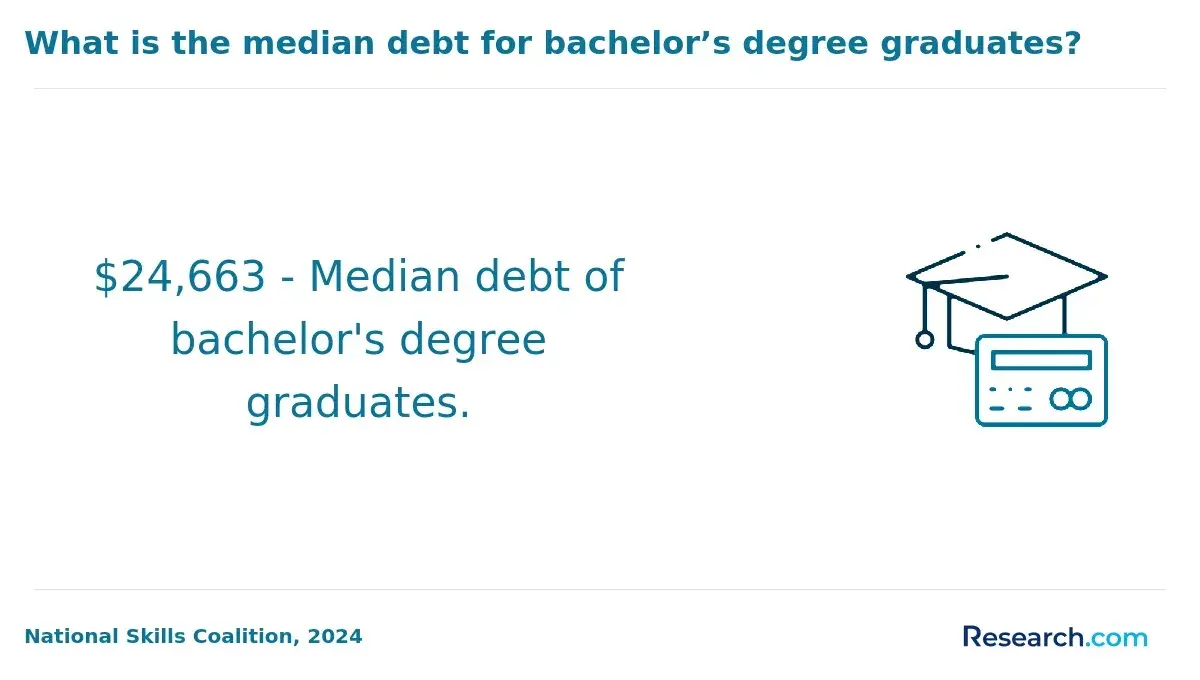
Many working professionals hesitate to pursue a finance degree due to high tuition costs and mounting student debt. In 2023, the average finance degree cost exceeded $45, 000, while graduates faced average student loan debt of over $30, 000. This financial burden can discourage individuals from advancing their careers through higher education. Understanding employer tuition reimbursement and sponsorship programs can provide crucial relief.
This article, prepared by career planning experts, explores the availability, criteria, and benefits of employer-supported education for finance degrees, helping prospective students identify opportunities to reduce educational expenses and make informed decisions about financing their academic goals.
Key Benefits of Employers Paying for Finance Degrees
- Employers often offer tuition reimbursement to ease the average finance degree cost of $35,000-$50,000, reducing graduate debt significantly.
- Sponsorship programs enable employees to gain advanced finance skills while maintaining steady income, promoting professional growth without financial strain.
- Companies investing in finance education enhance workforce expertise, leading to higher retention rates and improved organizational performance.
Do Employers Pay for Finance Degrees?
Many U.S. employers provide some form of tuition reimbursement or sponsorship, with nearly 60% offering educational assistance programs according to a report from the Society for Human Resource Management (SHRM). Companies often invest in employees pursuing finance degrees because these skills directly benefit critical business functions like budgeting, financial analysis, and risk management.
Supporting finance education helps organizations build stronger teams, improve decision-making, and retain talent in competitive industries. Employer tuition reimbursement for finance degrees remains a valuable benefit that can significantly reduce the educational costs for working professionals.
Employer payment trends vary widely depending on the industry, how closely finance education aligns with current job roles, and organizational workforce needs. Sectors such as banking, insurance, and corporate finance are more likely to offer company sponsorship programs for finance education than unrelated fields where financial expertise is less relevant.
Employers typically prioritize funding for degrees that enhance job performance and future responsibilities, often with eligibility requirements such as tenure or job performance. Prospective students aiming to increase their chances of sponsorship should consider these factors carefully and may also explore related options like EdD programs online to complement or advance their qualifications.
What Types of Tuition Assistance Do Employers Offer for Finance Degrees?
Employer-provided tuition assistance is a crucial consideration for professionals pursuing a finance degree, as it can substantially reduce out-of-pocket costs and mitigate the financial risk involved in further education. These benefits often make finance programs more accessible while enhancing opportunities for career advancement within organizations.
Employer tuition reimbursement programs for finance degrees typically offer some form of repayment for tuition expenses after course completion. Coverage amounts vary but generally range from a few thousand to several thousand dollars annually, helping to offset core finance courses such as accounting and financial analysis.
- Tuition reimbursement: Employers repay a portion or the full tuition cost once courses are successfully completed. This method usually includes a cap on annual coverage and focuses on relevant finance coursework to ensure skill development.
- Direct sponsorship: Some employers pay educational institutions upfront for employees' finance education, often requiring a service commitment after graduation. This reduces immediate financial barriers and aligns employee development with company goals.
- Scholarships and partnerships: Employers may collaborate with educational providers to offer scholarships or negotiated discounted tuition rates specifically for finance-related credentials, reducing expenses beyond standard financial aid.
These corporate sponsorship options for finance education commonly support courses in investment management and financial analysis, ensuring practical skills are developed efficiently. For professionals balancing work and study, such employer assistance can reduce the overall cost burden significantly.
For students exploring cost-effective pathways to degree completion, comparing these employer benefits alongside other options such as the cheapest online engineering degree programs can provide broader insight into affordable education choices.
Who Is Eligible for Employer Tuition Reimbursement for Finance Degrees?
Eligibility requirements play a crucial role in planning to use employer tuition reimbursement for a finance degree, as they determine when you can begin your studies, which programs qualify, and the potential return on investment (ROI). Meeting these criteria ensures that the financial benefits align with your career goals and employer expectations.
Below is a detailed breakdown of the common eligibility factors to consider when exploring employer tuition assistance for finance degrees.
- Employment status: Many employers require applicants to be full-time employees or to work a minimum number of hours per week to qualify for tuition reimbursement. This ensures commitment and continued contribution to the company while pursuing education.
- Tenure requirements: Some programs impose a waiting period, such as one year of service, before you can access tuition benefits. This policy supports employee retention and rewards loyalty.
- Job relevance: The finance degree often must be directly related to your current role or anticipated career path within the organization. Aligning your studies with job responsibilities improves your chances of approval and future applicability.
- Academic performance: Maintaining satisfactory grades, such as a minimum GPA or passing all courses, is usually necessary to continue receiving funding. Employers want to invest in candidates demonstrating academic commitment.
- Approval processes: Pre-approval for specific programs or courses ensures that the education aligns with company policies and strategic objectives. Early engagement can prevent funding delays or denials.
- Ongoing employment: Employers often require you to remain with the company for a set period after completing your degree to avoid repayment obligations. This encourages a return on their investment through sustained employment.
Those investigating eligibility criteria for tuition reimbursement finance degrees should consider all these factors carefully to maximize benefits. Employees wondering which employees qualify for employer tuition assistance finance must review their company's specific policies to align their education plans effectively.
For individuals also interested in alternative online education options, exploring a library science degree online can provide insights into diverse program structures and funding models.
How Do Employer Tuition Reimbursement Programs Work for Finance Degrees?
For those working while pursuing a finance degree, employer tuition reimbursement programs can significantly offset education costs and improve overall investment in their career. Knowing how these programs operate helps students navigate eligibility and maximize benefits effectively.
Below is a detailed overview of the typical components involved.
- Approval Process: Employees usually need to obtain prior authorization before enrolling in courses. This often requires submitting information about the program and explaining its relevance to current job duties or future career paths within the company.
- Payment and Reimbursement Timing: Employers may pay tuition costs upfront or reimburse expenses after course completion. Timing varies; some reimburse following proof of payment and grades, while others follow a fixed reimbursement schedule.
- Documentation Requirements: To receive reimbursement, employees must provide official receipts, transcripts, or grade reports. These documents verify both payment and satisfactory academic achievement in the finance coursework.
- Reimbursement Limits: Many programs set annual or per-credit financial caps on reimbursements. Being aware of these limits helps students plan their education budget and avoid unexpected out-of-pocket expenses.
- Academic Performance Expectations: Most employers require a minimum passing grade, typically a C or better, to qualify for reimbursement. Maintaining acceptable academic standards is critical to sustaining tuition benefits.
Are Online Finance Degrees Eligible for Company Sponsorship?
Many employers have become more open to supporting employees pursuing online finance degrees, reflecting a shift in attitudes toward online education's credibility and flexibility. While acceptance varies, a notable survey indicates that about 56% of companies offer some form of tuition reimbursement, which may include online programs. However, this figure should be viewed carefully, as not all employers equally endorse online finance degrees, and support depends heavily on corporate policies and priorities rather than a universal standard.
When deciding whether to sponsor an online finance degree, employers typically assess several key aspects. These include whether the institution holds proper accreditation to guarantee educational quality, the degree's relevance to the employee's current or future job duties, and the program's academic rigor compared to traditional formats. Additionally, companies consider how the degree fits into their broader strategic goals and workforce development plans, ensuring the investment supports business growth and skill advancement.
How Much Tuition Reimbursement Can You Get for Finance Degrees?
Tuition reimbursement limits play a key role in assessing the affordability and return on investment of a finance degree since they define how much employers may cover annually or over a lifetime. In 2022, around 72% of U.S. employers offered some tuition assistance, though the amounts varied considerably. Knowing these limits helps students gauge how much of their education costs could realistically be offset through employer support.
Most employers set annual tuition reimbursement ceilings between $3,000 and $5,250, with $5,250 aligning with the federal tax exclusion for employer-provided education benefits. Lifetime caps are less frequent but typically fall between $20,000 and $30,000.
Larger corporations and industries closely connected to finance tend to offer higher limits, while smaller companies or sectors less related to finance may provide lower amounts. Federal tax rules influence these thresholds, allowing tax-free tuition assistance up to certain limits without impacting employee income taxes.
Are There Penalties for Leaving an Employer-Sponsored Finance Program Early?
Employees considering employer-sponsored finance degree programs should carefully assess any penalties tied to early departure from these agreements, as unexpected costs may arise. According to a study by the Society for Human Resource Management, approximately 60% of organizations enforce repayment policies if employees leave within a specified timeframe after completing educational assistance, highlighting the importance of reviewing contract terms.
Common consequences of leaving prematurely include:
- Repayment Obligations: Workers might need to reimburse tuition funds already covered by their employer if they exit before finishing the degree or fail to meet a designated employment period afterward.
- Prorated Repayment Schedules: Some employers implement a decreasing repayment requirement depending on how long the employee remains with the company following program completion, easing financial burden over time.
- Early Termination Clauses: Contracts frequently mandate a minimum service commitment after graduation, typically ranging from one to three years, to avoid penalty fees.
- Impact on Future Benefits: Leaving a program early can disqualify employees from receiving further sponsorship opportunities or educational support from the employer.
Can Employer-Paid Finance Degrees Improve Long-Term Earning Potential?
Carefully evaluating the impact of employer-sponsored education on career earnings is essential for working professionals considering a finance degree. Research indicates that obtaining a degree with financial support from an employer can significantly enhance earning potential over time. In fact, studies show that bachelor's degree holders tend to earn notably more than those without advanced education, highlighting the value of employer tuition reimbursement finance degrees as a strategic advantage.
Several factors contribute to the long-term benefits of employer-paid finance education, including:
- Increased Promotion Opportunities: Employees supported through tuition reimbursement often have higher chances of promotion, reflecting the value employers place on advanced qualifications.
- Faster Career Progression: Employer sponsorship accelerates degree completion, enabling professionals to advance more quickly within finance-related roles.
- Access to Higher-Paying Roles: Graduates with employer-paid finance degrees are better positioned to secure higher-level and better-compensated positions in their company or industry.
- Enhanced Skills and Qualifications: Advanced education deepens expertise, allowing employees to contribute at greater levels and take on leadership responsibilities.
- Strong Return on Investment: The reduction of upfront education costs through employer funding improves overall financial outcomes, making it a wise investment for long-term career growth.
Research consistently supports these advantages; a report by the National Center for Education Statistics highlights that individuals with bachelor's degrees earn approximately 65% more than those with only a high school diploma. For those interested in identifying the most lucrative educational paths, the highest paying degrees provide insight into fields that often yield strong financial rewards.
Understanding these dynamics can help professionals balance work, study, and financial commitments effectively while maximizing long-term earnings with employer-paid finance education.
How Do You Ask Your Employer to Pay for a Finance Degree?
Requesting employer support for your finance degree tuition requires thoughtful preparation and clear communication. Over 70% of U.S. employers offer tuition reimbursement, indicating a growing trend in employer sponsorship programs for finance degrees. Approaching this request strategically can increase your chances of success.
- Research Tuition Policies: Understand your company's tuition reimbursement policy, including eligibility criteria, coverage limits, and application deadlines. This foundation helps you tailor your request to align with company standards.
- Prepare a Business Case: Explain how your finance degree will improve your skills, boost productivity, and directly benefit the company. Emphasizing a clear connection between the program and your current role or career growth strengthens your argument.
- Schedule a Formal Meeting: Arrange a professional discussion with your manager or HR representative. Present your proposal confidently, showing commitment to applying new knowledge in your work.
- Demonstrate Relevance: Connect the degree program to your job responsibilities or future within the organization. This approach highlights the mutual benefits of supporting your education.
- Follow Up with Documentation: After your meeting, provide any requested program details and cost estimates promptly. Maintain communication and monitor your application status to show professionalism and dedication.
For those exploring educational options, considering easy online degrees can be a practical step. You can find more about these options at easy online degrees, which might fit your schedule while pursuing employer sponsorship programs for finance degrees.
What To Do If Your Employer Doesn't Pay for a Finance Degree?
When employer funding is unavailable for a finance degree, finding other ways to cover education costs becomes crucial. Nearly 85% of full-time undergraduate students in the U.S. depend on financial aid, demonstrating how common and necessary these alternatives are.
Below are practical options to consider for managing expenses effectively.
- Federal and State Aid: Completing the Free Application for Federal Student Aid (FAFSA) is a key step to access grants, low-interest loans, and work-study programs that can ease financial burdens.
- Scholarships and Grants: Numerous awards are specifically geared toward finance students, provided by private organizations and nonprofits, many of which do not require repayment.
- Personal Savings and Loans: Using savings can reduce reliance on debt, but if loans are necessary, it's important to evaluate terms carefully to avoid excessive repayment stress in the future.
- Income-Share Agreements (ISAs): An emerging alternative where students commit to paying a percentage of their future earnings over a set time instead of upfront tuition, helping avoid immediate financial strain.
- Part-Time and Online Programs: These flexible options often cost less overall and allow students to continue working while studying, balancing income and education more effectively.
What Graduates Say About Employers Paying for Their Finance Degrees
- Lizelle: "Completing my finance degree seemed daunting at first, especially with tuition costs averaging around $30,000. Thanks to my employer's tuition assistance program, I was able to pursue my studies without the heavy financial burden. This support not only made the degree affordable but significantly accelerated my career growth within the company. "
- Jennifer: "The cost of a typical finance degree can be overwhelming, often exceeding $25,000, but employer sponsorship made all the difference for me. Reflecting on my journey, I realize how fortunate I was to have that backing; it allowed me to focus entirely on mastering my coursework and developing practical skills that directly impacted my professional effectiveness."
- Gio: "Financing a degree in finance can be expensive, often costing upwards of $28,000, which was initially intimidating. With employer-sponsored tuition, I could invest in my education with confidence, knowing I had support. This investment has directly enhanced my qualifications and credibility in professional finance environments. "
Other Things You Should Know About Finance Degrees
In 2027, employees receiving up to $5,250 in employer tuition reimbursement for finance degrees annually may exclude this amount from their taxable income, per IRS guidelines. However, amounts above this limit generally count as taxable income, impacting employees differently based on their tax bracket.
Employer tuition reimbursement programs primarily cover tuition fees for finance degrees, but coverage of other expenses varies by company. Some employers may also reimburse fees for textbooks, supplies, and mandatory course materials, while others limit assistance strictly to tuition. It is important to review the specific program guidelines to understand the full scope of covered expenses.
Yes, employer tuition reimbursement for finance degrees can be taxed if it exceeds the IRS limit of $5,250 per year. Any amount above this threshold is considered taxable income and must be reported. Employers may have specific reporting practices, so reviewing the details with your HR department is advisable.
Using employer tuition reimbursement programs for finance degrees while working part-time is possible but depends on the employer's policy. Some companies require employees to be full-time or maintain a minimum number of work hours to qualify. Prospective students should verify eligibility criteria with their HR departments before enrolling in a part-time finance degree program.
References
- Can My Sponsor Cancel My UK Visa? | DavidsonMorris https://www.davidsonmorris.com/can-my-sponsor-cancel-my-visa-in-uk/
- Tuition Reimbursement: How Do Employers Benefit from It? | KBI Benefits https://www.kbibenefits.com/tuition-reimbursement-benefits
- How to Ask Your Employer to Fund Your Education https://www.investopedia.com/articles/professionaleducation/11/convincing-work-fund-education.asp
- Immigration and citizenship Website https://immi.homeaffairs.gov.au/visas/employing-and-sponsoring-someone/employer-responsibilities
- Achieve Successful Career Development with Employer Sponsorship! https://executiveacademy.at/en/knowledge/employer-sponsorship
- UK corporate sponsorships and non-compliance: the consequences https://www.sableinternational.com/blog/uk-corporate-sponsorships-and-non-compliance-the-consequences
- Tuition Reimbursement Programs [A Guide for HR and Employers] https://compt.io/blog/employee-tuition-reimbursement/
- Employer Obligations After Sponsoring a Worker: What You Must Know | Cedo Consulting https://cedoconsulting.com.au/blog/employer-obligations-after-sponsoring-a-worker/
- Companies That Pay For College | Find 36 Top Options https://www.educationconnection.com/financial-aid/companies-that-pay-for-college/


