
2027 Return on Investment (ROI) of a Healthcare Management Degree Program

Co-Founder and Chief Data Scientist
Many aspiring healthcare leaders face uncertainty about the financial benefits of pursuing a healthcare management degree. Rising tuition costs and varied career outcomes create challenges in evaluating whether the investment yields adequate returns. According to the U.S. Bureau of Labor Statistics, employment in healthcare management is projected to grow 28% through 2031, much faster than the average for all occupations.
This article examines critical factors affecting the return on investment of a healthcare management degree, including salary potential, job market demand, and education costs, helping readers make informed decisions about their educational and professional futures.
Key Things to Know About Healthcare Management Degree ROI
- Graduates in healthcare management often see a 15% higher median salary compared to those with general business degrees, reflecting strong earning potential in this specialized field.
- The degree enhances promotion prospects by qualifying individuals for leadership roles in hospitals, insurance firms, and public health organizations, contributing to substantial career advancement.
- Healthcare management roles demonstrate long-term job stability and salary growth, fueled by an aging population and expanding healthcare needs across multiple industries.
How Is ROI Calculated for a Healthcare Management Degree Program?
Return on investment in higher education measures the financial benefits gained from completing a degree compared to the costs and time invested. This metric helps students evaluate whether pursuing a healthcare management degree aligns with their career goals and financial expectations.
Several key factors influence how ROI is calculated for such programs:
- Tuition and fees: This includes all direct expenses like tuition, books, and administrative fees, establishing the baseline financial commitment required.
- Opportunity cost: This considers the income students might forgo while attending full-time or working reduced hours part-time, reflecting lost earning potential during studies.
- Time to completion: The program length impacts both direct and opportunity costs. Shorter degrees can lower total expenses and fast-track entry into the workforce.
- Post-graduation salary outcomes: Analysis of starting and mid-career salaries helps quantify expected financial returns relative to the healthcare management degree cost versus salary.
- Career advancement potential: Degrees enabling promotions to management roles often increase long-term earning capacity and overall ROI.
Prospective students weighing these factors may also explore related options like the shortest DNP program online for efficient pathways. Calculating ROI for healthcare management degrees ensures candidates make informed decisions balancing cost, time, and salary outcomes.
How Much Does a Healthcare Management Degree Program Cost?
Calculating the full cost of a healthcare management degree is crucial to accurately assess its return on investment, especially as average graduate tuition in the U.S. has risen sharply in recent years, contributing to an average student debt surpassing $50,000. Being aware of all financial factors helps students weigh their future earnings against current expenses.
Several key expenses impact the ROI of this degree program:
- Tuition and fees: Often the largest cost, these vary greatly depending on the institution and program format, whether online or on-campus.
- Books and materials: Required textbooks, software, and other learning resources accumulate over time, representing a notable but smaller expense.
- Living and relocation: Full-time students or those moving to attend school face additional costs related to housing, transportation, and daily living.
- Opportunity cost: Foregone income during periods of study can be significant, especially for those leaving full-time employment to pursue the degree.
- Hidden costs: These include application fees, technology needs, travel expenses for internships, and miscellaneous charges that may not be obvious at first glance.
When asked about his experience, a graduate with a healthcare management degree shared that managing finances was one of the biggest challenges throughout his studies. He described feeling "anxiety about balancing tuition payments with living costs," and noted that unexpected expenses, like software upgrades and travel for field placements, "came out of the blue" and were hard to plan for.
Despite these hurdles, he emphasized that understanding the full financial picture early helped him make informed decisions about loans and part-time work, ultimately making the investment feel more manageable and worthwhile.
What Financial Aid Is Available for Healthcare Management Degree Programs?
Financial aid significantly reduces the initial expenses of healthcare management degree programs, which in turn enhances long-term return on investment by minimizing debt and interest costs. Currently, over 70% of graduate students in the U.S. benefit from some form of financial assistance, demonstrating its vital role in managing education financing.
Several financial aid options can help lower total costs and improve financial outcomes after graduation:
- Scholarships: Awarded based on merit or financial need, scholarships provide non-repayable funds that directly reduce tuition expenses and boost net ROI by limiting borrowing.
- Grants: Similar to scholarships, grants offer free financial support typically linked to need, which helps decrease the reliance on loans and lowers overall debt.
- Fellowships: These competitive awards often support research or professional development, covering tuition and living costs, which reduces loan requirements and enhances ROI.
- Employer tuition assistance: Many employers provide financial support for advancing education, lowering personal expenses while potentially increasing career advancement opportunities and earning potential.
- Federal loans: Although they require repayment, federal loans generally have favorable interest rates and flexible repayment plans compared to private loans, making them a manageable funding source when other aid is limited.
How Long Does It Take to Complete a Healthcare Management Degree?
The length of time needed to complete a healthcare management degree directly influences its ROI by affecting opportunity costs, earning potential, and overall expenses. A longer path means delayed entry into higher-paying roles and increased costs, while faster completion enables earlier workforce participation and potentially better financial outcomes.
Several factors shape how quickly students finish their healthcare management degree and thus influence ROI:
- Enrollment status: Full-time students tend to finish sooner but may face higher immediate costs. Part-time study suits those working but usually prolongs program duration, postponing salary increases.
- Program format: Online and accelerated options often shorten timelines and add flexibility, letting students begin their careers sooner.
- Transfer credits: Applying previous coursework can cut down study time, reducing tuition and lost income from extended schooling.
- Internship or thesis requirements: These can lengthen completion but provide hands-on experience and skills that improve job prospects and long-term ROI.
- Scheduling flexibility: Evening or weekend classes accommodate working learners but may extend degree duration depending on availability.
When I spoke with a healthcare management graduate about how long it took her, she reflected on the challenges of balancing work, family, and studies over nearly three years. She mentioned, "Juggling part-time hours while keeping up with coursework really tested my time management skills."
Despite occasional stress, the internship offered valuable real-world insight that she credits with boosting her confidence and employability. She also appreciated the flexibility of online classes, allowing her to study around a busy schedule. Overall, she felt the experience was worthwhile, noting, "Though it wasn't fast, the time invested paid off when I landed a management role shortly after graduation."
Is ROI Higher for Online or On-Campus Healthcare Management Programs?
Delivery format significantly affects the ROI for healthcare management degrees through differences in cost, flexibility, and career outcomes. Online enrollment in higher education increased by over 30% in recent years, reflecting growing acceptance of remote learning options.
This trend has made comparing online versus on-campus healthcare management ROI essential for prospective students balancing financial and professional goals. Key factors influencing the ROI differences include:
- Tuition and fees: Online programs generally have lower tuition and fees, reducing upfront expenses and enabling more affordable access to education.
- Opportunity cost: Online study offers greater scheduling flexibility, allowing students to maintain full-time employment, which decreases lost income during their education.
- Time to completion: Asynchronous online courses often enable faster program completion, accelerating entry or advancement in the healthcare management field.
- Networking and career services: On-campus programs tend to provide more robust networking opportunities and career support, which can influence job placement and long-term earning potential.
- Employer perception: While some employers still favor on-campus graduates, perceptions are converging as accredited online degrees grow in acceptance, supporting positive outcomes for online healthcare management degree holders.
Students seeking financial assistance for remote studies may consider options like online medical billing and coding with financial aid. Overall, evaluating the return on investment healthcare management degree programs requires weighing these delivery differences carefully to align with individual career and financial priorities.
What Is the Average Salary After Earning a Healthcare Management Degree?
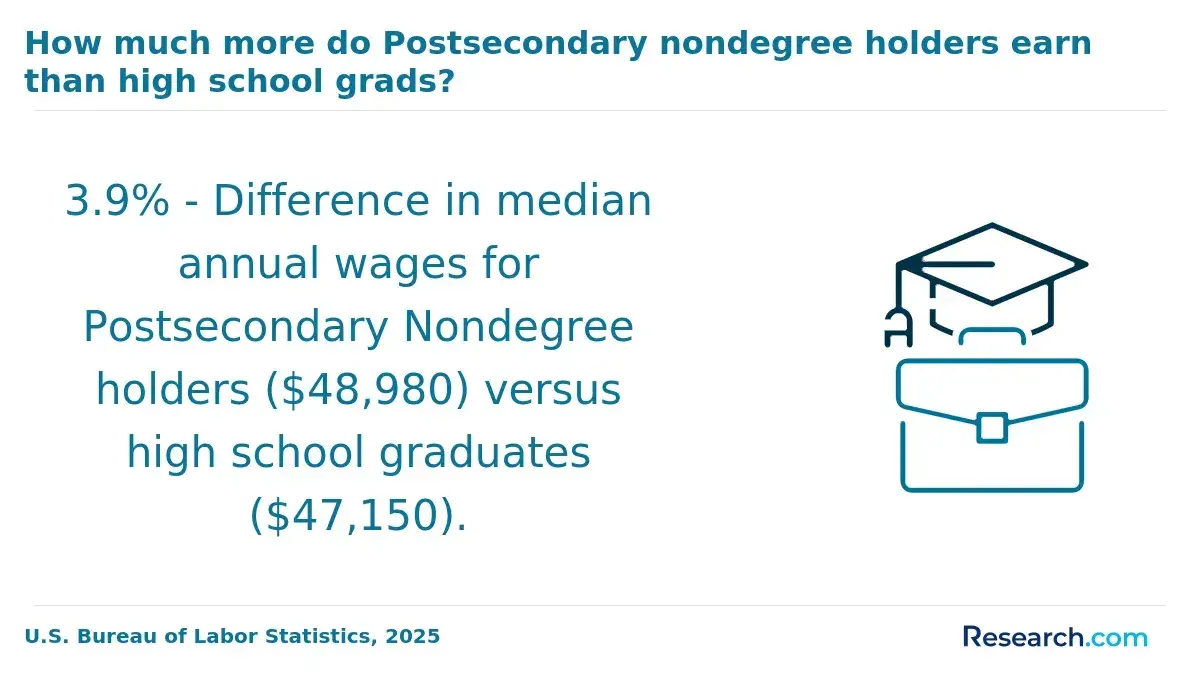
Post-graduation salary is a primary factor in determining the return on investment (ROI) for a healthcare management degree, as it directly impacts whether the education cost and time are justified. In the United States, the average healthcare management salary typically ranges from $60,000 to $120,000 annually, with entry-level positions on the lower end and senior roles at the higher end.
The healthcare management degree salary outlook depends on several factors that influence earning potential and ROI:
- Industry: Salaries differ significantly across hospitals, outpatient clinics, insurance providers, and government agencies, affecting overall income.
- Geographic location: Areas with higher living costs and concentrated healthcare sectors generally offer better compensation.
- Prior experience: Candidates with relevant healthcare or management backgrounds often secure higher starting salaries.
- Specialization: Focusing on fields like health informatics or policy can unlock niche, higher-paying opportunities.
- Career level: Advancement into leadership roles typically results in substantially increased earnings, improving ROI over time.
Prospective students should weigh these variables carefully when considering a healthcare management degree. For those exploring cost-efficient options, reviewing medical billing and coding online courses cost may offer valuable insights into alternative or complementary career pathways.
Does a Healthcare Management Degree Lead to Promotions?
Promotions play a crucial role in enhancing the ROI of a healthcare management degree by leading to salary increases, expanded responsibilities, and greater career mobility. These advancements contribute directly to both the financial and professional gains attainable through the degree.
A notable trend in the healthcare workforce is the growing emphasis on credential-based promotions. Advanced education credentials are increasingly becoming a requirement for leadership and managerial roles.
Several key factors highlight how a healthcare management degree supports career advancement and strengthens ROI:
- Credential Requirements: Many supervisory or executive positions in healthcare now mandate a related degree. Holding a healthcare management degree meets these credential standards, making graduates eligible for promotions that require formal education.
- Leadership Preparation: The degree equips students with essential administrative and leadership skills needed to handle higher-level responsibilities. This preparation often positions graduates as strong candidates for advancement within their organizations.
- Tuition Reimbursement: Earning this degree can increase eligibility for employer tuition assistance programs, effectively lowering the cost of education and improving the overall ROI by reducing out-of-pocket expenses.
- Promotion Policies: Internal promotion criteria in many healthcare organizations favor candidates with formal management education, aligning the healthcare management degree closely with advancement opportunities.
- Experience Synergy: Combining professional healthcare experience with formal education enhances a candidate's profile, making them stand out in competitive promotion processes and increasing earning potential.
For prospective students and professionals seeking the most cost-effective options, exploring the cheapest online healthcare administration degree programs can optimize both the financial and career benefits of pursuing this path.
Overall, pursuing a healthcare management degree can be a strategic move for those aiming to leverage career advancement into meaningful returns on their educational investment while capitalizing on credential-based promotions.
Which Industries Offer the Best ROI for Healthcare Management Graduates?
Return on investment for healthcare management graduates varies widely across industries due to differences in salary levels, career progression opportunities, and the demand for specialized skills. Some sectors offer stronger financial rewards and better long-term job stability because they provide greater compensation growth and leadership potential.
Healthcare management graduates often find the best ROI in these industries:
- Hospital Systems: Large hospital networks typically provide competitive salaries and well-defined career advancement paths supported by ongoing demand for management expertise to enhance operational efficiency.
- Pharmaceutical and Biotechnology Firms: These industries offer higher compensation and leadership roles, particularly in regulatory affairs, compliance, and product management, leveraging specialized healthcare management skills.
- Insurance Companies: Healthcare payers value managers who understand both clinical and business operations, often resulting in lucrative compensation packages and strong career growth.
- Consulting Firms: Healthcare management consultants gain diverse experience through varied client projects, rapid skill development, and performance incentives, making the ROI quite high.
- Public Health Organizations: While starting salaries may be lower, these organizations offer job stability and the opportunity to impact community health, contributing to long-term career satisfaction and steady advancement.
Prospective students considering the top healthcare management career paths should weigh these industries carefully, as ROI depends not only on salary but also on professional development and job security. For those evaluating degree options, reviewing the list of cheapest BSN to DNP programs can provide insight into affordable educational pathways that complement healthcare management careers.
Does Accreditation Affect ROI for a Healthcare Management Degree?
In healthcare management degree programs, accreditation represents a formal review process conducted by recognized agencies to ensure educational quality, including curriculum relevance, faculty qualifications, and student outcomes. This validation is critical for students because employers often prioritize candidates who graduated from accredited programs.
Additionally, accreditation plays a vital role in meeting eligibility requirements for professional licensure and certifications, a growing trend that employers expect when hiring healthcare managers. These factors directly contribute to a stronger return on investment by enhancing graduate marketability and readiness.
Accreditation also affects long-term financial and career benefits by increasing employer confidence in a graduate's capabilities, which can translate into better job prospects and salary potential. It opens doors to federal financial aid, making education more affordable and thereby improving overall ROI.
Moreover, accredited programs allow for greater flexibility in transferring credits toward advanced degrees, supporting continued professional development. This portability, along with licensure eligibility, enhances career mobility across various healthcare sectors and roles, ensuring that the degree delivers value well beyond initial completion.
Is a Healthcare Management Degree Worth It?
Costs for healthcare management programs vary significantly, ranging from affordable online degrees to higher-priced on-campus options, which impacts how quickly students recover their investment. These programs usually take one to two years to complete, making them a relatively brief commitment compared to other graduate fields.
Graduates can expect competitive salaries, with median annual earnings for healthcare managers in the U.S. near $100,000, reflecting strong industry demand. Career growth prospects are substantial, as many can advance to senior or executive roles that offer higher compensation and greater responsibility.
The value of a healthcare management degree depends on several factors, including industry demand driven by an aging population and complex healthcare systems, which support steady job growth. Choosing an online format may reduce expenses and allow students to work while studying, improving affordability.
Access to financial aid, scholarships, or employer tuition reimbursement can also lower overall costs. Ultimately, individuals should weigh their personal ambitions, such as leadership aspirations or specialization interests, against program expenses and potential outcomes to determine if pursuing this degree aligns with their long-term career objectives.
What Graduates Say About The ROI of Their Healthcare Management Degree
- Kristen: "Choosing a healthcare management degree as a traditional student felt like a strategic investment given the robust growth in the healthcare sector. Although the average cost of attendance was around $40,000, the long-term ROI has proven worth every penny, offering me numerous leadership opportunities that significantly boosted my career. I'm now confidently managing a large team, and this degree truly paved my path. "
- Dana: "Pursuing my healthcare management degree online allowed me to balance work and study without sacrificing financial stability. Considering the program's reasonable tuition, typically lower than in-person alternatives, the cost was justified by the career flexibility and salary increase I experienced post-graduation. It's been a reflective journey, proving the value of education tailored to busy professionals. "
- Madeline: "As a part-time student, I weighed the expense of a healthcare management degree, which averages around $35,000, against my goals. The investment has been worthwhile, elevating my professional standing and expanding my industry insights. Being able to apply course concepts directly to my job made the cost feel justified and strategically smart. "
Other Things You Should Know About Healthcare Management Degrees
Yes, experience can significantly influence the 2027 ROI of a healthcare management degree. Graduates with prior experience in the healthcare sector, or in managerial roles, often see a faster return on their educational investment. Their experience usually translates to higher starting salaries and better job placement opportunities compared to those without experience.
Geographic location plays a crucial role in ROI outcomes for healthcare management graduates. Salaries and job availability can vary widely by state and metropolitan area due to differences in healthcare infrastructure and demand. Urban areas with large healthcare systems generally offer higher salaries and more opportunities compared to rural regions.
References
- Is a Healthcare Administration Degree Worth It? https://www.snhu.edu/about-us/newsroom/health/is-a-healthcare-administration-degree-worth-it
- ROI of Online Degrees in 2025: Cost, Benefits, Career Impact https://www.pwmedharthi.com/blogs/guide/roi-of-online-degrees
- Health Care Management Degree Tuition https://www.pennfoster.edu/programs/healthcare/health-care-management-associate-degree/tuition
- How Can I Advance in My Health Care Management Career? - Healthcare Management Degree Guide https://www.healthcare-management-degree.net/faq/how-can-i-advance-in-my-health-care-management-career/
- 5 Common Career Paths After Completing a Healthcare Management Training Course - Oxford Training Centre https://oxfordcentre.uk/resources/healthcare-management/5-common-career-paths-after-completing-a-healthcare-management-training-course/
- Health Services Manager Salary: Your 2026 Guide https://www.coursera.org/articles/health-services-manager-salary
- Potential Healthcare Management Career Paths https://www.coloradotech.edu/degrees/studies/healthcare/articles/healthcare-management-career-paths
- Bachelor of Science in Healthcare Administration (Completion Degree) https://catalog.bryanuniversity.edu/bachelor-of-science-in-healthcare-administration-completion-degree
- Measuring ROI in Medical Affairs https://medicalaffairsspecialist.org/blog/measuring-roi-in-medical-affairs
- Navigating Healthcare Management: Insights from an Industry Expert Educational Article Resource https://career.cuchicago.edu/navigating-healthcare-management-insights-from-an-industry-expert/


