
2027 Return on Investment (ROI) of a Medical Studies Degree Program

Co-Founder and Chief Data Scientist
Choosing to pursue a medical studies degree often raises concerns about the significant time and financial investment involved. Many prospective students worry whether their education will translate into stable employment and competitive salaries. Current data shows that the healthcare sector is projected to grow by 13% through 2031, faster than the average for all occupations, reflecting strong demand for medical professionals.
This article examines the return on investment (ROI) of a medical studies degree by analyzing education costs, employment trends, and salary prospects to help readers make informed decisions about their career paths.
Key Things to Know About Medical Studies Degree ROI
- Graduates with a medical studies degree often see 20% higher starting salaries compared to non-degree holders in healthcare-related fields, enhancing early earning potential.
- The degree supports long-term salary growth, with median wages increasing by approximately 35% over ten years due to specialization and experience.
- Job stability remains strong, as healthcare employment is projected to grow 13% by 2031, offering diverse opportunities across clinical and research sectors.
How Is ROI Calculated for a Medical Studies Degree Program?
Return on investment in higher education evaluates the financial benefits of earning a degree relative to its costs, including both money and time. This measure helps students compare the value of a degree against the investments required.
When calculating return on investment for medical degree programs, several key factors are taken into account:
- Tuition and Fees: This factor includes all direct costs such as tuition, books, supplies, and associated fees. Accurate accounting of these expenses is critical since they represent the upfront financial commitment needed to pursue the degree.
- Opportunity Cost: The lost income and professional experience while enrolled in the program. Because medical studies degrees often require multiple years, the wages forgone during this time can significantly impact overall ROI.
- Time to Completion: The length of the program influences both direct living expenses and opportunity costs. Longer programs may increase costs and delay the start of a career, which can decrease the return.
- Post-Graduation Salary: Expected earnings in medical and health-related careers following graduation substantially affect ROI. Higher initial salaries and career growth potential increase financial returns over time.
- Career Advancement and Longevity: The capacity to progress professionally and maintain steady employment enhances the long-term payoff of the degree.
Prospective students should carefully analyze these elements in any medical studies degree ROI analysis. For those considering related fields, exploring programs such as a pharmacy degree can provide additional perspectives on cost, time, and career outcomes.
How Much Does a Medical Studies Degree Program Cost?
Accurately assessing the return on investment of a medical studies degree requires a thorough understanding of all associated costs, which have risen steadily alongside a roughly 3% annual increase in graduate tuition over the past decade. This upward trend highlights the need to evaluate every financial aspect before committing.
Key expenses influencing ROI include the following:
- Tuition and fees: Often the most substantial upfront payment, these costs vary widely depending on the program but represent the bulk of educational spending.
- Books and materials: Students must budget for textbooks and specialized medical tools, which add recurrent expenses throughout the course.
- Living and relocation: Moving to attend school can significantly increase costs due to housing, transportation, and daily living necessities, making these often underestimated components critical to consider.
- Opportunity cost: Full-time study typically means sacrificing income from employment during those years, which can greatly impact overall financial returns.
- Indirect expenses: Additional charges such as examination fees, licensing costs, and post-graduation professional development contribute to the total investment.
When discussing how much a medical studies degree program costs, a graduate shared his experience, shedding light beyond the figures. He recalled feeling overwhelmed by unexpected expenses like certification exams and relocating twice to access better clinical placements.
"It wasn't just tuition; budgeting for living expenses in two different cities stretched me thin," he explained. Balancing part-time work and study "meant lost sleep and constant stress, but it made me appreciate the value of persistence." His journey underscores that the true cost goes beyond dollars, encompassing the emotional and practical challenges students face.
What Financial Aid Is Available for Medical Studies Degree Programs?
Financial aid can significantly reduce initial expenses for medical studies degree programs, enhancing the overall return on investment by limiting long-term debt obligations. Nearly 60% of graduate students in the U.S. utilize some form of financial aid, underscoring its critical role in managing education costs.
Below are common financial aid options that help improve the financial outcomes of medical studies degrees:
- Scholarships: Awarded based on merit or financial need, scholarships lower the total cost without requiring repayment, thus reducing future debt and improving ROI.
- Grants: Typically need-based, grants cover tuition and fees without adding to student loan balances, making the degree more affordable over time.
- Fellowships: Often offered for specialized academic research or study, these can include stipends to offset living expenses, lessening financial strain during the program.
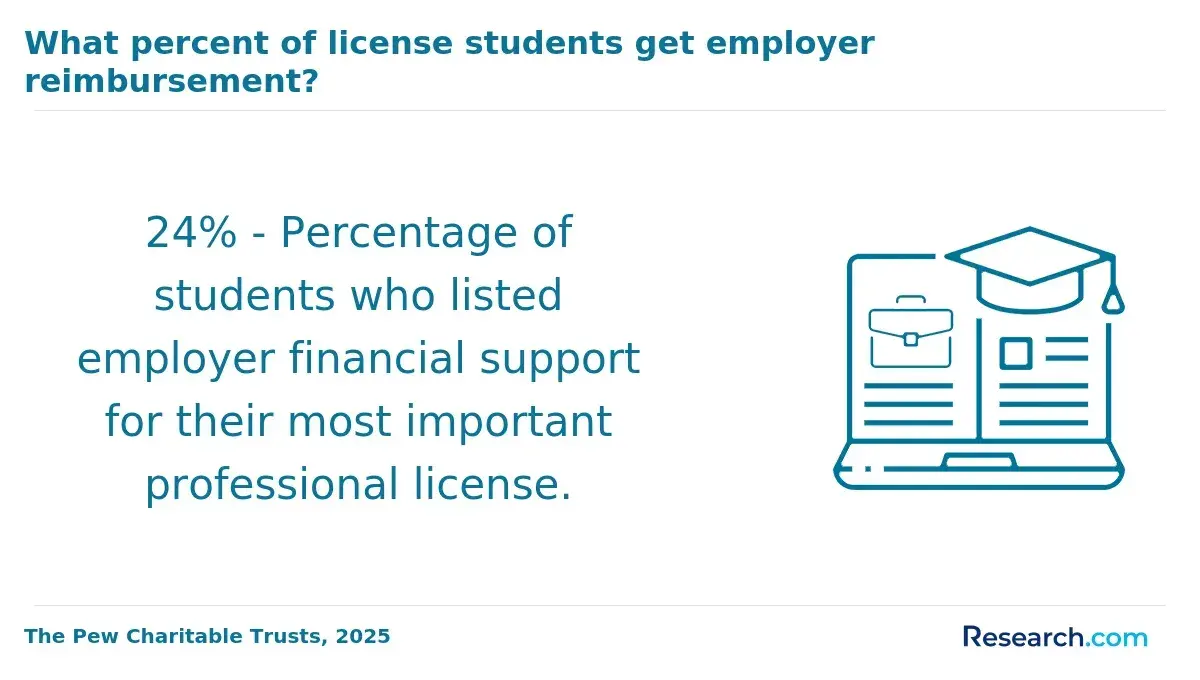
- Employer Tuition Assistance: Some workplaces provide partial or full education reimbursement, directly lowering out-of-pocket costs and strengthening the degree's economic value.
- Federal Loans: Although loans increase debt, federal options usually feature lower interest rates and flexible repayment plans, helping to preserve ROI compared to private borrowing.
How Long Does It Take to Complete a Medical Studies Degree?
The length of time required to complete a medical studies degree significantly impacts its return on investment due to opportunity costs, delayed earning potential, and accumulating expenses like tuition and living costs. Finishing sooner allows earlier workforce entry and income growth, while longer durations increase overall financial outlay and postpone career advancement.
Several factors influence how quickly students can complete their medical studies degree, affecting both timeline and ROI:
- Enrollment status: Full-time students usually progress faster than part-timers, enabling quicker transitions into paid employment and reducing the total cost of schooling.
- Program format: Accelerated and online degree options can shorten completion time and offer flexibility, minimizing income loss during studies.
- Transfer credits: Having prior relevant coursework can lower credit requirements, leading to earlier graduation and decreased expenses.
- Internship or thesis: These essential components may add to the time needed but enhance practical skills and improve career prospects, potentially increasing long-term ROI.
- Scheduling flexibility: Programs that accommodate working students might extend study duration but allow consistent earnings throughout education.
When I spoke with a graduate of a medical studies degree about her journey, she shared how balancing work and academics stretched her program beyond the expected timeline. "It wasn't easy managing evening classes alongside a part-time job, but the flexibility allowed me to support myself without taking on debt," she explained. Although the process took longer than some peers, she valued the practical experience gained through internships that opened doors professionally.
Reflecting on the time investment, she said, "Every extra semester felt like a trade-off, but those years gave me confidence and skills that helped me land a great position right after finishing." Her experience highlights how individual circumstances shape the balance between duration and return on investment in medical studies education.
Is ROI Higher for Online or On-Campus Medical Studies Programs?
Delivery format significantly influences the ROI for medical studies degree programs due to variations in cost, flexibility, and career outcomes. Notably, online enrollment in health-related programs increased by 12% in recent years, reflecting the growing demand for more affordable and adaptable education options. This trend highlights the importance of evaluating the cost effectiveness of medical degree programs online and campus when comparing formats.
Consider these critical factors that differentiate online and on-campus medical studies programs:
- Tuition and fees: Online programs generally have lower tuition and fees, reducing the initial financial burden. This cost advantage often makes online options more accessible for working adults and those balancing other commitments.
- Opportunity cost: Students enrolled online usually maintain employment concurrently, which lowers opportunity costs compared to on-campus students who may need to pause their careers.
- Time to completion: On-campus formats often provide structured schedules, enabling some students to complete their degrees faster, which can accelerate entry into higher-paying roles.
- Networking and career services: On-campus students benefit from face-to-face networking, labs, and career support that can enhance job prospects and employer perception of credentials.
- Employer perception and long-term earnings: Employers sometimes favor on-campus credentials for certain roles, which can impact long-term earning potential and career advancement.
For those interested in advanced clinical credentials, exploring pathways like BSN to DNP programs offers insight into specialized routes after medical studies degrees that may affect ROI and career development.
What Is the Average Salary After Earning a Medical Studies Degree?
Post-graduation salary is a key driver of ROI for those pursuing a medical studies degree, as it determines how quickly graduates can recover education costs and build financial stability. In the United States, medical studies degree salary expectations typically range from $50,000 to $90,000 annually, reflecting variations depending on several factors.
Several key elements affect average salary outcomes for medical studies graduates and influence ROI:
- Industry: Employment in hospital administration, pharmaceutical companies, or public health sectors can lead to different salary scales. The chosen industry aligns with specific job roles and responsibilities, impacting income levels.
- Geographic location: Salaries generally rise in urban areas with a higher cost of living, such as New York or California, compared to rural regions. This factor affects both living expenses and salary standards.
- Prior experience: Candidates with healthcare-related internships or professional experience often secure higher starting salaries, boosting ROI by shortening the time to achieve financial goals.
- Specialization: Graduates focusing on niche areas like health informatics or medical research may access more lucrative positions than those in broader fields.
- Career level: Entry-level jobs tend to offer lower pay; however, advancing to mid or senior roles significantly improves income and long-term ROI.
For students concerned about affordability compared to potential earnings, exploring the cheapest medical billing and coding program can be a practical step toward entering the healthcare field without excessive debt.
Breakdown of All 4-Year Online Title IV Institutions

Does a Medical Studies Degree Lead to Promotions?
Promotions significantly impact the ROI of a medical studies degree by bringing salary increases, broader responsibilities, and greater career mobility. These factors together enhance the financial and professional value of completing such a program.
A growing workforce trend emphasizes credential-based promotions, particularly in healthcare and related fields, where formal education credentials are increasingly required alongside experience for career advancement.
Several key ways a medical studies degree may influence promotion opportunities and improve ROI include:
- Credential Requirements: Many higher-level roles require formal educational qualifications. A medical studies degree meets these prerequisites, opening doors to positions that may otherwise be inaccessible.
- Leadership Preparation: The coursework often provides foundational skills geared toward leadership and management, equipping graduates to handle increased responsibilities effectively.
- Employer Support: Access to tuition reimbursement and other educational benefits from employers can lower the cost of obtaining the degree, improving the net ROI.
- Internal Promotion Policies: Organizations may prioritize candidates with relevant degrees in their internal promotion programs, giving degree holders a noticeable advantage.
- Experience Complement: Combining hands-on work experience with a medical studies degree creates a stronger profile for advancement, highlighting both practical skills and formal education.
For those considering career advancement through education, opportunities associated with a medical studies degree can offer measurable benefits. Graduates are not only prepared for elevated roles but also positioned to leverage employer frameworks that favor internal advancement.
This blend of education and experience improves both promotion opportunities with medical degree credentials and long-term career growth. Prospective students can also explore options such as the cheapest online health science degree programs to balance affordability and career advancement potential.
Which Industries Offer the Best ROI for Medical Studies Graduates?
The return on investment for medical studies graduates varies widely by industry due to differences in salary levels, career progression opportunities, and the demand for specialized skills. These factors directly influence the overall financial benefits and long-term career stability.
Several industries typically offer higher ROI by combining competitive compensation with strong career growth prospects and steady demand. Key industries include:
- Healthcare Services: Positions in hospitals, clinics, and long-term care facilities provide consistent job security and avenues for clinical advancement, leading to increasing income potential over time.
- Pharmaceuticals and Biotechnology: This sector offers higher starting salaries and significant promotion potential, allowing graduates to leverage their medical expertise in research and development roles with strong financial rewards.
- Health Technology: As a rapidly expanding area, health technology integrates medical knowledge with innovation in medical devices and software, creating promising earnings and advancement opportunities.
- Public Health and Policy: Although salaries tend to be moderate, this field offers steady demand and job security while enabling graduates to influence healthcare systems on a large scale.
- Education and Academia: In academic roles, medical studies graduates find stable employment and chances for advancement through research and grant funding, though compensation is generally lower than in industry.
When weighing options, prospective students and career changers should consider how the medical studies graduate career ROI aligns with their goals and industry growth trends. Additionally, those interested in further advancing their qualifications may explore the cheapest DNP programs online, which can enhance expertise and career prospects in these fields.
Does Accreditation Affect ROI for a Medical Studies Degree?
Accreditation in medical studies programs signifies that an independent organization has verified the quality of the curriculum, faculty, and facilities against established standards. This validation is essential because it assures that graduates possess the knowledge and skills required for professional success.
Employers increasingly prioritize candidates who have completed accredited programs, viewing these credentials as indicators of thorough preparation. Additionally, graduating from an accredited program is often necessary to qualify for important licensure exams that open doors to various healthcare careers.
Accreditation enhances long-term return on investment by fostering employer confidence, which can improve job opportunities and earning potential. It also enables students to access federal financial aid and scholarships that may otherwise be unavailable.
Furthermore, credits earned through accredited programs typically transfer more easily to other institutions, facilitating continued education. Eligibility for professional licensure and certifications depends heavily on program accreditation, which in turn supports greater career advancement and mobility within the healthcare field.
Is a Medical Studies Degree Worth It?
Investing in a medical studies degree involves weighing several financial and career factors. Tuition fees can be substantial and programs often require several years, delaying entry into the workforce. However, graduates typically earn salaries above the national average, with healthcare occupations growing about 10% faster than other fields. This growth rate signals strong potential for career progression and higher lifetime earnings.
The value of a medical studies degree varies depending on individual circumstances. High demand for healthcare professionals can enhance employment prospects, especially for those pursuing specialized roles. Flexible program formats like online or part-time options help reduce income loss during study, and financial aid can improve affordability.
Ultimately, the degree's ROI is maximized when aligned with clear career goals and a commitment to sectors experiencing growth and sustained hiring needs.
What Graduates Say About The ROI of Their Medical Studies Degree
- Maggie: "Choosing to pursue a medical studies degree through a traditional program was undoubtedly a significant investment, with tuition averaging around $40,000 per year. However, I was driven by the long-term ROI, knowing that this credential would open doors to specialized healthcare roles. Today, as a practicing clinician, I can confidently say the cost was worth it for the career stability and personal fulfillment it has brought me. "
- Ray: "Enrolling in an online medical studies degree program was a practical choice for me, considering the cost-effectiveness compared to on-campus options, which can exceed $100,000 total. Despite some skepticism about online learning, the flexibility allowed me to balance work and study effectively. Graduating opened up new professional opportunities in healthcare management that I wouldn't have had otherwise; the ROI has certainly met my expectations. "
- Ansel: "The decision to pursue a part-time medical studies degree came after carefully weighing the financial burden, as the average cost remains high, often around $30,000 annually. While progress was slower, it allowed me to maintain my job and reduce debt. Completing the program has enhanced my credibility and career prospects in the medical field, proving the investment was well justified. "
Other Things You Should Know About Medical Studies Degrees
In 2027, the ROI of a medical studies degree is significantly impacted by the chosen specialization. High-demand fields like dermatology or orthopedics often offer better financial returns due to higher salaries and job stability compared to general practice or fields with a surplus of professionals.
The choice of specialization within medical studies can influence ROI substantially. Certain specializations, such as healthcare administration or clinical research, may offer higher average salaries and more job opportunities than others. Specializations in emerging fields or niche areas may also yield better financial returns over time.
References
- Is College Worth it? | Return on Investment Analysis of College Degree https://educationdata.org/college-degree-roi
- Financial Aid https://medicine.tufts.edu/about/school-medicine/administrative-offices/financial-aid
- Is it Worth to Invest in Hospital Accreditation? https://www.heraldopenaccess.us/openaccess/is-it-worth-to-invest-in-hospital-accreditation
- Welcome https://smk.sum.edu.pl/programs-of-study-2/
- 6MD program at Medical University of Lodz - StudyMed https://studymed.umed.pl/admission/6-year-md-medicine/6md-medical-university-lodz/
- Career Paths With a Health Sciences Degree | BS Health Sciences https://www.mobap.edu/news/exploring-career-paths-with-a-health-sciences-degree/
- How Much Is Medical School? Your Guide to Affording a Medical Degree | NC Assist Loans https://www.ncassist.org/paying-for-college-101/blog/how-much-is-medical-school-your-guide-to-affording-a-medical-degree/
- Does College Pay Off? A Comprehensive Return On Investment Analysis - FREOPP https://freopp.org/whitepapers/does-college-pay-off-a-comprehensive-return-on-investment-analysis/
- The Pros and Cons of Studying Medicine - ACS https://www.acs-college.com/the-pros-and-cons-of-studying-medicine


