
2027 Licensing Exams Required After Completing a Medical Studies Degree Program

Co-Founder and Chief Data Scientist
Graduates with a medical studies degree often face uncertainty about the licensing exams required to practice in their chosen healthcare fields. Without proper guidance, many risk delays in career entry or taking exams that may not align with their goals. Approximately 85% of medical studies graduates report concern about navigating licensure pathways accurately.
Understanding these exams is crucial since they influence eligibility for employment and specialization opportunities. This article clarifies the essential licensing exams after completing a medical studies degree, detailing eligibility criteria and how exam success shapes professional advancement, ultimately helping graduates transition smoothly into the healthcare workforce.
Key Things to Know About the Licensing Exams Required After Completing a Medical Studies Degree Program
- Eligibility for licensing exams generally requires graduation from an accredited medical studies program and completion of clinical rotations to ensure adequate practical experience.
- The exam structure often includes multiple-choice questions and clinical simulations, covering anatomy, physiology, pharmacology, and patient care protocols.
- Licensure impacts employment by enabling practice rights; approximately 90% of medical graduates secure employment within a year post-licensure, reflecting its workforce importance.
What licensing exams are required after completing a medical studies degree?
Licensing exams are a vital requirement for medical studies degree graduates to practice safely and legally in healthcare professions. Over 90% of graduates who pass these exams secure employment within the first year, highlighting their importance for career entry and advancement. These exams validate clinical skills, medical knowledge, and readiness for professional responsibilities.
The specific licensing exams depend on the career path within healthcare. Commonly required exams include:
- United States Medical Licensing Examination (USMLE): This exam is required mainly for those pursuing a physician license (MD). It assesses foundational medical knowledge, clinical skills, and patient management needed for effective medical practice and employment eligibility.
- Comprehensive Osteopathic Medical Licensing Examination (COMLEX-USA): Designed for Doctor of Osteopathic Medicine (DO) graduates, it emphasizes osteopathic principles and holistic patient care, ensuring candidates meet medical licensing requirements.
- National Council Licensure Examination (NCLEX): Mandatory for nursing graduates aiming for RN licensure, this test evaluates practical nursing skills and safe care delivery, aligning with nursing regulatory standards.
- Medical Laboratory Technician Certification Exam: Intended for graduates entering laboratory roles, this exam covers essential laboratory techniques and safety protocols, crucial for clinical laboratory employment.
Typically, graduates only take the exam relevant to their intended profession, making these licensing exams central to fulfilling medical licensing requirements for degree graduates. Passing them is essential for securing a license, gaining employer acceptance, and meeting state regulations. Those interested in advanced nursing roles may explore DNP online programs to further their qualifications.
What topics are covered on the medical studies licensing exam?
Success on the medical studies licensing exam depends largely on concentrating study efforts on the appropriate content areas, as candidates often encounter difficulties with several key topics. For instance, recent surveys reveal that nearly 35% of test-takers report challenges with clinical decision-making questions, emphasizing the need for focused preparation in this subject.
Knowing the medical licensing exam subjects and topics helps test-takers allocate their time wisely and increase their chances of passing. The core subject areas commonly assessed on the exam include the following:
- Anatomy and Physiology: This section covers the structure and function of the human body. It is usually assessed through multiple-choice questions to check foundational knowledge essential for clinical practice.
- Pathology: Focused on disease mechanisms and bodily changes, pathology is crucial for diagnosing conditions. Questions test understanding of how diseases develop and affect the body.
- Pharmacology: This area involves drug actions, interactions, and safe prescribing practices. Exam questions verify that candidates can manage medications responsibly to ensure patient safety.
- Clinical Medicine: Including patient assessment, diagnosis, and management, this topic is often evaluated with case-based scenarios designed to measure practical application skills and clinical reasoning.
- Medical Ethics and Professionalism: It addresses ethical decision-making and patient rights, vital for maintaining healthcare standards and trust in medical professionals.
Prospective students interested in health-related career advancement should explore resources such as medical billing and coding online schools financial aid options to support their education journey. This knowledge integrates well with an understanding of key content areas for medical licensure exams, helping candidates navigate both educational and professional pathways effectively.
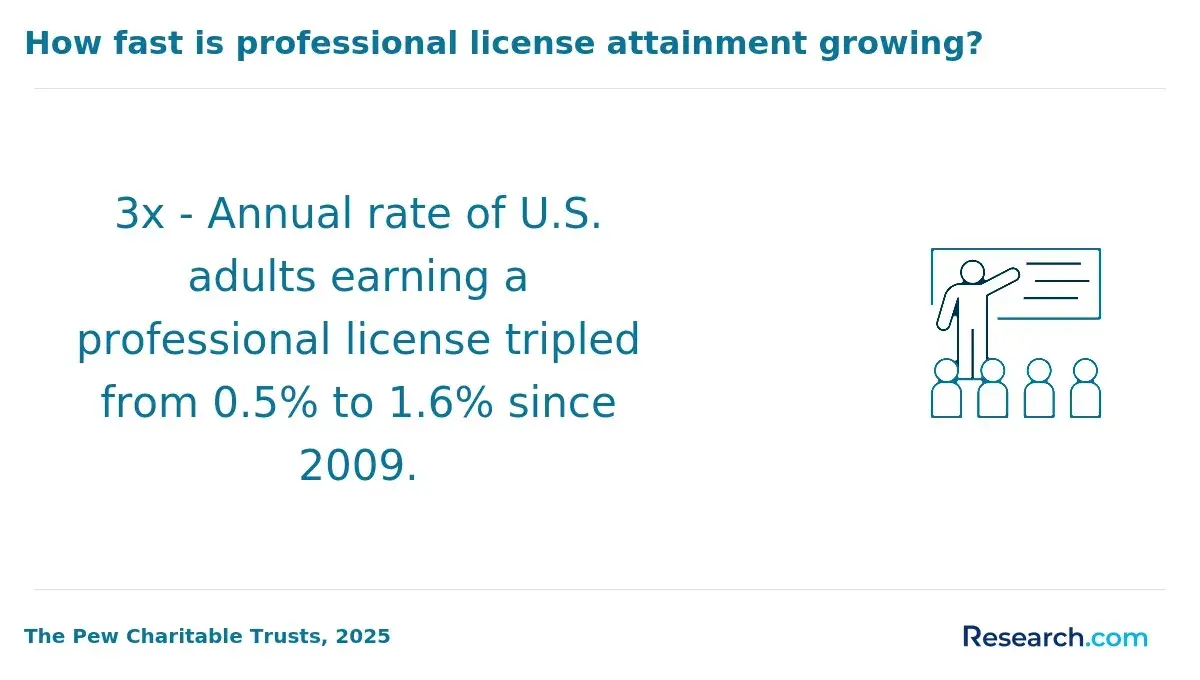
What requirements must be met to take the medical studies licensing exam?
Meeting eligibility criteria for the medical studies licensing exam is essential for recent graduates to plan their post-graduation steps without delays, ensuring they can enter their chosen healthcare profession smoothly. These requirements guide candidates through necessary preparations. Below are common conditions applicants must satisfy to qualify for the exam.
- Completion of an Accredited Degree Program: Candidates need to have graduated from a recognized medical studies program accredited by official bodies. This certification guarantees standardized training and foundational knowledge critical for professional practice.
- Clinical Training Hours: Most states or specializations mandate a minimum number of supervised clinical hours or internships. This hands-on experience is vital for demonstrating proficiency in applying medical knowledge in actual patient care settings.
- Background Checks: Applicants commonly undergo criminal background evaluations to ensure safety and trustworthiness in patient interactions, a key aspect of medical licensure.
- Application Submission and Documentation: Candidates must provide official transcripts, proof of completed clinical training, and proper identification. Accurate documentation supports verification of qualifications and eligibility.
- Jurisdictional Variations: Eligibility requirements may differ by state or specialty, sometimes including passing preliminary exams or completing continuing education units before sitting for the licensing exam.
Knowing the detailed requirements for taking medical studies licensure tests helps candidates plan effectively to meet each condition timely.
For those interested in expanding their career options, pursuing an online healthcare administration degree can complement clinical qualifications, offering broader opportunities in healthcare management and leadership.
Can you get licensed with an online medical studies degree?
Graduates with an online medical studies degree may qualify for medical licensure if their programs are properly accredited and include required clinical training. Licensing boards often scrutinize online programs, placing importance on in-person clinical hours that purely virtual courses may lack.
Many students find better success when their studies combine online coursework with supervised local clinical experiences-recent data shows about 75% of graduates from such accredited hybrid or online programs go on to secure licensure.
However, licensure requirements differ widely across states, so checking specific medical board regulations and verifying program accreditation is essential to avoid potential eligibility issues. These variations can impact both the ability to sit for licensing exams and future career opportunities.
Asked about his experience, a graduate of an online medical studies degree shared that navigating clinical placements was the most challenging part. "Coordinating with local hospitals for hands-on hours felt overwhelming at times because the program provided little guidance beyond basic advice," he explained.
Despite this, he found that persistence and communication with licensing boards helped him clarify necessary steps. His journey included moments of uncertainty, especially when reviewing state-specific requirements, but ultimately, he appreciated the flexibility online learning offered while understanding the importance of meeting rigorous clinical standards.
Do medical studies programs prepare students for licensing exams?
Effective preparation in medical studies programs is key to passing licensing exams, with graduates from well-designed curricula achieving pass rates near 90%. These programs emphasize foundational knowledge and practical skills critical for success. Below are several ways medical studies programs support exam readiness:
- Curriculum Alignment: Courses are structured around the core subjects and competencies mandated by licensing bodies, ensuring content relevance and depth match exam requirements.
- Exam-Focused Coursework: Instruction integrates critical thinking and clinical problem-solving exercises, helping students develop the reasoning abilities tested on exams.
- Practice Exams: Simulated tests replicate exam conditions, allowing students to gain experience with question formats and time management strategies.
- Clinical Rotations: Hands-on internships provide real-world patient care experiences, reinforcing practical knowledge and clinical applications assessed during licensure.
- Faculty Mentorship: Instructors offer personalized guidance to help students identify areas for improvement and create effective study plans tailored to exam demands.
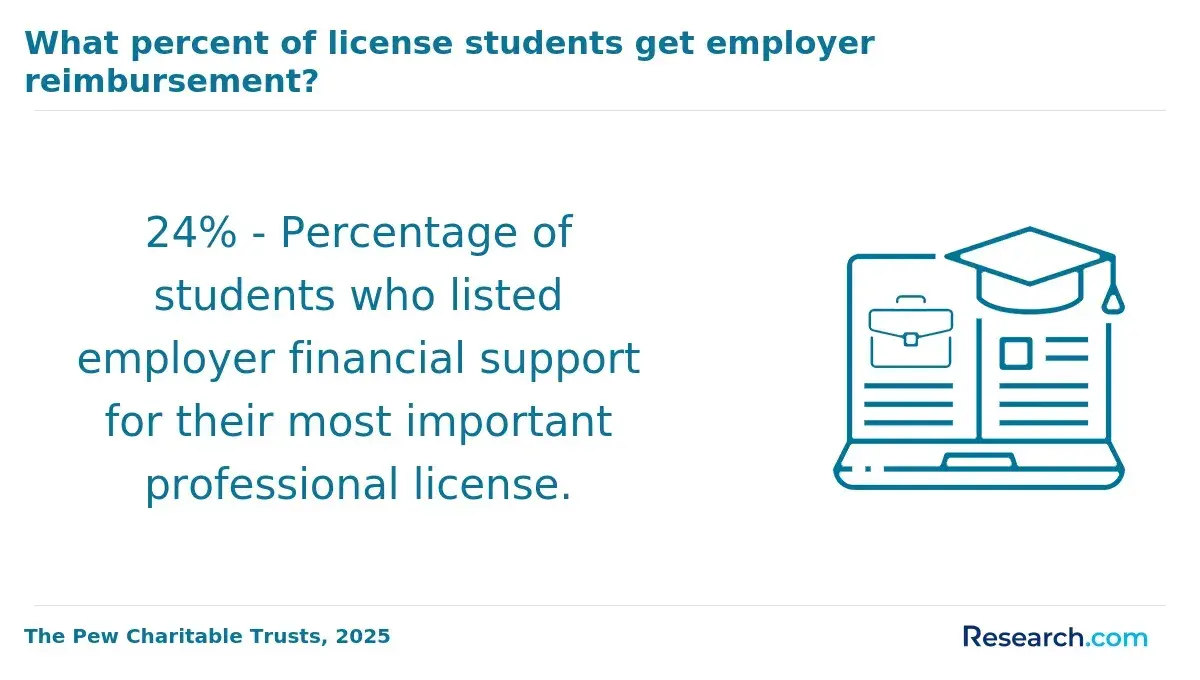
How much does the licensing exam cost after a medical studies degree?
Proper financial planning is essential for recent medical studies graduates because licensing exam fees can form a significant part of early career expenses. Exam-related costs vary and often extend beyond basic fees, affecting how soon and smoothly one can advance professionally. Below are key cost factors to consider when estimating the cost of medical licensing exams after graduation.
- Exam Fees: The core expense, such as the United States Medical Licensing Examination (USMLE) Step 1, typically ranges from $600 to $700 depending on test center location. These fees cover the initial examination but exclude registration requirements or additional services.
- Application Fees: These charges cover processing your exam registration and vary by medical school or state licensing board. They represent an important addition to overall licensing exam fees after medical degree completion.
- Retake Fees: Failing any exam section usually requires paying the full exam fee again. Multiple retakes can quickly escalate total costs, making budgeting for possible repeats a critical part of planning.
- Study Materials: Preparation often involves purchasing books, online courses, and practice tests, with prices ranging from a few hundred to over a thousand dollars. These materials add to the cost of medical licensing exams and are essential for success.
- Additional Training: Some candidates invest in review courses or specialized training to improve their readiness, especially if previous attempts were unsuccessful. These programs enhance exam performance but contribute further to overall expenses.
For prospective students also interested in affordable advanced nursing education, exploring cheap NP programs can be a cost-effective alternative career path.
How often is the medical studies licensing exam offered?
Having a clear grasp of medical studies licensing exam schedules is essential for organizing your preparation and ensuring timely licensure. Exams are typically available two to four times a year, with pass rates sometimes varying slightly depending on the testing cycle. Below are several important factors influencing exam availability and timing.
- Testing Windows: Exams usually occur during specific periods lasting several weeks, often concentrated within certain months, which requires candidates to plan registration accordingly.
- Format Options: Many licensing exams now offer both in-person and online proctored versions, a choice that can depend on geographic location and personal preference.
- Retake Policies: Rules about how soon candidates can retake the exam following an unsuccessful attempt differ depending on the governing body, affecting scheduling flexibility.
- Jurisdictional Variations: State or regional boards often establish their own schedules and rules, making it crucial to verify local requirements before applying.
- Advance Registration: Early sign-up deadlines ensure a spot in the preferred testing cycle, so strategic timing is important for securing desired dates.
When I spoke with a recent graduate of a medical studies degree about how often the exam was offered, she reflected candidly on her experience. She described the challenge of balancing study time with life commitments while navigating limited testing dates. "I had to register months in advance and adjust my work schedule around the available windows," she recalled.
The availability of online testing was a "huge relief" for her due to travel constraints, but she emphasized the importance of being flexible and proactive. Her story highlighted how personalized planning and anticipating potential delays are vital to handling the exam's timing complexities with confidence.
Do you need a license to get a job with a medical studies degree?
About 60% of healthcare jobs require some type of licensure or certification, reflecting industry efforts to maintain safety and quality standards. While a medical studies degree provides essential healthcare knowledge, whether you need a license to work depends on your specific role and career path. Several important factors influence this requirement.
- Regulatory Requirements: State and federal regulations mandate licensure for clinical positions to protect patient health and ensure practitioners meet professional standards.
- Job Role: Positions involving direct patient care, such as nursing or physician assistant roles, almost always require passing licensure exams, whereas administrative or support jobs may not.
- Employer Preferences: Many healthcare employers prefer or require candidates to hold licenses or certifications to demonstrate competence, compliance, and eligibility for professional responsibilities.
- Specialization: Fields with specific technical skills like radiology or respiratory therapy have unique licensing criteria, often involving specialized exams and credentials.
- State-Specific Rules: Licensure processes and requirements vary significantly across states, affecting eligibility, exam content, and renewal procedures.
Grasping these elements can help medical studies graduates identify whether they must obtain licensure to advance in their chosen healthcare sector.
Do licensed medical studies professionals earn more than unlicensed graduates?
Licensure significantly influences earning potential for medical studies graduates, with licensed professionals typically commanding higher salaries. In the U.S., licensed medical studies professionals such as registered medical technologists or licensed clinical laboratory scientists often earn median salaries ranging from $50,000 to $70,000 or more, depending on experience and location, outperforming their unlicensed counterparts who usually start at lower salary levels.
Several factors contribute to the salary differences for licensed medical studies professionals compared to unlicensed graduates:
- Regulatory Requirements: Licensure is frequently mandatory to legally perform specific medical duties, ensuring that candidates meet established national or state competency standards. This requirement restricts practice to qualified individuals, affecting salary levels.
- Access to Higher-Paying Roles: Licensed professionals gain eligibility for specialized positions that involve greater responsibility and better compensation, creating clear job opportunities for licensed versus unlicensed medical graduates.
- Employer Preferences: Employers often prioritize licensed staff to meet compliance, reduce risks, and maintain quality care, which influences hiring decisions and salary offers.
- Career Advancement Opportunities: Obtaining licensure can be a prerequisite for promotions and supervisory roles, enabling professionals to climb the career ladder and increase their earning potential.
- Geographic Licensing Variations: Licensing standards vary by state, impacting where professionals can work and how much they can earn in different regions across the U.S.
For those exploring further education and credentials, resources like the cheapest RN to BSN online programs can offer accessible pathways to improve qualifications and income. Overall, understanding the intricacies of licensure and salary differences is vital for medical studies graduates aiming to enhance their professional trajectories.
Can I use my medical studies license in another state?
Licensing for medical studies professionals is managed at the state level, which means each state sets its own criteria and maintains separate boards. This state-specific control creates challenges for graduates seeking to work in multiple states.
License portability is crucial given the increasing need for healthcare staff flexibility, with over 30 states participating in interstate licensure compacts to streamline cross-state practice. These agreements reduce administrative barriers and promote easier workforce movement but are not uniformly adopted nationwide.
To practice under a medical studies license in a different state, professionals often rely on several approaches: reciprocity or endorsement where one state recognizes another's license if conditions are met, passing additional state-specific examinations, or completing required supervised clinical hours.
However, these options are highly variable and depend on the regulations of the destination state, the individual's specialty within medical studies, and the corresponding licensing authority. It is essential for graduates to consult the specific state board to understand applicable procedures and restrictions before relocating or applying for new licensure.
What Graduates Say About The Licensing Exams After Completing a Medical Studies Degree
- Brandon: "Taking the licensing exam after completing my medical studies degree online was surprisingly manageable, especially since I could balance study time around my work schedule. The cost of licensure felt reasonable compared to in-person programs, around $1,000, which was a relief. Having the license has opened doors for me as a healthcare consultant, allowing me to confidently validate my expertise."
- Rachel: "Reflecting on my experience, the licensing exam was challenging but fair, reflecting the rigorous training I received online. The expenses, including the exam fee and preparatory materials, totaled nearly $1,200, which felt like a necessary investment in my future. This license has truly been pivotal, providing credibility that's essential in clinical research positions."
- Walter: "As someone who pursued medical studies through an online platform, I appreciated the flexibility navigating licensing exam prep without the added pressure of commuting. The cost was higher than expected, close to $1,300, but justified by the quality of resources and professional advancement it enabled. Securing this license elevated my role in hospital administration, reinforcing trust among colleagues and clients alike."
Other Things You Should Know About Medical Studies Degrees
Yes, most states mandate continuing education to maintain an active medical studies license. Licensed professionals must complete a specified number of continuing education hours periodically, often every 1 to 3 years, to stay current with medical advancements and regulatory changes. Failure to meet these requirements can result in suspension or revocation of the license.
International graduates in medical studies may be eligible to take U.S. licensing exams if they meet certain criteria, such as completing approved educational programs and passing credential verification processes. They often must submit additional documentation and pass English proficiency tests. Each state licensing board has specific requirements for international candidates.
References
- The United States Medical Licensing Examination® (USMLE) - Knowledge @ AMBOSS https://www.amboss.com/us/knowledge/the-united-states-medical-licensing-examination-usmle/
- What Is FMGE Exam? Complete Guide for Foreign Medical Graduates https://academically.com/blogs/what-is-fmge-exam-complete-guide-for-foreign-medical-graduates/
- Top Medical Licensing Exams After MBBS Abroad (new) https://makemedico.com/top-medical-licensing-exams-fmg/
- Prepare for Your Exam https://www.usmle.org/prepare-your-exam
- Certification vs. License: 5 Essential Differences in Professional Credentials (2025) https://www.verifyed.io/blog/difference-between-certification-and-license
- What is the USMLE? and how do you prepare for it? - Modarby.com https://www.modarby.com/en/blog/what-is-the-usmle-and-how-do-you-prepare-for-it
- What's Next After MD/MBBS at LAU? https://www.laumed.org/blog/comprehensive-guide-to-medical-licensing-exams-2023
- USMLE Eligibility: A Comprehensive Guide for 2025 https://www.acadfly.com/blogs/usmle-eligibility
- Study Medicine Online - 100% Recognised - Medlink Students https://www.medlinkstudents.com/study-medicine-online-courses/
- Interstate Medical Licensure: A guide to expedited licensure in 2026 https://gmedical.com/blog/interstate-medical-licensure/


