
2027 Best Medical Studies Degrees for Working Adults

Co-Founder and Chief Data Scientist
Many working adults face a difficult choice between advancing their careers and managing full-time jobs, especially in the demanding medical field. For example, registered nurses seeking a medical studies degree often struggle to find programs that offer both flexibility and accreditation.
With the healthcare sector expected to grow 9% by 2032, according to the U. S. Bureau of Labor Statistics, demand for skilled professionals continues to rise. This article explores the best medical studies degrees designed to accommodate working professionals, enabling career growth without sacrificing current employment responsibilities.
Key Things to Know About Medical Studies Degrees for Working Adults
- Flexible scheduling and online or hybrid formats enable working adults to balance education and employment, with 68% of medical studies programs offering evening or weekend classes.
- Accelerated pacing options allow completion in as little as 18 months, catering to professionals aiming for rapid career advancement.
- Many programs incorporate employer-relevant curricula and offer dedicated support services, improving job placement rates by up to 25% after graduation.
What Are the Best Medical Studies Degrees for Working Adults?
The best medical studies degrees for working adults vary according to factors like schedule flexibility, career goals, and return on investment. As part-time enrollment and online education grow, more programs now cater to professionals seeking adaptable pacing and practical skills that enhance employability. This trend toward flexible learning is essential for busy adults balancing full-time jobs and personal responsibilities.
Several degree options stand out for their alignment with working professionals' needs and priorities. These programs emphasize flexibility, practical application, and relevance to evolving healthcare roles.
Here are some of the best online medical studies degrees for working adults to consider:
- Bachelor of Science in Health Information Management: This degree offers online coursework focused on technology and data management, allowing students to work in healthcare administration with flexible scheduling that fits around their job.
- Registered Nurse (RN) to Bachelor of Science in Nursing (BSN): Tailored for practicing nurses, this option includes part-time and online learning paths to accommodate shift work and continuing professional development. For more details on flexible pathways, explore the RN to BSN online programs available.
- Health Sciences with a focus on Public Health: This specialization is often available in part-time online formats, preparing students for leadership roles in community health and policy without disrupting their careers.
- Medical Laboratory Science: Featuring hybrid learning and clinical placements designed to work around employment schedules, this degree suits those interested in lab-based healthcare roles.
These top flexible medical degree programs for professionals combine practical curricula with delivery formats that respect working adults' time constraints, effectively supporting career progression in a dynamic healthcare environment.
What Are the Admission Requirements for Working Adults in Medical Studies Degree Programs?
Admission requirements for working adults pursuing medical studies degree programs often differ from those for traditional students due to the need for greater flexibility and the recognition of professional experience. Nearly 40% of graduate students now balance education alongside full-time employment. These tailored admission requirements help accommodate the unique needs of adult learners who may be managing both work and study simultaneously.
Common factors considered in admission criteria for working adults in medical studies include the following:
- Relevant Work Experience: Many programs prioritize or require prior healthcare or related professional experience, recognizing its value alongside academic credentials.
- GPA Expectations: While maintaining a solid academic record is important, some programs offer flexibility in GPA thresholds to acknowledge nontraditional educational paths common among adult learners.
- Standardized Test Waivers: Tests such as the GRE may be waived based on an applicant's work experience or previous academic achievements, easing barriers for busy professionals.
- Professional Recommendations: Letters from employers or supervisors are often essential, as they highlight skills, reliability, and ability to manage work-study balance effectively.
- Flexible Learning Formats: Admission processes commonly accommodate preferences for part-time or online programs, allowing working adults to tailor their studies and maintain employment.
Those seeking programs with flexibility might also explore options with financial assistance like medical billing and coding financial aid. Considering these aspects ensures alignment with the specific medical studies degree requirements for adult learners aiming to advance their careers without pausing their professional life.
What Coursework Is Required in Medical Studies Degree Programs for Working Adults?
Coursework in medical studies degree programs designed for working adults is structured to balance career relevance, practical skills, and flexible learning options. This approach allows students to integrate knowledge into their current roles while managing full-time employment. Recent trends reveal that over 60% of adult learners in healthcare-related degrees prioritize programs offering asynchronous coursework paired with real-world application.
Core subjects typically reflect essential areas that support foundational knowledge and enhance job performance in medical fields. These required classes in medical degree programs often include the following:
- Human Anatomy and Physiology: Focuses on the structure and function of the human body, providing critical understanding for clinical support roles and healthcare administration.
- Medical Terminology: Builds proficiency in healthcare language, improving communication with professionals and accuracy in documentation.
- Healthcare Ethics and Law: Addresses policies, regulations, and ethical decision-making crucial for patient care and compliance.
- Health Informatics: Covers data management and electronic health records, skills that are increasingly vital due to digital advancements in healthcare systems.
- Clinical Procedures and Patient Care: Offers hands-on training in medical techniques and patient interaction, supporting career advancement into clinical support positions.
These courses provide working adults with practical, career-focused knowledge delivered through online or hybrid formats, accommodating diverse schedules. For those exploring flexible paths, programs like an online healthcare administration degree can further enhance career prospects.
Medical studies coursework for working adults often emphasizes integrating academic learning with professional environments, making advancement feasible without sacrificing employment.
How Long Does It Take to Complete a Medical Studies Degree While Working?
Completion times for a medical studies degree while maintaining employment can vary significantly due to the complexities of balancing work and academics. On average, part-time students often take about five years to finish their studies, compared to four years for those studying full-time.
Several key factors influence the duration for working adults pursuing this degree:
- Program format: Flexible delivery options, such as online or hybrid programs, allow students to tailor their pace, which may either reduce or extend the time needed to graduate.
- Course load: Many working professionals enroll part-time, taking fewer courses each semester, inevitably lengthening the overall completion period.
- Prior credits: Transfer credits or previously completed relevant coursework can accelerate degree progress by fulfilling some requirements upfront.
- Work schedule: Irregular or demanding work hours can limit study time, potentially causing delays in completing coursework.
- Accelerated options: Some programs offer fast-track tracks that require intensive commitment but enable faster graduation for highly motivated students.
When asked about his experience finishing an online medical studies degree while working full-time, a professional described his journey as "challenging but rewarding." He emphasized that time management was "critical," often having to study late into the night after work shifts.
"It felt like a constant balancing act," he said, noting moments when "the stress was overwhelming." However, having access to recorded lectures and flexible deadlines helped him stay on track. He appreciated how the program's design allowed him to "adapt the pace based on work demands," ultimately making the extended timeline manageable and worthwhile.
How Much Does a Medical Studies Degree Cost for Working Adults?
Cost plays a significant role for adults working full time who pursue a medical studies degree, as they must juggle tuition with living expenses and often reduced work hours. Nearly 60% of these students choose part-time enrollment to balance jobs and classes, which can affect both costs and program length.
Below are key factors shaping the financial commitment involved.
- Tuition per Credit: Rates fluctuate depending on the program format and institution. Online courses may offer more affordable credit costs, but prices mainly reflect university policies and resources.
- Program Duration: Part-time students generally take longer to graduate, extending tuition payments and associated fees over a longer period, increasing total expenses.
- Additional Fees and Materials: Charges such as lab fees, technology access, and textbooks can substantially raise costs, especially for hands-on coursework common in medical studies.
- Learning Format: Online study often reduces commuting and housing costs, yet may come with special fees. On-campus programs frequently mean higher living expenses and related costs.
- Financial Support: Scholarships, grants, and employer tuition reimbursement plans are vital resources for many working adults, helping to significantly offset out-of-pocket spending.
What Financial Aid Options Are Available for Working Adults in Medical Studies Degree Programs?
Financial aid plays a vital role for adults juggling employment, education, and personal life while pursuing medical studies degrees. It helps reduce financial stress, allowing students to dedicate time and energy to their education without sacrificing their job commitments.
Several financial aid options are particularly relevant for working adults enrolled in medical studies programs:
- Federal Financial Aid: This includes programs like Pell Grants and federal loans accessible through FAFSA, which often accommodate part-time or nontraditional students, making them ideal for working learners.
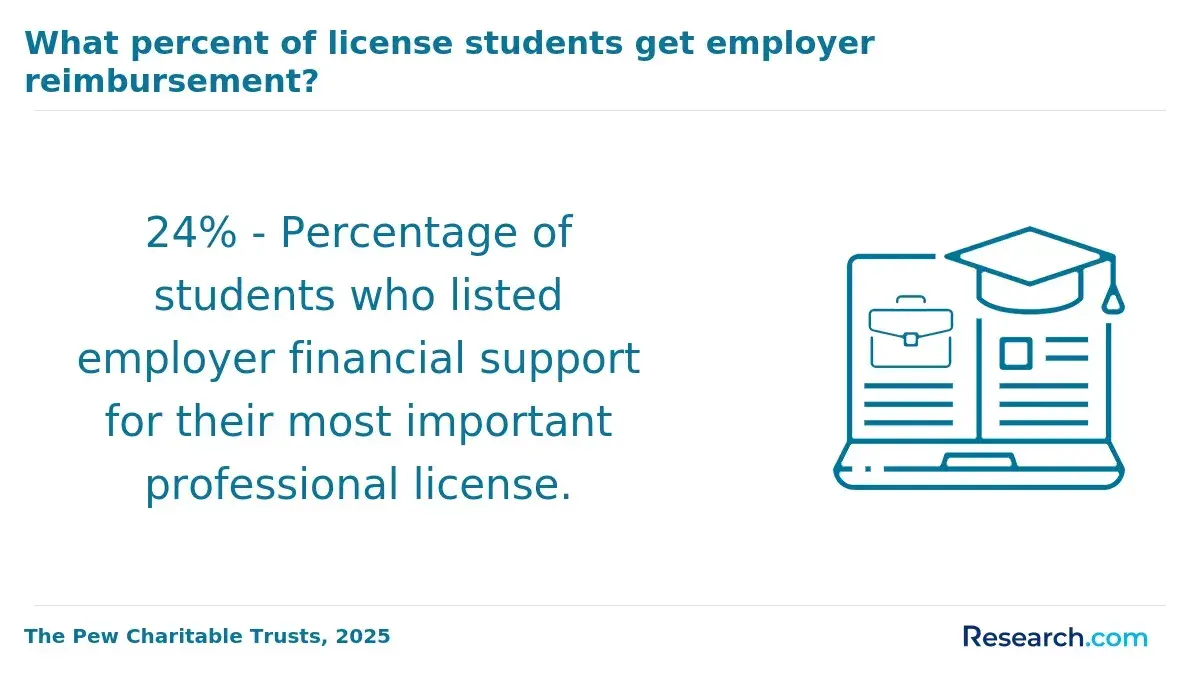
- Employer Tuition Assistance: Many companies offer tuition reimbursement plans to support employee education. These programs usually require the employee to remain with the employer and maintain satisfactory academic progress.
- Scholarships for Adult Learners: Designed specifically for nontraditional students, these scholarships consider life experience and career objectives alongside academic achievement to broaden eligibility.
- Grants: These funds, often based on financial need or specific program criteria, do not need to be repaid, providing significant financial relief for adult students managing multiple responsibilities.
- Payment Plans: Flexible tuition payment arrangements offered by institutions enable students to spread out costs, easing monthly financial pressures.
Tax credits like the Lifetime Learning Credit can further assist by lowering taxable income related to educational expenses, enhancing affordability for those balancing work and study.
When I spoke with a professional who completed a Medical Studies degree while working full time, she shared how challenging it was to manage deadlines and financial constraints simultaneously. "Applying for several types of aid felt overwhelming at first," she admitted, "but persistence paid off. Employer tuition assistance covered a large portion of my fees, and the school's payment plan helped smooth out cash flow issues."
She emphasized that the combination of support systems made it possible to stay focused on her studies without sacrificing her job or family time. Reflecting on her journey, she noted, "The financial aid options available really made a difference-it reduced stress and allowed me to feel confident about investing in my future."
What Support Services Help Working Adults Succeed in a Medical Studies Program?
Working adults pursuing a Medical studies degree often need to balance demanding coursework with full-time jobs and family life. Access to tailored institutional support is essential to help these students stay on track and succeed academically despite their busy schedules.
- Academic advising: Advisors offer personalized planning to help students select courses that fit their career goals and time availability, ensuring a manageable pace toward graduation.
- Flexible scheduling: Programs frequently provide evening, weekend, and online class options, enabling learners to attend courses without sacrificing work or family commitments.
- Online learning support: Technical help and digital resources assist students in navigating virtual platforms, making it easier to engage fully with online course materials.
- Tutoring and mentoring: Access to expert guidance strengthens understanding of complex concepts and boosts confidence, which is vital for maintaining academic progress.
- Mental health resources: Counseling services and wellness programs support students in managing stress and maintaining emotional resilience during intense periods of study.
These targeted services create an environment conducive to balancing responsibilities while advancing efficiently through a Medical studies program.
Are Medical Studies Degrees for Working Adults Accredited?
Accreditation signifies that medical studies programs meet rigorous academic and quality standards set by recognized agencies. This ensures that the curriculum, faculty, and resources are reliable, which is vital for working adults who need a valuable and credible degree.
Accredited programs are also typically eligible for federal financial aid, helping adult learners manage education costs alongside work commitments. Recent data shows that more than 40% of adult students pursue graduate degrees, highlighting a rising demand for flexible, accredited options tailored to their needs.
The long-term benefits of earning an accredited medical studies degree include easier credit transfer if students change schools or wish to continue their education. Accreditation also plays a key role in qualifying graduates for licensure or certification programs, which are often required in healthcare fields.
Employers frequently prefer candidates with accredited degrees, associating these credentials with demonstrated competence and professional standards. This alignment with industry expectations supports career progression and enhances job market competitiveness.
Does a Medical Studies Degree Increase Salary for Working Adults?
Salary growth remains a primary motivator for working professionals pursuing a Medical Studies degree. In the U.S., annual earnings for individuals with this degree typically range from $50,000 to $90,000, reflecting variations by job role, location, and experience.
- Industry Demand: The healthcare and medical sectors are expanding quickly, increasing opportunities for degree holders. This growth supports salary increases as organizations compete for skilled professionals.
- Role Advancement: A Medical Studies degree often unlocks promotions and qualifications for supervisory or specialized roles. These positions generally come with higher pay and greater responsibilities, driving career advancement with medical studies degree benefits.
- Employer Policies: Some employers tie salary increases or bonuses directly to educational credentials, providing financial incentives for degree completion. Policies vary widely, so the impact depends on the specific employer's compensation structure.
- Years of Experience: Experienced professionals with Medical Studies qualifications command higher wages than entry-level graduates, as expertise and tenure are highly valued in healthcare settings.
- Specialization: Focusing on areas like healthcare management or medical informatics can open doors to more lucrative roles by aligning skills with high-demand niches.
Working adults often seek flexible, accredited programs that fit their full-time employment schedules. For those considering options to enhance earnings, exploring a nursing degree online can be a complementary pathway. Ultimately, the degree's impact on salary depends largely on how it is leveraged within a career trajectory, making thoughtful program choice and strategic application of skills essential.
What Jobs Can Working adults Get With a Medical Studies Degree?
A medical studies degree enables working adults to qualify for higher-level, more specialized, or leadership-oriented roles, moving beyond basic entry-level healthcare positions. This degree provides essential knowledge and credentials that support career advancement for experienced professionals.
Below are common advanced roles that medical studies degree jobs for working professionals often lead to:
- Clinical Educator: These professionals train and mentor healthcare staff, ensuring high standards in patient care. The degree equips clinical educators with deep medical knowledge and communication skills necessary for improving healthcare quality.
- Health Services Manager: Overseeing clinic or hospital operations, these managers handle budgeting, staff coordination, and policy enforcement. A medical studies degree offers the understanding needed to navigate complex healthcare systems and regulations.
- Medical and Health Services Researcher: Focused on designing and analyzing health studies, these researchers contribute to better health outcomes. Coursework in medical research methods supports credibility in interpreting data and implementing improvements.
- Clinical Specialist or Consultant: Specialized in fields like cardiology or infectious diseases, these roles involve advising on best practices and treatment plans. The degree strengthens foundational expertise required for specialized clinical consultation.
For working adults seeking flexible, accredited Medical Studies degree programs that fit full-time employment, options often lead to these career opportunities with medical studies degree for working adults. Those interested in further advanced nursing degrees may explore the cheapest BSN to DNP programs designed for professionals pursuing upward mobility within healthcare.
What Graduates Say About Their Medical Studies Degrees for Working Adults
- Jasper: "Choosing to enroll in an online medical studies program while working full-time was a challenging yet rewarding decision for me. The flexibility allowed me to balance my job and studies without sacrificing financial stability, especially since the average cost of attendance was reasonable compared to traditional programs. Completing the degree has significantly enhanced my expertise and opened doors to leadership roles in healthcare management. "
- Saul: "Pursuing a part-time medical studies degree during my evenings and weekends was a practical choice given my career and family commitments. Although the overall cost was an investment, it felt justified as it balanced affordability with high-quality education tailored for working adults. This achievement has given me the confidence to advance from clinical support to a fully licensed practitioner. "
- William: "While working, I decided to take on an online medical studies degree to further specialize in my healthcare career. The cost element was a major consideration, but with careful budgeting, it was affordable and better than uprooting my life for a full-time program. Graduating from this program has been transformative, allowing me to contribute more effectively in my clinical role and pursue professional growth. "
Other Things You Should Know About Medical Studies Degrees
Yes, many accredited institutions offer online medical studies degree programs specifically designed for working adults. These programs provide flexible schedules, often with asynchronous coursework, allowing students to balance their studies with employment and personal responsibilities. However, some courses may require in-person labs or clinical experiences depending on the specialization.
Part-time options are commonly available for working adults in medical studies programs. These programs typically extend the time needed to graduate but provide a manageable pace for students who cannot commit to full-time study. Part-time formats often include evening or weekend classes to accommodate work schedules.
Yes, several universities offer flexible medical studies programs in 2027 that cater to adults balancing work and education. Options include online courses, evening classes, and accelerated programs, allowing students to earn degrees without compromising their professional responsibilities.
References
- How long does it take to become a doctor https://www.umhs-sk.org/blog/how-long-does-it-take-to-become-a-doctor
- Medical University of GdaÅsk https://admission.mug.edu.pl/63406.html
- Financial Aid & Scholarships https://www.aacom.org/become-a-doctor/apply-to-medical-school/pay-for-medical-school
- King's College London launches the UK's first fast-track medical degree for healthcare professionals | King's College London https://www.kcl.ac.uk/news/kings-college-london-launches-the-uks-first-fast-track-medical-degree-for-healthcare-professionals
- 14 Types of Healthcare Degrees to Consider — Pacific College https://www.pacific-college.edu/blog/types-of-healthcare-degrees
- Medicine and Surgery Degree Course - Hunimed https://www.hunimed.eu/course/medicine/
- Online Medical Programs at CHCP - Start Now! https://www.chcp.edu/degrees-certificates/online/
- Counselling and peer support for doctors and medical students https://www.bma.org.uk/advice-and-support/your-wellbeing/wellbeing-support-services/counselling-and-peer-support-services
- 8 Jobs You Can Get with a Health Science Degree https://www.coursera.org/articles/what-can-you-do-with-a-health-science-degree
- Healthcare Degrees Online https://www.snhu.edu/online-degrees/health


