
2027 Return on Investment (ROI) of a Nurse Administrator Degree Program

Co-Founder and Chief Data Scientist
Many registered nurses face uncertainty when considering advancing to a nurse administrator role, questioning whether the investment in further education will yield sufficient career and financial benefits. The Bureau of Labor Statistics projects a 32% growth in medical and health services manager roles through 2030, indicating rising demand for nurse administrators.
However, the cost and time of obtaining a nurse administrator degree can be significant obstacles. This article examines the return on investment of nurse administrator degree programs by analyzing tuition costs, salary increases, job market trends, and career advancement opportunities to help readers make informed decisions about pursuing this path.
Key Things to Know About Nurse Administrator Degree ROI
- Graduates with a nurse administrator degree typically see a 20% higher earning potential within five years compared to registered nurses without administrative qualifications.
- The degree enhances career advancement opportunities, with 67% of holders moving into leadership roles within healthcare organizations.
- Nurse administrators benefit from stable employment and adaptability, as healthcare management skills are in demand across various sectors, ensuring long-term salary growth.
How Is ROI Calculated for a Nurse Administrator Degree Program?
Return on investment in higher education measures the financial benefits a student gains compared to the costs and time spent earning a degree. For those evaluating a nurse administrator degree program, ROI helps assess if the program's value justifies its expenses and the time commitment involved.
Several key factors influence how to calculate ROI of nurse administrator degree programs:
- Tuition and Fees: This includes all direct costs such as tuition, books, materials, and any additional fees required by the program. Knowing these expenses allows students to understand their initial financial investment.
- Opportunity Cost: Students must consider lost wages and missed professional experience if attending full-time or part-time. This cost reflects income foregone while pursuing the degree.
- Time to Completion: The duration of the program impacts total costs and opportunity costs. Accelerated options can improve ROI by allowing faster entry into higher-paying nurse administration roles.
- Post-Graduation Salary: Expected earnings after completing the program provide a crucial measure of ROI. Higher salaries in nursing leadership indicate a stronger financial return relative to the nurse administrator degree program cost versus earnings.
- Career Advancement: The potential for promotions and salary growth in administrative nursing greatly influences long-term ROI. Programs that enable leadership opportunities generally offer better financial returns.
Prospective students may also explore pathways like an RN to BSN with least prerequisites to minimize barriers before advancing toward administration roles.
How Much Does a Nurse Administrator Degree Program Cost?
Accurately gauging the full cost of a nurse administrator degree program is vital to measure its return on investment, especially as graduate tuition fees have surged by roughly 31% over the past ten years. Additionally, with average graduate student debt exceeding $66,000, all expenses must be carefully considered to understand the financial implications.
The main expenses impacting ROI include:
- Tuition and fees: Often the largest cost, tuition varies widely depending on the program type and whether a student qualifies for in-state rates or pays out-of-state fees, significantly influencing overall expenses.
- Books and materials: Required textbooks, software licenses, and other supplies can accumulate costs ranging from several hundred to over a thousand dollars annually, depending on courses and resources needed.
- Living or relocation expenses: Attending programs far from home or full-time commitments can require budgeting for housing, transportation, and daily living costs, which can add substantially to total program expenses.
- Opportunity cost: Dedicating time to coursework may reduce working hours or job opportunities, leading to lost income during the study period-a critical but often overlooked financial factor.
- Hidden costs: Additional fees such as application charges, technology access, health insurance, and licensing exam expenses contribute further costs that can accumulate over the duration of the program.
When asked about his experience, a nurse administrator degree graduate shared that "balancing the financial burden was one of the hardest parts." He described how unexpected fees popped up, complicating his budget planning.
He also mentioned, "Juggling part-time work while keeping up with the demanding coursework meant I had to be very disciplined with time and money." Despite these hurdles, the graduate emphasized that understanding these varied costs upfront helped him prepare better and ultimately feel that the investment was worthwhile once he began his administrative career.
What Financial Aid Is Available for Nurse Administrator Degree Programs?
Financial aid can significantly reduce the initial expenses of nurse administrator degree programs, improving overall return on investment by lowering dependency on high-interest loans. Nearly 60% of graduate students in the U.S. receive some form of financial support, highlighting its critical role in managing education costs.
Common financial aid types that help nurse administrator students balance costs and benefits include:
- Scholarships: Awarded based on merit, scholarships reduce tuition with no repayment needed, which minimizes debt and boosts financial returns post-graduation.
- Grants: These need-based funds, provided by government or private entities, help offset education expenses without creating loan obligations, making degree completion more affordable.
- Fellowships: Targeted at advanced study or leadership development, fellowships often offer stipends or tuition coverage, easing costs while enhancing professional experience and marketability.
- Employer tuition assistance: Many healthcare employers offer reimbursement programs that directly diminish out-of-pocket payments and accelerate loan repayment timelines.
- Federal loans: Though repayable, federal loans typically provide lower interest rates and flexible terms compared to private borrowing, helping students manage and reduce long-term debt more effectively.
Utilizing a combination of these options enables nurse administrator candidates to better manage educational expenses and increase the likelihood of a favorable financial outcome.
How Long Does It Take to Complete a Nurse Administrator Degree?
The duration of a nurse administrator degree significantly impacts its return on investment by affecting opportunity costs, earlier earning opportunities, and overall expenses. Programs completed more quickly allow graduates to assume higher-level roles sooner, increasing potential income and financial benefits over time.
Conversely, longer programs may increase costs and delay salary advancement. Several factors determine how long it typically takes to finish a nurse administrator degree and influence its financial value:
- Enrollment status: Full-time students often complete the degree faster, but balancing intensive coursework can lead to higher short-term costs and time pressures. Part-time students spread expenses and workload but extend the time before career advancement.
- Program format: Online and accelerated programs offer flexibility and reduced completion times, appealing particularly to working professionals aiming to quickly transition into leadership roles.
- Transfer credits: Previous relevant coursework can lower required credits, significantly shortening the path to graduation and minimizing tuition expenses.
- Internship or thesis requirements: While these components may lengthen program duration, they provide valuable hands-on experience or research skills that can enhance employability and long-term career growth.
- Scheduling flexibility: Programs designed to accommodate diverse work and personal commitments can help maintain steady progress, reduce dropout rates, and improve overall completion times.
When I spoke with a recent nurse administrator graduate about her experience, she reflected on the complexity of balancing family obligations while working part-time and managing coursework. "It wasn't just about the classes," she said. "Finding the right rhythm between study, work, and home required constant adjustment."
Though her program took nearly three years, she appreciated the deep practical insights gained through her thesis project, which she believes made her more competitive for leadership roles. She noted that the extended timeframe allowed her to avoid burnout and build meaningful connections with faculty and peers, ultimately making the investment worthwhile despite the longer path.
Is ROI Higher for Online or On-Campus Nurse Administrator Programs?
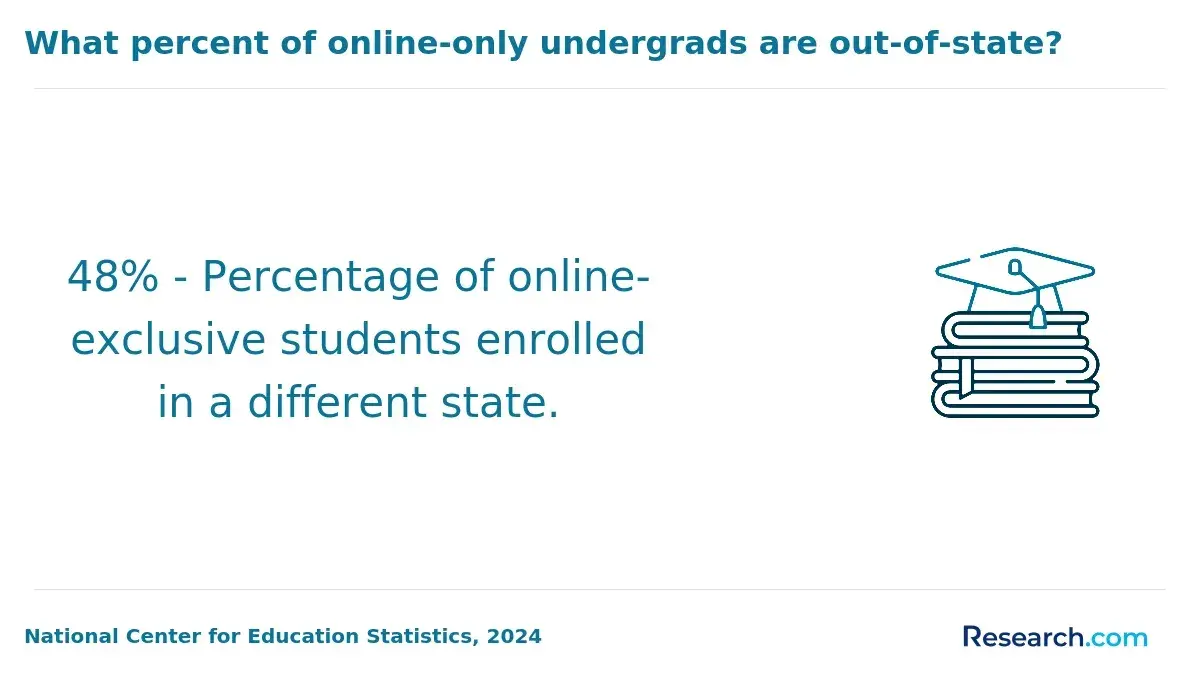
The delivery format of nurse administrator programs plays a significant role in their return on investment due to differences in cost, flexibility, and career outcomes. With over 40% of graduate students in the U.S. now enrolling in online programs, this mode of study has gained notable acceptance and convenience among working professionals. This trend influences how students evaluate the on-campus versus online nurse administration degree value.
Key factors to consider in the online nurse administrator program ROI comparison include:
- Tuition and fees: Online programs generally have lower tuition and fees, which translates into reduced upfront financial burden, making them more affordable for many students.
- Opportunity cost: Online students often maintain employment while studying, minimizing lost wages and allowing for continued income during the degree program.
- Time to completion: Both formats may offer accelerated paths, but online programs tend to provide more flexibility in pacing, which can accommodate individual schedules and life commitments.
- Networking and career services: On-campus programs often provide stronger in-person networking and career support, which can influence job opportunities and advancement.
- Employer perception and long-term earnings: While some employers still show preference for traditional degrees, the acceptance of online credentials is increasing, impacting long-term earning potential positively.
Prospective students seeking to balance cost, flexibility, and career prospects might also explore options such as the easiest DNP programs to identify programs that align well with their goals.
What Is the Average Salary After Earning a Nurse Administrator Degree?
Post-graduation salary is a key factor in determining the ROI of a nurse administrator degree because it directly reflects the financial benefits gained relative to the cost of the program.
Nurse administrator average salary ranges typically fall between $75,000 and $120,000 annually depending on several influencing factors. These salary outcomes for nurse administrators are essential for prospective students assessing whether the degree aligns with their career and financial goals.
Several factors contribute to variations in salary and ultimately impact ROI:
- Industry: Nurse administrators employed in large healthcare systems or hospitals tend to earn higher salaries compared to those working in outpatient clinics or smaller healthcare facilities, which can improve ROI.
- Geographic location: Salaries differ widely by region due to cost of living and demand; metropolitan areas and states with higher healthcare expenses generally offer more competitive pay.
- Prior experience: Professionals with substantial nursing experience transitioning to administrative roles often command higher salaries and experience quicker returns on their educational investment.
- Specialization: Advanced expertise in niche areas like healthcare informatics or policy management can lead to better compensation and enhanced career prospects.
- Career level: Entry-level nurse administrators generally earn less than those with several years of leadership background or those overseeing larger teams, influencing overall salary outcomes.
Exploring the potential financial gains alongside program costs allows informed decisions for those considering this degree. For individuals seeking easiest nursing programs to get into, understanding these salary factors can profoundly influence their educational choices.
Does a Nurse Administrator Degree Lead to Promotions?
Promotions within healthcare organizations play a crucial role in enhancing the return on investment of a nurse administrator degree by typically bringing higher salaries, expanded responsibilities, and increased career mobility. These factors combined often lead to greater long-term financial benefits and professional growth.
One notable trend in healthcare is the growing focus on credential-based promotion. A formal education in nursing administration is increasingly valued for leadership roles.
Several key elements explain how a nurse administrator degree career advancement can directly impact promotion opportunities and overall ROI:
- Credential requirements: Many leadership positions now require advanced degrees such as nurse administrator programs to ensure candidates have the necessary knowledge and skills to manage complex healthcare settings.
- Leadership preparation: Targeted coursework equips graduates with management competence and confidence, making them stronger candidates for promotion and effective team leaders.
- Employer tuition support: Financial assistance from employers in pursuing the degree can significantly reduce upfront costs, improving the degree's ROI by lowering debt burden.
- Internal promotion policies: Organizations often favor candidates who combine relevant clinical experience with advanced education when filling higher-level management roles.
- Experience and education synergy: The combination of formal leadership training and practical experience tends to accelerate career progression and income growth more than either factor alone.
Overall, promotions with a nurse administrator degree not only affirm professional readiness but also help bridge practical experience with formal training, ensuring sustained career advancement. Prospective students considering this path may explore options for an affordable healthcare administration degree online to maximize ROI while advancing their careers.
Which Industries Offer the Best ROI for Nurse Administrator Graduates?
Return on investment for nurse administrator graduates varies significantly by industry due to differences in salary levels, career progression opportunities, and demand for specialized skills. Industries that combine strong financial resources with structured leadership paths typically yield the highest ROI, reflecting better compensation growth and long-term employment stability.
The highest ROI industries for nurse administrators generally include the following sectors:
- Hospitals: Hospitals offer high salaries and frequent promotion potential because of their complex organizational structures that require advanced administrative expertise. This environment rewards nurse administrators with progressive compensation and leadership opportunities.
- Outpatient Care Centers: These clinics and specialty centers value operational efficiency and patient outcomes, driving competitive pay and meaningful career advancement for capable nurse administrators who improve processes and quality.
- Long-Term Care Facilities: Driven by an aging population, this sector provides job stability and growing demand. Nurse administrators can implement innovative care models, enhancing their career growth alongside stable compensation.
- Healthcare Consulting Firms: Consulting roles emphasize improving healthcare systems and compliance, allowing nurse administrators to leverage specialized skills. The varied experiences and high salaries in this sector foster strong ROI through career development.
- Government Health Agencies: Public health organizations offer structured career paths and stable employment. The predictable ladders and benefits contribute to sustained financial and professional returns over time.
For working professionals exploring educational options, considering programs such as the cheapest online RN to BSN programs can support affordable entry into nursing administration roles. Evaluating the top healthcare sectors for nurse administrator graduates helps align educational investments with career outcomes and financial returns.
Does Accreditation Affect ROI for a Nurse Administrator Degree?
Accreditation in nurse administrator degree programs signifies that an independent body has thoroughly assessed the curriculum and standards to ensure they meet established educational criteria. This endorsement is crucial for return on investment because it signals to employers that graduates possess verified skills and knowledge, boosting employment prospects and salary potential.
Additionally, accreditation often determines whether graduates qualify for required licenses and certifications, which are essential for career advancement in healthcare administration. A growing trend shows employers favor candidates from accredited programs due to their proven rigor and practical training alignment with industry needs.
Over time, attending an accredited nurse administrator program enhances long-term ROI by fostering employer confidence in the credentials presented. It also opens doors to financial aid and scholarship opportunities that ease the financial burden of education.
The ability to transfer credits seamlessly to advanced degrees or different institutions further maximizes educational investment. Accreditation improves eligibility for licensure and certification, which not only supports formal recognition but also promotes greater career mobility and competitiveness within the healthcare job market.
Is a Nurse Administrator Degree Worth It?
The return on investment of a nurse administrator degree hinges on factors like tuition costs, program length, salary prospects, and opportunities for career progression. Costs vary widely, often ranging from several thousand to tens of thousands of dollars, with programs lasting one to three years depending on full- or part-time enrollment.
Graduates typically earn between $80,000 and $120,000 annually, reflecting the leadership roles they assume in healthcare settings. Employment in healthcare management is expected to grow faster than average, driven by increasing needs for operational efficiency and regulatory compliance.
The value of this degree depends greatly on individual circumstances. Strong industry demand and availability of financial aid or employer support can improve ROI, while flexible program options reduce opportunity costs during study.
Those aiming for executive roles may find the degree especially beneficial. Conversely, if costs are high without clear paths to leadership, or for professionals preferring clinical work, the financial and career benefits may be limited. Careful evaluation of these elements is crucial before committing to the program.
What Graduates Say About The ROI of Their Nurse Administrator Degree
- Corinne: "Choosing the nurse administrator degree was a game-changer for me. Despite the average cost hovering around $30,000, I viewed it as a solid investment in my future leadership potential. Now, as I manage teams and drive improvements in patient care, I'm convinced the ROI far outweighs the initial expense."
- Jan: "Studying nurse administrator online allowed me to balance my budget and my busy schedule. With the costs being more manageable than I expected, the program offered excellent value considering the salary boost and career growth I've experienced since graduating. It's a decision I recommend to anyone weighing cost against long-term professional benefits."
- Lynda: "Opting for the part-time nurse administrator program was a thoughtful decision, especially given the program's cost and my need to keep working. Reflecting on the journey, the financial commitment was significant, but the career advancement opportunities and expanded responsibilities made it worthwhile. It has fundamentally shaped my approach to healthcare management."
Other Things You Should Know About Nurse Administrator Degrees
A nurse administrator degree provides essential leadership, budgeting, and healthcare management skills. These competencies enable graduates to improve operational efficiency and patient care quality, which can lead to higher salaries and job stability. Such skills also increase opportunities to take on executive roles within healthcare organizations, boosting ROI.
Work experience prior to or concurrent with the nurse administrator degree can substantially improve ROI. Experienced nurses entering administration tend to command higher starting salaries and advance more quickly. Additionally, experience complements academic knowledge, enhancing leadership effectiveness and job performance.
In 2027, regional differences can significantly impact the ROI of a Nurse Administrator Degree. Areas with high demand for healthcare administrators, like urban centers, may offer better salaries and job opportunities, enhancing ROI. Conversely, rural regions might present fewer opportunities, thus affecting ROI negatively.
References
- Top 10 Cheap, Fast, Online MSN Programs https://nurse.org/articles/cheap-online-masters-degree-in-nursing/
- Nursing: Nurse Administration, M.S.N. https://academics.charlotte.edu/program/nursing-nurse-administration-m-s-n-online/
- Become a Nurse Administrator: Programs, Certification & Pay https://www.nursingcolleges.com/careers/nurse-administrator
- The Role of Accreditation in RN to BSN Programs https://everynurse.org/role-accreditation-rn-to-bsn-programs/
- Becoming a Nurse Administrator https://academicpartnerships.uta.edu/healthcare-nursing-online-programs/rn-to-msn/general/becoming-a-nurse-administrator/
- How Much Do Nurse Administrators Make? – Nursing Education https://nursingeducation.org/careers/nurse-administrator/salary/
- Nursing (Nursing Administration), MS (Online) | Loma Linda University https://llu.edu/academics/programs/school-nursing/nursing-nursing-administration-ms-online
- What Are The Best Programs for Nursing Administrator in the Country? - Healthcare Management Degree Guide https://www.healthcare-management-degree.net/faq/best-programs-for-nursing-administrator/
- Early Results Show It Pays to Be Accredited https://www.providermagazine.com/Articles/Pages/Early-Results-Show-It-Pays-to-Be-Accredited.aspx
- Scholarships & Financial Aid https://www.aacnnursing.org/students/scholarships-financial-aid


